Why Oral Sedation Dentistry Is Ideal for Extensive Treatments
Oral Sedation

Oral sedation dentistry is becoming a preferred choice for those facing extensive dental treatments. It’s a method that makes long appointments less daunting by allowing patients to feel more relaxed and at ease. This form of sedation helps in creating a comfortable environment, where apprehensive patients can undergo necessary procedures without feeling overwhelmed.

Imagine needing several dental treatments in one go. It sounds intimidating, right? This is where oral sedation steps in as a practical solution, easing your anxiety and making the experience much smoother. The benefits extend beyond simple comfort, fostering an easier and more efficient treatment process. Let’s explore why oral sedation could be the ideal choice for your next extensive dental treatment.

Understanding Oral Sedation Dentistry

Emergency Dental Care

Oral sedation dentistry is a method used to help patients relax during dental procedures. It involves taking a prescribed medication before the appointment, which calms the nerves and reduces stress. This type of sedation suits those who are anxious about dental visits or need lengthy procedures.

The process itself is quite straightforward. Before your dental appointment, you’ll take a pill that temporarily trances you into a relaxed state, while still conscious and able to communicate if needed. It doesn’t knock you out or make you unconscious like general anaesthesia would. Instead, it takes the edge off, akin to slipping into a warm bath after a tiring day. Different types of medications can be used, varying in potency, and decided upon based on patient needs and medical history.

Safety is a key aspect when considering oral sedation. It has a proven track record of safety when managed by a competent dental professional, making it a reliable option for many. Common uses include coping with dental phobias, sitting through complex treatments, and aiding those with sensitive gag reflexes or difficulty staying still for extended periods. With its safety and effectiveness, oral sedation dentistry opens up new possibilities for comprehensive dental care in a stress-free manner.

Benefits of Oral Sedation for Extensive Treatments

One of the main attractions of oral sedation for extensive treatments is the comfort it provides. Patients often find it hard to sit through long procedures, but oral sedation can alleviate much of the anxiety and physical discomfort. It allows you to relax, almost like having a calm, quiet moment amid a busy day, ensuring the time spent in the chair feels much shorter. Learn more about emergency dental care in Pickering.

In addition to comfort, there’s efficiency to consider. Oral sedation makes it possible to perform multiple procedures in one sitting. This reduces the need for several visits, saving time and streamlining the entire process. So, instead of breaking up treatments over weeks or months, they can be completed in a much shorter span. It’s the dental equivalent of consolidating trips to the grocery store and getting everything on your list in one visit.

The quicker pace not only benefits patients by minimizing the number of appointments but also helps ensure a faster overall recovery period. Since everything is done in one go, your mouth heals in tandem without the need to reopen healed sites over multiple sessions. This more efficient treatment strategy is one of the reasons why many opt for oral sedation during lengthy dental work.

How to Prepare for Oral Sedation Dentistry

Family Dental Care

Getting ready for oral sedation involves a few simple steps to ensure everything goes smoothly. Preparation typically starts with instructions from your dentist. You might be asked to refrain from eating or drinking for a certain period before your appointment to ensure the sedation works effectively.

Here’s a quick list of pre-sedation tips:

– Follow pre-sedation guidelines: Listen carefully to your dentist’s instructions about food, drink, and medication. It’s also wise to wear comfortable clothing.

– Arrange transportation: You’ll need someone to drive you home afterward, as the sedation can linger for a bit. This is a great opportunity to call on a friend or family member.

– Set up a rest area at home: Post-treatment, you’ll want to take it easy. Make sure you have a comfy spot to relax, complete with all the essentials like water, a good book, or your favourite show lined up.

After the procedure, your dentist will provide post-care instructions to follow. This advice is designed to ensure a smooth recovery and includes tips on what to do if you experience any side effects. Knowing what to expect can help ease any concerns you might have and allow for a restful recovery period, adding to the overall positive experience oral sedation provides.

Enjoy a Stress-Free Dental Experience

Choosing oral sedation dentistry transforms dental visits by making them more relaxed and far less stressful. With this approach, the daunting thought of extensive treatments is softened into something manageable. Patients often feel less stressed, benefiting from the calm environment sedation creates.

Taking advantage of oral sedation means embracing a method that adapts to your needs, making lengthy dental work more approachable. It offers comfort, saves time, and supports quicker recoveries, painting dental visits in a whole new light. If extensive dental work is on your horizon, consider how oral sedation could make that experience much more pleasant.

If you’re considering enhancing your dental experience, explore more about oral sedation dentistry with Pickering Dental Services. This approach ensures comfort and efficiency during extensive treatments, making your visits smooth and stress-free. Discover how oral sedation dentistry can benefit you and help create a relaxing environment for your dental care needs.

Helpful Resources

For more information, visit the CDA Guide to Sedation Dentistry.

Schedule Your Appointment Today

Contact Pickering Square Dental to book your appointment with Dr. Marvin Lean. Call us at (905) 420-1777 or visit us at 1450 Kingston Rd, Unit #4, Pickering, ON.

Frequently Asked Questions

Is sedation dentistry safe?

Yes, sedation dentistry is very safe when administered by a trained dental professional. Dr. Lean at Pickering Square Dental monitors your vital signs throughout the procedure to ensure your comfort and safety.

Will I be unconscious during sedation dentistry?

It depends on the level of sedation. Mild sedation keeps you relaxed but awake. Moderate sedation may make you drowsy, though you can still respond. Deep sedation is used for complex procedures. Dr. Lean will recommend the right level for your needs.

How long does sedation last?

Nitrous oxide (laughing gas) wears off within minutes. Oral sedation may take a few hours to fully wear off, so you will need someone to drive you home. Our Pickering team will give you specific aftercare instructions.

Why Sedation Dentistry Helps Children During Dental Visits

sedation dentistry

Visiting the dentist can be a nerve-wracking experience for children. The unfamiliar environment, strange noises, and sometimes even the fear of pain can make them anxious. This fear is common and can lead to struggles during dental visits. Thankfully, there’s a way to ease this anxiety and make dental visits more manageable for both kids and their parents: sedation dentistry. By calming young patients, sedation techniques help children get through necessary dental procedures without distress.

Sedation dentistry offers a gentle approach to dental care that prioritizes the comfort of children. In the following sections, we’ll explore how sedation dentistry works and highlight its benefits for kids. We will look at different types of sedation used in dental care, ensuring children feel at ease while maintaining their oral health. Whether it’s a routine check-up or a more involved procedure, understanding sedation dentistry better prepares you to make the right choice for your child.

Understanding Sedation Dentistry

implant dentistry

Sedation dentistry refers to the use of medication to help patients relax during dental procedures. It is especially beneficial for children who may be nervous about visiting the dentist or have had difficult experiences in the past. This approach involves various levels of sedation based on the child’s specific needs.

Here are the main types of sedation used:

– Nitrous Oxide: Often called “laughing gas,” this is a mild sedative that is inhaled. It helps the child feel calm and is easily reversible once the procedure is done.

– Oral Sedatives: These are pills or liquids taken before the appointment to help the child relax. They work well for kids needing a bit more help to settle their nerves.

– IV Sedation: Used for more extensive dental work, this type provides a deeper level of sedation. It’s generally used for children who need significant treatment and have high anxiety levels.

Safety is a top priority with sedation dentistry. Dental professionals are trained to administer sedation safely and monitor each child throughout the process. The goal is to create a peaceful and stress-free experience that ensures the dental work can be completed efficiently without causing unnecessary distress to the child. Learn more about emergency dental care in Pickering.

The Benefits of Sedation Dentistry for Kids

Sedation dentistry can make a big difference in how children perceive dental visits. Here’s how it benefits young patients:

1. Reduces Anxiety and Fear: Children often fear the unknown, and sedation helps alleviate those fears by ensuring they stay calm.

2. Improves Cooperation During Treatments: With sedation, kids are more likely to cooperate with the dentist, allowing for smoother procedures.

3. Allows for Multiple Procedures in One Visit: When children are calm, it’s easier to complete more than one treatment at a time, which saves both time and stress.

4. Minimizes Pain and Discomfort: Sedation can reduce the sensation of pain during treatment, making the experience more comfortable for your child.

Understanding these benefits can help you decide if sedation dentistry is the right choice for your child. It might just be the key to turning dental visits into an easier and more positive experience for your little one.

When to Consider Sedation Dentistry for Your Child

Oral Surgeon

Choosing when to use sedation dentistry is an important decision. Various factors can influence this choice, ensuring your child receives the best care possible. Situations that might call for sedation include extensive dental work or if a child experiences severe anxiety. It’s often helpful if your child has previously had challenging visits or if they’ve shown significant nervousness during check-ups.

Consideration of your child’s age and their unique temperament is also crucial. Younger children may have a harder time sitting still for long periods, so sedation can make lengthy procedures more manageable for both the child and the dentist. Discussing your child’s history, along with their emotional and behavioural needs, with the dentist is important. This conversation helps tailor the approach to fit their specific needs, ensuring both effectiveness and safety.

Prior to deciding on sedation, a thorough dental assessment will be conducted. This assessment helps determine if sedation is suitable and which type would be the most appropriate. Open communication with your dental care team ensures everyone is on the same page and your child’s visit is as stress-free as possible.

What to Expect During and After the Visit

Preparing your child for a dental visit with sedation involves a few simple steps. It’s helpful to explain calmly what will happen and assure them of the safety and comfort they’ll experience. Using simple language can make these conversations more relatable and less intimidating for kids.

During the visit, your child will receive the sedation in a comfortable setting. The dental team will monitor them closely to ensure their well-being throughout the procedure. Sedation is designed to be safe and effective, minimizing any discomfort or anxiety.

After the visit, your child might feel a little drowsy while the effects wear off. It’s important to follow any post-visit care instructions given by the dental team, such as dietary recommendations or necessary rest. Monitoring at home ensures a smooth recovery, and most children bounce back quickly, ready to continue their routine with less fear of future dental appointments.

Keeping Your Child Calm and Comfortable

Helping children stay calm during dental visits begins with preparation at home. Simple strategies can set the stage for a more relaxed experience. Reading books or watching videos about what happens at the dentist can create a positive and familiar image before the visit. These resources often depict friendly characters having their own dental adventures, which can help demystify what happens during a check-up.

Even slight changes in tone and approach can make a significant difference. Maintaining a supportive environment by staying calm and positive yourself can model the behaviour you’d like your child to adopt. Bringing a comforting item, like a favourite stuffed animal, can also offer your child additional security.

Creating an experience with trust and understanding is the goal, transforming a potentially daunting task into something much more manageable for both parents and children.

Helping Your Child Have a Positive Dental Experience

Building a positive dental routine starts with understanding the different options available, like sedation dentistry, that meet your child’s individual needs. Encouraging regular visits will help establish good habits that are essential for long-term oral health. The assurance that these visits can be stress-free with appropriate care leads to lasting confidence in dental environments.

Ultimately, approaching dental care with insight and empathy ensures your child’s journey is smooth and comfortable. With the right preparation and support, children can grow up associating their dental experiences with ease and positivity.

Choosing the right options for your child’s dental visits can help make their experience much smoother and enjoyable. If sedation dentistry seems like a good fit for your needs, take a closer look at how it could benefit your family. Trust Pickering Dental Services to provide a caring and tailored approach for your child’s dental care. Learn more about sedation dentistry and how it can make a difference in your child’s dental journey.

Helpful Resources

For more information, visit the CDA Guide to Sedation Dentistry.

Schedule Your Appointment Today

Contact Pickering Square Dental to book your appointment with Dr. Marvin Lean. Call us at (905) 420-1777 or visit us at 1450 Kingston Rd, Unit #4, Pickering, ON.

Frequently Asked Questions

Is sedation dentistry safe?

Yes, sedation dentistry is very safe when administered by a trained dental professional. Dr. Lean at Pickering Square Dental monitors your vital signs throughout the procedure to ensure your comfort and safety.

Will I be unconscious during sedation dentistry?

It depends on the level of sedation. Mild sedation keeps you relaxed but awake. Moderate sedation may make you drowsy, though you can still respond. Deep sedation is used for complex procedures. Dr. Lean will recommend the right level for your needs.

How long does sedation last?

Nitrous oxide (laughing gas) wears off within minutes. Oral sedation may take a few hours to fully wear off, so you will need someone to drive you home. Our Pickering team will give you specific aftercare instructions.

Why Sedation Dentistry in Ajax Is Great for Dental Phobia

Sedation Dentistry

Going to the dentist can be a nerve-wracking experience for many people. Whether it’s the sound of the drill, the anticipation of discomfort, or past dental experiences that leave a bad taste in their mouth, dental anxiety is a real barrier. For residents of Ajax and beyond, sedation dentistry offers a way to make these fears a thing of the past. By using medication to help patients relax, the dental visit becomes not just tolerable but truly comfortable.

Sedation dentistry isn’t just about easing a patient’s fears. It’s also a practical approach to making sure procedures go smoothly. When a person is relaxed, the dentist can work more effectively, and what might typically take several visits could be completed in just one. For those who feel nervous even thinking about a dental check-up, sedation dentistry in Ajax can feel like a solution tailor-made for them.

What Is Sedation Dentistry?

Family Dentists

Sedation dentistry involves using medications to help patients remain calm during dental procedures. It’s not about putting someone to sleep—unless you’re talking about general anesthesia, which is less common—but more about creating a relaxed state where fear and anxiety melt away. Imagine the relaxation of taking a deep breath and feeling your worries fade; that’s what sedation aims to do for dental appointments.

Several types of sedation can be used, depending on the patient’s needs and the procedure being performed. Here’s a quick rundown:

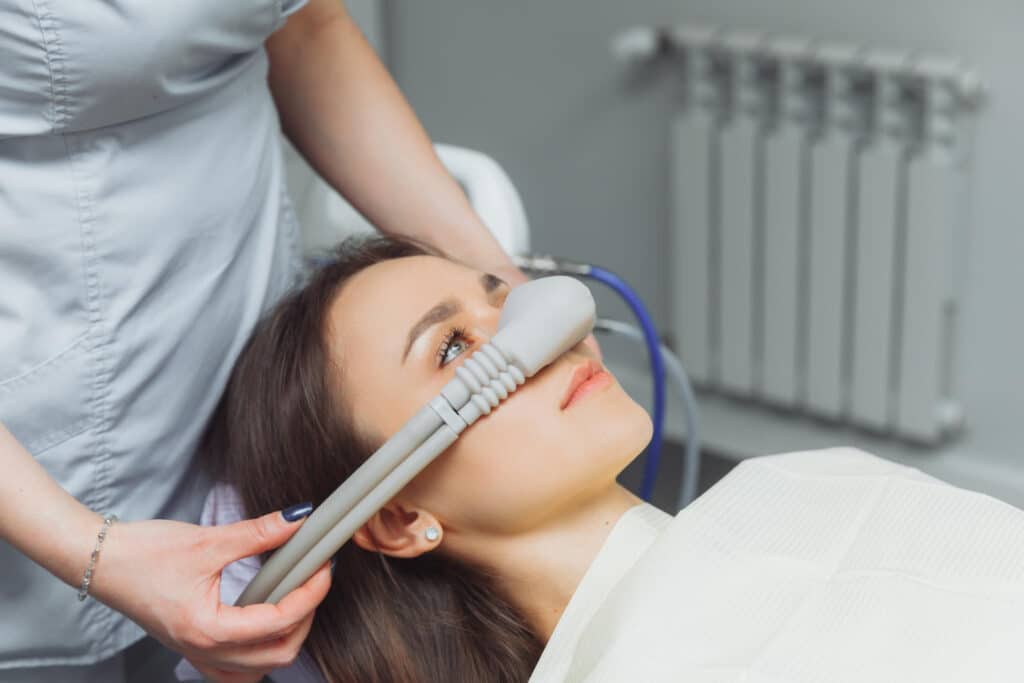
– Nitrous Oxide: Commonly known as “laughing gas,” nitrous oxide is inhaled through a mask placed over the nose. It helps patients feel relaxed and is one of the mildest forms of sedation.

– Oral Sedation: This involves taking a pill, usually about an hour before the procedure. The medication makes patients feel drowsy but awake, creating a sense of calmness during the dental treatment.

– IV Sedation: Administered through a vein, this type of sedation allows the dentist to adjust the level of sedation continuously. It provides deeper relaxation compared to nitrous oxide and oral sedation. Learn more about emergency dental care in Pickering.

Each type has its unique benefits and considerations. For example, nitrous oxide wears off quickly, so patients can drive themselves home after the appointment. On the other hand, oral and IV sedation typically require someone to accompany the patient, as the effects take longer to diminish. These options give patients the ability to choose something that fits their comfort level.

How Sedation Dentistry Helps with Dental Phobia

Living with dental phobia can be overwhelming, stopping many from seeking necessary dental care. For those who’ve experienced sweaty palms at the thought of a dentist visit, sedation dentistry turns the experience into something manageable.

Sedation works wonders by calming nerves, which has a soothing ripple effect on the entire body. When anxiety levels drop, the dentist can complete the procedure more efficiently, and in some cases, procedures that require multiple visits can be trimmed down to one. By breaking the cycle of fear and avoidance, sedation dentistry helps patients find their way back to good oral health.

Common fears revolve around pain, loss of control, or negative past experiences. Sedation can ease these worries by giving patients a sense of control and relaxation. Think of it as being on a calm sea instead of sailing through a storm. This shift can be life-changing for those who typically avoid the dentist at all costs. Transitioning into a more positive dental experience not only preserves your smile but ensures overall dental health in the long run.

The Process of Sedation Dentistry

Veneers

Before undergoing sedation dentistry, it’s important to understand how the process works. The first step is usually a consultation where you discuss your medical history and any concerns you might have. This is the time to be open about your fears and let the dentist know what exactly worries you. With this information, the dentist can recommend the best type of sedation for your needs.

Once your sedation type is selected, the next step is the appointment day itself. If you’re having oral sedation, you’ll usually take a pill about an hour before your dental procedure. With IV sedation, a professional will administer the sedative directly into your bloodstream through an intravenous line, allowing for more control over sedation levels during the treatment. If you’re using nitrous oxide, you’ll wear a mask over your nose, and soon enough, you’ll feel more relaxed.

During the procedure, the dentist monitors your vital signs to ensure your safety and comfort. You’ll be awake and able to respond to questions or directions but might not remember much afterward. Sedation can turn a potentially uncomfortable situation into a restful experience.

After the procedure, depending on the type of sedation used, you may need someone to drive you home, especially if you’ve had oral or IV sedation. It’s completely normal to feel drowsy for a few hours as the effects wear off, so plan for some downtime. Afterwards, make sure to follow any specific care instructions provided by the dental team to ensure a smooth recovery.

Why Choose Sedation Dentistry in Ajax

Choosing sedation dentistry in Ajax brings specific advantages. Dentists in Ajax understand the needs and concerns of the community. They provide personalized care to ensure each patient’s experience is as comfortable as possible. Being in Ajax means not needing to travel far to access these options. The dental offices are equipped with modern facilities and professionals trained in the latest sedation techniques.

The local clinics provide people with the opportunity to receive expert care without the hassle of going out of town. By understanding the specific anxieties faced by residents, Ajax dental professionals offer an environment that feels familiar and comforting, making it easier for anxious patients to take that first step towards better oral health.

Achieve a Calm Dental Experience

Embracing sedation dentistry can be a game-changer for anyone dealing with dental phobia. It opens the door to maintaining good oral health without the usual stress and worry. By addressing fears and making visits more pleasant, sedation dentistry plays a key role in restoring not just smiles but confidence.

If dental anxiety has held you back, this could be the opportunity to change that narrative. Think of sedation as a bridge to better oral care—a way to cross over from fear to comfort. Discussing sedation options with a trusted local dentist can help you figure out the best path forward, ensuring not only optimal dental health but also peace of mind.

Embrace a new experience at the dentist by exploring sedation dentistry in Ajax for a calm and anxiety-free visit. With local expertise at Pickering Dental Services, you can find a comfortable path to better dental health. Don’t let fear stand in the way of your smile; learn more about sedation dentistry in Ajax today.

Helpful Resources

For more information, visit the CDA Guide to Sedation Dentistry.

Schedule Your Appointment Today

Contact Pickering Square Dental to book your appointment with Dr. Marvin Lean. Call us at (905) 420-1777 or visit us at 1450 Kingston Rd, Unit #4, Pickering, ON.

Frequently Asked Questions

Is sedation dentistry safe?

Yes, sedation dentistry is very safe when administered by a trained dental professional. Dr. Lean at Pickering Square Dental monitors your vital signs throughout the procedure to ensure your comfort and safety.

Will I be unconscious during sedation dentistry?

It depends on the level of sedation. Mild sedation keeps you relaxed but awake. Moderate sedation may make you drowsy, though you can still respond. Deep sedation is used for complex procedures. Dr. Lean will recommend the right level for your needs.

How long does sedation last?

Nitrous oxide (laughing gas) wears off within minutes. Oral sedation may take a few hours to fully wear off, so you will need someone to drive you home. Our Pickering team will give you specific aftercare instructions.

Oral Sedation Dentistry: What You Need to Know
oral sedation

Facing a dental procedure can sometimes be a bit nerve-wracking. Whether you’re dealing with a routine cavity filling or something more complex, the anxiety can be overwhelming. That’s where oral sedation dentistry comes in. This approach to dental care is designed to make your visits more relaxed and comfortable. Think of it as taking the edge off to ensure a smoother, stress-free experience at the dentist. With this method, you can manage your dental fears while still receiving the care you need.

Oral sedation dentistry is especially helpful for those who face real apprehension about sitting in the dentist’s chair. It’s not just for people who are fearful, though. This type of sedation can be ideal for anyone undergoing longer or more complex dental procedures. The goal is to make your time at the dental office as effortless as possible, allowing you to focus on your oral health without stress. In this article, you’ll get a closer look at what oral sedation dentistry involves and why it might be the right choice for you.

What Is Oral Sedation Dentistry?

Dental Care

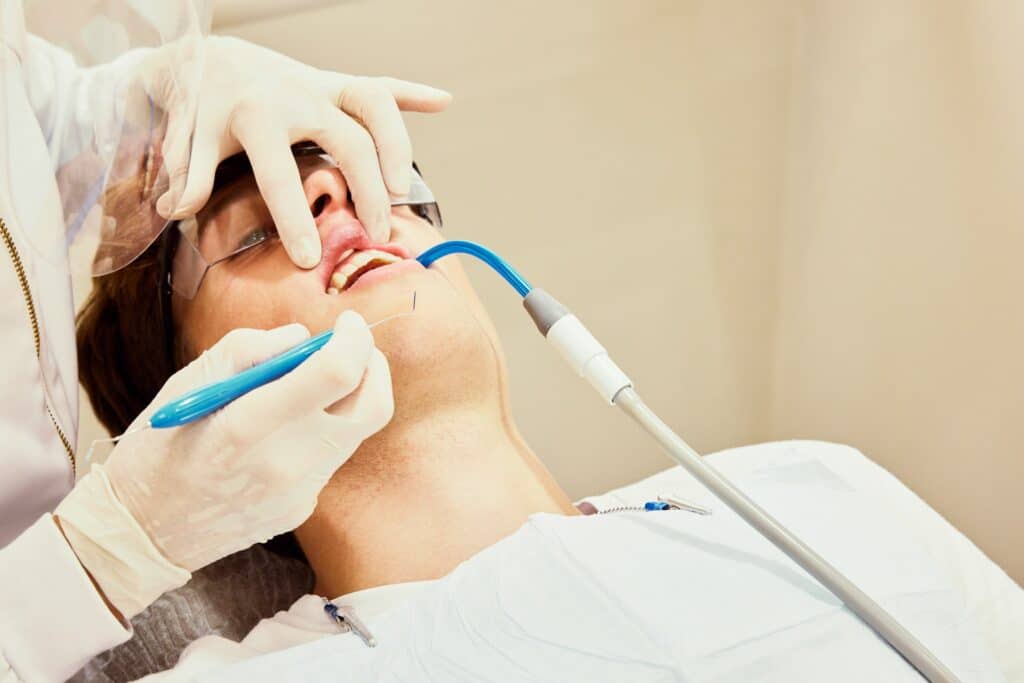
Oral sedation dentistry involves taking medication to help you relax during dental procedures. Unlike general anesthesia, which puts you to sleep, oral sedation allows you to stay awake but in a calm and relaxed state. You might feel drowsy, but overall you’ll be more at ease.

Here’s how it works:

– You take a sedative pill, usually about an hour before your appointment, so it has time to kick in.

– The medication most commonly used includes benzodiazepines, like Valium or Ativan, which are designed to reduce anxiety.

– During the procedure, you’ll feel relaxed and perhaps a little groggy, but you’ll still be aware of what’s happening around you.

One of the main advantages of oral sedation is that it provides a more peaceful experience without the need for needles or injections. It’s a simple process that helps remove the tension associated with dental appointments, making it easier for you to get the care you need.

Benefits of Oral Sedation Dentistry

There are several reasons why oral sedation dentistry might be the right choice for you:

1. Reduced Anxiety: The primary benefit is calming your nerves, making dental visits much more manageable.

2. Comfort During Procedures: It’s easier to sit through longer procedures when you’re relaxed, helping the dentist perform effectively without interruptions. Learn more about emergency dental care in Pickering.

3. Better Dental Care Compliance: Those who avoid the dentist due to fear are more likely to attend regular check-ups when the anxiety is lessened.

Oral sedation is beneficial for both the patient and the dentist. It helps you feel secure in the dental chair, allowing the procedure to proceed smoothly. For those with dental phobias, oral sedation can be a solution that changes your perception of dental care. The goal is to make your visits more pleasant, encouraging a positive attitude toward maintaining your oral health.

How to Prepare for Oral Sedation

Tooth Extraction

Preparing for a dental visit with oral sedation is simple but essential to ensure everything goes smoothly. Getting ready involves a few steps to keep in mind, making your experience as comfortable as possible.

First, the dentist might advise you to fast for a few hours before your appointment. This step helps in minimizing any potential nausea during the procedure. So, be sure to follow any specific guidelines given to you in advance. Next, make arrangements for someone to drive you to and from the appointment. Since sedation can leave you feeling a bit sleepy, having a friend or family member handle transportation is a safe choice.

Consider the following tips to ensure you’re fully prepared:

– Pre-Appointment Consultation: It’s always a good idea to talk through the procedure with your dentist beforehand. This includes discussing any medical conditions or concerns you might have.

– What to Wear: Go for something comfortable. Loose-fitting clothes can help you feel at ease throughout your visit.

– Things to Bring: Carry along any comfort items you might want post-procedure, like a pair of sunglasses to shield your eyes from light or a soothing playlist to listen to during the drive home.

What to Expect During and After the Procedure

Understanding what happens on the day of your dental appointment can help ease any lingering nerves. On the morning of the procedure, you’ll take your prescribed sedative pill as advised. The medication typically begins working swiftly, easing you into a relaxed state by the time you reach the dentist’s office.

During the procedure, you’ll settle into the dental chair while remaining alert but calm. It’s normal to feel slightly groggy, but you’ll still be aware of your surroundings and able to communicate with the dental team. This relaxed state makes the process more bearable and less intimidating, especially for patients with a heightened sense of anxiety.

After your procedure, it’s time for self-care:

– Immediate Aftercare: Rest is vital. Spend the rest of the day taking it easy to allow the sedation to wear off fully.

– Feelings and Sensations: It’s common to feel a bit drowsy or disoriented after your visit. This is completely normal and usually subsides by the next day.

– Full Recovery: Avoid operating machinery or making important decisions until your sedation effects completely wear off.

Ensuring Safe and Effective Oral Sedation Dentistry in Pickering

Choosing the right dental practice plays a significant role in the success of your sedation experience. When searching for a dental team, it’s important to look for professionals who are well-equipped and experienced with sedation practices. A dependable and skilled team will provide the highest care, ensuring your safety and comfort through the whole process.

Consider these pointers when selecting a dental service provider:

– Look for certifications and accreditations that attest to their competence in offering oral sedation.

– Check online reviews or ask around for personal recommendations to gauge the reputation of the practice.

– Make sure the clinic offers a clear and thorough consultation process, explaining all aspects of the sedation and procedure in detail.

Creating a Comfortable Dental Experience

Dental visits should be as stress-free as possible, and oral sedation dentistry offers a way to achieve just that. By understanding the benefits and processes involved, you gain confidence and reduce apprehension about dental care. It’s a practical approach that not only helps during intricate procedures but also encourages more regular check-ups without fear.

Taking the step to explore oral sedation can transform how you think about visiting the dentist. Whether battling anxiety or simply wanting a more relaxed experience, this method provides the comfort you need in the dental chair. Embrace the opportunity for a more pleasant and manageable dental visit tailored to fit your comfort levels and needs.

Experience a more relaxed and stress-free dental visit by exploring oral sedation dentistry. At Pickering Dental Services, we prioritize your comfort and aim to transform the way you view dental care. Discover how oral sedation can make your appointments smoother. Let us help you achieve a more comfortable and positive dental experience.

Helpful Resources

For more information, visit the CDA Guide to Sedation Dentistry.

Schedule Your Appointment Today

Contact Pickering Square Dental to book your appointment with Dr. Marvin Lean. Call us at (905) 420-1777 or visit us at 1450 Kingston Rd, Unit #4, Pickering, ON.

Frequently Asked Questions

Is sedation dentistry safe?

Yes, sedation dentistry is very safe when administered by a trained dental professional. Dr. Lean at Pickering Square Dental monitors your vital signs throughout the procedure to ensure your comfort and safety.

Will I be unconscious during sedation dentistry?

It depends on the level of sedation. Mild sedation keeps you relaxed but awake. Moderate sedation may make you drowsy, though you can still respond. Deep sedation is used for complex procedures. Dr. Lean will recommend the right level for your needs.

How long does sedation last?

Nitrous oxide (laughing gas) wears off within minutes. Oral sedation may take a few hours to fully wear off, so you will need someone to drive you home. Our Pickering team will give you specific aftercare instructions.

Easing Anxiety: Unveiling the Comprehensive Benefits of Sedation Dentistry
Sedation Dentistry

Going to the dentist makes many people anxious, especially when thinking about pain or discomfort. This fear can lead some to avoid necessary dental care, which might cause long-term oral health problems. Luckily, sedation dentistry can help ease these worries and create a more comfortable dental experience.

Sedation dentistry uses medication to help patients relax during dental procedures. It can range from mild sedation, where you’re awake but relaxed, to deep sedation, where you are close to sleeping. This approach makes visits less scary and more pleasant, allowing dentists to perform needed treatments while the patient feels at ease. Whether you fear the drill’s sound or the dentist’s chair, sedation dentistry might be the solution you’ve been looking for. It can turn a potentially stressful situation into a simple and manageable appointment, ensuring you get the care your teeth need.

Understanding Sedation Dentistry

Wisdom Teeth Removal

Sedation dentistry is a method used to help patients feel calm and relaxed during dental procedures. It involves administering medication to ease anxiety, making it easier for individuals to receive necessary dental care without stress. This approach is especially helpful for those who experience fear when visiting the dentist or have difficulty sitting still for treatments.

Several types of sedation are commonly used in dentistry:

– Nitrous Oxide (Laughing Gas): This is the mildest form of sedation. It is inhaled through a mask, helping patients feel relaxed but remain fully conscious. The effects wear off quickly, allowing you to drive yourself home after the appointment.

– Oral Sedation: This involves taking a pill before the procedure. The medication makes you drowsy, but you stay awake. The level of sedation varies depending on the dose, and it can be mild or moderate.

– IV Sedation: Administered through a vein, this form offers a deeper sedation level. You remain awake but often feel as though you slept through the procedure. Your dentist carefully monitors this method for safety.

– General Anaesthesia: Used for more complex procedures, it puts you into a deep sleep, where you feel no pain and have no memory of the treatment.

Each type of sedation has its benefits and applications. Discussing your fears and concerns with a professional can help determine the best option for your needs, making dental visits less daunting.

Benefits of Sedation Dentistry

One of the primary advantages of sedation dentistry is its ability to significantly reduce anxiety and fear associated with dental visits. Many people avoid the dentist due to past experiences or phobias. Sedation helps overcome these fears, allowing you to receive essential dental care without distress.

Here are some key benefits of sedation dentistry:

– Minimizes Pain Perception: Even the thought of dental tools can cause discomfort for some people. Sedation helps reduce this perception, making treatments more bearable.

– Reduces Gag Reflex: For those with a sensitive gag reflex, sedation can make dental procedures smoother and more comfortable.

– Helps Manage Restlessness: Patients who find it hard to sit still benefit from sedation, as it helps them relax throughout the procedure.

– Allows More Complex Procedures: Sedation enables dentists to perform more work in one visit, often completing multiple treatments that would otherwise require several appointments.

Sedation dentistry can enhance the overall dental experience by making appointments more comfortable. It removes barriers to treatment, ensuring that anxiety doesn’t interfere with maintaining good oral health. By opting for sedation, patients can focus on the benefits of their dental care, like healthier teeth and a brighter smile, rather than the steps needed to achieve it.

How Sedation Dentistry Works

Teeth Whitening

Understanding the process of sedation dentistry can ease your mind about how it helps during dental visits. This approach involves several steps to ensure you feel comfortable throughout your treatment. Each patient’s experience varies slightly based on their needs and the type of sedation used.

The process typically follows these steps:

– Consultation: The dentist assesses your medical history and dental needs to determine the best sedation type. They discuss any concerns you might have and explain how the sedation will work for your specific treatment.

– Administration: Depending on the sedation chosen, the dentist administers it through gas, oral medication, or an IV. They ensure you’re comfortable before starting the procedure.

– Monitoring: Throughout the treatment, the dental team closely monitors your vital signs and comfort level. This professional oversight ensures your safety and the effectiveness of the sedation.

– Post-Procedure: Once the treatment is complete, you rest until the sedation’s effects wear off. You may need someone to drive you home, especially if you’ve had deeper sedation levels.

Safety measures are vital in sedation dentistry. Dentists are trained to handle sedation and maintain equipment to ensure patient safety. This commitment to safety and professional oversight helps make sedation a reliable option for easing dental anxiety.

Who Can Benefit from Sedation Dentistry?

Sedation dentistry is ideal for various patients, particularly those with specific needs or conditions that make traditional dental visits challenging. It offers solutions for individuals who struggle with dental phobias, sensitive gag reflexes, or difficulties sitting still due to physical or cognitive conditions.

Here are some patients who may benefit from sedation:

– Anxious Patients: Those who experience severe anxiety or fear during dental visits can find relief through sedation, making it easier to undergo necessary treatments.

– Children and Special Needs Patients: Kids and individuals with special needs who find it hard to cooperate during procedures may also benefit from sedation, ensuring they receive essential dental care without distress.

– Patients with Low Pain Thresholds: For those who are particularly sensitive to pain, sedation provides a way to minimize discomfort and enhance their overall experience.

Considerations for choosing sedation options include your medical history, the procedure type, and personal comfort levels. A detailed discussion with your dentist can help tailor the sedation approach to meet your unique needs, ensuring safe and effective treatment.

Conclusion

Sedation dentistry has revolutionized the way patients approach dental care, providing a calm and stress-free experience. It’s a vital tool for anyone whose anxiety or other factors prevent them from receiving the necessary dental work. By reducing discomfort and fear, sedation dentistry helps maintain oral health and encourages regular dental visits, promoting a lifelong habit of self-care.

Pickering Dental Services is dedicated to providing a comfortable and pleasant dental experience. If you’ve been putting off dental care due to anxiety or other concerns, consider full sedation dentistry as a way to improve your dental visits. Our experienced team can help guide you through the process, ensuring that your time in the dental chair is as relaxing as possible.

Looking for professional help? Learn more about our sedation dentistry services at Pickering Square Dental or call (905) 420-1777 to book an appointment.

Helpful Resources

For more information, visit the CDA Guide to Sedation Dentistry.

Frequently Asked Questions

Is sedation dentistry safe?

Yes, sedation dentistry is very safe when administered by a trained dental professional. Dr. Lean at Pickering Square Dental monitors your vital signs throughout the procedure to ensure your comfort and safety.

Will I be unconscious during sedation dentistry?

It depends on the level of sedation. Mild sedation keeps you relaxed but awake. Moderate sedation may make you drowsy, though you can still respond. Deep sedation is used for complex procedures. Dr. Lean will recommend the right level for your needs.

How long does sedation last?

Nitrous oxide (laughing gas) wears off within minutes. Oral sedation may take a few hours to fully wear off, so you will need someone to drive you home. Our Pickering team will give you specific aftercare instructions.

Understanding Sedation Dentistry: Making Dental Visits Stress-Free

Sedation Dentistry

For many people, going to the dentist can be a source of stress and anxiety. This fear often prevents patients from seeking the dental care they need. Sedation dentistry offers a solution, helping to ease worries and create a more comfortable experience at the dental office. Understanding how sedation works can change your approach to dental visits, making them something to look forward to rather than dread.

Sedation dentistry uses medications to help patients feel calm and relaxed during dental procedures. It’s particularly beneficial for those with dental anxiety, sensitive teeth, or a strong gag reflex. With various levels of sedation available, from minimal relaxation to deeper sedation, patients can receive the care they need without discomfort or fear.

By choosing sedation dentistry, you take an important step towards maintaining your oral health without compromising your peace of mind. Whether you need a simple cleaning or more complex dental work, sedation can enhance your experience, ensuring you leave the dentist’s office feeling at ease and content with your dental care journey.

Understanding Sedation Dentistry

Canadian Dental Care Plan — Pickering, ON

Sedation dentistry provides a way to help patients relax during dental treatments. There are different types of sedation that vary in intensity, ensuring a suitable solution for everyone. The most common types include:

– Minimal Sedation: This involves using laughing gas (nitrous oxide), which helps you stay relaxed but awake.

– Oral Sedation: A pill taken before the procedure makes you drowsy, but you’ll still remain conscious. Dosages depend on the level of anxiety and your dentist’s recommendation.

– Moderate Sedation: Often referred to as “conscious sedation.” You might slur your words and may not remember much of the procedure.

– Deep Sedation and General Anaesthesia: Used for more intricate procedures, rendering you completely unconscious during the treatment.

Several groups of people benefit from sedation dentistry, including those with dental anxiety, a low pain threshold, or a strong gag reflex. Children who have difficulty staying still or patients with special needs may also find sedation helpful. This approach ensures that everyone can receive necessary dental care without fear or discomfort, improving overall dental health and well-being. Learn more about contact our Pickering dental office.

Preparing for a Sedation Dentistry Appointment

Proper preparation is key to a smooth sedation dentistry appointment. Your dentist will provide specific instructions you need to follow before your visit to ensure everything goes as planned.

Before the procedure, make sure to:

– Discuss any allergies or current medication use with your dentist.

– Avoid eating and drinking for a set period, usually around 6 to 8 hours before your appointment, especially when having deeper sedation.

– Arrange for someone to accompany you to and from the appointment, as you might still feel drowsy afterward.

During the appointment, you can expect:

– A review of your medical history and any possible concerns related to sedation.

– The sedation method chosen will be applied, and you’ll be monitored throughout the procedure to ensure safety.

– The process will be explained to make you feel comfortable and informed.

Understanding these steps can help alleviate anxiety about the visit and ensure you’re ready for a stress-free experience. Following these guidelines ensures that sedation dentistry can effectively and safely help improve comfort during dental care.

Safety and Effectiveness of Sedation Dentistry

smiling woman sitting at dentist

Sedation dentistry is a safe and effective way to manage anxiety and discomfort during dental procedures. Understanding common concerns and the safety measures taken can help put your mind at ease. One concern many people have is about the side effects of sedation. Most side effects are mild and temporary, such as feeling sleepy, lightheaded, or experiencing dry mouth. Your dental team will monitor you closely to ensure your safety throughout the procedure.

To ensure a successful and safe experience with sedation, several important measures are in place. Dentists are trained in administering sedation and are familiar with the appropriate dosages for different patients and situations. Additionally, they will review your medical history before deciding on the sedation method that is safest and most effective for you. Continuous monitoring of vital signs during the procedure further assures your safety.

It’s important to communicate openly with your dentist about any previous experiences with sedation or anesthesia, as well as your current health status. This collaboration helps tailor the sedation approach to fit your individual needs, ensuring a calm and positive dental visit.

Enhancing Your Dental Experience

Sedation dentistry provides significant benefits in enhancing comfort during dental visits. By minimizing anxiety, sedation helps make the overall experience more pleasant, allowing you to undergo necessary treatments without stress. Patients who typically avoid the dentist due to fear or discomfort find sedation dentistry transforms their visits into manageable and even positive experiences.

Using sedation can help maintain regular dental visits and promote long-term oral health. By reducing anxiety associated with dental procedures, patients are more likely to follow through with routine care and address any necessary treatments without delay. It encourages the development of positive habits, as patients feel more comfortable in scheduling appointments and receiving the dental care they need.

Incorporating sedation into your dental care routine can lead to improved outcomes and greater satisfaction with your oral health care experience. As you become more accustomed to stress-free visits, maintaining your dental health becomes less daunting, paving the way for a healthier, happier smile.

Conclusion

Sedation dentistry offers a practical solution for those who feel anxious about dental visits. By providing a relaxing and comfortable environment, sedation dentistry allows patients to receive the necessary care without fear or discomfort. Understanding the variety of sedation options and how they are implemented safely reassures patients that their well-being is a top priority. Encouraging regular visits through positive experiences helps maintain good oral health, making dental care an achievable and stress-free part of self-care.

At Pickering Dental Services, we understand the challenges that come with dental anxiety. Our goal is to provide a supportive and calming atmosphere through sedation dentistry, giving you peace of mind and a positive dental experience.

If you’ve been avoiding the dentist, now is the time to explore how sedation can make a difference. Contact us today to learn more about how our services can help you achieve the dental care you deserve in a comfortable and welcoming setting.

Helpful Resources

For more information, visit the Canadian Dental Association Oral Health.

Schedule Your Appointment Today

Contact Pickering Square Dental to book your appointment with Dr. Marvin Lean. Call us at (905) 420-1777 or visit us at 1450 Kingston Rd, Unit #4, Pickering, ON.

Frequently Asked Questions

How often should I visit the dentist?

The Canadian Dental Association recommends visiting your dentist at least twice a year for regular check-ups and cleanings. Some patients may need more frequent visits depending on their oral health needs. Call Pickering Square Dental at (905) 420-1777 to schedule your next appointment.

Do you accept the Canadian Dental Care Plan (CDCP)?

Yes, Pickering Square Dental participates in the Canadian Dental Care Plan. Our team can help you understand your coverage and ensure you receive the dental care you need. Contact us for more details about CDCP eligibility and benefits.

What services does Pickering Square Dental offer?

We offer a full range of dental services including family dentistry, emergency dental care, sedation dentistry, dental implants, laser dentistry, teeth whitening, root canal therapy, dental extractions, periodontal care, and cosmetic dentistry. Dr. Lean and our team serve patients in Pickering, Ajax, Whitby, and Scarborough.

How Sedation Dentistry Can Help Kids at the Dentist

child at dentist

Going to the dentist can be a nerve-wracking experience for kids. The unfamiliar sights and sounds might make them anxious, making it hard to sit still. Sedation dentistry offers a way to make dental visits more comfortable for children, easing their anxiety and fostering a positive dental experience.

Understanding sedation dentistry and how it works can reassure both parents and children. Sedation can help kids who need extra care during their visits, allowing them to relax while getting the necessary treatment. It’s a helpful tool for ensuring that young patients receive dental care without fear or stress.

Many parents find that learning about sedation dentistry provides them with peace of mind. Knowing that there are safe and effective ways to help their children through dental appointments can transform a potentially stressful experience into a manageable one. Understanding the benefits and procedures of sedation dentistry prepares you to make informed decisions about your child’s dental health.

Understanding Sedation Dentistry for Kids

Dental Services

Sedation dentistry helps calm children during dental visits, ensuring they are relaxed and comfortable. This dental practice uses medication to help kids manage their anxiety or fear of dental procedures. By using sedation, dentists can provide necessary treatments without causing stress or discomfort to young patients.

Several types of sedation can be used for children, each tailored to meet individual needs:

  • Nitrous Oxide: Also known as laughing gas, this mild sedative is delivered through a small mask placed over the nose. It helps kids relax while remaining awake and aware. The effects wear off quickly after the treatment.
  • Oral Sedation: Administered in liquid or pill form, oral sedation helps ease anxiety before a procedure. Although children stay conscious, they may feel sleepy and relaxed.
  • IV Sedation: Used for more complex procedures, intravenous sedation provides a deeper level of relaxation. It’s usually administered by a trained professional who monitors the child’s response.

The benefits of sedation dentistry for kids are numerous. It can:

  • Reduce anxiety and fear, making the dental visit more enjoyable.
  • Allow dentists to perform procedures more efficiently, leading to shorter visits.
  • Prevent children from developing long-term dental fears by creating positive experiences.

Through sedation, kids can have a smoother and stress-free dental experience, which supports their overall oral health journey.

When Sedation Dentistry is Necessary

Not all dental visits require sedation, but certain situations make it beneficial. Some children face extreme anxiety or have difficulty sitting still for long periods. Sedation can help create a positive dental experience for these young patients, preventing fear from becoming a barrier to dental care. Learn more about emergency dental care in Pickering.

Situations where sedation might be necessary include:

  • Complex or lengthy dental procedures that could cause discomfort.
  • Kids with strong gag reflexes that make them uneasy during treatments.
  • Patients with special needs who require a calm environment.

Assessing a child’s anxiety level is crucial in determining the need for sedation dentistry. Parents and dentists together can observe how the child reacts to dental appointments and pinpoint triggers for their apprehension. This understanding helps make informed decisions about whether sedation is the best option.

Professional evaluation plays a pivotal role in deciding if sedation is needed. A dentist will review the child’s medical history, consider the required dental procedure, and discuss any behavioural concerns. By collaborating with dental professionals, parents can ensure that their child receives the most appropriate care for their individual needs.

With these considerations in mind, sedation dentistry becomes a tailored approach, ensuring every child’s comfort and safety are top priorities during dental care.

Preparing Your Child for a Sedation Visit

family dentists

Preparation is key to ensuring a smooth sedation dental visit for your child. Taking specific steps beforehand can make the entire experience less stressful. Begin by talking with your dentist to understand what the sedation process will involve and what you need to do in advance.

Explaining the process to your child is important. Use simple and reassuring words to describe what will happen. Let them know the dentist will use special medicine to help them relax and that you’ll be there with them the whole time. Providing this information can ease their fears and make them feel more secure.

Dietary guidelines are crucial to follow before a sedation appointment. Generally, it’s advised that children avoid solid foods for at least six hours before the sedation procedure and clear liquids for two hours prior. Your dentist will provide specific instructions based on the type of sedation used, so it’s important to adhere to these for safety reasons.

Remember these key preparation tips:

  • Communicate: Discuss the sedation process with your child in simple terms.
  • Follow Guidelines: Stick to any eating or drinking restrictions provided by your dentist.
  • Arrive Early: Give yourself extra time to settle in and discuss any last-minute questions with the dental team.

Being well-prepared can help the appointment go as smoothly as possible and ensure your child is comfortable and well-cared for throughout the visit.

Post-Sedation Care and Recovery

After a sedation dental appointment, knowing what to expect will help you care for your child as they recover. Kids may feel groggy or sleepy as the sedation wears off, so letting them rest is important. Arrange a quiet environment where they can relax and recover without distractions.

Here are some key tips for post-sedation care:

  • Rest: Allow your child to sleep off the sedation as needed, keeping an eye on them during this time.
  • Hydrate and Feed: Offer small sips of water and gradually introduce soft foods as your child starts feeling better.
  • Comfort: Provide your child with their favourite blanket or toy for added comfort during recovery.

Monitoring your child’s condition is essential. Watch for any unusual reactions such as prolonged drowsiness, nausea, or discomfort. If you notice anything concerning, contact your dentist right away. Follow-up appointments may also be scheduled to ensure your child’s recovery is going smoothly and the dental work is successful.

By being vigilant in post-care, you can help your child recover efficiently and get back to their daily routine without any issues.

Conclusion:

Sedation dentistry can make dental visits far less daunting for kids, turning what might be a difficult experience into a more relaxed one. Through appropriate preparation and understanding, parents can help their children feel at ease before, during, and after their appointments. Educating yourself about the sedation process, including different types and proper care, ensures that each visit supports your child’s health and comfort.

Whether it’s a routine cleaning or a more complicated procedure, knowing sedation dentistry is available provides reassurance to families. Tailoring dental care to meet the specific needs of children helps foster a lifelong positive attitude towards oral hygiene. With the right approach, dental visits become a natural and stress-free part of maintaining health.

If you’re curious about whether sedation dentistry is right for your child, reach out to the trusted team at Pickering Dental Services. Our friendly and knowledgeable staff are ready to answer any questions you have and make your child’s dental visits a comfortable experience. Contact us today to learn more about how we can support your child’s dental health with care and compassion.

Helpful Resources

For more information, visit the CDA Guide to Sedation Dentistry.

Schedule Your Appointment Today

Contact Pickering Square Dental to book your appointment with Dr. Marvin Lean. Call us at (905) 420-1777 or visit us at 1450 Kingston Rd, Unit #4, Pickering, ON.

Frequently Asked Questions

Is sedation dentistry safe?

Yes, sedation dentistry is very safe when administered by a trained dental professional. Dr. Lean at Pickering Square Dental monitors your vital signs throughout the procedure to ensure your comfort and safety.

Will I be unconscious during sedation dentistry?

It depends on the level of sedation. Mild sedation keeps you relaxed but awake. Moderate sedation may make you drowsy, though you can still respond. Deep sedation is used for complex procedures. Dr. Lean will recommend the right level for your needs.

How long does sedation last?

Nitrous oxide (laughing gas) wears off within minutes. Oral sedation may take a few hours to fully wear off, so you will need someone to drive you home. Our Pickering team will give you specific aftercare instructions.

Sedation Dentistry: Why It Is Perfect for Nervous Patients

sedation dentistry

Feeling anxious about visiting the dentist is something many people experience. The fear of pain or discomfort can cause individuals to postpone or avoid necessary dental treatments. Fortunately, sedation dentistry offers a gentle solution, making it a perfect choice for nervous patients seeking a stress-free experience.

Sedation dentistry involves using medication to help patients relax during dental procedures. There are different levels of sedation available, from mild relaxation with nitrous oxide to deeper sedation with IV medications. Each option is carefully selected to meet the individual needs of the patient, ensuring comfort and ease throughout their visit.

This approach not only makes the experience more pleasant but also allows dentists to perform their work more efficiently. Patients are more cooperative and relaxed, which can lead to quicker appointments and better outcomes. Sedation dentistry is a game changer for those who dread the dentist, offering a pathway to receive the care they need without the usual apprehension.

Understanding Sedation Dentistry: Tackling Dental Anxiety

veneers

Sedation dentistry is like a comforting blanket for those who feel uneasy about dental visits. It’s all about making you feel calm and relaxed while getting your teeth treated. This approach is especially useful for people who experience anxiety when visiting the dentist. Here’s how it works.

Sedation dentistry uses medications to help patients feel more comfortable. Depending on the level of anxiety and the procedure’s complexity, the dentist can offer different types of sedation. Nitrous oxide, often called laughing gas, is a common option. It’s inhaled through a small mask over your nose, offering mild relaxation effects that wear off quickly. Then there’s oral sedation, which involves taking a pill that makes you drowsy, yet keeps you awake and responsive. For deeper sedation, IV sedation is used. The medication is delivered directly into the bloodstream, making you feel sleepy and almost unaware of the procedure taking place.

Each type of sedation serves different purposes and is tailored to meet individual needs. For patients who get anxious just thinking about dental drills or needles, even a mild sedation like laughing gas can make a big difference. It helps them relax, turning a challenging experience into a manageable one. This means they are more likely to attend regular appointments, leading to better oral health overall. Making sedation available is important—it helps break down the barrier of fear, giving everyone access to the dental care they need.

Benefits of Sedation Dentistry for Nervous Patients

Sedation dentistry offers several benefits that can transform the way nervous patients view dental visits. One of the primary benefits is how sedation reduces fear and anxiety. Many people experience stress just thinking about sitting in a dental chair. Sedation works like magic, soothing nerves and creating a sense of calm. Learn more about emergency dental care in Pickering.

With anxiety under control, patient cooperation improves significantly. This makes the dentist’s job easier, allowing them to focus on delivering quality care without interruptions. Calm patients tend to respond better to procedures, making the entire process smoother and more efficient. It can also enable dentists to complete multiple treatments in one session, saving time and reducing the number of visits you need to make.

Sedation also enhances the overall dental experience and outcomes. By diminishing fear, patients are less likely to skip appointments and more inclined to follow through with necessary treatments. This leads to better oral health and a brighter, healthier smile. Patients no longer have to endure discomfort or anxiety, resulting in a more positive relationship with dental care. Sedation dentistry serves as a bridge to better oral health, making regular dental visits something to look forward to, not dread.

Safe Practices in Sedation Dentistry

white teeth

Ensuring patient safety during sedation dentistry is a top priority. Dentists follow several steps to maintain a safe environment while providing sedation. Before any sedation procedure, a thorough assessment is conducted. This includes reviewing the patient’s medical history and any current medications to determine the most appropriate sedation method.

Monitoring is essential during sedation. Dentists use specialized equipment to keep a close eye on the patient’s vital signs, such as heart rate and oxygen levels, to ensure everything remains stable. This continuous monitoring helps in quickly addressing any unexpected reactions, providing an added layer of reassurance.

Common concerns like allergic reactions or side effects from sedation are addressed through careful planning and communication. Patients are informed about the different sedation options and what to expect during and after the procedure. This transparency builds trust and helps alleviate any lingering worries. With these practices in place, sedation dentistry becomes a safe and effective option for making dental visits more comfortable.

Choosing the Right Sedation Option

Selecting the right sedation method depends on various factors. The main considerations include the patient’s level of anxiety, the complexity of the procedure, and any medical conditions that might affect sedation choices. During a consultation, dentists discuss these factors in detail, offering guidance to help patients feel confident in their decision.

A personalized sedation plan is developed during this consultation. This plan takes into account all relevant details to ensure the chosen method suits the patient’s needs. Dentists use their expertise to tailor sedation options, whether it’s mild nitrous oxide for relaxation or deeper IV sedation for more involved procedures.

Preparing for a sedation dentistry appointment is straightforward but important. Here are some tips to ensure a smooth experience:

– Follow Pre-Appointment Instructions: These might include dietary restrictions or adjustments to medication.

– Arrange Transportation: For certain types of sedation, patients may not be able to drive themselves home.

– Wear Comfortable Clothing: It helps make the overall experience more relaxed.

With the right preparation and choice of sedation, dental visits become less daunting, paving the way for improved oral health.

Conclusion

Sedation dentistry opens the door to stress-free dental care for many patients who feel anxious about visiting the dentist. Understanding how sedation works and its benefits can transform dental visits from a source of fear to an opportunity for maintaining excellent oral health. Patients who experience sedation dentistry find that their experiences are more pleasant and their results more satisfying.

Through safe practices and personalized sedation options, dentists create a comforting environment where patients feel at ease. From the initial consultation to the actual procedure, every step is designed with the patient’s comfort and safety in mind. This approach not only ensures a more positive experience but also encourages regular dental visits, which are crucial for maintaining oral health.

If you’ve been avoiding dental care due to anxiety, it’s time to explore how sedation dentistry can make a difference. At Pickering Dental Services, our experienced team is ready to guide you through the process, ensuring a calm and positive experience with each visit. Contact us today to schedule a consultation and discover your path to anxiety-free dental care tailored just for you.

Helpful Resources

For more information, visit the CDA Guide to Sedation Dentistry.

Schedule Your Appointment Today

Contact Pickering Square Dental to book your appointment with Dr. Marvin Lean. Call us at (905) 420-1777 or visit us at 1450 Kingston Rd, Unit #4, Pickering, ON.

Frequently Asked Questions

Is sedation dentistry safe?

Yes, sedation dentistry is very safe when administered by a trained dental professional. Dr. Lean at Pickering Square Dental monitors your vital signs throughout the procedure to ensure your comfort and safety.

Will I be unconscious during sedation dentistry?

It depends on the level of sedation. Mild sedation keeps you relaxed but awake. Moderate sedation may make you drowsy, though you can still respond. Deep sedation is used for complex procedures. Dr. Lean will recommend the right level for your needs.

How long does sedation last?

Nitrous oxide (laughing gas) wears off within minutes. Oral sedation may take a few hours to fully wear off, so you will need someone to drive you home. Our Pickering team will give you specific aftercare instructions.

How Sedation Dentistry Makes Complex Procedures Easier

sedation dentistry

Sedation dentistry has revolutionized the way patients experience dental procedures, making even the most complex treatments manageable and stress-free. By using medication to help patients relax, sedation dentistry addresses fears and anxieties that many people face when visiting the dentist. It’s especially beneficial for lengthy procedures, ensuring comfort throughout the treatment.

Understanding how sedation dentistry works and what to expect during and after your appointment can ease any concerns you may have. It’s not just about calming your nerves; it’s about providing a more pleasant and effective dental care experience. Whether it’s a routine procedure or something more involved, sedation dentistry offers a pathway to comprehensive care that prioritizes your comfort and peace of mind.

Understanding Sedation Dentistry: Overview and Types

Dental-Bridges

Sedation dentistry is designed to provide a calm and pain-free experience for those undergoing dental procedures. It’s particularly helpful for those with dental anxiety, sensitive gag reflexes, or a low pain threshold. 

There are several types of sedation used in dentistry:

– Nitrous Oxide (Laughing Gas): A mild sedative inhaled through a mask, making you feel relaxed. Its effects wear off quickly, allowing you to drive home after your appointment.

– Oral Sedation: Taken in pill form, this type offers a moderate level of sedation. It makes you drowsy, though you’ll remain awake. Some people may even fall asleep but easily awaken when needed.

– IV Sedation: Administered through a vein, providing deeper sedation. It works quickly and allows the dentist to adjust the level as needed. You’ll likely have little memory of the procedure.

– General Anaesthesia: Reserved for more extensive procedures, this method makes you completely unconscious. Used less frequently, it requires a specialist present during your treatment. Learn more about emergency dental care in Pickering.

These sedation options enable dentists to perform complex dental work with minimal discomfort to the patient. Knowing these choices can help you and your dentist decide the best approach for your procedure, ensuring comfort and safety.

Benefits of Sedation Dentistry for Complex Procedures

Sedation dentistry offers multiple advantages, especially for complex dental procedures. From easing anxiety to improving the quality of dental care, the benefits are substantial.

One of the main advantages is anxiety reduction. Many people avoid the dentist due to fear, which can lead to untreated dental issues. Sedation helps them relax, ensuring they receive the necessary care without stress.

Through sedation, discomfort is also minimized. Patients who fear the sounds or sensations of dental work can remain calm and at ease. This allows dentists to work more efficiently, often completing treatments in fewer visits.

Sedation also increases cooperation. Some patients, particularly children or those with special needs, may struggle to sit still for extended periods. Sedation keeps them comfortable, allowing the dentist to perform procedures effectively and without interruption.

Additionally, sedation enables the completion of extensive dental work in one sitting. Those needing multiple procedures can save time by having several treatments done at once while under sedation. This reduces the number of appointments needed and speeds up the overall treatment process.

Safe Practices and What to Expect During Your Appointment

Tooth-Coloured-Fillings

When preparing for a sedation dentistry appointment, knowing what to anticipate helps ensure a smooth experience. Firstly, a detailed assessment by the dental team is essential to determine the appropriate type and level of sedation. This involves considering your medical history, current medications, and any known allergies.

On the day of the procedure, follow any pre-appointment instructions provided by your dentist. This may include fasting for several hours or arranging for someone to accompany you to the appointment and drive you home, particularly if you’re receiving oral or IV sedation.

Your comfort and safety are the dental team’s top priorities during the appointment. Monitoring devices will track your vital signs, such as heart rate and oxygen levels, to ensure everything stays within a safe range. A trained professional will oversee the sedation process, adjusting as needed.

Be prepared for some lingering effects after the procedure. You may feel groggy or have a fuzzy memory of the appointment, especially with deeper sedation levels. Having a companion with you can help alleviate concerns and ensure your safe return home.

Post-Procedure Care: Ensuring a Smooth Recovery

After a sedation dentistry procedure, knowing how to care for yourself can speed up recovery and enhance comfort. Although you might feel drowsy, rest is crucial in aiding recovery. Avoid engaging in strenuous activities or making any important decisions immediately post-treatment.

Pain management is another vital aspect of post-procedure care. Your dentist may recommend over-the-counter medications or prescribe pain relief. Follow the dentist’s advice on any medications and reach out if discomfort persists.

Hydration and nutrition play a role in recovery. Start with light meals and soft foods to ease into normal eating. Staying hydrated helps your body heal. A balanced diet supports recovery by providing essential nutrients.

Finally, schedule follow-up visits if recommended. These ensure your mouth is healing as expected and offer a chance to address any concerns with your dental team. By following these simple guidelines, your recovery from a sedation dentistry procedure can be smooth and swift.

Conclusion

The use of sedation in dentistry has provided countless patients with a way to undergo necessary treatments without fear or pain. By offering options tailored to each individual’s needs, sedation dentistry allows for a more relaxed and efficient dental experience. From understanding safe practices during your appointment to following post-procedure care, the journey through sedation dentistry is designed to be as comfortable as possible.

Ready to experience a stress-free dental visit? Look no further than Pickering Dental Services to learn how sedation dentistry in Ajax can ease your dental procedures. Our team is committed to providing safe and effective care tailored to your needs. Call us now to schedule your consultation and take the first step towards a healthier, happier smile.

Helpful Resources

For more information, visit the CDA Guide to Sedation Dentistry.

Schedule Your Appointment Today

Contact Pickering Square Dental to book your appointment with Dr. Marvin Lean. Call us at (905) 420-1777 or visit us at 1450 Kingston Rd, Unit #4, Pickering, ON.

Frequently Asked Questions

Is sedation dentistry safe?

Yes, sedation dentistry is very safe when administered by a trained dental professional. Dr. Lean at Pickering Square Dental monitors your vital signs throughout the procedure to ensure your comfort and safety.

Will I be unconscious during sedation dentistry?

It depends on the level of sedation. Mild sedation keeps you relaxed but awake. Moderate sedation may make you drowsy, though you can still respond. Deep sedation is used for complex procedures. Dr. Lean will recommend the right level for your needs.

How long does sedation last?

Nitrous oxide (laughing gas) wears off within minutes. Oral sedation may take a few hours to fully wear off, so you will need someone to drive you home. Our Pickering team will give you specific aftercare instructions.

Ways Sedation Dentistry Can Help with Anxiety

sedation dentistry

Dental anxiety is a common issue faced by millions of people, and it can make even a simple dental check-up feel overwhelming. Many individuals avoid going to the dentist because of fear, which can negatively impact their oral health. Understanding what causes this anxiety is the first step toward finding solutions that make dental visits less stressful and more manageable.

Whether you experience mild nervousness or severe dread at visiting the dentist, learning about the types of sedation available can be empowering. Knowing how to prepare for a sedation appointment can also significantly affect how you feel before and during your visit. With sedation dentistry, you can take control of your dental health and ensure that anxiety doesn’t stand in the way of a healthy smile.

Understanding Dental Anxiety: Why It’s More Common Than You Think

family dentists

Dental anxiety is a widespread issue affecting many people. Stress about visiting the dentist can stem from various sources, such as a fear of pain, embarrassment about dental health, or bad experiences in the past. This apprehension can prevent individuals from seeking regular dental care, leading to more significant health issues.

Interestingly, dental anxiety affects people of all ages. Children, teens, and adults can all experience varying degrees of nervousness. Some might worry about needles and tools, while others may fear losing control or feeling trapped in the dental chair. Understanding the root cause of your anxiety is the first step to addressing it.

The prevalence of dental anxiety is rising because of misconceptions about dental procedures. Many still associate dental visits with pain, even though modern dentistry focuses on comfort and advanced techniques to reduce discomfort. Education and open communication with your dentist can help dispel these myths and make visits more approachable.

Dental professionals know these fears and are well-trained to manage and ease them. They offer customized care and explain procedures simply, providing reassurance and reducing stress. Awareness and understanding are crucial in overcoming dental anxieties and ensuring healthy teeth and gums for a lifetime.

How Sedation Dentistry Eases Anxiety During Dental Visits

Sedation dentistry is a helpful option for those struggling with dental anxiety. Using medication to relax patients makes dental visits far less daunting and more comfortable. Sedation can be tailored to the level of anxiety, ensuring that each patient receives the right amount to feel at ease without deep sedation unless necessary.

One key benefit of sedation is its ability to turn an overwhelming experience into a positive one. Patients often find that sedation allows them to undergo treatments without the usual stress associated with dental visits. It encourages consistent care by eliminating fear, enabling individuals to maintain regular appointments and avoid neglecting oral health.

For many, sedation can also help with time management. When sedation keeps patients comfortable and relaxed for extended periods, longer or multiple-step procedures can be completed in fewer visits. This efficiency can reduce the number of appointments needed, making dental treatment less disruptive to daily routines.

Nitrous oxide, oral sedatives, and IV sedation are types of sedation methods, each providing specific benefits depending on individual needs. Patients gain peace of mind with sedation dentistry, encouraging them to address dental issues promptly and sustain a healthier smile without anxiety hovering over the experience. Understanding the advantages of sedation makes you feel more confident and committed to pursuing the dental care you need.

Types of Sedation Available for Nervous Patients

Bleeding When Brushing

Understanding the different types of sedation available can help ease concerns for those who feel anxious about visiting the dentist. Each type of sedation offers varying levels of relaxation, allowing patients to find the best fit for their comfort needs.

1. Nitrous Oxide (Laughing Gas)

This mild form of sedation helps patients relax during their dental procedures. The patient inhales a mix of nitrous oxide and oxygen through a mask over the nose. This sedation wears off quickly, allowing patients to return to their daily activities soon after their appointment.

2. Oral Sedation

For moderate anxiety, oral sedation can be a practical choice. Patients take a prescribed pill before the procedure, which makes them feel drowsy and calm. While oral sedation can make patients groggy, they’re still awake and aware enough to communicate with their dentist.

3. IV Sedation

This form of sedation is administered through a vein and offers a deeper level of relaxation. It’s often used for more intense dental procedures or patients with severe dental anxiety. With IV sedation, the patient’s heart rate and breathing are closely monitored to ensure safety throughout the procedure.

4. General Anaesthesia

General anesthesia, reserved for complex procedures, puts the patient into a deep sleep. This method is less common in dental offices and typically used in hospital settings.

Understanding these sedation options can make dental visits less daunting for anxious patients. With the guidance of a skilled dentist, patients can choose a sedation method that suits their comfort level and ensures a stress-free dental experience.

Preparing for a Sedation Dentistry Appointment: Tips for a Calm Experience

Preparing for a sedation dentistry appointment involves a few simple steps that can help ensure a smooth and stress-free experience. Following these tips makes patients feel more at ease and ready for dental visits.

1. Communicate with Your Dentist

Discuss any concerns or questions you have about sedation beforehand. The dentist can explain the process in detail, which often helps reduce anxiety.

2. Follow Pre-Appointment Instructions

Your dentist will provide specific guidelines, such as avoiding food and drink for a certain period before your appointment. Adhering to these instructions is essential for your safety and the effectiveness of the sedation.

3. Arrange Transportation

Most sedation types require someone to drive you home after your appointment since the effects can linger for a while, depending on the sedation level.

4. Wear Comfortable Clothing

Loose, non-restrictive clothing can help you feel more relaxed during your visit. Consider layering your clothes to adjust for temperature changes.

5. Bring a Comfort Item

If certain items, like a favourite blanket or headphones, help you relax, feel free to bring them along. Listening to calming music can further reduce anxiety.

6. Plan Your Day

Allow time for rest after your appointment. Avoid scheduling any major tasks or activities that day to give yourself time to recover from the sedation.

Being well-prepared can greatly influence your experience of sedation dentistry. By following these helpful tips, you can approach your dental appointment with confidence and calmness, ensuring a positive outcome.

Conclusion

Sedation dentistry provides a compassionate solution for those who experience anxiety or fear about dental visits. By offering techniques to ease nerves and enhance comfort, it allows patients to receive necessary dental care without unnecessary stress. Understanding the sedation options available empowers patients to manage their anxiety effectively. Nitrous oxide, oral sedation, IV sedation, and general anesthesia offer varying levels of relaxation to suit different needs, as outlined above.

If you’re feeling apprehensive about your next dental appointment or want to explore sedation dentistry further, reach out to Pickering Dental Services. Our caring team is ready to help you enjoy a more relaxed experience and give you the confident smile you deserve. Don’t let anxiety hold you back from achieving optimal dental health—contact us today to learn how sedation dentistry can make a difference for you.

Looking for professional help? Learn more about our sedation dentistry services at Pickering Square Dental or call (905) 420-1777 to book an appointment.

Helpful Resources

For more information, visit the CDA Guide to Sedation Dentistry.

Frequently Asked Questions

Is sedation dentistry safe?

Yes, sedation dentistry is very safe when administered by a trained dental professional. Dr. Lean at Pickering Square Dental monitors your vital signs throughout the procedure to ensure your comfort and safety.

Will I be unconscious during sedation dentistry?

It depends on the level of sedation. Mild sedation keeps you relaxed but awake. Moderate sedation may make you drowsy, though you can still respond. Deep sedation is used for complex procedures. Dr. Lean will recommend the right level for your needs.

How long does sedation last?

Nitrous oxide (laughing gas) wears off within minutes. Oral sedation may take a few hours to fully wear off, so you will need someone to drive you home. Our Pickering team will give you specific aftercare instructions.