A Quick Overview of Root Canals and Their Overall Process

teeth model

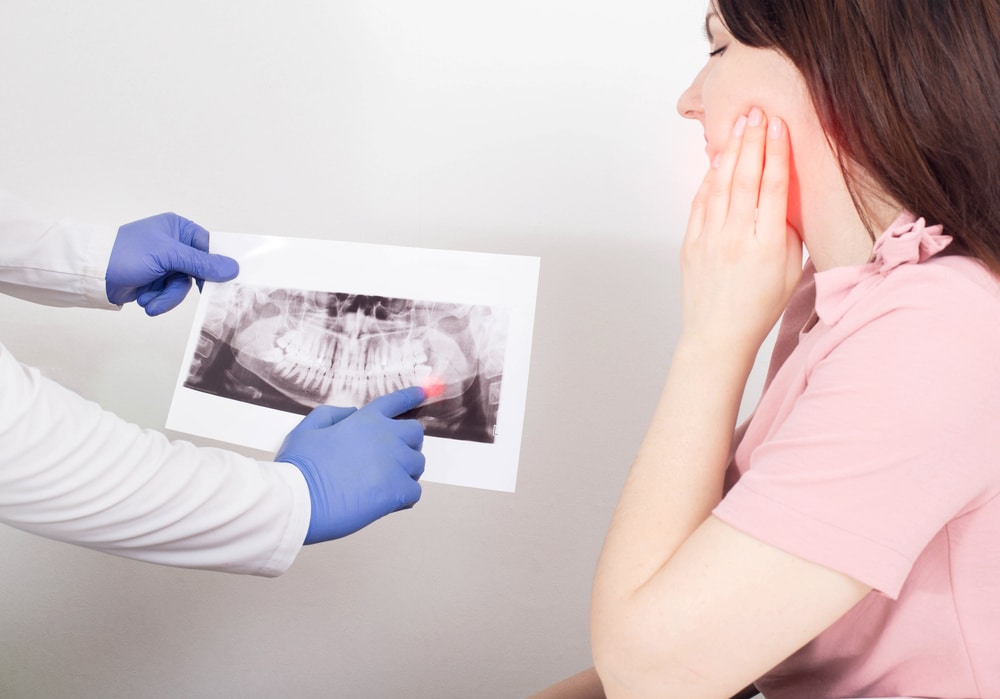
Root canals are one of the most frequent dental procedures and can help to save teeth that would otherwise need to be extracted. They are often necessary when the tooth’s nerve or pulp is affected or severely decayed. 

In this blog post, we’ll cover the basics of root canal treatments and answer some questions about them, such as what they are, why you might need them, how they’re performed, and what to expect after the procedure.

What Is a Root Canal?

veneers

A root canal involves removing the infected or decayed pulp from inside the root of a tooth. The pulp is the soft tissue inside the tooth that incorporates your nerves, blood vessels, and connective tissue. Once the pulp is taken out, the root canal is filled with core filling materials to seal the tooth and prevent further infection.

Why Do I Need a Root Canal?

Here are five reasons you may need root canal therapy:

1. Decay or Damage

Decay or damage to a tooth’s enamel can cause the pulp, the soft tissue inside the tooth, to become exposed or inflamed. This can lead to severe pain, and a root canal may be necessary to remove the damaged tissue and save the tooth from extraction.  Learn more about family dentistry services in Pickering.

2. Infection

An infection in the tooth’s innermost layer, known as the dental pulp, can cause extreme pain and discomfort. If left untreated, the infection can propagate to other mouth areas and cause serious health complications. A root canal can help to prevent this by removing the infected tissue and allowing the area to heal. 

3. Trauma

Trauma to the mouth, such as a blow to the face, can cause the dental pulp to become damaged. A root canal may be necessary to clean the damaged tissue and prevent further damage or infection. 

4. Cracked Teeth

Teeth can become cracked or fractured over time. These cracks can provide an access point for bacteria to enter the tooth’s innermost layer and cause an infection. A root canal can help to remove the damaged tissue and save the tooth from extraction. 

5. Abscess

An abscess is an infection in the tooth’s root that can cause severe pain and discomfort. A root canal is often necessary to remove the infected tissue and prevent the disease from spreading.

How Is a Root Canal Performed?

implant dentistry

The root canal therapy begins with the dentist numbing the affected area with a local anesthetic. Once the site is sufficiently numb, the dentist will open the tooth to access the root canal. Then, the dentist will use a series of tools, such as an endodontic file, to remove the damaged or infected pulp from inside the root canal.

The next step is to clean and shape the inside of the root canal. This is done by cleaning the inside with a particular solution and then shaping it with special instruments. This is to ensure that the root canal is adequately cleaned and prepared for the final step of the procedure.

Once the root canal is adequately cleaned and shaped, it must be sealed. To do this, the dentist will occupy the root canal with a particular material called gutta-percha. The gutta-percha is then locked in place with special cement.

Finally, the tooth is sealed with a crown or a filling. This protects the tooth and restores its ability to function normally. The entire procedure usually takes a few hours to complete.

Conclusion

Root canal treatment is a safe and effective way to save a damaged or infected tooth. The procedure is relatively painless and can help restore the function and appearance of the tooth. If you think you may require a root canal, it’s essential to seek treatment from a qualified dentist as soon as possible to prevent further damage or infection.

Pickering Dental Services provides top-notch preventative dental care that ensures your family will have healthy smiles for years. From routine checkups to specialized treatments, we are committed to providing quality services that promote optimal dental health. Contact us today to schedule an appointment for root canal therapy in Ajax.

Helpful Resources

For more information, visit the Canadian Dental Association Oral Health.

Schedule Your Appointment Today

Contact Pickering Square Dental to book your appointment with Dr. Marvin Lean. Call us at (905) 420-1777 or visit us at 1450 Kingston Rd, Unit #4, Pickering, ON.

Frequently Asked Questions

How often should I visit the dentist?

The Canadian Dental Association recommends visiting your dentist at least twice a year for regular check-ups and cleanings. Some patients may need more frequent visits depending on their oral health needs. Call Pickering Square Dental at (905) 420-1777 to schedule your next appointment.

Do you accept the Canadian Dental Care Plan (CDCP)?

Yes, Pickering Square Dental participates in the Canadian Dental Care Plan. Our team can help you understand your coverage and ensure you receive the dental care you need. Contact us for more details about CDCP eligibility and benefits.

What services does Pickering Square Dental offer?

We offer a full range of dental services including family dentistry, emergency dental care, sedation dentistry, dental implants, laser dentistry, teeth whitening, root canal therapy, dental extractions, periodontal care, and cosmetic dentistry. Dr. Lean and our team serve patients in Pickering, Ajax, Whitby, and Scarborough.

Make Your Dental Extraction Stress-Free with These 4 Tips

patient undergoing dental treatment

It’s natural to feel anxious when preparing for a dental extraction. After all, you’re having a tooth removed, which can cause discomfort. Fortunately, there are some steps you can take to help make the experience as comfortable and stress-free as possible:

1. Have a Full Understanding of the Procedure

Oral Sedation

Getting a dental extraction can be intimidating, but it’s important to remember that it’s a common and safe procedure. Before the extraction, your dentist will examine the tooth to determine the best way to remove it. Depending on the type of extraction, they may use a dental pick, forceps, or a laser to loosen the tooth and carefully remove it.

During the procedure, you may experience discomfort, but your dentist will offer local anesthesia to help reduce any pain. You may also be given antibiotics to prevent infection. Once the extraction is complete, your dentist will place a gauze pad over the affected area to help stop the bleeding.

You can ensure a successful outcome by understanding the tooth extraction procedure and following your dentist’s instructions for recovery. If you have questions or concerns about the procedure, don’t hesitate to talk to your dentist. They’ll be happy to answer any questions and help you feel more comfortable.

2. Plan Ahead of Schedule

Make sure to schedule the appointment when you don’t have any other commitments that day, as you’ll likely need some downtime afterward. Additionally, bringing along a friend or family member who can drive you home after the procedure is a good idea. Learn more about family dentistry services in Pickering.

3. Listen to Your Dentist’s Instructions for Pre-Extraction Care

Family Dental Clinic

Paying attention to your dentist’s instructions for pre-extraction care is important. This may include taking certain medications or abstaining from eating or drinking for several hours before the procedure. 

You should also discuss any medications or supplements you are currently taking with your dentist. Certain medications or supplements can increase the risk of bleeding or other complications during the extraction.

It’s also important to practice good oral hygiene before the extraction. Brushing and flossing your teeth regularly can help reduce the risk of infection and other complications. Make sure to brush and floss your teeth the night before the extraction and again in the morning before the procedure.

4. Follow Your Dentist’s Aftercare Instructions

After a dental procedure, following your dentist’s instructions for aftercare is important to ensure a speedy and successful recovery. Proper aftercare is essential for reducing your risk of infection and ensuring that your procedure has the best possible outcome.

It is important to take any medications that your dentist has prescribed. These medications may include antibiotics, pain relievers, or other medications to help heal. Make sure to follow the instructions for dosage and duration of use carefully.

You may also need to apply cold compresses to the area to reduce swelling and discomfort. This should be done several times a day for the first couple of days after the procedure.

It is also important to avoid certain activities after a dental procedure. This may include strenuous physical activities, such as running or lifting heavy objects, or activities that involve the mouth, such as smoking. These activities can increase the infection risk and slow the healing process.

Conclusion

Dental extraction can be a stressful experience, but it can be made easier by following the tips outlined above. If you have any questions or concerns about the procedure, don’t hesitate to reach out to your dentist for more information. With the proper preparation and care, you can ensure that your extraction experience is as comfortable and stress-free as possible.

Are you in need of a dental extraction in Pickering? Pickering Dental Services is here to help. Whether you require a simple extraction or something more complex, our dental team can help you out so you can enjoy a lifetime of healthy smiles. Get in touch with us today!

Helpful Resources

For more information, visit the Canadian Dental Association Oral Health.

Schedule Your Appointment Today

Contact Pickering Square Dental to book your appointment with Dr. Marvin Lean. Call us at (905) 420-1777 or visit us at 1450 Kingston Rd, Unit #4, Pickering, ON.

Frequently Asked Questions

How often should I visit the dentist?

The Canadian Dental Association recommends visiting your dentist at least twice a year for regular check-ups and cleanings. Some patients may need more frequent visits depending on their oral health needs. Call Pickering Square Dental at (905) 420-1777 to schedule your next appointment.

Do you accept the Canadian Dental Care Plan (CDCP)?

Yes, Pickering Square Dental participates in the Canadian Dental Care Plan. Our team can help you understand your coverage and ensure you receive the dental care you need. Contact us for more details about CDCP eligibility and benefits.

What services does Pickering Square Dental offer?

We offer a full range of dental services including family dentistry, emergency dental care, sedation dentistry, dental implants, laser dentistry, teeth whitening, root canal therapy, dental extractions, periodontal care, and cosmetic dentistry. Dr. Lean and our team serve patients in Pickering, Ajax, Whitby, and Scarborough.

Top 6 Ways to Prevent Development of Teeth Discolouration

Man brushing his teeth

White teeth are linked to attractive, healthy smiles. On the other hand, some people with yellow teeth experience self-esteem issues. Did you know that having yellow teeth is preventable? 

If so, we’re here to talk about approaches to look into and try to prevent developing yellow teeth with the help of dental services in Pickering.

6 Ways to Prevent Yellow Teeth

Fluoride

Brush Teeth Twice Daily

Your mouth is one of the most important parts of your body, and if you don’t brush it frequently, it can be challenging to maintain your teeth bright and clean. Spending time brushing your teeth with toothpaste twice daily can give you the white teeth you desire. 

Patients are advised by dentists to brush their teeth twice daily for at least two minutes each time. Bristles should be soft; avoid using excessively hard ones, as this could damage the enamel on your teeth.

Avoid Drinking Anything That Will Discolour Your Teeth

Among the drinks that could harm the enamel are red wine and coffee. Because of the acid in their makeup, they tan the enamel. Two foods that contain acids include tomatoes and citrus fruits. Try to refrain from consuming any of these things to have the whitest teeth possible.

  • Black Coffee – The main issue is the dark shade, which makes the teeth yellow. The coffee has a rich, creamy consistency and contains dangerous acids, as was already mentioned. If you hate drinking water, try switching to black or green tea. Due to its lower acid content, green tea can flavour coffee.
  • Red Wine – Wine discolours enamel because of its acidic makeup. Red wine contains more acid than other varieties of wine; as a result, drinking red wine can damage the enamel and stain your teeth. Since most brands will have less acid than white wine, there is no reason why you shouldn’t drink white wine.

Limit the Sweets and Sugary Beverages You Consume

Your teeth might become stained by sweet foods like candies, cakes, pastries, fruit juices, etc. To whiten your teeth quickly, you may need to cut out sugar for a few days. Learn more about contact our Pickering dental office.

Even though some fruits are quite healthy, they don’t do anything to whiten your teeth. Compared to other drinks, those containing natural acid will cause the enamel to discolour more quickly. You will have to stop drinking fruit juices if you enjoy them as much as indicated in the previous clause.

Brush Your Teeth Frequently to Prevent Tooth Stains

After each visit, the dentist will clean your teeth as part of their standard cleaning procedure. 

Even if you regularly clean and floss your teeth, a layer of bacteria naturally forms around your teeth that you cannot eliminate. These methods will help whiten teeth.

Stop Smoking and Drinking Too Much Alcohol

Your teeth will turn yellow and discolour if you smoke. Additionally, drinking too much alcohol will discolour your teeth and eventually render them yellow. Smoking will make your teeth yellow and give you bad breath. Smokers should immediately consider brushing their teeth.

Solve The Problem At Its Root

Before successfully whitening your teeth, you must first understand the underlying cause of your yellow teeth. Have you consumed excessive amounts of black coffee? 

Do you smoke frequently? It would be much simpler for you to resolve the issue and whiten your teeth if you could identify the root of it. 

If you assess the situation and decide that prevention is not an option, why not work with a skilled dentist? They will aid in tooth whitening by professionals. 

The dentist will carefully inspect your teeth and make a recommendation based on the level of tooth discolouration. They frequently polish your teeth while giving you pointers on how to keep them that way.

Ensure that every patient receives thorough oral healthcare, regardless of age, from the dentist. Dentists should conduct themselves with respect and professionalism. 

If the best dentist in Pickering accepts insurance, that’s fantastic. Make sure to verify their business hours before setting up an appointment.

Conclusion 

Speak with the top dentists in Pickering for a routine dental checkup every six months. We must take care of our teeth by following the instructions above to whiten teeth and prevent the development of yellow teeth because the main issue is that some of us don’t visit the dentist frequently.

Our dentists in Pickering are skilled at offering the best preventative dental care to ensure you have a lifetime of healthy smiles. Contact Pickering Dental Services today!

Helpful Resources

Toothbrush

For more information, visit the Canadian Dental Association Oral Health.

Schedule Your Appointment Today

Contact Pickering Square Dental to book your appointment with Dr. Marvin Lean. Call us at (905) 420-1777 or visit us at 1450 Kingston Rd, Unit #4, Pickering, ON.

Frequently Asked Questions

How often should I visit the dentist?

The Canadian Dental Association recommends visiting your dentist at least twice a year for regular check-ups and cleanings. Some patients may need more frequent visits depending on their oral health needs. Call Pickering Square Dental at (905) 420-1777 to schedule your next appointment.

Do you accept the Canadian Dental Care Plan (CDCP)?

Yes, Pickering Square Dental participates in the Canadian Dental Care Plan. Our team can help you understand your coverage and ensure you receive the dental care you need. Contact us for more details about CDCP eligibility and benefits.

What services does Pickering Square Dental offer?

We offer a full range of dental services including family dentistry, emergency dental care, sedation dentistry, dental implants, laser dentistry, teeth whitening, root canal therapy, dental extractions, periodontal care, and cosmetic dentistry. Dr. Lean and our team serve patients in Pickering, Ajax, Whitby, and Scarborough.

Abscessed Teeth: The Types, Causes, and Treatments

Teeth

When you have a toothache that doesn’t go away, it’s important to see a dentist. This could be a sign of an infection or cavity, and it’s essential to get treated right away. If you don’t, the infection could spread and cause serious dental problems.

An abscessed tooth is a tooth that has become infected or has decayed to the point where the nerve is exposed. This can cause a lot of pain and discomfort. If you have an abscessed tooth, it is vital to see a dentist immediately so the infection can be treated.

The Types of Abscessed Tooth 

child with dentist

There are two types of abscessed teeth: periapical and periodontal. Periapical abscesses occur at the tip of the tooth’s root, while periodontal abscesses occur in the gums. Both types of abscesses can be extremely painful and should be treated as soon as possible.

If you think you may have an abscessed tooth, it’s essential to see a dentist right away. The sooner the infection is treated, the better. If you have an abscessed tooth, your dentist will likely prescribe antibiotics to help clear the infection. In some cases, the affected tooth may need to be removed. Learn more about contact our Pickering dental office.

The Causes of and Treatments for Abscessed Tooth 

An abscessed tooth is a severe dental problem that can cause a great deal of pain. It occurs when the nerve of the tooth becomes infected and the surrounding tissue becomes inflamed. The most common cause of an abscessed tooth is a bacterial infection. Other causes include a cracked tooth, a deep cavity, or gum disease.

If you have an abscessed tooth, there are a few things you can do at home to ease the pain:

  1. Rinse your mouth with warm water several times a day to help reduce swelling and pain.
  2. You can also take over-the-counter pain relievers such as ibuprofen to help with the pain.

The goal of treatment for an abscessed tooth is to relieve pain, get rid of the infection, and fix the underlying problem. If you have a dental abscess that gives you intense pain, it is important to see a dentist or other medical professional right away. Abscesses do not obviously go away on their own and can actually become worse over time, even if the pus is drained. This is because the bacteria can still spread and damage surrounding tissue.

If your dentist suspects you have an infection, they may recommend using diagnostic imaging tests to confirm their diagnosis. These tests can help identify the location of the infection, any possible causes, and any other areas that may be affected. The treatment options for abscessed teeth are:

  • Antibiotics
  • Drainage
  • Root canal
  • Tooth extraction

Takeaway 

man at the dentist

In conclusion, an abscessed tooth is a serious dental issue that requires prompt treatment by a dentist. If left untreated, the infection can spread to other parts of the mouth and body, potentially causing serious health complications. 

Additionally, the pain associated with an abscess can be quite severe, making it difficult to eat, sleep, or even work. Therefore, if you think you may have an abscessed tooth, it is vital to see a dentist as soon as possible to start the appropriate treatment.

Do you have a dental emergency in Ajax? Trust Pickering Dental Services. Our dentists know how to provide the best in preventative dental care so you and your family can enjoy a lifetime of healthy smiles. Call us!

Helpful Resources

For more information, visit the Canadian Dental Association Oral Health.

Schedule Your Appointment Today

Contact Pickering Square Dental to book your appointment with Dr. Marvin Lean. Call us at (905) 420-1777 or visit us at 1450 Kingston Rd, Unit #4, Pickering, ON.

Frequently Asked Questions

How often should I visit the dentist?

The Canadian Dental Association recommends visiting your dentist at least twice a year for regular check-ups and cleanings. Some patients may need more frequent visits depending on their oral health needs. Call Pickering Square Dental at (905) 420-1777 to schedule your next appointment.

Do you accept the Canadian Dental Care Plan (CDCP)?

Yes, Pickering Square Dental participates in the Canadian Dental Care Plan. Our team can help you understand your coverage and ensure you receive the dental care you need. Contact us for more details about CDCP eligibility and benefits.

What services does Pickering Square Dental offer?

We offer a full range of dental services including family dentistry, emergency dental care, sedation dentistry, dental implants, laser dentistry, teeth whitening, root canal therapy, dental extractions, periodontal care, and cosmetic dentistry. Dr. Lean and our team serve patients in Pickering, Ajax, Whitby, and Scarborough.

Read about the Best Ways to Prepare for Dental Implants Here

Dental Implant

Dental implants are one of the more complicated procedures to restore oral function and health. While the major visits are for oral surgery, you must also prepare for the pre- and post-op encounters. Some of the best ways to do that include:

A Comprehensive Dental Examination

sedation dentistry

An exam is important for a dentist to determine whether dental implants are a good option for a patient. The exam can also give the dentist important information that will help them to develop a treatment plan. The dentist will take x-rays, do a visual exam and review the patient’s medical records to assess their condition.

  • If a patient has weak immunity, the dentist will place them on antibiotics before and after getting dental implants. 
  • The dentist will resort to alternatives if the patient is allergic to any anesthetic, medication, or dental materials.
  • The dentist may need to improve the jawbone before starting treatment. This can be done by adding bone or changing the existing jawbone’s shape.
  • If the patient is under medication that could interfere with the anesthetic or negatively impact the dental implant surgery, the dentist must adjust the treatment plan accordingly.
  • If the patient is in good health, the dentist may be able to place the implant and abutment in a single surgery. Sometimes, the dentist can fit the crown together with the implant and abutment.

The dentist will review the evaluation results with the patient and formulate a treatment plan to address the patient’s needs. They will explain the different procedures to the patient and advise them on preparing for each one.

A Course of Antibiotics

If you have a medical implant or organ transplant, you may need to take immunosuppressant drugs to stop your body from rejecting the implant or transplant. Antibiotics may be prescribed before having dental implants fitted, as they can help to reduce the risk of infection. This is to prevent any infection that might occur around the implant site.

Pre-Op Practices

woman smiling

You should not eat or drink for 12 hours before your surgery begins. You should also wear comfortable clothing that will not get in the way during the procedure.

Jaw Preparation

The dentist will improve the jaw’s structure if the jaw cannot anchor the implant properly via:

  • Bone graft: The dentist will do a bone graft if the jaw is too thin or soft to hold an implant.
  • Smoothening or reshaping: They may smooth or reshape the jaw if needed.
  • Bone removal: The dentist will remove some bones if the jaw is too large or bulky.
  • Impacted tooth extraction: The dentist will remove any impacted teeth inside the jaw.

Set Downtime and Aftercare

After each surgery, you will need to take some time off to rest and heal. This may include making these arrangements beforehand so you can recover uninterrupted:

  • Preparing soft foods and medication.
  • Filing two days off from work and temporarily avoiding social gatherings.
  • Setting a light schedule the week after getting dental implants.
  • Temporarily pausing exercise or other strenuous activities.
  • Asking for a ride home after surgery and seeking help around the house.

Conclusion

Self-care is important before and after a dental procedure to ensure a speedy and successful recovery. Your dentist will provide specific instructions before and after your procedure to ensure a speedy, healthy recovery.

Book Your Appointment Today at Pickering Dental Services

Our Pickering dentists offer dental implants as part of our preventive dental care. Begin a lifetime of healthy smiles by scheduling a visit through our website!

Looking for professional help? Learn more about our dental implant services at Pickering Square Dental or call (905) 420-1777 to book an appointment.

Frequently Asked Questions

How often should I visit the dentist?

The Canadian Dental Association recommends visiting your dentist at least twice a year for regular check-ups and cleanings. Some patients may need more frequent visits depending on their oral health needs. Call Pickering Square Dental at (905) 420-1777 to schedule your next appointment.

Do you accept the Canadian Dental Care Plan (CDCP)?

Yes, Pickering Square Dental participates in the Canadian Dental Care Plan. Our team can help you understand your coverage and ensure you receive the dental care you need. Contact us for more details about CDCP eligibility and benefits.

What services does Pickering Square Dental offer?

We offer a full range of dental services including family dentistry, emergency dental care, sedation dentistry, dental implants, laser dentistry, teeth whitening, root canal therapy, dental extractions, periodontal care, and cosmetic dentistry. Dr. Lean and our team serve patients in Pickering, Ajax, Whitby, and Scarborough.

Top Seven Reasons Why You May Need a Tooth Extraction

dentist

When it comes to dental procedures, tooth extractions are one of the most common. Whether it’s due to decay, injury, or crowding, there are a number of reasons why someone might need to have a tooth pulled. And while it might sound like a daunting task, tooth extractions are actually a fairly routine procedure that dentists perform all the time.

So, what exactly is a tooth extraction?

A tooth extraction is the removal of a tooth from the mouth. The tooth may be pulled (extracted) because it is decayed, damaged, or crowding other teeth.

Tooth extractions are usually performed by a dentist or an oral surgeon. The procedure is typically quick and relatively painless. However, you may experience some discomfort and swelling afterwards.

Here’s what you can expect before, during, and after tooth extraction:

Before the Procedure: Your dentist will numb the area around the tooth with a local anesthetic. This will help to minimize any discomfort during the extraction. Learn more about contact our Pickering dental office.

During the Procedure: Your dentist will use a tool called an elevator to loosen the tooth and then forceps to remove it. You may feel some pressure during the extraction, but you should not feel any pain.

After the Procedure: Your dentist will place a gauze pad over the extraction site to help stop the bleeding. You may also be given a prescription for pain medication.

Why You May Need a Tooth Extraction

woman brushing teeth

There are a number of reasons why you may need to have a tooth extracted. Here are the top seven reasons why you may need to visit the dentist for tooth extraction:

1. Severe Tooth Decay

If you have a tooth that is severely decayed, it may need to be extracted. Tooth decay can occur when plaque and tartar build-up on the teeth and begin to eat away at the enamel. If the decay is left untreated, it can eventually reach the pulp of the tooth, causing pain and infection. Severe tooth decay can also lead to abscesses.

2. Impacted Teeth

If a tooth is not able to erupt through the gum line, it is considered impacted. Impacted teeth can cause a number of problems, including pain, infection, and damage to adjacent teeth. Impacted teeth will often need to be extracted.

3. Periodontal Disease

Periodontal disease is an infection of the gums that can eventually lead to bone loss. If the disease is left untreated, it can eventually cause the teeth to become loose and fall out. If you have periodontal disease, you may need to have one or more teeth extracted.

4. Crowded Teeth

If your teeth are crowded, it can be difficult to keep them clean. This can lead to an increased risk of tooth decay and periodontal disease. In some cases, crowded teeth will need to be extracted in order to make room for orthodontic treatment.

5. Wisdom Teeth

Wisdom teeth, or third molars, are the last teeth to erupt. They are often extracted because they can be difficult to keep clean and can crowd other teeth. Wisdom teeth can also be impacted, which can cause pain and damage to adjacent teeth.

6. Infection

If you have an infection in a tooth, it will need to be treated with antibiotics. In some cases, the infection can spread to the bone and surrounding tissues. If the infection is severe, the tooth may need to be extracted.

7. Trauma

Your teeth are strong, but they can be broken or knocked out if you suffer a blow to the face. A tooth that has been knocked out can usually be re-implanted if it is placed back in the socket within an hour or so. A broken tooth may need to be repaired with a filling, a crown, or even an implant.

Conclusion

There are many reasons why you may need a tooth extraction. Whether it’s due to decay, damage, or crowding, getting your tooth removed can be necessary. If you find yourself in any of these situations, be sure to consult with your dentist to see if a tooth extraction is right for you.

If you’re in need of a dental extraction in Pickering, you’re in luck—Pickering Dental Services can help you out. Whether you’re looking for a simple extraction or something more complex, you can be sure to find a dental team that can help you out. We will help you determine if an extraction is the best course of action for your particular situation. Let us ensure that you receive the best possible dental care. Schedule an appointment with us today!

Helpful Resources

woman brushing teeth

For more information, visit the Canadian Dental Association Oral Health.

Schedule Your Appointment Today

Contact Pickering Square Dental to book your appointment with Dr. Marvin Lean. Call us at (905) 420-1777 or visit us at 1450 Kingston Rd, Unit #4, Pickering, ON.

Frequently Asked Questions

How often should I visit the dentist?

The Canadian Dental Association recommends visiting your dentist at least twice a year for regular check-ups and cleanings. Some patients may need more frequent visits depending on their oral health needs. Call Pickering Square Dental at (905) 420-1777 to schedule your next appointment.

Do you accept the Canadian Dental Care Plan (CDCP)?

Yes, Pickering Square Dental participates in the Canadian Dental Care Plan. Our team can help you understand your coverage and ensure you receive the dental care you need. Contact us for more details about CDCP eligibility and benefits.

What services does Pickering Square Dental offer?

We offer a full range of dental services including family dentistry, emergency dental care, sedation dentistry, dental implants, laser dentistry, teeth whitening, root canal therapy, dental extractions, periodontal care, and cosmetic dentistry. Dr. Lean and our team serve patients in Pickering, Ajax, Whitby, and Scarborough.

8 Things to Do Before You Undergo a Root Canal Procedure

dentist

When you hear the words “root canal,” you might immediately go into panic mode. But don’t worry! There are some actions you can do to arrange for your root canal procedure that will make it a little less anxiety-provoking.

A root canal procedure is a common dental procedure. If you are scheduled for any dental or root canal therapy, there are a few things you can do to prepare.

How a Root Canal Procedure Works

sedation dentistry

Millions of people each year undergo root canal therapy, a procedure that can save an infected or damaged tooth. Understanding how root canal therapy works can make patients feel more confident about the treatment.

First, the infected or damaged tissue is removed from inside the tooth. Next, the space is disinfected and filled with a rubber-like material. Finally, the tooth is secured with a filling or a crown.

The entire process usually takes one or two visits to the dentist and can help to relieve pain and restore function to the affected tooth. Root canal therapy treats a damaged or infected tooth and helps patients keep their natural smile intact. Learn more about contact our Pickering dental office.

8 Things to Do Before Your Root Canal Procedure

1. Talk to Your Dentist or Endodontist

If you have any clarifications or concerns about root canal therapy, ask your dentist or endodontist before the day of the process. This way, you will be fully informed and can go into the system with peace of mind.

2. Arrive Early on the Day of the Procedure

Give yourself enough time to get to your appointment and complete the necessary paperwork. This way, you will be relaxed and not feel rushed when it is time for your procedure.

3. Wear Comfortable Clothing

Wear loose and comfortable clothing so you can relax during the procedure. You may be in the dental chair for a few hours, so it is vital to be satisfied.

4. Bring Something to Distract Yourself

Bring a book, magazine, or portable device with headphones to distract yourself during the procedure. This will help you relax and make the time go by more quickly.

5. Eat a Light Meal Beforehand

Eat a light meal beforehand so that you are not hungry during the procedure. A light meal will also help you avoid nausea from any medications used.

6. Avoid Caffeine 

Caffeine can make you feel jittery and increase your heart rate, so avoiding caffeine before your root canal therapy is best. Drink plenty of water instead of staying hydrated.

7. Have Someone Drive You Home Afterwards

You will likely be given local anesthesia during your root canal procedure, which can cause side effects such as dizziness and drowsiness afterwards. For this reason, it is appropriate to have someone drive you home after your appointment.

8. Avoid Smoking

Smoking can delay healing and heighten the risk of complications after a root canal procedure. If you smoke, it is best to ward off smoking for at least 24 hours before and after the process.

Following these tips can help ensure that your root canal procedure goes smoothly.

Conclusion

Dental Implants

Undergoing a root canal procedure can be daunting, but there are some things you can manage to prepare both mentally and physically for the big day. By following these tips, you can ensure your root canal goes as smoothly as possible!

If you are searching for top-notch root canal therapy in Pickering, look no further than Pickering Dental Services. Our experienced and skilled dentists will work with you to secure that you and your family enjoy a lifetime of healthy smiles. Don’t hesitate to get in touch with us today to learn more about our services or set an appointment.

Helpful Resources

For more information, visit the Canadian Dental Association Oral Health.

Schedule Your Appointment Today

Contact Pickering Square Dental to book your appointment with Dr. Marvin Lean. Call us at (905) 420-1777 or visit us at 1450 Kingston Rd, Unit #4, Pickering, ON.

Frequently Asked Questions

How often should I visit the dentist?

The Canadian Dental Association recommends visiting your dentist at least twice a year for regular check-ups and cleanings. Some patients may need more frequent visits depending on their oral health needs. Call Pickering Square Dental at (905) 420-1777 to schedule your next appointment.

Do you accept the Canadian Dental Care Plan (CDCP)?

Yes, Pickering Square Dental participates in the Canadian Dental Care Plan. Our team can help you understand your coverage and ensure you receive the dental care you need. Contact us for more details about CDCP eligibility and benefits.

What services does Pickering Square Dental offer?

We offer a full range of dental services including family dentistry, emergency dental care, sedation dentistry, dental implants, laser dentistry, teeth whitening, root canal therapy, dental extractions, periodontal care, and cosmetic dentistry. Dr. Lean and our team serve patients in Pickering, Ajax, Whitby, and Scarborough.

What to Expect from a Dental Implant Procedure

Dental Implant Procedure

When your dentist tells you that you need a tooth implant, it can be a bit daunting. However, it is essential to remember that tooth implants are a very common and effective way to replace missing teeth. In fact, there are millions of people who have dental implants placed because of how effective they are. Here is what you can expect when your dentist tells you that you need a tooth implant.

Why Might Your Dentist Say You Need a Tooth Implant?

Endodontics

Your dentist may say you need a tooth implant for a number of reasons. First, you may have a tooth that is severely damaged or decayed. In this case, an implant can provide support for a dental crown, which can replace the damaged tooth. Dentists would also recommend implants if you may have lost a tooth due to injury or periodontal disease. In this case, an implant can help to prevent your other teeth from shifting out of place. People with a congenital defect, such as a missing tooth, could also benefit from dental implants, improving the appearance of their smile.

What Can You Expect during the Tooth Implant Procedure?

You’ve just been to the dentist, and they’ve told you that you need a tooth implant. You’re probably feeling a mix of emotions right now – scared, nervous, and maybe a little bit excited. After all, a tooth implant is a big deal!

The tooth implant procedure is actually a fairly simple one. First, the dentist will make an incision in your gums to expose the bone. Next, they will drill a hole into the bone and insert a titanium screw. Once the screw is in place, the dentist will close up the incision with stitches.

Now, it’s time for the waiting game. It will take several months for the bone to fuse to the titanium screw. During this time, you will need to be careful with your implant. Avoid chewing on hard foods, and brush and floss regularly. Learn more about contact our Pickering dental office.

Once the bone has fused to the screw, the dentist will attach an artificial tooth to the screw. This tooth will look and feel just like your natural teeth. And that’s it! You’re all done.

The entire tooth implant procedure usually takes about six months to complete. But it’s worth it – you’ll have a beautiful, new smile that will last you a lifetime.

How Long Does It Take To Recover from a Tooth Implant?

Kids teeth Health

It can take anywhere from a few weeks to a few months to recover from a tooth implant. The surgery itself is usually pretty quick, but it can take some time for the implant to heal and for you to get used to it. Here are a few things to expect during your recovery:

1. Immediately after surgery, you will likely have some swelling and pain. This is normal and will usually go away within a few days.

2. It can take a few weeks for the implant to heal and for your new tooth to be made. In the meantime, you may have a temporary tooth or a denture.

3. Once your new tooth is made, you will need to get used to it. It may feel strange at first, but you should adjust within a few weeks.

4. You will need to take care of your implant just like you would your natural teeth. This means brushing and flossing regularly and seeing your dentist for regular checkups.

If you have any questions or concerns during your recovery, be sure to talk to your dentist. They will be able to help you through every step of the process.

Conclusion

Dental implants are a great way to replace missing teeth. They are strong, durable, and look just like natural teeth. If you’re considering getting dental implants, it’s important that you talk to your dentist about your options. They can help you decide if implants are right for you.

Don’t be intimidated by dental implants or other procedures designed to improve your dental health. Pickering Square Dental is here to provide compassionate and caring dental services in Pickering for you and your entire family. Our team of dental specialists is committed to providing patients with the best possible experience. Whenever you need emergency dental care, Pickering Square Dental is here to help. Schedule an appointment today!

Helpful Resources

For more information, visit the Canadian Dental Association Oral Health.

Schedule Your Appointment Today

Contact Pickering Square Dental to book your appointment with Dr. Marvin Lean. Call us at (905) 420-1777 or visit us at 1450 Kingston Rd, Unit #4, Pickering, ON.

Frequently Asked Questions

How often should I visit the dentist?

The Canadian Dental Association recommends visiting your dentist at least twice a year for regular check-ups and cleanings. Some patients may need more frequent visits depending on their oral health needs. Call Pickering Square Dental at (905) 420-1777 to schedule your next appointment.

Do you accept the Canadian Dental Care Plan (CDCP)?

Yes, Pickering Square Dental participates in the Canadian Dental Care Plan. Our team can help you understand your coverage and ensure you receive the dental care you need. Contact us for more details about CDCP eligibility and benefits.

What services does Pickering Square Dental offer?

We offer a full range of dental services including family dentistry, emergency dental care, sedation dentistry, dental implants, laser dentistry, teeth whitening, root canal therapy, dental extractions, periodontal care, and cosmetic dentistry. Dr. Lean and our team serve patients in Pickering, Ajax, Whitby, and Scarborough.

The Uses and Risks of the 4 Main Types of Dental Sedation

dentist

Dental sedation is used to help patients relax during dental procedures. There are different types of dental sedation, and the type used depends on the procedure being performed and the patient’s level of anxiety. 

The four main types of dental sedation are inhalation sedation, oral sedation, intravenous sedation, and general anesthesia.

This article will discuss these four main types of dental sedation.

1. Inhalation Sedation

teeth whitening

Inhalation sedation, also known as laughing gas, is the most common type of dental sedation. This type of sedation uses a mixture of nitrous oxide and oxygen.

It is administered through a small mask that is placed over the nose. The gas is inhaled, and it quickly relaxes the patient. The patient remains awake and can respond to questions but may not remember the procedure.

The main benefit of nitrous oxide is that it wears off quickly, so patients are able to drive themselves home after their appointment. Learn more about contact our Pickering dental office.

2. Oral Sedation

Oral sedation is another option for dental sedation. The pill medication is taken by mouth, and it takes about 20-30 minutes to take effect. The pill will help to relax the patient and make them drowsy.

Oral conscious sedation does not put patients to sleep, but it does make them less aware of their surroundings. 

This type of sedation is ideal for patients who have mild to moderate anxiety about dental procedures. The main benefit of oral conscious sedation is that it is very easy to administer.

3. Intravenous Sedation

Tooth Preservation

Intravenous (IV) sedation is used for more complex procedures. The medication is injected into the vein and takes effect very quickly. IV sedation puts patients into a deep sleep, completely unaware of their surroundings. 

This type of sedation is ideal for patients who have severe anxiety about dental procedures. The main benefit of IV sedation is that it allows patients to have complex dental procedures done in one appointment.

4. General Anesthesia

General anesthesia is used for very complex procedures or for patients with high anxiety levels. The patient is completely asleep during the procedure and will not be able to respond to questions.

This type of anesthesia can be very dangerous if not done correctly, so it is important to have a qualified anesthesiologist present.

The Risks of Sedation

Each type of sedation has its own risks. Nitrous oxide can cause nausea and vomiting. Oral conscious sedation can cause you to choke on your vomit. IV sedation can cause you to stop breathing. General anesthesia can cause you to have a heart attack or stroke.

Before you decide to have any type of sedation, make sure you understand the risks and benefits. Talk to your dentist about which type of sedation is right for you.

Conclusion

There are four main types of dental sedation: oral sedation, nitrous oxide sedation, intravenous sedation, and general anesthesia. Each type has its own risks and benefits, so it is important to talk to your dentist about which type is right for you. 

Generally, the more invasive the sedation, the greater the risks. However, all four types of sedation can be safe and effective when used properly.

If you’re looking for the best family dentists in Ajax, look no further than Pickering Dental Services. Our experienced team of dental professionals provides a wide range of services, from routine cleanings and checkups to more complex procedures. We use the latest technology and techniques to ensure you receive the highest quality of care possible. 

We understand that visiting the dentist can be a nerve-wracking experience. That’s why we go out of our way to make you feel comfortable and relaxed. Contact us today to schedule a consultation!

Helpful Resources

For more information, visit the Canadian Dental Association Oral Health.

Schedule Your Appointment Today

Contact Pickering Square Dental to book your appointment with Dr. Marvin Lean. Call us at (905) 420-1777 or visit us at 1450 Kingston Rd, Unit #4, Pickering, ON.

Frequently Asked Questions

How often should I visit the dentist?

The Canadian Dental Association recommends visiting your dentist at least twice a year for regular check-ups and cleanings. Some patients may need more frequent visits depending on their oral health needs. Call Pickering Square Dental at (905) 420-1777 to schedule your next appointment.

Do you accept the Canadian Dental Care Plan (CDCP)?

Yes, Pickering Square Dental participates in the Canadian Dental Care Plan. Our team can help you understand your coverage and ensure you receive the dental care you need. Contact us for more details about CDCP eligibility and benefits.

What services does Pickering Square Dental offer?

We offer a full range of dental services including family dentistry, emergency dental care, sedation dentistry, dental implants, laser dentistry, teeth whitening, root canal therapy, dental extractions, periodontal care, and cosmetic dentistry. Dr. Lean and our team serve patients in Pickering, Ajax, Whitby, and Scarborough.

Everything To Know to Ensure You Heal from Tooth Extraction Effectively

dentist

After tooth extraction, it is important to take care of your mouth properly to ensure proper healing. Here are some tips on how to care for your mouth after tooth extraction:

Brush Your Teeth and Gum Regularly

dentists

Brushing your teeth and gum regularly to remove food particles and bacteria from your mouth is important. Use a soft-bristled toothbrush and toothpaste to avoid irritating your gums.

Rinse Your Mouth Regularly

Rinse your mouth with warm water or salt water several times a day to help keep your mouth clean and free of bacteria.

Avoid Straws and Smoking

sedation

Avoid drinking from a straw and smoking cigarettes, as they can irritate your gums and delay healing.

Take Pain Medication

If you are experiencing pain, take pain medication as prescribed by your dentist.

Do Not Chew on That Side

It is important to avoid chewing on the side of your mouth where you have had surgery. Chewing on that side can cause the blood clot to come out, which can cause a lot of pain and bleeding.

What to Avoid Eating After an Extraction

For the first 24 hours after your extraction, you should avoid hard, crunchy, chewy, or sticky foods. Eating hard foods can dislodge blood clot, which can cause a lot of pain and bleeding. Eating chewy and sticky foods can stick to the empty socket and cause a lot of pain. You should eat soft foods that are easy to chew and swallow.

The Signs That You are Healing Properly Following Tooth Extraction

The signs that you are healing properly following tooth extraction include:

  • The pain from the extraction has decreased or gone away completely
  • There is no redness, swelling, or bruising around the extraction site
  • There is no pus or drainage from the extraction site
  • The socket is healed and there is no pain when you press on it
  • You are able to bite down on objects and chew normally

If you experience any of the following signs of healing improperly, please seek medical attention:

  • The pain from the extraction has increased or is still present
  • There is redness, swelling, or bruising around the extraction site
  • Pus or drainage from the extraction site
  • The socket is not healed and there is still pain when you press on it.

The Risks Associated With Tooth Extraction

There are some risks associated with tooth extraction. These include:

  • A dry socket, which is when the bone is exposed after the extraction
  • Damage to your teeth or gums
  • Damage to your sinuses
  • Infection
  • Nerve damage

What Happens After a Tooth Extraction?

After the procedure, your dentist will put a gauze pad over the extraction site. You will be told to bite on the gauze to stop the bleeding. It is normal for some bleeding to occur for the first 24 hours. If you have pain, your dentist can prescribe pain medication for you.

Your dentist will also provide you with some aftercare instructions. These may include:

  • Not smoking
  • Not drinking from a straw
  • Not drinking alcohol
  • Not eating hard, crunchy, or chewy foods
  • Not brushing near the extraction site
  • Rinsing your mouth with saltwater
  • Keeping your head elevated

The Bottomline

Following these simple tips will help you minimize the risk of infection after tooth extraction. However, if you experience any signs of infection, such as redness, swelling, or fever, be sure to consult your dentist immediately.

If you need dental extraction in Pickering, we’re here for you. Pickering Dental Services know how to provide the best in preventative dental care for you. Get in touch with us. 

Looking for professional help? Learn more about our dental extraction in Pickering at Pickering Square Dental or call (905) 420-1777 to book an appointment.

Helpful Resources

For more information, visit the Canadian Dental Association Oral Health.

Frequently Asked Questions

How often should I visit the dentist?

The Canadian Dental Association recommends visiting your dentist at least twice a year for regular check-ups and cleanings. Some patients may need more frequent visits depending on their oral health needs. Call Pickering Square Dental at (905) 420-1777 to schedule your next appointment.

Do you accept the Canadian Dental Care Plan (CDCP)?

Yes, Pickering Square Dental participates in the Canadian Dental Care Plan. Our team can help you understand your coverage and ensure you receive the dental care you need. Contact us for more details about CDCP eligibility and benefits.

What services does Pickering Square Dental offer?

We offer a full range of dental services including family dentistry, emergency dental care, sedation dentistry, dental implants, laser dentistry, teeth whitening, root canal therapy, dental extractions, periodontal care, and cosmetic dentistry. Dr. Lean and our team serve patients in Pickering, Ajax, Whitby, and Scarborough.