How to Know If You Need to Have Your Wisdom Tooth Removed

dentist appointment

Wisdom teeth removal is a common procedure that millions worldwide undergo each year. It is usually done when the wisdom teeth, the third molars, begin to cause pain or become impacted. Impacted wisdom teeth will often cause infection, crowding, and other complications. Depending on the individual, wisdom teeth removal may be done with local anesthesia, intravenous sedation, or general anesthesia.

What Are the Signs of an Impacted Wisdom Tooth?

sedation dentistry

Wisdom teeth are the last set of molars to come in, usually between the ages of 17 and 25. Impacted wisdom teeth can cause pain, infection, and other dental issues if left untreated. The signs of an impacted wisdom tooth can vary, but some of the most common include the following:

1. Swelling

Swelling around the gums and jaw is one of the most common symptoms of an impacted wisdom tooth. This swelling can be accompanied by pain and discomfort.

2. Pain

Pain and discomfort around the jaw and gums indicate an impacted wisdom tooth. This pain can range from mild to severe and can be accompanied by other symptoms.

3. Infection

If an impacted wisdom tooth is left untreated, it can lead to an infection. This infection can cause swelling, pain, and even abscesses. Learn more about contact our Pickering dental office.

4. Difficulties Eating

Impacted wisdom teeth can make it difficult to chew and eat food. This can be due to the pain and discomfort associated with the impacted tooth, as well as the position of the tooth itself.

5. Bad Breath

Impacted wisdom teeth can cause bad breath due to the food particles and bacteria that become trapped around the tooth. This can lead to an unpleasant smell in the mouth.

6. Jaw Stiffness

Impacted wisdom teeth can cause the jaw muscles to become stiff and sore. This can lead to difficulty opening and closing the mouth and pain and discomfort when chewing.

How Does the Wisdom Tooth Removal Process Go?

The wisdom tooth removal process can be a daunting one, but it can also be surprisingly straightforward. Knowing the steps involved in the process can help ease worries and make the entire experience easier. 

1. Consultation

This is the first step of the wisdom tooth removal process. During the consultation, your dentist will review the current state of your teeth and gums, assess the wisdom teeth’s position, and discuss the procedure. 

2. X-rays

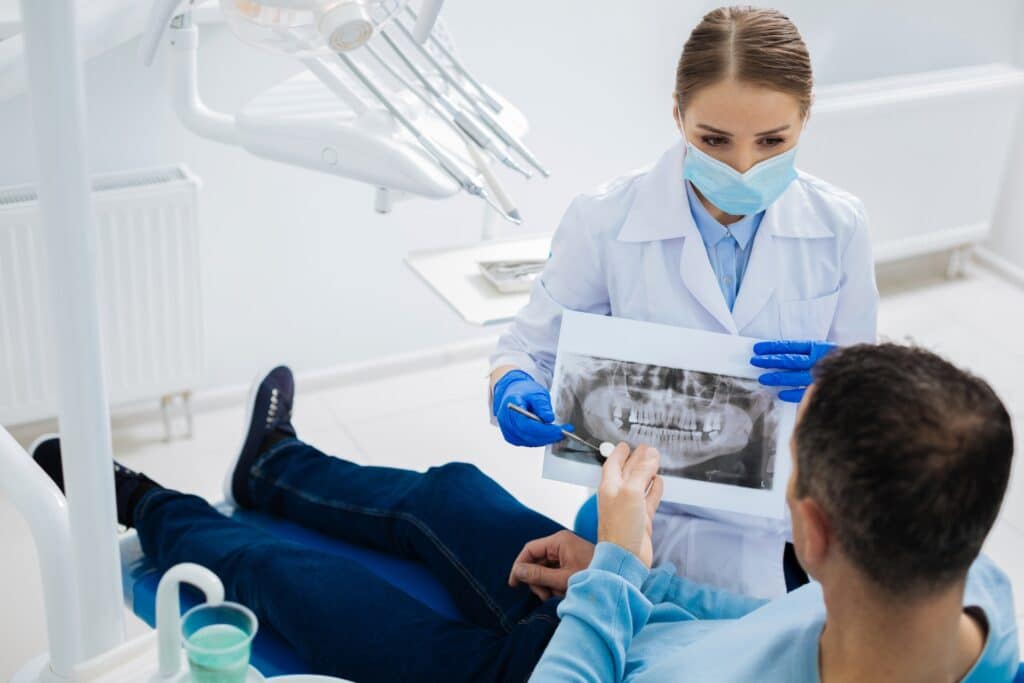
X-rays are usually taken to better look at the wisdom teeth and the area surrounding them. This helps the dentist understand the extent of the problem and plan for the procedure. 

3. Anesthesia

Depending on the complexity of the extraction, your dentist may recommend local anesthesia or general anesthesia. Local anesthesia numbs the area around the tooth to reduce discomfort during the extraction. General anesthesia puts you to sleep during the procedure. 

4. Removal

Once you are numbed, your dentist will use a small tool to loosen the tooth before gently removing it. Sometimes, the dentist may need special tools to remove the tooth. 

5. Recovery

After the procedure, you will be monitored for a few hours until the anesthesia wears off. Your dentist may prescribe pain medication for any discomfort you feel during the healing process. 

Conclusion

sedation dentistry

Wisdom tooth removal is a common procedure that a qualified dentist or oral surgeon can perform. The decision to remove wisdom teeth is often based on several factors, including the tooth’s position, the surrounding teeth’ health, and the patient’s overall health. In most cases, wisdom teeth can be removed safely and without complications.

Need emergency dental care in Pickering? You can visit us at Pickering Dental Services. We offer our clients the best preventive dental care to ensure that they can keep their oral health in top shape. Book an appointment with us at Pickering Dental Services today.

Helpful Resources

For more information, visit the Canadian Dental Association Oral Health.

Schedule Your Appointment Today

Contact Pickering Square Dental to book your appointment with Dr. Marvin Lean. Call us at (905) 420-1777 or visit us at 1450 Kingston Rd, Unit #4, Pickering, ON.

Frequently Asked Questions

How often should I visit the dentist?

The Canadian Dental Association recommends visiting your dentist at least twice a year for regular check-ups and cleanings. Some patients may need more frequent visits depending on their oral health needs. Call Pickering Square Dental at (905) 420-1777 to schedule your next appointment.

Do you accept the Canadian Dental Care Plan (CDCP)?

Yes, Pickering Square Dental participates in the Canadian Dental Care Plan. Our team can help you understand your coverage and ensure you receive the dental care you need. Contact us for more details about CDCP eligibility and benefits.

What services does Pickering Square Dental offer?

We offer a full range of dental services including family dentistry, emergency dental care, sedation dentistry, dental implants, laser dentistry, teeth whitening, root canal therapy, dental extractions, periodontal care, and cosmetic dentistry. Dr. Lean and our team serve patients in Pickering, Ajax, Whitby, and Scarborough.

5 Reasons To Choose Tooth-Coloured Fillings

dentist explaining

For most people, dealing with cavities is a part of life. Whether it’s due to improper brushing, infrequent dental visits or overindulging in sweets, most people have had to deal with small holes in their teeth that can be painful if left untreated. Fortunately, most cavities are easily remedied by tooth fillings.

How Do Tooth Fillings Work?

dental treatment

Dentists do tooth fillings to restore a damaged tooth to its natural shape and function. The process involves removing the decayed part of the tooth, cleaning the area, and then filling it with a unique material. 

These materials can be anything from gold and silver amalgam to composite resin, porcelain, or ceramic. A dentist will factor in the size and location of the cavity and the patient’s preference in choosing the appropriate filling material.

Which Kind of Tooth Filling Should I Choose?

Tooth-coloured composite fillings are a popular choice among patients due to their natural colour, which blends well with the rest of the teeth. These fillings are composed of glass, plastic particles, and resin, which are applied layer by layer to the tooth. Any other filling will do the job, but Pickering dentists recommend tooth-coloured resin filling due to a few advantages.

Why Choose Tooth-Coloured Fillings?

sedation dentistry

Here are five reasons why you should choose tooth-coloured resin fillings. Learn more about contact our Pickering dental office.

1) Aesthetic Appeal

Tooth-coloured fillings blend in with your natural teeth, so they look much better than metal ones which can stand out from the rest of your smile. This makes them ideal if you want to maintain a beautiful aesthetic while getting rid of those pesky cavities! 

2) Durability 

Tooth-coloured resin fillings are incredibly durable, lasting up to ten years or more, depending on the care taken. This is due to their strong bond with the tooth structure, which makes them resistant to wear and tear. Additionally, they are more resistant to staining and discoloration than traditional metal fillings, meaning your smile will look great for longer.

3) Safety 

Tooth-coloured fillings are made of biocompatible materials, meaning they are safe for use in the mouth and do not contain any potentially harmful toxins or metals. Additionally, they bond to the tooth structure, helping to strengthen the tooth and prevent further decay. This makes them a safe and effective solution for restoring damaged teeth.

4) Cost Effectiveness

Tooth-coloured resin fillings are a cost-effective solution for restoring damaged teeth. They are less expensive than other restorations, such as porcelain crowns or veneers, and can often be completed in a single office visit. 

Additionally, the materials used are durable and long-lasting, meaning they will not need to be replaced as often as other treatments. This makes them an economical choice for restoring damaged teeth.

5) Improved Oral Health

If done correctly by a licensed dentist, tooth-coloured fillings can help to prevent further decay and help to maintain the natural shape of the tooth. This can help improve your oral health and keep your smile looking its best!

Conclusion 

Overall, tooth-coloured fillings are an excellent option for those who want to keep their smile natural and healthy. They can help prevent further cavities from forming and look just like your natural teeth. Plus, they are much safer than metal fillings. So if you’re looking to address cavities, consider getting tooth-coloured fillings from dentists in Pickering. 

With Pickering Square Dental, your oral health is in capable hands. Our dentists in Pickering offer services in emergency dental care, dental extractions, and more. Contact us today to schedule an appointment. 

Helpful Resources

For more information, visit the Canadian Dental Association Oral Health.

Schedule Your Appointment Today

Contact Pickering Square Dental to book your appointment with Dr. Marvin Lean. Call us at (905) 420-1777 or visit us at 1450 Kingston Rd, Unit #4, Pickering, ON.

Frequently Asked Questions

How often should I visit the dentist?

The Canadian Dental Association recommends visiting your dentist at least twice a year for regular check-ups and cleanings. Some patients may need more frequent visits depending on their oral health needs. Call Pickering Square Dental at (905) 420-1777 to schedule your next appointment.

Do you accept the Canadian Dental Care Plan (CDCP)?

Yes, Pickering Square Dental participates in the Canadian Dental Care Plan. Our team can help you understand your coverage and ensure you receive the dental care you need. Contact us for more details about CDCP eligibility and benefits.

What services does Pickering Square Dental offer?

We offer a full range of dental services including family dentistry, emergency dental care, sedation dentistry, dental implants, laser dentistry, teeth whitening, root canal therapy, dental extractions, periodontal care, and cosmetic dentistry. Dr. Lean and our team serve patients in Pickering, Ajax, Whitby, and Scarborough.

Dentures vs. Implants: Which One Should You Choose?

Dental Emergency

In an ideal world, you would take care of your teeth by brushing twice a day and visiting the dentist twice a year. You would also avoid gorging on sugary foods too often. If you did this, you would not need to get dentures or implants to replace any teeth your dentist had to remove for you. Unfortunately, accidents can happen, and you may be at your dentist’s office for an extraction.

When it comes to replacing missing teeth, there are two main options: dental implants and dentures. Deciding between the two can be difficult, as each option has advantages and disadvantages. If you work with a reputable dentist, either may suit you well. However, both have pros and cons that you need to be aware of to make a sound decision.

What Are Dentures? 

porcelain bridges

Dentures are artificial teeth that can be removed from your mouth and put back in. They’re often used when people have lost some or all of their teeth. They are custom-made to fit your mouth and replace the missing teeth. To make dentures, an impression of your gums is taken, and then a model of your mouth is made. The dentures are then formed into the model to fit your mouth exactly.

One advantage of dentures over implants is that dentures are less expensive than implants and can be replaced more easily. Additionally, dentures do not require surgery, while implants do. However, dentures can be uncomfortable and require adjustments to fit properly. They can also move around in the mouth, making it difficult to speak and eat. Learn more about teeth whitening and aesthetics.

Dentures also require more maintenance. To take proper care of dentures, you must clean them daily. After eating, remove them from your mouth and brush away any food particles and adhesive. Remember to check your gums for any lingering adhesive. Over time, your dentures can become loose and must be refitted to fit your changing bite.

What Are Dental Implants? 

Dental implants are a type of permanent tooth replacement that uses titanium posts that are surgically implanted into the jawbone to act as a root for a crown, bridge, or denture. The implant post is covered with a crown or other prosthetic, giving the appearance of a natural tooth. 

Implants are considered a more permanent solution than dentures, as they do not need to be replaced as often and can last for many years. With regular brushing and aftercare, dental implants can last a lifetime.

One disadvantage of implants over dentures is that implants are more expensive and require a surgical procedure. Additionally, the healing process can take several months, which can be inconvenient for some patients.

Conclusion

Dental Crown

Whether you choose dentures over implants is usually a matter of budget and personal preference. Dental implants are the costlier and more invasive option since it involves surgery. However, they are considered a more permanent solution and will not need to be replaced if cared for properly. 

Meanwhile, dentures are more affordable in the short term. Additionally, dentures do not require surgery. However, they are more susceptible to wear and tear and may need to be replaced more often.

Whichever option you choose, the more critical decision to make is your choice of dentist. Go for reliable, cost-effective, and competent dental services in Pickering to ensure that your dental health is always in good hands.

Pickering Dental Services provides services in root canal therapy, teeth whitening, and implant dentistry. Contact us today to schedule an appointment. 

Helpful Resources

For more information, visit the Canadian Dental Association on Dental Implants.

Schedule Your Appointment Today

Contact Pickering Square Dental to book your appointment with Dr. Marvin Lean. Call us at (905) 420-1777 or visit us at 1450 Kingston Rd, Unit #4, Pickering, ON.

Frequently Asked Questions

How long do dental implants last?

With proper care and regular dental check-ups, dental implants can last 25 years or more. Many patients enjoy their implants for a lifetime. At Pickering Square Dental, Dr. Lean uses high-quality titanium implants designed for long-term durability.

Are dental implants painful?

Most patients report less discomfort than expected. The procedure is performed under local anaesthesia, and sedation options are available. Post-procedure soreness typically resolves within a few days with over-the-counter pain relief.

Am I a candidate for dental implants?

Most adults with good general health are candidates for dental implants. You need adequate jawbone density to support the implant. Dr. Lean will assess your bone health and overall suitability during a consultation at our Pickering office.

Helping You Weigh the Pros and Cons of Laser Dentistry

patient at the dentist

Lasers have been used in dentistry for over 25 years to address various dental issues. Some dentists have embraced the use of lasers to handle multiple dental procedures. This technology allows them to perform treatments in a more precise, efficient, and comfortable way.

Tooth decay occurs when bacteria break down the enamel of a tooth, which can lead to cavities. Laser treatment is a way of removing the decay and preparing the tooth for a filling. The laser will vaporize the decayed area and smooth the edges of the tooth, making it easier for the filling material to bond to the enamel.

Teeth whitening with the help of lasers is also becoming increasingly popular. A bleaching solution containing peroxide is added to teeth, then activated by a laser, making the whitening process happen faster than it would without using laser energy. Learn more about periodontal care in Pickering.

Defining Laser Dentistry

Sedation Dentistry for Kids

Laser dentistry is a type of dental treatment where lasers are used to help diagnose and treat various dental issues. By utilizing lasers, dentists can provide a more comfortable experience for patients undergoing various dental procedures than other traditional tools, such as drills. 

Dental lasers are employed for a range of treatments in the field of dentistry. These treatments may involve anything from reshaping the gums to removing tooth decay and performing cavity preparations. Additionally, they can be used in teeth alignment, root canal treatments, and other aspects of oral and maxillofacial surgery.

The Pros of Laser Dentistry

  • Laser dentistry is highly accurate, and it can be used to perform precise procedures with minimal side effects. This is especially helpful for complex procedures such as root canals and crowns. The accuracy of laser dentistry also reduces the chance of errors, which can lead to additional costs and time.
  • Laser dentistry can be used to help reduce bleeding during procedures. This is especially beneficial for patients who have concerns about blood loss or a low tolerance for pain.
  • Because laser dentistry is so precise, it can help speed up the healing process. This is especially important for patients who need to get back to their normal routines quickly.
  • Laser dentistry can help reduce the risk of infection by eliminating bacteria and other microorganisms in the mouth. This is especially beneficial for patients at a higher risk of infection due to their medical history or lifestyle.

The Cons of Laser Dentistry

Dental Bridges
  • One of the most significant drawbacks of laser dentistry is the cost. While laser dentistry is often more cost-effective in the long run, the initial cost of purchasing a laser and training and operating the laser can be quite expensive. This can be a significant deterrent for many patients and dental practices.
  • Lasers can generate high temperatures, which can cause tissue damage if misused. The risk of tissue damage increases if the laser is used in areas with a chance of infection, such as deep pockets around the teeth. Therefore, it is crucial to ensure that the dental professional is trained in the proper use of the laser before any procedure is performed.
  • Laser dentistry can be uncomfortable for some patients. The intense heat generated by the laser can cause pain and discomfort, and some patients may find the laser’s noise distracting. Furthermore, laser treatments may take longer than traditional treatments, which can inconvenience some patients.

Conclusion

Laser dentistry is increasingly becoming a popular and practical choice for dental treatments. It provides faster and more precise treatments and reduces pain, swelling, bleeding and the need for anesthetics. Laser dentistry is helpful for a wide range of dental procedures, including cosmetic treatments, periodontal treatments, endodontic treatments, and dental surgery. 

If you need dental services in Ajax, turn to Pickering Dental Services. Our dentists know how to provide the best in preventative dental care so you and your family can enjoy a lifetime of healthy smiles. Schedule your appointment!

Helpful Resources

For more information, visit the Canadian Dental Association Oral Health.

Schedule Your Appointment Today

Contact Pickering Square Dental to book your appointment with Dr. Marvin Lean. Call us at (905) 420-1777 or visit us at 1450 Kingston Rd, Unit #4, Pickering, ON.

Frequently Asked Questions

How often should I visit the dentist?

The Canadian Dental Association recommends visiting your dentist at least twice a year for regular check-ups and cleanings. Some patients may need more frequent visits depending on their oral health needs. Call Pickering Square Dental at (905) 420-1777 to schedule your next appointment.

Do you accept the Canadian Dental Care Plan (CDCP)?

Yes, Pickering Square Dental participates in the Canadian Dental Care Plan. Our team can help you understand your coverage and ensure you receive the dental care you need. Contact us for more details about CDCP eligibility and benefits.

What services does Pickering Square Dental offer?

We offer a full range of dental services including family dentistry, emergency dental care, sedation dentistry, dental implants, laser dentistry, teeth whitening, root canal therapy, dental extractions, periodontal care, and cosmetic dentistry. Dr. Lean and our team serve patients in Pickering, Ajax, Whitby, and Scarborough.

Maintaining Your Teeth after a Whitening Treatment

smiling woman

Having whiter teeth can give you an improved sense of confidence, and a teeth whitening treatment can help to achieve this. However, the effects of the treatment can be short-lived if proper care isn’t taken afterwards. After a teeth whitening treatment, maintaining white teeth requires more than just brushing and flossing.

Avoid Eating Certain Foods

Dental Bridges

Certain foods and drinks can cause staining to your teeth and undo the effects of the whitening treatment. These include red wine, coffee, tea, tomato sauce, and dark-colored fruits.

Avoid Smoking

Smoking can cause staining on your teeth and will undo the effects of the whitening treatment. If you are a smoker, it is important to quit to maintain white teeth.

Regular Teeth Cleaning

Endodontics

Having your teeth professionally cleaned at least twice a year helps to remove plaque and tartar buildup, which can cause staining and discoloration on your teeth.

Regular Brushing and Flossing

Brushing and flossing your teeth twice a day is essential for maintaining white teeth. Using a whitening toothpaste can help to reduce staining and keep your teeth looking brighter for longer. Learn more about Whitening for Life program.

Use a Mouthwash

Using a mouthwash can help to reduce staining and maintain white teeth. It also helps to reduce bacteria and plaque buildup, which can cause discoloration.

Avoid Teeth Grinding

Teeth grinding can cause damage to your teeth and can undo the effects of the whitening treatment. If you find yourself grinding your teeth, it is important to speak to your dentist and get a mouth guard fitted to protect your teeth.

Use a Straw

Using a straw when drinking dark-colored beverages can help to reduce staining. The straw will allow the liquid to bypass your teeth and reduce the amount of staining that can occur.

Drink Water after Eating and Drinking

Drinking water after eating or drinking can help rinse any residue that may cause discoloration. Swishing the water around in your mouth for a few seconds can help to remove any stubborn stains.

Natural Ways to Whiten Teeth

1. Brush your teeth with baking soda: Baking soda is a natural whitening agent that can help to remove surface stains on your teeth. Mix a teaspoon of baking soda with two teaspoons of water. Use a toothbrush to apply the paste to your teeth and gently brush for two minutes. Rinse your mouth with water and brush your teeth with toothpaste afterwards.

2. Use hydrogen peroxide: Hydrogen peroxide is a natural bleach that can help to remove stains from your teeth. Mix one part hydrogen peroxide with two parts water and use a cotton swab to apply the solution to your teeth. Let the solution sit for one minute before rinsing your mouth with water.

3. Try oil pulling: An ancient practice involves swishing a tablespoon of oil (such as coconut or sesame) in your mouth for 20 minutes. The oil helps remove toxins and bacteria from your mouth, which can help whiten your teeth.

The Bottom Line

In conclusion, maintaining white teeth after a teeth whitening treatment requires a combination of proper oral hygiene and lifestyle habits. Brushing and flossing twice a day, avoiding acidic and sugary foods and drinks, and regularly visiting the dentist for cleanings and check-ups are all essential for keeping your teeth sparkling and healthy. 

Additionally, using whitening toothpaste, mouthwash, and even whitening strips in moderation can help to extend the effects of a teeth whitening treatment. With a good routine and regular check-ups, you can enjoy a beautiful, healthy smile for years to come.

Pickering Dental Services offers the best teeth whitening treatments. We also provide preventative dental care. Book an appointment today.

Helpful Resources

For more information, visit the CDA on Tooth Whitening.

Schedule Your Appointment Today

Contact Pickering Square Dental to book your appointment with Dr. Marvin Lean. Call us at (905) 420-1777 or visit us at 1450 Kingston Rd, Unit #4, Pickering, ON.

Frequently Asked Questions

How long does professional teeth whitening last?

Professional whitening results can last 1-3 years depending on your diet and oral hygiene. Avoiding coffee, tea, red wine, and tobacco helps maintain your results. Ask about our Whitening for Life program at Pickering Square Dental.

Is teeth whitening safe for my enamel?

Yes, professional whitening supervised by a dentist is safe for your enamel. Over-the-counter products can cause sensitivity if overused, which is why professional treatment at our Pickering office is recommended for the best and safest results.

How white will my teeth get?

Most patients see their teeth lighten by 3-8 shades. Results vary based on the type and severity of staining. Dr. Lean will assess your teeth and set realistic expectations during your whitening consultation.

3 Interesting Dental Services That Can Remedy Chipped Teeth

patient getting dental treatment

While as durable as bone, our teeth aren’t immune from damage. A forceful blow to the face, a sudden slip or fall, or even an incorrect bite on something hard may sometimes cause a tooth to chip or break. Below is a roundup of the most popular dental services to help repair a chipped tooth:

Bonding

dental emergency

One of the easiest and most popular dental treatments today is teeth bonding. The term refers to a dental procedure in which a composite resin is shaped and applied to a damaged tooth. It is generally used to fix cracks or chips in the teeth, cover holes, or fill in small gaps. 

You may choose this dental service if you’re on a tight budget since this procedure is generally cost-effective. It is also fast and easy. 

  • To start, the dentist will select the right shade of composite resin that matches your original teeth’ colour. 
  • The surface of the target tooth will then be roughened and coated with a conditioning liquid. 
  • Once done, the dentist will apply the composite resin and then shape the same to fit with your natural tooth. 
  • The last step usually involves polishing the affected area to achieve that natural shine once the resin dries.

Filling

A dental filling is closing off the holes, cracks, chips, or any other damage in a tooth using filling materials. During this treatment, the dentist shall remove the damaged portion of the tooth, clean the affected area, and seal it using a filling. Learn more about family dentistry services in Pickering.

The procedure is simple, and costs may vary according to the type of filling materials used. You may get gold fillings, porcelain, silver amalgam, or composite resin fillings. Some dental practices even offer tooth-coloured non-metal fillings that are just as durable as other traditional metal-based restorations!

Dental Crowns

teeth whitening

A dental crown is another way to fix chipped or cracked teeth. A crown, AKA “a dental cap,” is placed on top of a damaged tooth to cover it up and restore its perfect appearance. 

This dental procedure is more elaborate and relatively expensive than the first two treatments. 

  • To start, the dentist shall first examine the affected tooth. A root canal treatment may be performed if decay has been spotted. 
  • The target tooth will then be trimmed to create enough room for the crown. 
  • Traditionally, a temporary cap will be applied first, and then the patient shall be advised to return days later once the permanent crown is ready for application.

However, to date, some dental clinics with advanced equipment may already create permanent dental crowns within only a few hours, allowing them to apply the same to the target teeth immediately.

Generally, dental crowns are recommended in cases of severely worn down teeth. However, interested individuals may still choose to avail of this treatment to improve the shape and colour of their teeth by covering them up with better-looking crowns. If you have a severely chipped tooth, going for a dental crown may be the better option instead of just bonding or filling.

Conclusion

With three interesting dental services available to remedy broken or chipped teeth, there’s no need to fret after a forceful blow, head injury, or accidental bite. Simply call your trusted dentist and ask them what the best solution is according to your needs and budget. 

Book an Appointment Today at Pickering Dental Services

We provide solutions for discoloured, cracked, or broken teeth, such as whitening, fillings, veneers, and more. Find out more about these dental services in Ajax by scheduling a visit at 905-420-1777!

Frequently Asked Questions

How often should I visit the dentist?

The Canadian Dental Association recommends visiting your dentist at least twice a year for regular check-ups and cleanings. Some patients may need more frequent visits depending on their oral health needs. Call Pickering Square Dental at (905) 420-1777 to schedule your next appointment.

Do you accept the Canadian Dental Care Plan (CDCP)?

Yes, Pickering Square Dental participates in the Canadian Dental Care Plan. Our team can help you understand your coverage and ensure you receive the dental care you need. Contact us for more details about CDCP eligibility and benefits.

What services does Pickering Square Dental offer?

We offer a full range of dental services including family dentistry, emergency dental care, sedation dentistry, dental implants, laser dentistry, teeth whitening, root canal therapy, dental extractions, periodontal care, and cosmetic dentistry. Dr. Lean and our team serve patients in Pickering, Ajax, Whitby, and Scarborough.

A Quick Overview of Root Canals and Their Overall Process

teeth model

Root canals are one of the most frequent dental procedures and can help to save teeth that would otherwise need to be extracted. They are often necessary when the tooth’s nerve or pulp is affected or severely decayed. 

In this blog post, we’ll cover the basics of root canal treatments and answer some questions about them, such as what they are, why you might need them, how they’re performed, and what to expect after the procedure.

What Is a Root Canal?

veneers

A root canal involves removing the infected or decayed pulp from inside the root of a tooth. The pulp is the soft tissue inside the tooth that incorporates your nerves, blood vessels, and connective tissue. Once the pulp is taken out, the root canal is filled with core filling materials to seal the tooth and prevent further infection.

Why Do I Need a Root Canal?

Here are five reasons you may need root canal therapy:

1. Decay or Damage

Decay or damage to a tooth’s enamel can cause the pulp, the soft tissue inside the tooth, to become exposed or inflamed. This can lead to severe pain, and a root canal may be necessary to remove the damaged tissue and save the tooth from extraction.  Learn more about family dentistry services in Pickering.

2. Infection

An infection in the tooth’s innermost layer, known as the dental pulp, can cause extreme pain and discomfort. If left untreated, the infection can propagate to other mouth areas and cause serious health complications. A root canal can help to prevent this by removing the infected tissue and allowing the area to heal. 

3. Trauma

Trauma to the mouth, such as a blow to the face, can cause the dental pulp to become damaged. A root canal may be necessary to clean the damaged tissue and prevent further damage or infection. 

4. Cracked Teeth

Teeth can become cracked or fractured over time. These cracks can provide an access point for bacteria to enter the tooth’s innermost layer and cause an infection. A root canal can help to remove the damaged tissue and save the tooth from extraction. 

5. Abscess

An abscess is an infection in the tooth’s root that can cause severe pain and discomfort. A root canal is often necessary to remove the infected tissue and prevent the disease from spreading.

How Is a Root Canal Performed?

implant dentistry

The root canal therapy begins with the dentist numbing the affected area with a local anesthetic. Once the site is sufficiently numb, the dentist will open the tooth to access the root canal. Then, the dentist will use a series of tools, such as an endodontic file, to remove the damaged or infected pulp from inside the root canal.

The next step is to clean and shape the inside of the root canal. This is done by cleaning the inside with a particular solution and then shaping it with special instruments. This is to ensure that the root canal is adequately cleaned and prepared for the final step of the procedure.

Once the root canal is adequately cleaned and shaped, it must be sealed. To do this, the dentist will occupy the root canal with a particular material called gutta-percha. The gutta-percha is then locked in place with special cement.

Finally, the tooth is sealed with a crown or a filling. This protects the tooth and restores its ability to function normally. The entire procedure usually takes a few hours to complete.

Conclusion

Root canal treatment is a safe and effective way to save a damaged or infected tooth. The procedure is relatively painless and can help restore the function and appearance of the tooth. If you think you may require a root canal, it’s essential to seek treatment from a qualified dentist as soon as possible to prevent further damage or infection.

Pickering Dental Services provides top-notch preventative dental care that ensures your family will have healthy smiles for years. From routine checkups to specialized treatments, we are committed to providing quality services that promote optimal dental health. Contact us today to schedule an appointment for root canal therapy in Ajax.

Helpful Resources

For more information, visit the Canadian Dental Association Oral Health.

Schedule Your Appointment Today

Contact Pickering Square Dental to book your appointment with Dr. Marvin Lean. Call us at (905) 420-1777 or visit us at 1450 Kingston Rd, Unit #4, Pickering, ON.

Frequently Asked Questions

How often should I visit the dentist?

The Canadian Dental Association recommends visiting your dentist at least twice a year for regular check-ups and cleanings. Some patients may need more frequent visits depending on their oral health needs. Call Pickering Square Dental at (905) 420-1777 to schedule your next appointment.

Do you accept the Canadian Dental Care Plan (CDCP)?

Yes, Pickering Square Dental participates in the Canadian Dental Care Plan. Our team can help you understand your coverage and ensure you receive the dental care you need. Contact us for more details about CDCP eligibility and benefits.

What services does Pickering Square Dental offer?

We offer a full range of dental services including family dentistry, emergency dental care, sedation dentistry, dental implants, laser dentistry, teeth whitening, root canal therapy, dental extractions, periodontal care, and cosmetic dentistry. Dr. Lean and our team serve patients in Pickering, Ajax, Whitby, and Scarborough.

Make Your Dental Extraction Stress-Free with These 4 Tips

patient undergoing dental treatment

It’s natural to feel anxious when preparing for a dental extraction. After all, you’re having a tooth removed, which can cause discomfort. Fortunately, there are some steps you can take to help make the experience as comfortable and stress-free as possible:

1. Have a Full Understanding of the Procedure

Oral Sedation

Getting a dental extraction can be intimidating, but it’s important to remember that it’s a common and safe procedure. Before the extraction, your dentist will examine the tooth to determine the best way to remove it. Depending on the type of extraction, they may use a dental pick, forceps, or a laser to loosen the tooth and carefully remove it.

During the procedure, you may experience discomfort, but your dentist will offer local anesthesia to help reduce any pain. You may also be given antibiotics to prevent infection. Once the extraction is complete, your dentist will place a gauze pad over the affected area to help stop the bleeding.

You can ensure a successful outcome by understanding the tooth extraction procedure and following your dentist’s instructions for recovery. If you have questions or concerns about the procedure, don’t hesitate to talk to your dentist. They’ll be happy to answer any questions and help you feel more comfortable.

2. Plan Ahead of Schedule

Make sure to schedule the appointment when you don’t have any other commitments that day, as you’ll likely need some downtime afterward. Additionally, bringing along a friend or family member who can drive you home after the procedure is a good idea. Learn more about family dentistry services in Pickering.

3. Listen to Your Dentist’s Instructions for Pre-Extraction Care

Family Dental Clinic

Paying attention to your dentist’s instructions for pre-extraction care is important. This may include taking certain medications or abstaining from eating or drinking for several hours before the procedure. 

You should also discuss any medications or supplements you are currently taking with your dentist. Certain medications or supplements can increase the risk of bleeding or other complications during the extraction.

It’s also important to practice good oral hygiene before the extraction. Brushing and flossing your teeth regularly can help reduce the risk of infection and other complications. Make sure to brush and floss your teeth the night before the extraction and again in the morning before the procedure.

4. Follow Your Dentist’s Aftercare Instructions

After a dental procedure, following your dentist’s instructions for aftercare is important to ensure a speedy and successful recovery. Proper aftercare is essential for reducing your risk of infection and ensuring that your procedure has the best possible outcome.

It is important to take any medications that your dentist has prescribed. These medications may include antibiotics, pain relievers, or other medications to help heal. Make sure to follow the instructions for dosage and duration of use carefully.

You may also need to apply cold compresses to the area to reduce swelling and discomfort. This should be done several times a day for the first couple of days after the procedure.

It is also important to avoid certain activities after a dental procedure. This may include strenuous physical activities, such as running or lifting heavy objects, or activities that involve the mouth, such as smoking. These activities can increase the infection risk and slow the healing process.

Conclusion

Dental extraction can be a stressful experience, but it can be made easier by following the tips outlined above. If you have any questions or concerns about the procedure, don’t hesitate to reach out to your dentist for more information. With the proper preparation and care, you can ensure that your extraction experience is as comfortable and stress-free as possible.

Are you in need of a dental extraction in Pickering? Pickering Dental Services is here to help. Whether you require a simple extraction or something more complex, our dental team can help you out so you can enjoy a lifetime of healthy smiles. Get in touch with us today!

Helpful Resources

For more information, visit the Canadian Dental Association Oral Health.

Schedule Your Appointment Today

Contact Pickering Square Dental to book your appointment with Dr. Marvin Lean. Call us at (905) 420-1777 or visit us at 1450 Kingston Rd, Unit #4, Pickering, ON.

Frequently Asked Questions

How often should I visit the dentist?

The Canadian Dental Association recommends visiting your dentist at least twice a year for regular check-ups and cleanings. Some patients may need more frequent visits depending on their oral health needs. Call Pickering Square Dental at (905) 420-1777 to schedule your next appointment.

Do you accept the Canadian Dental Care Plan (CDCP)?

Yes, Pickering Square Dental participates in the Canadian Dental Care Plan. Our team can help you understand your coverage and ensure you receive the dental care you need. Contact us for more details about CDCP eligibility and benefits.

What services does Pickering Square Dental offer?

We offer a full range of dental services including family dentistry, emergency dental care, sedation dentistry, dental implants, laser dentistry, teeth whitening, root canal therapy, dental extractions, periodontal care, and cosmetic dentistry. Dr. Lean and our team serve patients in Pickering, Ajax, Whitby, and Scarborough.

Top 6 Ways to Prevent Development of Teeth Discolouration

Man brushing his teeth

White teeth are linked to attractive, healthy smiles. On the other hand, some people with yellow teeth experience self-esteem issues. Did you know that having yellow teeth is preventable? 

If so, we’re here to talk about approaches to look into and try to prevent developing yellow teeth with the help of dental services in Pickering.

6 Ways to Prevent Yellow Teeth

Fluoride

Brush Teeth Twice Daily

Your mouth is one of the most important parts of your body, and if you don’t brush it frequently, it can be challenging to maintain your teeth bright and clean. Spending time brushing your teeth with toothpaste twice daily can give you the white teeth you desire. 

Patients are advised by dentists to brush their teeth twice daily for at least two minutes each time. Bristles should be soft; avoid using excessively hard ones, as this could damage the enamel on your teeth.

Avoid Drinking Anything That Will Discolour Your Teeth

Among the drinks that could harm the enamel are red wine and coffee. Because of the acid in their makeup, they tan the enamel. Two foods that contain acids include tomatoes and citrus fruits. Try to refrain from consuming any of these things to have the whitest teeth possible.

  • Black Coffee – The main issue is the dark shade, which makes the teeth yellow. The coffee has a rich, creamy consistency and contains dangerous acids, as was already mentioned. If you hate drinking water, try switching to black or green tea. Due to its lower acid content, green tea can flavour coffee.
  • Red Wine – Wine discolours enamel because of its acidic makeup. Red wine contains more acid than other varieties of wine; as a result, drinking red wine can damage the enamel and stain your teeth. Since most brands will have less acid than white wine, there is no reason why you shouldn’t drink white wine.

Limit the Sweets and Sugary Beverages You Consume

Your teeth might become stained by sweet foods like candies, cakes, pastries, fruit juices, etc. To whiten your teeth quickly, you may need to cut out sugar for a few days. Learn more about contact our Pickering dental office.

Even though some fruits are quite healthy, they don’t do anything to whiten your teeth. Compared to other drinks, those containing natural acid will cause the enamel to discolour more quickly. You will have to stop drinking fruit juices if you enjoy them as much as indicated in the previous clause.

Brush Your Teeth Frequently to Prevent Tooth Stains

After each visit, the dentist will clean your teeth as part of their standard cleaning procedure. 

Even if you regularly clean and floss your teeth, a layer of bacteria naturally forms around your teeth that you cannot eliminate. These methods will help whiten teeth.

Stop Smoking and Drinking Too Much Alcohol

Your teeth will turn yellow and discolour if you smoke. Additionally, drinking too much alcohol will discolour your teeth and eventually render them yellow. Smoking will make your teeth yellow and give you bad breath. Smokers should immediately consider brushing their teeth.

Solve The Problem At Its Root

Before successfully whitening your teeth, you must first understand the underlying cause of your yellow teeth. Have you consumed excessive amounts of black coffee? 

Do you smoke frequently? It would be much simpler for you to resolve the issue and whiten your teeth if you could identify the root of it. 

If you assess the situation and decide that prevention is not an option, why not work with a skilled dentist? They will aid in tooth whitening by professionals. 

The dentist will carefully inspect your teeth and make a recommendation based on the level of tooth discolouration. They frequently polish your teeth while giving you pointers on how to keep them that way.

Ensure that every patient receives thorough oral healthcare, regardless of age, from the dentist. Dentists should conduct themselves with respect and professionalism. 

If the best dentist in Pickering accepts insurance, that’s fantastic. Make sure to verify their business hours before setting up an appointment.

Conclusion 

Speak with the top dentists in Pickering for a routine dental checkup every six months. We must take care of our teeth by following the instructions above to whiten teeth and prevent the development of yellow teeth because the main issue is that some of us don’t visit the dentist frequently.

Our dentists in Pickering are skilled at offering the best preventative dental care to ensure you have a lifetime of healthy smiles. Contact Pickering Dental Services today!

Helpful Resources

Toothbrush

For more information, visit the Canadian Dental Association Oral Health.

Schedule Your Appointment Today

Contact Pickering Square Dental to book your appointment with Dr. Marvin Lean. Call us at (905) 420-1777 or visit us at 1450 Kingston Rd, Unit #4, Pickering, ON.

Frequently Asked Questions

How often should I visit the dentist?

The Canadian Dental Association recommends visiting your dentist at least twice a year for regular check-ups and cleanings. Some patients may need more frequent visits depending on their oral health needs. Call Pickering Square Dental at (905) 420-1777 to schedule your next appointment.

Do you accept the Canadian Dental Care Plan (CDCP)?

Yes, Pickering Square Dental participates in the Canadian Dental Care Plan. Our team can help you understand your coverage and ensure you receive the dental care you need. Contact us for more details about CDCP eligibility and benefits.

What services does Pickering Square Dental offer?

We offer a full range of dental services including family dentistry, emergency dental care, sedation dentistry, dental implants, laser dentistry, teeth whitening, root canal therapy, dental extractions, periodontal care, and cosmetic dentistry. Dr. Lean and our team serve patients in Pickering, Ajax, Whitby, and Scarborough.

Abscessed Teeth: The Types, Causes, and Treatments

Teeth

When you have a toothache that doesn’t go away, it’s important to see a dentist. This could be a sign of an infection or cavity, and it’s essential to get treated right away. If you don’t, the infection could spread and cause serious dental problems.

An abscessed tooth is a tooth that has become infected or has decayed to the point where the nerve is exposed. This can cause a lot of pain and discomfort. If you have an abscessed tooth, it is vital to see a dentist immediately so the infection can be treated.

The Types of Abscessed Tooth 

child with dentist

There are two types of abscessed teeth: periapical and periodontal. Periapical abscesses occur at the tip of the tooth’s root, while periodontal abscesses occur in the gums. Both types of abscesses can be extremely painful and should be treated as soon as possible.

If you think you may have an abscessed tooth, it’s essential to see a dentist right away. The sooner the infection is treated, the better. If you have an abscessed tooth, your dentist will likely prescribe antibiotics to help clear the infection. In some cases, the affected tooth may need to be removed. Learn more about contact our Pickering dental office.

The Causes of and Treatments for Abscessed Tooth 

An abscessed tooth is a severe dental problem that can cause a great deal of pain. It occurs when the nerve of the tooth becomes infected and the surrounding tissue becomes inflamed. The most common cause of an abscessed tooth is a bacterial infection. Other causes include a cracked tooth, a deep cavity, or gum disease.

If you have an abscessed tooth, there are a few things you can do at home to ease the pain:

  1. Rinse your mouth with warm water several times a day to help reduce swelling and pain.
  2. You can also take over-the-counter pain relievers such as ibuprofen to help with the pain.

The goal of treatment for an abscessed tooth is to relieve pain, get rid of the infection, and fix the underlying problem. If you have a dental abscess that gives you intense pain, it is important to see a dentist or other medical professional right away. Abscesses do not obviously go away on their own and can actually become worse over time, even if the pus is drained. This is because the bacteria can still spread and damage surrounding tissue.

If your dentist suspects you have an infection, they may recommend using diagnostic imaging tests to confirm their diagnosis. These tests can help identify the location of the infection, any possible causes, and any other areas that may be affected. The treatment options for abscessed teeth are:

  • Antibiotics
  • Drainage
  • Root canal
  • Tooth extraction

Takeaway 

man at the dentist

In conclusion, an abscessed tooth is a serious dental issue that requires prompt treatment by a dentist. If left untreated, the infection can spread to other parts of the mouth and body, potentially causing serious health complications. 

Additionally, the pain associated with an abscess can be quite severe, making it difficult to eat, sleep, or even work. Therefore, if you think you may have an abscessed tooth, it is vital to see a dentist as soon as possible to start the appropriate treatment.

Do you have a dental emergency in Ajax? Trust Pickering Dental Services. Our dentists know how to provide the best in preventative dental care so you and your family can enjoy a lifetime of healthy smiles. Call us!

Helpful Resources

For more information, visit the Canadian Dental Association Oral Health.

Schedule Your Appointment Today

Contact Pickering Square Dental to book your appointment with Dr. Marvin Lean. Call us at (905) 420-1777 or visit us at 1450 Kingston Rd, Unit #4, Pickering, ON.

Frequently Asked Questions

How often should I visit the dentist?

The Canadian Dental Association recommends visiting your dentist at least twice a year for regular check-ups and cleanings. Some patients may need more frequent visits depending on their oral health needs. Call Pickering Square Dental at (905) 420-1777 to schedule your next appointment.

Do you accept the Canadian Dental Care Plan (CDCP)?

Yes, Pickering Square Dental participates in the Canadian Dental Care Plan. Our team can help you understand your coverage and ensure you receive the dental care you need. Contact us for more details about CDCP eligibility and benefits.

What services does Pickering Square Dental offer?

We offer a full range of dental services including family dentistry, emergency dental care, sedation dentistry, dental implants, laser dentistry, teeth whitening, root canal therapy, dental extractions, periodontal care, and cosmetic dentistry. Dr. Lean and our team serve patients in Pickering, Ajax, Whitby, and Scarborough.