What Is Laser Dentistry and Why You Might Consider This Option

dental clinic

Laser dentistry is a relatively new field, but it’s an increasingly popular approach to dental treatment because it can be extremely effective for certain conditions. So if you’ve heard about this alternative to traditional dentistry but are wondering what exactly is laser dentistry and how it works compared to regular treatments? Keep reading!

What is Laser Dentistry?

Root Canal Therapy

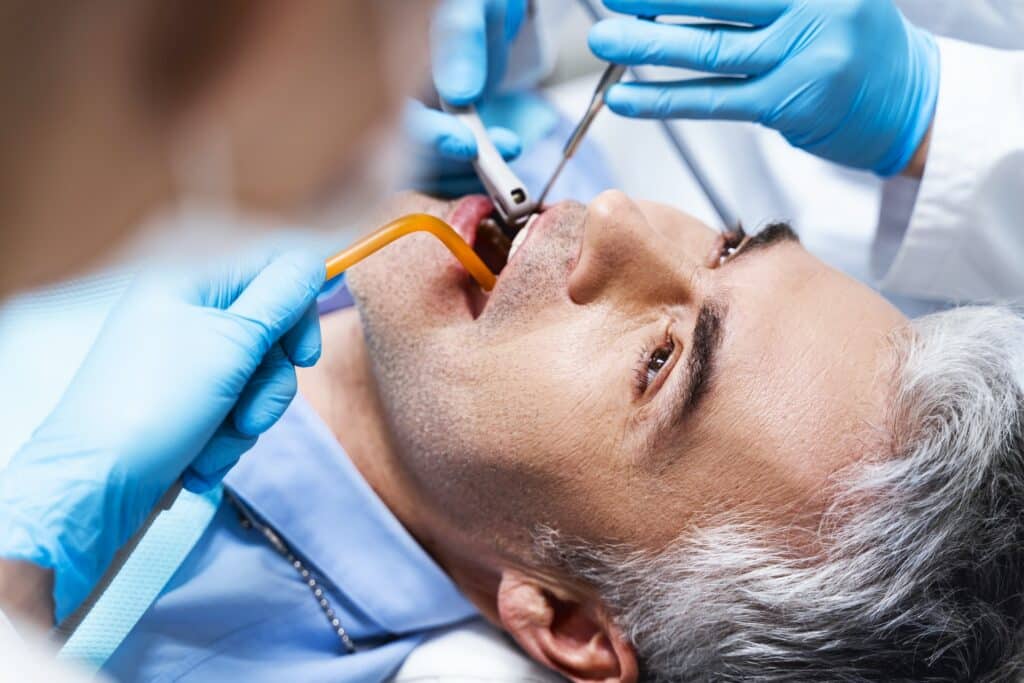
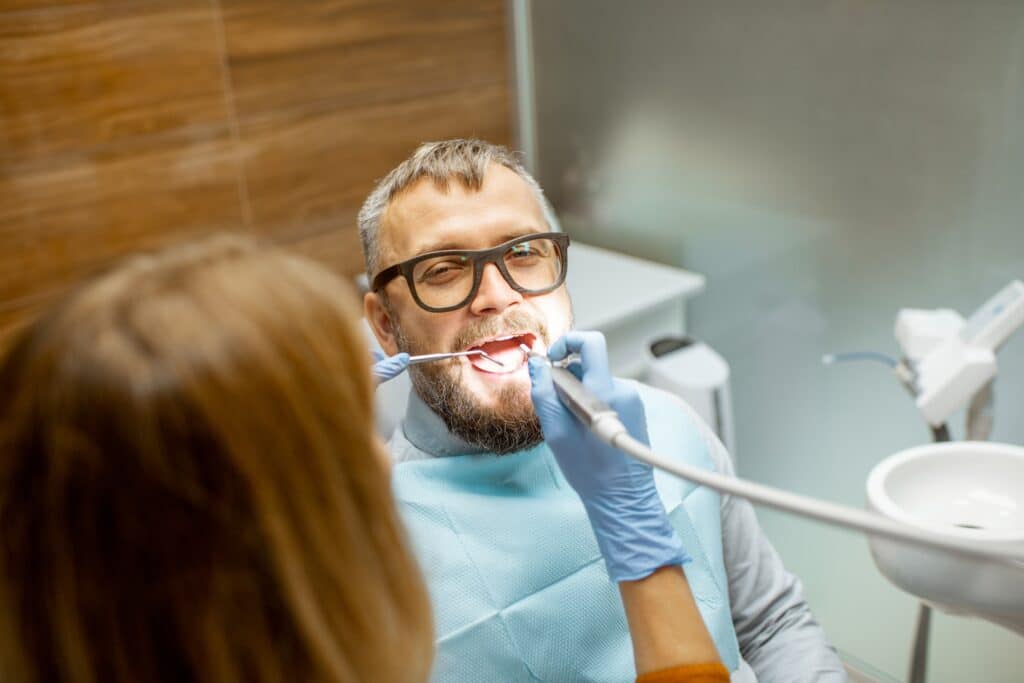
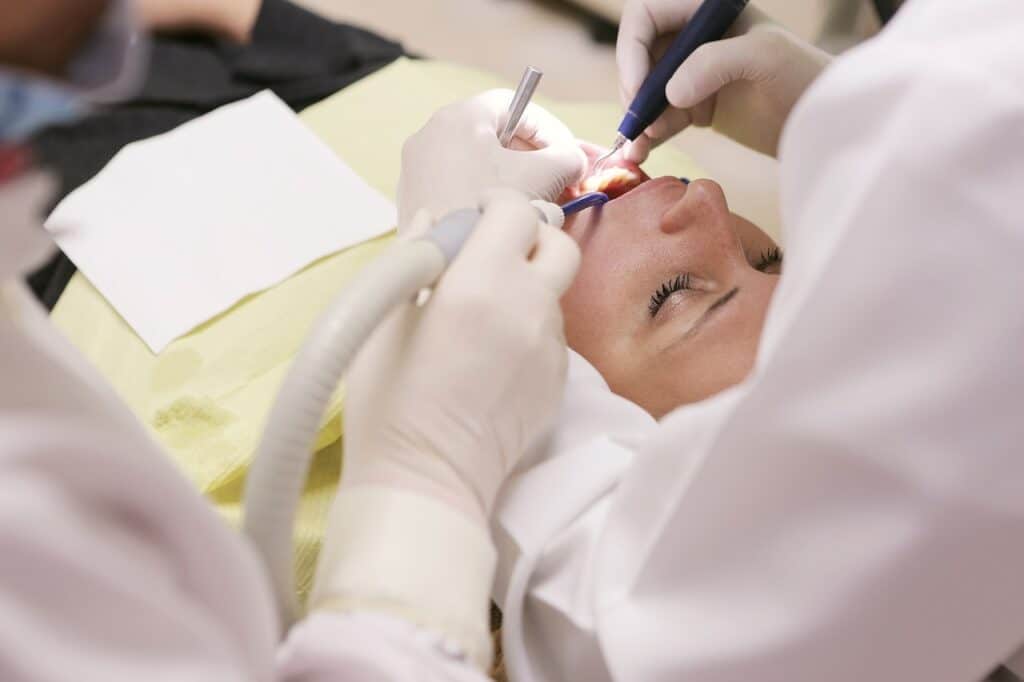
Laser dentistry is an advanced procedure that uses lasers to perform various dental procedures. It is mostly used for gum surgery but can also be used for other procedures, such as whitening and cavity fillings. In general, laser dentistry is considered a more advanced form of treatment because it uses lasers to perform certain procedures that were previously only possible with manual instruments.

Lasers are very precise and can target specific areas in the mouth. This means less tissue needs to be removed when performing procedures, resulting in less pain, bleeding, and swelling. Lasers can also help reduce the amount of time needed for treatments and the amount of anesthesia needed.

What Treatments Can Laser Dentistry Do?

There are several different types of treatments that you can get with laser dentistry aside from the ones stated above. These are the following: Learn more about contact our Pickering dental office.

  • Teeth Whitening and Enamel Reshaping: A laser can be used to remove stains from the surface of your teeth or to reshape your enamel (the white part of your tooth). The procedure is quick, painless, and can achieve fantastic results.
  • Treats Tooth Sensitivity: A lack of enamel can cause sensitivity, which can be painful when eating hot or cold foods and drinks or when exposed to temperature changes. Lasers can treat this problem by strengthening tooth enamel and preventing it from becoming overly worn daily.
  • Diagnostic and Treatment Aids: Lasers can help diagnose problems with your teeth or gums. They can also treat certain issues, such as gum disease or tooth decay.
  • Infection Control and Sterilization: Lasers are effective at killing bacteria in the mouth, which helps prevent infection while you’re undergoing a dental procedure.

Why You Might Consider This Option

Sedation Dentistry

There are many reasons why you might consider laser dentistry for your next visit to the dentist:

1) Less Pain: Laser dentistry can help reduce pain if used for gum disease treatment. Other treatments, such as cleaning or cavity repair, may still cause discomfort but are much less painful than traditional methods.

2) Reduced Swelling: Swelling after treatment is common with traditional dental procedures but doesn’t happen as often with laser dentistry procedures. This means you’ll be able to go back to your daily life faster after a visit than if you had chosen traditional treatment methods.

3) Faster Healing Time: Traditional methods usually take longer for the tissues surrounding your teeth and gums to heal. Laser treatments tend to be faster, and you can return to your normal routine sooner.

Conclusion

Laser dentistry is helpful for many patients who are looking to improve their smile. Lasers can be used in place of traditional dental instruments, which means that some procedures can be completed more quickly and without causing additional discomfort. For those who don’t have access to this type of technology, it may be worth looking into getting a consultation with a dentist using lasers.

Seek the best dentists in Pickering to determine if laser dentistry is right for you. Our dentists are always happy to answer any questions about the process and will help you decide whether it’s right for your needs. We invite you to contact us today!

Helpful Resources

For more information, visit the Canadian Dental Association Oral Health.

Schedule Your Appointment Today

Contact Pickering Square Dental to book your appointment with Dr. Marvin Lean. Call us at (905) 420-1777 or visit us at 1450 Kingston Rd, Unit #4, Pickering, ON.

Frequently Asked Questions

How often should I visit the dentist?

The Canadian Dental Association recommends visiting your dentist at least twice a year for regular check-ups and cleanings. Some patients may need more frequent visits depending on their oral health needs. Call Pickering Square Dental at (905) 420-1777 to schedule your next appointment.

Do you accept the Canadian Dental Care Plan (CDCP)?

Yes, Pickering Square Dental participates in the Canadian Dental Care Plan. Our team can help you understand your coverage and ensure you receive the dental care you need. Contact us for more details about CDCP eligibility and benefits.

What services does Pickering Square Dental offer?

We offer a full range of dental services including family dentistry, emergency dental care, sedation dentistry, dental implants, laser dentistry, teeth whitening, root canal therapy, dental extractions, periodontal care, and cosmetic dentistry. Dr. Lean and our team serve patients in Pickering, Ajax, Whitby, and Scarborough.

Setting Your Expectations for Your Upcoming Tooth Extraction

dentist looking at records

If you need a tooth pulled and it will be your first time, you’re undoubtedly feeling some apprehension. We want to give you a good sense of what you can expect from the treatment so that when the “big day” arrives, you will be as calm and collected as a cucumber. This will make you feel more at ease with the process.  Here, you’ll find out the steps involved in extracting a tooth.

So, What Should I Anticipate From the Extraction Procedure?

Dental Sedation

The extraction process is rather simple and can be completed in a short amount of time. You will be administered a local anesthetic to numb your mouth before beginning the operation. This will ensure that you do not feel any pain while the surgery is being performed. General anesthesia may be used to put you to sleep if your tooth is impacted or if multiple teeth are extracted at once.

After administering anesthesia, the offending tooth may then be extracted. A gauze will be placed in the empty socket, and you will be instructed to bite down on it to halt the bleeding; alternatively, stitches may be used to close the gum.

You’ll be free to go home after the extraction, and the bleeding has been stopped.

For How Long Does a Tooth Extraction Typically Last?

If only one tooth needs to be pulled, the procedure can be finished in 20-40 minutes. However, your appointment time will be extended if you need several teeth pulled at once. Depending on the position of the new teeth, your appointment time will increase by 3-15 minutes for each additional tooth. Learn more about contact our Pickering dental office.

Does the Extraction Hurt?

Endodontic Therapy

No. You won’t feel any pain because the nerve fibres that are responsible for transmitting pain signals will have been anesthetized. Yet, a feeling of pressure will be prevalent. A great deal of pressure could also build up at inopportune moments.

While this pressure shouldn’t be too much to bear, we bring it up so that you have realistic expectations going into the process.

What Else Should I Know Before Getting an Extraction Done?

Yes, you should expect to hear loud noises during the process. This is the most uncomfortable step of the procedure for many individuals. Don’t forget to bring your headphones if you want to listen to music during the tooth extraction process.

To aid in a speedy recovery and prevent infection, you should also plan on following the extraction aftercare guidelines from your dentist.

How Do I Get an Urgent Extraction, When Necessary?

If you are in pain and need urgent dental work, a fully-prepared dental institution is the best place to go. However, since ordinary hospitals lack the necessary resources to perform dental procedures, they typically only provide patients with pain medication and send them back to their dentist.

If you are experiencing pain that is severe, persistent, or won’t go away, you should consider seeking out an urgent extraction. Urgent extractions are a type of dental procedure that can be performed quickly and easily. They are typically used when a dental problem is causing significant pain and preventing the patient from being able to eat or sleep.

There are a few things you should know before you seek out an urgent extraction. First, your dentist should be contacted and asked to send a referral letter. This letter will confirm that the patient is in need of an urgent extraction and will help the hospital staff locate the appropriate resources.

Next, you should make a list of the dental problems that you are experiencing. This list will help the staff identify the dental problems that you are experiencing and determine which procedures will be necessary.

Finally, you should arrive at the recommended dental institution where your intended dentist would be given the needed information. This information can include your medical history, the type of dental problems you are experiencing, and the medications you are taking.

Conclusion

Indeed, it is important to have realistic expectations for your upcoming tooth extraction. The procedure itself is relatively straightforward, but there will be some slight discomfort and pressure during the process. Recovery times vary from person to person, but you can expect to feel back to normal within a week or two. If you have any concerns, be sure to discuss them with your dentist beforehand.

If you are looking to undergo dental extraction in Pickering, look no further than our services here at Pickering Dental Services. Our Pickering dentists know how to provide the best in preventative dental care so you and your family can enjoy a lifetime of healthy smiles. Call us today to book your first dental appointment with us.

Helpful Resources

For more information, visit the Canadian Dental Association Oral Health.

Schedule Your Appointment Today

Contact Pickering Square Dental to book your appointment with Dr. Marvin Lean. Call us at (905) 420-1777 or visit us at 1450 Kingston Rd, Unit #4, Pickering, ON.

Frequently Asked Questions

How often should I visit the dentist?

The Canadian Dental Association recommends visiting your dentist at least twice a year for regular check-ups and cleanings. Some patients may need more frequent visits depending on their oral health needs. Call Pickering Square Dental at (905) 420-1777 to schedule your next appointment.

Do you accept the Canadian Dental Care Plan (CDCP)?

Yes, Pickering Square Dental participates in the Canadian Dental Care Plan. Our team can help you understand your coverage and ensure you receive the dental care you need. Contact us for more details about CDCP eligibility and benefits.

What services does Pickering Square Dental offer?

We offer a full range of dental services including family dentistry, emergency dental care, sedation dentistry, dental implants, laser dentistry, teeth whitening, root canal therapy, dental extractions, periodontal care, and cosmetic dentistry. Dr. Lean and our team serve patients in Pickering, Ajax, Whitby, and Scarborough.

Dental Implant Recovery Tips You Need to Know About

Dental Implant

When it comes to dental implants, recovery is an important part of the process. Dental implants are a great way to replace missing teeth and restore your smile. However, like any major dental procedure, they can come with some discomfort and side effects. Taking the proper steps to ensure your recovery is important to ensuring the success of your implants. Here are some dental implant recovery tips you need to know. 

1 – Limit Strenuous Activities

child brushing teeth

First, it’s important to remember that dental implant recovery can take several months and depends on the individual’s condition and the type of implant used. During the recovery period, it’s important to limit strenuous activities to ensure the implants are allowed to heal properly. You should also be aware of any signs of infection, such as pain, swelling, or redness, and contact your dentist if you experience any of these symptoms.

2 – Follow Your Dentist’s Instructions

It’s also important to follow your dentist’s instructions carefully when it comes to caring for your implants. This includes brushing and flossing your teeth twice a day and avoiding foods that are difficult to chew. Additionally, you should avoid smoking and drinking alcohol as these can interfere with the healing process.

3 – Stay in Touch with Your Dentist

restorative dentistry

Finally, it’s important to stay in touch with your dentist during the recovery period. They can provide advice and support to ensure your recovery goes as smoothly as possible.

4 – Stop Smoking

Smoking can interfere with the healing process of your dental implants, so it’s important to quit before the procedure. Additionally, smoking can lead to gum disease and other oral health issues that can affect the success of your implant surgery. Learn more about teeth whitening and aesthetics.

5 – Eat Soft Foods

After your dental implant surgery, it’s important to eat soft foods for the first few days to give your mouth time to heal. Soft foods such as yogurt, applesauce, and mashed potatoes are all good choices. Additionally, you should avoid foods that are crunchy, hard, or sticky as these can damage the implant or cause pain.

6 – Follow Up Appointments

It’s important to attend all of your follow-up appointments with your dentist after your dental implant surgery. This will allow them to monitor your progress and make sure the implant is healing correctly.

7 – Avoid Chewing on Hard Objects

It’s important to avoid chewing on hard objects such as ice or hard candy after your dental implant surgery. This can cause damage to the implant and increase your risk of infection.

8 – Practice Good Oral Hygiene

Good oral hygiene is essential to the success of your dental implant surgery. This includes brushing and flossing your teeth twice a day and using an antiseptic mouthwash. Additionally, you should avoid smoking and drinking alcohol as these can interfere with the healing process.

9 – Take Care of Your Implants

It’s important to take care of your implants to ensure they last as long as possible. This includes brushing and flossing your teeth twice a day, avoiding hard or sticky foods, and visiting your dentist regularly for checkups.

Conclusion

Dental implant recovery is essential to ensure the success of implant surgery. To ensure a successful recovery, it is important to follow the instructions given by the dentist. It is important to keep the implant site clean, eat a balanced diet, practice good oral hygiene, avoid drinking and smoking, and take medications as prescribed by the doctor. Additionally, one should avoid strenuous activities and contact sports to prevent any damage to the implant. 

Finally, it is important to attend follow-up appointments with the dentist to monitor the healing process and ensure the implant is functioning properly. With proper care and attention, one can ensure a successful recovery and enjoy the benefits of dental implants for many years to come.

If you need dental implants in Pickering, come to Pickering Dental Services. Our dentists know how to provide the best in preventative dental care so you and your family can enjoy a lifetime of healthy smiles. Call us now and book an appointment today!

Helpful Resources

For more information, visit the Canadian Dental Association on Dental Implants.

Schedule Your Appointment Today

Contact Pickering Square Dental to book your appointment with Dr. Marvin Lean. Call us at (905) 420-1777 or visit us at 1450 Kingston Rd, Unit #4, Pickering, ON.

Frequently Asked Questions

How long do dental implants last?

With proper care and regular dental check-ups, dental implants can last 25 years or more. Many patients enjoy their implants for a lifetime. At Pickering Square Dental, Dr. Lean uses high-quality titanium implants designed for long-term durability.

Are dental implants painful?

Most patients report less discomfort than expected. The procedure is performed under local anaesthesia, and sedation options are available. Post-procedure soreness typically resolves within a few days with over-the-counter pain relief.

Am I a candidate for dental implants?

Most adults with good general health are candidates for dental implants. You need adequate jawbone density to support the implant. Dr. Lean will assess your bone health and overall suitability during a consultation at our Pickering office.

Everything That You Need to Know About Teeth Bonding

Teeth Bonding

Teeth Bonding is a cosmetic dentistry procedure that repairs chips, gaps, and other minor imperfections in teeth. Now, some of you may be interested in this procedure. To help you be more informed, we thought it would be useful to put together a brief discussion on this procedure. If this is something that you’re interested in learning more about, read on as we explain everything that you need to know about teeth bonding.

What is Teeth Bonding?

dental model

Teeth bonding is a cosmetic dentistry procedure used to improve the appearance of teeth. It involves the application of a composite resin material to the surface of the teeth, which is then shaped and hardened to improve the overall look and feel of the teeth. Bonding is used to repair chips and cracks, close gaps between teeth, and to make teeth look more symmetrical. It is also used to change the color of teeth or to make them look longer and more uniform.

Bonding is a relatively simple procedure that can usually be done in one visit to the dentist. The dentist will first prepare the tooth by gently roughening the surface and then applying a conditioning liquid which helps the bonding material bond to the tooth. A composite resin material is then applied to the tooth and shaped to the desired result. In some cases, the dentist may need to use a light to harden the material. Once the material has hardened, the dentist will trim and polish it to make it look natural.

Who Needs Teeth Bonding?

Teeth bonding can be used to correct a variety of dental issues, such as chips, cracks, discoloration, and gaps between teeth. It can also be used to make teeth appear longer or to fill in gaps between teeth. Bonding can also be used to reshape teeth that are too small. 

In addition to cosmetic purposes, bonding can also be used to protect teeth from further damage. If a tooth has been chipped or cracked, bonding can prevent the damage from becoming worse. Bonding can also be used to cover exposed roots, which can help protect against sensitivity and decay. 

Teeth bonding is an effective and relatively affordable way to improve the appearance of your teeth. It can be used to address a variety of dental issues, including chips, cracks, discoloration, and gaps between teeth. Additionally, it can be used to protect teeth from further damage and protect them from sensitivity and decay. If you’re looking for a way to improve the appearance of your teeth, talk to your dentist about whether teeth bonding is right for you.

What Are the Advantages of Teeth Bonding?

Implant-Dentistry

Teeth bonding is an advantageous procedure that can help restore the natural beauty of your smile. In this article, we’ll discuss the advantages of teeth bonding.

First, teeth bonding is a relatively fast and simple procedure. It can typically be completed in just one visit to the dentist, and the effects can last for many years. Also, teeth bonding is a very cost-effective way to improve your smile. The cost of the procedure is often much lower than other cosmetic dentistry options, such as veneers.

Second, teeth bonding is a painless procedure. Because it is minimally invasive, there is little to no discomfort associated with it. Additionally, the material used in teeth bonding is tooth-colored, so it blends in with the rest of your teeth.

Third, teeth bonding can be used to address a variety of dental issues. It can be used to fill gaps between teeth, repair chips and cracks, cover discoloration, and even reshape teeth. By doing so, it can help restore the natural beauty of your smile.

Finally, teeth bonding is a safe and effective way to improve the appearance of your teeth. Because the material used is biocompatible, it does not cause any adverse reactions. Furthermore, the material is durable and long-lasting, so it can provide many years of cosmetic improvement.

Conclusion

If you are interested in improving the appearance of your teeth, teeth bonding may be a good choice. It is important to discuss all of your options with your dentist, so that you can make an informed decision about the best treatment for your needs.

If you’re in need of a dentist in Pickering for teeth bonding, then you’ve come to the right place. Visit Pickering Dental Services for the best dental care for you and your family.

Looking for professional help? Learn more about our cosmetic dentistry in Pickering at Pickering Square Dental or call (905) 420-1777 to book an appointment.

Helpful Resources

For more information, visit the Canadian Dental Association Oral Health.

Frequently Asked Questions

How often should I visit the dentist?

The Canadian Dental Association recommends visiting your dentist at least twice a year for regular check-ups and cleanings. Some patients may need more frequent visits depending on their oral health needs. Call Pickering Square Dental at (905) 420-1777 to schedule your next appointment.

Do you accept the Canadian Dental Care Plan (CDCP)?

Yes, Pickering Square Dental participates in the Canadian Dental Care Plan. Our team can help you understand your coverage and ensure you receive the dental care you need. Contact us for more details about CDCP eligibility and benefits.

What services does Pickering Square Dental offer?

We offer a full range of dental services including family dentistry, emergency dental care, sedation dentistry, dental implants, laser dentistry, teeth whitening, root canal therapy, dental extractions, periodontal care, and cosmetic dentistry. Dr. Lean and our team serve patients in Pickering, Ajax, Whitby, and Scarborough.

How Dental Implants Can Help Solve Speech Problems

Dental implant

Speaking is a complex process that uses a combination of body parts, such as the tongue, lips, teeth, and vocal tract, to create sounds. If one of these structures does not function properly, it can affect how someone speaks, for example, causing them to slur their words or have a lisp. Generally, when we talk, the tongue touches the teeth or the roof of the mouth to help form sounds. While not all sounds require teeth, many do.

To understand how important teeth are for speaking, try saying a phrase without using your upper and lower teeth or your lips and tongue. For example, try saying, “the time is now,” without letting your teeth touch or using your lips and tongue. It’s hard, right? Unfortunately, not everyone is gifted with the necessities to speak properly, and some of us lose them over time. We’re talking about teeth.

How Missing Teeth Can Cause Speech Problems

dental implant

Missing teeth can cause serious speech problems. People with missing teeth may find it difficult to pronounce certain words, or the words may be hard for others to understand. Additionally, people with missing teeth may experience a lisp or other speech impediment.

The main reason missing teeth can cause speech problems is because of the way the mouth and tongue move when speaking. The teeth help form sounds by providing a surface for the tongue to press against. Without the teeth, the tongue may not be able to form certain sounds properly, resulting in slurred words or difficulty pronouncing certain words. Learn more about teeth whitening and aesthetics.

Another reason missing teeth can lead to speech difficulties is how the mouth is shaped. If a person has a missing tooth, the shape of the mouth will be different than someone with a full set of teeth. This can affect the way the air passes through the mouth when speaking, leading to difficulty in forming certain sounds.

Finally, missing teeth can cause speech problems due to the psychological impact they can have. People who are missing teeth may feel self-conscious or embarrassed, leading to a lack of confidence and difficulty speaking in public.

How Dental Implants Can Help Solve Speech Problems

Dental implants are a popular solution for replacing missing teeth. They are designed to look and feel like natural teeth and can last for many years when cared for properly. But did you know that dental implants can also help to solve speech problems?

It’s true! The implant acts like a tooth root and is surgically placed into the jawbone. When the implant heals, it is securely attached to the bone and can support a false tooth or bridge. This helps to restore the normal position of the tongue, which can improve your speech.

In addition to restoring your speech, dental implants can also help to improve your overall oral health. This is because the implant helps to keep the jawbone healthy and strong. When teeth are missing, the jawbone can start to deteriorate, and this can cause further problems such as shifting teeth, gum disease, and even face shape changes. By restoring the jawbone with an implant, you can help to maintain the strength and health of your mouth.

Conclusion

porcelain bridges

If you are missing teeth and are experiencing speech problems, dental implants can be a great solution. They can help to restore your natural speech and improve your oral health. So, if you want to find out if dental implants are right for you, talk to your dentist today!

Pickering Dental Services offers the best preventative dental care for everyone, giving a lifetime’s worth of beautiful smiles. If you are looking for dental implants in Ajax, book an appointment with us today.

Helpful Resources

For more information, visit the Canadian Dental Association on Dental Implants.

Schedule Your Appointment Today

Contact Pickering Square Dental to book your appointment with Dr. Marvin Lean. Call us at (905) 420-1777 or visit us at 1450 Kingston Rd, Unit #4, Pickering, ON.

Frequently Asked Questions

How long do dental implants last?

With proper care and regular dental check-ups, dental implants can last 25 years or more. Many patients enjoy their implants for a lifetime. At Pickering Square Dental, Dr. Lean uses high-quality titanium implants designed for long-term durability.

Are dental implants painful?

Most patients report less discomfort than expected. The procedure is performed under local anaesthesia, and sedation options are available. Post-procedure soreness typically resolves within a few days with over-the-counter pain relief.

Am I a candidate for dental implants?

Most adults with good general health are candidates for dental implants. You need adequate jawbone density to support the implant. Dr. Lean will assess your bone health and overall suitability during a consultation at our Pickering office.

How Often Can I Have My Teeth Whitened? A Quick Guide

White teeth

Teeth whitening is a popular cosmetic procedure that helps people achieve a brighter and whiter smile. Many people are interested in knowing how often they can whiten their teeth and if there are any risks associated with frequent whitening. This article will provide an overview of how often people can whiten their teeth, what the risks of frequent whitening are, and how to safely whiten teeth.

What to Expect from Professional Teeth Whitening  

dental implant

Professional teeth whitening is typically done by a dentist or an in-office whitening service. The procedure usually involves applying a bleaching agent to the teeth, which helps to remove stains and discoloration. Depending on the severity of the discoloration, one to three sessions may be necessary to achieve the desired results.

Depending on the severity of the discoloration, one to three sessions may be necessary to achieve the desired results. After the whitening is complete, the dentist or whitening service will then provide you with aftercare instructions. These instructions may include avoiding certain foods and beverages that can cause staining, such as coffee and tea, as well as brushing and flossing regularly to maintain the results of the whitening.

It is an excellent way to improve the appearance of your teeth and give yourself a more confident smile. It is important to speak with your dentist to determine if professional teeth whitening is right for you, as well as discuss any potential risks or side effects associated with the procedure.

How Often Can You Have Teeth Whitened?

In general, it is recommended that you wait at least six months before undergoing another teeth whitening procedure. This gives the teeth time to adjust to the whitening and prevents too much bleaching from occurring. However, if the teeth become stained again, it is possible to whiten them sooner than six months.

How to Safely Whiten Your Teeth

Sedation Dentistry for Kids

The best way to safely whiten your teeth is to follow the instructions provided by your dentist. This may include avoiding certain foods and beverages that can stain the teeth, brushing and flossing regularly, and using a whitening toothpaste. Additionally, it is important to use a whitening product that is specifically designed for your teeth, as products that are too strong can cause damage.

Why Seeing a Dentist Is the Key

Seeing a dentist is the best way to ensure safe and effective teeth whitening. A dentist can assess your teeth and determine the best course of action for whitening and provide advice on how to maintain a brighter, whiter smile. Additionally, a dentist can identify any underlying issues that may be affecting the appearance of your teeth and provide treatment to address them.

Conclusion

In short, teeth whitening is a popular cosmetic procedure that can give you a bright and beautiful smile. When done properly and safely, teeth whitening can be a great way to enhance your smile. However, it is important to remember that teeth whitening is not a permanent solution and should not be a substitute for regular dental care. 

Generally speaking, it is recommended that you wait at least six months between whitening treatments as this will give your teeth time to recover and ensure you get the most out of your whitening treatment. Additionally, it is important to use a reputable teeth whitening product and to follow the instructions carefully. With these precautions in mind, teeth whitening can be a great way to give your smile a boost, or better yet, see a dentist.

If you are looking for a tried-and-tested clinic that provides teeth whitening, come to Pickering Dental Services. Our dentists know how to provide the best in preventative dental care to help you gain confidence in your smile. 

Looking for professional help? Learn more about our teeth whitening services at Pickering Square Dental or call (905) 420-1777 to book an appointment.

Helpful Resources

For more information, visit the Government of Canada Oral Health Guide.

Frequently Asked Questions

How often should I visit the dentist?

The Canadian Dental Association recommends visiting your dentist at least twice a year for regular check-ups and cleanings. Some patients may need more frequent visits depending on their oral health needs. Call Pickering Square Dental at (905) 420-1777 to schedule your next appointment.

Do you accept the Canadian Dental Care Plan (CDCP)?

Yes, Pickering Square Dental participates in the Canadian Dental Care Plan. Our team can help you understand your coverage and ensure you receive the dental care you need. Contact us for more details about CDCP eligibility and benefits.

What services does Pickering Square Dental offer?

We offer a full range of dental services including family dentistry, emergency dental care, sedation dentistry, dental implants, laser dentistry, teeth whitening, root canal therapy, dental extractions, periodontal care, and cosmetic dentistry. Dr. Lean and our team serve patients in Pickering, Ajax, Whitby, and Scarborough.

Common Ailments That Can Be Caused By Bad Oral Hygiene

woman with sleep apnea

No matter how unrelated it seems, each system in our body is connected to the other. For example, the digestive system and the respiratory system are interconnected. The digestive system breaks down food, and the respiratory system brings oxygen into the body. Our bodies can do both tasks simultaneously. 

Your mouth is the gateway to your digestive and respiratory systems. It is home to millions of bacteria, which benefit your health. However, some bacteria can cause problems, such as tooth decay and gum disease. Other than basic oral hygiene, it is critical to visit your dentist regularly.

Please remember that bad oral health can eventually lead to other health complications, such as: 

Sleep Apnea

dental emergencies

It is a sleep disorder that can have severe consequences for your health. If you have this condition, you stop repeatedly breathing throughout the night. It can lead to poor sleep, daytime fatigue, and other health problems.

There are numerous treatment options for sleep apnea. These include lifestyle changes, mouthpieces, surgery, and breathing devices. Your dentist can present various treatments and explain how each will work. This way, you can make an informed decision. Learn more about periodontal care in Pickering.

Remember that if you have sleep apnea, it is essential to get treatment. Untreated sleep apnea can lead to serious health problems, including high blood pressure, heart disease, and stroke.

Oral Cancer

It is no secret that preventive dental cleanings are essential for maintaining good oral health. But did you know these cleanings can help prevent or catch other severe issues like periodontitis and cavities?

That is why it is vital to visit the dentist for a preventive dental cleaning every six months. During these cleanings, your dentist will remove any plaque and tartar buildup on your teeth. They will also check for any signs of gum disease or tooth decay.

If they find any problems, they can then treat them before they become more serious. So, schedule an appointment soon if you are due for a preventive dental cleaning. Your mouth will thank you!

Respiratory Ailments

root canal

If you suffer from poor oral health, you may unknowingly inhale oral bacteria, which can infect your respiratory system. While most of us know that poor oral hygiene can lead to gum disease, few realise that it can also have severe implications for our respiratory health.

Oral bacteria are constantly present in our mouths. While they usually do not cause any problems, they can sometimes lead to respiratory illnesses like pneumonia, a severe lung infection that can be deadly, particularly for young children, the elderly, and people with weakened immune systems. While there are many different causes of pneumonia, oral bacteria are among the most common.

Oral bacteria can enter the lungs through the nose or mouth, and they can cause pneumonia by increasing the likelihood that you will catch a respiratory illness. These bacteria can also make existing respiratory diseases worse.

It is vital to practice good oral hygiene, including brushing your teeth twice a day, flossing daily, and using mouthwash. You should also see your dentist regularly for professional cleanings and checkups.

Conclusion

Good oral hygiene is essential for keeping your mouth, teeth, and gums healthy. You can remove plaque and bacteria that cause cavities, gum disease, and bad breath by brushing and flossing regularly. In addition, good oral hygiene can also help to prevent other health problems, such as heart disease and stroke. 

If you are looking for a reputable dentist in Pickering, you do not have to look far because you can rely on Pickering Dental Services. We can keep your teeth healthy and fix any dental problems. This way, you will lessen your risk of developing serious illnesses. So, make an appointment now!

Helpful Resources

For more information, visit the Government of Canada Oral Health Guide.

Schedule Your Appointment Today

Contact Pickering Square Dental to book your appointment with Dr. Marvin Lean. Call us at (905) 420-1777 or visit us at 1450 Kingston Rd, Unit #4, Pickering, ON.

Frequently Asked Questions

How often should I visit the dentist?

The Canadian Dental Association recommends visiting your dentist at least twice a year for regular check-ups and cleanings. Some patients may need more frequent visits depending on their oral health needs. Call Pickering Square Dental at (905) 420-1777 to schedule your next appointment.

Do you accept the Canadian Dental Care Plan (CDCP)?

Yes, Pickering Square Dental participates in the Canadian Dental Care Plan. Our team can help you understand your coverage and ensure you receive the dental care you need. Contact us for more details about CDCP eligibility and benefits.

What services does Pickering Square Dental offer?

We offer a full range of dental services including family dentistry, emergency dental care, sedation dentistry, dental implants, laser dentistry, teeth whitening, root canal therapy, dental extractions, periodontal care, and cosmetic dentistry. Dr. Lean and our team serve patients in Pickering, Ajax, Whitby, and Scarborough.

Find Out Why You Shouldn’t Let Dental Plaque Build Up

man brushing teeth in the mirror

Dental plaque is a well-known buildup of bacteria, food particles, and saliva on the surfaces of teeth. It typically has a soft, sticky texture and can be felt when running the tongue over your teeth. It’s created when bacteria in the mouth combine with bits of food and saliva to form a film on the teeth.

It is important to be mindful of plaque buildup in your mouth. Not paying attention to plaque can have consequences beyond bad breath and stained teeth. Your dentist will likely discuss the more common issues that can arise, but many more serious issues can occur.

Pay close attention to dental plaque build-up, not only for the more obvious risks but for the less obvious but equally dangerous effects it can have on oral health. Here are a few issues that develop when you don’t address plaque through a dentist:

Tooth Decay

Implant Dentistry

Tooth decay is a common issue when the protective layer of enamel on our teeth breaks down. This often happens due to acids created by plaque and the bacteria it contains. If left untreated, cavities can form, and this damage can’t be reversed, only stopped. So it is vital to take care of our teeth to avoid tooth decay. Learn more about frequently asked questions.

Gum Disease

Gingivitis is a gum disease caused by bacteria that build up around the teeth. It is characterized by inflammation of the gums, which causes redness, swelling, discomfort, and even bleeding. If left untreated, it can worsen and develop into a more serious condition called periodontitis, destroying the underlying structures that support the teeth and potentially leading to tooth loss.

Tooth Loss

Veneers

Sadly, gum disease can eventually lead to tooth loss and other painful and costly oral health problems if left untreated. Ignoring the warning signs can result in serious consequences, so taking steps to prevent this is important.

Health Issues

We often emphasize that oral health directly connects to overall health and well-being. Some studies have found evidence that the bacteria and inflammation in our mouths can lead to serious medical conditions such as heart disease, memory loss, and diabetes. Therefore, taking care of our oral health is important to maintain our overall health.

Dental plaque build-up can be a small factor that has a big impact on many issues. To prevent problems from worsening, it’s important to take action and ensure that plaque does not accumulate.

The Simple Solutions

A few extra moments to practice good oral hygiene can make a huge difference. Be sure to brush regularly, but also take the time to floss and clean the hard-to-reach spots in between your teeth. Visit your dentist twice a year to get thorough cleanings. Doing so will help maintain good dental health and prevent plaque from building up in those hard-to-reach places.

Regularly cleaning your teeth and gums can protect you from the buildup of dental plaque and the potential problems it can cause.

In Closing

As the saying goes, “It’s the small holes that sink ships.” The same goes for dental plaque. These minor problems can lead to major health risks when left to rot in your dental cavity. So brush and floss daily and visit your dentist once every six months to prevent plaque from gumming up the works.

Schedule an Appointment with Our Periodontist Now

Doctor Shoval and our team of dentists in Ajax are ready to provide a consultation or full dental exam for proper periodontal care! Call now at 905-420-1777. New patients are more than welcome!

Frequently Asked Questions

How often should I visit the dentist?

The Canadian Dental Association recommends visiting your dentist at least twice a year for regular check-ups and cleanings. Some patients may need more frequent visits depending on their oral health needs. Call Pickering Square Dental at (905) 420-1777 to schedule your next appointment.

Do you accept the Canadian Dental Care Plan (CDCP)?

Yes, Pickering Square Dental participates in the Canadian Dental Care Plan. Our team can help you understand your coverage and ensure you receive the dental care you need. Contact us for more details about CDCP eligibility and benefits.

What services does Pickering Square Dental offer?

We offer a full range of dental services including family dentistry, emergency dental care, sedation dentistry, dental implants, laser dentistry, teeth whitening, root canal therapy, dental extractions, periodontal care, and cosmetic dentistry. Dr. Lean and our team serve patients in Pickering, Ajax, Whitby, and Scarborough.

Manage Expectations about Dental Implants in Today’s Article

dentist appointment

Dental implants are a type of restoration permanently affixed to the jawbone, replacing missing teeth. By securing a metal post or frame into the jawbone, the implant can act as a prosthetic root, providing stability for a replacement tooth. This process can help restore a patient’s smile’s natural look and function. To gain the full benefit of the treatment, it is important to understand the pre-operative and post-operative care associated with dental implants in Ajax, Ontario.

What Does the Process Entail?

Family Dental

Dental implant surgery is designed to replace missing tooth roots with secure, artificial structures. This approach is preferable to dentures or bridgework, as the implants are securely anchored in place and are an ideal option for cases where natural tooth material is insufficient to construct dentures or bridges.

Generally, the implant will be placed into the jawbone and then allowed to heal for several weeks, during which time the jawbone will produce more bone mass to securely hold the implant in place. Once healed, the new teeth can be placed on top of the implant, providing strong and reliable support.

Before all this, however, a planning stage is necessary. This involves a team of specialists. This team includes a dentist, an oral surgeon, a periodontist, and a prosthodontist. These specialists must evaluate a patient to ensure successful implant surgery. Depending on the type of implant, one or more surgeries may be necessary.

Additionally, these experts will recommend

  • Comprehensive exams: A dental practitioner may require X-rays and 3D images of your mouth and models to be created of your teeth and jawbone to understand your dental needs.
  • Medical history review: It is important to disclose to your doctor any health problems or medications you are taking, including any prescription or over-the-counter drugs or dietary supplements. This is essential for successfully treating your condition since these may affect your recovery.
  • Treatment plan: Your dentist will create a strategy to address your particular health concerns and the current condition of your mouth. Then, you can arrange appointments to help you reach your goal of having that perfect smile.

Why Are Dental Implants Necessary?

A dentist in Ajax who specializes in dental implants will place a titanium screw in your jawbone to act as a replacement root for a missing tooth. The titanium screw will begin to fuse to the existing bone, creating a strong foundation for the replacement tooth. This implant will be firmly secured and won’t slip or pinch as dentures or bridges can. It also functions like a normal tooth and helps protect the surrounding structures.

Dental implants are recommended if:

  • You have a missing tooth or are missing several teeth.
  • Your jawbone is fully formed.
  • You have enough bone mass.
  • You have healthy oral tissue.
  • You are free from adverse health conditions that impact bone healing.
  • You can’t wear dentures.
  • You are committed to the healing process.
  • You don’t smoke tobacco products.

In Closing

Dental Visit

While the implant restoration process is up to 95 percent successful, patients must ensure the longevity and strength of their dental implants through good oral hygiene, regular appointments with their dental care provider, and abstinence from potentially damaging behaviours such as biting on hard items or using stain-causing products. Your implant should provide many years of optimal oral health with proper care.

Visit Pickering Dental Services Today

Our dentists provide the best dental care, including dental implants, in Ajax! Set an appointment now with the dental team of the Toronto Maple Leafs! Call 905-420-1777 or visit our website to book online!

Looking for professional help? Learn more about our dental implant services at Pickering Square Dental or call (905) 420-1777 to book an appointment.

Frequently Asked Questions

How often should I visit the dentist?

The Canadian Dental Association recommends visiting your dentist at least twice a year for regular check-ups and cleanings. Some patients may need more frequent visits depending on their oral health needs. Call Pickering Square Dental at (905) 420-1777 to schedule your next appointment.

Do you accept the Canadian Dental Care Plan (CDCP)?

Yes, Pickering Square Dental participates in the Canadian Dental Care Plan. Our team can help you understand your coverage and ensure you receive the dental care you need. Contact us for more details about CDCP eligibility and benefits.

What services does Pickering Square Dental offer?

We offer a full range of dental services including family dentistry, emergency dental care, sedation dentistry, dental implants, laser dentistry, teeth whitening, root canal therapy, dental extractions, periodontal care, and cosmetic dentistry. Dr. Lean and our team serve patients in Pickering, Ajax, Whitby, and Scarborough.

Maintain Your Teeth after Whitening Services with These Tips

woman looking at mirror

After going through successful teeth whitening, what else can you do to keep your pearly whites, well, pearly white? Just follow these tips correctly within the first 48 hours:

Avoid the Following Foods and Drinks

Family Dental Care

Any food or drink that’s colourful or dark should be out of your diet:

  • Coffee, tea, or caffeinated beverages: Beginning your day with coffee or tea can be an important part of your morning routine, but it is important to consider the impact these beverages have on your teeth. These drinks can cause discoloration of your teeth.

An alternative to drinking coffee or tea is to use warm water instead. You can also visit a dental professional for advice and recommendations. To reduce the risk of staining teeth, drink warm milk and use white yogurt instead of coffee or tea.

  • Dark sauces: Sauces are a great way to flavour your food. However, be mindful of the type of sauce you choose. Dark-coloured dips and flavourings like soy, pasta, and barbecue sauce can damage your teeth if consumed frequently.

Instead, these white sauces and foods are preferable:

  • White rice.
  • White pasta.
  • Eggs.
  • White cheese.
  • Mayonnaise.
  • Peeled potatoes.
  • Acidic foods and drinks: Eating acidic foods like oranges, lemons, and other citrus fruits may make food taste better but can cause problems for your teeth. The sour flavour can weaken the enamel on your teeth. After visiting the dentist for teeth whitening, it’s important to maintain the whiteness by avoiding acidic foods. Follow your dentist’s advice on the best ways to keep your teeth healthy and white.

Sour fruit juices, such as lemons, oranges, mandarin, and lime, contain acids that can stain your teeth if consumed in large amounts. A 2017 study found that drinking too much of these juices can lead to dental problems like tooth erosion, cavities, and enamel softening. Be aware of this and watch out for other fruits, which can also affect your teeth.

  • Anything dark-coloured: Dark chocolate can affect the colour of your teeth. As dark chocolate contains caffeine, it has the potential to stain your teeth. If you are worried about how your teeth may be affected, you should ask your dentist for advice on which type of chocolate to choose.

Instead, Maintain Whiteness with These Habits

  • Drink with straws: Using a straw when drinking beverages can help protect your teeth from staining, as the liquid will go straight to your throat instead of your teeth.
  • Brush and floss regularly: Floss your teeth daily to maintain your teeth’s whiteness. Brush twice daily or after every meal with regular toothpaste.
  • Start using whitening toothpaste: There is a wide selection of toothpaste to choose from. If you are still determining which is right, it’s best to consult your dentist for assistance. For extra whitening, use a whitening toothpaste once or twice a week.
  • Rinse after eating and drinking: Always rinse your mouth after eating or drinking anything, and keep antiseptic mouthwash handy to rinse your mouth.

As We Close

Dental Extraction

While teeth whitening does provide the shiniest-looking pearl whites you’ve ever seen, you can easily ruin its progress by eating or drinking anything colourful, dark, or staining. Remember these tips to keep them as white as possible and leave a lasting impression whenever you smile!

Book an Appointment with Us Today

Visit Pickering Dental Services for the best dental care for you and your family. Schedule an appointment right now for Pickering teeth whitening with the experts who care for the Toronto Maple Leafs’ oral health! Call 905-420-1777 or email info@pickeringsquaredental.com.

Looking for professional help? Learn more about our teeth whitening services at Pickering Square Dental or call (905) 420-1777 to book an appointment.

Frequently Asked Questions

How often should I visit the dentist?

The Canadian Dental Association recommends visiting your dentist at least twice a year for regular check-ups and cleanings. Some patients may need more frequent visits depending on their oral health needs. Call Pickering Square Dental at (905) 420-1777 to schedule your next appointment.

Do you accept the Canadian Dental Care Plan (CDCP)?

Yes, Pickering Square Dental participates in the Canadian Dental Care Plan. Our team can help you understand your coverage and ensure you receive the dental care you need. Contact us for more details about CDCP eligibility and benefits.

What services does Pickering Square Dental offer?

We offer a full range of dental services including family dentistry, emergency dental care, sedation dentistry, dental implants, laser dentistry, teeth whitening, root canal therapy, dental extractions, periodontal care, and cosmetic dentistry. Dr. Lean and our team serve patients in Pickering, Ajax, Whitby, and Scarborough.