A chipped tooth tends to happen at an inconvenient moment: a popcorn kernel, a fork, a fall, a hockey stick, or a habit of chewing ice. The good news is that most chips can be repaired, and the repair is often simpler than people expect. The right approach depends on how much of the tooth is missing, where the tooth is, and whether the inner layers of the tooth are involved.
Below, we cover first aid for the first few hours, how dentists decide how to fix a chipped tooth, and what each repair option involves. Every chip is a little different, so please treat this as background reading rather than a diagnosis.
What to Do Right After You Chip a Tooth
A few simple steps protect the tooth and keep you comfortable until you can be seen:
- Rinse your mouth gently with warm water to clear away any small fragments.
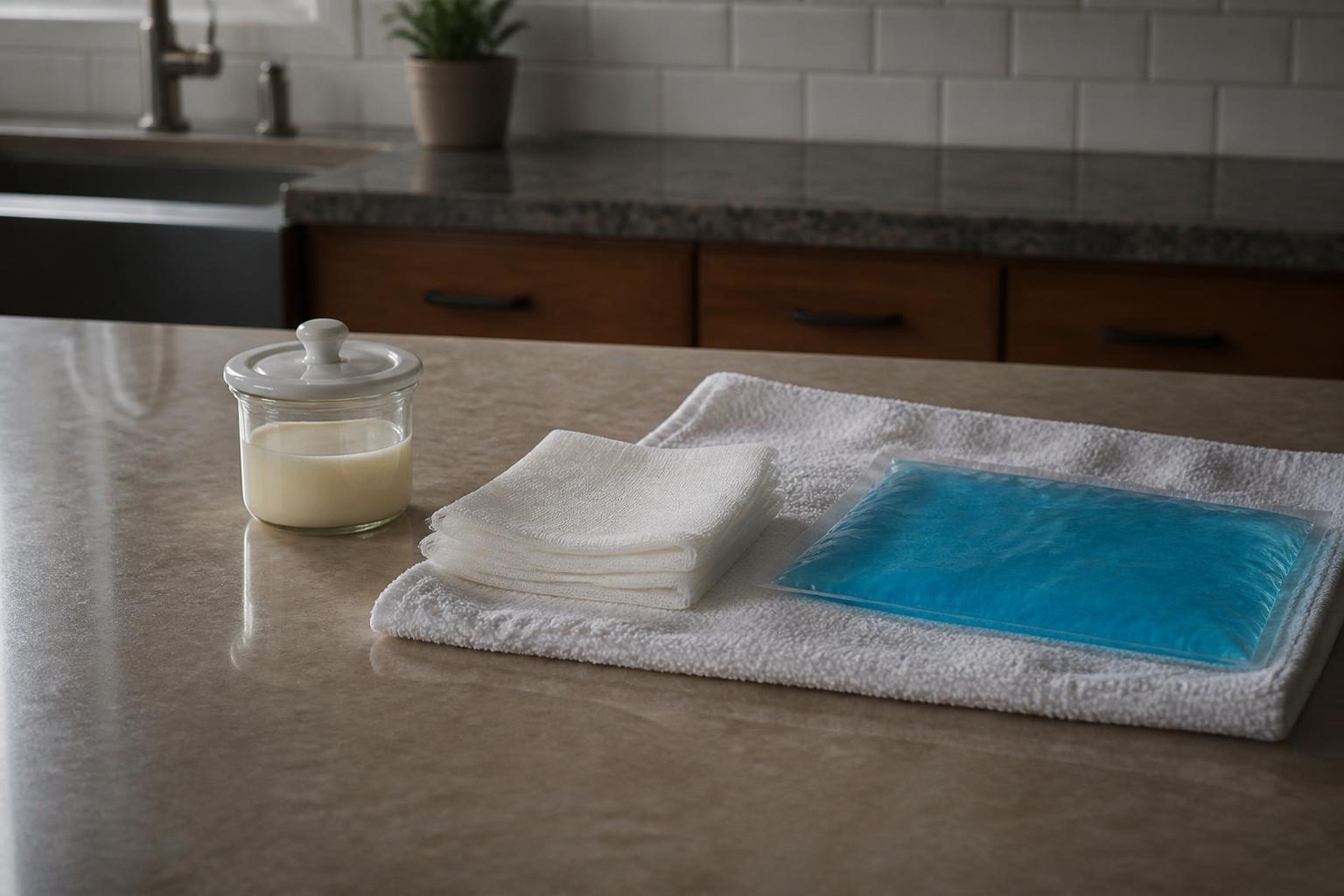
- If there is bleeding, apply gentle pressure with clean gauze or a damp tea bag for about ten minutes.
- Hold a cold compress against the cheek or lip to reduce swelling.
- If you can find the broken piece, keep it in a small container with milk or saliva and bring it with you.
- If the chipped edge is sharp, cover it with dental wax or a piece of sugar-free gum so it does not cut your tongue or cheek.
- Chew on the other side, and avoid very hot, very cold, and hard foods.
- If you need something for discomfort, use an over-the-counter pain reliever as directed on the label. Do not place aspirin against the gum or tooth.
The American Dental Association’s MouthHealthy site has a plain-language guide to common dental emergencies, including cracked and knocked-out teeth.
Is a Chipped Tooth an Emergency?
It depends on the chip. A small chip with no pain is usually not an emergency, although it should still be looked at within a few days, because a rough edge can irritate your tongue and a weakened tooth can chip further.
Contact a dental office promptly, the same day if possible, if you notice any of the following:
- Significant or throbbing pain, or pain when you bite down
- A large piece of the tooth missing
- A pink or red spot in the centre of the break, or bleeding from the tooth itself, which can mean the nerve is exposed
- A tooth that feels loose or has moved out of position
- Swelling of the gum, face, or jaw
Our emergency dental care page explains how urgent visits work at our office. After a serious blow to the face or head, especially with dizziness, heavy bleeding, or a possible jaw injury, go to a hospital emergency department first.
How a Dentist Decides How to Fix a Chipped Tooth
A tooth has three layers: the hard outer enamel, the softer dentin beneath it, and the pulp at the centre, which contains the nerve and blood supply. The deeper a chip goes, the more involved the repair tends to be.
At your visit, the dentist will examine the tooth, check your bite, and usually take an X-ray to look for cracks or damage below the surface that cannot be seen by eye. Front teeth and back teeth are also treated differently. A front tooth repair has to look natural, while a back tooth repair has to stand up to heavy chewing forces.
Repair Options for a Chipped Tooth
Smoothing and Polishing
For a very small chip in the enamel, the dentist may simply smooth and polish the rough edge. This is quick, usually needs no freezing, and leaves the tooth comfortable and even.
Dental Bonding
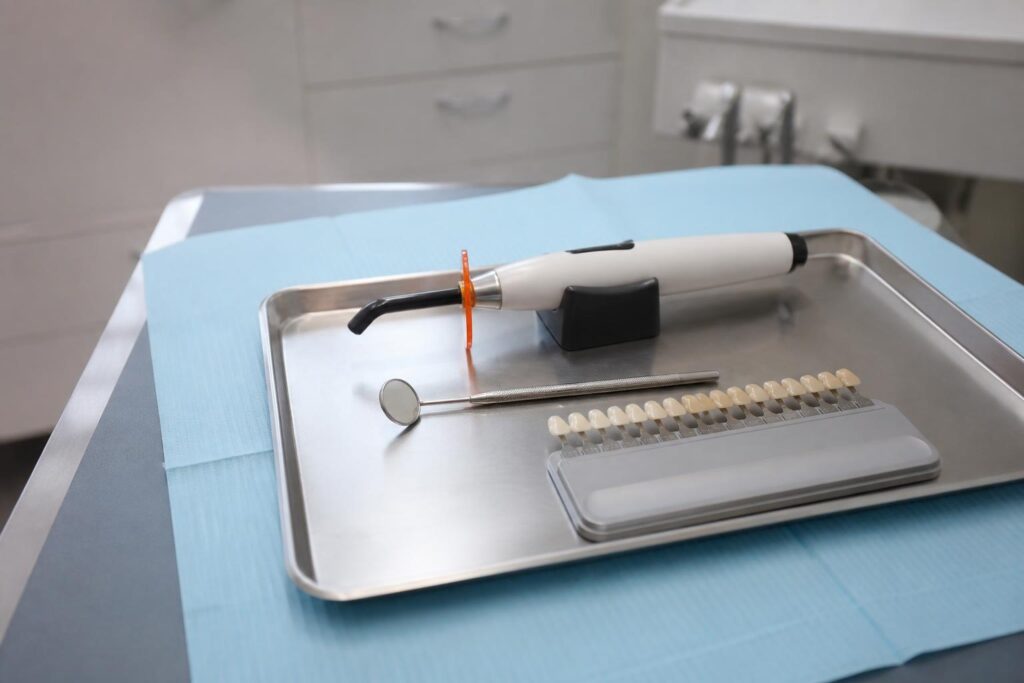
Bonding is the most common way to fix a small or medium chip, particularly on a front tooth. The dentist applies a tooth-coloured resin, shapes it to rebuild the missing corner or edge, hardens it with a curing light, and polishes it to match the surrounding enamel. It is usually completed in one visit and removes little or no healthy tooth structure. Bonded areas can stain or chip over the years and may eventually need to be touched up or replaced. You can read more in our article on dental bonding.
Reattaching the Fragment
If you saved the broken piece and it is in good condition, it can sometimes be bonded back into place. This is not always possible, but it is the reason the fragment is worth keeping.
A Filling
When a chip affects the chewing surface of a back tooth, a tooth-coloured filling is often used to rebuild the missing area and restore your bite.
A Veneer
For a front tooth with a larger chip, or when several front teeth are worn or chipped, a veneer may be suggested. A veneer is a thin custom-made shell that covers the front surface of the tooth. It is usually considered when bonding is unlikely to last or to look right. The Canadian Dental Association describes both approaches on its bonding and veneers page.
A Crown
When a large part of the tooth has broken away, especially on a back tooth, a crown may be the most reliable repair. A crown covers the whole visible part of the tooth, holding it together and protecting it from further fracture.
Root Canal Treatment, Then a Crown
If the chip has reached the pulp, the nerve is exposed to bacteria and the tooth is often painful. In that situation, root canal treatment is typically needed to remove the damaged tissue, and the tooth is then restored, usually with a crown. If a tooth is cracked rather than chipped, the considerations are different, and our article on whether a cracked tooth can be saved explains what dentists evaluate.
What Happens if You Leave a Chipped Tooth Alone
A tiny, smooth chip may never cause trouble. Larger chips are a different matter. A chipped tooth has lost some of its structure, which makes it more likely to chip or crack again under normal chewing. Exposed dentin can become sensitive to cold and sweets, and it decays more easily than enamel. A sharp edge can also cause a sore spot on the tongue or cheek that does not get a chance to heal. Having the tooth checked, even when it does not hurt, lets you deal with it while the simpler repairs are still an option.
Helping Prevent Chipped Teeth
Many chips are preventable. The Canadian Dental Association’s dental safety page covers mouthguards and everyday habits that protect teeth, and these steps are a good place to start:
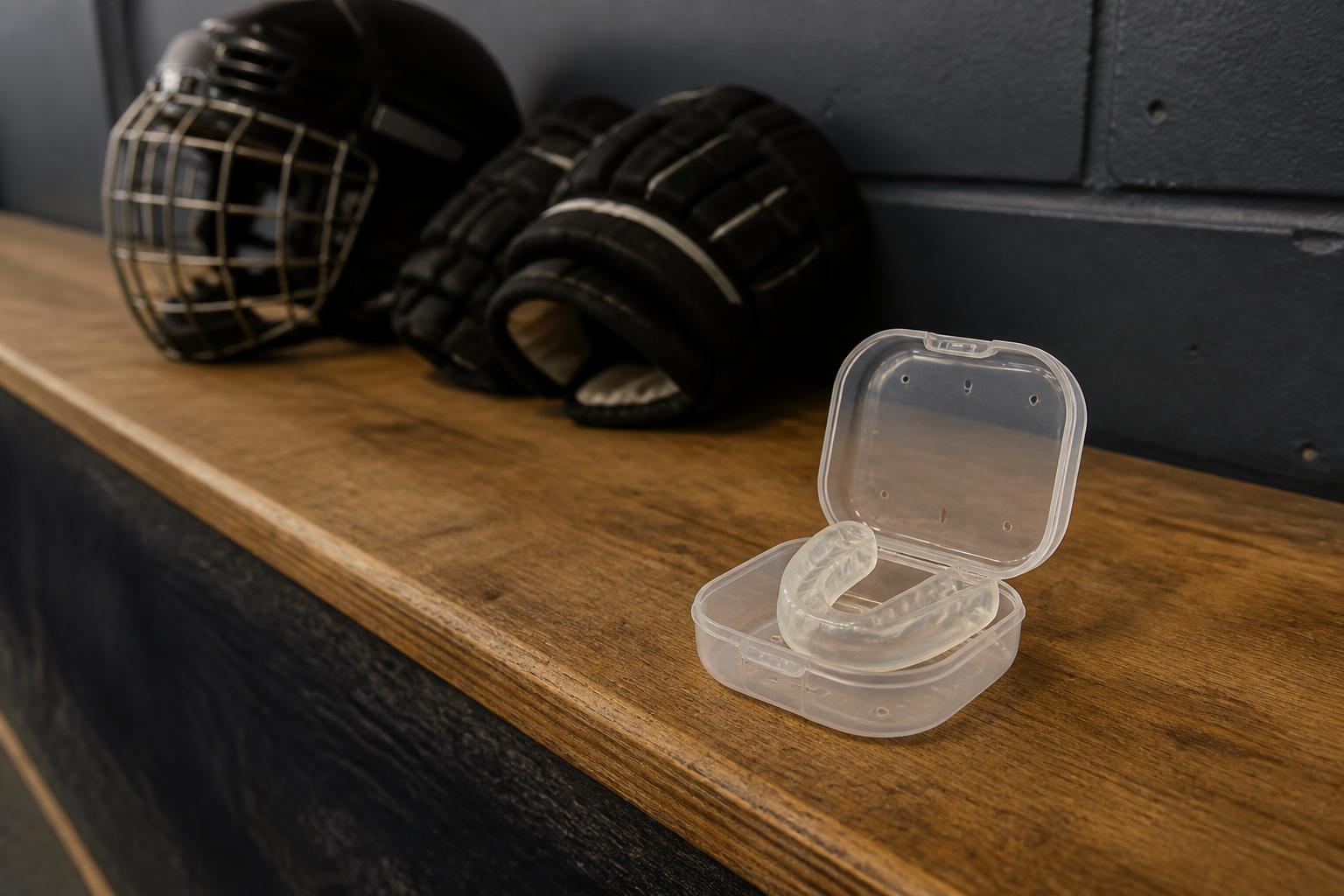
- Wear a mouthguard for hockey, basketball, and other contact or stick sports.
- Avoid chewing ice, hard candy, popcorn kernels, and pens.
- Do not use your teeth to open packages or bottles.
- If you clench or grind your teeth, ask your dentist whether a night guard would help.
- Keep up with regular checkups, since teeth with large old fillings or untreated decay chip more easily.
Frequently Asked Questions
Can a chipped tooth heal or grow back on its own?
No. Enamel does not regrow once it is lost. A very small chip may not need treatment beyond smoothing, but the missing part will not come back, and a dentist can tell you whether a repair is advisable.
Does fixing a chipped tooth hurt?
Smoothing and many bonding repairs are comfortable enough that freezing is not needed. For deeper chips, the area is numbed first. If dental visits make you anxious, ask about the sedation options available at our office.
How long does bonding on a chipped tooth last?
It varies with the size and location of the repair and with your habits, such as nail biting or grinding. Bonding commonly lasts several years before it needs to be touched up or replaced. Your dentist can give you a realistic idea for your particular tooth.
How soon should I see a dentist for a chipped tooth?
For a small, painless chip, within a few days is reasonable. If you have pain, a large break, a visible pink or red spot in the tooth, a loose tooth, or swelling, contact a dental office the same day.
My chipped tooth does not hurt. Do I still need to have it looked at?
It is a good idea. Pain is not a reliable guide to how deep a chip goes, and an X-ray can reveal cracks that are not visible. An early look also keeps the simpler repair options open.
Chipped a Tooth?
If you have chipped a tooth, our team at Pickering Square Dental can examine it, explain which repair suits your situation, and help you feel comfortable again. You can learn more on our services page, or contact us to schedule a visit. If you are in pain, please call the office so our team can advise you on next steps.
This article is for educational purposes only and is not a substitute for personalized dental advice, diagnosis, or treatment. Always speak with a regulated dental professional about your specific concerns.

About Dr. Marvin Lean, DDS
Dr. Marvin Lean, DDS, is the owner and lead dentist at Pickering Square Dental. With decades of experience in family and laser dentistry, Dr. Lean provides care focused on clear communication and patient comfort. He is a member of the Ontario Dental Association (ODA) and the Canadian Dental Association (CDA). Dr. Lean and his team provide comprehensive dental care including sedation dentistry, dental implants, emergency dental care, and the Canadian Dental Care Plan (CDCP) to patients in Pickering, Ajax, Whitby, Scarborough, Oshawa, and Markham. Dr. Lean spent the last 20 years as the Dentist for the Toronto Maple Leafs.