Dental anxiety is common, and it can affect patients of all ages. Some people feel nervous before cleanings. Others avoid the dentist until pain or infection makes treatment harder to ignore. For patients in Ajax and nearby Pickering, sedation dentistry may make it easier to receive needed care with less stress.
Sedation does not replace a gentle dental team, clear communication, or a treatment plan you understand. It is one tool that may help patients who have strong fear, a sensitive gag reflex, difficulty sitting still, or a long procedure ahead. At Pickering Square Dental, sedation options are discussed carefully so patients know what to expect before making a decision.
How Dental Anxiety Can Affect Oral Health
Avoiding dental care can turn small problems into larger ones. A cavity that could have been restored with a filling may progress into pain or infection. Gum inflammation can become more advanced if cleanings are skipped. Broken teeth, loose crowns, and wisdom tooth concerns may become emergencies when treatment is delayed.
Anxiety can also make appointments feel harder than they need to be. Patients may tense their jaw, breathe shallowly, or feel embarrassed about how long it has been since their last visit. A supportive dental office should focus on the next step, not judgment. The first appointment can simply be a conversation, exam, and plan.
Where Dental Anxiety Often Comes From
Understanding the roots of dental fear can make it easier to address, because anxiety is rarely about the present appointment alone. For many people it traces back to a difficult experience years ago, sometimes in childhood, that left a lasting impression. For others it is tied to a feeling of not being in control while lying back in the chair, to the sounds and sensations of treatment, or to a sensitive gag reflex that makes certain procedures genuinely uncomfortable. Some patients carry embarrassment about the condition of their teeth or about how long it has been since their last visit, and that embarrassment becomes its own barrier.
None of these reasons are unusual, and none of them are something to feel judged about. Naming what specifically worries you is actually a useful first step, because different fears call for different responses. A fear of needles, a fear of pain, a fear of gagging, and a fear of losing control are not the same problem, and a thoughtful dental team can adjust to each. Sedation is one option among several, and the right combination of approaches depends a great deal on understanding what is driving the anxiety in the first place.
What Sedation Dentistry Can Help With
Sedation dentistry may be considered for patients with moderate to severe dental fear, previous difficult experiences, extensive treatment needs, strong gag reflex, or trouble becoming numb with local anesthetic alone. It may also help when multiple procedures need to be completed efficiently.
The American Dental Association maintains guidance on anesthesia and sedation, including updated professional guidelines. In dental offices, sedation planning must account for the patient’s health history, medication list, procedure, and level of anxiety. Not every patient needs the same type of sedation.
Common Sedation Options
Sedation options can range from mild relaxation to deeper forms of sedation. Nitrous oxide, often called laughing gas, is commonly used for mild anxiety and wears off quickly for many patients. Oral sedation may be used in selected cases and usually requires planning for transportation. IV sedation or deeper options require more advanced monitoring and eligibility review.
Your dentist will explain which options are available and appropriate. You should disclose all medications, supplements, medical conditions, allergies, sleep apnea history, pregnancy status, and past reactions to sedation or anesthesia. This information helps the team reduce risk and choose the safest approach.
What Happens Before a Sedation Appointment
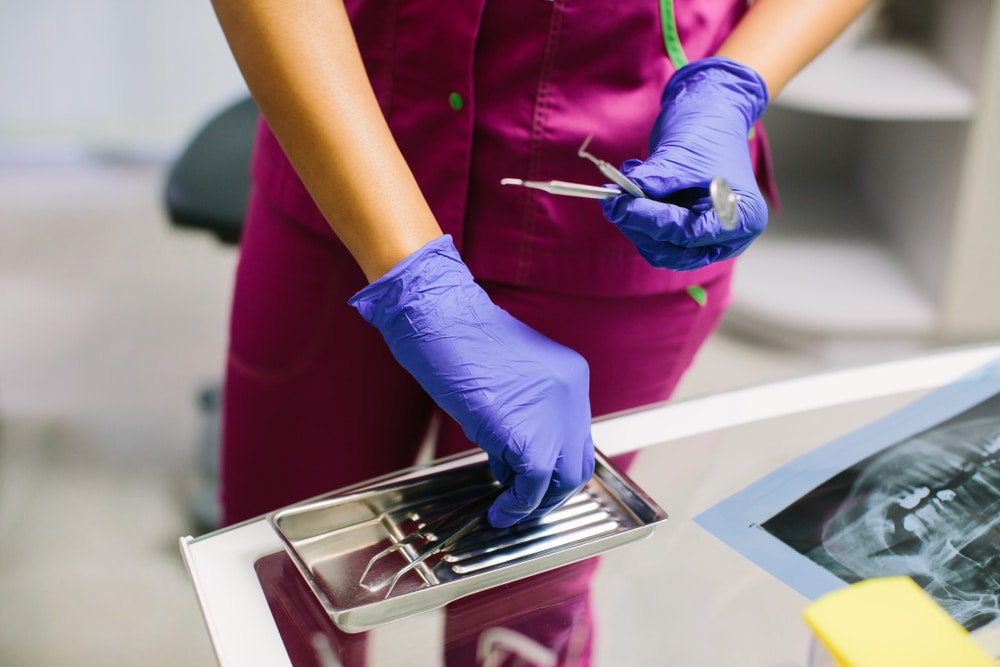
Before sedation, the dental team reviews your medical history and the planned procedure. You may receive instructions about eating, drinking, medication timing, and transportation. Follow these instructions exactly. If anything changes, such as a new illness or medication, call the office before your appointment.
Ask practical questions in advance. Will you need someone to drive you home? How long should you rest afterward? Can you return to work the same day? What should you eat after treatment? The answers depend on the type of sedation and the dental procedure.
Comfort Without Losing Control
Many anxious patients worry that sedation means they will have no control. In reality, sedation planning should include communication. You can ask how the team will check on you, what signals you can use if you need a pause, and what level of awareness to expect. Local anesthetic may still be used to numb the tooth or gum area even when sedation helps with relaxation.
For some patients, the combination of a calm explanation, breaks during treatment, noise reduction, and mild sedation is enough. Others need a more structured plan. The best choice is the one that matches your health, your anxiety level, and the treatment required.
Taking the First Step From Ajax
If you live in Ajax and have delayed dental treatment because of anxiety, start with a consultation. You do not have to commit to a procedure during the first conversation. The dental team can examine the concern, discuss options, and help you understand whether sedation dentistry is appropriate.
Pickering Square Dental is a short drive from many Ajax neighbourhoods and provides sedation dentistry consultations for patients who want calmer care. Call (905) 420-1777 or visit our sedation dentistry page to discuss your options.
Comfort Measures Beyond Sedation
Sedation is a valuable tool, but it is not the only way we help anxious patients, and for some people it is not even necessary. A great deal can be accomplished through simple, deliberate steps: explaining each part of a procedure before it happens, agreeing on a hand signal to pause at any time, breaking longer treatment into shorter visits, and reducing noise where possible. Knowing that you can stop the appointment whenever you need to often relieves more anxiety than people expect, because so much of dental fear is about feeling trapped.
Other small measures add up as well. Bringing headphones, scheduling at a time of day when you feel most relaxed, and arriving a few minutes early to settle in can all help. Effective local anesthetic so the area is properly numb is itself a powerful comfort measure, since much of the fear of pain disappears once a patient trusts that they will not feel the treatment. For many anxious patients, this combination of communication, pacing, and good freezing is enough on its own. Sedation is there for the times when a little extra help makes the difference.
What to Expect Afterward
If sedation is part of your plan, knowing what recovery looks like helps you prepare. The aftermath depends heavily on the type used. With nitrous oxide, the effects typically lift within minutes once the gas is stopped, and many people are able to drive themselves home and return to their day. Oral or intravenous sedation is different; these can leave you drowsy for hours, which is why a responsible adult usually needs to drive you home and stay with you for a while, and why you should plan to rest rather than work or make important decisions that day.
We will give you clear, specific instructions before the appointment covering eating, drinking, medication timing, and transportation, and following them exactly is important for both safety and comfort. If anything changes beforehand, such as a new illness or medication, let us know so we can adjust. Everything here is general information rather than a personal plan. The sedation approach that suits you depends on your health history, the procedure, and your level of anxiety, and that is something we work out together at a consultation, where you are under no obligation to proceed with treatment that day.
Frequently Asked Questions
Is sedation dentistry only for major procedures?
No. Sedation may be considered for anxiety, gag reflex, or treatment complexity. The right option depends on the patient and procedure.
Can I drive after sedation dentistry?
It depends on the sedation type. Some options require a responsible adult to drive you home. Confirm instructions before the appointment.
Will sedation replace freezing?
Usually no. Sedation helps relaxation, while local anesthetic numbs the treatment area. Your dentist will explain how both fit into your care.
Before your visit, write down your main symptoms, questions, medications, and any past dental concerns. Clear details help the dental team tailor the appointment, explain options, and recommend the next step with fewer surprises.

About Dr. Marvin Lean, DDS
Dr. Marvin Lean, DDS, is the owner and lead dentist at Pickering Square Dental. With decades of experience in family and laser dentistry, Dr. Lean provides care focused on clear communication and patient comfort. He is a member of the Ontario Dental Association (ODA) and the Canadian Dental Association (CDA). Dr. Lean and his team provide comprehensive dental care including sedation dentistry, dental implants, emergency dental care, and the Canadian Dental Care Plan (CDCP) to patients in Pickering, Ajax, Whitby, Scarborough, Oshawa, and Markham. Dr. Lean spent the last 20 years as the Dentist for the Toronto Maple Leafs.