
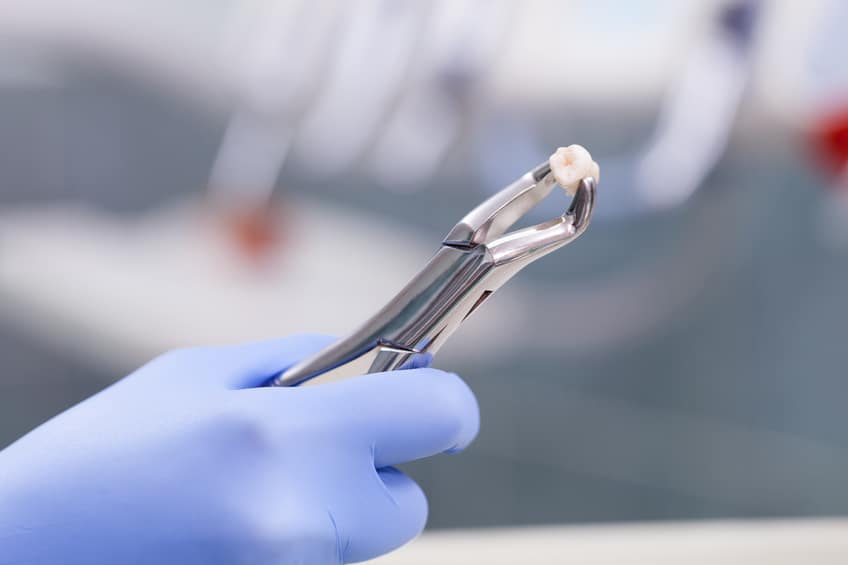
After a tooth extraction, the first few days of healing are important. Food choices, rinsing habits, activity level, and how you protect the extraction site can all affect comfort and recovery. Your dentist’s written instructions should always come first because your situation may be different based on the tooth removed, the reason for extraction, and whether the procedure was simple or surgical.
Patients in Pickering often ask what they can eat after an extraction and when they can return to normal meals. The general rule is to start soft, avoid disturbing the clot, and slowly reintroduce more texture as the area feels better and your dentist confirms it is safe.
Why the Blood Clot Matters

After a tooth is removed, a blood clot forms in the socket. This clot protects the bone and nerves underneath while healing begins. If the clot is dislodged too early, the area can become painful and healing may be delayed. This is one reason dentists usually advise patients to avoid straws, forceful spitting, smoking, and vigorous rinsing during the early recovery period.
The American Dental Association’s extraction aftercare resources emphasize following post-operative instructions to promote healing and reduce complications. If your dentist gave you gauze instructions, bite gently as directed and replace gauze only as advised. Do not chew on gauze or sleep with it in place unless your dentist specifically instructs you to do so.
Foods That Are Usually Easier After Extraction
Soft, cool, and mild foods are often easiest during the first day or two. Options may include yogurt, applesauce, smoothies eaten with a spoon, mashed potatoes, scrambled eggs, oatmeal that is not too hot, soup that has cooled to a comfortable temperature, cottage cheese, soft pasta, and well-cooked vegetables. Choose foods that do not require heavy chewing near the extraction site.
Hydration also matters. Drink water regularly, but do not use a straw until your dentist says it is safe. If you are taking medication, follow the instructions carefully and avoid alcohol if it conflicts with medication or your dentist’s advice.
A Day-by-Day Sense of the Healing Timeline
Recovery after an extraction tends to follow a gradual arc, and having a rough timeline in mind makes the early days less worrying. In the first twenty-four hours, the priority is letting the blood clot stabilize, so this is when you are most cautious with rinsing, straws, and hot foods. Some oozing and mild swelling are normal during this window. Over the next two to three days, swelling often peaks and then begins to settle, and many people find soft foods comfortable as the area becomes less tender.
By the end of the first week, the gum tissue is usually closing over and discomfort is fading for most simple extractions. Surgical extractions and wisdom teeth can take longer, and it is not unusual for the socket to feel a little different for several weeks as the deeper tissue continues to heal. These are general patterns rather than guarantees, and your own timeline depends on the tooth, the type of extraction, and your overall health. Your dentist’s specific instructions always take priority over a general guide like this one.
Foods and Habits to Avoid Early On
Avoid hard, crunchy, sticky, spicy, and seedy foods during early healing. Chips, nuts, popcorn, crusty bread, seeds, chewy candy, and tough meats can irritate the socket or get trapped near the extraction area. Very hot drinks and foods may increase discomfort or bleeding in the first stage of recovery.
Smoking and vaping can interfere with healing and increase the risk of complications. If you smoke, ask your dentist for specific guidance before and after the appointment. Physical activity may also need to be limited briefly, especially after surgical extraction.
How to Clean Your Mouth After Extraction

Oral hygiene should continue, but the extraction site needs care. Brush the rest of your teeth gently and avoid direct trauma to the socket. Your dentist may recommend gentle warm salt water rinses after the first day, but timing matters. Rinsing too soon or too forcefully can disturb the clot.
If food collects near the area later in healing, do not dig into the socket with toothpicks or sharp objects. Call the dental office if you are unsure how to clean the area safely.
Managing Discomfort and Swelling at Home
A degree of soreness is expected after an extraction, and a few simple measures usually keep it manageable. For swelling, a cold compress held against the outside of the cheek in the first day, used in short intervals, can be soothing. Resting with your head slightly elevated rather than lying completely flat often helps reduce throbbing in the early hours. If your dentist has recommended or prescribed pain relief, take it as directed and do not exceed the suggested amount.
Be cautious with anything that thins the blood or irritates the site unless your dentist has cleared it, and avoid alcohol while you are healing or taking medication. Strenuous activity, heavy lifting, and bending over can increase bleeding and discomfort in the first day or two, so it is wise to take it easy. If pain is well controlled at first and then suddenly worsens around the third or fourth day, that pattern is worth a phone call, since it can point to a healing complication rather than ordinary soreness.
Warning Signs to Watch For
Some soreness, swelling, and minor bleeding can be normal after an extraction. Symptoms should gradually improve. Call your dentist if bleeding does not slow, pain gets worse after initially improving, swelling increases, you develop fever, bad taste or discharge appears, or you suspect dry socket. Severe symptoms or spreading facial swelling should be treated urgently.
Patients should also call if a prescribed medication causes side effects or if they cannot eat or drink enough to stay hydrated. Do not wait until a scheduled follow-up if symptoms feel abnormal.
Thinking Ahead to Replacing the Tooth
If the tooth that was removed is one you will miss for chewing or appearance, it is worth thinking early about whether and how to replace it. When a tooth is gone, the neighbouring teeth can gradually drift and the opposing tooth can shift over time, which may affect your bite. That does not mean every extraction needs a replacement, but it is a conversation worth having rather than putting off indefinitely. Depending on the location and your circumstances, options can include a bridge, a partial denture, or a dental implant.
The right timing varies. Some replacements are planned only after the site has healed, while others are mapped out before the extraction as part of a larger restorative plan. If your tooth was removed as one step in a bigger picture, ask us when the next steps should begin so the gap is addressed at the appropriate point. This is general information; the best replacement option and timeline for you can only be confirmed after we examine the area and discuss your priorities.
When to Return to Normal Eating
Many patients slowly return to more normal meals over several days, but the timeline depends on the procedure. Chew on the opposite side when possible and reintroduce texture gradually. Wisdom tooth extraction or surgical extraction may require a longer cautious period than a straightforward removal.
Before the appointment, ask your dentist what recovery is likely to look like for your specific extraction. If the tooth is being removed as part of a larger restorative plan, ask when you should discuss replacement options such as a bridge, denture, or dental implant.
If you have questions about extraction aftercare in Pickering, call Pickering Square Dental at (905) 420-1777 or visit our dental extraction page. We can review symptoms, aftercare instructions, and follow-up timing.
As an additional resource, the Canadian Dental Association’s oral health information offers general guidance on caring for your mouth after dental procedures.
Frequently Asked Questions
How long does it take to heal after a wisdom tooth extraction?
Some discomfort is normal for the first few days, and it should ease gradually after that. Full healing takes longer: the gums can stay tender for several weeks, and healing time varies from person to person. Follow the instructions we give you, and call us if pain gets worse instead of better.
When can I use a straw after a wisdom tooth extraction?
Avoid straws for at least the first 24 hours. The suction can pull the blood clot out of the socket and lead to a painful dry socket. Oral surgeons also advise avoiding straws while the area heals, and we may ask you to wait longer after a wisdom tooth removal. Follow the timing on your aftercare instructions and sip from a cup in the meantime.
Can I drink coffee after a tooth extraction?
Ask your dentist. Hot drinks are often avoided early because heat can affect bleeding and comfort. If allowed later, keep it lukewarm and avoid straws.
When can I eat crunchy foods again?
Wait until the socket is healing well and your dentist confirms it is safe. Crunchy foods can irritate the area or lodge in the socket.
Is pain normal after an extraction?
Some discomfort is common, but pain should improve over time. Worsening pain, bad taste, fever, or increased swelling should be checked promptly.

About Dr. Marvin Lean, DDS
Dr. Marvin Lean, DDS, is the owner and lead dentist at Pickering Square Dental. With decades of experience in family and laser dentistry, Dr. Lean provides care focused on clear communication and patient comfort. He is a member of the Ontario Dental Association (ODA) and the Canadian Dental Association (CDA). Dr. Lean and his team provide comprehensive dental care including sedation dentistry, dental implants, emergency dental care, and the Canadian Dental Care Plan (CDCP) to patients in Pickering, Ajax, Whitby, Scarborough, Oshawa, and Markham. Dr. Lean spent the last 20 years as the Dentist for the Toronto Maple Leafs.