Dental implants are designed to replace missing teeth with a stable foundation for a crown, bridge, or denture. For many Pickering patients, the biggest question is not only whether an implant is possible, but how long recovery takes and what the process feels like day to day. Recovery is not the same for every patient, but most implant plans follow a predictable sequence of consultation, placement, healing, and restoration.
At Pickering Square Dental, implant planning begins with a careful exam, imaging, health history review, and a discussion of your goals. Some patients are ready for implant placement soon after evaluation. Others need gum therapy, extraction healing, bone grafting, or medical clearance before treatment can move forward. Understanding the timeline helps you plan work, meals, travel, and follow-up visits more confidently.
Before Implant Placement
The first stage is diagnosis and planning. Your dentist evaluates the missing tooth area, bone support, gum health, bite pattern, adjacent teeth, and any habits that may affect healing, such as smoking or clenching. If infection, gum disease, or unstable decay is present, those issues need to be addressed before implant treatment. The American Dental Association describes dental implants as a restorative option that involves placement, healing, and a final prosthetic phase, which is why planning matters from the beginning.
Some patients can move from consultation to placement fairly quickly. Others need staged care. If a tooth needs to be removed first, the socket may need time to heal. If bone volume is limited, grafting may be recommended. These steps can add time, but they are meant to improve the stability and long-term outlook of the implant.
The First Few Days After Implant Surgery
The first 24 to 72 hours are usually focused on rest, swelling control, gentle hygiene, and protecting the surgical site. Your dental team will give instructions for eating, rinsing, brushing near the area, and taking medication if prescribed. Soft foods are commonly recommended at first. Avoid chewing directly on the implant site until your dentist says it is safe.
Some tenderness, swelling, or minor bleeding can be normal after oral surgery. Symptoms should gradually improve rather than worsen. Call your dentist if pain increases after the first few days, swelling becomes more pronounced, bleeding does not settle, or you notice a bad taste, fever, or discharge. Early communication helps the dental team address concerns before they become larger problems.
The Healing and Integration Stage
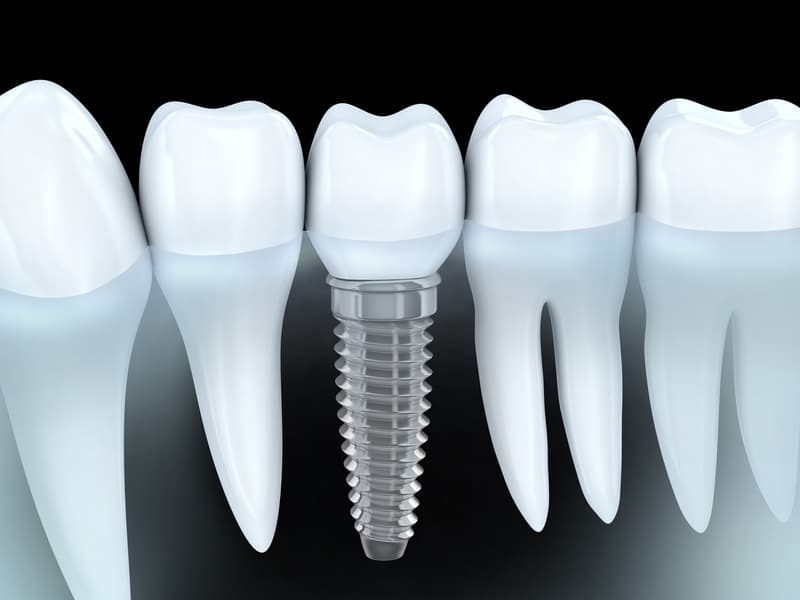
After the initial recovery period, the implant needs time to integrate with the surrounding bone. This process is often called osseointegration. It can take several months, depending on the patient’s health, bone quality, implant location, and whether grafting was involved. During this stage, the area may feel comfortable even though important healing is still happening below the surface.
Follow-up visits allow the dentist to monitor healing and confirm when the implant is ready for the next stage. Patients should keep up with brushing, flossing where directed, and professional cleanings. Gum inflammation around an implant can threaten the final result, so maintenance is not optional. If you have a history of periodontal disease, your dentist may recommend a more frequent hygiene schedule.
When the Final Tooth Is Added
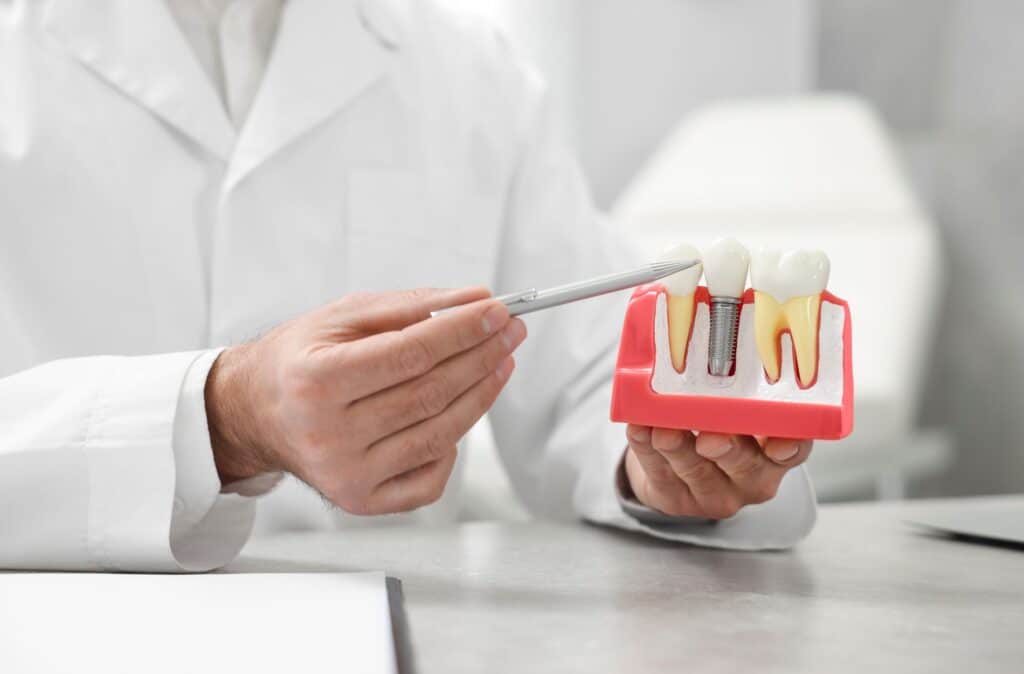
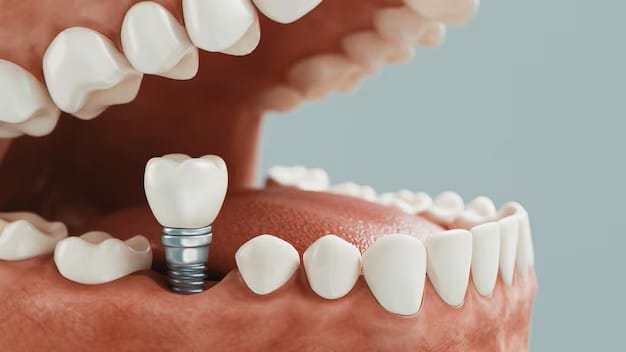
Once the implant is stable, the restorative phase begins. This may involve an abutment, impressions or scans, shade selection, and fabrication of the crown or other prosthetic tooth. The final restoration should be shaped to fit your bite and surrounding teeth. It may take more than one appointment to complete this step, especially if adjustments are needed for comfort or appearance.
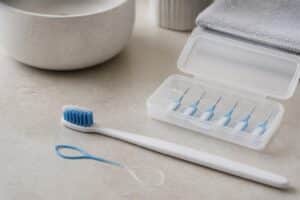
After the final crown is placed, your dentist will review cleaning instructions. Implant restorations cannot get cavities, but the surrounding gum and bone still require care. Patients should use the recommended brush, floss, interdental cleaner, or water flosser technique and return for regular checks.
Factors That Can Change the Timeline
Recovery can be faster or slower depending on the complexity of the case. Bone grafting, sinus lift procedures, multiple implants, diabetes, smoking, grinding, and active gum disease can all affect timing. The type of final restoration also matters. A single implant crown is different from an implant-supported bridge or denture.
Patients sometimes ask whether they can receive a tooth the same day. In select cases, immediate temporary restoration may be possible, but it is not appropriate for every patient. Your dentist’s recommendation should be based on stability, bite forces, esthetics, and healing risk, not speed alone.
How to Support a Smooth Recovery
Follow the written instructions from your dental team, keep follow-up appointments, avoid smoking, maintain good nutrition, and call if symptoms do not feel right. Do not test the implant by chewing hard foods before clearance. If you clench or grind, ask whether a night guard may be needed after the final restoration.
If you are considering implant dentistry in Pickering, call Pickering Square Dental at (905) 420-1777 or visit our implant dentistry page. We can review your options and explain the likely timeline for your specific case.
Frequently Asked Questions
How long does dental implant recovery take?
The first surgical recovery period may take days to a couple of weeks, but implant integration often takes several months before the final tooth is attached.
Can I work after dental implant surgery?
Many patients return to non-strenuous work quickly, but this depends on the procedure and your dentist’s instructions. Plan rest time, especially for more complex surgery.
What should I eat after implant placement?
Soft foods are usually recommended at first. Avoid hard, crunchy, hot, or spicy foods until your dentist confirms what is safe for your healing stage.

About Dr. Marvin Lean, DDS
Dr. Marvin Lean, DDS, is the owner and lead dentist at Pickering Square Dental. With decades of experience in family and laser dentistry, Dr. Lean provides care focused on clear communication and patient comfort. He is a member of the Ontario Dental Association (ODA) and the Canadian Dental Association (CDA). Dr. Lean and his team provide comprehensive dental care including sedation dentistry, dental implants, emergency dental care, and the Canadian Dental Care Plan (CDCP) to patients in Pickering, Ajax, Whitby, Scarborough, Oshawa, and Markham. Dr. Lean spent the last 20 years as the Dentist for the Toronto Maple Leafs.