For many families, a trip to the dentist can be a source of anxiety—especially for young children. While some level of apprehension is normal, there are circumstances where dental fear or specific medical needs make routine care challenging for kids. In such cases, sedation dentistry may offer a safe and effective way to ensure children receive essential care without distress.
At Pickering Square Dental, we understand the importance of creating a positive dental experience for every child. Recognizing the signs that your child may benefit from sedation dentistry can help parents make informed decisions about their child’s oral health journey. This article explores key indicators and provides guidance on when to consider sedation dentistry for children.
Recognizing Dental Anxiety in Children
Dental anxiety is more common in children than many parents realize. Some children may express fear openly, while others show their discomfort in more subtle ways. Common signs of dental anxiety include crying, tantrums, clinging to parents, or refusing to enter the dental office. In some cases, children may complain of stomach aches or headaches before a scheduled dental visit.
Prolonged anxiety can make even routine exams or cleanings a struggle. If your child consistently reacts strongly to dental appointments, it might be time to explore options such as sedation dentistry to ensure their oral health needs are met in a compassionate and stress-free manner.
When to Consider Sedation Dentistry for Children
There are several scenarios where sedation dentistry may be appropriate for children. Beyond dental anxiety, children with special healthcare needs, extreme gag reflexes, or those requiring extensive dental work in a single visit may all benefit from sedation. It’s also useful for children who have difficulty remaining still for the duration of a procedure.
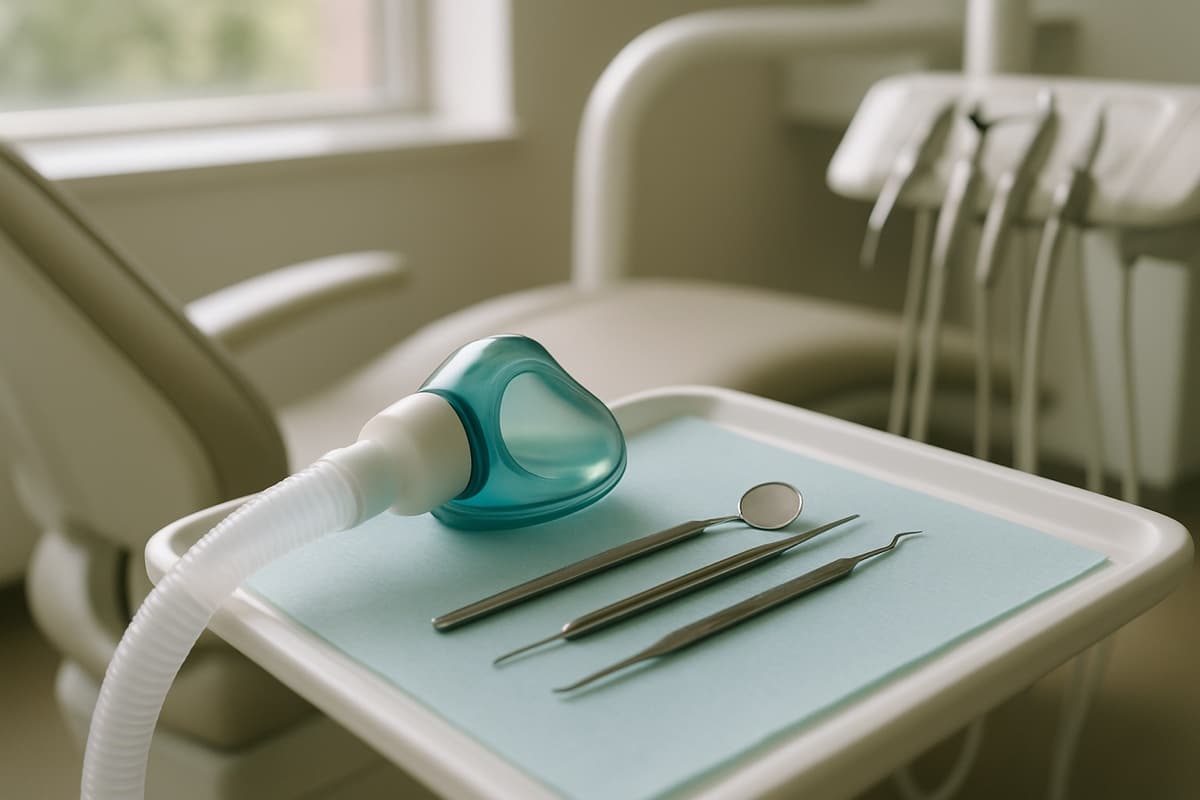
Safety is always a top priority. Sedation options range from mild nitrous oxide (laughing gas) to deeper sedation for more complex cases. Dentists will assess your child’s medical history, age, and the type of dental work needed to determine the most suitable approach. The American Dental Association provides additional information on sedation safety and recommendations.

Benefits of Sedation Dentistry for Young Patients
Sedation dentistry offers several advantages for children who struggle with dental care. It can help minimize fear and discomfort, allowing procedures to be completed more efficiently and with fewer appointments. This approach also enables dentists to perform high-quality work without the risk of sudden movements or emotional distress that could impact treatment outcomes.
Parents often notice that their child has a more positive perception of future dental visits after a successful, anxiety-free experience with sedation. This can set the foundation for lifelong healthy dental habits and reduce the risk of dental avoidance as the child grows.
What to Expect During a Sedation Dentistry Appointment
Parents can expect thorough communication from their dental team before, during, and after sedation procedures. At Pickering Square Dental, we walk families through every step, from pre-appointment guidelines to post-procedure care. The type of sedation used will depend on your child’s needs and the procedure being performed. Nitrous oxide is commonly used and wears off quickly, while oral or intravenous sedation may require additional monitoring.
All sedation procedures are carefully monitored by experienced professionals to ensure safety and comfort. For more details on what sedation dentistry entails, visit the Canadian Dental Association.
Frequently Asked Questions
How safe is sedation dentistry for children?
When administered by a trained dental professional, sedation dentistry is considered very safe for children. Dentists review medical histories and monitor vital signs throughout the procedure to minimize risks.
Will my child remember the dental procedure after sedation?
Most children have little or no memory of the dental work performed under sedation, especially with deeper sedation methods. This helps reduce fear associated with future visits.
How should I prepare my child for a sedation dentistry appointment?
Your dental team will provide specific instructions, which may include fasting before the appointment and limiting food or drink. Be sure to follow all guidelines and ask questions if you’re unsure about any steps.
Choosing the right approach to dental care is essential for your child’s wellbeing. If you believe your child may benefit from sedation dentistry, the experienced team at Pickering Square Dental is here to help. Call us at (905) 420-1777 or contact us online to schedule a consultation and learn more about our gentle, family-friendly care options in Pickering.
Before your appointment, write down symptoms, timing, medications, and any questions you want answered. Clear details help the dental team tailor recommendations and decide whether routine care, urgent treatment, or follow-up monitoring is the best next step.
Parents can also help by sharing what has worked during previous medical or dental visits. Details such as sensory sensitivities, preferred explanations, or past nausea with medication can help the team plan a calmer appointment and choose the most appropriate level of support.

About Dr. Marvin Lean, DDS
Dr. Marvin Lean, DDS, is the owner and lead dentist at Pickering Square Dental. With decades of experience in family and laser dentistry, Dr. Lean provides care focused on clear communication and patient comfort. He is a member of the Ontario Dental Association (ODA) and the Canadian Dental Association (CDA). Dr. Lean and his team provide comprehensive dental care including sedation dentistry, dental implants, emergency dental care, and the Canadian Dental Care Plan (CDCP) to patients in Pickering, Ajax, Whitby, Scarborough, Oshawa, and Markham. Dr. Lean spent the last 20 years as the Dentist for the Toronto Maple Leafs.