
Dental problems don’t always wait for good timing. A sudden crack, a sharp ache, or a lost filling can quickly turn into a bigger problem that needs care right away. With winter still hanging on and spring just around the corner, it’s easy to slip out of routine. For people in Pickering, Ajax, or Scarborough, late winter is a time when we often see more people coming in with problems that might have been avoided.
Seasonal dry air from heaters, more comfort food, and a few months of being off the usual schedule can all add up. These little shifts can increase the chance of pain or damage if we’re not paying attention. The good news is that avoiding emergency dental care doesn’t have to mean big changes. Most of the time, it starts with smaller steps done early, when things still feel manageable.
Watching for Everyday Warning Signs

Not every problem shows up with pain. That’s why it matters to notice small changes in the mouth early on.
- Gums that bleed when brushing may be a sign of inflammation, not just rough brushing.
- If a filling feels different or there’s a small chip on a tooth, waiting could lead to a deeper crack or infection.
- A sore spot that comes and goes might become more constant if ignored too long.
During late winter, indoor heat can make the mouth feel dry, which wears down the natural protection in saliva. This dryness may not seem like a big deal, but it can raise the risk of plaque, decay, or sore spots. Cold air outside may also increase sensitivity, especially if enamel has worn down over time.
Keeping track of small changes, tightness in the jaw, a sharp spot on the tongue, or sensitivity to sweets can make a big difference. These little signals often show up before bigger trouble begins.
To help your mouth stay protected, pay attention to how your teeth and gums feel each day. If you notice that something doesn’t seem right, even if it isn’t painful, it’s better to keep an eye on it instead of hoping it will go away. Early action can often stop a problem before it has the chance to grow.
Fixing Habits That Can Cause Problems
Some everyday habits, especially in colder months, can lead to more dental problems than people expect.
- Chewing ice or opening things with your teeth can lead to chips or cracks.
- Brushing too hard or skipping floss can wear down gums or let decay build up between teeth.
- Clenching or grinding during sleep is common during stressful seasons like winter’s end as people gear up for busier months.
Late winter brings the perfect chance for a reset. Even one new habit at a time, like brushing a few minutes longer or not chewing on pens, can reduce the risk of an issue that might build into an emergency. Now is also a good time to ease kids and teens back into proper brushing routines before spring sports and exams take their attention.
Some of these habits develop quietly over time. Others are responses to stress, tiredness, or just forgetting routines. Understanding the small daily actions that affect dental health can keep people out of urgent care visits later down the road. Learn more about contact our Pickering dental office.
Taking a little time to adjust or swap out habits now makes a big difference as the seasons change. For example, switching from hard snacks to softer options during winter, or using a mouthguard at night if you notice jaw tightness. These small tweaks help keep teeth strong and less likely to break, crack, or become painful.
Routine Visits Make a Big Difference
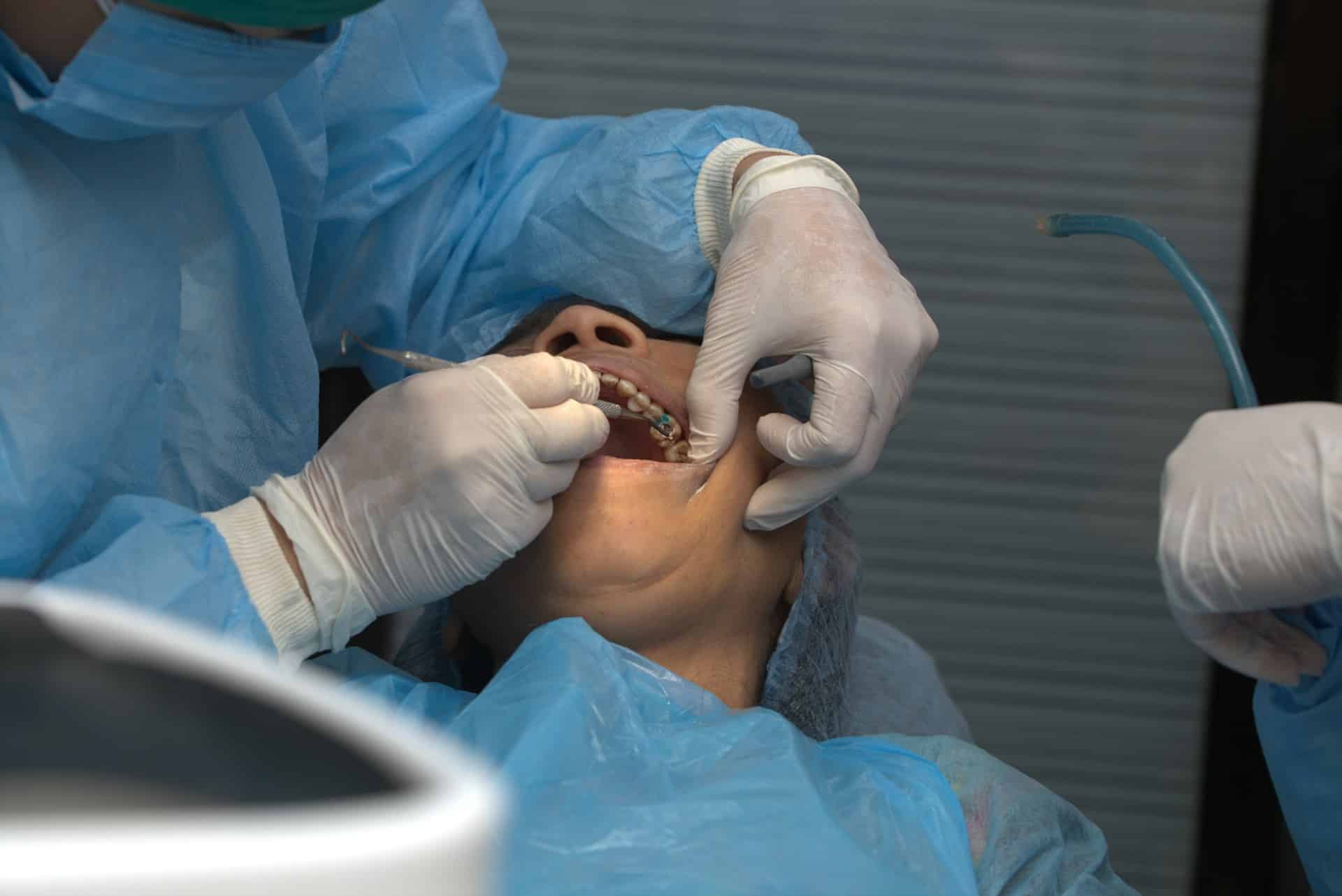
People often ask if they really need regular dental visits when nothing hurts. Our answer is always yes, and here’s why.
- These visits catch problems early, often before pain or damage gets serious.
- Cleanings help remove buildup that brushing and floss don’t always reach.
- Regular checks let us monitor fillings, crowns, and gums so we can step in early if something begins to fail.
A basic visit may seem simple, but it can be the step that keeps someone from needing an emergency appointment two months later. These visits also allow space for questions and small concerns that people might not bring up unless there’s already pain. Many dental emergencies begin with something small, a loose filling, some gum swelling, or mild discomfort after biting into something cold. Catching these early can prevent hours of pain and unexpected repairs later.
When routines are steady, dental health tends to stay steady too. Checking in while things still feel okay gives us the best shot at fixing problems that haven’t had time to grow.
It’s useful to put a check-up on your calendar during quieter months like late winter. This means you’ll have better options for appointment times and can handle any issues before your schedule picks up again.
Why Some People Wait Too Long
We understand why some people hold off on visiting. Busy schedules, fear of discomfort, or even a previous negative experience can all get in the way. For many, winter weather adds one more roadblock. Snowy sidewalks and dark evenings can make it feel easier to wait it out.
But delays can often mean small issues don’t stay small. What starts as a minor crack or sore spot might become a weekend emergency that interrupts sleep, work, or plans with family.
We often hear people say, “It wasn’t that bad before,” or “I thought it would go away.” Pain doesn’t always show up right away, and that’s what makes early care so important. Staying flexible, even if weather shifts your appointment or you need to change plans once or twice, can help keep your mouth in good shape.
It’s much easier to handle a short weekday visit than an unexpected weekend emergency. A little effort now often saves a lot of stress later.
It’s also normal to have concerns about discomfort or cost, but addressing an issue soon is usually less daunting than letting it grow into something larger. If you’re nervous, ask your dental team about ways to manage anxiety so your experience is smoother.
Keeping Kids and Teens on Track
Children’s teeth can change fast. What looks fine one month could turn into a problem if it isn’t watched closely. Kids eat often, brush less carefully, and may not notice if something feels different in their mouth.
Baby teeth still need regular care, since infections or decay can affect how adult teeth come in. Quick snacks and sugary drinks during the long winter months can increase the risk of cavities. Sore spots or loosened fillings in children can go unnoticed until they’re past the point of simple repair.
Teens with braces or retainers need extra attention, especially when schedules get busy. Missing a cleaning or not flossing around brackets can let plaque turn into more serious issues over time.
Here are some simple ways to stay on track:
- Stick to regular bedtime brushing, even when it’s late or routines feel off.
- Encourage water between meals and after snacks.
- Check kids’ teeth once in a while for any spots or swelling they might not mention themselves.
When we stay on top of small issues in young mouths, we’re helping build healthy habits that can last a lifetime.
Frequent check-ins with children can keep minor spots or sensitivity from getting worse. If your child is reluctant to brush or experiencing soreness, try turning brushing into a group activity or setting reminders to make it more fun. If your teen has orthodontic work, make an effort to supply the right tools, like floss threaders or special brushes, so plaque doesn’t have a chance to stick around.
Peace of Mind Starts With Prevention
Nobody plans for a dental emergency. That’s the challenge, they show up fast and usually at the worst time. But many problems can be avoided by staying ahead with everyday care. A sore gum, a bit of extra sensitivity, a strange taste or odour, these are all moments we shouldn’t ignore.
Late winter gives us the space to pause and check in. It’s a quieter month, before holidays and summer get busy. This makes it the right time to reset routines, book appointments, and ease back into habits that help prevent emergencies.
When we take early steps, we lower the stress around dental care. We spend less time in discomfort and more time enjoying what matters. Prevention doesn’t look dramatic, it’s a simple check, a fixed habit, or a regular visit that keeps everything running smoothly. That’s what real peace of mind feels like.
Noticing discomfort like a cracked tooth, jaw pain, or swelling? At Pickering Dental Services, we believe addressing dental issues early makes a world of difference. Our team is here when you need support with emergency dental care. Call us today to book your appointment and protect your oral health.
Helpful Resources
For more information, visit the CDA Dental Emergency Guide.
Schedule Your Appointment Today
Contact Pickering Square Dental to book your appointment with Dr. Marvin Lean. Call us at (905) 420-1777 or visit us at 1450 Kingston Rd, Unit #4, Pickering, ON.
Frequently Asked Questions
What counts as a dental emergency?
Severe tooth pain, a knocked-out tooth, a cracked or broken tooth, uncontrolled bleeding, dental abscess, and lost fillings or crowns all qualify as dental emergencies. Call Pickering Square Dental at (905) 420-1777 for same-day emergency care.
Can I go to the emergency room for a dental emergency?
While the ER can manage pain and infection, they typically cannot perform dental procedures. A dental office like Pickering Square Dental is better equipped to treat the underlying cause. We reserve same-day appointments for emergencies.
What should I do if a tooth is knocked out?
Pick up the tooth by the crown, gently rinse it, and try to place it back in the socket. If that is not possible, keep it in milk or saliva. Get to our Pickering office within 30 minutes for the best chance of saving the tooth.

About Dr. Marvin Lean, DDS
Dr. Marvin Lean, DDS, is the owner and lead dentist at Pickering Square Dental. With decades of experience in family and laser dentistry, Dr. Lean is also the official dentist of the Toronto Maple Leafs. He is a member of the Ontario Dental Association (ODA) and the Canadian Dental Association (CDA). Dr. Lean and his team provide comprehensive dental care including sedation dentistry, dental implants, emergency dental care, and the Canadian Dental Care Plan (CDCP) to patients in Pickering, Ajax, Whitby, Scarborough, Oshawa, and Markham.