
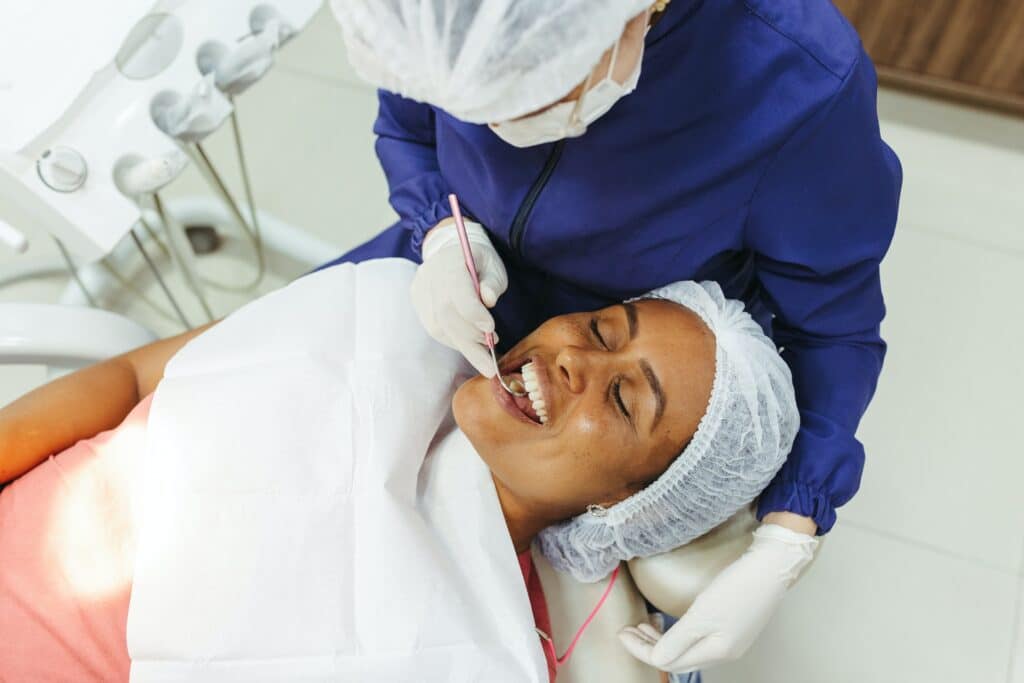
Teeth whitening has become an increasingly popular cosmetic dental treatment, with many people searching for ways to achieve that dazzling, bright smile. However, the science behind teeth whitening is often not well understood, and there are limitations to what the process can achieve.
In this article, we will delve into the science of teeth whitening, discussing how it works and the limitations you should be aware of before undergoing treatment.
How Teeth Whitening Works

To better understand the science behind teeth whitening, it’s essential to know a bit about the structure of our teeth. The outermost layer of our teeth is called enamel, a hard, protective layer that gives our teeth their white appearance.
Beneath the enamel is the dentin, a softer, yellowish layer that makes up the majority of the tooth’s structure. Over time, the enamel can become stained by various factors such as our diet (coffee, tea, red wine, etc.), smoking, and natural aging.
Teeth whitening treatments primarily utilize peroxide-based chemicals, such as hydrogen peroxide or carbamide peroxide. These chemicals act as oxidizing agents, breaking down the stains on the enamel into smaller, colourless molecules. The result is a whiter, brighter appearance of the teeth.
Two main teeth whitening treatments exist: in-office (professional) whitening and at-home (over-the-counter) whitening products.
In-office treatments performed by a dental professional typically use higher concentrations of peroxide and specialized equipment, such as UV lights or lasers, to speed up the whitening process.
On the other hand, at-home products use lower concentrations of peroxide and may include whitening strips, trays, or toothpaste.
The Limitations of Teeth Whitening
While teeth whitening treatments can be effective in removing surface stains and brightening your smile, there are several limitations to be aware of:
1. Natural Tooth Colour
The natural colour of your teeth plays a significant role in the results you can achieve through teeth whitening. Teeth that are naturally more yellow or grey may not respond as well to whitening treatments, and the results may not be as dramatic as those with naturally whiter teeth.
2. Existing Dental Work
Teeth whitening treatments are designed to work on natural tooth enamel, which means any existing dental work—such as crowns, veneers, or fillings—will not respond to the treatment. As a result, if you have dental work on your front teeth, you may notice an uneven appearance after whitening.
3. Intrinsic Stains
While teeth whitening treatments are effective at removing extrinsic (surface) stains, they may be less effective at addressing intrinsic (internal) stains.
These stains can result from trauma, certain medications (e.g., tetracycline), or overexposure to fluoride during tooth development. Intrinsic stains may require alternative treatments, such as dental veneers or crowns, for a more uniform appearance.
4. Sensitivity and Gum Irritation
Some individuals may experience tooth sensitivity or gum irritation as a side effect of teeth whitening treatments, particularly with higher concentrations of peroxide. Your dental professional can advise you on the appropriate treatment plan and provide guidance on minimizing these side effects.
5. Temporary Results
Teeth whitening treatments are not permanent, and the results will gradually fade as your teeth are exposed to staining agents. To maintain your bright smile, you may undergo periodic touch-up treatments or use at-home maintenance products as directed by your dental professional.
Conclusion

Teeth whitening is an effective cosmetic dental treatment for many individuals looking to brighten their smile. Understanding the science behind teeth whitening and its limitations can help you decide whether this treatment is right for you.
It’s essential to consult with a dental professional to determine the most appropriate treatment plan for your unique needs and to ensure the safety and efficacy of your teeth whitening journey.
At Pickering Dental Services, we provide the best care and services to meet your dental needs. We want you and your family to enjoy a lifetime of healthy smiles. If you’re looking for dental services in Pickering, we can help you. Schedule your appointment online today!
Looking for professional help? Learn more about our teeth whitening services at Pickering Square Dental or call (905) 420-1777 to book an appointment.
Helpful Resources
For more information, visit the CDA on Tooth Whitening.
Frequently Asked Questions
How long does professional teeth whitening last?
Professional whitening results can last 1-3 years depending on your diet and oral hygiene. Avoiding coffee, tea, red wine, and tobacco helps maintain your results. Ask about our Whitening for Life program at Pickering Square Dental.
Is teeth whitening safe for my enamel?
Yes, professional whitening supervised by a dentist is safe for your enamel. Over-the-counter products can cause sensitivity if overused, which is why professional treatment at our Pickering office is recommended for the best and safest results.
How white will my teeth get?
Most patients see their teeth lighten by 3-8 shades. Results vary based on the type and severity of staining. Dr. Lean will assess your teeth and set realistic expectations during your whitening consultation.

About Dr. Marvin Lean, DDS
Dr. Marvin Lean, DDS, is the owner and lead dentist at Pickering Square Dental. With decades of experience in family and laser dentistry, Dr. Lean provides care focused on clear communication and patient comfort. He is a member of the Ontario Dental Association (ODA) and the Canadian Dental Association (CDA). Dr. Lean and his team provide comprehensive dental care including sedation dentistry, dental implants, emergency dental care, and the Canadian Dental Care Plan (CDCP) to patients in Pickering, Ajax, Whitby, Scarborough, Oshawa, and Markham. Dr. Lean spent the last 20 years as the Dentist for the Toronto Maple Leafs.