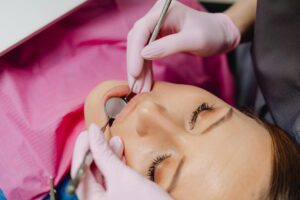

Tooth pain has a way of showing up at the worst times. For people living in Ajax, Whitby, Pickering, and Scarborough, late winter can be a tough season for dental discomfort. Cold winds, slips on sidewalk ice, or biting into frozen foods can all make existing tooth damage feel worse. That’s where endodontic therapy comes in.
Endodontics is a type of dental care that focuses on treating pain that starts inside the tooth. It may sound complex, but it’s a pretty straightforward process once it’s explained. If someone is looking for help with tooth pain and hears the phrase endodontics in Ajax, it usually means they might need a root canal. Don’t worry, though. The steps don’t all happen at once, and the visits are meant to help patients feel better, not overwhelmed.
What Causes Tooth Pain That Needs Endodontic Therapy

A lot of pain inside a tooth comes from infection or injury. Sometimes a cavity is left untreated for too long and ends up hurting the nerves inside the tooth. Other times, a crack or chip from biting something hard or falling on ice might let bacteria get in.
During the end of winter, toothaches can feel more intense. The cold air can make sensitive teeth throb, especially if there’s already damage below the surface. When infection spreads through the tooth’s inner layer, it often leads to swelling or sharp pain that won’t go away on its own.
This kind of pain doesn’t usually wait for the next check-up. It needs to be looked at as soon as possible so that the infection doesn’t spread and the tooth has a better chance of being saved.
Step One: Assessing the Problem
Before anything else, we start by listening. The first part of endodontic therapy involves learning more about how long the pain has been going on, where it’s located, and what it feels like. Is it sharp or dull? Does it hurt when eating or all the time?
We usually take a close look at the tooth and surrounding gums, and might take a quick X-ray. This helps us see what’s happening beneath the surface and check for signs of deep decay or infection.
From there, we decide if endodontic therapy is the best option. Not every sore tooth needs it, but when the inner part of the tooth (called the pulp) is affected, this treatment is the one that gives the best chance of relief. Learn more about family dentistry services in Pickering.
Step Two: Cleaning Out the Tooth

Once we know root canal therapy is needed, the next step is to clean out the inside of the tooth. This area holds the pulp, which has nerves and tissue that once helped the tooth grow. If it’s infected or inflamed, it needs to be carefully taken out.
We open a small access point in the top of the tooth and use special tools to clear the space. This step gives the infection nowhere to hide. It also makes sure there’s a clean area left behind so the pain doesn’t continue.
Most people are surprised at how smooth this step feels. We use freezing and other calming options so that patients are comfortable and relaxed the whole time.
At Pickering Dental Services, we use safe local anaesthesia and gentle techniques for all endodontic treatment.
Step Three: Filling and Sealing
After the cleaning, it’s time to protect the space inside the tooth. We fill it with a soft material that helps the tooth keep its shape and keep out more bacteria.
This step makes a big difference. It seals the inside of the tooth, so nothing can get back in. Sometimes the filling and sealing happen right after cleaning, and sometimes we book a short second visit to finish it.
The goal here is to stop the pain, remove the cause, and keep the tooth working like it should.
Our office restores treated teeth with strong, tooth-coloured fillings and dental crowns to keep your smile healthy and functional.
Step Four: The Final Protection
Once the inside is filled, the last step is adding strength from the outside. In most cases, this means placing a crown over the top of the tooth. The crown gives the tooth full protection for biting, chewing, and keeping everything lined up.
This part matters even more during colder months. Biting a frozen chocolate or chewing on something firm when it’s still chilly outside can put pressure on a treated tooth. A crown helps prevent cracks or damage once the structure inside is repaired.
Crowns are shaped to match the size and colour of natural teeth, so they feel and look like they belong.
Feeling Better and What Happens Next
The pain often begins to ease up not long after the therapy steps are complete. Some people notice the change within hours, while others see it within a couple of days.
We always check in about next steps. Sometimes no more treatment is needed, and sometimes we set a short follow-up to make sure healing is going well. Spring around the corner means more meals out, family events, and outdoor snacks. It feels good to enjoy those things without worrying about pain from a tooth.
Getting endodontics in Ajax may sound intimidating at first, but it can be the difference between losing a tooth or saving it. And once it’s restored, that sharp tooth pain becomes a thing of the past.
Why Comfort and Timing Make a Big Difference
Pain can affect sleep, appetite, and even how we focus at work or school. Deciding to take care of the issue early makes a real difference. Not just in comfort, but in how complex or simple the treatment turns out to be.
We see this every February. Storms, snowbanks, and cold snaps can make people put off dental visits. But waiting too long with pain that keeps flaring up rarely helps. Getting ahead of it means fewer disruptions, fewer surprises, and a quicker return to regular life.
Knowing what to expect during endodontic treatment helps people feel more relaxed, which leads to better healing. And that’s always what we want, less worry, more comfort, and the kind of care that feels calm every step of the way.
Tooth pain in the late winter months can catch anyone off guard, especially when it lingers or worsens. We know how frustrating it can feel when discomfort disrupts your daily routine, and waiting often makes things harder. Experiencing deep aches, pressure, or sensitivity? Getting support for endodontics in Ajax could help protect your tooth before it leads to more trouble. At Pickering Dental Services, we’re here to walk you through the process, so give us a call to discuss your symptoms and explore the options that may work best for you.
Helpful Resources
For more information, visit the Canadian Dental Association Oral Health.
Schedule Your Appointment Today
Contact Pickering Square Dental to book your appointment with Dr. Marvin Lean. Call us at (905) 420-1777 or visit us at 1450 Kingston Rd, Unit #4, Pickering, ON.
Frequently Asked Questions
How often should I visit the dentist?
The Canadian Dental Association recommends visiting your dentist at least twice a year for regular check-ups and cleanings. Some patients may need more frequent visits depending on their oral health needs. Call Pickering Square Dental at (905) 420-1777 to schedule your next appointment.
Do you accept the Canadian Dental Care Plan (CDCP)?
Yes, Pickering Square Dental participates in the Canadian Dental Care Plan. Our team can help you understand your coverage and ensure you receive the dental care you need. Contact us for more details about CDCP eligibility and benefits.
What services does Pickering Square Dental offer?
We offer a full range of dental services including family dentistry, emergency dental care, sedation dentistry, dental implants, laser dentistry, teeth whitening, root canal therapy, dental extractions, periodontal care, and cosmetic dentistry. Dr. Lean and our team serve patients in Pickering, Ajax, Whitby, and Scarborough.

About Dr. Marvin Lean, DDS
Dr. Marvin Lean, DDS, is the owner and lead dentist at Pickering Square Dental. With decades of experience in family and laser dentistry, Dr. Lean is also the official dentist of the Toronto Maple Leafs. He is a member of the Ontario Dental Association (ODA) and the Canadian Dental Association (CDA). Dr. Lean and his team provide comprehensive dental care including sedation dentistry, dental implants, emergency dental care, and the Canadian Dental Care Plan (CDCP) to patients in Pickering, Ajax, Whitby, Scarborough, Oshawa, and Markham.