Root Canal Recovery: What to Expect in the First Week
Root Canal

Why Root Canal Recovery Is Easier Than You Think

If you’ve just had a root canal—or you’re about to—knowing the right root canal recovery tips can make the experience far smoother than you expect. Modern root canal therapy bears little resemblance to its outdated reputation. Advanced techniques, better anaesthetics, and precision instruments mean the procedure itself is typically no more uncomfortable than getting a filling. And the recovery? For most patients, it’s straightforward and manageable.

At Pickering Square Dental, Dr. Marvin Lean, Dr. Irit Shoval, and Dr. David Lee perform root canals regularly and guide patients through every step of recovery. This day-by-day timeline will help you know exactly what to expect during your first week of healing.

Root Canal Therapy

Day-by-Day Recovery Timeline

Every patient heals at their own pace, but here’s a general guide to what most people experience during the first week after root canal treatment:

Day 1–2: Immediately After Treatment

Numbness. The local anaesthesia typically wears off within two to four hours after the procedure. Until it does, be careful not to bite your cheek, lip, or tongue. Avoid eating until sensation returns fully.

Mild soreness. Once the anaesthesia fades, you’ll likely notice some tenderness around the treated tooth and in the jaw area. This is completely normal—your body is beginning its healing response. The discomfort is usually mild to moderate and responds well to over-the-counter pain relievers.

Slight swelling. Minor swelling in the gum tissue around the treated tooth is common during the first 24–48 hours. Applying a cold compress (wrapped in a cloth) to the outside of your cheek for 15–20 minutes at a time can help reduce swelling and provide comfort.

What to do: Rest for the remainder of the day. Take ibuprofen (Advil) or acetaminophen (Tylenol) as directed. Sleep with your head slightly elevated to reduce swelling. Avoid chewing on the treated side.

Day 3–4: Discomfort Decreases

By the third day, most patients notice a significant improvement. The initial tenderness begins to fade, and the treated area feels less sensitive to pressure. You may still experience some soreness when biting down directly on the tooth, but it should be noticeably less than days one and two.

What to do: Continue taking pain relievers if needed, though many patients reduce or stop them by day three. Begin gently reintroducing foods on the treated side if comfortable. Continue excellent oral hygiene on all other teeth, being gentle around the treatment area.

Day 5–7: Mostly Back to Normal

By the end of the first week, most patients feel largely back to normal. Any residual tenderness is usually minimal—a slight awareness rather than actual pain. You should be able to eat, drink, brush, and floss normally.

What to do: Resume all normal activities and eating habits. If you received a temporary filling or crown, be mindful of very hard or sticky foods until your permanent restoration is placed. Keep your follow-up appointment with your dentist.

Root Canal Recovery Tips for Pain Management

Effective pain management is the foundation of a comfortable recovery. Here are proven strategies:

  • Over-the-counter pain relievers. Ibuprofen (400–600 mg every 6–8 hours) is the most commonly recommended option because it reduces both pain and inflammation. Acetaminophen is a good alternative for patients who cannot take ibuprofen. Your dentist may suggest alternating between the two for maximum relief.
  • Cold compress. Apply an ice pack wrapped in a towel to the outside of your cheek for 15–20 minutes on, 15–20 minutes off, during the first 24–48 hours. This reduces swelling and provides numbing relief.
  • Saltwater rinse. After the first 24 hours, gently rinsing with warm salt water (half a teaspoon of salt in a cup of warm water) two to three times a day can soothe the area and reduce bacteria.
  • Head elevation. Sleeping with your head propped up on an extra pillow for the first night or two can reduce blood flow to the area and minimise throbbing.
  • Avoid aspirin. Aspirin can thin the blood and increase bleeding. Stick to ibuprofen or acetaminophen unless your physician has instructed otherwise.

If your dentist prescribes any medication, take the full course as directed. For patients who experience dental anxiety, Pickering Square Dental offers sedation dentistry options that can make both the procedure and recovery period less stressful.

Root Canal

Foods to Eat and Avoid

What you eat during recovery matters. The right foods promote healing; the wrong ones can cause pain or damage the temporary restoration.

Good choices for the first few days:

  • Yogourt and smoothies
  • Scrambled eggs
  • Mashed potatoes
  • Soup (lukewarm, not hot)
  • Oatmeal and soft cereals
  • Pasta and soft-cooked rice
  • Applesauce and soft fruits (bananas, avocado)
  • Protein shakes

Foods to avoid for the first week:

  • Hard, crunchy foods (nuts, popcorn, raw carrots, hard candy)
  • Sticky foods (caramel, taffy, chewing gum)
  • Very hot foods and beverages
  • Extremely cold items if the tooth is sensitive
  • Spicy foods that may irritate the treatment area
  • Alcohol (can interfere with healing and interact with pain medications)

Chew on the opposite side of your mouth for at least the first three to four days. Once your permanent crown or filling is placed, you can return to your normal diet without restrictions.

When to Call Your Dentist

While complications after root canal therapy are uncommon, it’s important to know what signs warrant a call to your dental office. Contact Pickering Square Dental promptly if you experience any of the following:

  • Severe pain that worsens after the first 48 hours or doesn’t respond to over-the-counter pain relievers
  • Visible swelling that increases after the first two days or spreads to your face, neck, or under your eye
  • Fever (temperature above 38°C / 100.4°F)
  • An uneven bite—if the treated tooth feels significantly higher than the others when you close your mouth
  • The temporary filling or crown comes loose or falls out
  • An allergic reaction to any prescribed medication (rash, hives, difficulty breathing)
  • Pus or discharge from the treatment area
  • The original symptoms return—throbbing pain, sensitivity to heat, or a persistent ache

These signs may indicate an infection or other complication that needs professional attention. The Canadian Dental Association notes that root canal treatment has a success rate exceeding 95%, but prompt follow-up care is essential if anything feels off.

root canal

Frequently Asked Questions About Root Canal Recovery

How long does it take to fully recover from a root canal?

Most patients feel back to normal within three to seven days. The initial tenderness peaks in the first 24–48 hours and steadily improves from there. Complete tissue healing around the tooth root takes several weeks to a few months, but this happens beneath the surface and shouldn’t cause noticeable discomfort.

Can I go to work or school the next day?

Yes, most patients return to work or school the day after a root canal without any issues. The procedure itself doesn’t require significant downtime. If your job involves heavy physical labour, you may want to take it easy for the first day or two.

Is it normal for the tooth to feel different after a root canal?

Yes. Because the nerve has been removed from inside the tooth, it may feel slightly different from your other teeth—particularly in terms of pressure sensitivity. This is normal and typically resolves within a few weeks as the surrounding tissues heal. The tooth will no longer respond to hot or cold stimuli.

Do I still need a crown after a root canal?

In most cases, yes. A root canal removes the living tissue inside the tooth, which can make it more brittle over time. A crown protects the tooth from fracture and restores its full strength and function. Your dentist will discuss the best restoration option for your specific situation.

What happens if I delay getting the permanent crown?

The temporary filling placed after a root canal is not designed for long-term use. Delaying the permanent crown increases the risk of the tooth fracturing, the temporary filling leaking, or bacteria re-entering the treated canal. We recommend scheduling your crown appointment within two to four weeks of the root canal.

Comfortable Root Canal Treatment in Pickering

A root canal doesn’t have to be something you dread—and recovery doesn’t have to be difficult. At Pickering Square Dental, we combine modern technology with a gentle, patient-focused approach to make every step as comfortable as possible. Dr. Marvin Lean and our team serve patients across Pickering, Ajax, Whitby, Scarborough, Oshawa, and Markham with expert root canal recovery tips and compassionate care.

If you’re experiencing tooth pain or have questions about root canal treatment, call Pickering Square Dental at (905) 420-1777 today. We’re located at 1450 Kingston Rd, Unit #4, Pickering, ON, and we’re here to help you through every stage of treatment and recovery.

Caring for Teeth After a Root Canal Therapy in Ajax

Root Canal

Root canal therapy in Ajax can often bring much-needed relief when a deep infection has caused serious tooth pain. It gives the inside of the tooth a clean slate so that the trouble doesn’t spread or come back. But once the procedure is finished, healing doesn’t stop right there. Taking care of the treated tooth the right way over the next few weeks is the best way to avoid discomfort or prevent new problems from showing up.

With cold weather still around, winter can make recovery feel more sensitive than usual. That’s why now is a good time to pause and learn how to protect that treated area, support proper healing, and keep everything on track for long-term comfort.

What Happens to a Tooth After a Root Canal

sedation dentistry

When a root canal is done, the infected pulp inside the tooth is removed, and the area is cleaned and sealed. This means the space where the nerves once were no longer feels hot, cold, or aches like before. But just because that pain is gone doesn’t mean the tooth is completely strong again yet.

A filling or crown is usually placed to support the outside of the tooth. This step helps prevent it from cracking or getting worn down. Even with that protection, the tooth still needs time to settle. If pressure is put on it too soon or if care slips in the days after, the area could become irritated, even reinfected in rare cases. That’s why watching how you use that side of your mouth after treatment is so important.

As shared on the Pickering Dental Services website, we restore teeth with strong, tooth-coloured fillings or dental crowns once root canal therapy is complete, helping your smile stay healthy and functional.

Daily Care Tips to Help Healing

Everyday habits can have a big impact in the days and weeks after a root canal. Even simple changes in brushing or food choices can mean better healing and fewer problems.

• Use a soft-bristled toothbrush and go gently around the area. Brushing too hard could make the gums sore and slow healing.

• Skip hot drinks and icy foods for a while. Things like soup straight from the stove or ice water can trigger discomfort even if the tooth is no longer sensitive like before.

• Keep flossing as you normally would, just move more slowly near the healing tooth. If the gums feel swollen or tender, try looping the floss instead of snapping it in and out. Learn more about emergency dental care in Pickering.

These small steps help keep the area clean without putting stress on the mouth.

What to Avoid Right After the Procedure

dentist

Some things are better left out of your routine right after treatment. It usually doesn’t take long to feel normal again, but giving your mouth a little time to settle goes a long way.

• Try not to chew sticky foods like caramel or gum, especially on the side of the treated tooth. These can pull at the filling or crown.

• Avoid hard snacks such as nuts or ice cubes that can crack the tooth or make it sore.

• Don’t skip your second appointment if one was booked to place a permanent crown. Temporary fillings are meant to be used for only a short time.

Most people feel much better after a root canal, but rushing back into old habits too soon can slow recovery or damage the work done.

Watching for Signs Something’s Off

Some tenderness is normal after a root canal, especially when chewing or brushing near the spot. But knowing what’s part of the healing process and what might be a concern can help you catch issues before they get worse.

• A bit of swelling or throbbing for a few days might happen, but if it doesn’t get better, it’s worth checking in.

• New signs like sharp pain, pus, or swelling that spreads around the face or neck should be taken seriously.

• If you feel pressure months later or suddenly get discomfort while doing regular things like eating or drinking, it could point to a new issue developing.

We always tell our patients to watch their body’s signals. It’s better to ask questions early than wait and face a bigger fix later.

Caring for the Treated Tooth in Late Winter

Cold weather can play a small part in how healing feels. Even teeth near the one that was treated can sometimes feel more sensitive while the mouth gets back into balance.

• Outside air may feel sharp when breathing through the mouth. Wearing a scarf or keeping your lips closed when walking outside can help keep sensitive teeth comfortable.

• Activities like ice skating or shovelling carry the risk of slipping. It’s smart to protect your smile if you’re doing anything where you might fall or get bumped in the face.

• Winter colds or bad sleep routines can make brushing and flossing less regular. But even when you’re tired or sick, taking care of your mouth helps you bounce back faster.

By staying aware, you can protect your treated tooth from small winter challenges and keep things steady as spring approaches.

Keeping Long-Term Comfort After Treatment

A tooth that has had root canal therapy can still feel and work like a natural tooth for many years, as long as it’s cared for. The most common reasons issues come back after root canals are skipped cleanings or poor home care routines. Neither has to be a problem if you stay consistent.

The last stretch of winter is a good time to give a little extra care to your mouth. You’ve come this far and handled the hard part. A bit of patience, gentle cleaning, and regular routines can keep everything working well into spring and beyond.

Healing after a root canal is crucial, especially in winter when sensitivity can increase. If you’re in Ajax and have concerns about your recovery, don’t hesitate to explore root canal therapy in Ajax with Pickering Dental Services. Our dedicated team is here to offer guidance, ensuring your treatment delivers long-term comfort and health. Connect with us to learn more about how we can assist you on this healing journey.

Helpful Resources

For more information, visit the CDA Root Canal Information.

Schedule Your Appointment Today

Contact Pickering Square Dental to book your appointment with Dr. Marvin Lean. Call us at (905) 420-1777 or visit us at 1450 Kingston Rd, Unit #4, Pickering, ON.

Frequently Asked Questions

How often should I visit the dentist?

The Canadian Dental Association recommends visiting your dentist at least twice a year for regular check-ups and cleanings. Some patients may need more frequent visits depending on their oral health needs. Call Pickering Square Dental at (905) 420-1777 to schedule your next appointment.

Do you accept the Canadian Dental Care Plan (CDCP)?

Yes, Pickering Square Dental participates in the Canadian Dental Care Plan. Our team can help you understand your coverage and ensure you receive the dental care you need. Contact us for more details about CDCP eligibility and benefits.

What services does Pickering Square Dental offer?

We offer a full range of dental services including family dentistry, emergency dental care, sedation dentistry, dental implants, laser dentistry, teeth whitening, root canal therapy, dental extractions, periodontal care, and cosmetic dentistry. Dr. Lean and our team serve patients in Pickering, Ajax, Whitby, and Scarborough.

The Benefits of Root Canal Therapy in Ajax Explained
Root Canal Therapy

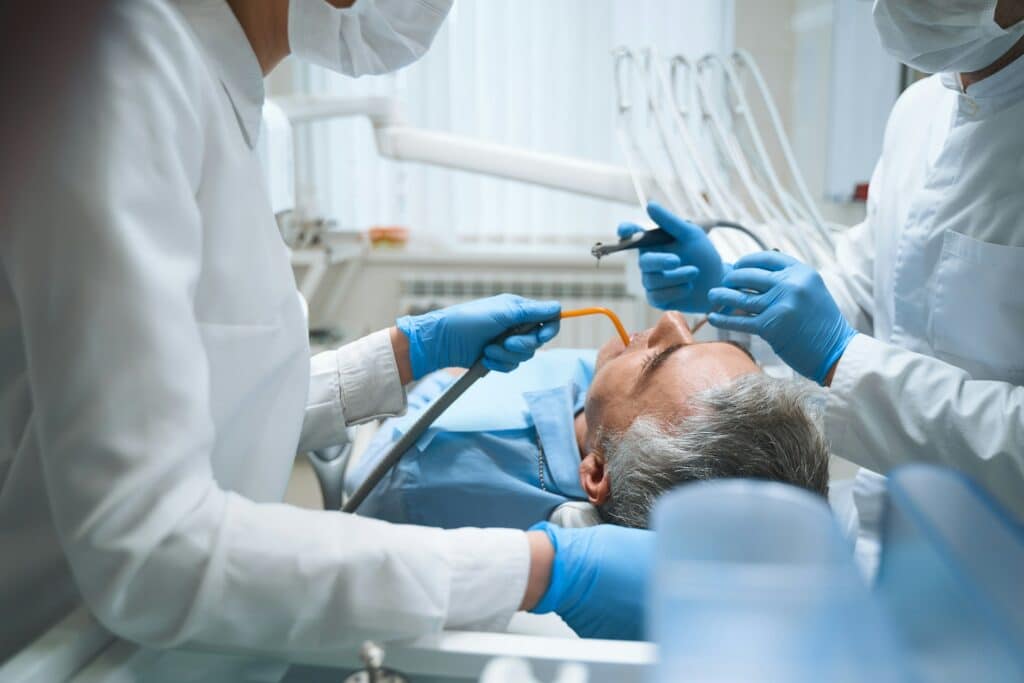
Root canal therapy often sounds more daunting than it actually is. For many people in Ajax, it’s a solution for persistent dental issues that can save natural teeth and relieve ongoing discomfort. While the idea of having dental work done might not be everyone’s favourite topic, understanding this treatment can make a significant difference in dental health. Those unbearable toothaches and the dread of losing a tooth can be eased with the help of root canal therapy. It’s not just about treating the current pain but also about preventing future dental problems, which can be more complicated and costly.

At its core, root canal therapy involves cleaning out the infected or damaged pulp inside a tooth. The main goal is to preserve the tooth instead of pulling it out. Think of it as cleaning up a messy room so that it’s not only functional but also pleasant to be in again. The procedure may sound intense, but it often feels similar to getting a cavity filled. Once completed, it can significantly relieve pain and restore normal function, allowing you to enjoy your favourite foods without a second thought. Let’s explore exactly what this procedure entails and why it might just be the solution you need.

What is Root Canal Therapy?

Dental Crown

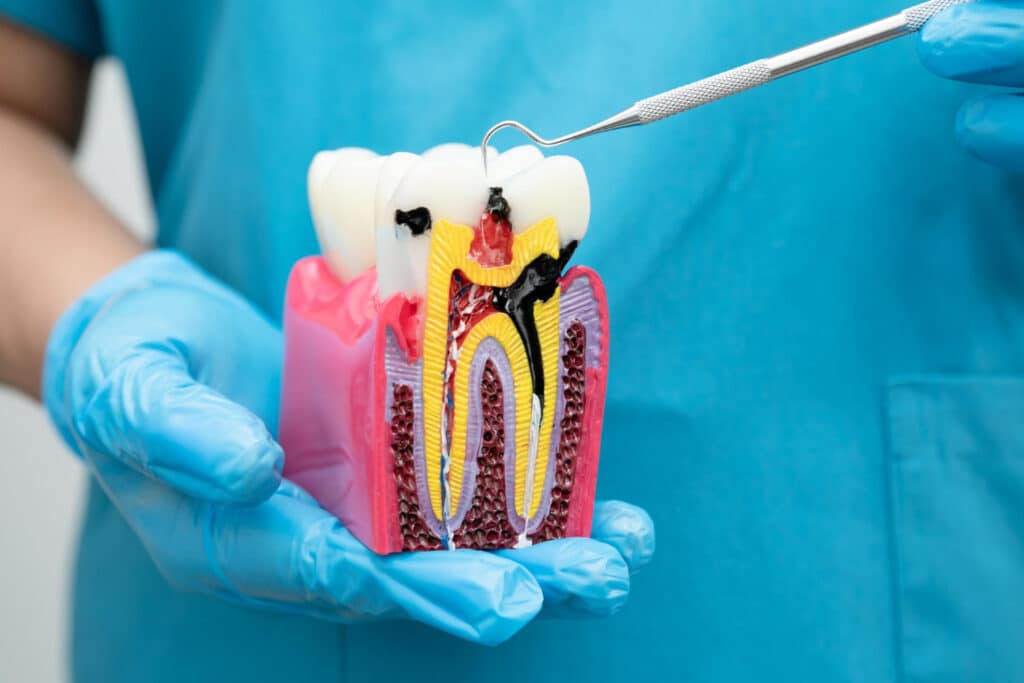
Understanding root canal therapy begins with knowing what’s inside a tooth. Each tooth has a soft area known as the pulp, containing nerves and blood vessels. When this pulp becomes infected or inflamed, usually due to deep decay or injury, it can lead to significant pain and even an abscess. Root canal therapy involves removing the infected pulp and cleaning out the canals inside the tooth. Once cleaned, the space is filled and sealed to prevent further issues.

So why go through all this? Here are a few reasons:

– Prevents further decay: By getting rid of the infection, root canal therapy stops the decay from spreading to other teeth.

– Saves the natural tooth: Keeping your original tooth maintains your natural smile and helps in chewing and speaking more comfortably.

– Stops the pain: With the infected pulp gone, the throbbing pain that keeps you up at night is eliminated.

In short, root canal therapy is like spring cleaning for your tooth, removing the harmful elements and restoring its health and function. It’s a common procedure that allows you to retain your tooth, rather than opting for extraction and the need for additional replacement options.

Signs You Might Need Root Canal Therapy

Knowing when to seek help is crucial. Here are some signs that might indicate the need for root canal therapy:

– Severe toothache when chewing or applying pressure Learn more about emergency dental care in Pickering.

– Prolonged sensitivity to hot or cold temperatures, even after the sensation has been removed

– Darkening or discolouration of the tooth

– Swelling and tenderness in nearby gums

– A persistent pimple on the gums

These symptoms don’t always mean you need a root canal, but they warrant a visit to the dentist. Ignoring them can lead to worsening problems, which might require even more intrusive procedures in the future. If you’re experiencing one or more of these signs, it may be time to consult with a dental professional to discuss treatment options. Addressing the issue early can save you a lot of discomfort and ensure that your teeth remain healthy and functional.

The Benefits of Root Canal Therapy

Sedation Dentistry

Root canal therapy offers several perks that can immensely benefit your dental health. One of the primary advantages is the preservation of your natural tooth. Instead of resorting to tooth extraction, this therapy allows the tooth to remain a part of your smile. Retaining natural teeth is beneficial not only for aesthetics but also for maintaining proper alignment with other teeth. When you lose a tooth, it can lead to shifting of the surrounding teeth and may require more dental work in the future.

Another key benefit is pain relief and improved comfort. The infection or inflammation in the tooth pulp typically causes significant discomfort or throbbing pain. By removing the damaged pulp, the source of the pain is eliminated, providing immediate relief. You’ll be able to eat, drink, and go about your daily activities without the constant pain that previously interfered with your life.

Moreover, root canal therapy plays a crucial role in preventing further infections. When the inside of the tooth is cleaned and sealed properly, you drastically reduce the risk of more serious complications like abscesses or spreading infection. This prevention helps maintain overall oral health, reducing the need for extensive treatments later on.

What to Expect During and After the Procedure

Understanding the process of root canal therapy can ease any anxiety about the procedure. Here’s a general outline of what usually happens:

1. Initial Examination: Your dentist will take X-rays to evaluate the condition of the tooth and determine the extent of the infection.

2. Local Anesthesia: To ensure comfort, local anesthesia is applied, numbing the area around the damaged tooth.

3. Cleaning and Shaping: The dentist makes a small opening in the tooth to access the pulp chamber, then removes the infected pulp and cleans the area.

4. Sealing: Once the area is cleaned, it’s filled with a special material to prevent further infection and strengthen the tooth structure.

5. Additional Restorations: Depending on the tooth’s condition, a crown might be placed later for added protection.

Post-procedure, it’s common to experience slight tenderness, though this usually subsides quickly. Proper aftercare is key to a full recovery. Some tips include:

– Avoid chewing hard foods on the treated tooth until it’s fully restored.

– Maintain good oral hygiene with regular brushing and flossing.

– Follow all the instructions provided by your dental care professional.

Achieve a Healthy Smile in Ajax

Root canal therapy is undoubtedly a beneficial solution for treating infected teeth. It’s a practical approach to preserving natural teeth, stopping pain, and preventing further dental problems. Having a healthy set of teeth contributes significantly to confidence, allowing you to smile broadly without hesitation.

For those living in Ajax and facing dental discomfort, understanding how root canal therapy can resolve these issues is comforting. A healthy smile is within reach, thanks to effective treatments and expert care. Keeping up with regular dental check-ups and addressing problems promptly will ensure your teeth remain strong, healthy, and pain-free. Taking proactive steps can make all the difference in maintaining a radiant and healthy smile.

Considering root canal therapy can be an important step in maintaining your dental health, especially for those in Ajax. If you’re ready to address tooth pain and safeguard your smile, explore root canal therapy in Ajax with Pickering Dental Services. Our team is committed to providing you with the best care to ensure your teeth remain healthy and pain-free.

Helpful Resources

For more information, visit the CDA Root Canal Information.

Schedule Your Appointment Today

Contact Pickering Square Dental to book your appointment with Dr. Marvin Lean. Call us at (905) 420-1777 or visit us at 1450 Kingston Rd, Unit #4, Pickering, ON.

Frequently Asked Questions

How often should I visit the dentist?

The Canadian Dental Association recommends visiting your dentist at least twice a year for regular check-ups and cleanings. Some patients may need more frequent visits depending on their oral health needs. Call Pickering Square Dental at (905) 420-1777 to schedule your next appointment.

Do you accept the Canadian Dental Care Plan (CDCP)?

Yes, Pickering Square Dental participates in the Canadian Dental Care Plan. Our team can help you understand your coverage and ensure you receive the dental care you need. Contact us for more details about CDCP eligibility and benefits.

What services does Pickering Square Dental offer?

We offer a full range of dental services including family dentistry, emergency dental care, sedation dentistry, dental implants, laser dentistry, teeth whitening, root canal therapy, dental extractions, periodontal care, and cosmetic dentistry. Dr. Lean and our team serve patients in Pickering, Ajax, Whitby, and Scarborough.

How Root Canal Therapy in Ajax Restores Damaged Teeth

Root Canal

Maintaining dental health is key to overall well-being, yet many people find themselves anxious about certain dental procedures. Root canal therapy, in particular, often brings a sense of dread, but understanding its purpose can make it less intimidating. This therapy is a reliable way to restore and save teeth that are damaged or infected, helping you maintain a healthy smile.

Fears about root canal therapy mostly arise from misconceptions about the procedure. However, it’s actually a straightforward process designed to eliminate pain, not cause it. By addressing the common concerns and debunking myths, you can see why this treatment is a necessary step towards long-term dental health.

Understanding Root Canal Therapy

Dental Services

Root canal therapy is a treatment used to repair and save a tooth that is badly decayed or becomes infected. During the process, the nerve and pulp are removed, and the inside of the tooth is cleaned and sealed. It’s needed when decay or infection reaches the roots of your teeth, causing pain and leading to potential loss if untreated.

The steps involved are quite straightforward:

1. Preparation and Numbing: The dentist begins by taking an X-ray to examine the shape of the root canal and determine if there’s an infection. The area around the tooth is then numbed, ensuring you’re comfortable throughout the procedure.

2. Access Opening: Once the tooth is numb, an opening is made through the top of the tooth to reach the pulp chamber and root canals.

3. Cleaning and Shaping: Tiny instruments are used to remove the nerve and pulp using fine files. The dentist then shapes the inside of the canal for filling.

4. Sealing the Tooth: The cleaned canals are filled with a rubber-like material and sealed to prevent future infections.

5. Restoration: After the root canal, a filling or crown will be placed to restore full functionality. Learn more about emergency dental care in Pickering.

Quick action is recommended to prevent further damage. Lingering infections can lead to more severe consequences, including abscesses and tooth loss. By understanding the process and seeking prompt treatment, you safeguard your dental health, alleviate discomfort, and retain your natural teeth for longer.

For residents of Ajax, finding trusted local professionals to handle your root canal therapy is an added advantage, ensuring you receive the best care available.

Benefits of Root Canal Therapy in Ajax

Undertaking root canal therapy offers several unique advantages. Residents of Ajax benefit from nearby dental experts who’ve mastered this procedure. This convenience ensures you don’t need to travel far to access quality care, making the treatment process much smoother.

The long-term health benefits of root canal therapy are significant. The procedure mainly relieves intense pain caused by infections while restoring the tooth’s function. By retaining your natural teeth, you keep jawbone integrity intact, supporting your facial structure. This is something that simple tooth extraction can’t offer, which could lead to complications over time, including shifting teeth and altered bite alignment.

Living without the constant discomfort of a toothache is another bonus. Those who undergo this therapy often experience immediate relief and a rapid return to their daily routines. The success of the treatment largely depends on the skills and experience of local professionals, and Ajax is home to some excellent dental practitioners who ensure that the procedure is thus seamless and effective.

Preparing for Your Root Canal Treatment

Family Dental

Getting ready for a root canal might seem daunting, but with the right prep, it can be stress-free. It’s normal to feel nervous, so taking practical steps beforehand can ease your mind.

– Understand the Procedure: Familiarize yourself with the steps involved. Knowing what’s ahead can help reduce anxiety.

– Consult with Your Dentist: Don’t hesitate to ask questions. Discuss any concerns about the procedure, pain management, and aftercare.

On the day of the appointment:

– Comfort is Key: Wear comfortable clothing and bring headphones or an audiobook to help you relax in the chair.

– Plan Your Day: Ensure you have a restful evening planned post-treatment, allowing for relaxation and recovery.

– Follow Instructions: Adhering to the guidance given by your dentist before the appointment is crucial. This might include drugs to avoid or dietary adjustments.

Life After Root Canal Therapy

Recovering after a root canal typically takes a few days, but being prepared for the aftermath can make the journey smoother. Expect some soreness and mild discomfort, which usually subsides with regular pain relievers.

Maintain good oral hygiene by brushing and flossing gently around the treated area. Avoid chewing hard foods to prevent any damage to the treated tooth. Scheduling a follow-up appointment helps monitor healing and is an opportunity to address any lingering concerns.

By maintaining a routine that includes regular dental check-ups and proper dental care, you can ensure a successful recovery and protect your smile for the long term.

Embrace a Pain-Free Future with Root Canal Therapy

Root canal therapy paves the way for a healthier, pain-free future. With proper care and the guidance of skilled dental professionals, you can keep your natural teeth and enjoy all the benefits that come with them. Exploring treatment options with a qualified dentist provides peace of mind, ensuring you receive the best care for your dental health.

Prompt treatment and adherence to dental advice don’t just restore your teeth, but also significantly improve your quality of life. Looking after your teeth now helps prevent potential issues later on, fostering a lifetime of confident, healthy smiles.

To explore the benefits of addressing dental issues promptly, consider discovering how root canal therapy in Ajax can save your smile. Trust Pickering Dental Services to provide comprehensive care tailored to your needs, ensuring both comfort and long-term dental health.

Helpful Resources

For more information, visit the CDA Root Canal Information.

Schedule Your Appointment Today

Contact Pickering Square Dental to book your appointment with Dr. Marvin Lean. Call us at (905) 420-1777 or visit us at 1450 Kingston Rd, Unit #4, Pickering, ON.

Frequently Asked Questions

How often should I visit the dentist?

The Canadian Dental Association recommends visiting your dentist at least twice a year for regular check-ups and cleanings. Some patients may need more frequent visits depending on their oral health needs. Call Pickering Square Dental at (905) 420-1777 to schedule your next appointment.

Do you accept the Canadian Dental Care Plan (CDCP)?

Yes, Pickering Square Dental participates in the Canadian Dental Care Plan. Our team can help you understand your coverage and ensure you receive the dental care you need. Contact us for more details about CDCP eligibility and benefits.

What services does Pickering Square Dental offer?

We offer a full range of dental services including family dentistry, emergency dental care, sedation dentistry, dental implants, laser dentistry, teeth whitening, root canal therapy, dental extractions, periodontal care, and cosmetic dentistry. Dr. Lean and our team serve patients in Pickering, Ajax, Whitby, and Scarborough.