Steps to Expect with Dental Implants

dental implants

Getting dental implants can be a big decision, but knowing what to expect can make the journey much smoother. Dental implants are a fantastic option for replacing missing teeth, offering a long-lasting and natural-looking solution. 

However, understanding each step of the process can help ease any worries you might have. This guide will help you feel more confident about your decision to get dental implants and support you every step of the way.

Initial Consultation and Assessment

Emergency Dental Care

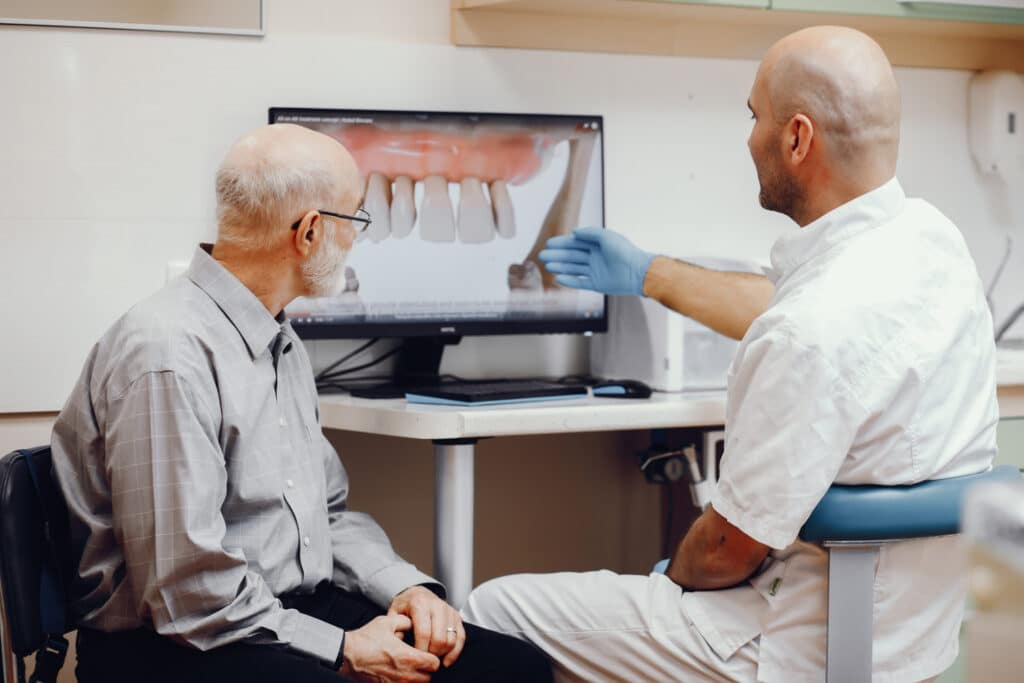
The first step in the dental implant process is the initial consultation and assessment. During this visit, the dentist will examine your mouth to see if you’re a good candidate for dental implants. They will check your gums, teeth, and jawbone to ensure they are healthy enough to support the implants.

X-rays and possibly a CT scan will be taken to give the dentist a detailed view of your mouth. These images help in planning the exact placement of the implants. The dentist will also discuss your medical history and any medications you are currently taking.

In this step, the dentist will talk about your dental needs and expectations. It’s essential to share your goals and ask any questions you might have. Understanding the whole process and what it involves will help you feel more comfortable moving forward. After the assessment, the dentist will create a treatment plan tailored to your specific case.

Preparation and Pre-Surgery Steps

Preparation is a crucial part of the dental implant process. Before the actual surgery, there are several steps needed to get your mouth ready. If you have any decayed teeth or gum disease, the dentist will treat these issues first.

One major part of preparation is ensuring your jawbone is strong enough to support the implants. If your jawbone isn’t thick or dense enough, a bone graft may be needed. In a bone graft, bone material is added to your jawbone to make it stronger. This also helps ensure the dental implants will have a stable base. Bone grafting might require a healing period before you proceed to the next steps. Learn more about teeth whitening and aesthetics.

In some cases, you might need a sinus lift. This procedure adds bone below the sinus cavities, located above your upper jaw. This is done when there’s not enough bone height in the upper jaw or if the sinuses are too close to the jaw.

Apart from these procedures, the dentist will give you instructions to follow before the surgery. You might need to fast for several hours if sedation will be used. During this preparation period, it’s essential to follow all the dentist’s guidelines carefully to ensure a smooth and successful surgery.

The Dental Implant Surgery Process

Oral Sedation

The day of your dental implant surgery is an exciting step toward achieving a new smile. The process usually starts with administering sedation or anaesthesia to ensure you are comfortable throughout the procedure. The type of sedation used depends on your specific needs and the complexity of the surgery.

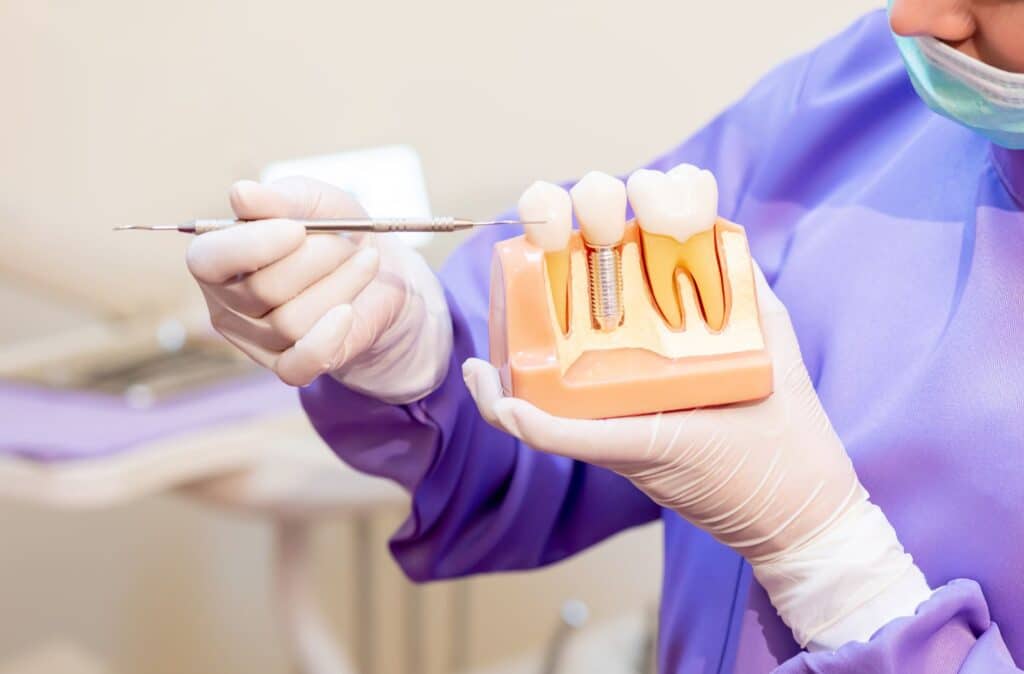
Once you’re comfortable, the dentist begins by making a small incision in the gum to expose the bone where the implant will go. Using a special drill, the dentist creates a space in the jawbone for the implant post. The post is typically made of titanium, a material known for its compatibility with the human body. After positioning the implant post, the gum is stitched back over it, and a temporary crown might be placed to protect the area.

The entire procedure usually takes about one to two hours per implant. After the implant posts are placed, they need time to integrate with the jawbone. This healing period can take several weeks to a few months. During this time, the bone grows around the implant, securing it firmly in place—a process known as osseointegration.

Post-Surgery Care and Recovery

Recovering from dental implant surgery involves several steps to ensure proper healing and success. Immediately after the surgery, you’ll need to rest and follow the dentist’s instructions closely. It’s normal to experience some swelling, bruising, and minor bleeding, but these should subside within a few days.

Here are some tips for a smooth recovery:

1. Follow Medication Guidelines: Take any prescribed pain relievers or antibiotics as directed to manage discomfort and prevent infection.

2. Stick to Soft Foods: Eat soft foods like soups, yogurts, and smoothies for the first few days. Avoid hard or chewy foods that can disturb the surgical site.

3. Maintain Good Oral Hygiene: Gently rinse your mouth with a saltwater solution to keep the area clean without irritating it. Keep brushing and flossing, but avoid the surgical area.

4. Attend Follow-up Appointments: Regular check-ups are essential to ensure the implant is healing correctly. The dentist will monitor your progress and advise you on when you can proceed to the next steps.

As your implant heals, the dentist will schedule follow-up visits to check on the integration process. Once fully healed, the final step involves attaching the permanent crown to the implant. This crown is customized to match your natural teeth, completing your new smile.

Conclusion

Understanding the step-by-step process of getting dental implants can make the journey easier and less intimidating. From the initial consultation and preparation to the surgery itself and post-surgery care, being informed helps you feel more in control. Dental implants are a significant investment in your oral health, offering a durable and aesthetically pleasing solution for missing teeth.

If you’re ready to explore dental implants in Ajax further, Pickering Dental Services has got you covered. Our team is here to guide you through each step, ensuring you achieve the best possible results for your new smile. Schedule your consultation today and take the first step towards a brighter, more confident smile.

Helpful Resources

For more information, visit the Canadian Dental Association on Dental Implants.

Schedule Your Appointment Today

Contact Pickering Square Dental to book your appointment with Dr. Marvin Lean. Call us at (905) 420-1777 or visit us at 1450 Kingston Rd, Unit #4, Pickering, ON.

Frequently Asked Questions

How long do dental implants last?

With proper care and regular dental check-ups, dental implants can last 25 years or more. Many patients enjoy their implants for a lifetime. At Pickering Square Dental, Dr. Lean uses high-quality titanium implants designed for long-term durability.

Are dental implants painful?

Most patients report less discomfort than expected. The procedure is performed under local anaesthesia, and sedation options are available. Post-procedure soreness typically resolves within a few days with over-the-counter pain relief.

Am I a candidate for dental implants?

Most adults with good general health are candidates for dental implants. You need adequate jawbone density to support the implant. Dr. Lean will assess your bone health and overall suitability during a consultation at our Pickering office.

Preparing for Dental Implants: What You Should Know
dental implant

Getting dental implants is a big decision that can significantly improve your smile and dental health. But before you can enjoy your new teeth, there are several steps involved in the preparation process. Knowing what to expect can make the experience less stressful and help you feel more comfortable with your decision.

Initial Consultation and Assessment

periodontal care

The first step in preparing for dental implants is the initial consultation and assessment. During this visit, the dentist will conduct a thorough examination of your mouth. This includes checking your gums, teeth, and jawbone. They may take X-rays or a 3D scan to get a detailed view of your oral structure. This helps the dentist determine if you have enough bone density to support the implant and if any additional treatments are needed.

In addition to the physical examination, the dentist will review your medical history. It’s important to share information about any medications you are taking and any medical conditions you have. This ensures that the dentist can plan the procedure safely and effectively.

During this consultation, you will also have the chance to discuss your expectations and any concerns you may have. The dentist will explain the entire implant process, including what you can expect before, during, and after the surgery. This open communication helps build trust and prepares you for the next steps.

Preparing Your Mouth and Jaw for Implants

After your initial consultation, you may need to undergo some preparatory procedures to get your mouth and jaw ready for the implant. If you have any damaged or decayed teeth, they may need to be extracted. Removing these teeth can create the necessary space for the implants and ensure a healthy foundation. Learn more about teeth whitening and aesthetics.

In some cases, patients may not have enough bone density in their jaw to support an implant. If this is your situation, the dentist might recommend a bone graft. This procedure involves adding bone material to your jaw to strengthen it. The graft can come from another part of your body, a donor, or a synthetic source. Over time, the new bone will integrate with your jawbone, providing a solid base for the implant.

Additionally, if your gums are not healthy, the dentist might suggest treating any gum disease before proceeding with the implant. Healthy gums are crucial for the success of dental implants, as they help support the new teeth and prevent complications. These preparatory steps are essential to ensuring a successful dental implant procedure and setting the foundation for a lasting and healthy smile.

Understanding the Implant Procedure

smiling

Once your mouth and jaw are prepared, the next step is the actual implant procedure. On the day of the surgery, you will receive anesthesia to ensure you are comfortable throughout. If you’re anxious, sedation dentistry options are available to help you relax.

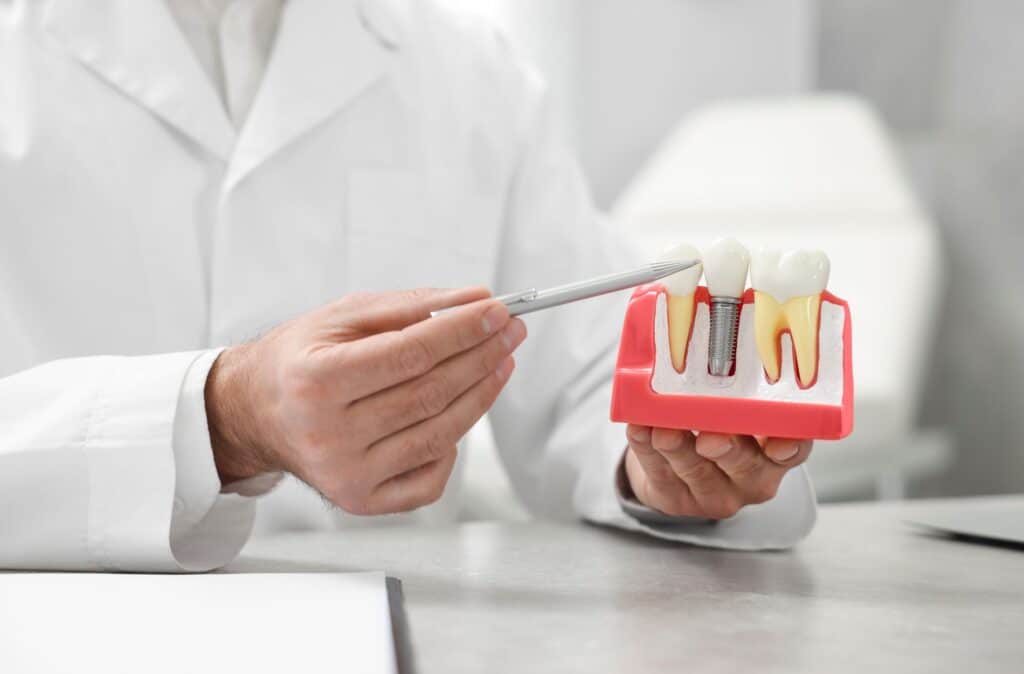
The dentist begins by making a small incision in your gum to access the jawbone. They will then drill a small hole and place the titanium implant post into it. This post acts like the root of a natural tooth, providing a sturdy base for the replacement tooth. The dentist will close the gum over the implant, and you will go home to heal.

Healing can take several months, as the jawbone needs time to grow around the implant. This process is called osseointegration, and it’s crucial for the stability of your new tooth. Once the implant has fully bonded with the bone, you’ll return to the dentist to attach an abutment. The abutment is a connector that holds the replacement tooth, such as a crown or a bridge, which will be customized to match your natural teeth.

Aftercare and Recovery Tips

After the implant procedure, proper aftercare is essential for a smooth recovery. Immediately following the surgery, you might experience some swelling, bruising, and minor bleeding. These symptoms are normal and should subside within a few days. The dentist will provide you with instructions on how to care for the implant site.

Here are some tips to help you recover:

  • Use ice packs to reduce swelling.
  • Eat soft foods to avoid irritating the implant site.
  • Avoid hot drinks and spicy foods that can cause discomfort.
  • Take prescribed painkillers and antibiotics as directed.
  • Keep your mouth clean by gently rinsing with salt water.

Regular dental visits are crucial during the healing period. The dentist will monitor your progress and ensure the implant is integrating well with the jawbone. Following these guidelines will help you heal faster and reduce the risk of complications.

Conclusion

Getting dental implants involves several important steps, from the initial consultation and assessment to preparing your mouth and jaw, understanding the procedure, and following aftercare tips. Each step is crucial for ensuring the success of your dental implants and achieving a healthy, lasting smile.

The preparation might seem daunting, but understanding the process and following your dentist’s advice can make it manageable. Dental implants provide a durable, natural-looking solution for missing teeth, allowing you to enjoy your daily activities with confidence.

Ready to take the next step toward a healthier smile? Contact Pickering Dental Services to schedule your consultation and learn more about how dental implants can benefit you.

Helpful Resources

For more information, visit the Canadian Dental Association on Dental Implants.

Schedule Your Appointment Today

Contact Pickering Square Dental to book your appointment with Dr. Marvin Lean. Call us at (905) 420-1777 or visit us at 1450 Kingston Rd, Unit #4, Pickering, ON.

Frequently Asked Questions

How long do dental implants last?

With proper care and regular dental check-ups, dental implants can last 25 years or more. Many patients enjoy their implants for a lifetime. At Pickering Square Dental, Dr. Lean uses high-quality titanium implants designed for long-term durability.

Are dental implants painful?

Most patients report less discomfort than expected. The procedure is performed under local anaesthesia, and sedation options are available. Post-procedure soreness typically resolves within a few days with over-the-counter pain relief.

Am I a candidate for dental implants?

Most adults with good general health are candidates for dental implants. You need adequate jawbone density to support the implant. Dr. Lean will assess your bone health and overall suitability during a consultation at our Pickering office.

Easy Steps to Get Ready for Dental Implants

Dental Implants

Getting dental implants is a big decision that can improve your smile and overall oral health. Dental implants are designed to replace missing teeth using a metal post that acts like a tooth root. They provide a permanent solution that feels and looks like natural teeth. Whether you’re missing one tooth or several, dental implants can be a game-changer.

In this article, we will go over the easy steps to get ready for dental implants. We will cover everything from understanding what dental implants are, preparing for your first consultation, knowing what to expect before the procedure, and taking care of yourself after the surgery. 

Understanding Dental Implants

dental treatment

Dental implants are artificial tooth roots made from metal, usually titanium, that are placed into your jawbone. They provide a stable base for artificial teeth or crowns. Implants can replace one tooth, several teeth, or a full set of teeth, depending on your needs. These implants are designed to mimic the strength and function of natural teeth.

One of the major advantages of dental implants is their durability. Because they integrate with your jawbone, they offer a strong and permanent solution for missing teeth. Unlike dentures, which can slip and move, implants stay in place. This means you can eat, talk, and smile without worrying about your teeth shifting. Learn more about teeth whitening and aesthetics.

Dental implants also help maintain your facial structure. When you lose a tooth, the jawbone can begin to shrink over time. By placing an implant, you stimulate the bone and prevent deterioration. This helps keep your face looking youthful and prevents the sunken appearance that often comes with missing teeth.

Preparing for Your First Consultation

Getting ready for your first consultation with the dentist is an important step in the dental implant process. Here’s what you can do to prepare:

  • Gather Medical Records: It’s helpful to bring your dental and medical records to your appointment. This includes any X-rays, notes from previous dental procedures, and a list of medications you’re currently taking. These records help the dentist understand your dental history and plan your treatment.
  • Make a List of Questions: Before your consultation, write down any questions you might have about the procedure. This could include questions about the steps involved, recovery time, and costs. Having a list ensures you don’t forget to ask anything important during your appointment.
  • Prepare for an Examination: During the consultation, the dentist will examine your mouth and take X-rays to assess the condition of your jawbone and remaining teeth. Be prepared for a thorough examination that will help determine if you’re a good candidate for implants.
  • Discuss Your Goals: Think about what you want to achieve with dental implants. Are you looking to replace a single tooth, multiple teeth, or a full arch? Communicating your goals will help the dentist tailor the treatment to meet your specific needs.
  • Be Honest About Your Health: Inform the dentist about any medical conditions you have, such as diabetes or heart disease, as well as any medications you take. Your overall health can impact the success of the implant procedure, and being transparent helps the dentist create a safe and effective treatment plan.

What to Expect Before the Procedure

dental treatment

Before your dental implant procedure, there are several steps you need to complete to ensure everything goes smoothly. Understanding what to expect can help you feel more comfortable and prepared.

  • Pre-Surgery Instructions: You might receive specific instructions from the dentist to follow before your surgery. This could include guidelines on eating or drinking, especially if you will be under sedation. Make sure to follow these instructions closely to avoid complications during the procedure.
  • Sedation Options: If you’re feeling anxious about the surgery, you can discuss sedation dentistry options with the dentist. Sedation can help you relax and make the procedure more comfortable. Options range from local anaesthesia to general anaesthesia, depending on your needs and the dentist’s recommendations.
  • Arranging Transportation: Since you might be groggy or sleepy after the procedure, it’s a good idea to arrange for someone to drive you home. Make sure to have a friend or family member ready to assist you.
  • Health Check-Up: Sometimes, a general health check-up is needed to ensure you’re fit for surgery. This includes checking your blood pressure, heart rate, and other vital signs. If you have any underlying health conditions, make sure they are well-managed before the procedure.
  • Reviewing the Treatment Plan: Go over the treatment plan with your dentist one more time. Make sure you understand the steps involved, the timeline, and what to expect during the recovery period. Knowing these details will help reduce any last-minute anxieties and make you feel more confident.

Post-Surgery Care and Tips

Taking care of yourself after the dental implant surgery is crucial for a smooth and quick recovery. Here are some tips to help you heal properly:

  • Follow Post-Op Instructions: Your dentist will provide detailed instructions on how to care for your mouth after the surgery. This may include guidelines on diet, oral hygiene, and medications. Make sure to follow these instructions carefully.
  • Manage Pain and Swelling: It’s normal to experience some pain and swelling after the surgery. Use ice packs on the outside of your face to reduce swelling. Over-the-counter pain relievers can help manage discomfort. If the pain is severe or doesn’t improve, contact your dentist.
  • Maintain a Soft Diet: For the first few days, stick to soft foods like soups, mashed potatoes, yogurt, and smoothies. Avoid hot or spicy foods, which can irritate the surgical site. Gradually reintroduce solid foods as you start to feel better.
  • Keep Your Mouth Clean: Good oral hygiene is essential for healing. Gently rinse your mouth with a saltwater solution to keep it clean. Avoid vigorous rinsing or spitting to prevent disturbing the surgical area. Brush your teeth carefully and avoid the implant site.
  • Avoid Smoking and Alcohol: Smoking and alcohol can interfere with the healing process and increase the risk of complications. Try to avoid these habits at least for the first few weeks after surgery.
  • Attend Follow-Up Appointments: Make sure to attend all scheduled follow-up appointments with your dentist. These visits allow the dentist to monitor your healing process and address any concerns.

Conclusion

Getting dental implants can be life-changing, offering a durable and natural-looking solution for missing teeth. By understanding the process and knowing what to expect, you can prepare yourself for a successful outcome. From your first consultation to post-surgery care, each step is important in ensuring that your implants function well and look great.

At Pickering Dental Services, we are committed to helping you achieve a healthy and confident smile. If you’re considering dental implants in Pickering, schedule a consultation with us today and let us guide you through the journey to a better smile!

Helpful Resources

For more information, visit the Canadian Dental Association on Dental Implants.

Schedule Your Appointment Today

Contact Pickering Square Dental to book your appointment with Dr. Marvin Lean. Call us at (905) 420-1777 or visit us at 1450 Kingston Rd, Unit #4, Pickering, ON.

Frequently Asked Questions

How long do dental implants last?

With proper care and regular dental check-ups, dental implants can last 25 years or more. Many patients enjoy their implants for a lifetime. At Pickering Square Dental, Dr. Lean uses high-quality titanium implants designed for long-term durability.

Are dental implants painful?

Most patients report less discomfort than expected. The procedure is performed under local anaesthesia, and sedation options are available. Post-procedure soreness typically resolves within a few days with over-the-counter pain relief.

Am I a candidate for dental implants?

Most adults with good general health are candidates for dental implants. You need adequate jawbone density to support the implant. Dr. Lean will assess your bone health and overall suitability during a consultation at our Pickering office.

Implant Dentistry: Regain Your Smile with Modern Dental Solutions
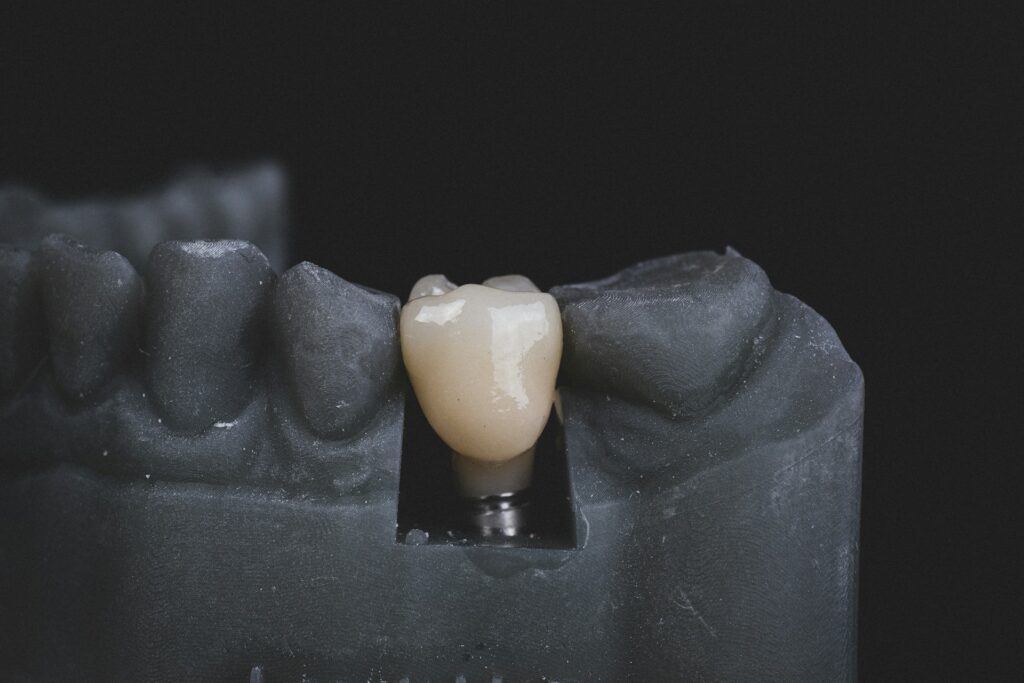
dental implant

At our dental practice, we pride ourselves on offering a comprehensive range of family dentistry services designed to cater to the diverse needs of our patients. One such service is implant dentistry, an innovative and reliable solution for individuals who have experienced tooth loss. Dental implants provide a secure and natural-looking option for tooth replacement, helping you regain the confidence and functionality that comes with a complete smile.

Dental implants are considered the gold standard in modern tooth replacement methods due to their numerous advantages over traditional options, such as dentures and bridges. Implants are designed to fuse with the jawbone, providing a stable foundation for the placement of custom-made dental prosthesis, such as crowns or bridges. This integration not only ensures a strong and long-lasting solution but also promotes overall jaw health by preserving bone density.

In this in-depth guide, we will discuss the core benefits of implant dentistry, highlighting its aesthetic, functional, and health advantages. We will also delve into the various stages of the implant procedure, from consultation and planning through to the post-operative care and maintenance required to maintain the longevity of your dental implants. Our aim is to equip you with the knowledge needed to make an informed decision about whether dental implants are the right solution for your dental needs.

Trust our experienced dental team to guide you through the process of replacing your missing teeth using state-of-the-art implant dentistry techniques. Contact us today to schedule a consultation and take the first step towards restoring your smile and improving your overall oral health.

The Core Benefits of Implant Dentistry

sedation dentistry

Implant dentistry offers numerous advantages over other tooth replacement options, making it an increasingly popular choice for many individuals. These key benefits include:

1. Aesthetic Appeal

Dental implants create a natural-looking smile, as the custom-made dental prosthesis is designed to match the shape, size, and colour of your surrounding teeth. The result is a harmonious and visually appealing smile that will boost your confidence. Learn more about teeth whitening and aesthetics.

2. Enhanced Functionality

Since dental implants are securely anchored to the jawbone, they provide a stable and durable foundation for biting and chewing. This allows you to enjoy a wide range of foods without the worry of dental prostheses shifting or becoming dislodged.

3. Preserving Oral Health

Implant dentistry not only replaces missing teeth but also promotes overall oral health. The implant acts as a substitute tooth root, stimulating the jawbone and preventing bone resorption. This helps maintain the natural shape of your face, prevent teeth misalignment, and protect the healthy function of adjacent teeth.

4. Longevity

With proper care and maintenance, dental implants can last a lifetime. This makes them a cost-effective and reliable solution compared to other tooth replacement options, which may require more frequent replacements and adjustments.

The Implant Process: From Start to Finish

The dental implant procedure involves several stages, from initial consultation to post-operative care. It’s essential to understand each step and its significance in achieving a successful outcome.

1. Consultation and Treatment Planning

During your initial consultation, your dentist will conduct a thorough examination and evaluate your dental and overall health. They may also take x-rays or 3D scans to assess bone density and determine the most suitable implant placement. Based on this assessment, a personalized treatment plan will be devised, outlining the best approach for replacing your missing teeth.

2. Dental Implant Surgery

Once your treatment plan is established, the dental implant surgery can be scheduled. Under local anesthesia or sedation, the dentist will make an incision in the gum tissue to access the jawbone. A small hole is drilled, and the implant is carefully inserted into the bone. The gum tissue is closed with sutures, and the implant is left to heal and integrate with your jawbone. This process, known as osseointegration, typically takes three to six months.

3. Abutment and Dental Prosthesis Placement

After the osseointegration process is complete, a small metal post called an abutment is connected to your dental implant. The abutment serves as an attachment point for your custom-made dental prosthesis, such as a crown or bridge. Impressions of your teeth will be taken and sent to a dental laboratory, where your new dental prosthesis will be crafted.

4. Final Adjustments and Teeth Restoration

Once your dental prosthesis is ready, your dentist will place and adjust it, ensuring a comfortable fit and proper bite function. Any additional refinements will be made as necessary to ensure the best possible outcome.

Post-Operative Care and Maintenance

Oral Surgeons

To ensure the long-term success of your dental implants, proper post-operative care and maintenance are vital. Follow these essential tips to keep your implants in excellent condition:

1. Oral Hygiene

Proper and consistent oral hygiene is crucial for implant success. Brush your teeth twice daily with a soft-bristle toothbrush and use a low-abrasive toothpaste that is safe for dental implants. Floss regularly and consider using interdental brushes or water flossers to clean around your implants effectively.

2. Regular Dental Check-Ups

Attend routine dental check-ups and professional cleanings to ensure that any potential issues are detected and addressed promptly. These visits will also help monitor the stability and health of your implants and surrounding gums.

3. Healthy Diet and Lifestyle

Maintain a balanced diet and avoid excessive consumption of sugary and acidic foods that can contribute to dental issues. If you smoke, consider quitting as tobacco use can affect the success of dental implants and overall oral health.

Conclusion

Dental implants in Pickering are a life-changing solution for many individuals who have lost teeth and are looking to restore their smile with a reliable and long-lasting solution. Understanding the benefits, procedure, and aftercare involved in dental implant treatment will help you make an informed decision about your dental health. Trust our skilled dental team to guide you through your implant journey, providing you with compassionate care and exceptional service along the way. Schedule a consultation with us today and take the first step toward a healthier, happier smile.

Helpful Resources

For more information, visit the Canadian Dental Association on Dental Implants.

Schedule Your Appointment Today

Contact Pickering Square Dental to book your appointment with Dr. Marvin Lean. Call us at (905) 420-1777 or visit us at 1450 Kingston Rd, Unit #4, Pickering, ON.

Frequently Asked Questions

How long do dental implants last?

With proper care and regular dental check-ups, dental implants can last 25 years or more. Many patients enjoy their implants for a lifetime. At Pickering Square Dental, Dr. Lean uses high-quality titanium implants designed for long-term durability.

Are dental implants painful?

Most patients report less discomfort than expected. The procedure is performed under local anaesthesia, and sedation options are available. Post-procedure soreness typically resolves within a few days with over-the-counter pain relief.

Am I a candidate for dental implants?

Most adults with good general health are candidates for dental implants. You need adequate jawbone density to support the implant. Dr. Lean will assess your bone health and overall suitability during a consultation at our Pickering office.

What You Should Know About the Lifespan of Dental Implants

dental implant

Dental implants have revolutionized the way we address tooth loss, offering a durable and aesthetically pleasing solution that can closely mimic natural teeth. As a leading provider of dental implant services, we are committed to not only installing these life-changing devices but also ensuring our patients understand what makes them so reliable. Dental implants consist of a titanium post surgically implanted into the jawbone, topped with a crown or bridge that is visible above the gum line. This design helps in providing a stable and long-term solution for tooth replacement.

The durability of dental implants has made them a popular choice among both dentists and patients. However, many factors contribute to the lifespan of these implants, ranging from the quality of care after the procedure to the individual’s overall health and oral hygiene practices. Understanding these elements and how to effectively care for your implants can significantly impact their longevity and functionality. In this article, we will explore the intricate details of dental implants, discuss various factors that influence their lifespan, and provide practical tips to help you maintain your dental health investment.

Understanding the Basic Structure and Types of Dental Implants

Oral Sedation

Dental implants are a fundamental solution for replacing missing teeth, designed to mimic the entire structure of natural teeth. The typical dental implant comprises three parts: the implant post, the abutment, and the crown. The implant post acts like a tooth root, usually made from titanium, which is known for its durability and compatibility with human body tissues. It’s surgically placed into the jawbone, where it integrates with the bone over several months in a process known as osseointegration. On top of this post, an abutment is fixed, serving as a link between the post and the crown, which is the visible part that looks like a real tooth.

There are various types of dental implants, primarily categorized by the implant’s placement or the procedure timing. Endosteal implants, which are placed directly into the jawbone, are the most commonly used type. Another type is subperiosteal implants, which are placed under the gum but above or on the jawbone, suitable for patients who do not have enough healthy jawbone and do not want to undergo a bone augmentation procedure to rebuild it. Each type serves different needs and our team helps determine which is best suited depending on individual cases and health conditions.

Factors Influencing the Lifespan of Dental Implants

The lifespan of dental implants can be significantly influenced by several factors, including the patient’s lifestyle and general dental care habits. Overall, dental implants are designed to be a long-lasting solution, often enduring for decades with proper care. However, their longevity can be compromised by factors such as poor oral hygiene, smoking, and the presence of pre-existing medical conditions like diabetes, which might impair healing and make the mouth more susceptible to infections.

Moreover, the initial placement of the implant plays a crucial role. Implants need to be positioned with precision and care to ensure proper integration into the jawbone. Our expertise in surgical techniques and our utilization of advanced imaging technologies contribute to the optimal placement and, consequently, the durability of the implants. Regular follow-ups and check-ups with us allow for ongoing assessments of the implant’s condition and the surrounding tissue’s health, ensuring any concerns are addressed promptly to prevent complications.

Routine Care Tips to Maximize Dental Implant Lifespan

Family Dental Clinic

To ensure the longevity of your dental implants, establishing a thorough oral hygiene routine is essential. Consistent, proper care not only aids in prolonging the life of your implants but also supports overall oral health. Firstly, brushing twice a day with a soft-bristled toothbrush and non-abrasive toothpaste is crucial to prevent scratching the surface of the implants. Additionally, flossing daily with unwaxed tape or a water flosser can help remove plaque buildup around the implant and prevent gum disease, which is vital given that the health of the surrounding gums significantly affects implant stability.

We also recommend regular dental check-ups and professional cleanings every six months. These visits allow us to monitor your implants and address any issues early on. During these sessions, we can provide professional cleaning that reaches deeper than daily brushing and flossing, ensuring that both your natural teeth and implants are in optimal condition. These simple steps, when combined with a balanced diet and avoidance of harmful habits like smoking, can greatly enhance the durability and functionality of your dental implants.

Recognizing and Addressing Common Issues with Dental Implants

Even with impeccable care, issues can occasionally arise with dental implants. Being aware of early signs of complications can lead to prompt treatment and help maintain implant integrity. One common issue is peri-implantitis, an inflammatory condition similar to gum disease, which affects the tissues around the implants and can lead to bone loss if untreated. Symptoms include swelling, redness, and possibly slight bleeding during brushing or flossing. If you notice any of these signs, it’s important to contact us immediately.

Another issue could be implant loosening, where the implant does not fully integrate with the jawbone or begins to weaken over time. This can be detected through discomfort or a noticeable shift in the implant position. Regular dental check-ups greatly aid in early detection and intervention for such issues. We use advanced diagnostic tools to assess the health of your implants and surrounding tissues, allowing us to address potential problems before they escalate into major concerns.

Conclusion

At Pickering Dental Services, we are passionately committed to ensuring your dental implants serve you well for many years. By following the practical care tips outlined above and staying alert to the signs of potential issues, you can significantly contribute to the longevity and success of your implants. Remember, your proactive participation in the care of your implants and adherence to regular dental visits play a critical role in maintaining oral health.

If you have questions about dental implants in Pickering or wish to schedule a consultation to see if they are right for you, our team is ready to assist you with warmth and expertise. Reach out to us at Pickering Dental Services today, and let us help you achieve and maintain a healthy, confident smile.

Looking for professional help? Learn more about our dental implant services at Pickering Square Dental or call (905) 420-1777 to book an appointment.

Helpful Resources

For more information, visit the Canadian Dental Association on Dental Implants.

Frequently Asked Questions

How long do dental implants last?

With proper care and regular dental check-ups, dental implants can last 25 years or more. Many patients enjoy their implants for a lifetime. At Pickering Square Dental, Dr. Lean uses high-quality titanium implants designed for long-term durability.

Are dental implants painful?

Most patients report less discomfort than expected. The procedure is performed under local anaesthesia, and sedation options are available. Post-procedure soreness typically resolves within a few days with over-the-counter pain relief.

Am I a candidate for dental implants?

Most adults with good general health are candidates for dental implants. You need adequate jawbone density to support the implant. Dr. Lean will assess your bone health and overall suitability during a consultation at our Pickering office.

Steps to Getting a Dental Implant at Our Clinic

dental implant

Exploring the possibility of dental implants can be a significant decision requiring dependable and clear information. At our clinic, we simplify this process by breaking it down into manageable steps, ensuring that each of our patients feels confident and informed from the initial consultation through to the complete integration of their new dental implant.

Understanding what to expect can greatly reduce any anxiety associated with dental procedures. Our team is committed to providing you with detailed, straightforward explanations and compassionate care at every stage. We believe that an informed patient is a satisfied patient, and our approach is designed to support you through the journey to a better smile.

With state-of-the-art technology and a dedicated team of specialists, we offer a seamless and efficient dental implant process. By choosing our clinic, you engage with professionals who value your oral health and are committed to achieving the best outcomes with minimal discomfort and maximum care. Let us take you through the journey of restoring your smile with confidence and ease.

Initial Consultation and Evaluation for Dental Implants

Fluoride

The journey to getting dental implants starts with an initial consultation and evaluation at our clinic. During this first visit, we take a detailed medical and dental history to ensure that dental implants are a suitable option for you. It’s essential for us to understand your overall health and any specific needs you might have. We use advanced imaging techniques, such as X-rays and possibly a CT scan, to assess the density and volume of your jawbone. This step is critical because your jawbone must be adequate to support the implant.

We also discuss your expectations and the desired outcomes to ensure that dental implants are not only medically viable but also align with your aesthetic goals. This consultation serves as a perfect opportunity for you to ask us any questions and express any concerns you might have. By the end of this evaluation, we aim to have a comprehensive understanding of your dental structure and a clear treatment plan tailored to meet your specific needs. Learn more about teeth whitening and aesthetics.

Preparing for Dental Implant Surgery

Once you are deemed a good candidate for dental implants, we begin preparing for the implant surgery. Preparation is key to the success of this procedure. We might advise you to undergo certain pre-operative steps such as quitting smoking, as smoking can adversely affect the healing process of implants. We may also adjust any existing medications and discuss any antibiotics or oral rinses that might be necessary to reduce the risk of infection post-surgery.

On the day of the surgery, it’s important that you have someone available to drive you home, as the sedation used during the procedure may impair your ability to drive safely. We ensure that you are fully comfortable and understand all the steps involved before the surgery starts. This preliminarity phase is not just about physical preparation but also about ensuring that you are mentally ready and relaxed, which significantly contributes to a positive outcome. Our team is dedicated to providing all the support you need through this transformative journey towards a better smile.

The Dental Implant Procedure: Step-by-Step

Toothbrush

Undergoing a dental implant procedure at our clinic starts with precision and care every step of the way. Initially, the area where the implant will be placed is thoroughly prepared. A small incision is made in the gumline to expose the bone. We then use a special drill to create a space for inserting the titanium implant, which acts as the new root for your tooth. After inserting the implant, we may place a healing cap over it to facilitate proper healing, protecting it while it osseointegrates, or bonds, with the bone.

The entire process requires several months as the implant must fully integrate with the jawbone to provide stable support for the artificial tooth that will be attached later. Once integration is complete, we invite you back to our clinic to attach an abutment to the implant. This piece serves as a link between the implant and the crown. Finally, the custom-made crown is attached, perfectly designed to fit your bite and match the colour of your surrounding teeth. Our attention to detail ensures your restored tooth not only looks but also feels natural.

Post-Procedure Care and Follow-Up

After your dental implant has been placed, proper care and regular follow-ups are vital to ensure its longevity and functionality. Initially, you might experience some swelling and discomfort, which is normal. We recommend soft foods and over-the-counter pain relief during the first few days. It’s vital to keep the implant site clean and avoid any chewing forces on the new implant until it has fully healed.

Regular check-ups are crucial. These allow us to monitor the implant, surrounding teeth, and gums to ensure everything is as it should be. We also provide professional cleaning that helps prevent infections and maintains the health of your implant. Additionally, diligent daily oral hygiene practices are essential. Brushing twice a day, flossing daily, and sometimes using a special interdental brush to clean around the implant, abutment, and crown area are all necessary practices to keep your dental implant in top shape.

Conclusion

At Pickering Dental Services, we understand the importance of a confident, functional smile. That’s why we make sure that our comprehensive dental implant services are carried out with utmost care and professionalism. From the initial consultation to post-procedure care, our dedicated team is here to ensure your dental health is treated with expert care and personalized attention.

If you’re considering dental implants or any other dental care services, remember, our team at Pickering Dental Services is ready to help you achieve and maintain a healthy, beautiful smile. Contact us today to learn more about what dental implants can do for you. We’re here to guide you every step of the way, ensuring your journey to a perfect smile is smooth and successful.

Helpful Resources

For more information, visit the Canadian Dental Association on Dental Implants.

Schedule Your Appointment Today

Contact Pickering Square Dental to book your appointment with Dr. Marvin Lean. Call us at (905) 420-1777 or visit us at 1450 Kingston Rd, Unit #4, Pickering, ON.

Frequently Asked Questions

How long do dental implants last?

With proper care and regular dental check-ups, dental implants can last 25 years or more. Many patients enjoy their implants for a lifetime. At Pickering Square Dental, Dr. Lean uses high-quality titanium implants designed for long-term durability.

Are dental implants painful?

Most patients report less discomfort than expected. The procedure is performed under local anaesthesia, and sedation options are available. Post-procedure soreness typically resolves within a few days with over-the-counter pain relief.

Am I a candidate for dental implants?

Most adults with good general health are candidates for dental implants. You need adequate jawbone density to support the implant. Dr. Lean will assess your bone health and overall suitability during a consultation at our Pickering office.

Getting Ready for Dental Implants

dental implants

Dental implants are a great option for replacing missing teeth. They function like natural teeth and can last a long time with proper care. Unlike dentures, which can slip and require special cleaning, dental implants are fixed in place. This makes them a popular choice for those looking for a reliable and sturdy solution for tooth loss.

Getting dental implants involves several steps. First, it’s important to understand what dental implants are and how they work. Next, you’ll need to prepare for the procedure, which might include some specific instructions from us. Knowing what to expect during the dental implant process can help ease any anxiety and ensure you are fully informed. Finally, taking care of your dental implants after the procedure is crucial for a smooth recovery and long-term success.

In this guide, we will take you through everything you need to know about getting ready for dental implants. From understanding the basics to following post-procedure care, our aim is to make you feel comfortable and prepared every step of the way. By being well-informed, you can look forward to a healthier, more confident smile.

Understanding Dental Implants: What They Are and How They Work

Invisalign

Dental implants are small posts made of titanium that act as artificial tooth roots. They are surgically placed into your jawbone where teeth are missing. Over time, the implants fuse with the bone through a process called osseointegration. This provides a stable base for the replacement teeth, which are usually crowns that look and function like your natural teeth.

The implants are designed to be highly durable and can last many years with proper care. Because the titanium post becomes a part of your jawbone, it helps prevent bone loss that can occur when teeth are missing. The stability offered by dental implants allows you to eat, speak, and smile confidently without the worry of them slipping or shifting. Learn more about teeth whitening and aesthetics.

Dental implants are suitable for various dental needs. They can replace a single missing tooth, several teeth, or even support a full set of dentures. By understanding how dental implants work and their benefits, you can make an informed decision on whether they are the right option for restoring your smile.

Steps to Take Before Your Dental Implant Procedure

Preparing for a dental implant procedure involves several important steps. Being well-prepared helps ensure everything goes smoothly and increases the chances of a successful outcome.

  • Consultation and Evaluation: Schedule a consultation with us to discuss your dental health and determine if you are a good candidate for dental implants. We will examine your mouth, take X-rays, and possibly perform a CT scan to assess your jawbone’s condition.
  • Medical History and Medications: Share your complete medical history, including any medications you are currently taking. This allows us to plan the procedure safely and avoid any complications.
  • Dental Impressions: We may take impressions of your teeth and gums. This helps in creating custom crowns that will fit perfectly with your dental implants.
  • Treatment Plan: We will develop a detailed treatment plan, which includes the timeline, costs, and any special instructions specific to your case.
  • Pre-Procedure Instructions: Follow any pre-procedure instructions provided, such as fasting or avoiding certain medications. These instructions help ensure you are ready for surgery.

By following these preparatory steps, you set the foundation for a successful dental implant procedure. Being proactive and well-prepared makes the entire process smoother and more comfortable from start to finish.

What to Expect During the Dental Implant Process

dental visit

The dental implant process occurs in several stages. Knowing what to expect at each stage can help you feel more comfortable and prepared.

  • Initial Surgery: The first step involves placing the titanium implant into the jawbone. This is done under local anaesthesia or sedation to ensure you feel no pain. Once the implant is in place, the gum is stitched up, and the healing process begins.
  • Osseointegration: After the surgery, the implant needs time to fuse with the jawbone. This process, called osseointegration, can take several months. During this time, it’s crucial to follow our care instructions and attend follow-up appointments to monitor your progress.
  • Abutment Placement: Once the implant has fused with the bone, a small connector called an abutment is attached to the implant. This will hold the new tooth. The gum tissue around the abutment may need a couple of weeks to heal.
  • Crown Placement: Finally, a custom-made crown is attached to the abutment. This crown is designed to match the colour and shape of your natural teeth, providing a clean, seamless look.

Understanding these steps helps ensure you’re well-prepared for the dental implant journey, making each stage easier to navigate.

Post-Procedure Care: Ensuring a Smooth Recovery

Caring for your new dental implants after the procedure is essential for successful healing and long-term function. Here are some key steps to follow:

  • Follow Aftercare Instructions: We will provide specific aftercare instructions. Follow them carefully, including advice on diet, activity level, and oral hygiene.
  • Manage Pain and Swelling: It’s normal to experience some pain and swelling after the surgery. Use prescribed pain medications and ice packs to manage discomfort.
  • Maintain Oral Hygiene: Keep your mouth clean to prevent infection. Brush your teeth gently and use an antiseptic mouthwash as recommended.
  • Monitor Healing: Watch for any signs of complications, such as unusual pain, bleeding, or swelling. Report any concerns to us immediately.
  • Attend Follow-Up Appointments: Regular check-ups allow us to monitor the healing process and address any issues promptly.

By following these care instructions, you help ensure a smooth recovery and the long-term success of your dental implants.

Conclusion

Dental implants can significantly improve your oral health and confidence by replacing missing teeth with strong, natural-looking alternatives. From understanding what dental implants are and how they work to preparing for the procedure, knowing what to expect during the process, and following proper post-procedure care, being informed is key. This guide aims to make your journey with dental implants as smooth and successful as possible.

If you’re considering dental implants in Pickering, reach out to us at Pickering Dental Services. Our team is dedicated to providing you with the best care and guidance to achieve a healthy, beautiful smile. Contact us today to schedule a consultation and take the first step towards restoring your smile.

Helpful Resources

For more information, visit the Canadian Dental Association on Dental Implants.

Schedule Your Appointment Today

Contact Pickering Square Dental to book your appointment with Dr. Marvin Lean. Call us at (905) 420-1777 or visit us at 1450 Kingston Rd, Unit #4, Pickering, ON.

Frequently Asked Questions

How long do dental implants last?

With proper care and regular dental check-ups, dental implants can last 25 years or more. Many patients enjoy their implants for a lifetime. At Pickering Square Dental, Dr. Lean uses high-quality titanium implants designed for long-term durability.

Are dental implants painful?

Most patients report less discomfort than expected. The procedure is performed under local anaesthesia, and sedation options are available. Post-procedure soreness typically resolves within a few days with over-the-counter pain relief.

Am I a candidate for dental implants?

Most adults with good general health are candidates for dental implants. You need adequate jawbone density to support the implant. Dr. Lean will assess your bone health and overall suitability during a consultation at our Pickering office.

Dental Implant Care Guide: Daily Practices & Maintenance

woman brushing teeth

When it comes to maintaining the health and longevity of your dental implants, understanding the proper care routines is essential. At our clinic, we are committed to helping you keep your implants in top condition for years to come. Dental implants are a significant investment in your oral health, providing a durable and natural-looking replacement for missing teeth. However, just like natural teeth, they require consistent care to ensure they remain functional and aesthetically pleasing.

From daily cleaning techniques that prevent infection to recognizing early signs of complications, it’s important to be proactive about your dental implants. We provide tailored advice to ensure your oral hygiene routine supports the health of your implants. Regular dental check-ups also play a crucial role in maintaining your implants, allowing us to monitor their condition and intervene early if any issues arise. By following our guidance on implant care, you can enjoy a confident, healthy smile that lasts.

Essential Daily Cleaning Practices for Dental Implants

children's dentistry

Ensuring the longevity of your dental implants starts with proper daily cleaning. At our clinic, we emphasize the importance of a consistent oral hygiene routine tailored specifically for implant care. Dental implants require the same commitment to cleaning as your natural teeth, but there are a few extra considerations to keep them in top shape. We recommend using a soft-bristled toothbrush to gently brush around the implants. This prevents scratching the surface, which can make them more susceptible to bacteria buildup.

In addition to brushing, we advise using a low-abrasive, tartar-control toothpaste to avoid scratching the implant’s surface. Flossing daily is equally important; however, for implants, we suggest using unwaxed tape or implant-specific floss to protect the tissue surrounding the base of the implant. Incorporating an antibacterial mouthwash into your routine can also help to eliminate bacteria around the implants. We guide our patients through each step, ensuring they feel confident in their ability to maintain their dental health post-procedure. Learn more about teeth whitening and aesthetics.

Recognizing and Addressing Common Issues with Implants

While dental implants have a high success rate, like any medical procedure, they can have complications if not properly managed. We help our patients recognize early signs of potential issues such as infection or implant loosening. Common signs include discomfort, unusual swelling, or persistent bad taste, all of which warrant an immediate consultation with us. Early detection and treatment are crucial in preserving the function and appearance of your implants.

If any issues arise, our approach is proactive and patient-focused. For instance, if an infection is detected, treatment may include medication or, in some cases, additional cleaning sessions here at the clinic. We also educate our patients on how to avoid these issues, such as avoiding hard or sticky foods that can damage implants. By staying informed and vigilant, our patients can enjoy their implants for years without significant complications, and we are here to support them at every step in their journey to maintain optimal oral health.

Scheduling Regular Dental Check-Ups: Why It’s Crucial for Implant Care

dentistry maintenance

Our commitment extends beyond the initial dental implant procedure. Regular dental check-ups play a critical role in the long-term success of your implants. By scheduling regular visits, we can monitor your implants closely, ensuring that they are integrating well with your jawbone and that your gums are healthy. These check-ups allow us to catch potential issues early, such as minor infections or implant instability, which can often be addressed more easily when detected promptly.

During these visits, we also provide professional cleanings that help prevent the buildup of plaque and tartar, which can lead to gum disease. This disease is a leading cause of implant failure, so maintaining optimal oral hygiene and regular professional oversight is crucial. Furthermore, these check-ups give us the opportunity to review and reinforce proper oral hygiene practices specific to dental implants, ensuring that you feel confident and equipped to take care of your new smile.

Long-Term Maintenance Tips for Ensuring Implant Durability

To maximize the longevity of your dental implants, it’s essential to adopt a comprehensive maintenance routine. First and foremost, treat your implants just like natural teeth. This means brushing twice daily with a soft-bristle toothbrush and using floss designed for implants. We also recommend using a non-abrasive toothpaste to avoid scratching the surface of the implant or its crown.

In addition to daily cleaning, avoid habits that can damage your implants, such as chewing on hard items like ice or hard candy, which can cause chips or fractures in the crown. If you are a smoker, we strongly advise you to quit, as smoking significantly decreases the success rate of implants by impairing the healing process and reducing gum health. Lastly, consider wearing a night guard if you grind your teeth while sleeping. This can protect both your natural teeth and your implants from excessive wear and potential damage.

Conclusion

At Pickering Dental Services, we are dedicated to ensuring that your dental implants serve you well for years to come. By following the daily cleaning practices, regular check-ups, and long-term care tips we’ve outlined, you can help ensure the health and durability of your implants. Remember, successful implant care is a partnership between you and your dental team. We are here to support you every step of the way, from initial consultation through the life of your implants.

If you have any questions about your dental implants or if it’s time for your next check-up, don’t hesitate to contact us at Pickering Dental Services. Let us help you maintain a healthy, beautiful smile with confidence.

Helpful Resources

For more information, visit the Canadian Dental Association on Dental Implants.

Schedule Your Appointment Today

Contact Pickering Square Dental to book your appointment with Dr. Marvin Lean. Call us at (905) 420-1777 or visit us at 1450 Kingston Rd, Unit #4, Pickering, ON.

Frequently Asked Questions

How long do dental implants last?

With proper care and regular dental check-ups, dental implants can last 25 years or more. Many patients enjoy their implants for a lifetime. At Pickering Square Dental, Dr. Lean uses high-quality titanium implants designed for long-term durability.

Are dental implants painful?

Most patients report less discomfort than expected. The procedure is performed under local anaesthesia, and sedation options are available. Post-procedure soreness typically resolves within a few days with over-the-counter pain relief.

Am I a candidate for dental implants?

Most adults with good general health are candidates for dental implants. You need adequate jawbone density to support the implant. Dr. Lean will assess your bone health and overall suitability during a consultation at our Pickering office.

Dental Implants 101: A Comprehensive Guide to Restoring Your Smile

dental implants

Dental implants are an innovative and increasingly popular solution to tooth loss, providing a long-lasting and natural-looking alternative to traditional replacement methods. Whether due to injury, aging, or dental decay, missing teeth can negatively impact your self-confidence, ability to speak and eat effectively, and overall oral health. At Pickering Dental Services, our dedicated team of professionals is committed to offering top-quality dental implant services tailored to your individual needs, helping you restore your beautiful and functional smile with minimal discomfort and long-term success.

In this comprehensive guide to dental implants, we will unravel the details of what dental implants are, discuss the numerous benefits they provide, and take you through the entire dental implant process, from consultation to aftercare. Our goal is to equip you with the knowledge and understanding you need to make informed decisions about your oral health and tooth replacement options, ensuring you feel confident in your choice to pursue dental implants as your preferred solution.

As you navigate through this guide and begin to explore the world of dental implants, rest assured that our team at Pickering Dental Services is available to support you every step of the way. Our experienced and compassionate staff strive to provide the best possible dental implant experience, ensuring that the process is smooth, effective and tailored to your unique dental needs.

What are Dental Implants?

Root Canal

Dental implants are a highly effective and advanced solution for replacing one or more missing teeth. They consist of a titanium post (the implant) that is surgically inserted into the jawbone, mimicking the tooth’s natural root. Once the implant has integrated with the surrounding bone, a process called osseointegration, a dental crown or bridge is attached to the implant, completing the restoration and providing a natural-looking and fully functional tooth replacement.

The Benefits of Dental Implants

Dental implants offer numerous advantages over traditional tooth replacement options, such as dentures or dental bridges. These benefits include:

1. Natural Look and Feel: Dental implants closely resemble and function like natural teeth, ensuring a comfortable and seamless fit in your mouth.

2. Improved Oral Health: Unlike dental bridges that require the alteration of surrounding teeth, dental implants are self-supporting and do not rely on adjacent teeth for stability. This allows for better preservation of your remaining natural teeth and overall oral health. Learn more about teeth whitening and aesthetics.

3. Long-lasting Solution: With proper care and maintenance, dental implants can last a lifetime, making them a durable, long-term tooth replacement option.

4. Bone Preservation: Tooth loss can lead to bone loss in the jaw; dental implants help maintain jawbone health by providing the needed stimulation for bone growth and preventing adjacent teeth from shifting.

5. Enhanced Chewing and Speech: Dental implants function as natural teeth, allowing you to chew and speak with ease and confidence.

Understanding the Dental Implant Process

Teeth Whitening

The dental implant process involves several steps and typically takes place over a few months. Below is an outline of the procedure:

1. Initial Consultation: At the initial consultation, your dentist will assess your dental needs, discuss your options, and create a personalized treatment plan. They will also take X-rays or other imaging tests to accurately plan the dental implant placement.

2. Implant Placement: During the implant placement surgery, your dentist will administer local anesthesia to ensure your comfort. They will then make a small incision in the gum tissue and carefully drill a hole into the jawbone where the implant will be inserted. The gum tissue is stitched closed over the implant, and a healing period of several months follows, allowing the implant to integrate with the bone.

3. Abutment Attachment: Once the implant has integrated with the bone, a small metal piece called the abutment is connected to the implant. This attachment acts as a connector between the implant and the dental crown or bridge. The gum tissue is allowed to heal for a few more weeks after the abutment attachment.

4. Crown Placement: Finally, a custom-made dental crown or bridge is securely fastened to the abutment, completing the tooth restoration process.

Aftercare and Maintenance

Caring for your dental implants is essential for their longevity and ongoing success. Follow these guidelines to maintain your dental implants and overall oral health:

1. Maintain Good Oral Hygiene: Just like natural teeth, dental implants require regular brushing and flossing to remove plaque and bacteria. Use a soft-bristle toothbrush and non-abrasive toothpaste to clean your implant, and don’t forget to floss around the implant to remove any food debris.

2. Regular Dental Checkups: Schedule regular dental checkups and cleanings with your dentist at least twice a year to monitor the health of your dental implants, teeth, and gums.

3. Avoid Damaging Habits: Chewing on hard foods, ice, or other non-food items can potentially damage your dental implants and natural teeth. Avoid these habits to prevent unnecessary stress on your dental restorations.

4. Address Bruxism: If you suffer from bruxism (teeth grinding or clenching), speak to your dentist about solutions such as a custom nightguard to protect your dental implants and natural teeth from damage.

Conclusion

Dental implants in Pickering are an innovative and long-lasting solution for individuals who have experienced tooth loss. By understanding the ins and outs of dental implants, along with the benefits they provide and the steps involved in the dental implant process, you can make an educated decision about whether this tooth replacement option is right for you.

At Pickering Dental Services, our highly trained and compassionate staff are here to provide you with exceptional dental implant services, ensuring you enjoy a restored, beautiful smile that improves your overall quality of life. Contact our office to schedule an appointment and begin investing in your new, confident smile today.

Helpful Resources

For more information, visit the Canadian Dental Association on Dental Implants.

Schedule Your Appointment Today

Contact Pickering Square Dental to book your appointment with Dr. Marvin Lean. Call us at (905) 420-1777 or visit us at 1450 Kingston Rd, Unit #4, Pickering, ON.

Frequently Asked Questions

How long do dental implants last?

With proper care and regular dental check-ups, dental implants can last 25 years or more. Many patients enjoy their implants for a lifetime. At Pickering Square Dental, Dr. Lean uses high-quality titanium implants designed for long-term durability.

Are dental implants painful?

Most patients report less discomfort than expected. The procedure is performed under local anaesthesia, and sedation options are available. Post-procedure soreness typically resolves within a few days with over-the-counter pain relief.

Am I a candidate for dental implants?

Most adults with good general health are candidates for dental implants. You need adequate jawbone density to support the implant. Dr. Lean will assess your bone health and overall suitability during a consultation at our Pickering office.

Long-Term Benefits of Opting for Implant Dentistry

Implant-Dentistry

Choosing dental implants can be a transformative decision for those seeking a durable solution to tooth loss. Here, We specialize in implant dentistry, providing our patients with reliable, long-term benefits. Dental implants are not just about restoring missing teeth—they are about enhancing the quality of life through improved functionality and aesthetic appeal.

Our team is dedicated to offering the most advanced options in implant dentistry, using the latest technologies and methods proven to achieve outstanding results. Whether you’re experiencing the effects of tooth loss or considering replacements for uncomfortable dentures, dental implants offer a secure, strong foundation for artificial teeth that look, feel, and function like natural teeth. 

In the following sections, we’ll explore the core benefits of choosing dental implants, delve into how they can improve your oral health and functionality, and highlight their positive impact on personal aesthetics and self-confidence.

Understanding Implant Dentistry and Its Core Benefits

Sedation Dentistry

Dental implants are a cornerstone of modern restorative dentistry, offering a robust solution for replacing missing teeth. Unlike dentures or bridges, implants provide a permanent base for fixed or removable teeth that are designed to match your natural teeth. We emphasize the stability and strength that implants bring to your dental structure. These benefits stem from the implant’s ability to integrate with your bone, a process known as osseointegration, which helps to preserve bone structure and prevent the bone loss often associated with tooth loss.

Additionally, dental implants play a crucial role in maintaining the overall health of your mouth. By replacing the root structure of the missing tooth, they help preserve the bone and maintain the integrity of surrounding teeth by preventing them from shifting. This not only enhances your oral health but also contributes to better overall dental alignment, reducing the risk of other dental complications.

How Dental Implements Improve Oral Health and Functionality

The improvement of oral health and functionality with dental implants is significant. Since they function much like natural teeth, implants allow for a return to normal eating habits without the restrictions often experienced with other dental prosthetics. This means you can enjoy your favourite foods without worry. Moreover, the secure fit of dental implants eliminates the discomfort and insecurity associated with poorly fitting dentures, which can slip and cause difficulty with speech.

An added health benefit of choosing implants is their ability to prevent bone deterioration. When a tooth is lost, the lack of stimulation can lead to bone loss at the site, a process that can affect the structure of your face and jaw. Dental implants provide necessary stimulation for bone growth, preventing bone loss and maintaining the face’s natural shape. At our clinic, we utilize advanced techniques to ensure that your implants are placed perfectly, maximizing both functionality and long-term oral health benefits.

The Impact of Implant Dentistry on Aesthetics and Self-Confidence

Dental Crowns

The positive effects of implant dentistry extend beyond functional improvements; they significantly enhance the aesthetics of your smile and boost your self-confidence. We understand how crucial a confident smile is to your overall well-being. Dental implants provide a natural-looking solution that seamlessly blends with your existing teeth, ensuring that your smile looks uniform and bright. Because they are designed to look and feel like your natural teeth, implants allow you to smile freely without the worry of visible dental work.

Moreover, the secure fit and stability of dental implants can have a profound impact on self-esteem. Many of us know the discomfort and self-consciousness associated with missing teeth or ill-fitting dentures. Dental implants eliminate those concerns, giving you the confidence to speak and laugh in social settings without hesitation. Our patients often report a significant improvement in their quality of life post-procedure, citing the newfound freedom to engage in conversations and public speaking engagements without the worry about their smiles.

Longevity and Care: What to Expect from Your Dental Implants

Dental implants are renowned not only for their functionality and aesthetic benefits but also for their longevity. With proper care, they can last a lifetime. At our clinic, we provide detailed guidance on how to care for your dental implants to ensure their durability. Regular brushing, flossing, and routine dental check-ups are essential to maintaining the health of your implants. Just like natural teeth, implants require conscientious oral hygiene to prevent infections and ensure the surrounding gums and bones remain healthy.

In addition to daily care, avoiding habits that can damage your implants, such as chewing hard candies or ice, is crucial. We also recommend periodic visits to our clinic for professional cleanings and assessments to monitor the condition of the implants. With these simple steps, your implants will continue to function excellently and maintain their appearance for many years to come.

Conclusion

Choosing dental implants at Pickering Dental Services means opting for a lifetime of benefits. Not only do they restore function and aesthetics, but they also improve oral health and boost self-confidence. Our dedicated team is committed to supporting you from the initial consultation through the life of your implants with personalized care and expert guidance.

If you’re considering dental implants in Pickering or just want to learn more about how they can benefit you, we invite you to contact us today. Let us help you achieve the beautiful and functional smile you deserve. Elevate your smile and your confidence with Pickering Dental Services, where your dental health is our top priority.

Looking for professional help? Learn more about our dental implant services at Pickering Square Dental or call (905) 420-1777 to book an appointment.

Helpful Resources

For more information, visit the Canadian Dental Association on Dental Implants.

Frequently Asked Questions

How long do dental implants last?

With proper care and regular dental check-ups, dental implants can last 25 years or more. Many patients enjoy their implants for a lifetime. At Pickering Square Dental, Dr. Lean uses high-quality titanium implants designed for long-term durability.

Are dental implants painful?

Most patients report less discomfort than expected. The procedure is performed under local anaesthesia, and sedation options are available. Post-procedure soreness typically resolves within a few days with over-the-counter pain relief.

Am I a candidate for dental implants?

Most adults with good general health are candidates for dental implants. You need adequate jawbone density to support the implant. Dr. Lean will assess your bone health and overall suitability during a consultation at our Pickering office.