Crowns and Bridges: Comprehensive Solutions for Damaged or Missing Teeth
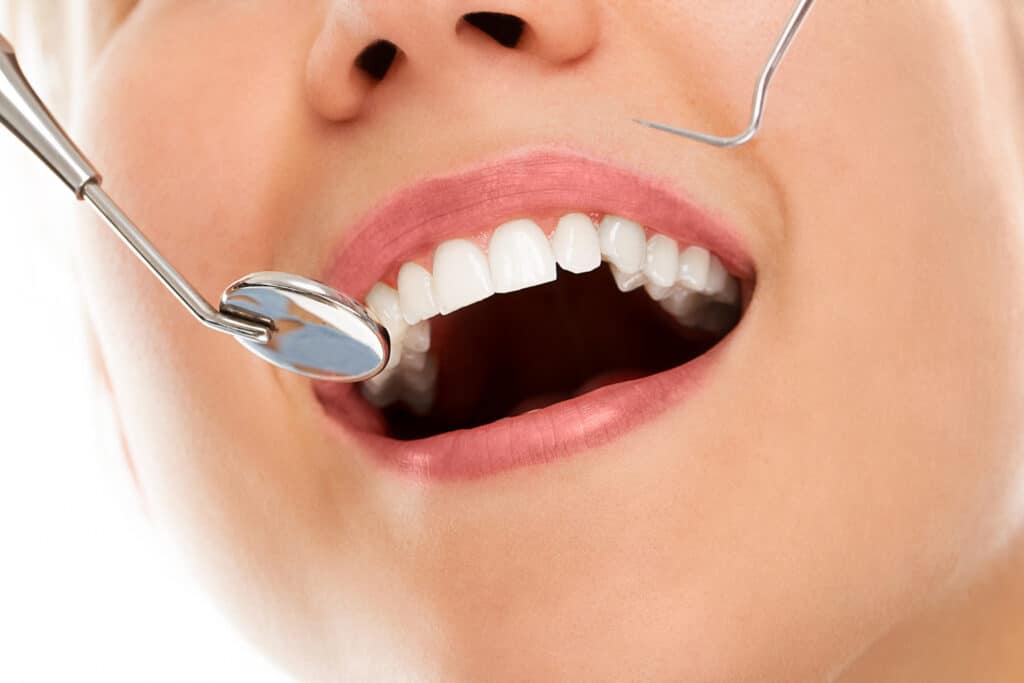
Dental Crown

At our dental practice, we offer holistic and customized dentistry services to cater to a wide array of dental needs. Among our comprehensive range of treatments, we specialize in providing high-quality dental crowns and bridges for patients who require effective restorative solutions for damaged or missing teeth. These dental prostheses not only restore the functionality of your teeth but also enhance the aesthetic appearance of your smile.

Dental crowns and bridges are both fixed dental prostheses used to restore the form, structure, and function of teeth affected by damage, decay, or tooth loss. Dental crowns are caps that cover the entire visible portion of a damaged tooth or can be placed on dental implants to substitute a missing tooth. On the other hand, dental bridges are prostheses that replace one or more missing teeth by anchoring onto adjacent natural teeth or dental implants for support.

In this comprehensive guide, we will delve into the benefits of dental crowns and bridges, addressing their aesthetic, functional, and health advantages. Additionally, we will outline the procedural steps involved in the fabrication and placement of these dental prostheses and discuss their aftercare and maintenance. Our goal is to equip you with insightful knowledge to make informed decisions concerning your dental health and the most suitable restorative options for your specific needs.

Experience the transformative power of dental crowns and bridges under the care of our proficient dental team. Contact us today to schedule a consultation and let us help you restore your smile and optimize your dental health.

The Benefits of Dental Crowns and Bridges

Veneers

Dental crowns and bridges offer numerous advantages as effective solutions for damaged or missing teeth. These benefits include:

1. Aesthetics

Both dental crowns and bridges are made from high-quality materials, such as porcelain, ceramic, or a combination of metal alloys and porcelain, which closely resemble the appearance of natural teeth. This ensures a visually appealing result, enhancing the overall appearance of your smile.

2. Functionality

Crowns and bridges restore the normal function of your teeth, enabling you to eat, speak, and maintain proper oral hygiene. By replacing damaged or missing teeth, these prostheses distribute biting and chewing forces evenly, preventing additional strain on your remaining teeth. Learn more about Canadian Dental Care Plan.

3. Oral Health

When dental issues, such as tooth decay or tooth loss, are addressed with crowns and bridges, the risk of further dental complications is significantly reduced. These prostheses also help maintain the alignment of your teeth by providing support and preventing nearby teeth from shifting.

4. Durability

Due to their high-quality materials and excellent craftsmanship, dental crowns and bridges are known for their durability. With proper care and oral hygiene, these dental prostheses can last for many years, providing lasting results and functionality.

The Procedural Steps for Dental Crowns and Bridges

The process of obtaining dental crowns and bridges involves multiple steps, from initial consultation to the final placement of your prosthesis.

1. Consultation and Treatment Planning

During your initial consultation, your dentist will thoroughly examine your teeth, take dental X-rays, and discuss your dental and medical history. Based on this assessment, your dentist will determine whether a dental crown or bridge is the most suitable option for you, and develop a personalized treatment plan.

2. Tooth Preparation

To prepare a damaged tooth for a crown, your dentist will first remove any decayed or severely damaged tooth structure, followed by reshaping the remaining tooth to accommodate the crown. If a bridge is being placed, the adjacent teeth – known as abutment teeth – will also be prepared for dental crowns to support the bridge.

Once your tooth or teeth have been prepared, your dentist will take impressions or digital scans of your teeth. These records will be sent to a dental laboratory so that your custom-made crown or bridge can be fabricated.

3. Temporary Restoration

Your dentist may place a temporary crown or bridge to protect your prepared teeth during the fabrication process. Temporary restorations are not as durable as the final prosthesis but provide interim protection and aesthetics.

4. Final Placement

Once your custom-made crown or bridge is ready, your dentist will remove the temporary restoration and place the permanent prosthesis, ensuring a proper fit and bite alignment. Any necessary adjustments will be made, and your dentist will cement the crown or bridge in place.

Caring for Your Dental Crowns and Bridges

Dental Implants

To increase the longevity of your dental crown or bridge, it is crucial to follow proper oral hygiene practices and adhere to the following care and maintenance tips:

1. Brush and Floss Daily

Good oral hygiene is essential for maintaining a healthy and long-lasting dental prosthesis. Brush your teeth at least twice a day, using a soft-bristle toothbrush and fluoride toothpaste. Floss daily, taking care to clean around the edges of the crown or bridge and the supporting teeth.

2. Schedule Regular Checkups

Attend routine dental check-ups and professional cleanings as recommended by your dentist. These visits will help monitor the condition of your crown or bridge, ensuring any potential issues are detected and resolved promptly.

3. Avoid Hard and Sticky Foods

While dental crowns and bridges are made to withstand the forces of chewing, it is best to avoid excessively hard and sticky foods that could dislodge or damage the prosthesis.

4. Wear a Night Guard if Necessary

If you suffer from teeth grinding or clenching, consider wearing a night guard to protect your dental crowns and bridges (and the rest of your teeth) from damage.

Conclusion

Dental crowns and bridges are effective restorative solutions that provide durable, functional, and aesthetically pleasing results for damaged or missing teeth. By understanding the benefits and procedural steps involved in these treatments, as well as their aftercare and maintenance requirements, you can make informed decisions about your dental health and enjoy a restored, healthy smile. Trust our experienced dental team to guide you through the process of obtaining dental crowns and bridges, providing exceptional care and support along the way. Schedule a consultation with us today for dental services in Pickering.

Helpful Resources

For more information, visit the Canadian Dental Association Oral Health.

Schedule Your Appointment Today

Contact Pickering Square Dental to book your appointment with Dr. Marvin Lean. Call us at (905) 420-1777 or visit us at 1450 Kingston Rd, Unit #4, Pickering, ON.

Frequently Asked Questions

How often should I visit the dentist?

The Canadian Dental Association recommends visiting your dentist at least twice a year for regular check-ups and cleanings. Some patients may need more frequent visits depending on their oral health needs. Call Pickering Square Dental at (905) 420-1777 to schedule your next appointment.

Do you accept the Canadian Dental Care Plan (CDCP)?

Yes, Pickering Square Dental participates in the Canadian Dental Care Plan. Our team can help you understand your coverage and ensure you receive the dental care you need. Contact us for more details about CDCP eligibility and benefits.

What services does Pickering Square Dental offer?

We offer a full range of dental services including family dentistry, emergency dental care, sedation dentistry, dental implants, laser dentistry, teeth whitening, root canal therapy, dental extractions, periodontal care, and cosmetic dentistry. Dr. Lean and our team serve patients in Pickering, Ajax, Whitby, and Scarborough.

Essential Tips for Maintaining Your Dental Bridges

woman brushing teeth

Dental bridges are a fantastic solution we offer to fill the gaps in your smile caused by missing teeth. Not only do they restore the function and aesthetics of missing teeth, but they also help maintain the natural shape of your face and alleviate the stress on your dental structure. Understanding how these bridges work and how to care for them can significantly extend their lifespan and maintain your oral health.

In our practice, we prioritize educating our patients about the best care practices for all dental work, including bridges. Proper maintenance is crucial, not just to keep your bridges in top shape but also to prevent additional dental issues that may arise from negligence. We’ve developed a series of easy-to-follow care tips designed to integrate seamlessly into your daily routine, ensuring that your bridges last as long and perform as well as they were intended. 

Join us as we explore these vital care strategies, aimed at helping you maintain optimal dental health with minimal hassle.

What Are Dental Bridges and How Do They Work?

sedation dentistry

Dental bridges are custom-made dental appliances that we use to replace one or more missing teeth, bridging the gap between the existing natural teeth or implants on either side. The main components of a dental bridge include the pontic, which is the false tooth or teeth, and the abutments, which are the natural teeth or implants that support the bridge. By effectively filling the spaces of missing teeth, a dental bridge not only restores your dental functionality but also prevents the remaining teeth from shifting, which can lead to bite problems or jaw pain.

The placement of a dental bridge typically involves two main visits to our clinic. During the first visit, we prepare the abutment teeth for the bridge. This preparation involves reshaping these teeth so that caps, also called crowns, can be placed over them to support the bridge securely. Impressions of the teeth are then made to create a precisely fitted bridge, custom-made in a dental laboratory. On your second visit, we fit the permanent bridge, adjusting it as needed to ensure an optimal fit before it is cemented into place, restoring the natural contour of your teeth and the proper bite relationship between upper and lower teeth. Learn more about Canadian Dental Care Plan.

Daily Cleaning Practices for Dental Bridges

Maintaining the cleanliness of your dental bridge is vital for its longevity and your overall oral health. Daily cleaning not only helps in preventing tooth decay and gum disease but also ensures that your bridge remains in good condition. We recommend brushing your teeth twice a day using a soft-bristled toothbrush and fluoride toothpaste. It’s important to brush around and under the bridge to remove plaque and prevent bacterial buildup.

Flossing is also crucial, and using floss threaders can help navigate the floss under the pontic effectively. We also advise using an antiseptic mouthwash to help kill bacteria and maintain healthy gums. Beyond daily brushing and flossing, considering an interdental brush or water flosser might be beneficial, as these tools can provide additional cleaning around and beneath the bridge. Regular and proper care will not only extend the life of your bridge but also help keep your entire mouth healthy.

Professional Care and Regular Dental Check-Ups

dental treatment

Ensuring the long-term success of your dental bridge involves more than just daily home care; regular dental check-ups are critical. We advise our patients to schedule visits every six months, during which we conduct thorough examinations to ensure that both the bridge and surrounding teeth remain in good health. These check-ups allow us to detect any potential issues early, such as bridge loosening or damage, which can be addressed promptly to avoid more complex problems.

During these appointments, we also provide professional cleanings. Even with diligent home care, plaque and tartar can build up in hard-to-reach areas around the bridge, potentially leading to gum disease. Our skilled dental hygienists use special tools to clean around and under the dental bridge and check for signs of decay or wear, ensuring your entire mouth stays healthy. These regular visits are not just about maintenance but are also a great opportunity for you to discuss any concerns or changes you might have noticed with your bridge or overall oral health.

Common Issues with Dental Bridges and How to Prevent Them

Dental bridges are a robust solution for replacing missing teeth, but like any dental appliance, they can encounter issues. Common concerns include the bridge becoming loose, chips or cracks in the material, and discomfort or sensitivity in the anchored teeth or gums around the bridge. These issues are typically due to normal wear, improper fitting, or inadequate oral hygiene.

To prevent these problems, it’s important to follow all care guidelines we provide and address any issues as soon as they arise. Avoid chewing hard foods such as ice or hard candy, which can damage the bridge. If you notice any discomfort or loosening, contact us immediately. We can assess whether adjustments or repairs are necessary and can often remedy minor concerns before they develop into major issues. 

Conclusion

By taking these precautions and maintaining regular dental visits, you help ensure the longevity and effectiveness of your dental bridge.

At Pickering Dental Services, your smile and well-being are our top priorities. Please reach out to us and book your next dental care in Pickering to continue enjoying a healthy, confident smile!

Helpful Resources

For more information, visit the Canadian Dental Association Oral Health.

Schedule Your Appointment Today

Contact Pickering Square Dental to book your appointment with Dr. Marvin Lean. Call us at (905) 420-1777 or visit us at 1450 Kingston Rd, Unit #4, Pickering, ON.

Frequently Asked Questions

How often should I visit the dentist?

The Canadian Dental Association recommends visiting your dentist at least twice a year for regular check-ups and cleanings. Some patients may need more frequent visits depending on their oral health needs. Call Pickering Square Dental at (905) 420-1777 to schedule your next appointment.

Do you accept the Canadian Dental Care Plan (CDCP)?

Yes, Pickering Square Dental participates in the Canadian Dental Care Plan. Our team can help you understand your coverage and ensure you receive the dental care you need. Contact us for more details about CDCP eligibility and benefits.

What services does Pickering Square Dental offer?

We offer a full range of dental services including family dentistry, emergency dental care, sedation dentistry, dental implants, laser dentistry, teeth whitening, root canal therapy, dental extractions, periodontal care, and cosmetic dentistry. Dr. Lean and our team serve patients in Pickering, Ajax, Whitby, and Scarborough.

Guide to Maintaining Your Dental Crowns for Longevity
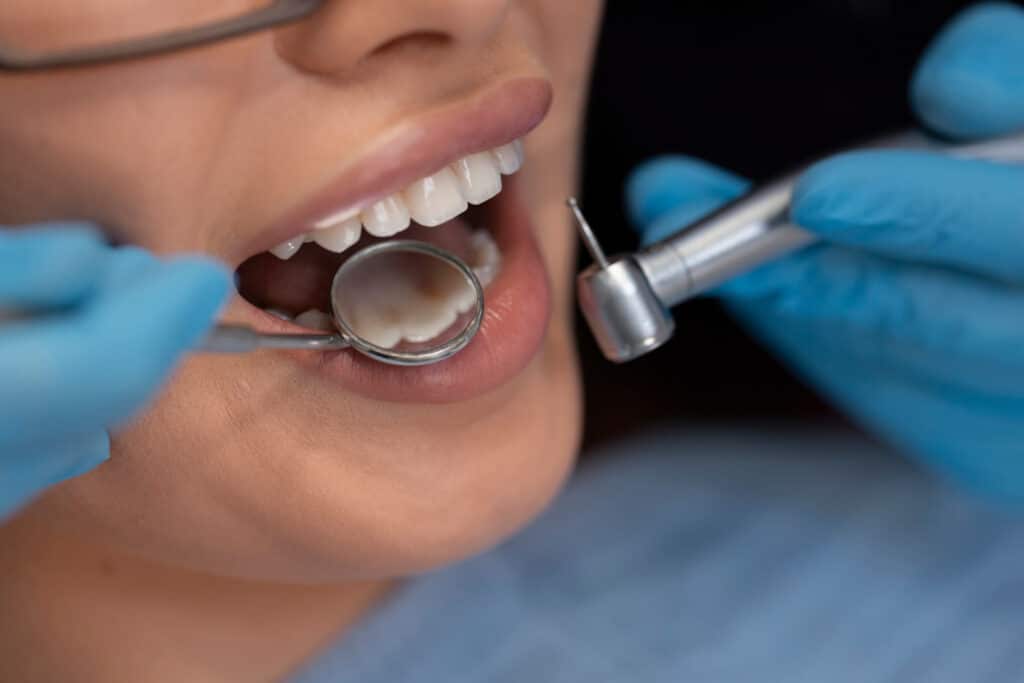
dental treatment

Dental crowns are a fundamental part of modern dentistry, providing both functional and aesthetic solutions for various dental issues. At our practice, we understand the importance of preserving and enhancing the natural beauty of your smile while ensuring optimal oral health. That’s why we focus on providing detailed insights and care practices for dental crowns, ensuring you fully understand their benefits and maintenance requirements.

Crowns are typically used to cover and protect damaged teeth or to improve the appearance of misshapen or discolored teeth. They act like a cap placed over the tooth, crafted from materials that replicate the look and feel of natural teeth. Our use of cutting-edge technology and high-quality materials ensures that each crown is perfectly matched and fitted, enhancing your smile while also restoring functionality.

Ensuring that you are comfortable with your dental treatments is our top priority. We provide thorough explanations of why a dental crown may be necessary, the process involved in placing one, and how it can benefit your dental health in the long run. Our team is dedicated to supporting you through the entire process, from initial consultation to follow-up care, making sure that you are informed and comfortable every step of the way.

What Are Dental Crowns and Why Do We Use Them?

children's dental care

Dental crowns are custom-fitted coverings placed over a tooth or dental implant. We commonly use them to restore the shape, size, and function of a tooth that has been damaged or decayed. Beyond restoring a single tooth, crowns play a crucial role in dental procedures such as bridges, where they protect the structural integrity of the teeth that anchor the bridge on either side. Crowns are made from various materials, including ceramics, porcelain, and sometimes gold, depending on the needs and preferences of the patient.

We often recommend a crown for teeth that have undergone significant repairs, like root canals, or when a large filling compromises the tooth’s structure. Crowns are also perfect for improving teeth appearance, aligning your bite, and supporting any weakened teeth from further damage. By covering the entire visible portion of the tooth, a crown essentially becomes your tooth’s new outer surface, providing strength and protection while maintaining a natural look. Learn more about Canadian Dental Care Plan.

Daily Care Tips for Your Dental Crowns

Maintaining your dental crowns properly ensures they last as long as possible and continue to function effectively. Regular brushing twice a day with fluoride toothpaste, and flossing at least once a day, are essential care routines. Pay special attention to the area where the gum meets the crown, as plaque tends to accumulate here. Using an antibacterial mouthwash can also help reduce plaque buildup and prevent decay in the remaining natural part of the tooth.

It’s crucial to avoid habits that can damage your crowns, such as chewing on ice, biting fingernails, or opening packaging with your teeth. Such practices can cause your crowns to crack or become loose. Additionally, if you suffer from teeth grinding or clenching, consider asking us about a night guard to protect your crowns and natural teeth from excessive wear. Scheduling regular dental check-ups allows us to keep an eye on your crowns and overall oral health, ensuring any potential issues are addressed promptly.

Professional Maintenance for Dental Crown Longevity

dental implants

Regular professional maintenance is key to extending the life of your dental crowns and ensuring they continue to function effectively. At our clinic, we recommend scheduling checks during your routine dental visits, which typically occur once or twice a year. During these appointments, we not only clean your crowns as part of your standard dental cleaning but also closely inspect them for any signs of wear or damage.

The professional care we provide includes checking the crown’s fit, ensuring no gaps have developed between the crown and your natural tooth that could lead to decay. We also look for cracks or chips in the crown itself, which can happen even in durable materials like porcelain. If we identify issues early, minor repairs can potentially be made, rather than waiting until significant replacement is necessary. This proactive approach not only saves you time and discomfort but also costs in the long run.

Common Issues with Dental Crowns and How to Prevent Them

While dental crowns are a reliable and long-lasting solution for tooth restoration, a few common issues can arise. One of the most frequent is the crown becoming loose. This can occur if the adhesive holding it in place breaks down or if decay develops in the remaining part of the tooth. To prevent this, maintaining excellent oral hygiene is critical. Brushing twice a day with fluoride toothpaste and flossing daily helps prevent decay at the edges of the crown.

Another issue is discomfort or sensitivity in the crowned tooth, which might happen right after the crown is placed or later. This can usually be managed with proper oral hygiene practices and using toothpaste designed for sensitive teeth. If sensitivity persists, it’s important to visit us so we can check if the crown needs an adjustment. By taking these steps, you can significantly reduce potential complications associated with dental crowns, ensuring they continue to provide function and improve your oral health.

Conclusion

At Pickering Dental Services, our commitment is not only to restore your smile but also to maintain its health and beauty through high-quality dental solutions like crowns. We understand the importance of your smile to your confidence and overall well-being, which is why we emphasize both corrective and preventive care in our approach. By choosing us for your dental needs, you can expect a dedication to precision, aesthetic excellence, and a personalized care plan designed to ensure the longevity of your treatments.

We warmly invite you to experience our expert dental services in Pickering. For more information or to schedule a consultation, please contact us at Pickering Dental Services. Let us partner with you to achieve and maintain a healthy, vibrant smile for years to come!

Helpful Resources

For more information, visit the Canadian Dental Association Oral Health.

Schedule Your Appointment Today

Contact Pickering Square Dental to book your appointment with Dr. Marvin Lean. Call us at (905) 420-1777 or visit us at 1450 Kingston Rd, Unit #4, Pickering, ON.

Frequently Asked Questions

How often should I visit the dentist?

The Canadian Dental Association recommends visiting your dentist at least twice a year for regular check-ups and cleanings. Some patients may need more frequent visits depending on their oral health needs. Call Pickering Square Dental at (905) 420-1777 to schedule your next appointment.

Do you accept the Canadian Dental Care Plan (CDCP)?

Yes, Pickering Square Dental participates in the Canadian Dental Care Plan. Our team can help you understand your coverage and ensure you receive the dental care you need. Contact us for more details about CDCP eligibility and benefits.

What services does Pickering Square Dental offer?

We offer a full range of dental services including family dentistry, emergency dental care, sedation dentistry, dental implants, laser dentistry, teeth whitening, root canal therapy, dental extractions, periodontal care, and cosmetic dentistry. Dr. Lean and our team serve patients in Pickering, Ajax, Whitby, and Scarborough.

How Can Help Kids Feel Comfortable at the Dentist
Kids-Feel-Comfortable-at-the-Dentist

Taking your child to the dentist can be a challenging experience, especially if they feel scared or anxious. Dental anxiety is common among children and can prevent them from getting the care they need. Many kids feel nervous about visiting the dentist because they don’t know what to expect, or they may be afraid of potential pain and discomfort.

To help address these fears and make dental visits more comfortable for kids, we offer sedation dentistry. Sedation can help calm a child’s nerves, making it easier for them to relax during their appointment. This approach ensures that your child receives necessary dental treatments and helps create a positive experience that can reduce anxiety in the future.

So, let’s explore how sedation can help kids feel comfortable at the dentist. We will discuss the different types of sedation used, the benefits of sedation for children, and how to prepare your child for a sedation dentistry appointment. By understanding these aspects, you can help your child feel more at ease and ensure they maintain good oral health with less stress and anxiety.

Understanding Dental Anxiety in Children

Emergency Dental

Dental anxiety is quite common among children, especially if they haven’t had many dental visits before. This anxiety can stem from various sources. Some kids may fear the unknown, while others might be scared of potential pain or discomfort. The sounds, sights, and smells of a dental office can also contribute to their nervousness.

It’s important to recognise the signs of dental anxiety in children. These signs may include crying, fidgeting, and refusal to sit in the dental chair. Some children might even experience physical symptoms like stomachaches or headaches before a dental visit. Understanding these signs can help us better manage their anxiety and make their dental experience more positive.

To help ease this anxiety, we take extra steps to make our office a child-friendly environment. We explain procedures in simple terms and allow children to ask questions. Creating a friendly and welcoming atmosphere can go a long way in reducing fear and making dental visits less stressful for kids.

Types of Sedation Used in Pediatric Dentistry

There are different types of sedation that can be used to help children feel more comfortable during dental procedures. The type of sedation used depends on the child’s level of anxiety and the complexity of the dental treatment. Learn more about Canadian Dental Care Plan.

1. Nitrous Oxide (Laughing Gas):

Nitrous oxide is a mild sedative that helps children relax. It is administered through a small mask placed over the nose. Children breathe in the gas, which helps them feel calm and sometimes a bit giggly. This type of sedation wears off quickly, allowing children to return to their normal activities soon after the procedure.

2. Oral Sedation:

For children with moderate anxiety or those undergoing longer procedures, oral sedation may be used. This involves giving the child a liquid medication to drink before the appointment. The medication makes the child sleepy but still conscious and able to follow instructions. The effects take a bit longer to wear off, so rest is needed after the visit.

3. IV Sedation:

Intravenous (IV) sedation is used for children who need more profound relaxation or have severe anxiety. The sedative is administered through a vein, and it works quickly to make the child deeply relaxed. An anesthesiologist usually monitors the child throughout the procedure to ensure safety.

4. General Anaesthesia:

In some cases, general anaesthesia is necessary. This type of sedation puts the child into a deep sleep, so they are completely unaware of the procedure. It is often used for very young children or those with special needs who cannot tolerate other forms of sedation.

By matching the type of sedation to each child’s needs, we can ensure a more comfortable and stress-free dental experience.

Benefits of Sedation for Kids at the Dentist

Dental Care

Sedation offers several benefits for children during dental visits. It helps to reduce anxiety and fear, making the experience more pleasant for both the child and the dentist. When children are calm and relaxed, procedures can be performed more efficiently and effectively.

One significant benefit of sedation is that it allows the child to remain still, which is important for the accuracy of dental work. For more complex procedures or longer treatments, sedation ensures that the child is comfortable and cooperative. This helps to avoid any sudden movements that could interfere with the procedure.

Sedation also helps in managing pain, which is a major concern for many children. By minimising pain and discomfort, sedation makes dental visits less traumatic. As a result, children are more likely to have a positive attitude towards future dental visits, helping them maintain good oral health habits as they grow older.

Preparing Your Child for a Sedation Dentistry Appointment

Preparing your child for a sedation dentistry appointment is crucial for ensuring everything goes smoothly. Start by explaining the procedure in simple, reassuring terms. Let your child know that the sedation will help them feel relaxed and comfortable.

Before the appointment, follow any instructions we provide. This may include dietary restrictions, like not eating or drinking for a certain period of time before the procedure. Make sure your child wears comfortable clothing and brings a favourite toy or blanket for added comfort.

During the appointment, be there to support your child. Your presence can provide the reassurance they need to feel safe. After the procedure, follow any aftercare instructions carefully, such as monitoring your child as the sedation wears off and ensuring they get plenty of rest.

Stress-Free Dental Visits: The Importance of Pediatric Sedation

Sedation dentistry in Pickering can be a game-changer for children who experience anxiety and fear during dental visits. By understanding dental anxiety and the types of sedation available, you can help your child have a more comfortable and positive dental experience. 

The benefits of sedation are significant, making it easier for children to receive necessary dental care without unnecessary stress. Preparation plays a key role in ensuring that the sedation process is smooth and effective.

At Pickering Dental Services, our goal is to provide compassionate and caring dental care for your entire family. If you’re interested in learning more about how sedation can help your child feel comfortable at the dentist, don’t hesitate to reach out to us. 

Helpful Resources

For more information, visit the Canadian Dental Association Oral Health.

Schedule Your Appointment Today

Contact Pickering Square Dental to book your appointment with Dr. Marvin Lean. Call us at (905) 420-1777 or visit us at 1450 Kingston Rd, Unit #4, Pickering, ON.

Frequently Asked Questions

How often should I visit the dentist?

The Canadian Dental Association recommends visiting your dentist at least twice a year for regular check-ups and cleanings. Some patients may need more frequent visits depending on their oral health needs. Call Pickering Square Dental at (905) 420-1777 to schedule your next appointment.

Do you accept the Canadian Dental Care Plan (CDCP)?

Yes, Pickering Square Dental participates in the Canadian Dental Care Plan. Our team can help you understand your coverage and ensure you receive the dental care you need. Contact us for more details about CDCP eligibility and benefits.

What services does Pickering Square Dental offer?

We offer a full range of dental services including family dentistry, emergency dental care, sedation dentistry, dental implants, laser dentistry, teeth whitening, root canal therapy, dental extractions, periodontal care, and cosmetic dentistry. Dr. Lean and our team serve patients in Pickering, Ajax, Whitby, and Scarborough.

A Parent’s Guide to Children’s Oral Health and Dental Care
children's dental care

Promoting healthy oral care habits and establishing dental care routines from a young age are essential aspects of ensuring your child’s long-term oral health. A strong foundation in dental care can help prevent cavities, gum disease, and other dental issues often associated with childhood. At Pickering Dental Services, we understand the importance of nurturing excellent oral health habits in children while addressing unique dental concerns to create a lifetime of healthy, confident smiles.

In this parent’s guide, we will provide you with essential information on fostering age-appropriate dental hygiene habits, understanding the importance of early dental visits, and navigating common dental concerns specific to children. Additionally, we will share insights on selecting a suitable dentist for your child and discuss the comprehensive dental services available at Pickering Dental Services.

As you move through this guide, you will gain valuable insights into the world of children’s oral health and dental care, equipping you with the knowledge and tools necessary to set your child up for success in maintaining a healthy and vibrant smile. At Pickering Dental Services, our dedicated professionals strive to provide outstanding dental care to patients of all ages, ensuring the best possible start for your child’s oral health journey.

Establishing Age-Appropriate Dental Hygiene Habits

Emergency Dental

Instilling good oral hygiene habits in children from a young age is crucial in setting them up for a lifetime of healthy teeth and gums. Here are some age-appropriate dental care tips to help your child develop and maintain strong oral care routines:

1. Infant Care: Even before your child’s first tooth appears, gently clean their gums with a soft, wet washcloth or gauze after feeding to remove food debris and bacteria.

2. Toddler Years (1-3 years old): As soon as your child’s first tooth emerges, start brushing twice a day with a small, soft-bristled toothbrush and a tiny smear of fluoride toothpaste. Teach them to spit out the toothpaste but refrain from rinsing, as a small amount of fluoride residue can help protect against cavities. Flossing can commence once teeth begin to touch each other.

3. Preschool (3-5 years old): Introduce a pea-sized amount of fluoride toothpaste and encourage your child to brush for two minutes, twice a day. Continue to help them with flossing and consider using a children’s mouthwash containing fluoride to further safeguard against decay.

The Importance of Early Dental Visits

Introducing children to dental visits from an early age is essential in promoting long-term oral health. The Canadian Dental Association recommends scheduling your child’s first dental appointment by the age of one or within six months of their first tooth’s appearance. Early dental visits can offer several advantages: Learn more about Canadian Dental Care Plan.

1. Acclimatization: Familiarizing your child with a dental environment, staff, and routine appointments help reduce anxiety and create a positive association with dental care.

2. Early Detection: Regular check-ups allow the dentist to detect and treat potential dental issues before they grow into more significant concerns, such as cavities or misaligned teeth.

3. Prevention: Dentists can provide guidance on essential oral care habits, dietary considerations, and preventive measures, such as dental sealants and fluoride treatments, which help protect your child’s teeth from decay.

4. Establishing Trust: Developing trust in a dental team contributes to a strong foundation for consistent, ongoing dental care throughout childhood and into adulthood.

Addressing Common Childhood Dental Concerns

Teeth Whitening

By understanding common dental issues faced by children, parents can take the necessary steps to prevent, manage, or address these concerns. Some typical childhood dental concerns include:

1. Baby Bottle Tooth Decay: Prolonged exposure to sugary liquids like milk, formula, or juice can result in tooth decay. To prevent this, avoid putting your baby to bed with a bottle containing such liquids and transition to a sippy cup once your child reaches 12 months of age.

2. Early Childhood Caries: Encourage a healthy diet, limit sugary snacks and drinks, and ensure your child brushes and flosses regularly to prevent the onset of cavities.

3. Thumb Sucking/Pacifier Use: While often a natural reflex for children, prolonged thumb sucking or pacifier use can lead to dental issues, such as misaligned teeth. Encourage your child to stop these habits by the age of 3-4 years to minimize potential dental problems.

4. Misaligned Teeth: Regular dental check-ups can identify misaligned teeth, and your dentist can recommend treatment options, such as braces or Invisalign, to correct the issue.

Choosing the Right Dentist for Your Child

Selecting the right dentist for your child is critical in ensuring they receive the best possible dental care tailored to their needs. Consider the following factors when choosing a dental practice for your child:

1. Experience with Children: Seek out a dental office with professionals experienced in treating children, as they will be familiar with childhood dental concerns and possess the necessary skills to provide gentle and age-appropriate care.

2. Comprehensive Services: Choose a practice that offers a wide array of dental services, including routine check-ups, preventive treatments, restorative procedures, and orthodontics, to address all of your child’s oral care needs.

3. A Comfortable Environment: A welcoming, kid-friendly setting helps make dental visits an enjoyable experience for children. Pickering Dental Services focuses on creating a relaxing atmosphere for patients of all ages, ensuring each visit is a positive experience.

4. Availability and Flexibility: It’s essential to select a dental office that offers convenient appointment times and easy accessibility for your family. Pickering Dental Services accommodates your busy schedule with flexible hours and timely appointments.

Conclusion

Prioritizing your child’s oral health and dental care is an investment in their overall well-being, starting with fostering essential oral care habits, scheduling early dental visits, and addressing common childhood dental concerns. By choosing a dedicated and experienced team like Pickering Dental Services to partner with you on your child’s oral health journey, you can rest assured they will receive expert, compassionate care tailored to their unique needs.

Armed with this knowledge and with the support of a trusted dental team, your child is on track to enjoy a lifetime of healthy, beautiful smiles. Schedule an appointment at Pickering Dental Services today and begin nurturing your child’s oral health and well-being from the very start. Learn more about our dental services in Pickering.

Helpful Resources

For more information, visit the Canadian Dental Association Oral Health.

Schedule Your Appointment Today

Contact Pickering Square Dental to book your appointment with Dr. Marvin Lean. Call us at (905) 420-1777 or visit us at 1450 Kingston Rd, Unit #4, Pickering, ON.

Frequently Asked Questions

How often should I visit the dentist?

The Canadian Dental Association recommends visiting your dentist at least twice a year for regular check-ups and cleanings. Some patients may need more frequent visits depending on their oral health needs. Call Pickering Square Dental at (905) 420-1777 to schedule your next appointment.

Do you accept the Canadian Dental Care Plan (CDCP)?

Yes, Pickering Square Dental participates in the Canadian Dental Care Plan. Our team can help you understand your coverage and ensure you receive the dental care you need. Contact us for more details about CDCP eligibility and benefits.

What services does Pickering Square Dental offer?

We offer a full range of dental services including family dentistry, emergency dental care, sedation dentistry, dental implants, laser dentistry, teeth whitening, root canal therapy, dental extractions, periodontal care, and cosmetic dentistry. Dr. Lean and our team serve patients in Pickering, Ajax, Whitby, and Scarborough.

Kids’ Corner: Making Oral Health Fun for the Whole Family

child brushing teeth

Teaching your kids the importance of maintaining their oral health can seem challenging. However, with the right approach and support from a family-focused dental care provider like Pickering Dental Services in Pickering, ON, you can instill healthy habits and make dental care an enjoyable experience for the whole family.

Dive into this 1000-word article as we share engaging strategies and tips to encourage young children to take care of their teeth and gums while making the process enjoyable for everyone involved. Exciting activities, interactive tools, and family teamwork can transform your daily oral hygiene routine into an adventure that promises a lifetime of healthy smiles.

1. Turn Oral Hygiene into a Game

Dental Implants

Making oral hygiene a fun and engaging experience will encourage children to participate willingly in their dental care routine. Here are a few ideas to help turn daily tooth brushing and flossing into an exciting game:

– Brush and floss along with your child: Make brushing and flossing a family event, as children often learn by imitation. The more they see you enjoying and practicing proper oral hygiene, the more likely they will be to embrace it and make it a habit.

– Set a timer: Challenge your kids to brush their teeth for a full two minutes by setting a timer. Encourage them to reach every tooth surface and congratulate them on their thoroughness once the timer goes off.

– Create a brushing competition: If you have multiple children, encourage a friendly competition to see who can thoroughly brush their teeth for the entire two minutes or have the cleanest teeth after brushing.

– Make dental care a part of their playtime: Incorporate dental care tools, such as toothbrushes, floss, and mouthwash, into your child’s playtime using their favourite toys and action figures. Playfully teach them the importance of oral care and proper techniques through imaginative play.

2. Use Kid-Friendly Dental Products

Kid-friendly dental products can make oral hygiene more approachable and enjoyable for your child. Look for products that suit their age and preferences:

– Choose colourful, age-appropriate toothbrushes: Select a toothbrush with your child’s favourite colours or characters on it. Ensure it is the appropriate size for their age and has soft bristles for gentle cleaning. Learn more about Canadian Dental Care Plan.

– Experiment with toothpaste flavours: Opt for child-friendly toothpaste flavours, such as strawberry or bubblegum, to make brushing more appealing. When they are old enough to use fluoride toothpaste, involve them in selecting their preferred flavour.

– Introduce fun flossing tools: Flossing can be challenging for young children, but kid-friendly floss picks or floss holders in appealing colours and designs can make it easier and more engaging.

– Use interactive rinses: Alcohol-free, flavoured mouthwashes designed for children can add excitement to their dental routine. Ensure your child is old enough to use mouthwash without swallowing it before introducing this step.

3. Establish a Reward System

Sedation Dentistry

Positive reinforcement can motivate your child to maintain their oral hygiene consistently. Establish a reward system using the following ideas:

– Create a brushing and flossing chart: Hang a colourful chart in the bathroom where your child can track their brushing and flossing habits. They can add a sticker or mark each time they complete their dental care routine.

– Offer small rewards: Encourage consistent oral care with small rewards, such as choosing a bedtime story, extra playtime, or a special treat at the end of the week if they maintain good oral hygiene throughout the week.

– Celebrate milestones: Acknowledge significant milestones, such as losing a baby tooth or a successful dental visit, with a small celebration or reward.

4. Educate Children About Oral Health

Help your child understand the importance of maintaining good oral health and the consequences of neglecting it. This can be done through various interactive and fun methods:

– Watch educational videos or shows: Find age-appropriate videos or TV shows that teach children about oral health in an entertaining manner.

– Read books on dental care: Visit your local library or swipe through online book stores to find books that present oral health concepts in captivating ways for children.

– Family discussions: Use mealtimes or other family gatherings to discuss the importance of maintaining good oral hygiene and how it connects to their overall health.

5. Foster Positive Dental Visits

A lifelong appreciation of oral health requires positive experiences during dental visits. The following tips can support your child in embracing their dental appointments:

– Start early: Schedule your child’s first dental visit when their primary teeth start to emerge or by the age of one. Early introduction to dental visits allows for early detection of any dental issues and helps the child become familiar and comfortable with the dental environment.

– Choose a family dental care provider: Select a dental clinic, like Pickering Dental Services, that caters to the entire family, providing age-specific dental treatments in a warm, welcoming atmosphere.

– Review the appointment beforehand: Walk your child through a dental appointment, explaining what they can expect, and discuss the importance of routine checkups and cleanings.

– Positive language: Use reassuring and positive language when talking about dental visits. Avoid mentioning negative terms or past negative experiences.

By incorporating these tips into your family’s daily routine, you can establish a solid foundation for healthy oral care habits that your children will carry with them into adulthood. Engaging activities, supportive discussions, and positive reinforcement can make oral care enjoyable and foster a lifelong appreciation for a healthy smile.

Building Healthy Smiles with Pickering Dental Services

Establishing good oral health habits early in life sets the foundation for a lifetime of healthy smiles. By making dental care enjoyable and fun for your children, you can significantly increase their chances of maintaining optimal oral health throughout their lives. Pickering Dental Services, your trusted family dental care in Pickering, ON, is dedicated to ensuring a positive experience for kids and their families during each visit.

Give your child the gift of exceptional dental care that supports their oral health journey in a fun and engaging way. Schedule an appointment with our oral surgeon in Pickering at Pickering Dental Services today and allow us to help you build a foundation for a lifetime of healthy, happy smiles. With our dedication to personalized care and a welcoming environment, we can make dental care enjoyable for the entire family.

Helpful Resources

For more information, visit the Canadian Dental Association Oral Health.

Schedule Your Appointment Today

Contact Pickering Square Dental to book your appointment with Dr. Marvin Lean. Call us at (905) 420-1777 or visit us at 1450 Kingston Rd, Unit #4, Pickering, ON.

Frequently Asked Questions

How often should I visit the dentist?

The Canadian Dental Association recommends visiting your dentist at least twice a year for regular check-ups and cleanings. Some patients may need more frequent visits depending on their oral health needs. Call Pickering Square Dental at (905) 420-1777 to schedule your next appointment.

Do you accept the Canadian Dental Care Plan (CDCP)?

Yes, Pickering Square Dental participates in the Canadian Dental Care Plan. Our team can help you understand your coverage and ensure you receive the dental care you need. Contact us for more details about CDCP eligibility and benefits.

What services does Pickering Square Dental offer?

We offer a full range of dental services including family dentistry, emergency dental care, sedation dentistry, dental implants, laser dentistry, teeth whitening, root canal therapy, dental extractions, periodontal care, and cosmetic dentistry. Dr. Lean and our team serve patients in Pickering, Ajax, Whitby, and Scarborough.

Mastering the Art of Children’s Dental Care: How to Brush Effectively

child brushing teeth

Establishing a proper tooth-brushing routine is a crucial aspect of children’s dental care, ensuring the prevention of cavities and the maintenance of healthy teeth and gums. At Pickering Dental Services, our family dental care practice in Pickering, ON, we are committed to teaching parents and children alike the best practices for effective brushing techniques and routines. Early introduction to consistent and proper tooth-brushing habits instills in children a sense of importance and responsibility towards their oral health, helping them maintain healthy smiles for a lifetime.

We will explore the key steps and techniques involved in brushing a child’s teeth effectively, covering topics such as selecting the right toothbrush and toothpaste, mastering the brushing technique, and fostering a healthy tooth-brushing routine at home. With these strategies in place, your child will be well-equipped for a future of strong, radiant smiles.

1. Choosing the Right Toothbrush

woman with toothache

Selecting a suitable toothbrush is the first step in guiding your child toward effective dental care. Consider the following factors when choosing your child’s toothbrush:

– Size and design: Look for a toothbrush specifically designed for children, often featuring small heads, soft bristles, and comfortable handles. Such toothbrushes allow for easy maneuvering inside a child’s mouth and provide gentle yet effective cleaning.

– Age-appropriate recommendations: Always choose a toothbrush based on your child’s age, as these brushes cater to children’s varying mouth sizes, dental care requirements, and motor skills. Most toothbrush packaging indicates the recommended age range.

– Attraction and engagement: Select an appealing toothbrush featuring your child’s favourite colours, characters, or designs, as this can increase their enthusiasm towards brushing their teeth.

Remember to replace your child’s toothbrush every three months, or sooner if the bristles become frayed or splayed, to maintain good dental hygiene.

2. Selecting the Right Toothpaste

The right toothpaste can make a difference in your child’s oral health outcomes. When choosing toothpaste for your child, consider the following:

– Fluoride content: Opt for a toothpaste containing fluoride – a mineral that strengthens tooth enamel and helps prevent tooth decay. The American Dental Association (ADA) recommends using a rice grain-sized amount of fluoride toothpaste for children under three and a pea-sized amount for children aged three to six. Learn more about Canadian Dental Care Plan.

– Flavour: Choose a toothpaste with a mild, child-friendly flavour, as strong mint or cinnamon flavours may be overwhelming or even unpleasant for younger children.

– ADA seal: Select a toothpaste that displays the ADA Seal of Acceptance, ensuring the toothpaste meets safety and effectiveness criteria established by the regulatory body.

3. Mastering the Brushing Technique

smiling woman

Teaching your child the correct brushing technique is vital for maintaining their oral health. Keep the following guidelines in mind when demonstrating the brushing process:

– Angle the toothbrush: Guide your child to hold the toothbrush at a 45-degree angle against the gum line, allowing the bristles to clean the front and back surfaces of their teeth effectively.

– Use gentle pressure: Encourage your child to use gentle, short strokes, focusing on individual tooth surfaces to prevent gum irritation or damage due to excessive pressure.

– Clean all surfaces: Ensure your child brushes the outer, inner, and chewing surfaces of their teeth, paying close attention to hard-to-reach areas, such as molars and premolars.

– Brush for two minutes: Teach your child to spend two minutes brushing their teeth, using a timer or a playful song to make the process engaging and enjoyable.

4. Encouraging a Consistent Routine

Establishing a fun and consistent tooth-brushing routine is crucial for maintaining your child’s oral health. Consider implementing the following strategies to create a positive brushing experience:

– Set an example: Make tooth-brushing a family activity, brushing your teeth alongside your child to demonstrate good oral hygiene habits and establish a sense of bonding during the routine.

– Make it enjoyable: Incorporate engaging elements into the tooth-brushing routine, such as singing songs or offering small, non-monetary incentives for consecutive days of successful brushing. This will promote consistency and enthusiasm.

– Help your child: Assist your child in the tooth-brushing process in their early years, gradually transitioning to independent brushing as they grow older and master the technique on their own.

– Reinforce oral health education: Discuss the importance of maintaining healthy teeth and gums with your child, relating it to cleanliness, confidence, and overall well-being.

5. Addressing Challenges

Help your child overcome any challenges or concerns associated with brushing their teeth:

– Sensitive teeth or gums: If your child experiences sensitivity or discomfort during brushing, consult your dentist for recommendations regarding gentle toothpaste formulations or a toothbrush with extra-soft bristles.

– Gag reflex issues: Some children face gagging issues while brushing their teeth, particularly when cleaning their molars. Instruct your child to take slow, deep breaths to overcome the reflex, and consult your dentist if the problem persists.

– Braces care: If your child wears braces, provide them with a specialized orthodontic toothbrush or an interdental brush to clean around brackets and wires effectively.

Discover the Joy of Children’s Dental Care at Pickering Dental Services

Mastering the art of children’s dental care is an essential part of ensuring your child’s lifelong oral health. At Pickering Dental Services, our family dental care practice in Pickering, ON, we strive to provide comprehensive guidance, support, and dental care to families, assisting children with establishing healthy, bright smiles that will last them a lifetime.

Ready to set your child on the path to exceptional oral health with expert dental care in Pickering? Schedule an appointment with our dedicated and caring dental team at Pickering Dental Services, and let us accompany you on this journey to teach your child about dental care, proper brushing techniques, and maintaining a consistent routine. Together, we’ll create a foundation for healthy, radiant smiles that last a lifetime.

Helpful Resources

For more information, visit the Canadian Dental Association Oral Health.

Schedule Your Appointment Today

Contact Pickering Square Dental to book your appointment with Dr. Marvin Lean. Call us at (905) 420-1777 or visit us at 1450 Kingston Rd, Unit #4, Pickering, ON.

Frequently Asked Questions

How often should I visit the dentist?

The Canadian Dental Association recommends visiting your dentist at least twice a year for regular check-ups and cleanings. Some patients may need more frequent visits depending on their oral health needs. Call Pickering Square Dental at (905) 420-1777 to schedule your next appointment.

Do you accept the Canadian Dental Care Plan (CDCP)?

Yes, Pickering Square Dental participates in the Canadian Dental Care Plan. Our team can help you understand your coverage and ensure you receive the dental care you need. Contact us for more details about CDCP eligibility and benefits.

What services does Pickering Square Dental offer?

We offer a full range of dental services including family dentistry, emergency dental care, sedation dentistry, dental implants, laser dentistry, teeth whitening, root canal therapy, dental extractions, periodontal care, and cosmetic dentistry. Dr. Lean and our team serve patients in Pickering, Ajax, Whitby, and Scarborough.