
Essential Tips for Maintaining Your Dental Bridges

woman brushing teeth

Dental bridges are a fantastic solution we offer to fill the gaps in your smile caused by missing teeth. Not only do they restore the function and aesthetics of missing teeth, but they also help maintain the natural shape of your face and alleviate the stress on your dental structure. Understanding how these bridges work and how to care for them can significantly extend their lifespan and maintain your oral health.

In our practice, we prioritize educating our patients about the best care practices for all dental work, including bridges. Proper maintenance is crucial, not just to keep your bridges in top shape but also to prevent additional dental issues that may arise from negligence. We’ve developed a series of easy-to-follow care tips designed to integrate seamlessly into your daily routine, ensuring that your bridges last as long and perform as well as they were intended. 

Join us as we explore these vital care strategies, aimed at helping you maintain optimal dental health with minimal hassle.

What Are Dental Bridges and How Do They Work?

sedation dentistry

Dental bridges are custom-made dental appliances that we use to replace one or more missing teeth, bridging the gap between the existing natural teeth or implants on either side. The main components of a dental bridge include the pontic, which is the false tooth or teeth, and the abutments, which are the natural teeth or implants that support the bridge. By effectively filling the spaces of missing teeth, a dental bridge not only restores your dental functionality but also prevents the remaining teeth from shifting, which can lead to bite problems or jaw pain.

The placement of a dental bridge typically involves two main visits to our clinic. During the first visit, we prepare the abutment teeth for the bridge. This preparation involves reshaping these teeth so that caps, also called crowns, can be placed over them to support the bridge securely. Impressions of the teeth are then made to create a precisely fitted bridge, custom-made in a dental laboratory. On your second visit, we fit the permanent bridge, adjusting it as needed to ensure an optimal fit before it is cemented into place, restoring the natural contour of your teeth and the proper bite relationship between upper and lower teeth. Learn more about Canadian Dental Care Plan.

Daily Cleaning Practices for Dental Bridges

Maintaining the cleanliness of your dental bridge is vital for its longevity and your overall oral health. Daily cleaning not only helps in preventing tooth decay and gum disease but also ensures that your bridge remains in good condition. We recommend brushing your teeth twice a day using a soft-bristled toothbrush and fluoride toothpaste. It’s important to brush around and under the bridge to remove plaque and prevent bacterial buildup.

Flossing is also crucial, and using floss threaders can help navigate the floss under the pontic effectively. We also advise using an antiseptic mouthwash to help kill bacteria and maintain healthy gums. Beyond daily brushing and flossing, considering an interdental brush or water flosser might be beneficial, as these tools can provide additional cleaning around and beneath the bridge. Regular and proper care will not only extend the life of your bridge but also help keep your entire mouth healthy.

Professional Care and Regular Dental Check-Ups

dental treatment

Ensuring the long-term success of your dental bridge involves more than just daily home care; regular dental check-ups are critical. We advise our patients to schedule visits every six months, during which we conduct thorough examinations to ensure that both the bridge and surrounding teeth remain in good health. These check-ups allow us to detect any potential issues early, such as bridge loosening or damage, which can be addressed promptly to avoid more complex problems.

During these appointments, we also provide professional cleanings. Even with diligent home care, plaque and tartar can build up in hard-to-reach areas around the bridge, potentially leading to gum disease. Our skilled dental hygienists use special tools to clean around and under the dental bridge and check for signs of decay or wear, ensuring your entire mouth stays healthy. These regular visits are not just about maintenance but are also a great opportunity for you to discuss any concerns or changes you might have noticed with your bridge or overall oral health.

Common Issues with Dental Bridges and How to Prevent Them

Dental bridges are a robust solution for replacing missing teeth, but like any dental appliance, they can encounter issues. Common concerns include the bridge becoming loose, chips or cracks in the material, and discomfort or sensitivity in the anchored teeth or gums around the bridge. These issues are typically due to normal wear, improper fitting, or inadequate oral hygiene.

To prevent these problems, it’s important to follow all care guidelines we provide and address any issues as soon as they arise. Avoid chewing hard foods such as ice or hard candy, which can damage the bridge. If you notice any discomfort or loosening, contact us immediately. We can assess whether adjustments or repairs are necessary and can often remedy minor concerns before they develop into major issues. 

Conclusion

By taking these precautions and maintaining regular dental visits, you help ensure the longevity and effectiveness of your dental bridge.

At Pickering Dental Services, your smile and well-being are our top priorities. Please reach out to us and book your next dental care in Pickering to continue enjoying a healthy, confident smile!

Helpful Resources

For more information, visit the Canadian Dental Association Oral Health.

Schedule Your Appointment Today

Contact Pickering Square Dental to book your appointment with Dr. Marvin Lean. Call us at (905) 420-1777 or visit us at 1450 Kingston Rd, Unit #4, Pickering, ON.

Frequently Asked Questions

How often should I visit the dentist?

The Canadian Dental Association recommends visiting your dentist at least twice a year for regular check-ups and cleanings. Some patients may need more frequent visits depending on their oral health needs. Call Pickering Square Dental at (905) 420-1777 to schedule your next appointment.

Do you accept the Canadian Dental Care Plan (CDCP)?

Yes, Pickering Square Dental participates in the Canadian Dental Care Plan. Our team can help you understand your coverage and ensure you receive the dental care you need. Contact us for more details about CDCP eligibility and benefits.

What services does Pickering Square Dental offer?

We offer a full range of dental services including family dentistry, emergency dental care, sedation dentistry, dental implants, laser dentistry, teeth whitening, root canal therapy, dental extractions, periodontal care, and cosmetic dentistry. Dr. Lean and our team serve patients in Pickering, Ajax, Whitby, and Scarborough.

Guide to Maintaining Your Dental Crowns for Longevity
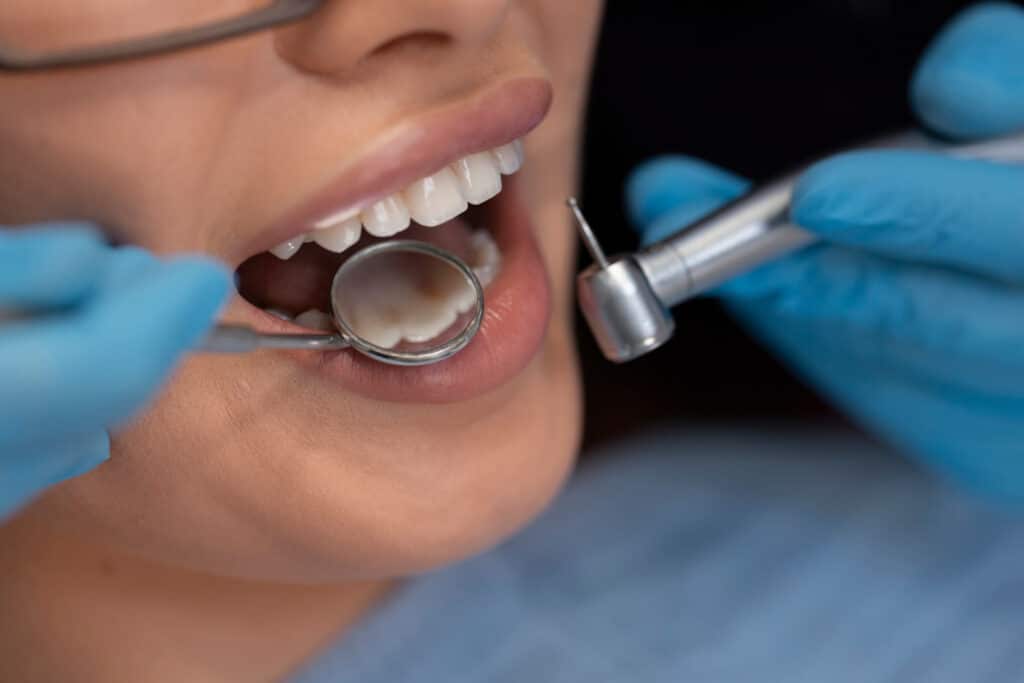
dental treatment

Dental crowns are a fundamental part of modern dentistry, providing both functional and aesthetic solutions for various dental issues. At our practice, we understand the importance of preserving and enhancing the natural beauty of your smile while ensuring optimal oral health. That’s why we focus on providing detailed insights and care practices for dental crowns, ensuring you fully understand their benefits and maintenance requirements.

Crowns are typically used to cover and protect damaged teeth or to improve the appearance of misshapen or discolored teeth. They act like a cap placed over the tooth, crafted from materials that replicate the look and feel of natural teeth. Our use of cutting-edge technology and high-quality materials ensures that each crown is perfectly matched and fitted, enhancing your smile while also restoring functionality.

Ensuring that you are comfortable with your dental treatments is our top priority. We provide thorough explanations of why a dental crown may be necessary, the process involved in placing one, and how it can benefit your dental health in the long run. Our team is dedicated to supporting you through the entire process, from initial consultation to follow-up care, making sure that you are informed and comfortable every step of the way.

What Are Dental Crowns and Why Do We Use Them?

children's dental care

Dental crowns are custom-fitted coverings placed over a tooth or dental implant. We commonly use them to restore the shape, size, and function of a tooth that has been damaged or decayed. Beyond restoring a single tooth, crowns play a crucial role in dental procedures such as bridges, where they protect the structural integrity of the teeth that anchor the bridge on either side. Crowns are made from various materials, including ceramics, porcelain, and sometimes gold, depending on the needs and preferences of the patient.

We often recommend a crown for teeth that have undergone significant repairs, like root canals, or when a large filling compromises the tooth’s structure. Crowns are also perfect for improving teeth appearance, aligning your bite, and supporting any weakened teeth from further damage. By covering the entire visible portion of the tooth, a crown essentially becomes your tooth’s new outer surface, providing strength and protection while maintaining a natural look. Learn more about Canadian Dental Care Plan.

Daily Care Tips for Your Dental Crowns

Maintaining your dental crowns properly ensures they last as long as possible and continue to function effectively. Regular brushing twice a day with fluoride toothpaste, and flossing at least once a day, are essential care routines. Pay special attention to the area where the gum meets the crown, as plaque tends to accumulate here. Using an antibacterial mouthwash can also help reduce plaque buildup and prevent decay in the remaining natural part of the tooth.

It’s crucial to avoid habits that can damage your crowns, such as chewing on ice, biting fingernails, or opening packaging with your teeth. Such practices can cause your crowns to crack or become loose. Additionally, if you suffer from teeth grinding or clenching, consider asking us about a night guard to protect your crowns and natural teeth from excessive wear. Scheduling regular dental check-ups allows us to keep an eye on your crowns and overall oral health, ensuring any potential issues are addressed promptly.

Professional Maintenance for Dental Crown Longevity

dental implants

Regular professional maintenance is key to extending the life of your dental crowns and ensuring they continue to function effectively. At our clinic, we recommend scheduling checks during your routine dental visits, which typically occur once or twice a year. During these appointments, we not only clean your crowns as part of your standard dental cleaning but also closely inspect them for any signs of wear or damage.

The professional care we provide includes checking the crown’s fit, ensuring no gaps have developed between the crown and your natural tooth that could lead to decay. We also look for cracks or chips in the crown itself, which can happen even in durable materials like porcelain. If we identify issues early, minor repairs can potentially be made, rather than waiting until significant replacement is necessary. This proactive approach not only saves you time and discomfort but also costs in the long run.

Common Issues with Dental Crowns and How to Prevent Them

While dental crowns are a reliable and long-lasting solution for tooth restoration, a few common issues can arise. One of the most frequent is the crown becoming loose. This can occur if the adhesive holding it in place breaks down or if decay develops in the remaining part of the tooth. To prevent this, maintaining excellent oral hygiene is critical. Brushing twice a day with fluoride toothpaste and flossing daily helps prevent decay at the edges of the crown.

Another issue is discomfort or sensitivity in the crowned tooth, which might happen right after the crown is placed or later. This can usually be managed with proper oral hygiene practices and using toothpaste designed for sensitive teeth. If sensitivity persists, it’s important to visit us so we can check if the crown needs an adjustment. By taking these steps, you can significantly reduce potential complications associated with dental crowns, ensuring they continue to provide function and improve your oral health.

Conclusion

At Pickering Dental Services, our commitment is not only to restore your smile but also to maintain its health and beauty through high-quality dental solutions like crowns. We understand the importance of your smile to your confidence and overall well-being, which is why we emphasize both corrective and preventive care in our approach. By choosing us for your dental needs, you can expect a dedication to precision, aesthetic excellence, and a personalized care plan designed to ensure the longevity of your treatments.

We warmly invite you to experience our expert dental services in Pickering. For more information or to schedule a consultation, please contact us at Pickering Dental Services. Let us partner with you to achieve and maintain a healthy, vibrant smile for years to come!

Helpful Resources

For more information, visit the Canadian Dental Association Oral Health.

Schedule Your Appointment Today

Contact Pickering Square Dental to book your appointment with Dr. Marvin Lean. Call us at (905) 420-1777 or visit us at 1450 Kingston Rd, Unit #4, Pickering, ON.

Frequently Asked Questions

How often should I visit the dentist?

The Canadian Dental Association recommends visiting your dentist at least twice a year for regular check-ups and cleanings. Some patients may need more frequent visits depending on their oral health needs. Call Pickering Square Dental at (905) 420-1777 to schedule your next appointment.

Do you accept the Canadian Dental Care Plan (CDCP)?

Yes, Pickering Square Dental participates in the Canadian Dental Care Plan. Our team can help you understand your coverage and ensure you receive the dental care you need. Contact us for more details about CDCP eligibility and benefits.

What services does Pickering Square Dental offer?

We offer a full range of dental services including family dentistry, emergency dental care, sedation dentistry, dental implants, laser dentistry, teeth whitening, root canal therapy, dental extractions, periodontal care, and cosmetic dentistry. Dr. Lean and our team serve patients in Pickering, Ajax, Whitby, and Scarborough.

Understanding Sedation Dentistry for a Stress-Free Visit
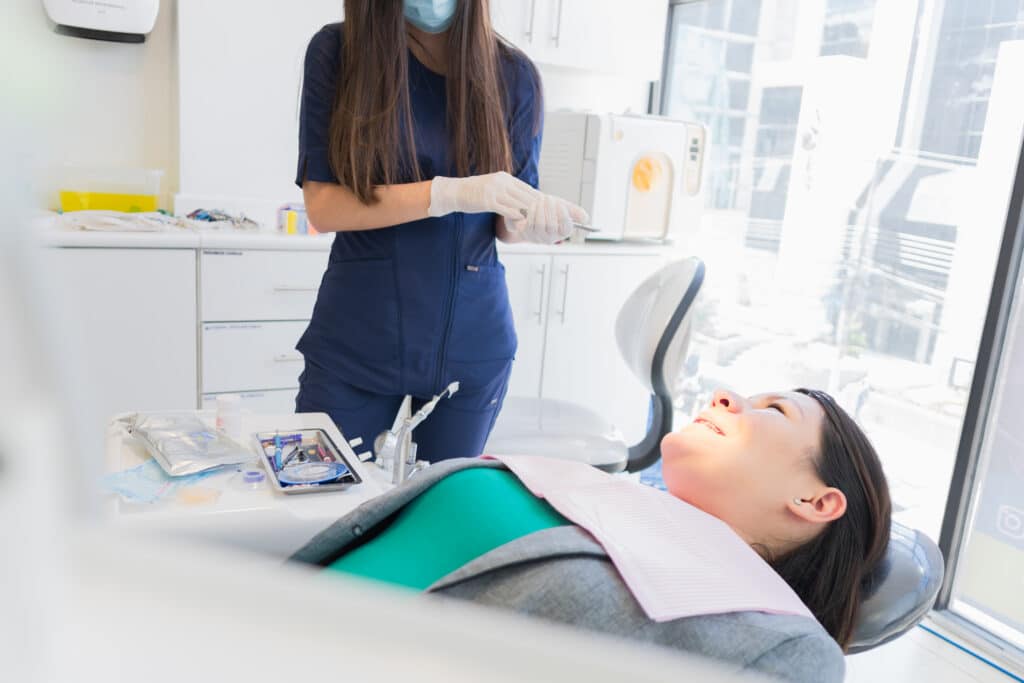
Sedation-Dentistry

Going to the dentist can be scary for many people. The sounds, smells, and even the thought of dental tools can make some of us very nervous. If you feel this way, you are not alone. Lots of people feel stressed about visiting the dentist, but sedation dentistry can help. This method uses medicine to help you feel calm and relaxed during your visit.

Sedation dentistry can make your dental experience much easier and more comfortable. Whether you need a simple check-up or a more complicated procedure, sedation can help you stay relaxed. This helps you get the dental care you need without feeling scared or anxious. At Pickering Dental Services, we want to make sure that your visit is as stress-free as possible.

By learning more about sedation dentistry, you can make the best choice for your dental care. In the following sections, we will explain what sedation dentistry is, the different types, its benefits, and what you can expect during and after your appointment. This information will help you understand how sedation can improve your dental experience and keep your smile healthy.

What Is Sedation Dentistry?

dental treatment

Sedation dentistry uses medication to help patients relax during dental procedures. It’s designed for people who feel nervous or fearful about visiting the dentist. With sedation, you can receive dental treatments in a calm and stress-free manner. The goal is to make the experience as comfortable as possible, so you can get the dental care you need without feeling anxious.

There are different levels of sedation, from mild relaxation to being almost asleep. The type of sedation used depends on the procedure and your level of anxiety. For instance, mild sedation might be used for a simple cleaning, while a deeper level might be used for more complex procedures. Sedation dentistry can make a big difference in your dental experience, helping you to relax and feel at ease during your visit. Learn more about contact our Pickering dental office.

Types of Sedation Used in Dentistry

1. Nitrous Oxide (Laughing Gas)

Nitrous oxide is one of the most common types of sedation used in dentistry. It’s a gas that you breathe in through a mask placed over your nose. It helps you feel relaxed and can wear off quickly after your treatment. This means you can usually drive yourself home afterward.

2. Oral Sedation

Oral sedation involves taking a pill, usually about an hour before your appointment. The pill makes you drowsy and relaxed but still awake and able to respond to instructions. The effects can last a bit longer, so you may need someone to drive you home after your dental visit.

3. IV Sedation

IV sedation is administered through a vein in your arm. It works quickly and allows the dentist to adjust the level of sedation during the procedure. This type of sedation is often used for more intense dental treatments. You will need someone to take you home afterward as the effects take a while to wear off.

4. General Anaesthesia

General anaesthesia is the deepest form of sedation and makes you completely unconscious. It’s usually reserved for very complex procedures or for those who can’t tolerate other forms of sedation. You will need to arrange for transportation and might feel groggy for a few hours after the treatment.

By understanding the different types of sedation available, you can make an informed decision about what will best meet your needs. Each type offers various benefits that can help reduce your dental anxiety and make your visit more comfortable.

Benefits of Sedation Dentistry

sedation dentistry

Sedation dentistry offers several benefits that make it an excellent option for many patients. One of the primary benefits is the reduction of anxiety and fear. For those who feel nervous about dental visits, sedation can make the entire experience much more comfortable. You can relax and feel at ease, allowing the dentist to complete the needed treatments without any stress or discomfort for you.

Another benefit is that sedation can make the procedure seem quicker. When you’re relaxed, time passes faster, and you may feel like the treatment was over in no time. This is especially helpful for longer procedures, which can be hard to sit through if you are anxious. Sedation also helps reduce any discomfort or pain during the procedure, as you will be in a relaxed state, making it easier for the dentist to perform their tasks efficiently.

What to Expect During and After Your Sedation Dentistry Appointment

Before your appointment, we will discuss the type of sedation that best fits your needs. You will receive instructions on how to prepare, such as avoiding food and drinks for a certain period. On the day of the appointment, you will be given the sedative, whether it’s an inhaled gas, oral medication, or IV sedation, and allowed time for it to take effect before the dental procedure begins.

During the procedure, you will be monitored to ensure your comfort and safety. If you are under lighter sedation, you will stay awake but feel very relaxed. If you undergo deeper sedation, you may not remember much of the procedure afterward. After the treatment, you will need some time to recover from the effects of the sedation. Depending on the type of sedation used, you may feel a bit groggy or tired, so it’s important to have someone with you to drive you home.

Final Thoughts

Sedation dentistry can transform your dental visits from stressful occasions into calm and comfortable experiences. By understanding what sedation dentistry is, the different types available, and their numerous benefits, you can make an informed decision about your dental care. Knowing what to expect during and after your appointment can further alleviate any anxieties you might have.

At Pickering Dental Services, we are committed to making your dental visits as pleasant and stress-free as possible. Our team is here to help you choose the best sedation option and provide the highest quality dental care. If you’re interested in learning more about sedation dentistry or would like to schedule an appointment, contact us today. Let’s work together to keep your smile healthy and bright while ensuring your comfort every step of the way.

Helpful Resources

For more information, visit the Canadian Dental Association Oral Health.

Schedule Your Appointment Today

Contact Pickering Square Dental to book your appointment with Dr. Marvin Lean. Call us at (905) 420-1777 or visit us at 1450 Kingston Rd, Unit #4, Pickering, ON.

Frequently Asked Questions

How often should I visit the dentist?

The Canadian Dental Association recommends visiting your dentist at least twice a year for regular check-ups and cleanings. Some patients may need more frequent visits depending on their oral health needs. Call Pickering Square Dental at (905) 420-1777 to schedule your next appointment.

Do you accept the Canadian Dental Care Plan (CDCP)?

Yes, Pickering Square Dental participates in the Canadian Dental Care Plan. Our team can help you understand your coverage and ensure you receive the dental care you need. Contact us for more details about CDCP eligibility and benefits.

What services does Pickering Square Dental offer?

We offer a full range of dental services including family dentistry, emergency dental care, sedation dentistry, dental implants, laser dentistry, teeth whitening, root canal therapy, dental extractions, periodontal care, and cosmetic dentistry. Dr. Lean and our team serve patients in Pickering, Ajax, Whitby, and Scarborough.

Everything You Need to Know About Dental Crowns and Bridges
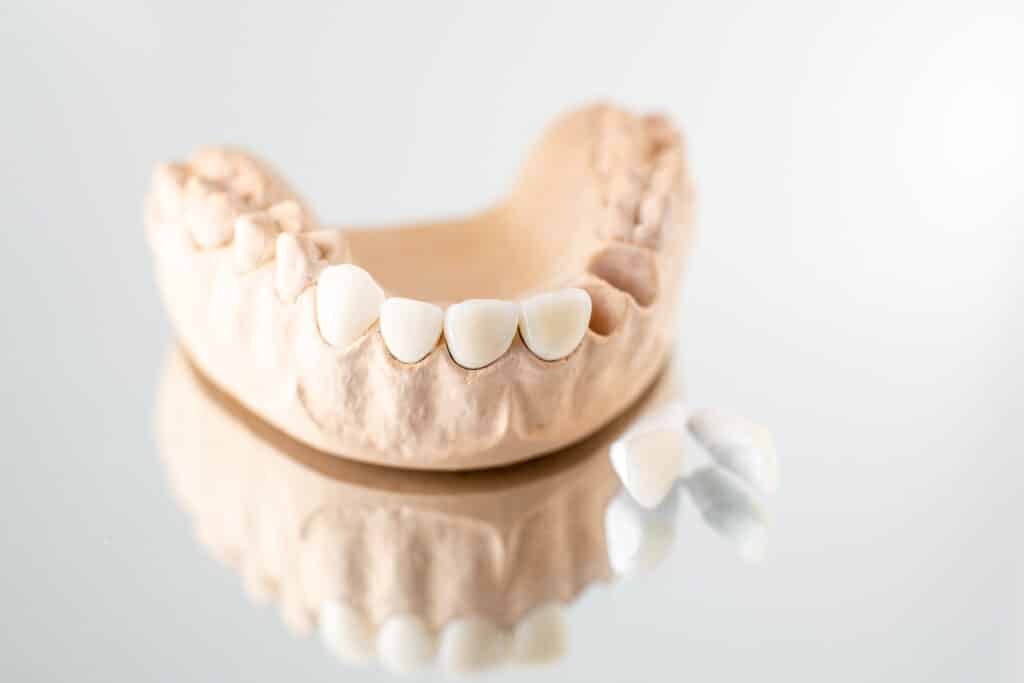
Dental-Bridges

Having a healthy and beautiful smile is important for everyone. Dental crowns and bridges are common solutions for restoring damaged or missing teeth. They help improve both the function and appearance of your teeth. Understanding what these dental treatments are, the materials used, and how the procedures work can help you make informed decisions about your oral health.

Dental crowns are caps that cover a damaged tooth, making it stronger and improving its shape and appearance. They are often used when a tooth has a large filling and not much natural tooth left, or after a root canal. Bridges, on the other hand, are used to replace one or more missing teeth. They are anchored to the surrounding teeth or implants, filling in the gap and restoring your smile.

At Pickering Dental Services, we believe that knowing more about your treatment options can help ease any worries you might have. With that in mind, let’s explore what dental crowns and bridges are, the different materials they can be made from, the steps involved in getting them, and how to care for them to ensure they last a long time. 

What Are Dental Crowns and Bridges?

Oral Surgeons

Dental crowns and bridges are two types of dental restorations that help repair damaged or missing teeth. A dental crown, also known as a cap, is placed over a damaged tooth to restore its shape, size, strength, and appearance. 

Crowns are typically used for teeth that are cracked, worn down, or have large fillings. By covering the tooth, they provide protection and support, helping the tooth function like a normal, healthy tooth.

A dental bridge, on the other hand, is used to replace missing teeth. It consists of two or more crowns for the teeth on either side of the gap, known as abutment teeth, and a false tooth (or teeth) in between. 

The false tooth, called a pontic, can be made from various materials such as gold, alloys, porcelain, or a combination of these materials. Bridges are anchored to the surrounding teeth or dental implants to ensure they stay in place, providing both functional and aesthetic benefits.

Materials Used for Dental Crowns and Bridges

Dental crowns and bridges can be made from several different materials, each offering its unique advantages. Here are some of the most common materials used: Learn more about family dentistry services in Pickering.

1. Porcelain:

Porcelain crowns and bridges are popular because they closely mimic the natural look and feel of teeth. They can be colour-matched to the surrounding teeth, making them an ideal choice for front teeth. However, while they are aesthetically pleasing, they may not be as strong as other materials.

2. Metal:

Metal crowns and bridges, made from gold or alloys, are known for their durability and strength. They are less likely to chip or break, making them a good choice for molars where the chewing force is higher. However, their metallic colour makes them less suitable for visible front teeth.

3. Porcelain-Fused-to-Metal (PFM):

PFM crowns and bridges combine the strength of metal with the natural appearance of porcelain. The metal structure provides excellent support, while the porcelain overlay gives a tooth-like appearance. This makes PFM a versatile and commonly used material in many dental restorations.

4. Zirconia:

Zirconia crowns and bridges are known for their strength, durability, and natural look. Zirconia is a high-quality ceramic material that can withstand substantial wear and tear while maintaining a pleasing appearance. It is a popular choice for both front and back teeth due to its combination of aesthetics and functionality.

Choosing the right material for your dental crowns and bridges depends on your individual needs, including the location of the tooth, aesthetic preferences, and budget. Discussing these options with your dentist will help you make the best decision for your oral health.

The Procedure for Getting Crowns and Bridges

Family Dentist

The process of getting dental crowns and bridges usually involves two visits to the dentist. The first visit includes preparation and taking impressions, while the second visit focuses on fitting and placing the crowns or bridges.

First Visit: Preparation and Impressions

During your first visit, we will examine your teeth to ensure that a crown or bridge is the right solution for your dental issue. For a crown, the dentist will shape your tooth by removing a small amount of the surface to make room for the crown. If you’re getting a bridge, the dentist will prepare the abutment teeth by removing a portion of them to fit the crowns that will support the bridge.

After shaping your teeth, we will take impressions using a mould or digital scanner to create a precise model of your mouth. This model helps in crafting custom crowns or bridges that fit perfectly. A temporary crown or bridge will be placed to protect your teeth until the permanent one is ready.

Second Visit: Fitting and Placement

On your second visit, the dentist will remove the temporary crown or bridge and check the fit and colour of the permanent one. Adjustments may be made to ensure it fits comfortably and looks natural. Once everything is perfect, the permanent crown or bridge is cemented into place. We will check your bite to make sure it is aligned properly.

Caring for Your Dental Crowns and Bridges

Taking care of your dental crowns and bridges is essential for ensuring they last a long time. With proper maintenance, they can stay in good condition and function well for many years. Here are some tips to help you care for your crowns and bridges:

1. Good Oral Hygiene

Brush your teeth at least twice a day using a fluoride toothpaste. Make sure to clean all surfaces of your teeth and focus on the area where the crown or bridge meets your gums. Floss daily to remove food particles and plaque between your teeth and around the crown or bridge.

2. Regular Dental Check-ups

Visit us regularly for check-ups and cleanings. During these visits, we will check the condition of your crowns and bridges to ensure they are still in good shape. Professional cleanings can remove any built-up plaque or tartar that regular brushing and flossing might miss.

3. Avoid Hard Foods

While crowns and bridges are durable, they can still be damaged by hard or sticky foods. Avoid chewing on ice, hard candies, or other hard objects that can crack or loosen your dental work. Also, be cautious with sticky foods that can pull at the crown or bridge.

4. Protect Against Teeth Grinding

If you grind your teeth at night, consider wearing a mouthguard to protect your crowns and bridges. Grinding can cause significant wear and tear on your dental restorations, and a mouthguard provides an extra layer of protection.

Enhance Your Oral Health: Understanding Dental Restorations

Dental crowns and bridges are effective solutions for restoring damaged or missing teeth. By understanding the procedures involved and the materials used, you can make informed decisions about your dental care. Proper maintenance and regular check-ups are essential for ensuring that your crowns and bridges last a long time and continue to function well.

At Pickering Dental Services, we are dedicated to providing top-quality dental care to help you maintain a healthy, beautiful smile. Whether you need a dental crown, bridge, or other dental services, we are here to assist you. If you have any questions or would like to schedule an appointment, contact our team of the best dentists in Pickering today. Let us help you achieve the best possible oral health and a confident smile!

Helpful Resources

For more information, visit the Canadian Dental Association Oral Health.

Schedule Your Appointment Today

Contact Pickering Square Dental to book your appointment with Dr. Marvin Lean. Call us at (905) 420-1777 or visit us at 1450 Kingston Rd, Unit #4, Pickering, ON.

Frequently Asked Questions

How often should I visit the dentist?

The Canadian Dental Association recommends visiting your dentist at least twice a year for regular check-ups and cleanings. Some patients may need more frequent visits depending on their oral health needs. Call Pickering Square Dental at (905) 420-1777 to schedule your next appointment.

Do you accept the Canadian Dental Care Plan (CDCP)?

Yes, Pickering Square Dental participates in the Canadian Dental Care Plan. Our team can help you understand your coverage and ensure you receive the dental care you need. Contact us for more details about CDCP eligibility and benefits.

What services does Pickering Square Dental offer?

We offer a full range of dental services including family dentistry, emergency dental care, sedation dentistry, dental implants, laser dentistry, teeth whitening, root canal therapy, dental extractions, periodontal care, and cosmetic dentistry. Dr. Lean and our team serve patients in Pickering, Ajax, Whitby, and Scarborough.

How Can Help Kids Feel Comfortable at the Dentist

Kids-Feel-Comfortable-at-the-Dentist

Taking your child to the dentist can be a challenging experience, especially if they feel scared or anxious. Dental anxiety is common among children and can prevent them from getting the care they need. Many kids feel nervous about visiting the dentist because they don’t know what to expect, or they may be afraid of potential pain and discomfort.

To help address these fears and make dental visits more comfortable for kids, we offer sedation dentistry. Sedation can help calm a child’s nerves, making it easier for them to relax during their appointment. This approach ensures that your child receives necessary dental treatments and helps create a positive experience that can reduce anxiety in the future.

So, let’s explore how sedation can help kids feel comfortable at the dentist. We will discuss the different types of sedation used, the benefits of sedation for children, and how to prepare your child for a sedation dentistry appointment. By understanding these aspects, you can help your child feel more at ease and ensure they maintain good oral health with less stress and anxiety.

Understanding Dental Anxiety in Children

Emergency Dental

Dental anxiety is quite common among children, especially if they haven’t had many dental visits before. This anxiety can stem from various sources. Some kids may fear the unknown, while others might be scared of potential pain or discomfort. The sounds, sights, and smells of a dental office can also contribute to their nervousness.

It’s important to recognise the signs of dental anxiety in children. These signs may include crying, fidgeting, and refusal to sit in the dental chair. Some children might even experience physical symptoms like stomachaches or headaches before a dental visit. Understanding these signs can help us better manage their anxiety and make their dental experience more positive.

To help ease this anxiety, we take extra steps to make our office a child-friendly environment. We explain procedures in simple terms and allow children to ask questions. Creating a friendly and welcoming atmosphere can go a long way in reducing fear and making dental visits less stressful for kids.

Types of Sedation Used in Pediatric Dentistry

There are different types of sedation that can be used to help children feel more comfortable during dental procedures. The type of sedation used depends on the child’s level of anxiety and the complexity of the dental treatment. Learn more about Canadian Dental Care Plan.

1. Nitrous Oxide (Laughing Gas):

Nitrous oxide is a mild sedative that helps children relax. It is administered through a small mask placed over the nose. Children breathe in the gas, which helps them feel calm and sometimes a bit giggly. This type of sedation wears off quickly, allowing children to return to their normal activities soon after the procedure.

2. Oral Sedation:

For children with moderate anxiety or those undergoing longer procedures, oral sedation may be used. This involves giving the child a liquid medication to drink before the appointment. The medication makes the child sleepy but still conscious and able to follow instructions. The effects take a bit longer to wear off, so rest is needed after the visit.

3. IV Sedation:

Intravenous (IV) sedation is used for children who need more profound relaxation or have severe anxiety. The sedative is administered through a vein, and it works quickly to make the child deeply relaxed. An anesthesiologist usually monitors the child throughout the procedure to ensure safety.

4. General Anaesthesia:

In some cases, general anaesthesia is necessary. This type of sedation puts the child into a deep sleep, so they are completely unaware of the procedure. It is often used for very young children or those with special needs who cannot tolerate other forms of sedation.

By matching the type of sedation to each child’s needs, we can ensure a more comfortable and stress-free dental experience.

Benefits of Sedation for Kids at the Dentist

Dental Care

Sedation offers several benefits for children during dental visits. It helps to reduce anxiety and fear, making the experience more pleasant for both the child and the dentist. When children are calm and relaxed, procedures can be performed more efficiently and effectively.

One significant benefit of sedation is that it allows the child to remain still, which is important for the accuracy of dental work. For more complex procedures or longer treatments, sedation ensures that the child is comfortable and cooperative. This helps to avoid any sudden movements that could interfere with the procedure.

Sedation also helps in managing pain, which is a major concern for many children. By minimising pain and discomfort, sedation makes dental visits less traumatic. As a result, children are more likely to have a positive attitude towards future dental visits, helping them maintain good oral health habits as they grow older.

Preparing Your Child for a Sedation Dentistry Appointment

Preparing your child for a sedation dentistry appointment is crucial for ensuring everything goes smoothly. Start by explaining the procedure in simple, reassuring terms. Let your child know that the sedation will help them feel relaxed and comfortable.

Before the appointment, follow any instructions we provide. This may include dietary restrictions, like not eating or drinking for a certain period of time before the procedure. Make sure your child wears comfortable clothing and brings a favourite toy or blanket for added comfort.

During the appointment, be there to support your child. Your presence can provide the reassurance they need to feel safe. After the procedure, follow any aftercare instructions carefully, such as monitoring your child as the sedation wears off and ensuring they get plenty of rest.

Stress-Free Dental Visits: The Importance of Pediatric Sedation

Sedation dentistry in Pickering can be a game-changer for children who experience anxiety and fear during dental visits. By understanding dental anxiety and the types of sedation available, you can help your child have a more comfortable and positive dental experience. 

The benefits of sedation are significant, making it easier for children to receive necessary dental care without unnecessary stress. Preparation plays a key role in ensuring that the sedation process is smooth and effective.

At Pickering Dental Services, our goal is to provide compassionate and caring dental care for your entire family. If you’re interested in learning more about how sedation can help your child feel comfortable at the dentist, don’t hesitate to reach out to us. 

Helpful Resources

For more information, visit the Canadian Dental Association Oral Health.

Schedule Your Appointment Today

Contact Pickering Square Dental to book your appointment with Dr. Marvin Lean. Call us at (905) 420-1777 or visit us at 1450 Kingston Rd, Unit #4, Pickering, ON.

Frequently Asked Questions

How often should I visit the dentist?

The Canadian Dental Association recommends visiting your dentist at least twice a year for regular check-ups and cleanings. Some patients may need more frequent visits depending on their oral health needs. Call Pickering Square Dental at (905) 420-1777 to schedule your next appointment.

Do you accept the Canadian Dental Care Plan (CDCP)?

Yes, Pickering Square Dental participates in the Canadian Dental Care Plan. Our team can help you understand your coverage and ensure you receive the dental care you need. Contact us for more details about CDCP eligibility and benefits.

What services does Pickering Square Dental offer?

We offer a full range of dental services including family dentistry, emergency dental care, sedation dentistry, dental implants, laser dentistry, teeth whitening, root canal therapy, dental extractions, periodontal care, and cosmetic dentistry. Dr. Lean and our team serve patients in Pickering, Ajax, Whitby, and Scarborough.

Dental Implants 101: A Comprehensive Guide to Restoring Your Smile
dental implants

Dental implants are an innovative and increasingly popular solution to tooth loss, providing a long-lasting and natural-looking alternative to traditional replacement methods. Whether due to injury, aging, or dental decay, missing teeth can negatively impact your self-confidence, ability to speak and eat effectively, and overall oral health. At Pickering Dental Services, our dedicated team of professionals is committed to offering top-quality dental implant services tailored to your individual needs, helping you restore your beautiful and functional smile with minimal discomfort and long-term success.

In this comprehensive guide to dental implants, we will unravel the details of what dental implants are, discuss the numerous benefits they provide, and take you through the entire dental implant process, from consultation to aftercare. Our goal is to equip you with the knowledge and understanding you need to make informed decisions about your oral health and tooth replacement options, ensuring you feel confident in your choice to pursue dental implants as your preferred solution.

As you navigate through this guide and begin to explore the world of dental implants, rest assured that our team at Pickering Dental Services is available to support you every step of the way. Our experienced and compassionate staff strive to provide the best possible dental implant experience, ensuring that the process is smooth, effective and tailored to your unique dental needs.

What are Dental Implants?

Root Canal

Dental implants are a highly effective and advanced solution for replacing one or more missing teeth. They consist of a titanium post (the implant) that is surgically inserted into the jawbone, mimicking the tooth’s natural root. Once the implant has integrated with the surrounding bone, a process called osseointegration, a dental crown or bridge is attached to the implant, completing the restoration and providing a natural-looking and fully functional tooth replacement.

The Benefits of Dental Implants

Dental implants offer numerous advantages over traditional tooth replacement options, such as dentures or dental bridges. These benefits include:

1. Natural Look and Feel: Dental implants closely resemble and function like natural teeth, ensuring a comfortable and seamless fit in your mouth.

2. Improved Oral Health: Unlike dental bridges that require the alteration of surrounding teeth, dental implants are self-supporting and do not rely on adjacent teeth for stability. This allows for better preservation of your remaining natural teeth and overall oral health. Learn more about teeth whitening and aesthetics.

3. Long-lasting Solution: With proper care and maintenance, dental implants can last a lifetime, making them a durable, long-term tooth replacement option.

4. Bone Preservation: Tooth loss can lead to bone loss in the jaw; dental implants help maintain jawbone health by providing the needed stimulation for bone growth and preventing adjacent teeth from shifting.

5. Enhanced Chewing and Speech: Dental implants function as natural teeth, allowing you to chew and speak with ease and confidence.

Understanding the Dental Implant Process

Teeth Whitening

The dental implant process involves several steps and typically takes place over a few months. Below is an outline of the procedure:

1. Initial Consultation: At the initial consultation, your dentist will assess your dental needs, discuss your options, and create a personalized treatment plan. They will also take X-rays or other imaging tests to accurately plan the dental implant placement.

2. Implant Placement: During the implant placement surgery, your dentist will administer local anesthesia to ensure your comfort. They will then make a small incision in the gum tissue and carefully drill a hole into the jawbone where the implant will be inserted. The gum tissue is stitched closed over the implant, and a healing period of several months follows, allowing the implant to integrate with the bone.

3. Abutment Attachment: Once the implant has integrated with the bone, a small metal piece called the abutment is connected to the implant. This attachment acts as a connector between the implant and the dental crown or bridge. The gum tissue is allowed to heal for a few more weeks after the abutment attachment.

4. Crown Placement: Finally, a custom-made dental crown or bridge is securely fastened to the abutment, completing the tooth restoration process.

Aftercare and Maintenance

Caring for your dental implants is essential for their longevity and ongoing success. Follow these guidelines to maintain your dental implants and overall oral health:

1. Maintain Good Oral Hygiene: Just like natural teeth, dental implants require regular brushing and flossing to remove plaque and bacteria. Use a soft-bristle toothbrush and non-abrasive toothpaste to clean your implant, and don’t forget to floss around the implant to remove any food debris.

2. Regular Dental Checkups: Schedule regular dental checkups and cleanings with your dentist at least twice a year to monitor the health of your dental implants, teeth, and gums.

3. Avoid Damaging Habits: Chewing on hard foods, ice, or other non-food items can potentially damage your dental implants and natural teeth. Avoid these habits to prevent unnecessary stress on your dental restorations.

4. Address Bruxism: If you suffer from bruxism (teeth grinding or clenching), speak to your dentist about solutions such as a custom nightguard to protect your dental implants and natural teeth from damage.

Conclusion

Dental implants in Pickering are an innovative and long-lasting solution for individuals who have experienced tooth loss. By understanding the ins and outs of dental implants, along with the benefits they provide and the steps involved in the dental implant process, you can make an educated decision about whether this tooth replacement option is right for you.

At Pickering Dental Services, our highly trained and compassionate staff are here to provide you with exceptional dental implant services, ensuring you enjoy a restored, beautiful smile that improves your overall quality of life. Contact our office to schedule an appointment and begin investing in your new, confident smile today.

Helpful Resources

For more information, visit the Canadian Dental Association on Dental Implants.

Schedule Your Appointment Today

Contact Pickering Square Dental to book your appointment with Dr. Marvin Lean. Call us at (905) 420-1777 or visit us at 1450 Kingston Rd, Unit #4, Pickering, ON.

Frequently Asked Questions

How long do dental implants last?

With proper care and regular dental check-ups, dental implants can last 25 years or more. Many patients enjoy their implants for a lifetime. At Pickering Square Dental, Dr. Lean uses high-quality titanium implants designed for long-term durability.

Are dental implants painful?

Most patients report less discomfort than expected. The procedure is performed under local anaesthesia, and sedation options are available. Post-procedure soreness typically resolves within a few days with over-the-counter pain relief.

Am I a candidate for dental implants?

Most adults with good general health are candidates for dental implants. You need adequate jawbone density to support the implant. Dr. Lean will assess your bone health and overall suitability during a consultation at our Pickering office.

A Parent’s Guide to Children’s Oral Health and Dental Care
children's dental care

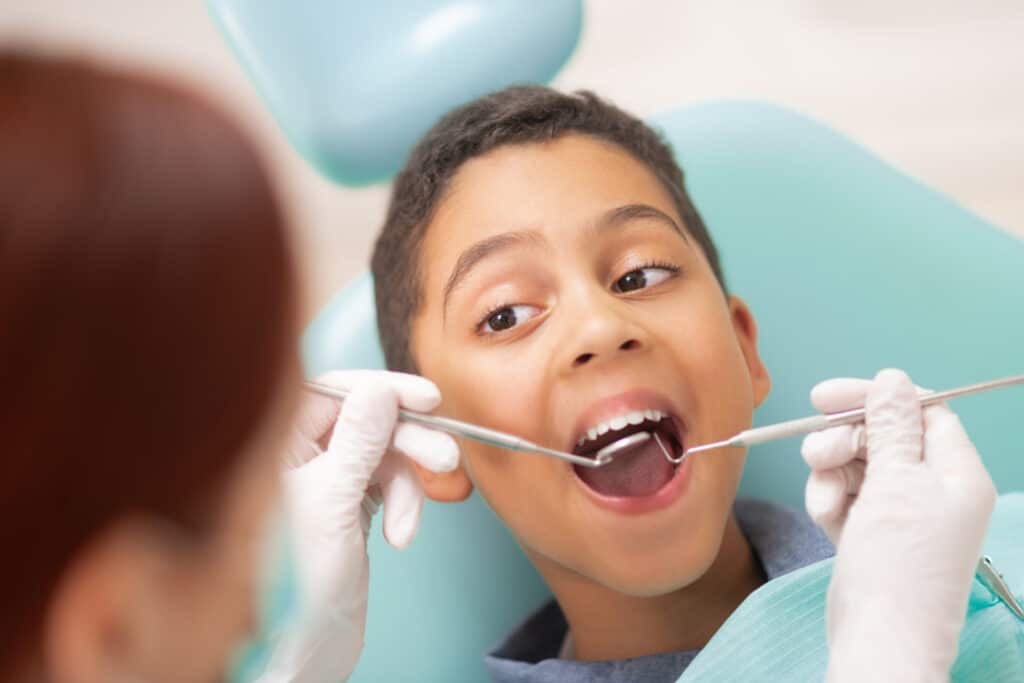
Promoting healthy oral care habits and establishing dental care routines from a young age are essential aspects of ensuring your child’s long-term oral health. A strong foundation in dental care can help prevent cavities, gum disease, and other dental issues often associated with childhood. At Pickering Dental Services, we understand the importance of nurturing excellent oral health habits in children while addressing unique dental concerns to create a lifetime of healthy, confident smiles.

In this parent’s guide, we will provide you with essential information on fostering age-appropriate dental hygiene habits, understanding the importance of early dental visits, and navigating common dental concerns specific to children. Additionally, we will share insights on selecting a suitable dentist for your child and discuss the comprehensive dental services available at Pickering Dental Services.

As you move through this guide, you will gain valuable insights into the world of children’s oral health and dental care, equipping you with the knowledge and tools necessary to set your child up for success in maintaining a healthy and vibrant smile. At Pickering Dental Services, our dedicated professionals strive to provide outstanding dental care to patients of all ages, ensuring the best possible start for your child’s oral health journey.

Establishing Age-Appropriate Dental Hygiene Habits

Emergency Dental

Instilling good oral hygiene habits in children from a young age is crucial in setting them up for a lifetime of healthy teeth and gums. Here are some age-appropriate dental care tips to help your child develop and maintain strong oral care routines:

1. Infant Care: Even before your child’s first tooth appears, gently clean their gums with a soft, wet washcloth or gauze after feeding to remove food debris and bacteria.

2. Toddler Years (1-3 years old): As soon as your child’s first tooth emerges, start brushing twice a day with a small, soft-bristled toothbrush and a tiny smear of fluoride toothpaste. Teach them to spit out the toothpaste but refrain from rinsing, as a small amount of fluoride residue can help protect against cavities. Flossing can commence once teeth begin to touch each other.

3. Preschool (3-5 years old): Introduce a pea-sized amount of fluoride toothpaste and encourage your child to brush for two minutes, twice a day. Continue to help them with flossing and consider using a children’s mouthwash containing fluoride to further safeguard against decay.

The Importance of Early Dental Visits

Introducing children to dental visits from an early age is essential in promoting long-term oral health. The Canadian Dental Association recommends scheduling your child’s first dental appointment by the age of one or within six months of their first tooth’s appearance. Early dental visits can offer several advantages: Learn more about Canadian Dental Care Plan.

1. Acclimatization: Familiarizing your child with a dental environment, staff, and routine appointments help reduce anxiety and create a positive association with dental care.

2. Early Detection: Regular check-ups allow the dentist to detect and treat potential dental issues before they grow into more significant concerns, such as cavities or misaligned teeth.

3. Prevention: Dentists can provide guidance on essential oral care habits, dietary considerations, and preventive measures, such as dental sealants and fluoride treatments, which help protect your child’s teeth from decay.

4. Establishing Trust: Developing trust in a dental team contributes to a strong foundation for consistent, ongoing dental care throughout childhood and into adulthood.

Addressing Common Childhood Dental Concerns

Teeth Whitening

By understanding common dental issues faced by children, parents can take the necessary steps to prevent, manage, or address these concerns. Some typical childhood dental concerns include:

1. Baby Bottle Tooth Decay: Prolonged exposure to sugary liquids like milk, formula, or juice can result in tooth decay. To prevent this, avoid putting your baby to bed with a bottle containing such liquids and transition to a sippy cup once your child reaches 12 months of age.

2. Early Childhood Caries: Encourage a healthy diet, limit sugary snacks and drinks, and ensure your child brushes and flosses regularly to prevent the onset of cavities.

3. Thumb Sucking/Pacifier Use: While often a natural reflex for children, prolonged thumb sucking or pacifier use can lead to dental issues, such as misaligned teeth. Encourage your child to stop these habits by the age of 3-4 years to minimize potential dental problems.

4. Misaligned Teeth: Regular dental check-ups can identify misaligned teeth, and your dentist can recommend treatment options, such as braces or Invisalign, to correct the issue.

Choosing the Right Dentist for Your Child

Selecting the right dentist for your child is critical in ensuring they receive the best possible dental care tailored to their needs. Consider the following factors when choosing a dental practice for your child:

1. Experience with Children: Seek out a dental office with professionals experienced in treating children, as they will be familiar with childhood dental concerns and possess the necessary skills to provide gentle and age-appropriate care.

2. Comprehensive Services: Choose a practice that offers a wide array of dental services, including routine check-ups, preventive treatments, restorative procedures, and orthodontics, to address all of your child’s oral care needs.

3. A Comfortable Environment: A welcoming, kid-friendly setting helps make dental visits an enjoyable experience for children. Pickering Dental Services focuses on creating a relaxing atmosphere for patients of all ages, ensuring each visit is a positive experience.

4. Availability and Flexibility: It’s essential to select a dental office that offers convenient appointment times and easy accessibility for your family. Pickering Dental Services accommodates your busy schedule with flexible hours and timely appointments.

Conclusion

Prioritizing your child’s oral health and dental care is an investment in their overall well-being, starting with fostering essential oral care habits, scheduling early dental visits, and addressing common childhood dental concerns. By choosing a dedicated and experienced team like Pickering Dental Services to partner with you on your child’s oral health journey, you can rest assured they will receive expert, compassionate care tailored to their unique needs.

Armed with this knowledge and with the support of a trusted dental team, your child is on track to enjoy a lifetime of healthy, beautiful smiles. Schedule an appointment at Pickering Dental Services today and begin nurturing your child’s oral health and well-being from the very start. Learn more about our dental services in Pickering.

Helpful Resources

For more information, visit the Canadian Dental Association Oral Health.

Schedule Your Appointment Today

Contact Pickering Square Dental to book your appointment with Dr. Marvin Lean. Call us at (905) 420-1777 or visit us at 1450 Kingston Rd, Unit #4, Pickering, ON.

Frequently Asked Questions

How often should I visit the dentist?

The Canadian Dental Association recommends visiting your dentist at least twice a year for regular check-ups and cleanings. Some patients may need more frequent visits depending on their oral health needs. Call Pickering Square Dental at (905) 420-1777 to schedule your next appointment.

Do you accept the Canadian Dental Care Plan (CDCP)?

Yes, Pickering Square Dental participates in the Canadian Dental Care Plan. Our team can help you understand your coverage and ensure you receive the dental care you need. Contact us for more details about CDCP eligibility and benefits.

What services does Pickering Square Dental offer?

We offer a full range of dental services including family dentistry, emergency dental care, sedation dentistry, dental implants, laser dentistry, teeth whitening, root canal therapy, dental extractions, periodontal care, and cosmetic dentistry. Dr. Lean and our team serve patients in Pickering, Ajax, Whitby, and Scarborough.

Unraveling the Benefits and Types of Sedation Dentistry for Anxiety-Free Dental Care

Sedation-Dentistry-for-Anxiety-Free

Dental anxiety is a common issue, affecting many individuals and potentially leading to postponed or avoided dental appointments. Maintaining good oral health and staying up to date on dental treatments is crucial, which is why our family dental care practice in Pickering, ON, offers a range of sedation dentistry options to alleviate dental anxiety and ensure a comfortable, stress-free experience for our patients.

Sedation dentistry involves the use of medication to help patients relax during dental procedures. With various levels of sedation available, from minimal to deeper sedation, this form of dentistry caters to patients with different degrees of dental anxiety, complex dental needs, or special healthcare requirements.

In this comprehensive article, we will explore the different types of sedation dentistry, their benefits, and how they can help patients with dental anxiety or phobia achieve the dental care they need. We will also discuss factors to consider when choosing sedation dentistry and address common patient concerns. Our goal is to empower you with knowledge about sedation dentistry so you can make informed decisions about your oral health care in a comfortable and stress-free environment.

Types of Sedation Dentistry

Teeth whitening

There are several forms of sedation dentistry available to cater to patients’ individual needs and preferences. They include:

1. Minimal Sedation

Minimal sedation typically involves administering nitrous oxide (laughing gas) mixed with oxygen through a mask placed over the patient’s nose. This form of sedation helps patients feel relaxed without inducing deep sedation or unconsciousness.

2. Oral Sedation

Oral sedation involves taking a prescribed medication by mouth before the dental procedure. This type of sedation can range from minimal to moderate, depending on the dosage. Patients remain awake but typically experience a state of drowsiness and relaxation.

3. IV Sedation

Administered intravenously, IV sedation allows for precise control over the sedation level and takes effect more quickly than oral sedation. Patients may feel groggy and have limited memory of the dental procedure.

4. General Anesthesia

General anesthesia induces deep sedation, rendering patients unconscious and completely unaware of their surroundings. This form of sedation requires a specialized anesthesiologist and is typically reserved for complex dental procedures or patients with severe anxiety. Learn more about family dentistry services in Pickering.

Benefits of Sedation Dentistry

Sedation dentistry offers an array of benefits for patients with dental anxiety or phobia, as well as those with specific dental needs:

1. Alleviating Dental Anxiety

Sedation dentistry helps patients feel calm, relaxed, and comfortable during dental procedures, ultimately reducing dental anxiety and enabling them to receive necessary care.

2. Enhancing Comfort

Patients with sensitive teeth, gag reflex, or difficulty sitting still can benefit from the increased comfort provided by sedation dentistry.

3. Allowing for Multiple Procedures in One Visit

Sedation dentistry can enable dentists to perform multiple procedures within a single appointment, minimizing the number of visits and ensuring a more efficient dental experience.

4. Improving Pain Management

Sedation dentistry can enhance pain management by better-controlling discomfort during dental procedures.

5. Benefiting Patients with Special Healthcare Needs

Patients with disabilities or certain health conditions may particularly benefit from sedation dentistry, as it ensures comfort and safety during dental treatments.

Factors to Consider When Choosing Sedation Dentistry

Wisdom Teeth Removal

When evaluating if sedation dentistry is the right choice for you, consider:

1. Your Level of Dental Anxiety

Consider how anxious you are about dental procedures and whether your anxiety interferes with your ability to receive dental care.

2. Your Dental Needs

Discuss with your dentist the nature and length of the dental procedure and your overall dental health to determine if sedation dentistry is appropriate.

3. Previous Dental Experiences

Reflect on any prior dental experiences that might have been traumatic or exceptionally unpleasant, and discuss your concerns with your dentist.

4. Your General Health

Share your complete medical history, including any medications and health conditions, with your dentist to ensure that sedation dentistry is safe and suitable for your needs.

Common Concerns About Sedation Dentistry

Patients often have concerns about sedation dentistry that can be addressed through open communication with their dental care providers:

1. Safety

Sedation dentistry is a safe option for most patients, provided that it is administered by trained and experienced professionals. Discuss any concerns about safety with your dentist and learn how they ensure patients’ well-being during sedation.

2. Cost

The cost of sedation dentistry varies depending on the type, materials, and level of sedation used. Talk to your dentist to clearly understand the costs involved and any potential payment plans or insurance coverage.

3. Recovery

Patients can expect varying recovery times depending on the type and level of sedation chosen. Some sedation options may require you to arrange for a friend or family member to accompany you to the appointment and drive you home afterward. Discuss the expected recovery process with your dentist to adequately prepare for your dental appointment.

Conclusion

Sedation dentistry can be a game-changer for patients with dental anxiety or specific dental needs, providing a comfortable and stress-free experience while receiving essential dental care. By understanding the types of sedation dentistry available, their benefits, and factors to consider when choosing sedation, you can make informed decisions about your dental health care. Our experienced and compassionate dental team in Pickering, ON, is here to help guide you through every step of the process. Contact us today to discuss your Pickering sedation dentistry options and enjoy a pleasant dental experience in a comfortable and supportive environment.

Helpful Resources

For more information, visit the Canadian Dental Association Oral Health.

Schedule Your Appointment Today

Contact Pickering Square Dental to book your appointment with Dr. Marvin Lean. Call us at (905) 420-1777 or visit us at 1450 Kingston Rd, Unit #4, Pickering, ON.

Frequently Asked Questions

How often should I visit the dentist?

The Canadian Dental Association recommends visiting your dentist at least twice a year for regular check-ups and cleanings. Some patients may need more frequent visits depending on their oral health needs. Call Pickering Square Dental at (905) 420-1777 to schedule your next appointment.

Do you accept the Canadian Dental Care Plan (CDCP)?

Yes, Pickering Square Dental participates in the Canadian Dental Care Plan. Our team can help you understand your coverage and ensure you receive the dental care you need. Contact us for more details about CDCP eligibility and benefits.

What services does Pickering Square Dental offer?

We offer a full range of dental services including family dentistry, emergency dental care, sedation dentistry, dental implants, laser dentistry, teeth whitening, root canal therapy, dental extractions, periodontal care, and cosmetic dentistry. Dr. Lean and our team serve patients in Pickering, Ajax, Whitby, and Scarborough.

Discover the Advantages of Tooth-Coloured Dental Fillings for Restoring Your Smile
Tooth-Coloured-Dental-Fillings

Tooth decay is a common dental issue that can lead to cavities requiring fillings. Traditionally, fillings have been made from metal materials like amalgam, which may not be aesthetically pleasing and can cause dental issues over time. However, in recent years, tooth-coloured dental fillings have grown in popularity, offering patients an attractive and natural-looking solution to restore their teeth.

In this blog article, we will delve into the various benefits of tooth-coloured dental fillings and how they compare to traditional fillings. We will also discuss the materials used in tooth-coloured fillings, the procedure for placing them, and tips for maintaining the longevity and effectiveness of these restorations. Equipped with this knowledge, you can make informed decisions about your dental health care and feel confident about choosing tooth-coloured fillings to repair cavities and preserve your beautiful smile.

Benefits of Tooth-Coloured Dental Fillings

Toothbrush

Tooth-coloured dental fillings provide several advantages compared to traditional metal fillings, including:

1. Aesthetics

Tooth-coloured fillings are designed to match the natural colour of your teeth, making them virtually invisible when placed. This is especially crucial for patients who are concerned about the appearance of their smile and want to maintain its aesthetic appeal.

2. Tooth Conservation

Since tooth-coloured fillings bond directly to the tooth structure, less of the natural tooth needs to be removed in the process. This conserves more of the tooth, contributing to its overall strength and long-term health.

3. Minimal Sensitivity

Composite resin fillings are less prone to causing tooth sensitivity compared to metal fillings, as they do not expand and contract in reaction to temperature changes in the mouth. Learn more about root canal therapy.

4. Durability and Strength

Tooth-coloured fillings are strong and durable, providing excellent resistance to fractures and wear over time. With proper care, they can last several years before needing replacement.

Materials Used in Tooth-Coloured Fillings

Tooth-coloured dental fillings are available in several materials, the most common being composite resin. Composite resin is made from a mix of plastic and glass particles, resulting in a versatile, biocompatible material with several advantageous properties. Another option for tooth-coloured fillings is glass ionomer, a material frequently used for less visible teeth, such as molars, as it releases fluoride, which can help prevent further tooth decay.

The Procedure for Placing Tooth-Coloured Fillings

oral health

The process for placing tooth-coloured dental fillings typically involves:

1. Assessment and Prepping the Tooth

Your dentist will first assess the affected tooth and remove any decayed or damaged areas. The tooth is then prepared for the filling by being cleaned and, if necessary, etched with a mild acid to help the filling bond securely.

2. Selecting the Shade

The appropriate shade of composite resin is selected to match your natural tooth colour closely.

3. Placing the Filling

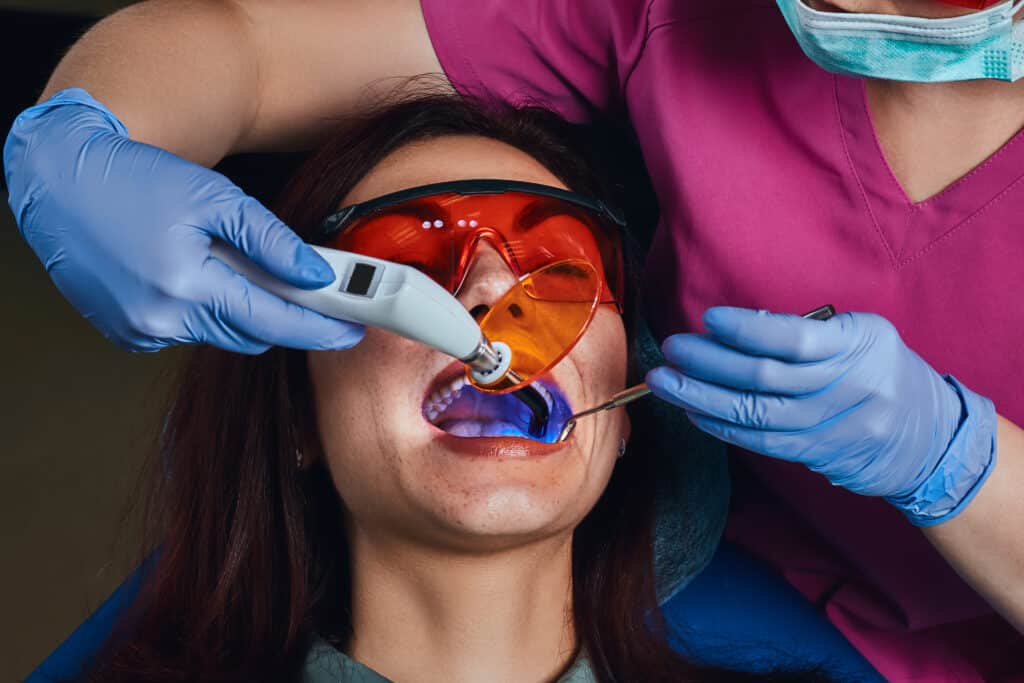
The filling material is placed in layers, with each layer being hardened or cured using a special light that initiates the polymerization process. This step-by-step approach ensures strong, durable fillings.

4. Final Shaping and Polishing

Once the filling is in place, your dentist will shape and polish it to achieve a natural, smooth finish, and an optimal fit with your bite.

Maintaining Tooth-Coloured Dental Fillings

To ensure the longevity and effectiveness of tooth-coloured dental fillings, follow these tips:

1. Practice Good Oral Hygiene

Maintain a routine of brushing twice a day, flossing at least once a day, and using a mouthwash to minimize plaque and prevent further tooth decay around the fillings.

2. Regular Dental Check-ups and Cleanings

Schedule regular check-ups and professional cleanings to ensure your teeth and fillings remain in optimal condition and address any dental issues as early as possible.

3. Avoid Staining Food and Drink

In some cases, tooth-coloured fillings can stain over time, especially if you consume staining foods and beverages like coffee, tea, red wine, or berries. Practice moderation and brush your teeth or rinse your mouth after consuming these items.

4. Avoid Clenching and Grinding

Clenching and grinding your teeth can put significant pressure on your fillings, causing them to wear down over time. Discuss any clenching or grinding issues with your dentist, who may advise using a nightguard or other preventive measures.

Conclusion

Tooth-coloured dental fillings provide a versatile and aesthetically pleasing solution for repairing cavities and restoring your smile. With their numerous benefits, including better tooth conservation and reduced sensitivity, they are an excellent choice for those seeking both form and function when it comes to dental treatments. Our experienced dental team at Pickering Dental Services is committed to guiding you through selecting and placing tooth-coloured dental fillings, ensuring a comfortable and satisfying dental experience. Reach out to Pickinger cosmetic dentists today and take the first step in achieving a healthy, vibrant, and confident smile with tooth-coloured dental fillings.

Helpful Resources

For more information, visit the Canadian Dental Association Oral Health.

Schedule Your Appointment Today

Contact Pickering Square Dental to book your appointment with Dr. Marvin Lean. Call us at (905) 420-1777 or visit us at 1450 Kingston Rd, Unit #4, Pickering, ON.

Frequently Asked Questions

How often should I visit the dentist?

The Canadian Dental Association recommends visiting your dentist at least twice a year for regular check-ups and cleanings. Some patients may need more frequent visits depending on their oral health needs. Call Pickering Square Dental at (905) 420-1777 to schedule your next appointment.

Do you accept the Canadian Dental Care Plan (CDCP)?

Yes, Pickering Square Dental participates in the Canadian Dental Care Plan. Our team can help you understand your coverage and ensure you receive the dental care you need. Contact us for more details about CDCP eligibility and benefits.

What services does Pickering Square Dental offer?

We offer a full range of dental services including family dentistry, emergency dental care, sedation dentistry, dental implants, laser dentistry, teeth whitening, root canal therapy, dental extractions, periodontal care, and cosmetic dentistry. Dr. Lean and our team serve patients in Pickering, Ajax, Whitby, and Scarborough.

Understanding Dental Crowns and Bridges: Restoring Function and Aesthetics
dental treatment

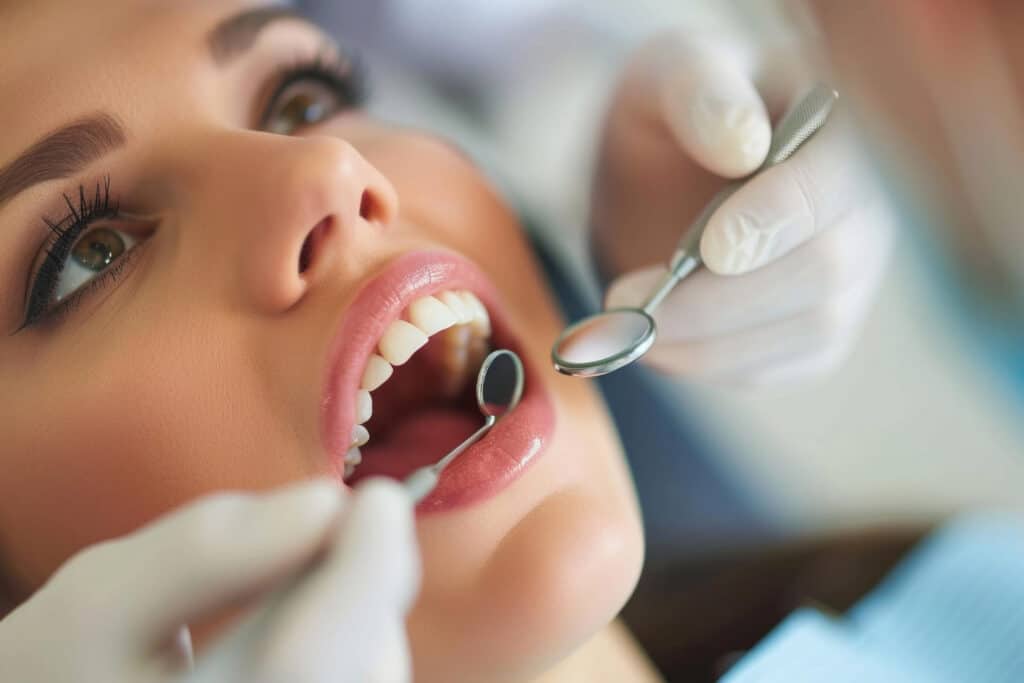
In the realm of restorative dentistry, dental crowns and bridges serve as essential solutions for addressing various dental problems, from damaged or decayed teeth to tooth loss. At our family dental care practice in Pickering, ON, we are dedicated to offering comprehensive treatment options, including dental crowns and bridges, to help our patients achieve healthy, functional, and aesthetically pleasing smiles.

Dental crowns, also known as caps, are custom-made dental restorations designed to cover and protect damaged or decayed teeth, while bridges are used to replace one or more missing teeth by anchoring to adjacent healthy teeth or dental implants. Both of these restorations can be crafted from various materials, including porcelain, ceramic, metal, or a combination of materials, depending on factors such as the location of the tooth, the patient’s preferences, and the dentist’s recommendations.

Our experienced dental team is committed to providing personalized care for your dental health needs, ensuring you receive the best possible treatment options to restore your smile. Contact us today to schedule a consultation and learn more about dental crowns and bridges and their benefits for your dental health and overall well-being.

Applications and Benefits of Dental Crowns

man at the dentist

Dental crowns are versatile restorations that offer a myriad of benefits for various dental issues. Some of their primary applications include:

1. Protecting Damaged Teeth

Crowns can be used to cover and protect teeth that have been weakened by decay, cracks, or fractures, providing added strength and preventing further damage.

2. Restoring Functionality

By covering a damaged tooth, a dental crown can restore its function, allowing you to chew and speak properly.

3. Aesthetic Improvement

Crowns can be crafted from materials that closely resemble natural teeth, making them an excellent option for restoring the appearance of a damaged tooth or concealing discoloration.

4. Anchoring Dental Bridges

Dental crowns may be used to anchor dental bridges securely in place, facilitating tooth replacement.

5. Post-Root Canal Treatment

Following a root canal treatment, a dental crown is often placed over the treated tooth to protect it and restore its function.

Applications and Benefits of Dental Bridges

Dental bridges serve as vital solutions for tooth loss, offering several advantages: Learn more about family dentistry services in Pickering.

1. Filling Gaps from Missing Teeth

Bridges effectively replace one or more missing teeth, filling in gaps to restore your smile’s appearance.

2. Restoring Functionality

Replacing missing teeth with a dental bridge enables you to chew and speak more effectively.

3. Preventing Shifting of Adjacent Teeth

A dental bridge helps prevent the shifting of surrounding teeth, preserving your bite and the alignment of your teeth.

4. Aesthetic Improvement

Bridges are designed to look natural and inconspicuous, creating a visually pleasing tooth replacement solution.

Dental Crown and Bridge Materials

patient at the dentist

Dental crowns and bridges can be created from a range of materials, each offering its unique advantages:

1. Porcelain and Ceramic

Porcelain and ceramic materials closely resemble natural teeth, making these materials ideal for creating aesthetically pleasing crowns and bridges.

2. Metal

Metal crowns and bridges, typically made from gold or an alloy of metals, are known for their durability and strength. However, their noticeable appearance may be less desirable for some patients.

3. Porcelain-Fused-to-Metal

These restorations combine the strength of metal with the aesthetics of porcelain, offering a balanced solution that is both durable and visually appealing.

Dental Crown and Bridge Procedures

The procedures for placing dental crowns and bridges generally involve several visits to the dentist. Here are the primary steps involved:

1. Preparing the Teeth

For a dental crown, your dentist will reshape the damaged tooth to accommodate the crown. If a dental bridge is being placed, the adjacent teeth (abutment teeth) may need to be reshaped in preparation for the supporting crowns.

2. Taking Impressions

Next, your dentist will take impressions of your teeth, which will serve as a mould for creating the custom-made crown or bridge.

3. Temporary Restoration

While waiting for your permanent restoration to be crafted, a temporary crown or bridge may be placed to protect the prepared teeth and maintain the appearance of your smile.

4. Placing the Permanent Restoration

Once the permanent crown or bridge is ready, your dentist will remove the temporary restoration and fit the final piece, checking the fit and ensuring your bite is comfortable. The dental crown or bridge will then be cemented permanently into place.

Maintaining Dental Crowns and Bridges

To ensure the longevity and effectiveness of your dental crowns and bridges, follow these maintenance tips:

1. Maintain Good Oral Hygiene

Brush your teeth twice a day, floss daily, and use an antibacterial mouthwash to ensure the health of both your natural teeth and your restorations.

2. Schedule Regular Dental Check-Ups

Visit your dentist for regular check-ups and professional cleanings to monitor the condition of your dental crowns and bridges, as well as your overall oral health.

3. Protect Your Teeth from Damage

Avoid habits that can damage your teeth and restorations, such as chewing on ice, popcorn kernels, or hard candies.

4. Address Teeth Grinding

If you suffer from teeth grinding, consult your dentist about a custom-fit nightguard to protect your teeth and restorations from damage during sleep.

Conclusion

Dental crowns and bridges provide effective solutions for various dental issues, including damaged or missing teeth. By understanding their applications, benefits, and the procedures involved, you can make informed decisions about your dental health. 

Pickering Dental Services is here to help you achieve a healthy, functional, and beautiful smile. Contact your Pickering dentist today to schedule a consultation and explore the benefits of dental crowns and bridges for your oral health and overall well-being.

Helpful Resources

For more information, visit the Canadian Dental Association Oral Health.

Schedule Your Appointment Today

Contact Pickering Square Dental to book your appointment with Dr. Marvin Lean. Call us at (905) 420-1777 or visit us at 1450 Kingston Rd, Unit #4, Pickering, ON.

Frequently Asked Questions

How often should I visit the dentist?

The Canadian Dental Association recommends visiting your dentist at least twice a year for regular check-ups and cleanings. Some patients may need more frequent visits depending on their oral health needs. Call Pickering Square Dental at (905) 420-1777 to schedule your next appointment.

Do you accept the Canadian Dental Care Plan (CDCP)?

Yes, Pickering Square Dental participates in the Canadian Dental Care Plan. Our team can help you understand your coverage and ensure you receive the dental care you need. Contact us for more details about CDCP eligibility and benefits.

What services does Pickering Square Dental offer?

We offer a full range of dental services including family dentistry, emergency dental care, sedation dentistry, dental implants, laser dentistry, teeth whitening, root canal therapy, dental extractions, periodontal care, and cosmetic dentistry. Dr. Lean and our team serve patients in Pickering, Ajax, Whitby, and Scarborough.