How Sedation Dentistry Makes Your Visit Easy

sedation dentistry

Visiting the dentist can be a scary experience for many people. The sound of dental tools, the fear of pain, and even the thought of sitting in the dentist’s chair can cause a lot of anxiety. However, sedation dentistry offers a wonderful way to make these visits much more comfortable and stress-free. By helping you relax, sedation dentistry allows you to receive the dental care you need without the fear and discomfort you might usually feel.

Sedation dentistry involves using medication to help you relax during dental procedures. It is safe and effective and can be tailored to your level of anxiety and the type of treatment you need. Whether you need a simple filling or more complex work like crowns or bridges, sedation can help make the process smoother and more bearable.

Understanding what sedation dentistry is and how it can benefit you is important if you or a loved one experiences dental anxiety. In this article, we’ll explore the basics of sedation dentistry, the different types available, and how it can benefit various patients. By learning more, you can take the first step towards more comfortable and enjoyable dental visits.

Understanding Sedation Dentistry: What It Is and How It Works

dental implant

Sedation dentistry uses medication to help patients relax during dental procedures. It is sometimes known as “sleep dentistry,” although that is not entirely accurate since most patients remain awake, except for those under general anaesthesia. The level of sedation can vary from minimal (awake but relaxed) to deep (on the edge of consciousness but still responsive).

The process begins with us evaluating your medical history and level of anxiety. Depending on your needs, we will recommend the appropriate sedation method. During the procedure, you will be closely monitored to ensure your safety and comfort. The goal is to perform the dental work while you remain relaxed and free from stress or fear.

The most common types of sedation used in dentistry include nitrous oxide (laughing gas), oral sedatives, and intravenous (IV) sedation. Each type works differently, but they all aim to make your dental experience much more pleasant and manageable. Whether you need a routine cleaning or a more complex procedure like a crown or bridge, sedation dentistry can help you feel calm throughout the process.

Types of Sedation Dentistry and Their Benefits

There are several types of sedation used in dentistry, each offering different benefits. Here’s a closer look at the main types:

1. Nitrous Oxide (Laughing Gas):

– How It Works: You breathe in nitrous oxide mixed with oxygen through a mask placed over your nose.

– Benefits: It helps you relax within minutes without making you fall asleep. The effects wear off quickly, and you can usually drive yourself home after the appointment.

2. Oral Sedatives:

– How It Works: Taken as a pill, typically about an hour before your procedure. Learn more about emergency dental care in Pickering.

– Benefits: These sedatives help you feel drowsy and calm, although you will stay awake. You might have little memory of the procedure, making it ideal for those with moderate anxiety.

3. Intravenous (IV) Sedation:

– How It Works: Administered through a vein, usually in your arm, allowing the sedative to work quickly.

– Benefits: This method offers a deeper level of sedation compared to oral sedatives or nitrous oxide. You will be in a very relaxed state and may not remember much of the procedure.

Understanding the types of sedation available can help you choose the best option for your comfort and needs. Each type is designed to make your dental visit as stress-free as possible, enabling you to receive essential dental care without the associated anxiety.

Who Can Benefit from Sedation Dentistry?

Sedation Dentistry for Kids

Sedation dentistry can be beneficial for a variety of people. Here’s a closer look at who might benefit the most:

1. Adults with Dental Anxiety: Many adults experience fear or anxiety when visiting the dentist. Sedation helps you relax so you can receive the necessary treatment without stress.

2. Children: Kids often feel scared or restless during dental procedures. Sedation dentistry can help them stay calm and still, making the experience easier for both the child and the dentist.

3. Patients with a Low Pain Threshold: If you have a low tolerance for pain, sedation can help manage discomfort, making procedures like fillings and crowns more comfortable.

4. People with Sensitive Teeth: Sensitivity can make dental work painful. Sedation minimizes discomfort, allowing for a smoother procedure.

5. Those with a Strong Gag Reflex: A strong gag reflex can interfere with dental work. Sedation helps relax the muscles, making it easier to perform certain procedures.

6. Individuals Requiring Extensive Treatment: For lengthy dental treatments, sedation can help you stay relaxed throughout, especially if multiple procedures are needed in one visit.

Understanding who can benefit from sedation dentistry allows patients to make informed choices about their dental care. If any of these apply to you or your loved ones, sedation dentistry might be a suitable option for making dental visits easier and more comfortable.

How to Prepare for Your Sedation Dentistry Appointment

Preparing for your sedation dentistry appointment involves a few simple steps to ensure everything goes smoothly. Here’s what you need to know:

1. Discuss Your Health History: Share your complete health history with us, including any medications you are currently taking. This helps us choose the safest and most effective sedation method for you.

2. Follow Pre-Sedation Instructions: We will provide specific instructions on what to do before your appointment. This might include fasting for a certain period and avoiding certain medications.

3. Plan for a Ride Home: Most types of sedation can leave you feeling drowsy afterward. Arrange for someone to drive you home after your appointment for your safety.

4. Wear Comfortable Clothing: Dress in loose, comfortable clothes to help you relax during the procedure.

5. Avoid Alcohol and Caffeine: Refrain from consuming alcohol or caffeine before your appointment, as these can interfere with the sedation process.

6. Prepare to Rest Afterwards: Plan to take it easy for the rest of the day after your appointment. Resting helps your body recover from the sedation.

By following these preparation tips, you can ensure a smooth and worry-free sedation dentistry experience. Proper preparation helps maximize the benefits of sedation, making your visit to the dentist much more comfortable.

Final Thoughts

Sedation dentistry can transform your experience at the dentist, making it easier for you to get the care you need without anxiety or discomfort. By understanding what sedation dentistry is, the different types available, and who can benefit from it, you can make informed decisions about your dental health. Preparing for your appointment by following a few simple steps ensures a smoother and more comfortable visit.

At Pickering Dental Services, we are dedicated to providing a relaxed and stress-free environment for our patients. If you think sedation dentistry might be right for you, contact us today to learn more and to schedule an appointment. Our team is here to help you achieve a healthy, beautiful smile with the comfort and care you deserve.

Helpful Resources

For more information, visit the CDA Guide to Sedation Dentistry.

Schedule Your Appointment Today

Contact Pickering Square Dental to book your appointment with Dr. Marvin Lean. Call us at (905) 420-1777 or visit us at 1450 Kingston Rd, Unit #4, Pickering, ON.

Frequently Asked Questions

Is sedation dentistry safe?

Yes, sedation dentistry is very safe when administered by a trained dental professional. Dr. Lean at Pickering Square Dental monitors your vital signs throughout the procedure to ensure your comfort and safety.

Will I be unconscious during sedation dentistry?

It depends on the level of sedation. Mild sedation keeps you relaxed but awake. Moderate sedation may make you drowsy, though you can still respond. Deep sedation is used for complex procedures. Dr. Lean will recommend the right level for your needs.

How long does sedation last?

Nitrous oxide (laughing gas) wears off within minutes. Oral sedation may take a few hours to fully wear off, so you will need someone to drive you home. Our Pickering team will give you specific aftercare instructions.

What to Expect When Getting Dental Implants

Dental Implants

Getting dental implants can seem like a big step, but it doesn’t have to be scary. Knowing what to expect can help you feel more comfortable and prepared. Whether you’re missing one tooth or several, dental implants provide a strong and natural-looking solution that can make a big difference in your smile.

From the first visit to the final adjustments, we’ll walk you through what you can expect when getting dental implants. This way, you’ll go into each appointment knowing what will happen and feel confident about your decision. With a clear plan in place, you can look forward to enjoying your new, improved smile.

The Initial Consultation and Assessment

dental bridges

The first step in getting dental implants is the initial consultation and assessment. This visit is important because it allows your dentist to check your oral health and determine if you’re a good candidate for implants. During this appointment, your dentist will take X-rays and scans of your mouth to get a clear picture of your teeth, gums, and jawbone.

You will also discuss your medical history and any medications you are taking. This is important because certain health conditions and medications might affect the success of the implant procedure. Your dentist will explain the entire process in detail and answer any questions you might have so you feel comfortable and informed.

Another key part of this visit is creating a treatment plan. This plan will outline the steps involved, the timeline, and the costs. Your dentist will make sure to design a plan that meets your specific needs and goals. By the end of this consultation, you’ll have a clear understanding of what to expect and feel ready to move forward with confidence. Learn more about teeth whitening and aesthetics.

The Implant Surgery Process

Once your treatment plan is in place, the next step is the implant surgery. On the day of the surgery, you will receive local anesthesia to numb the area where the implant will be placed. This ensures that you won’t feel any pain during the procedure. If you feel nervous, sedation options are available to help you relax.

The dentist will then make a small incision in your gum to expose the bone. A special drill is used to create a space in your jawbone for the implant. The implant, which is a small titanium post, is then placed into the bone. This titanium post will act as the new root for your replacement tooth.

After the implant is placed, the gum is stitched back up, and you’re given instructions for care during the healing period. The surgery usually doesn’t take long, and most people find that it’s easier than they expected. 

Your dentist will make sure you know how to take care of the area and what to watch for as it heals. You’ll soon be on your way to having a strong and natural-looking dental implant.

The Healing and Osseointegration Period

Dental Implant

After the implant surgery, the healing process begins. This period is crucial because it allows the implant to fuse with the jawbone in a process called osseointegration. This bonding ensures that the implant is stable and strong, acting just like a natural tooth root. The healing time varies for each person, but it usually takes a few months.

During this healing phase, it’s important to follow your dentist’s care instructions. You might need to eat softer foods and avoid very hot or cold foods for a while. Good oral hygiene is essential, so keep brushing and flossing gently around the implant area. Regular check-ups are also important to monitor the healing progress and address any concerns.

Your dentist will let you know when the implant has fully integrated with the bone. At this point, the next steps can be planned. Being patient during this period ensures the best possible outcome, setting the stage for the final part of the dental implant process.

Fitting the Crown and Final Adjustments

Once the implant has fully healed and bonded with the bone, it’s time to fit the crown. The crown is the visible part of the implant that looks like your natural tooth. First, an abutment is attached to the implant. This small connector piece will hold the crown in place.

Your dentist will take impressions of your teeth to create a custom crown that matches the shape, size, and colour of your natural teeth. This ensures a perfect fit and a natural look. When the crown is ready, it will be securely placed onto the abutment.

After the crown is attached, your dentist will check the fit and make any necessary adjustments. This step ensures that your bite feels comfortable and that the crown is correctly aligned with your other teeth. Once everything feels right, you can start using your new tooth just like a natural one, enjoying the ease and confidence it brings.

Conclusion

Getting dental implants involves several carefully planned steps, each aimed at giving you the best possible results. From the initial consultation to the final fitting of the crown, understanding what to expect makes the process smoother. Dental implants offer a durable and natural-looking solution for missing teeth, helping you regain your smile and confidence.
If you have more questions about dental implants in Ajax or want to begin your journey towards a healthier smile, Pickering Dental Services is here to help. Our experienced team is dedicated to guiding you through each step with care and expertise. Contact us today to schedule your consultation and take the first step towards a beautiful, lasting smile.

Helpful Resources

For more information, visit the Canadian Dental Association on Dental Implants.

Schedule Your Appointment Today

Contact Pickering Square Dental to book your appointment with Dr. Marvin Lean. Call us at (905) 420-1777 or visit us at 1450 Kingston Rd, Unit #4, Pickering, ON.

Frequently Asked Questions

How long do dental implants last?

With proper care and regular dental check-ups, dental implants can last 25 years or more. Many patients enjoy their implants for a lifetime. At Pickering Square Dental, Dr. Lean uses high-quality titanium implants designed for long-term durability.

Are dental implants painful?

Most patients report less discomfort than expected. The procedure is performed under local anaesthesia, and sedation options are available. Post-procedure soreness typically resolves within a few days with over-the-counter pain relief.

Am I a candidate for dental implants?

Most adults with good general health are candidates for dental implants. You need adequate jawbone density to support the implant. Dr. Lean will assess your bone health and overall suitability during a consultation at our Pickering office.

Advantages of Tooth Coloured Fillings

Tooth Coloured Fillings

Tooth coloured fillings, also known as composite fillings, are a popular choice for treating cavities and damaged teeth. Made from a blend of plastic and fine glass particles, these fillings match the colour of your natural teeth, making them an excellent option for a seamless smile. 

Unlike traditional metal fillings, tooth coloured fillings blend in so well that it’s hard to tell you’ve ever had any dental work done. Join us as we dive deeper into the reasons why tooth coloured fillings are a top choice for many looking to maintain a healthy and beautiful smile.

Natural Appearance and Aesthetics

missing teeth

One of the biggest advantages of tooth coloured fillings is their natural appearance. These fillings are crafted to match the exact colour of your teeth. This means the fillings blend seamlessly with your natural teeth, making them nearly invisible. Unlike traditional metal fillings that stand out, tooth coloured fillings provide a uniform look. This can give you more confidence to smile, speak, and laugh without worrying about anyone noticing your dental work.

Tooth coloured fillings are also able to maintain the natural translucency of your teeth. This is because they are made from composite resin, a material that can mimic the light-reflecting property of natural teeth. This results in a more natural looking tooth restoration. Whether they are used on front teeth or back teeth, these fillings ensure that your smile looks as natural as possible.

Dentists can also shape and mould tooth coloured fillings to match the existing contours of your teeth. This precision helps to maintain the natural structure and function of the teeth. Overall, the aesthetic benefits of tooth coloured fillings make them a popular choice for those who want a discreet, yet effective, dental solution. Learn more about root canal therapy.

Strong and Long-lasting Materials

Tooth coloured fillings use composite resin, which is a very strong and durable material. This resin is designed to withstand the forces of biting and chewing for many years. One of the key benefits of composite resin is its ability to bond directly to the tooth. This bond makes the filling strong and helps to support the remaining tooth structure, preventing further decay or damage.

Another advantage of tooth coloured fillings is their ability to expand and contract similarly to natural teeth. This helps to reduce the risk of the tooth cracking or breaking over time, which can be a concern with metal fillings. Because of this matching behaviour, tooth coloured fillings offer long-lasting protection and maintain their integrity even under the stress of daily use.

Modern advancements in dental materials mean that composite resin fillings are now more durable than ever before. With proper care, including good oral hygiene and regular dental check-ups, these fillings can last many years. Their strength and longevity make them a reliable choice for protecting and preserving your teeth while maintaining a natural appearance.

Better for Tooth Structure

sedation dentistry

Tooth coloured fillings offer a significant benefit when it comes to preserving your natural tooth structure. Unlike metal fillings, which often require the removal of a considerable amount of the healthy part of your tooth, composite fillings require less drilling. This means that more of your natural tooth can be preserved, which is crucial for maintaining the tooth’s strength and integrity.

The composite resin used in tooth coloured fillings bonds directly to the tooth. This strong bond adds extra support to the tooth and can help to hold it together, preventing further damage. The technique of layering the composite material allows the dentist to rebuild the tooth while ensuring it maintains its natural shape.

Another advantage of preserving more of the natural tooth is the reduction in the risk of future dental issues. When less of the tooth is removed, there’s less chance of sensitivity and other problems developing. By choosing tooth coloured fillings, you are taking a proactive step to keep your teeth healthier for longer.

Reduced Sensitivity and Allergy Risk

Many patients find that tooth coloured fillings cause less sensitivity compared to traditional metal fillings. Metal fillings can expand and contract with temperature changes from hot or cold foods and drinks. This can create small fractures in the tooth and lead to increased sensitivity. Tooth coloured fillings, however, do not conduct temperature changes as metal does, resulting in fewer sensitivity issues.

Additionally, some people have allergic reactions to the metals used in traditional fillings, such as mercury or nickel. Composite resin is biocompatible, meaning it is less likely to cause an allergic reaction. For patients concerned about the materials used in their dental work, tooth coloured fillings provide a safer alternative.

The composite resin is gentle on the teeth and gums, reducing the chances of irritation or adverse reactions. By choosing tooth coloured fillings, you can enjoy a more comfortable and worry-free dental experience. This makes them a great choice for both children and adults looking for a filling option that is both effective and gentle.

Conclusion

Tooth coloured fillings bring numerous benefits that make them a preferred choice for both dentists and patients. They offer a natural appearance, blending seamlessly with your teeth, so you can smile with confidence. 

Their strength and durability ensure long-lasting protection for your teeth, while preserving more of your natural tooth structure contributes to better overall dental health. Moreover, the reduced sensitivity and lower risk of allergic reactions make these fillings a safe and comfortable option.
If you are considering tooth coloured fillings, or if you need more information, Pickering Dental Services is here to guide you through the process. Our team of family dentists in Ajax is committed to providing top-quality care and helping you achieve a beautiful, healthy smile. Contact us today to learn more about how tooth coloured fillings can benefit you.

Helpful Resources

For more information, visit the Canadian Dental Association Oral Health.

Schedule Your Appointment Today

Contact Pickering Square Dental to book your appointment with Dr. Marvin Lean. Call us at (905) 420-1777 or visit us at 1450 Kingston Rd, Unit #4, Pickering, ON.

Frequently Asked Questions

How often should I visit the dentist?

The Canadian Dental Association recommends visiting your dentist at least twice a year for regular check-ups and cleanings. Some patients may need more frequent visits depending on their oral health needs. Call Pickering Square Dental at (905) 420-1777 to schedule your next appointment.

Do you accept the Canadian Dental Care Plan (CDCP)?

Yes, Pickering Square Dental participates in the Canadian Dental Care Plan. Our team can help you understand your coverage and ensure you receive the dental care you need. Contact us for more details about CDCP eligibility and benefits.

What services does Pickering Square Dental offer?

We offer a full range of dental services including family dentistry, emergency dental care, sedation dentistry, dental implants, laser dentistry, teeth whitening, root canal therapy, dental extractions, periodontal care, and cosmetic dentistry. Dr. Lean and our team serve patients in Pickering, Ajax, Whitby, and Scarborough.

Steps to Expect with Dental Implants

dental implants

Getting dental implants can be a big decision, but knowing what to expect can make the journey much smoother. Dental implants are a fantastic option for replacing missing teeth, offering a long-lasting and natural-looking solution. 

However, understanding each step of the process can help ease any worries you might have. This guide will help you feel more confident about your decision to get dental implants and support you every step of the way.

Initial Consultation and Assessment

Emergency Dental Care

The first step in the dental implant process is the initial consultation and assessment. During this visit, the dentist will examine your mouth to see if you’re a good candidate for dental implants. They will check your gums, teeth, and jawbone to ensure they are healthy enough to support the implants.

X-rays and possibly a CT scan will be taken to give the dentist a detailed view of your mouth. These images help in planning the exact placement of the implants. The dentist will also discuss your medical history and any medications you are currently taking.

In this step, the dentist will talk about your dental needs and expectations. It’s essential to share your goals and ask any questions you might have. Understanding the whole process and what it involves will help you feel more comfortable moving forward. After the assessment, the dentist will create a treatment plan tailored to your specific case.

Preparation and Pre-Surgery Steps

Preparation is a crucial part of the dental implant process. Before the actual surgery, there are several steps needed to get your mouth ready. If you have any decayed teeth or gum disease, the dentist will treat these issues first.

One major part of preparation is ensuring your jawbone is strong enough to support the implants. If your jawbone isn’t thick or dense enough, a bone graft may be needed. In a bone graft, bone material is added to your jawbone to make it stronger. This also helps ensure the dental implants will have a stable base. Bone grafting might require a healing period before you proceed to the next steps. Learn more about teeth whitening and aesthetics.

In some cases, you might need a sinus lift. This procedure adds bone below the sinus cavities, located above your upper jaw. This is done when there’s not enough bone height in the upper jaw or if the sinuses are too close to the jaw.

Apart from these procedures, the dentist will give you instructions to follow before the surgery. You might need to fast for several hours if sedation will be used. During this preparation period, it’s essential to follow all the dentist’s guidelines carefully to ensure a smooth and successful surgery.

The Dental Implant Surgery Process

Oral Sedation

The day of your dental implant surgery is an exciting step toward achieving a new smile. The process usually starts with administering sedation or anaesthesia to ensure you are comfortable throughout the procedure. The type of sedation used depends on your specific needs and the complexity of the surgery.

Once you’re comfortable, the dentist begins by making a small incision in the gum to expose the bone where the implant will go. Using a special drill, the dentist creates a space in the jawbone for the implant post. The post is typically made of titanium, a material known for its compatibility with the human body. After positioning the implant post, the gum is stitched back over it, and a temporary crown might be placed to protect the area.

The entire procedure usually takes about one to two hours per implant. After the implant posts are placed, they need time to integrate with the jawbone. This healing period can take several weeks to a few months. During this time, the bone grows around the implant, securing it firmly in place—a process known as osseointegration.

Post-Surgery Care and Recovery

Recovering from dental implant surgery involves several steps to ensure proper healing and success. Immediately after the surgery, you’ll need to rest and follow the dentist’s instructions closely. It’s normal to experience some swelling, bruising, and minor bleeding, but these should subside within a few days.

Here are some tips for a smooth recovery:

1. Follow Medication Guidelines: Take any prescribed pain relievers or antibiotics as directed to manage discomfort and prevent infection.

2. Stick to Soft Foods: Eat soft foods like soups, yogurts, and smoothies for the first few days. Avoid hard or chewy foods that can disturb the surgical site.

3. Maintain Good Oral Hygiene: Gently rinse your mouth with a saltwater solution to keep the area clean without irritating it. Keep brushing and flossing, but avoid the surgical area.

4. Attend Follow-up Appointments: Regular check-ups are essential to ensure the implant is healing correctly. The dentist will monitor your progress and advise you on when you can proceed to the next steps.

As your implant heals, the dentist will schedule follow-up visits to check on the integration process. Once fully healed, the final step involves attaching the permanent crown to the implant. This crown is customized to match your natural teeth, completing your new smile.

Conclusion

Understanding the step-by-step process of getting dental implants can make the journey easier and less intimidating. From the initial consultation and preparation to the surgery itself and post-surgery care, being informed helps you feel more in control. Dental implants are a significant investment in your oral health, offering a durable and aesthetically pleasing solution for missing teeth.

If you’re ready to explore dental implants in Ajax further, Pickering Dental Services has got you covered. Our team is here to guide you through each step, ensuring you achieve the best possible results for your new smile. Schedule your consultation today and take the first step towards a brighter, more confident smile.

Helpful Resources

For more information, visit the Canadian Dental Association on Dental Implants.

Schedule Your Appointment Today

Contact Pickering Square Dental to book your appointment with Dr. Marvin Lean. Call us at (905) 420-1777 or visit us at 1450 Kingston Rd, Unit #4, Pickering, ON.

Frequently Asked Questions

How long do dental implants last?

With proper care and regular dental check-ups, dental implants can last 25 years or more. Many patients enjoy their implants for a lifetime. At Pickering Square Dental, Dr. Lean uses high-quality titanium implants designed for long-term durability.

Are dental implants painful?

Most patients report less discomfort than expected. The procedure is performed under local anaesthesia, and sedation options are available. Post-procedure soreness typically resolves within a few days with over-the-counter pain relief.

Am I a candidate for dental implants?

Most adults with good general health are candidates for dental implants. You need adequate jawbone density to support the implant. Dr. Lean will assess your bone health and overall suitability during a consultation at our Pickering office.

What Are the Benefits of Tooth Coloured Fillings?
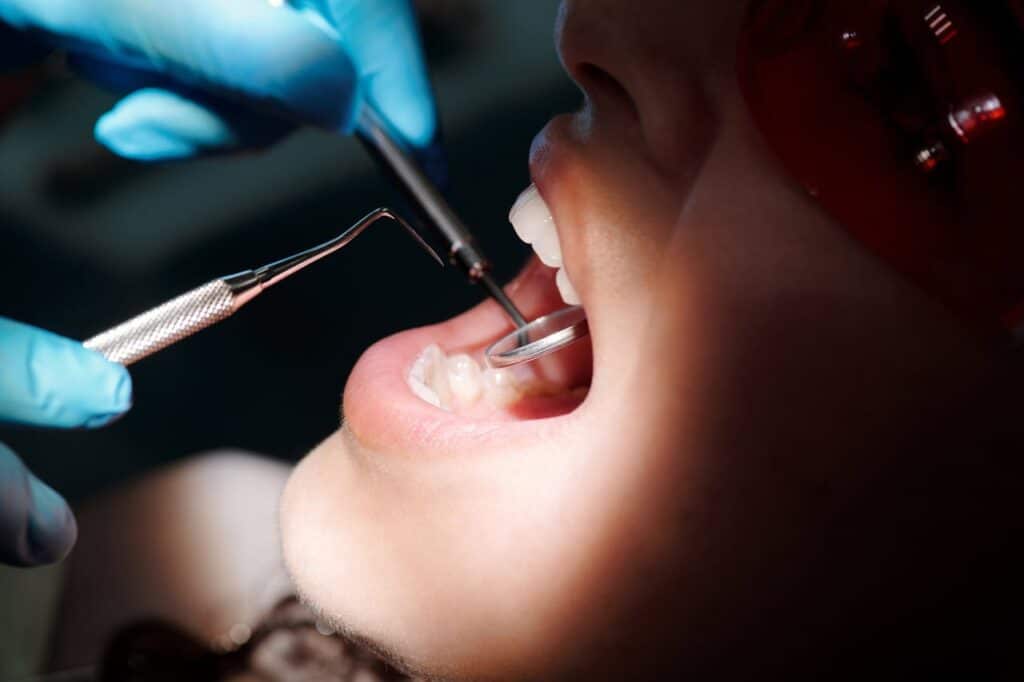
tooth coloured fillings

When it comes to dental health, the materials you choose for fillings can make a big difference. Traditional metal fillings, while effective, can stand out against your natural teeth. Tooth coloured fillings offer a more discreet and aesthetically pleasing alternative. 

They blend seamlessly with your natural teeth, making them an excellent choice for anyone who values appearance and functionality. Let’s explore why these fillings are a popular choice for many patients.

What Are Tooth Coloured Fillings?

Endodontics Treatment

Tooth coloured fillings, also known as composite fillings, are a modern way to repair cavities and damage to your teeth. Unlike traditional metal fillings, tooth coloured fillings are made from a blend of plastic resins and fine glass particles. This material can be tinted to match the natural colour of your teeth, making the filling almost invisible.

These fillings are versatile and can be used to fix both small and large cavities. They are especially popular for fillings in visible areas of your mouth, like the front teeth, because they blend in so well. The composite material bonds directly to your tooth, providing a strong and durable repair.

Replacing old metal fillings with tooth coloured ones can make a big difference in the look of your smile. If you have any cavities that need to be filled or if you’re unhappy with your current metal fillings, tooth coloured fillings could be an excellent option for you.

Advantages of Tooth Coloured Fillings

Tooth coloured fillings offer several key advantages over traditional metal fillings. One of the biggest benefits is their natural appearance. Because they can be matched to the colour of your teeth, these fillings blend in seamlessly. This makes them a great choice for anyone who wants to maintain a natural-looking smile.

Another advantage is that tooth coloured fillings bond directly to the tooth structure. This bonding process helps strengthen the tooth, making it more resilient to further decay and damage. Metal fillings do not provide this benefit, as they simply rest in the cavity without bonding to the tooth. Learn more about root canal therapy.

Tooth coloured fillings are also more versatile. They can be used to repair chipped or broken teeth in addition to filling cavities. This makes them a multi-purpose solution for various dental problems. Additionally, the material used in tooth coloured fillings is less likely to cause sensitivity compared to metal fillings, providing a more comfortable experience for many patients.

How Tooth Coloured Fillings Work

Sedation Dentistry

Tooth coloured fillings work by bonding directly to your tooth, which helps to create a strong, natural-looking repair. The process begins by numbing the area around the affected tooth to ensure comfort. Once numb, the dentist will remove the decayed or damaged portion of the tooth, creating a clean area for the filling.

Next, the dentist will apply a special adhesive to the tooth. This is followed by applying the composite resin in layers. Each layer is hardened with a special light, which helps bond the material to the tooth structure. This layering process ensures a strong and durable filling.

Once all the layers are in place, the dentist will shape the resin to match the contours of your natural tooth. The final step involves polishing the filling to give it a smooth finish that blends seamlessly with your other teeth. This entire process usually takes about 30 to 60 minutes per tooth, depending on the size and location of the cavity.

Comparing Tooth Coloured Fillings to Metal Fillings

Tooth coloured fillings and metal fillings each have their own set of pros and cons. Understanding the differences can help you make an informed choice for your dental health.

1. Appearance: Tooth coloured fillings blend in with your natural teeth, making them virtually invisible. Metal fillings, on the other hand, are noticeable and can affect the aesthetics of your smile.

2. Bonding: Tooth coloured fillings bond directly to the tooth structure, helping to strengthen the tooth. Metal fillings do not bond to the tooth and merely fill the cavity.

3. Durability: Metal fillings are known to be very durable and can last many years. While tooth coloured fillings are also durable, they may not last as long as metal ones, especially in high-stress areas like the back molars.

4. Sensitivity: Some patients experience sensitivity with metal fillings due to temperature changes, as metal expands and contracts. Tooth coloured fillings are less likely to cause this issue.

5. Versatility: Tooth coloured fillings are more versatile and can be used to repair chipped or broken teeth, in addition to filling cavities. Metal fillings are limited to filling cavities only.

These comparisons highlight why tooth coloured fillings are a popular choice for many people. They offer both practical and aesthetic benefits, making them a versatile solution for various dental issues.

Conclusion

Tooth coloured fillings provide an excellent way to repair cavities and other dental damage while maintaining a natural look. They offer numerous advantages, including a seamless appearance, added strength, and reduced sensitivity. By understanding how they work and comparing them to traditional metal fillings, you can make an informed decision about your oral health.

If you’re considering tooth coloured fillings or need more information, our team at Pickering Dental Services is here to help. We are committed to providing high-quality dental services in Ajax that meets your specific needs. Contact us today to schedule your appointment and take the first step toward a healthier, more confident smile.

Helpful Resources

For more information, visit the Canadian Dental Association Oral Health.

Schedule Your Appointment Today

Contact Pickering Square Dental to book your appointment with Dr. Marvin Lean. Call us at (905) 420-1777 or visit us at 1450 Kingston Rd, Unit #4, Pickering, ON.

Frequently Asked Questions

How often should I visit the dentist?

The Canadian Dental Association recommends visiting your dentist at least twice a year for regular check-ups and cleanings. Some patients may need more frequent visits depending on their oral health needs. Call Pickering Square Dental at (905) 420-1777 to schedule your next appointment.

Do you accept the Canadian Dental Care Plan (CDCP)?

Yes, Pickering Square Dental participates in the Canadian Dental Care Plan. Our team can help you understand your coverage and ensure you receive the dental care you need. Contact us for more details about CDCP eligibility and benefits.

What services does Pickering Square Dental offer?

We offer a full range of dental services including family dentistry, emergency dental care, sedation dentistry, dental implants, laser dentistry, teeth whitening, root canal therapy, dental extractions, periodontal care, and cosmetic dentistry. Dr. Lean and our team serve patients in Pickering, Ajax, Whitby, and Scarborough.

What You Need to Know About Dental Crowns and Bridges

Dental Crowns

Dental crowns and bridges play a significant role in restoring and maintaining a healthy, beautiful smile. Whether you have a damaged tooth or a gap due to missing teeth, these dental solutions can help renew your oral health and boost your confidence. 

Understanding what crowns and bridges are, their benefits, and how they are placed can make the decision to opt for these treatments much easier. Keep reading to find out everything you need to know about dental crowns and bridges and how they can improve your dental health.

What Are Dental Crowns and Bridges?

Dental Emergency

Dental crowns and bridges are essential tools in restorative dentistry. They help to repair and replace damaged or missing teeth, ensuring your smile remains functional and attractive. A dental crown, often called a cap, covers a damaged or decayed tooth. It restores the tooth’s shape, size, and strength, allowing it to function normally. Crowns are typically used when a tooth is too damaged for a filling to be effective.

On the other hand, a dental bridge is used to fill the gap created by one or more missing teeth. A bridge consists of one or more artificial teeth anchored in place by crowns on the adjacent teeth. This helps prevent the remaining teeth from shifting out of position, which can lead to further dental issues. Bridges improve chewing and speaking abilities and maintain the shape of your face.

Both crowns and bridges can significantly improve the look and function of your teeth. Whether you need to cover a damaged tooth or replace a missing one, these dental solutions provide a reliable and aesthetic option. Understanding their purpose and how they work is the first step toward making an informed decision about your oral health.

Types of Materials Used for Crowns and Bridges

Dental crowns and bridges can be made from a variety of materials, each with its own set of advantages. The choice of material depends on factors like the location of the tooth, your aesthetic preferences, and your budget. Here are some common materials used:

1. Porcelain: Porcelain is a popular choice for crowns and bridges because it closely resembles natural tooth enamel in colour and translucence. It’s an excellent option for front teeth, where appearance is most important. Porcelain crowns are strong, but they can wear down opposing teeth if placed on back teeth.

2. Metal: Metal crowns, made from alloys like gold, are known for their durability and strength. They are usually placed on molars where the chewing forces are greatest. While metal crowns don’t look as natural, they last a long time and rarely chip or break. Learn more about dental implant services.

3. Porcelain-Fused-to-Metal (PFM): PFM crowns combine the strength of metal with the aesthetic appeal of porcelain. The metal provides a strong base, while the porcelain coating offers a natural appearance. These crowns are suitable for both front and back teeth.

4. Ceramic: Ceramic crowns are made from a type of porcelain that is even stronger than traditional porcelain. They offer a great balance between durability and appearance, making them suitable for both front and back teeth.

5. Resin: Resin crowns are less expensive and require less tooth structure to be removed before placement. However, they are not as strong or durable as porcelain or metal crowns and may wear down over time.

Choosing the right material for your crown or bridge depends on various factors, including its location in your mouth and your personal preference. Consulting with your dentist will help you make the best choice for your specific needs.

Benefits of Dental Crowns and Bridges

Teeth Whitening

Dental crowns and bridges offer several key benefits for your oral health and overall well-being:

1. Restored Functionality: Crowns and bridges help restore the normal function of your teeth. This means you can chew and speak properly without any discomfort or difficulty. A crown can strengthen a weakened tooth, and a bridge can replace missing teeth, preventing bite issues.

2. Improved Appearance: Dental crowns and bridges can improve the appearance of your smile. Crowns can cover discoloured or misshapen teeth, while bridges fill gaps left by missing teeth. Both options are designed to blend well with your natural teeth, enhancing your smile.

3. Prevention of Tooth Movement: Missing teeth can cause nearby teeth to shift out of position. This can lead to misalignment and other dental problems. A bridge prevents this movement by filling the gap, maintaining the alignment of your teeth.

4. Durability and Longevity: With proper care, crowns and bridges can last many years. They are made from strong, durable materials designed to withstand daily wear and tear. Regular dental check-ups and good oral hygiene can extend their lifespan even further.

Understanding the benefits can help you appreciate the long-term advantages of choosing crowns and bridges for dental restoration. These solutions not only improve the look of your smile but also contribute to better oral health.

The Procedure for Getting Crowns and Bridges

Getting a crown or bridge typically involves a few steps spread over multiple dental visits. Knowing what to expect can help you feel more comfortable with the process.

1. Initial Consultation: Your journey starts with an initial consultation where your dentist examines your teeth and discusses the best options for you. X-rays or scans may be taken to get a detailed view of your teeth and jaw.

2. Tooth Preparation: For a crown, your dentist will numb the area and shape the affected tooth to make room for the crown. For a bridge, the adjacent teeth (abutments) are also prepared as they will support the bridge. This may involve removing a portion of these teeth to ensure a proper fit.

3. Impressions: Once the teeth are prepared, impressions are taken to create a model of your mouth. This model is sent to a dental lab where the crown or bridge is custom-made to match the colour, shape, and size of your natural teeth.

4. Temporary Crown or Bridge: While you wait for the permanent restoration, a temporary crown or bridge is placed to protect the prepared teeth and maintain their position.

5. Fitting the Permanent Crown or Bridge: On your next visit, the temporary restoration is removed, and the new crown or bridge is checked for fit and comfort. Adjustments are made if necessary, and once you and the dentist are satisfied, it is cemented in place.

By understanding these steps, you can feel more prepared and less anxious about the process. Your dentist will provide detailed aftercare instructions to ensure the longevity and success of your new crown or bridge.

Conclusion

Dental crowns and bridges offer effective and lasting solutions for restoring damaged or missing teeth. These dental procedures not only improve the look of your smile but also enhance the function and health of your teeth. Whether you’re dealing with a damaged tooth or missing teeth, crowns and bridges can provide the support and appearance you need.
If you think crowns or bridges might be the right solution for you, or if you have any questions, look no further than Pickering Dental Services. Our dentists in Pickering are here to help you achieve a healthier, more confident smile. Contact us today to schedule your appointment!

Helpful Resources

For more information, visit the Canadian Dental Association Oral Health.

Schedule Your Appointment Today

Contact Pickering Square Dental to book your appointment with Dr. Marvin Lean. Call us at (905) 420-1777 or visit us at 1450 Kingston Rd, Unit #4, Pickering, ON.

Frequently Asked Questions

How often should I visit the dentist?

The Canadian Dental Association recommends visiting your dentist at least twice a year for regular check-ups and cleanings. Some patients may need more frequent visits depending on their oral health needs. Call Pickering Square Dental at (905) 420-1777 to schedule your next appointment.

Do you accept the Canadian Dental Care Plan (CDCP)?

Yes, Pickering Square Dental participates in the Canadian Dental Care Plan. Our team can help you understand your coverage and ensure you receive the dental care you need. Contact us for more details about CDCP eligibility and benefits.

What services does Pickering Square Dental offer?

We offer a full range of dental services including family dentistry, emergency dental care, sedation dentistry, dental implants, laser dentistry, teeth whitening, root canal therapy, dental extractions, periodontal care, and cosmetic dentistry. Dr. Lean and our team serve patients in Pickering, Ajax, Whitby, and Scarborough.

How Sedation Dentistry Makes Dentist Visits Easy
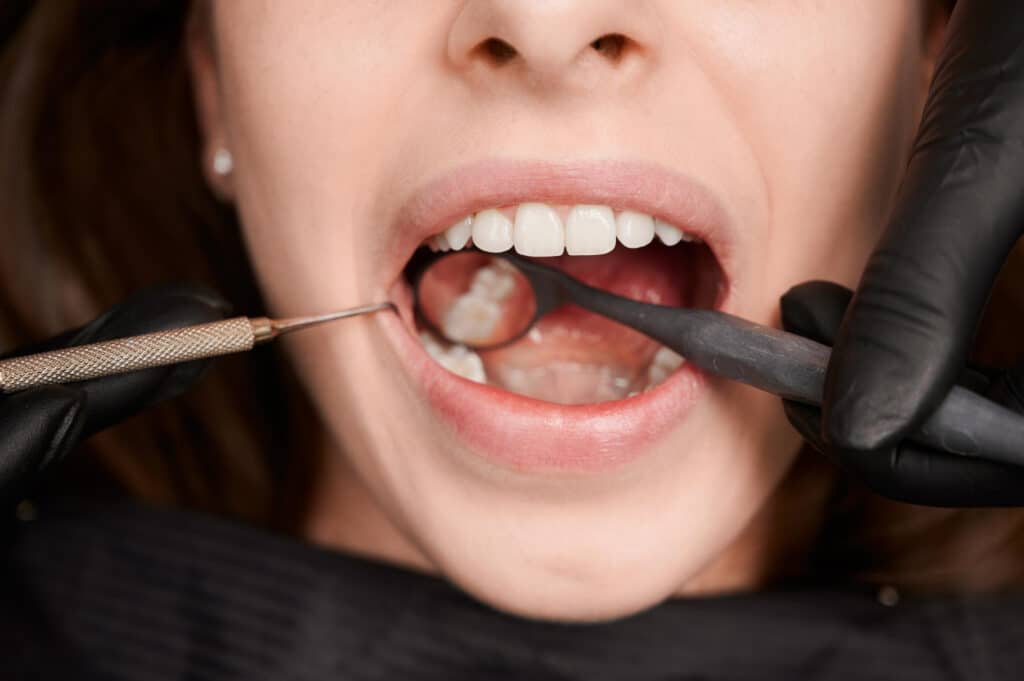
Sedation Dentistry

Going to the dentist can be a source of anxiety for many people. The sounds, sights, and even the thought of dental tools can cause fear and nervousness. This anxiety often keeps people from getting the dental care they need. Fortunately, sedation dentistry offers a way to make dentist visits more comfortable and less stressful. Let’s explore how sedation dentistry can transform your trips to the dentist into a more pleasant experience.

What Is Sedation Dentistry?

gum disease

Sedation dentistry involves using medications to help patients relax during dental procedures. This method is especially beneficial for those who experience significant anxiety or fear at the dentist. When you opt for sedation, you’ll be in a state of calm and comfort, making it easier for you to undergo necessary dental treatments.

There are different levels of sedation, ranging from mild to deep sedation. Mild sedation makes you feel relaxed but fully awake. On the other hand, deep sedation puts you in a sleep-like state, so you won’t be aware of the dental work being done. With sedation, your dentist can perform various procedures, from routine cleanings to more complex treatments like crowns and bridges.

Sedation dentistry is safe and monitored closely by your dental team. They ensure that the right type and amount of sedation are used, tailored to your specific needs and medical history. By making dental visits more comfortable, sedation dentistry helps you maintain your oral health without the stress and anxiety that often accompany dental appointments.

Types of Sedation Used in Dentistry

There are several types of sedation used in dentistry to accommodate different levels of anxiety and treatment requirements. Here are some common types:

1. Nitrous Oxide (Laughing Gas): This is the most common and mildest form of sedation. You breathe it through a mask placed over your nose. It helps you relax and wears off quickly after the procedure, allowing you to drive yourself home. Learn more about emergency dental care in Pickering.

2. Oral Sedation: This involves taking a pill, usually an hour before your appointment. Oral sedation can range from mild to moderate. A common medication used is diazepam, which makes you drowsy but still aware of your surroundings.

3. IV Sedation: This type is administered directly into your bloodstream via an IV. It’s faster acting and allows the dentist to adjust the level of sedation as needed during the procedure. IV sedation usually puts you in a deeper state of relaxation.

4. General Anesthesia: Reserved for more extensive dental work, this type of sedation makes you completely unconscious. It’s commonly used for surgical procedures and is administered by an anesthesiologist.

Benefits of Sedation Dentistry

Fluoride

Sedation dentistry offers many benefits for those anxious about visiting the dentist. One of the most significant advantages is reduced anxiety and stress. Patients often feel calm and relaxed throughout the procedure, making it easier for them to receive the dental care they need.

Another benefit is pain management. Sedation helps to minimize discomfort during dental procedures, which is particularly helpful for individuals with a low pain threshold or sensitive teeth. This allows the dentist to perform the necessary treatments without causing any pain to the patient.

Sedation dentistry also enables dentists to complete multiple treatments in one visit. Because you are in a relaxed state, the dentist can work more efficiently and effectively. This means fewer dental visits, which is a big plus for those with busy schedules or those who simply want to get all their dental work done in one sitting.

Preparing for a Sedation Dentistry Appointment

Preparing for a sedation dentistry appointment involves a few important steps to ensure everything goes smoothly. First, have a detailed discussion with your dentist about your medical history and any medications you’re currently taking. This helps the dentist choose the right sedation method for you.

On the day of your appointment, it’s usually advised to avoid eating or drinking for a specific period before the procedure, especially if you are undergoing IV sedation. Following these instructions is crucial for your safety and the effectiveness of the sedation.

It’s a good idea to wear comfortable clothing and arrange for someone to drive you home afterward, particularly if you’re having oral or IV sedation. The effects can take a little time to wear off completely, so it’s safer to have someone with you.

Once you’re at the dental office, the dental team will monitor you closely during the procedure to ensure your safety and comfort. Following these steps will help you have a stress-free and successful visit.

Conclusion

Sedation dentistry can significantly improve your experience at the dentist. By understanding the types of sedation available and their benefits, you can make informed decisions about your dental care. Reduced anxiety, better pain management, and the ability to complete multiple treatments in one visit are just some of the advantages that make sedation dentistry an excellent option for many people.
At Pickering Dental Services, we strive to make your dental visits as comfortable and stress-free as possible. If you have dental anxiety or are curious about sedation dentistry in Ajax, contact us to learn more. We’re here to help you every step of the way!

Helpful Resources

For more information, visit the CDA Guide to Sedation Dentistry.

Schedule Your Appointment Today

Contact Pickering Square Dental to book your appointment with Dr. Marvin Lean. Call us at (905) 420-1777 or visit us at 1450 Kingston Rd, Unit #4, Pickering, ON.

Frequently Asked Questions

Is sedation dentistry safe?

Yes, sedation dentistry is very safe when administered by a trained dental professional. Dr. Lean at Pickering Square Dental monitors your vital signs throughout the procedure to ensure your comfort and safety.

Will I be unconscious during sedation dentistry?

It depends on the level of sedation. Mild sedation keeps you relaxed but awake. Moderate sedation may make you drowsy, though you can still respond. Deep sedation is used for complex procedures. Dr. Lean will recommend the right level for your needs.

How long does sedation last?

Nitrous oxide (laughing gas) wears off within minutes. Oral sedation may take a few hours to fully wear off, so you will need someone to drive you home. Our Pickering team will give you specific aftercare instructions.

How Sedation Dentistry Helps You Relax at the Dentist

sedation dentistry

Going to the dentist can make many people nervous, but it doesn’t have to be that way. Sedation dentistry offers a solution that helps you feel calm and comfortable during dental procedures. Whether you get anxious about dental visits or have a low pain threshold, sedation can make your experience much more pleasant.

What is Sedation Dentistry?

dental procedure

Sedation dentistry uses medication to help patients relax during dental procedures. This can be particularly helpful for those who have anxiety about dental visits. The goal is to make the experience as comfortable as possible. Sedation ranges from minimal, where you are awake but relaxed, to deep, where you are almost unconscious but can still be awakened if needed.

Dentists can use sedation for various procedures, from simple cleanings to more complicated treatments like crowns or implants. The level of sedation depends on the patient’s needs and the type of procedure being performed. It can help manage not just anxiety but also fear of pain, sensitive teeth, or a strong gag reflex.

Using sedation allows the dentist to work more efficiently because the patient is calmer. This can be especially useful for longer procedures, as it means the dentist can complete more work in one visit. Knowing that you can receive sedation can make the idea of going to the dentist much less daunting.

Types of Sedation Dentistry

There are several types of sedation used in dentistry, each serving different needs. The main types include:

1. Nitrous Oxide (Laughing Gas): This is the lightest form of sedation. You breathe it in through a mask, and it helps you feel relaxed. It wears off quickly, so you can usually drive home afterward. Learn more about emergency dental care in Pickering.

2. Oral Sedation: You take this sedation as a pill. It makes you drowsy, but you’re still awake. The level of sedation can be minimal to moderate, depending on the dosage. You might feel groggy, so it’s important to have someone drive you home.

3. IV Sedation: This sedative is delivered through a vein, so it works quickly. The dentist can adjust the level of sedation throughout the procedure. You will be deeply relaxed and may not remember much of the procedure. You will need someone to take you home afterward.

4. General Anaesthesia: This is the strongest form of sedation, where you are completely unconscious. It is used for very complicated procedures and is usually administered by an anaesthesia specialist.

Each type of sedation has its benefits and will be chosen based on what you need and how anxious you feel about dental work. Talking to your dentist about your concerns will help them choose the best sedation option for you.

Benefits of Sedation Dentistry

man brushing teeth

Sedation dentistry offers many benefits that can make your dental visits more comfortable and less stressful. One of the main advantages is anxiety relief. Many people feel anxious or fearful when they think about visiting the dentist. Sedation can help calm these feelings, making it easier to go through with treatments that you might otherwise avoid.

Another benefit is pain management. While local anaesthesia numbs the area being treated, sedation can help relax you so that you are less aware of any discomfort. This is particularly helpful for people with a low pain threshold or those undergoing more invasive procedures like dental implants or complex extractions.

Sedation also allows for more efficient dental work. When you are relaxed, the dentist can complete treatments faster and more effectively. This means fewer visits and less time spent in the dental chair. Additionally, sedation helps with managing a strong gag reflex and sensitive teeth, enabling the dentist to perform thorough and precise work without interruptions.

What to Expect During Your Visit

When you choose sedation dentistry, your visit will start with a discussion about your medical history and any medications you are taking. This helps the dentist determine the best type of sedation for you. On the day of your appointment, you should follow any pre-procedure instructions given by your dentist, such as avoiding food or drink for a certain amount of time.

Once you arrive, you will be prepared for the sedation. If you are using nitrous oxide, a mask will be placed over your nose to deliver the gas. For oral sedation, you will be given a pill to take beforehand. IV sedation involves inserting a needle into a vein in your arm to administer the sedative. If general anaesthesia is used, an anaesthesiologist will monitor you throughout the procedure.

During the treatment, you will feel relaxed and at ease. Depending on the type of sedation, you may be awake but calm, drowsy, or completely asleep. Your vital signs will be closely monitored to ensure your safety. After the procedure, you’ll need some time to recover from the sedation. It’s important to have someone drive you home if you have undergone oral sedation, IV sedation, or general anaesthesia, as you might feel groggy.

Conclusion

Sedation dentistry can transform your dental experience, making it much more pleasant and stress-free. Understanding the different options and knowing what to expect can help you feel more at ease when it’s time for your next dental visit. From managing anxiety and pain to allowing for efficient dental treatments, the benefits of sedation are significant.

If you’ve been avoiding dental care due to fear or anxiety, consider sedation dentistry as a solution. It can make all the difference in keeping your teeth and gums healthy while ensuring you remain comfortable throughout the process. Learning about sedation options and discussing them with your dentist can help you make an informed decision.

Want to experience the benefits of sedation dentistry? Contact Pickering Dental Services today to schedule your consultation and take the first step towards a more relaxed dental visit. Your comfort and dental health are our top priorities.

Helpful Resources

For more information, visit the CDA Guide to Sedation Dentistry.

Schedule Your Appointment Today

Contact Pickering Square Dental to book your appointment with Dr. Marvin Lean. Call us at (905) 420-1777 or visit us at 1450 Kingston Rd, Unit #4, Pickering, ON.

Frequently Asked Questions

Is sedation dentistry safe?

Yes, sedation dentistry is very safe when administered by a trained dental professional. Dr. Lean at Pickering Square Dental monitors your vital signs throughout the procedure to ensure your comfort and safety.

Will I be unconscious during sedation dentistry?

It depends on the level of sedation. Mild sedation keeps you relaxed but awake. Moderate sedation may make you drowsy, though you can still respond. Deep sedation is used for complex procedures. Dr. Lean will recommend the right level for your needs.

How long does sedation last?

Nitrous oxide (laughing gas) wears off within minutes. Oral sedation may take a few hours to fully wear off, so you will need someone to drive you home. Our Pickering team will give you specific aftercare instructions.

Preparing for Dental Implants: What You Should Know

dental implant

Getting dental implants is a big decision that can significantly improve your smile and dental health. But before you can enjoy your new teeth, there are several steps involved in the preparation process. Knowing what to expect can make the experience less stressful and help you feel more comfortable with your decision.

Initial Consultation and Assessment

periodontal care

The first step in preparing for dental implants is the initial consultation and assessment. During this visit, the dentist will conduct a thorough examination of your mouth. This includes checking your gums, teeth, and jawbone. They may take X-rays or a 3D scan to get a detailed view of your oral structure. This helps the dentist determine if you have enough bone density to support the implant and if any additional treatments are needed.

In addition to the physical examination, the dentist will review your medical history. It’s important to share information about any medications you are taking and any medical conditions you have. This ensures that the dentist can plan the procedure safely and effectively.

During this consultation, you will also have the chance to discuss your expectations and any concerns you may have. The dentist will explain the entire implant process, including what you can expect before, during, and after the surgery. This open communication helps build trust and prepares you for the next steps.

Preparing Your Mouth and Jaw for Implants

After your initial consultation, you may need to undergo some preparatory procedures to get your mouth and jaw ready for the implant. If you have any damaged or decayed teeth, they may need to be extracted. Removing these teeth can create the necessary space for the implants and ensure a healthy foundation. Learn more about teeth whitening and aesthetics.

In some cases, patients may not have enough bone density in their jaw to support an implant. If this is your situation, the dentist might recommend a bone graft. This procedure involves adding bone material to your jaw to strengthen it. The graft can come from another part of your body, a donor, or a synthetic source. Over time, the new bone will integrate with your jawbone, providing a solid base for the implant.

Additionally, if your gums are not healthy, the dentist might suggest treating any gum disease before proceeding with the implant. Healthy gums are crucial for the success of dental implants, as they help support the new teeth and prevent complications. These preparatory steps are essential to ensuring a successful dental implant procedure and setting the foundation for a lasting and healthy smile.

Understanding the Implant Procedure

smiling

Once your mouth and jaw are prepared, the next step is the actual implant procedure. On the day of the surgery, you will receive anesthesia to ensure you are comfortable throughout. If you’re anxious, sedation dentistry options are available to help you relax.

The dentist begins by making a small incision in your gum to access the jawbone. They will then drill a small hole and place the titanium implant post into it. This post acts like the root of a natural tooth, providing a sturdy base for the replacement tooth. The dentist will close the gum over the implant, and you will go home to heal.

Healing can take several months, as the jawbone needs time to grow around the implant. This process is called osseointegration, and it’s crucial for the stability of your new tooth. Once the implant has fully bonded with the bone, you’ll return to the dentist to attach an abutment. The abutment is a connector that holds the replacement tooth, such as a crown or a bridge, which will be customized to match your natural teeth.

Aftercare and Recovery Tips

After the implant procedure, proper aftercare is essential for a smooth recovery. Immediately following the surgery, you might experience some swelling, bruising, and minor bleeding. These symptoms are normal and should subside within a few days. The dentist will provide you with instructions on how to care for the implant site.

Here are some tips to help you recover:

  • Use ice packs to reduce swelling.
  • Eat soft foods to avoid irritating the implant site.
  • Avoid hot drinks and spicy foods that can cause discomfort.
  • Take prescribed painkillers and antibiotics as directed.
  • Keep your mouth clean by gently rinsing with salt water.

Regular dental visits are crucial during the healing period. The dentist will monitor your progress and ensure the implant is integrating well with the jawbone. Following these guidelines will help you heal faster and reduce the risk of complications.

Conclusion

Getting dental implants involves several important steps, from the initial consultation and assessment to preparing your mouth and jaw, understanding the procedure, and following aftercare tips. Each step is crucial for ensuring the success of your dental implants and achieving a healthy, lasting smile.

The preparation might seem daunting, but understanding the process and following your dentist’s advice can make it manageable. Dental implants provide a durable, natural-looking solution for missing teeth, allowing you to enjoy your daily activities with confidence.

Ready to take the next step toward a healthier smile? Contact Pickering Dental Services to schedule your consultation and learn more about how dental implants can benefit you.

Helpful Resources

For more information, visit the Canadian Dental Association on Dental Implants.

Schedule Your Appointment Today

Contact Pickering Square Dental to book your appointment with Dr. Marvin Lean. Call us at (905) 420-1777 or visit us at 1450 Kingston Rd, Unit #4, Pickering, ON.

Frequently Asked Questions

How long do dental implants last?

With proper care and regular dental check-ups, dental implants can last 25 years or more. Many patients enjoy their implants for a lifetime. At Pickering Square Dental, Dr. Lean uses high-quality titanium implants designed for long-term durability.

Are dental implants painful?

Most patients report less discomfort than expected. The procedure is performed under local anaesthesia, and sedation options are available. Post-procedure soreness typically resolves within a few days with over-the-counter pain relief.

Am I a candidate for dental implants?

Most adults with good general health are candidates for dental implants. You need adequate jawbone density to support the implant. Dr. Lean will assess your bone health and overall suitability during a consultation at our Pickering office.

Making Dental Visits Easier with Sedation Dentistry

Sedation Dentistry

Going to the dentist can be scary for many people. Whether it’s the sound of the drill, the fear of pain, or just being in an unfamiliar place, lots of folks feel anxious about dental visits. For some, this fear keeps them from getting the dental care they need, causing more significant problems down the line. This is where sedation dentistry comes in. 

Sedation dentistry uses medication to help patients feel calm. Different types of sedation can be used, depending on your needs and the procedure you’re having. 

This article will explain what sedation dentistry is, the different types used, and the benefits it offers. By understanding more about sedation dentistry, you can see how it makes dental visits easier and stress-free, helping you maintain a healthy smile without worry. 

What is Sedation Dentistry and How Does It Work?

Implant-Dentistry

Sedation dentistry involves the use of medication to help patients relax during dental procedures. It’s especially useful for those who have anxiety, a low pain threshold, or have had traumatic experiences at the dentist before. Sedation can make dental visits much more comfortable and less stressful.

There are different levels of sedation, from minimal to deep. With minimal sedation, you’ll feel relaxed but stay awake. Moderate sedation, also called “conscious sedation,” means you may not remember much of the procedure. With deep sedation, you’re on the edge of consciousness but can still be awakened if necessary. General anesthesia, which puts you completely to sleep, is less common in dental offices but is used for more complex procedures.

The process usually starts with the dentist discussing your health history and concerns. They will explain the type of sedation that’s best for you. On the day of your appointment, you’ll take the medication before the procedure starts. The dentist will monitor you throughout to ensure you’re comfortable and safe. Once the procedure is done, you’ll be given time to recover before heading home. Learn more about emergency dental care in Pickering.

Types of Sedation Used in Dentistry

Several types of sedation can be used during dental visits, each with its own benefits and uses. Here are some of the most common types:

1. Nitrous Oxide: Also known as “laughing gas,” nitrous oxide is the lightest form of sedation. It’s a gas that you breathe in through a mask placed over your nose. You’ll feel relaxed and maybe a bit giggly, but you’ll stay awake and can still respond to the dentist. The effects wear off quickly, so you can usually drive yourself home after the appointment.

2. Oral Sedation: This type involves taking a pill, usually a form of anti-anxiety medication like Valium. You take it about an hour before your procedure. The pill will make you drowsy but awake. Some people might even fall asleep but can be easily awakened.

3. IV Sedation: For this type, the sedative is given through a vein. This allows the dentist to adjust the level of sedation as needed. IV sedation works quickly and provides a deeper level of sedation than oral pills or nitrous oxide. You may feel groggy afterward and will need someone to drive you home.

4. General Anaesthesia: This is the deepest form of sedation and is usually reserved for very complex dental procedures or for patients who can’t tolerate other forms of sedation. Under general anesthesia, you’ll be completely unconscious. This type is usually administered in a hospital or specialized clinic.

Each type has its specific uses and benefits, making it easier for you and the dentist to choose the one that best suits your needs.

Benefits of Sedation Dentistry for Patients

Tooth-Coloured Fillings

Sedation dentistry offers numerous benefits for patients who experience anxiety or fear during dental visits. One of the most significant benefits is that it reduces anxiety. For many people, the thought of visiting the dentist can be overwhelming. Sedation helps ease these worries, allowing patients to feel more comfortable and relaxed.

Another benefit is pain management. Sedation can help manage pain more effectively during procedures. For those with a low pain threshold or sensitive teeth, this can make a visit to the dentist much more bearable. Sedation also allows for longer procedures to be completed in a single visit, which can be incredibly convenient for busy families.

Sedation can help suppress strong gag reflexes. Some patients have a gag reflex that is so strong it makes dental treatments difficult. Sedation helps relax the muscles, making it easier for the dentist to perform the necessary procedures without interruption. This way, patients can receive the care they need without discomfort or embarrassment.

Who Can Benefit from Sedation Dentistry?

Various people can benefit from sedation dentistry. Those with dental anxiety or fear are the most obvious candidates. If you’ve ever put off going to the dentist because you’re scared, sedation can help you face your fears and get the treatment you need. Even routine cleanings can become stress-free experiences.

Patients with low pain tolerance or very sensitive teeth can also benefit. Dental procedures can be painful for these individuals, making sedation a great way to help them manage discomfort. By being less aware of the sensations, these patients can have a more pleasant experience.

Kids often benefit from sedation, especially when they are young, and find it hard to stay still during dental procedures. Sedation can help them remain calm and cooperative, ensuring that they get the dental care they need while minimizing their discomfort and anxiety. It’s a useful tool for parents who want to make dental visits less stressful for their children.

Conclusion

Sedation dentistry is a valuable tool for making dental visits easier and more comfortable for many people. It helps to reduce anxiety, manage pain, and make it possible for patients with special needs to receive the care they require. By understanding what sedation dentistry is and how it works, you can make informed decisions about your oral health. This allows you to maintain a healthy smile without the stress and fear often associated with dental visits.
Don’t let fear keep you from a healthy, beautiful smile. Look no further than Pickering Dental Services to learn more about how our sedation dentistry in Ajax can help you. Call us to schedule an appointment today and take the first step towards a more relaxed dental experience.

Helpful Resources

For more information, visit the CDA Guide to Sedation Dentistry.

Schedule Your Appointment Today

Contact Pickering Square Dental to book your appointment with Dr. Marvin Lean. Call us at (905) 420-1777 or visit us at 1450 Kingston Rd, Unit #4, Pickering, ON.

Frequently Asked Questions

Is sedation dentistry safe?

Yes, sedation dentistry is very safe when administered by a trained dental professional. Dr. Lean at Pickering Square Dental monitors your vital signs throughout the procedure to ensure your comfort and safety.

Will I be unconscious during sedation dentistry?

It depends on the level of sedation. Mild sedation keeps you relaxed but awake. Moderate sedation may make you drowsy, though you can still respond. Deep sedation is used for complex procedures. Dr. Lean will recommend the right level for your needs.

How long does sedation last?

Nitrous oxide (laughing gas) wears off within minutes. Oral sedation may take a few hours to fully wear off, so you will need someone to drive you home. Our Pickering team will give you specific aftercare instructions.