
How to Prepare for Dental Implant Surgery

dental implant surgery

Dental implant surgery offers a fantastic solution for replacing missing teeth and restoring your smile. It’s a procedure that not only improves appearance but also aids in maintaining healthy jaw function. Like most surgeries, proper preparation is vital to ensure the best outcome and make the process smoother.

Understanding Dental Implant Surgery

Family Dentists

Dental implant surgery is a procedure used to replace missing teeth with artificial ones that mimic the look and function of natural teeth. Implants are small titanium posts surgically placed into the jawbone beneath the gum line. Over time, the implant fuses naturally with the bone, providing a stable base for the replacement tooth. This integration helps mimic the natural tooth root’s function, ensuring durability and strength.

The benefits of dental implants extend beyond aesthetics. Implants help maintain the jawbone’s integrity, preventing bone loss that typically follows tooth loss. They also improve chewing ability, support facial structure, and preserve the health of surrounding teeth. Additionally, implants don’t rely on neighbouring teeth for support, unlike bridges, which can make them a more conservative choice.

Good candidates for dental implant surgery generally include those with:

– Adequate jawbone density to support the implant

– Healthy gums free of periodontal disease

– Overall good health to withstand surgery and healing

– Commitment to maintaining excellent oral hygiene

Being informed about your eligibility and the benefits can make a world of difference when considering dental implants, ensuring you make the best choice for your oral health.

Steps to Prepare Before the Surgery

Preparation for dental implant surgery is crucial for a smooth experience and recovery. Begin by scheduling an initial consultation and a comprehensive dental examination. This step involves X-rays and potentially 3D imaging to assess the health of your jawbone and determine the ideal implant placement. Learn more about teeth whitening and aesthetics.

In the weeks or days before the surgery, certain health checks might be necessary. These include evaluations for medical conditions that could affect healing, such as diabetes, or checking medications that might interfere with the procedure. Your dentist might also make recommendations for managing medications pre-surgery.

Making dietary and lifestyle changes can also prepare you for surgery. Here are some adjustments to consider:

– Avoiding smoking and excessive alcohol, which can impede healing

– Eating a balanced diet rich in nutrients, like calcium and Vitamin D, to support bone health

– Ensuring you have soft foods ready for post-surgery, such as soups or yoghurt, to ease initial recovery

By taking these preparatory steps, you help ensure a successful surgery and recovery, paving the way for your new smile.

Managing Anxiety and Pain Expectations

Sedation Dentistry

Dental implant surgery can seem intimidating, and it’s natural to feel anxious. However, there are effective ways to manage this anxiety and reduce pain concerns. Sedation dentistry plays a crucial role in this process. It involves using medications to help you relax during the procedure. Options range from mild sedatives that keep you awake but relaxed to deeper sedation methods where you’re barely aware of the procedure.

During the surgery, your dentist will ensure you are comfortable and will explain what to expect regarding any sensations or pressure. Many patients report that the procedure is less painful than anticipated due to the use of local anaesthesia and sedation.

Here are some tips for reducing stress before your surgery:

– Practice Relaxation Techniques: Breathing exercises, meditation, or gentle yoga can help calm your mind.

– Communicate with Your Dentist: Discuss any worries with your dentist. Knowing what to expect can often reduce fear.

– Arrange a Support Buddy: Having a friend or family member accompany you can provide reassurance and support.

Understanding pain management and knowing that sedation options are available can transform the dental implant experience into a more manageable event.

Post-Surgery Care and Recovery Tips

Proper care after dental implant surgery is crucial for a swift and smooth recovery. The initial days following the procedure are vital for healing, and adhering to specific aftercare tips can make a significant difference.

Here’s how to care for your new implants immediately after surgery:

– Follow Dietary Guidelines: Stick to soft foods and avoid any that require extensive chewing. Cold foods can help soothe swelling.

– Maintain Oral Hygiene: Avoid harsh brushing around the implant site for a few days. Rinse your mouth gently with salt water to reduce bacteria.

– Avoid Strain: Refrain from heavy lifting or strenuous activities for a few days to prevent increased blood flow to the head that can cause bleeding.

Recognize the signs of successful recovery, such as reduced swelling and minimal discomfort. If you experience severe pain or unusual symptoms, contact your dentist promptly.

Long-term care is essential to the success of your implants. Regular dental check-ups will help ensure everything remains in good condition. Practice thorough oral hygiene with at least twice-daily brushing and flossing to keep your new smile looking its best.

Conclusion

Dental implant surgery is a rewarding journey that can significantly improve both your oral health and confidence. By being well-prepared and understanding each step of the process, from managing anxiety to diligent post-operative care, you ensure the best outcome. Taking care of your implants and practising good oral hygiene will help in keeping your smile healthy and strong for years to come.

If you’re ready to explore dental implants in Pickering, we at Pickering Dental Services are here to help. Our team can provide the expert guidance and personalized care you need to make informed decisions about your dental health. Visit us to start your journey towards a healthier, more confident smile today.

Helpful Resources

For more information, visit the Canadian Dental Association on Dental Implants.

Schedule Your Appointment Today

Contact Pickering Square Dental to book your appointment with Dr. Marvin Lean. Call us at (905) 420-1777 or visit us at 1450 Kingston Rd, Unit #4, Pickering, ON.

Frequently Asked Questions

How long do dental implants last?

With proper care and regular dental check-ups, dental implants can last 25 years or more. Many patients enjoy their implants for a lifetime. At Pickering Square Dental, Dr. Lean uses high-quality titanium implants designed for long-term durability.

Are dental implants painful?

Most patients report less discomfort than expected. The procedure is performed under local anaesthesia, and sedation options are available. Post-procedure soreness typically resolves within a few days with over-the-counter pain relief.

Am I a candidate for dental implants?

Most adults with good general health are candidates for dental implants. You need adequate jawbone density to support the implant. Dr. Lean will assess your bone health and overall suitability during a consultation at our Pickering office.

The Important Benefits of Dental Crowns for Tooth Repair

tooth repair

Dental crowns are an essential tool in modern dentistry, providing a reliable solution for repairing damaged or weakened teeth. They act as a cap that covers the entire tooth, restoring its shape, size, and strength. Whether you’re dealing with a cracked tooth, severe decay, or just want to improve the look of a tooth, crowns offer an effective and lasting answer.

Not just functional, dental crowns also make a noticeable difference in appearance. They are especially useful in matching the natural colour of your teeth, ensuring your smile looks bright and uniform. With a crown in place, you can bite and chew with confidence, knowing your tooth is protected and functional.

The procedure for getting a dental crown typically involves assessing the tooth, preparing it by reshaping, and then fitting the crown securely over it. This preparation ensures that the crown fits perfectly and functions just like a natural tooth. With proper care, dental crowns can last many years, offering both a practical and aesthetic enhancement to your oral health.

Understanding Dental Crowns: What They Are and How They Work

teeth whitening

Dental crowns are versatile components in dentistry. They serve as a protective cover, or a “cap,” placed over an existing tooth. Crowns restore the tooth’s original size, shape, and appearance and are crucial for cases where the tooth is damaged but not beyond repair. Crowns safeguard the tooth from further harm and help in restoring its function.

Crowns come in various materials, each with specific benefits:

– Porcelain or Ceramic: Ideal for matching the colour of natural teeth, making them perfect for front or visible teeth.

– Metal: These crowns are robust and durable, often used for molars to withstand chewing forces.

– Porcelain-Fused-to-Metal (PFM): These offer the natural appearance of porcelain with the added strength of metal.

– Resin: This is a cost-effective option, though less durable than the others.

A dental crown is recommended in several situations:

– When a large cavity threatens the health of a tooth

– To protect a weak tooth from breaking Learn more about dental implant services.

– To restore a fractured tooth

– To cover a dental implant

– For cosmetic modifications, such as covering a misshaped or discoloured tooth

Dental crowns are pivotal in modern dentistry, offering a blend of protection and functionality while enhancing the tooth’s appearance.

Functional Benefits of Dental Crowns

Dental crowns provide numerous functional benefits. One of the primary reasons for using a crown is to restore a tooth’s functionality. Misshapen or damaged teeth can cause discomfort and impede normal functions like chewing and speaking. By encasing the compromised tooth, a crown restores its full function.

Key functional benefits include:

– Protection and Strengthening: A crown acts as a shield, providing a strong barrier against further damage due to decay or daily wear and tear.

– Improved Bite: By restoring a damaged tooth, crowns help maintain a proper bite alignment. This can alleviate jaw pain or discomfort caused by an uneven bite.

– Durability: Crowns typically last many years with proper care, offering a long-term solution to dental issues.

The protective layer provided by crowns also helps in preserving the remaining tooth structure. This means the tooth can continue functioning without the risk of further deterioration. Crowns play an essential role in maintaining overall dental health, ensuring that each tooth remains an effective part of your bite and smile.

Aesthetic Advantages of Dental Crowns

orthodontic treatment

Dental crowns play a significant role in enhancing the aesthetic appeal of your smile. They are designed not only for functional improvements but also to look good. When a tooth is chipped or discoloured, a crown can transform its appearance, delivering a seamless and natural look.

Key aesthetic advantages include:

– Colour Matching: With advanced dental materials like porcelain and ceramic, crowns can be matched to the exact shade of your natural teeth, making the repair virtually invisible.

– Uniformity: Crowns can correct the shape and alignment of a tooth, contributing to a more even and attractive smile.

– Confidence Boost: A crown can make a significant impact by restoring a tooth to its original integrity or even better, which often translates to increased self-esteem.

Whether you need to fix a single tooth or multiple ones, crowns are a practical way to rejuvenate your smile’s appearance. By opting for crowns, patients have a chance to improve not just the health of their teeth but also the confidence that comes with a bright, aligned smile.

The Dental Crown Procedure: What to Expect

Understanding what happens during a dental crown procedure can make the experience smoother and less daunting. Generally, the process involves a few key steps:

1. Assessment and Preparation: The dentist evaluates the tooth and reshapes it, creating a secure base for the crown.

2. Impressions: After shaping, an impression of the tooth is taken. This helps in crafting a crown that fits perfectly.

3. Temporary Crown: A temporary crown is placed to protect the tooth until the permanent one is ready.

4. Fitting the Crown: Once fabricated, the dentist fits the permanent crown, making adjustments as needed to ensure a comfortable bite.

Typically, the duration from preparation to fitting takes a few weeks and requires a couple of visits to the dental office. Recovery after the procedure is minimal, often just a day or two of adjusting to the new crown.

To maintain your crown, it is important to observe good oral hygiene practices. Regular brushing, flossing, and dental check-ups will ensure the crown remains in good shape for many years. Avoiding hard or sticky foods can also prolong the crown’s lifespan.

Conclusion

Dental crowns are a versatile solution for both aesthetic concerns and functional repair. They offer a long-lasting fix to various dental issues, helping to restore not only the tooth’s health but also improving how it looks. Whether you have a cracked tooth, severe decay, or desire a better smile, crowns can provide a reliable pathway to achieving your dental health goals. With proper care and routine dental visits, crowns can serve you well for years.

If you’re considering dental crowns to enhance your oral health or improve your smile, get in touch with Pickering Dental Services. Our team is ready to guide you through your options and help you choose the best solution for your needs. Visit our family-friendly office to discover how we can enhance your smile and boost your confidence.

Helpful Resources

For more information, visit the Canadian Dental Association Oral Health.

Schedule Your Appointment Today

Contact Pickering Square Dental to book your appointment with Dr. Marvin Lean. Call us at (905) 420-1777 or visit us at 1450 Kingston Rd, Unit #4, Pickering, ON.

Frequently Asked Questions

How often should I visit the dentist?

The Canadian Dental Association recommends visiting your dentist at least twice a year for regular check-ups and cleanings. Some patients may need more frequent visits depending on their oral health needs. Call Pickering Square Dental at (905) 420-1777 to schedule your next appointment.

Do you accept the Canadian Dental Care Plan (CDCP)?

Yes, Pickering Square Dental participates in the Canadian Dental Care Plan. Our team can help you understand your coverage and ensure you receive the dental care you need. Contact us for more details about CDCP eligibility and benefits.

What services does Pickering Square Dental offer?

We offer a full range of dental services including family dentistry, emergency dental care, sedation dentistry, dental implants, laser dentistry, teeth whitening, root canal therapy, dental extractions, periodontal care, and cosmetic dentistry. Dr. Lean and our team serve patients in Pickering, Ajax, Whitby, and Scarborough.

Sedation Dentistry: Why It Is Perfect for Nervous Patients

sedation dentistry

Feeling anxious about visiting the dentist is something many people experience. The fear of pain or discomfort can cause individuals to postpone or avoid necessary dental treatments. Fortunately, sedation dentistry offers a gentle solution, making it a perfect choice for nervous patients seeking a stress-free experience.

Sedation dentistry involves using medication to help patients relax during dental procedures. There are different levels of sedation available, from mild relaxation with nitrous oxide to deeper sedation with IV medications. Each option is carefully selected to meet the individual needs of the patient, ensuring comfort and ease throughout their visit.

This approach not only makes the experience more pleasant but also allows dentists to perform their work more efficiently. Patients are more cooperative and relaxed, which can lead to quicker appointments and better outcomes. Sedation dentistry is a game changer for those who dread the dentist, offering a pathway to receive the care they need without the usual apprehension.

Understanding Sedation Dentistry: Tackling Dental Anxiety

veneers

Sedation dentistry is like a comforting blanket for those who feel uneasy about dental visits. It’s all about making you feel calm and relaxed while getting your teeth treated. This approach is especially useful for people who experience anxiety when visiting the dentist. Here’s how it works.

Sedation dentistry uses medications to help patients feel more comfortable. Depending on the level of anxiety and the procedure’s complexity, the dentist can offer different types of sedation. Nitrous oxide, often called laughing gas, is a common option. It’s inhaled through a small mask over your nose, offering mild relaxation effects that wear off quickly. Then there’s oral sedation, which involves taking a pill that makes you drowsy, yet keeps you awake and responsive. For deeper sedation, IV sedation is used. The medication is delivered directly into the bloodstream, making you feel sleepy and almost unaware of the procedure taking place.

Each type of sedation serves different purposes and is tailored to meet individual needs. For patients who get anxious just thinking about dental drills or needles, even a mild sedation like laughing gas can make a big difference. It helps them relax, turning a challenging experience into a manageable one. This means they are more likely to attend regular appointments, leading to better oral health overall. Making sedation available is important—it helps break down the barrier of fear, giving everyone access to the dental care they need.

Benefits of Sedation Dentistry for Nervous Patients

Sedation dentistry offers several benefits that can transform the way nervous patients view dental visits. One of the primary benefits is how sedation reduces fear and anxiety. Many people experience stress just thinking about sitting in a dental chair. Sedation works like magic, soothing nerves and creating a sense of calm. Learn more about emergency dental care in Pickering.

With anxiety under control, patient cooperation improves significantly. This makes the dentist’s job easier, allowing them to focus on delivering quality care without interruptions. Calm patients tend to respond better to procedures, making the entire process smoother and more efficient. It can also enable dentists to complete multiple treatments in one session, saving time and reducing the number of visits you need to make.

Sedation also enhances the overall dental experience and outcomes. By diminishing fear, patients are less likely to skip appointments and more inclined to follow through with necessary treatments. This leads to better oral health and a brighter, healthier smile. Patients no longer have to endure discomfort or anxiety, resulting in a more positive relationship with dental care. Sedation dentistry serves as a bridge to better oral health, making regular dental visits something to look forward to, not dread.

Safe Practices in Sedation Dentistry

white teeth

Ensuring patient safety during sedation dentistry is a top priority. Dentists follow several steps to maintain a safe environment while providing sedation. Before any sedation procedure, a thorough assessment is conducted. This includes reviewing the patient’s medical history and any current medications to determine the most appropriate sedation method.

Monitoring is essential during sedation. Dentists use specialized equipment to keep a close eye on the patient’s vital signs, such as heart rate and oxygen levels, to ensure everything remains stable. This continuous monitoring helps in quickly addressing any unexpected reactions, providing an added layer of reassurance.

Common concerns like allergic reactions or side effects from sedation are addressed through careful planning and communication. Patients are informed about the different sedation options and what to expect during and after the procedure. This transparency builds trust and helps alleviate any lingering worries. With these practices in place, sedation dentistry becomes a safe and effective option for making dental visits more comfortable.

Choosing the Right Sedation Option

Selecting the right sedation method depends on various factors. The main considerations include the patient’s level of anxiety, the complexity of the procedure, and any medical conditions that might affect sedation choices. During a consultation, dentists discuss these factors in detail, offering guidance to help patients feel confident in their decision.

A personalized sedation plan is developed during this consultation. This plan takes into account all relevant details to ensure the chosen method suits the patient’s needs. Dentists use their expertise to tailor sedation options, whether it’s mild nitrous oxide for relaxation or deeper IV sedation for more involved procedures.

Preparing for a sedation dentistry appointment is straightforward but important. Here are some tips to ensure a smooth experience:

– Follow Pre-Appointment Instructions: These might include dietary restrictions or adjustments to medication.

– Arrange Transportation: For certain types of sedation, patients may not be able to drive themselves home.

– Wear Comfortable Clothing: It helps make the overall experience more relaxed.

With the right preparation and choice of sedation, dental visits become less daunting, paving the way for improved oral health.

Conclusion

Sedation dentistry opens the door to stress-free dental care for many patients who feel anxious about visiting the dentist. Understanding how sedation works and its benefits can transform dental visits from a source of fear to an opportunity for maintaining excellent oral health. Patients who experience sedation dentistry find that their experiences are more pleasant and their results more satisfying.

Through safe practices and personalized sedation options, dentists create a comforting environment where patients feel at ease. From the initial consultation to the actual procedure, every step is designed with the patient’s comfort and safety in mind. This approach not only ensures a more positive experience but also encourages regular dental visits, which are crucial for maintaining oral health.

If you’ve been avoiding dental care due to anxiety, it’s time to explore how sedation dentistry can make a difference. At Pickering Dental Services, our experienced team is ready to guide you through the process, ensuring a calm and positive experience with each visit. Contact us today to schedule a consultation and discover your path to anxiety-free dental care tailored just for you.

Helpful Resources

For more information, visit the CDA Guide to Sedation Dentistry.

Schedule Your Appointment Today

Contact Pickering Square Dental to book your appointment with Dr. Marvin Lean. Call us at (905) 420-1777 or visit us at 1450 Kingston Rd, Unit #4, Pickering, ON.

Frequently Asked Questions

Is sedation dentistry safe?

Yes, sedation dentistry is very safe when administered by a trained dental professional. Dr. Lean at Pickering Square Dental monitors your vital signs throughout the procedure to ensure your comfort and safety.

Will I be unconscious during sedation dentistry?

It depends on the level of sedation. Mild sedation keeps you relaxed but awake. Moderate sedation may make you drowsy, though you can still respond. Deep sedation is used for complex procedures. Dr. Lean will recommend the right level for your needs.

How long does sedation last?

Nitrous oxide (laughing gas) wears off within minutes. Oral sedation may take a few hours to fully wear off, so you will need someone to drive you home. Our Pickering team will give you specific aftercare instructions.

Tooth Coloured Fillings: What You Need to Know

Tooth Coloured Fillings — Pickering, ON

Tooth-coloured fillings are quickly becoming a popular choice for people seeking both health and aesthetic benefits in dental restorations. 

Unlike traditional metal fillings, these modern fillings match the natural colour of teeth, making them a favourite among those who want their dental work to be as unobtrusive as possible. This aesthetic appeal is supported by strong, durable materials that provide effective protection against further decay.

Made from composite resins, tooth coloured fillings offer a blend of practical benefits while enhancing the appearance of your smile. They bond well to the teeth, adding strength and support to the remaining structure. This feature not only helps in maintaining the tooth’s integrity but also ensures a longer-lasting solution compared to some old-fashioned options.

Choosing tooth coloured fillings can make a big difference in oral health and self-confidence. Understanding what they are and how they work can help you decide if they’re the best choice for you. 

With that in mind, read on as we xplore the world of tooth coloured fillings and see how they can improve your dental health and appearance.

What Are Tooth Coloured Fillings? Understanding Their Composition and Function

child brushing teeth

Tooth coloured fillings, also known as composite fillings, are a popular choice for repairing cavities and restoring teeth to their natural look. Made from a blend of plastic resin and fine glass particles, these fillings mimic the natural colour of your teeth. This makes them an ideal option for those who desire a seamless smile without any noticeable dental work.

The composition of tooth coloured fillings allows them to bond directly to the tooth structure. This bonding process not only supports and strengthens the tooth but also provides a tight seal that helps prevent further decay. The versatility of the composite material means it can be used in both front and back teeth, offering flexibility in dental treatments. Learn more about root canal therapy.

Functionally, tooth-coloured fillings are effective for repairing decayed, cracked, or broken teeth. Because they can match any tooth shade, they offer an aesthetic advantage while maintaining the functionality of your teeth. This ensures that your restored teeth perform well in everyday tasks such as chewing and speaking.

Tooth coloured fillings are a strong and durable choice, capable of withstanding the normal wear and tear of daily life. By choosing these fillings, you maintain the integrity and appearance of your smile, enhancing both confidence and oral health.

Advantages of Choosing Tooth Coloured Fillings for Oral Health and Aesthetics

Tooth coloured fillings provide several advantages that make them a preferred choice for many individuals concerned with both aesthetics and functionality. One of the primary benefits is their natural appearance. These fillings blend seamlessly with the existing teeth, making them much less noticeable than traditional metal fillings.

In addition to their pleasing look, tooth coloured fillings offer significant protection for your teeth. The bonding process used to secure the composite material aids in reducing the chance of tooth fracture. Because these fillings are able to conform precisely to the cavity, they offer excellent support and resilience.

Another advantage is the minimal removal of tooth structure required for placement. This allows more of the natural tooth to remain intact during the procedure, which contributes to long-term oral health. The less invasive nature of the procedure also results in reduced sensitivity following treatment.

When it comes to durability, tooth coloured fillings are strong and last for many years with proper maintenance. They resist temperature-related changes, such as expansion and contraction, which is beneficial in preventing cracks and leaks.

Selecting tooth coloured fillings is not just a cosmetic decision; it’s also a choice grounded in practicality and dental health. They stand out as an excellent option for anyone looking to maintain a fully functional and visually appealing smile.

Comparing Tooth Coloured Fillings with Traditional Metal Fillings: Pros and Cons

dental bridges

Tooth coloured fillings and traditional metal fillings serve the same purpose—restoring decayed teeth. Understanding their differences can help you make informed choices about your dental treatments.

Tooth Coloured Fillings:

  • Aesthetics: These blend seamlessly with your natural teeth, providing a more attractive and subtle appearance.
  • Bonding Ability: They bond directly to the tooth structure, enhancing strength and preserving more of the natural tooth.
  • Versatility: Useful in both front and back teeth repairs due to their durability and aesthetic appeal.

Traditional Metal Fillings:

  • Durability: Often lasting longer due to their strong material, making them suitable for high-pressure chewing surfaces.
  • Cost-effective: Generally less expensive initially, which could be a consideration for some budgets.

Cons of Tooth Coloured Fillings:

  • Cost: They can be more expensive than metal fillings.
  • Longevity: May not last as long in some cases, depending upon the location and function.

Cons of Traditional Metal Fillings:

  • Visual Impact: These fillings are visible when you talk or smile, which some people might find unattractive.
  • Tooth Discolouration: Can cause tooth discolouration over time due to metal exposure.

Knowing these differences helps in choosing the right type to suit your dental needs and aesthetic preferences.

Caring for Tooth Coloured Fillings: Tips for Maintenance and Longevity

Taking care of your tooth coloured fillings ensures their longevity and performance, maintaining both their function and aesthetic appeal. Proper care can extend the life of these fillings and keep your smile looking natural.

1. Daily Oral Hygiene:

  • Brush Regularly: Use a fluoride toothpaste twice a day to prevent decay around your fillings.
  • Floss Daily: Flossing helps remove plaque and debris from between your teeth, reducing the risk of decay near the fillings.

2. Professional Dental Care:

  • Regular Check-Ups: Visit your dentist for regular cleanings and check-ups to monitor the condition of your fillings.
  • Prompt Attention: Report any signs of wear or damage promptly to your dentist for early intervention.

3. Dietary Considerations:

  • Avoid Hard Foods: Chewing on ice or hard foods can crack the fillings, reducing their lifespan.
  • Limit Sugary Foods: Excessive sugar promotes decay, impacting the edges of your fillings.

4. Lifestyle Habits:

  • Avoid Staining Beverages: Such as coffee, tea, and red wine, which can discolour the fillings over time.
  • Quitting Smoking: Smoking can stain teeth and fillings, degrading their appearance.

By following these care tips, your tooth coloured fillings can last a long time, providing dependable and aesthetic results. Regular dental visits and good hygiene are key to their maintenance.

Conclusion

Tooth coloured fillings offer a modern alternative to traditional metal fillings, providing both aesthetic and functional benefits. As dental technologies advance, these fillings become an appealing choice for those seeking restorative treatments that match natural teeth while ensuring strength and durability.

At Pickering Dental Services, we are committed to helping you achieve and maintain a healthy, beautiful smile. If you’re considering tooth coloured fillings or other dental services, contact us today. 

Our experienced team of the best dentists in Pickering is ready to guide you through your options and provide quality care tailored to your needs. Let us help you enhance your oral health and boost your confidence with a smile that shines!

Helpful Resources

For more information, visit the Canadian Dental Association Oral Health.

Schedule Your Appointment Today

Contact Pickering Square Dental to book your appointment with Dr. Marvin Lean. Call us at (905) 420-1777 or visit us at 1450 Kingston Rd, Unit #4, Pickering, ON.

Frequently Asked Questions

How often should I visit the dentist?

The Canadian Dental Association recommends visiting your dentist at least twice a year for regular check-ups and cleanings. Some patients may need more frequent visits depending on their oral health needs. Call Pickering Square Dental at (905) 420-1777 to schedule your next appointment.

Do you accept the Canadian Dental Care Plan (CDCP)?

Yes, Pickering Square Dental participates in the Canadian Dental Care Plan. Our team can help you understand your coverage and ensure you receive the dental care you need. Contact us for more details about CDCP eligibility and benefits.

What services does Pickering Square Dental offer?

We offer a full range of dental services including family dentistry, emergency dental care, sedation dentistry, dental implants, laser dentistry, teeth whitening, root canal therapy, dental extractions, periodontal care, and cosmetic dentistry. Dr. Lean and our team serve patients in Pickering, Ajax, Whitby, and Scarborough.

Breaking Down the Steps in the Dental Implant Process

Dental Implant — Pickering, ON

Embarking on the journey of dental implants opens up a world of opportunities for those with missing teeth. Offering a permanent solution, dental implants restore not just the function of natural teeth but also the confidence that comes with a complete smile. The process, while detailed, is straightforward and designed to offer lasting results.

Understanding each step in the dental implant process is crucial. It begins with a thorough consultation and planning phase, where your dentist evaluates your dental health and creates a tailored plan. This groundwork ensures that each subsequent step, from surgical placement to crown attachment, proceeds smoothly and successfully.

The entire procedure involves a team of dental professionals working with precision and care. With patience and commitment, the outcome is a robust and natural-looking smile. Dental implants offer strength and durability comparable to natural teeth, making them a trusted choice for many individuals seeking comprehensive dental care solutions.

By investing time and effort, you pave the way for a healthier and brighter future for your smile.

Initial Consultation and Planning: Setting the Foundation

dental treatment

The initial consultation is a crucial first step in the dental implant process. During this appointment, you and your dentist discuss your goals and expectations. A comprehensive examination of your mouth will determine if dental implants are the right choice for you. This examination often includes X-rays or 3D imaging to assess bone density and the structure of your jaw.

Your dentist will gather essential information, such as:

  • Oral Health History: Understanding past dental issues and treatments helps tailor a specific plan.
  • Medical History: Certain health conditions or medications can affect implant success.
  • Bone Quality: Adequate bone is needed to support the implants, so evaluating bone health is essential.

After gathering this information, a personalised treatment plan is developed. This plan outlines the procedures, timelines, and expected outcomes. If necessary, preparations like bone grafting may be discussed to ensure a strong foundation for the implants. Learn more about contact our Pickering dental office.

This planning phase builds the groundwork for a successful implant journey. By identifying your unique needs and the best approach to address them, this consultation sets the stage for a smooth and effective treatment process, providing clarity and confidence moving forward.

Implant Placement: The Surgical Procedure

The implant placement is the next vital step, where the actual implant is inserted into the jawbone. This surgical procedure is typically performed under local anaesthesia, although sedation options can be available for added comfort.

Here’s what usually happens:

  • Preparation: The dentist will ensure the area is numb and, if sedation is used, you’ll be made comfortable.
  • Incision: A small incision is made in the gum to expose the bone.
  • Drilling: A precise hole is drilled into the jawbone where the implant will sit.
  • Inserting the Implant: The titanium implant is carefully placed into this hole, acting as the root of your new tooth.
  • Stitching: The gum is stitched up to heal over the implant.

The procedure takes about 1-2 hours, depending on the number of implants. After placement, a period of healing is required to allow the implant to integrate with the jawbone. This integration, known as osseointegration, is crucial for the implant’s stability and long-term success.

Following the placement, post-surgery instructions will be provided to aid healing and minimise discomfort. This stage is a significant step towards achieving a dependable, natural-looking set of teeth.

Healing and Osseointegration: Time for Bonding

implant dentistry

After implant placement, the healing phase begins. This crucial period involves osseointegration, where the jawbone grows around the implant, securing it firmly in place. This process typically takes several weeks to a few months, depending on individual health and the implant’s location.

Proper care is essential during this time to ensure successful integration:

  • Follow Dental Advice: Adhere to any instructions provided, including dietary recommendations and oral hygiene practices.
  • Diet Adjustments: Soft foods and avoiding hard or chewy items help protect the implant site.
  • Oral Hygiene: Maintaining cleanliness is vital to prevent infection. Brushing gently and using special brushes can help keep the area clean.
  • Regular Check-ups: Attend follow-up visits to monitor healing and address any concerns.

The osseointegration phase is important as it ensures the implant is robust and ready for the final step. Proper attention to care during this time promotes a lasting bond between the implant and jawbone, setting the stage for the next exciting phase—completing your smile.

Attaching the Crown: Completing Your Smile

With osseointegration complete, it’s time to attach the crown, which is the final piece of the dental implant journey. This step involves placing a custom-made crown onto the implant, designed to match your natural teeth in shape and colour.

The procedure involves:

  • Abutment Attachment: Placing an abutment on the implant where the crown will sit.
  • Crown Placement: The crown is securely attached to the abutment, completing the structure.
  • Final Adjustments: Your dentist will make any necessary adjustments to ensure comfort and alignment.

The crown restores the appearance and functionality of your natural tooth, allowing you to chew, speak, and smile confidently. This step not only marks the end of the implant process but also signifies a new beginning with a functional and beautiful smile.

Conclusion

Completing the dental implant process is a significant achievement in restoring dental health and appearance. Each phase, from initial planning to crown placement, is vital to ensuring a long-lasting and natural-looking result. Dental implants offer an enduring solution crafted to mimic the functionality and look of natural teeth, allowing you to eat, speak, and feel confident without worry.

Ready to transform your dental health with reliable and effective solutions? Contact Pickering Dental Services today to learn more about how dental implants in Pickering can benefit you. Our team of experts is dedicated to providing personalised care tailored to your needs, ensuring a comfortable and comprehensive treatment experience. 

Visit us to start your journey towards a healthier, brighter smile!

Helpful Resources

For more information, visit the Canadian Dental Association Oral Health.

Schedule Your Appointment Today

Contact Pickering Square Dental to book your appointment with Dr. Marvin Lean. Call us at (905) 420-1777 or visit us at 1450 Kingston Rd, Unit #4, Pickering, ON.

Frequently Asked Questions

How often should I visit the dentist?

The Canadian Dental Association recommends visiting your dentist at least twice a year for regular check-ups and cleanings. Some patients may need more frequent visits depending on their oral health needs. Call Pickering Square Dental at (905) 420-1777 to schedule your next appointment.

Do you accept the Canadian Dental Care Plan (CDCP)?

Yes, Pickering Square Dental participates in the Canadian Dental Care Plan. Our team can help you understand your coverage and ensure you receive the dental care you need. Contact us for more details about CDCP eligibility and benefits.

What services does Pickering Square Dental offer?

We offer a full range of dental services including family dentistry, emergency dental care, sedation dentistry, dental implants, laser dentistry, teeth whitening, root canal therapy, dental extractions, periodontal care, and cosmetic dentistry. Dr. Lean and our team serve patients in Pickering, Ajax, Whitby, and Scarborough.

How Sedation Dentistry Makes Complex Procedures Easier

sedation dentistry

Sedation dentistry has revolutionized the way patients experience dental procedures, making even the most complex treatments manageable and stress-free. By using medication to help patients relax, sedation dentistry addresses fears and anxieties that many people face when visiting the dentist. It’s especially beneficial for lengthy procedures, ensuring comfort throughout the treatment.

Understanding how sedation dentistry works and what to expect during and after your appointment can ease any concerns you may have. It’s not just about calming your nerves; it’s about providing a more pleasant and effective dental care experience. Whether it’s a routine procedure or something more involved, sedation dentistry offers a pathway to comprehensive care that prioritizes your comfort and peace of mind.

Understanding Sedation Dentistry: Overview and Types

Dental-Bridges

Sedation dentistry is designed to provide a calm and pain-free experience for those undergoing dental procedures. It’s particularly helpful for those with dental anxiety, sensitive gag reflexes, or a low pain threshold. 

There are several types of sedation used in dentistry:

– Nitrous Oxide (Laughing Gas): A mild sedative inhaled through a mask, making you feel relaxed. Its effects wear off quickly, allowing you to drive home after your appointment.

– Oral Sedation: Taken in pill form, this type offers a moderate level of sedation. It makes you drowsy, though you’ll remain awake. Some people may even fall asleep but easily awaken when needed.

– IV Sedation: Administered through a vein, providing deeper sedation. It works quickly and allows the dentist to adjust the level as needed. You’ll likely have little memory of the procedure.

– General Anaesthesia: Reserved for more extensive procedures, this method makes you completely unconscious. Used less frequently, it requires a specialist present during your treatment. Learn more about emergency dental care in Pickering.

These sedation options enable dentists to perform complex dental work with minimal discomfort to the patient. Knowing these choices can help you and your dentist decide the best approach for your procedure, ensuring comfort and safety.

Benefits of Sedation Dentistry for Complex Procedures

Sedation dentistry offers multiple advantages, especially for complex dental procedures. From easing anxiety to improving the quality of dental care, the benefits are substantial.

One of the main advantages is anxiety reduction. Many people avoid the dentist due to fear, which can lead to untreated dental issues. Sedation helps them relax, ensuring they receive the necessary care without stress.

Through sedation, discomfort is also minimized. Patients who fear the sounds or sensations of dental work can remain calm and at ease. This allows dentists to work more efficiently, often completing treatments in fewer visits.

Sedation also increases cooperation. Some patients, particularly children or those with special needs, may struggle to sit still for extended periods. Sedation keeps them comfortable, allowing the dentist to perform procedures effectively and without interruption.

Additionally, sedation enables the completion of extensive dental work in one sitting. Those needing multiple procedures can save time by having several treatments done at once while under sedation. This reduces the number of appointments needed and speeds up the overall treatment process.

Safe Practices and What to Expect During Your Appointment

Tooth-Coloured-Fillings

When preparing for a sedation dentistry appointment, knowing what to anticipate helps ensure a smooth experience. Firstly, a detailed assessment by the dental team is essential to determine the appropriate type and level of sedation. This involves considering your medical history, current medications, and any known allergies.

On the day of the procedure, follow any pre-appointment instructions provided by your dentist. This may include fasting for several hours or arranging for someone to accompany you to the appointment and drive you home, particularly if you’re receiving oral or IV sedation.

Your comfort and safety are the dental team’s top priorities during the appointment. Monitoring devices will track your vital signs, such as heart rate and oxygen levels, to ensure everything stays within a safe range. A trained professional will oversee the sedation process, adjusting as needed.

Be prepared for some lingering effects after the procedure. You may feel groggy or have a fuzzy memory of the appointment, especially with deeper sedation levels. Having a companion with you can help alleviate concerns and ensure your safe return home.

Post-Procedure Care: Ensuring a Smooth Recovery

After a sedation dentistry procedure, knowing how to care for yourself can speed up recovery and enhance comfort. Although you might feel drowsy, rest is crucial in aiding recovery. Avoid engaging in strenuous activities or making any important decisions immediately post-treatment.

Pain management is another vital aspect of post-procedure care. Your dentist may recommend over-the-counter medications or prescribe pain relief. Follow the dentist’s advice on any medications and reach out if discomfort persists.

Hydration and nutrition play a role in recovery. Start with light meals and soft foods to ease into normal eating. Staying hydrated helps your body heal. A balanced diet supports recovery by providing essential nutrients.

Finally, schedule follow-up visits if recommended. These ensure your mouth is healing as expected and offer a chance to address any concerns with your dental team. By following these simple guidelines, your recovery from a sedation dentistry procedure can be smooth and swift.

Conclusion

The use of sedation in dentistry has provided countless patients with a way to undergo necessary treatments without fear or pain. By offering options tailored to each individual’s needs, sedation dentistry allows for a more relaxed and efficient dental experience. From understanding safe practices during your appointment to following post-procedure care, the journey through sedation dentistry is designed to be as comfortable as possible.

Ready to experience a stress-free dental visit? Look no further than Pickering Dental Services to learn how sedation dentistry in Ajax can ease your dental procedures. Our team is committed to providing safe and effective care tailored to your needs. Call us now to schedule your consultation and take the first step towards a healthier, happier smile.

Helpful Resources

For more information, visit the CDA Guide to Sedation Dentistry.

Schedule Your Appointment Today

Contact Pickering Square Dental to book your appointment with Dr. Marvin Lean. Call us at (905) 420-1777 or visit us at 1450 Kingston Rd, Unit #4, Pickering, ON.

Frequently Asked Questions

Is sedation dentistry safe?

Yes, sedation dentistry is very safe when administered by a trained dental professional. Dr. Lean at Pickering Square Dental monitors your vital signs throughout the procedure to ensure your comfort and safety.

Will I be unconscious during sedation dentistry?

It depends on the level of sedation. Mild sedation keeps you relaxed but awake. Moderate sedation may make you drowsy, though you can still respond. Deep sedation is used for complex procedures. Dr. Lean will recommend the right level for your needs.

How long does sedation last?

Nitrous oxide (laughing gas) wears off within minutes. Oral sedation may take a few hours to fully wear off, so you will need someone to drive you home. Our Pickering team will give you specific aftercare instructions.

Signs You Should Consider Dental Bridges for Better Oral Health
dental bridges

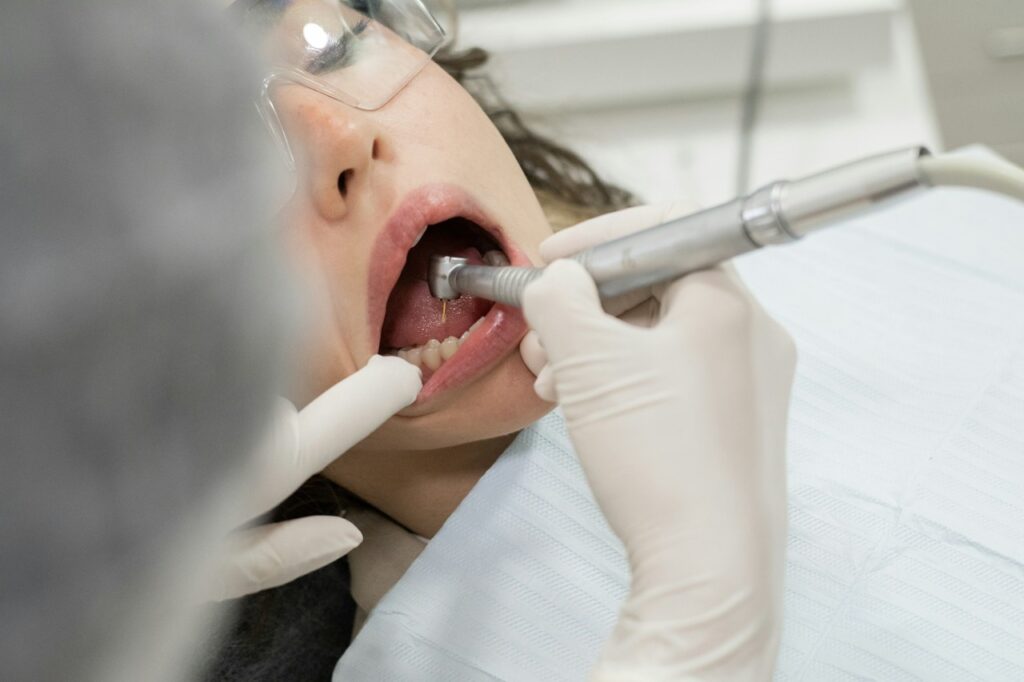
Dental bridges are a practical solution for people missing one or more teeth. They help fill the gap left by missing teeth, which can significantly enhance your smile and improve your ability to chew and speak properly. These bridges are anchored either on natural teeth or dental implants, providing sturdy support for replacement teeth.

When teeth are missing, it affects much more than just your appearance. Gaps can lead to shifting of the remaining teeth, causing bite issues and potential jaw problems. Dental bridges serve an essential role in maintaining the structural integrity of your mouth and ensuring that your teeth remain aligned properly.

Exploring dental bridges as a restoration option might be the answer you’re looking for if you’re facing these challenges. With the right information and dental support, you can make informed decisions about your dental health and enjoy the benefits of a complete and confident smile.

Understanding Dental Bridges

tooth coloured fillings

Dental bridges are a reliable solution for replacing missing teeth. Acting as a bridge, they span the gap where teeth are missing, using crowns on either side of the gap to hold the replacement teeth securely in place. These crowns are attached to natural teeth or implants, providing stable support. Bridges restore your smile and help you maintain facial shape, enhancing both function and appearance.

Different types of dental bridges are available to suit various needs:

– Traditional Bridges: These are the most common and involve creating crowns for teeth on either side of the gap with pontics, or false teeth, in between.

– Cantilever Bridges: Used when there are adjacent teeth on only one side of the missing tooth or teeth.

– Maryland Bonded Bridges: Also known as a resin-bonded bridge, these use a metal or porcelain framework to bond the replacement teeth to the back of existing teeth.

– Implant-Supported Bridges: Suitable when multiple teeth are missing, these are supported entirely by dental implants for added stability.

Dental bridges work to restore teeth by filling spaces that might otherwise cause other teeth to shift, leading to potential bite problems and jaw pain. They help distribute the forces in your bite properly by replacing missing teeth and prevent other dental issues related to misalignment. By closing gaps, bridges not only make eating and speaking easier but also support facial tissues, preserving the natural structure of your face.

Signs You Might Need a Dental Bridge

Recognizing when you might need a dental bridge is crucial for maintaining good oral health. Common indicators of missing teeth include noticeable gaps in your smile, difficulty chewing, and speech changes. If food frequently gets trapped in spaces where teeth used to be, it might lead to further dental issues like decay and gum disease.

Missing teeth impact your oral health significantly. They can cause neighbouring teeth to drift into the empty space, potentially leading to bite misalignment, which can cause discomfort or even pain in the jaw. This misalignment often makes cleaning difficult, increasing the risk of plaque buildup. Missing teeth also sometimes affect your smile’s aesthetics, which can impact confidence and self-esteem.

Dental bridges address these concerns by restoring interrupted paths and providing stability. Bridges improve chewing by efficiently distributing the biting force, making eating more comfortable. They also help with articulation and speech clarity, as missing teeth can affect the way words are formed. Filling in gaps supports the surrounding teeth and prevents movement that can cause jaw stress or bone loss.

If you notice any of these signs or experience discomfort due to missing teeth, discussing dental bridge options with your dentist could be a wise step toward improving your quality of life and dental health.

Comparing Dental Bridges to Other Options

dental implants

When weighing the best option for replacing missing teeth, it’s essential to compare dental bridges with other possibilities, such as dental implants and partial dentures. Understanding the differences helps you make an informed decision tailored to your needs.

Dental bridges and dental implants offer distinct benefits. While bridges rely on adjacent teeth for support, implants are directly anchored into the jawbone, providing a more permanent solution. Implants can prevent bone loss but typically require a longer treatment time. Bridges, on the other hand, can be quicker to install and are less invasive, making them suitable for those who may not want surgery.

Partial dentures are another alternative, but dental bridges often provide more stability and a natural appearance. Bridges offer a fixed solution that does not require daily removal, unlike partial dentures, which might feel bulkier and require extra cleaning care.

Cost and long-term maintenance are significant factors in choosing a dental restoration method. Bridges generally have a lower initial cost than implants and can last for many years with proper care. They require regular dental visits to ensure they remain in good condition. Evaluating your oral health needs and lifestyle will guide you in deciding which option aligns best with your goals.

Preparing for a Dental Bridge Procedure

Getting a dental bridge involves several steps, and being prepared can make the process smoother. It begins with an initial consultation, where your dentist evaluates your oral health and discusses your goals. This assessment helps determine the most suitable bridge type for you.

During the fitting process, the dentist prepares your adjacent teeth by reshaping them to ensure the crowns fit correctly. A detailed impression of your teeth is made to create a custom bridge. While awaiting your permanent bridge, a temporary one might be placed to protect your teeth.

After the final bridge is fitted, proper aftercare ensures its longevity and comfort.

Here are some tips for taking care of your new bridge:

– Brush twice a day using a soft-bristled toothbrush.

– Floss daily, including underneath the bridge.

– Avoid hard and sticky foods to prevent damage.

– Visit the dentist regularly for check-ups.

By following these guidelines, you can help maintain your bridge’s stability and functionality for years to come.

Conclusion

Dental bridges play a crucial role in restoring smiles and improving oral health, providing solutions for missing teeth that might otherwise cause more issues. They offer stability and help fill gaps, enhancing your ability to chew and speak. By thoroughly understanding how bridges compare with other options, you can make a choice that suits your preferences and dental health needs.

Looking to restore your smile and confidence? At Pickering Dental Services, our experienced team of Ajax dentists is ready to help you explore the best options for replacing missing teeth, including dental bridges. Book a consultation today and take the first step towards a healthier, happier smile.

Looking for professional help? Learn more about our dental implant services at Pickering Square Dental or call (905) 420-1777 to book an appointment.

Helpful Resources

For more information, visit the Canadian Dental Association Oral Health.

Frequently Asked Questions

How often should I visit the dentist?

The Canadian Dental Association recommends visiting your dentist at least twice a year for regular check-ups and cleanings. Some patients may need more frequent visits depending on their oral health needs. Call Pickering Square Dental at (905) 420-1777 to schedule your next appointment.

Do you accept the Canadian Dental Care Plan (CDCP)?

Yes, Pickering Square Dental participates in the Canadian Dental Care Plan. Our team can help you understand your coverage and ensure you receive the dental care you need. Contact us for more details about CDCP eligibility and benefits.

What services does Pickering Square Dental offer?

We offer a full range of dental services including family dentistry, emergency dental care, sedation dentistry, dental implants, laser dentistry, teeth whitening, root canal therapy, dental extractions, periodontal care, and cosmetic dentistry. Dr. Lean and our team serve patients in Pickering, Ajax, Whitby, and Scarborough.

The Advantages of Tooth Coloured Fillings Over Metal Fillings
Tooth Coloured Fillings

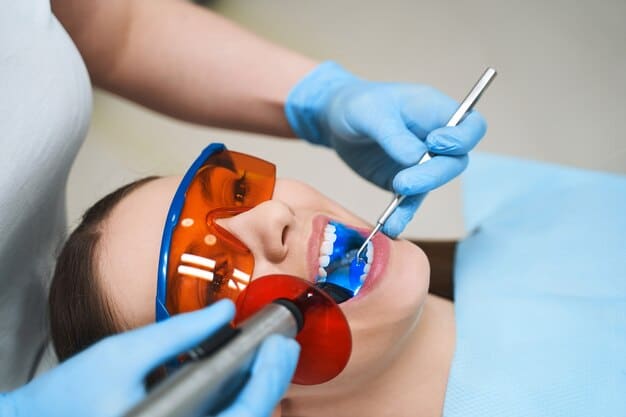
Tooth coloured fillings are revolutionizing the way we think about dental care, offering an aesthetic and durable option for those in need of cavity treatments. These fillings blend seamlessly with the natural colour of your teeth, making them a preferred choice for many who desire a flawless smile. Unlike traditional metal fillings, tooth coloured fillings provide a more discreet solution.

The advancements in dental materials have made tooth coloured fillings a safe and reliable choice for fillings. Made from composite resin, these fillings are designed to mimic the look and feel of natural teeth. This material not only enhances the appearance of your smile but also provides excellent strength and longevity. Choosing tooth coloured fillings means prioritizing both health and beauty.

Understanding the benefits of tooth coloured fillings can help you make an informed decision about your dental health. With an emphasis on aesthetics and function, these fillings offer a modern approach to maintaining your smile. Proper care and maintenance of tooth coloured fillings can ensure they serve you well for years, making them a wise investment in your oral well-being.

Understanding Tooth Coloured Fillings: What Makes Them Different

emergency dental care

Tooth coloured fillings, also known as composite fillings, have significantly transformed modern dentistry. These fillings are made from a blend of glass and plastic compounds, creating a material that perfectly imitates the natural shade of your teeth. This means they are virtually invisible, unlike silver or gold fillings that stand out when you speak or smile.

One of the unique characteristics of tooth coloured fillings is their ability to bond directly to the natural tooth structure. This bonding process not only provides a strong hold but also supports the remaining tooth structure, preventing further damage. The flexibility and adaptability of the composite material make it ideal for repairing decayed, chipped, or worn teeth.

In addition to their visual appeal, tooth coloured fillings are quite versatile. They can be used in a wide range of situations, from repairing cavities to sealing gaps and even reshaping teeth for a uniform appearance. This adaptability makes them a favourite among both dentists and patients looking for a seamless dental restoration option.

The use of advanced materials in tooth coloured fillings means they are designed to last. They are resistant to wear and tear, making them a reliable choice for those who prioritize long-term dental health. With proper care, these fillings maintain their appearance and function over time, ensuring that your smile remains both beautiful and healthy. Learn more about root canal therapy.

Advantages of Tooth Coloured Fillings: A Better Choice for Your Smile

Tooth coloured fillings offer numerous benefits that make them a preferred choice for many dental patients. Here are some of the key advantages:

  • Natural Appearance: As these fillings match the exact colour of your teeth, they blend in seamlessly. This natural appearance helps maintain the aesthetics of your smile without any noticeable dental work.
  • Strong Bonding: The direct bonding process strengthens the remaining tooth structure, offering support and resilience. This helps protect the tooth from further decay or damage.
  • Versatility: Useful for a variety of dental issues, tooth coloured fillings can repair cavities, reshape teeth, or close gaps. They are a versatile solution for many dental restoration needs.
  • Minimal Invasiveness: Since only the decayed part of the tooth needs to be removed for the filling, more of the natural tooth is preserved compared to traditional fillings.
  • Reduced Sensitivity: Many patients experience less sensitivy with tooth coloured fillings compared to metal ones, providing a more comfortable dental experience.

Together, these advantages highlight why tooth coloured fillings are often considered a better choice for maintaining both dental health and aesthetics. They provide an effective solution for restoring damaged teeth while preserving the look of your natural smile.

Comparing Durability and Safety: Tooth Coloured vs Metal Fillings

dental check-up

When choosing between tooth coloured and metal fillings, it’s important to consider both durability and safety. Tooth coloured fillings, also known as composite resins, offer a more natural appearance, which many patients prefer. They bond directly to the tooth structure, providing strength and support to the weakened areas. This bonding process helps in preserving more of your natural tooth compared to metal fillings.

On the other hand, metal fillings, often referred to as silver amalgam, have been used for many years due to their strength and durability. They are made from a mixture of metals, including mercury, silver, tin, and copper. These fillings are known for their ability to withstand heavy chewing forces.

However, there are concerns over the safety of metal fillings, primarily due to their mercury content. While studies show that the amount of mercury used is generally safe, some patients prefer to avoid potential risks associated with metal fillings. Also, metal fillings tend to expand and contract with temperature changes, which can cause cracks in your teeth over time.

In terms of durability, metal fillings might last longer, but tooth coloured fillings provide a safer, mercury-free option that blends seamlessly with your natural teeth. Weighing these factors carefully can help you decide the right choice for your oral health.

How to Care for Your Tooth Coloured Fillings: Maintenance Tips

Caring for your tooth coloured fillings is essential for their longevity and your overall dental health. Regular brushing and flossing are crucial to prevent plaque build-up around the fillings. Use a soft-bristled toothbrush and fluoride toothpaste to gently clean your teeth twice a day. Flossing daily helps remove debris that can get trapped between your teeth and fillings, reducing the risk of decay.

Routine dental check-ups are another vital aspect of maintaining your fillings. During these visits, your dentist can assess the condition of the fillings and catch any early signs of wear or damage. Professional cleanings also ensure that your teeth and fillings remain healthy.

Pay attention to your habits and diet. Try to avoid biting hard foods like ice and nuts that could crack or dislodge your fillings. Similarly, steer clear of using your teeth to open packages or bite on non-food items. Foods and drinks that can stain, such as coffee, tea, and red wine, should be consumed in moderation.

If you grind your teeth at night, speak with your dentist about using a night guard to protect not only your fillings but all of your teeth. By following these maintenance tips, you can help ensure your tooth coloured fillings remain functional and attractive for years to come.

Conclusion

Tooth coloured fillings present a fantastic option for those seeking both durability and aesthetics in dental care. They allow individuals to maintain a natural and confident smile without the drawbacks associated with metal fillings. Maintaining their strength while seamlessly blending with the rest of your teeth, these fillings address both health and cosmetic concerns.

When considering dental options, it’s essential to understand the benefits and care required for tooth coloured fillings. They hold up well under everyday use, and with proper care, they can last for many years. While they may require more attention than traditional metal fillings, the trade-off for a more natural appearance is often worth it for many patients.

At Pickering Dental Services, we’re dedicated to helping you make informed decisions about your dental health. If you’re interested in learning more about tooth coloured fillings or need guidance on maintaining your dental treatments, don’t hesitate to reach out. Our experienced dentists in Pickering are committed to providing comprehensive care and ensuring your smile remains as healthy and beautiful as possible. Contact us today to schedule a consultation and explore the possibilities for enhancing your dental health.

Helpful Resources

For more information, visit the Canadian Dental Association Oral Health.

Schedule Your Appointment Today

Contact Pickering Square Dental to book your appointment with Dr. Marvin Lean. Call us at (905) 420-1777 or visit us at 1450 Kingston Rd, Unit #4, Pickering, ON.

Frequently Asked Questions

How often should I visit the dentist?

The Canadian Dental Association recommends visiting your dentist at least twice a year for regular check-ups and cleanings. Some patients may need more frequent visits depending on their oral health needs. Call Pickering Square Dental at (905) 420-1777 to schedule your next appointment.

Do you accept the Canadian Dental Care Plan (CDCP)?

Yes, Pickering Square Dental participates in the Canadian Dental Care Plan. Our team can help you understand your coverage and ensure you receive the dental care you need. Contact us for more details about CDCP eligibility and benefits.

What services does Pickering Square Dental offer?

We offer a full range of dental services including family dentistry, emergency dental care, sedation dentistry, dental implants, laser dentistry, teeth whitening, root canal therapy, dental extractions, periodontal care, and cosmetic dentistry. Dr. Lean and our team serve patients in Pickering, Ajax, Whitby, and Scarborough.

How Dental Implants Can Improve Your Smile
Dental Implants

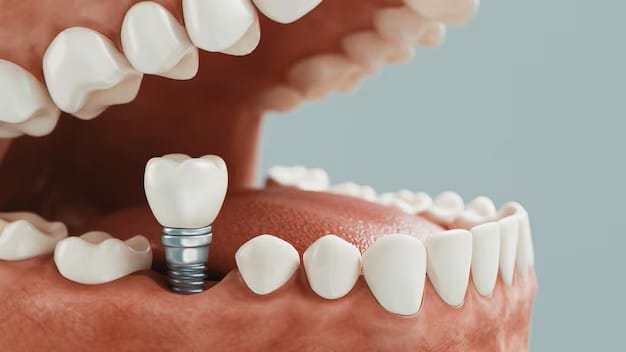
Dental implants offer a transformative solution for those with missing teeth, providing not just aesthetic improvement but also functional benefits. These implants act like real teeth, anchored securely in the jawbone, which helps maintain oral health and facial structure. Their durability and natural appearance make them an appealing choice for many seeking a permanent solution to tooth loss.

Choosing dental implants brings more than just a pleasing smile. They help restore the ability to chew and speak properly, ensuring that oral functions remain unaffected by missing teeth. The secure fit of dental implants prevents the shifting of neighbouring teeth, keeping your alignment in check and supporting overall dental hygiene.

Understanding the purpose and advantages of dental implants can be a key step towards making an informed decision about your dental health. From the detailed implant process to maintenance tips that ensure long-lasting benefits, dental implants are a valuable investment for those seeking comprehensive dental solutions. Embracing the benefits of dental implants can significantly improve your quality of life, giving you the confidence and comfort you deserve.

Understanding Dental Implants: What They Are and Their Purpose

Dental implants are a modern solution for replacing missing teeth. They are small titanium posts that are surgically placed into the jawbone to act as artificial roots. Over time, the bone grows around the implant, securing it in place. This creates a stable and robust foundation for attaching a replacement tooth or crown.

The purpose of dental implants goes beyond filling gaps in your smile. They preserve the jawbone, preventing bone loss that typically occurs when teeth are missing. This helps maintain the natural shape of your face and prevents the sunken look that can happen with bone deterioration.

Dental implants are beneficial for a variety of reasons:

  • Restoration of Function: They allow you to chew and speak as you would with natural teeth.
  • Stability and Comfort: Because implants fuse with the jawbone, they provide a more natural fit and feel compared to dentures.
  • Aesthetic Appeal: They look like your natural teeth, giving you a confident smile.

By offering a combination of durability and aesthetics, dental implants are considered the gold standard for tooth replacement. They provide a long-term solution that helps maintain both dental health and appearance.

The Benefits of Dental Implants: More Than Just Aesthetics

Dental Emergency

Dental implants provide numerous benefits that enhance daily life and overall oral health. While their natural look is a significant advantage, the benefits extend much further.

First, dental implants help prevent the shifting of adjacent teeth. When a tooth is missing, surrounding teeth may lean towards the gap, affecting your bite and alignment. Implants fill these gaps, keeping your teeth properly aligned.

Another advantage is the preservation of natural teeth. Unlike traditional bridges, implants do not require altering neighbouring teeth for support. This means your natural tooth structure remains intact and healthy.

Considering dental hygiene, implants are easy to care for. You can brush and floss them like your regular teeth, promoting good oral hygiene and preventing gum disease. Regular care and dental check-ups are still essential to ensure the implants remain in top condition.

Reduced bone loss is another major benefit. Implants stimulate the jawbone, similar to natural tooth roots, reducing bone resorption and preserving jaw strength.

With these benefits, dental implants offer a comprehensive solution for those seeking to restore their smile and oral function. They not only boost confidence by enhancing appearance but also support long-term dental and physical health.

The Implant Process: What to Expect from Start to Finish

The journey to a new smile with dental implants starts with a consultation. Your dentist will assess your oral health, take X-rays, and discuss your options. This initial step ensures the treatment plan fits your needs.

Once the plan is set, the implant procedure begins with the surgical insertion of the titanium post into your jawbone under local anaesthesia. For those feeling anxious, sedation dentistry is available to make the experience comfortable.

Healing is an essential part of the process. The bone needs time to grow around the implant, a phase known as osseointegration. This can take several months, during which the implant becomes a stable part of the jaw.

With the implant secure, an abutment is attached. This connector sits above the gum line and holds the new tooth in place. The final step is placing the custom-made crown onto the abutment. This crown is designed to match your natural teeth in colour and shape, ensuring a seamless appearance.

This entire process combines advanced dental techniques with precision and care, ensuring your new implant enhances both function and aesthetics.

Maintaining Your Implants: Tips for Long-Lasting Smiles

Sedation Dentistry

Proper care is crucial for preserving the health and longevity of your dental implants. Start by maintaining a regular oral hygiene routine. Brush your teeth at least twice a day using a soft-bristle toothbrush and non-abrasive toothpaste to avoid damaging the implant surface.

Flossing is another key component. Use floss designed for implants or an interdental brush to clean between teeth and around the implant. This helps remove plaque and food particles, reducing the risk of gum disease.

Regular dental check-ups every six months are vital. During these visits, your dentist can monitor the health of your implants, clean hard-to-reach areas, and ensure everything is functioning well. Professional cleaning helps in maintaining the look and health of your implants.

Avoid habits that might harm your implants, such as chewing on hard objects like ice or using your teeth as tools. Wearing a mouthguard at night, particularly for those who grind their teeth, can protect your implants from excessive force.

By following these guidelines, your dental implants can last many years, providing a resilient and beautiful smile.

Conclusion

Dental implants offer a powerful solution for those looking to restore both the form and function of their teeth. With their ability to act like natural teeth, they provide a secure and aesthetically pleasing option that enhances daily life. From understanding what implants are to knowing the detailed steps involved in the procedure, being informed can aid in making the right choices for one’s oral health.

Caring for dental implants is about more than just preserving a smile; it’s about ensuring overall oral health. Incorporating a consistent and thorough oral hygiene routine ensures implants remain in excellent condition over time. Regular professional check-ups add an extra layer of protection, addressing any issues before they can escalate.

If you’re thinking about taking the next step towards a long-lasting and beautiful smile with dental implants in Pickering, contact Pickering Dental Services today. Our team is ready to provide you with the best care and guide you through the process, ensuring you achieve the smile you’ve always wanted.

Looking for professional help? Learn more about our dental implant services at Pickering Square Dental or call (905) 420-1777 to book an appointment.

Helpful Resources

For more information, visit the Canadian Dental Association on Dental Implants.

Frequently Asked Questions

How long do dental implants last?

With proper care and regular dental check-ups, dental implants can last 25 years or more. Many patients enjoy their implants for a lifetime. At Pickering Square Dental, Dr. Lean uses high-quality titanium implants designed for long-term durability.

Are dental implants painful?

Most patients report less discomfort than expected. The procedure is performed under local anaesthesia, and sedation options are available. Post-procedure soreness typically resolves within a few days with over-the-counter pain relief.

Am I a candidate for dental implants?

Most adults with good general health are candidates for dental implants. You need adequate jawbone density to support the implant. Dr. Lean will assess your bone health and overall suitability during a consultation at our Pickering office.

Ways Sedation Dentistry Can Help with Anxiety

sedation dentistry

Dental anxiety is a common issue faced by millions of people, and it can make even a simple dental check-up feel overwhelming. Many individuals avoid going to the dentist because of fear, which can negatively impact their oral health. Understanding what causes this anxiety is the first step toward finding solutions that make dental visits less stressful and more manageable.

Whether you experience mild nervousness or severe dread at visiting the dentist, learning about the types of sedation available can be empowering. Knowing how to prepare for a sedation appointment can also significantly affect how you feel before and during your visit. With sedation dentistry, you can take control of your dental health and ensure that anxiety doesn’t stand in the way of a healthy smile.

Understanding Dental Anxiety: Why It’s More Common Than You Think

family dentists

Dental anxiety is a widespread issue affecting many people. Stress about visiting the dentist can stem from various sources, such as a fear of pain, embarrassment about dental health, or bad experiences in the past. This apprehension can prevent individuals from seeking regular dental care, leading to more significant health issues.

Interestingly, dental anxiety affects people of all ages. Children, teens, and adults can all experience varying degrees of nervousness. Some might worry about needles and tools, while others may fear losing control or feeling trapped in the dental chair. Understanding the root cause of your anxiety is the first step to addressing it.

The prevalence of dental anxiety is rising because of misconceptions about dental procedures. Many still associate dental visits with pain, even though modern dentistry focuses on comfort and advanced techniques to reduce discomfort. Education and open communication with your dentist can help dispel these myths and make visits more approachable.

Dental professionals know these fears and are well-trained to manage and ease them. They offer customized care and explain procedures simply, providing reassurance and reducing stress. Awareness and understanding are crucial in overcoming dental anxieties and ensuring healthy teeth and gums for a lifetime.

How Sedation Dentistry Eases Anxiety During Dental Visits

Sedation dentistry is a helpful option for those struggling with dental anxiety. Using medication to relax patients makes dental visits far less daunting and more comfortable. Sedation can be tailored to the level of anxiety, ensuring that each patient receives the right amount to feel at ease without deep sedation unless necessary.

One key benefit of sedation is its ability to turn an overwhelming experience into a positive one. Patients often find that sedation allows them to undergo treatments without the usual stress associated with dental visits. It encourages consistent care by eliminating fear, enabling individuals to maintain regular appointments and avoid neglecting oral health.

For many, sedation can also help with time management. When sedation keeps patients comfortable and relaxed for extended periods, longer or multiple-step procedures can be completed in fewer visits. This efficiency can reduce the number of appointments needed, making dental treatment less disruptive to daily routines.

Nitrous oxide, oral sedatives, and IV sedation are types of sedation methods, each providing specific benefits depending on individual needs. Patients gain peace of mind with sedation dentistry, encouraging them to address dental issues promptly and sustain a healthier smile without anxiety hovering over the experience. Understanding the advantages of sedation makes you feel more confident and committed to pursuing the dental care you need.

Types of Sedation Available for Nervous Patients

Bleeding When Brushing

Understanding the different types of sedation available can help ease concerns for those who feel anxious about visiting the dentist. Each type of sedation offers varying levels of relaxation, allowing patients to find the best fit for their comfort needs.

1. Nitrous Oxide (Laughing Gas)

This mild form of sedation helps patients relax during their dental procedures. The patient inhales a mix of nitrous oxide and oxygen through a mask over the nose. This sedation wears off quickly, allowing patients to return to their daily activities soon after their appointment.

2. Oral Sedation

For moderate anxiety, oral sedation can be a practical choice. Patients take a prescribed pill before the procedure, which makes them feel drowsy and calm. While oral sedation can make patients groggy, they’re still awake and aware enough to communicate with their dentist.

3. IV Sedation

This form of sedation is administered through a vein and offers a deeper level of relaxation. It’s often used for more intense dental procedures or patients with severe dental anxiety. With IV sedation, the patient’s heart rate and breathing are closely monitored to ensure safety throughout the procedure.

4. General Anaesthesia

General anesthesia, reserved for complex procedures, puts the patient into a deep sleep. This method is less common in dental offices and typically used in hospital settings.

Understanding these sedation options can make dental visits less daunting for anxious patients. With the guidance of a skilled dentist, patients can choose a sedation method that suits their comfort level and ensures a stress-free dental experience.

Preparing for a Sedation Dentistry Appointment: Tips for a Calm Experience

Preparing for a sedation dentistry appointment involves a few simple steps that can help ensure a smooth and stress-free experience. Following these tips makes patients feel more at ease and ready for dental visits.

1. Communicate with Your Dentist

Discuss any concerns or questions you have about sedation beforehand. The dentist can explain the process in detail, which often helps reduce anxiety.

2. Follow Pre-Appointment Instructions

Your dentist will provide specific guidelines, such as avoiding food and drink for a certain period before your appointment. Adhering to these instructions is essential for your safety and the effectiveness of the sedation.

3. Arrange Transportation

Most sedation types require someone to drive you home after your appointment since the effects can linger for a while, depending on the sedation level.

4. Wear Comfortable Clothing

Loose, non-restrictive clothing can help you feel more relaxed during your visit. Consider layering your clothes to adjust for temperature changes.

5. Bring a Comfort Item

If certain items, like a favourite blanket or headphones, help you relax, feel free to bring them along. Listening to calming music can further reduce anxiety.

6. Plan Your Day

Allow time for rest after your appointment. Avoid scheduling any major tasks or activities that day to give yourself time to recover from the sedation.

Being well-prepared can greatly influence your experience of sedation dentistry. By following these helpful tips, you can approach your dental appointment with confidence and calmness, ensuring a positive outcome.

Conclusion

Sedation dentistry provides a compassionate solution for those who experience anxiety or fear about dental visits. By offering techniques to ease nerves and enhance comfort, it allows patients to receive necessary dental care without unnecessary stress. Understanding the sedation options available empowers patients to manage their anxiety effectively. Nitrous oxide, oral sedation, IV sedation, and general anesthesia offer varying levels of relaxation to suit different needs, as outlined above.

If you’re feeling apprehensive about your next dental appointment or want to explore sedation dentistry further, reach out to Pickering Dental Services. Our caring team is ready to help you enjoy a more relaxed experience and give you the confident smile you deserve. Don’t let anxiety hold you back from achieving optimal dental health—contact us today to learn how sedation dentistry can make a difference for you.

Looking for professional help? Learn more about our sedation dentistry services at Pickering Square Dental or call (905) 420-1777 to book an appointment.

Helpful Resources

For more information, visit the CDA Guide to Sedation Dentistry.

Frequently Asked Questions

Is sedation dentistry safe?

Yes, sedation dentistry is very safe when administered by a trained dental professional. Dr. Lean at Pickering Square Dental monitors your vital signs throughout the procedure to ensure your comfort and safety.

Will I be unconscious during sedation dentistry?

It depends on the level of sedation. Mild sedation keeps you relaxed but awake. Moderate sedation may make you drowsy, though you can still respond. Deep sedation is used for complex procedures. Dr. Lean will recommend the right level for your needs.

How long does sedation last?

Nitrous oxide (laughing gas) wears off within minutes. Oral sedation may take a few hours to fully wear off, so you will need someone to drive you home. Our Pickering team will give you specific aftercare instructions.