Dental Crowns and Bridges: Comprehensive Solutions for Damaged or Missing Teeth

dental treatment

Damaged or missing teeth can significantly affect your ability to chew, speak, and smile confidently. At our family dental care practice based in Pickering, ON, we offer a variety of restorative treatments to help you maintain a healthy and beautiful smile. Two essential and popular restorative options are dental crowns and bridges, which can address various dental issues and promote improved oral health.

Dental crowns are custom-designed caps that cover and protect damaged teeth, providing strength, stability, and an enhanced appearance. They can cover teeth that are cracked, broken, severely decayed, or those that have undergone a root canal treatment. Crowns are available in various materials, such as porcelain, ceramic, and metal, allowing you and your dentist to choose the most suitable option based on aesthetics, function, and budget.

Dental bridges, on the other hand, serve as a solution for one or more missing teeth. A bridge consists of an artificial tooth, called a pontic, which is anchored in place by crowns attached to the adjacent natural teeth. Bridges can help restore the function and appearance of your smile while preventing the remaining teeth from shifting, which can lead to further dental issues.

In this comprehensive guide, we will delve into the benefits, differences, and practical applications of dental crowns and bridges. We will cover the materials used, as well as the procedure and aftercare involved in each treatment. By gaining a thorough understanding of these essential restorative options, you can make informed decisions about your dental health and confidently move towards a beautiful and healthy smile. Reach out to our experienced dental team today to schedule a consultation and discuss how dental crowns and bridges can contribute to your overall oral health and well-being.

Benefits of Dental Crowns and Bridges

teeth filling

Dental crowns and bridges provide various benefits to address dental issues ranging from damaged teeth to tooth loss. Let’s explore the primary advantages of these restorative treatments:

1. Improved Aesthetics

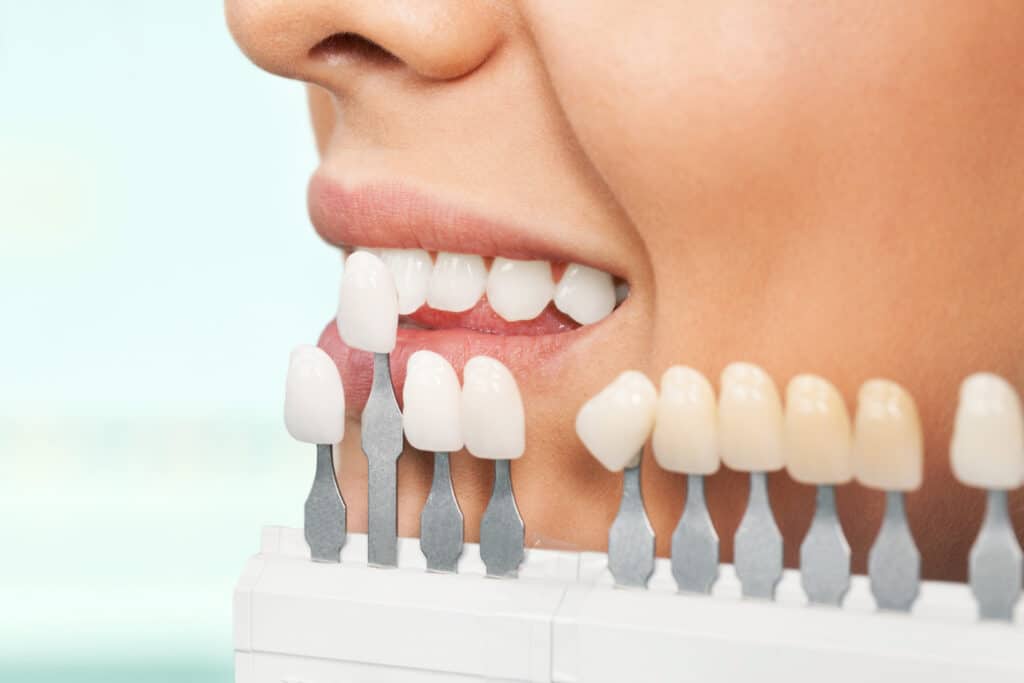
Both dental crowns and bridges can enhance the appearance of your smile, whether by covering a damaged tooth or replacing a missing one. High-quality, tooth-coloured materials can closely match your natural teeth, offering a seamless and attractive result.

2. Restored Functionality

Crowns and bridges can improve the functionality of your teeth, allowing you to chew and speak with ease. By strengthening a damaged tooth with a crown or filling the gap left by a missing tooth with a bridge, you can regain the confidence to enjoy your favourite foods without worry. Learn more about family dentistry services in Pickering.

3. Durability and Longevity

Dental crowns and bridges are built to withstand the pressure of daily chewing and last for several years. With proper care, crowns can last between 10 and 15 years, and bridges between 5 and 15 years, depending on the materials used and other factors.

4. Prevention of Further Dental Issues

Crowns can protect a weakened tooth from further damage, while bridges can prevent surrounding teeth from shifting and causing additional dental problems, such as gum disease or uneven bite pressure.

Types of Dental Crown Materials

Several materials are available for dental crowns. Each option offers unique benefits and considerations:

1. Porcelain or Ceramic

Porcelain or ceramic crowns offer a natural and aesthetically pleasing appearance, closely matching the colour and translucency of your natural teeth. They are typically used for front teeth due to their superior aesthetics. However, they may not provide the same level of durability as metal crowns for patients with heavy bite pressure.

2. Porcelain-Fused-to-Metal (PFM)

PFM crowns combine the aesthetic benefits of porcelain with the strength and durability of metal, providing a versatile solution for most patients. These crowns can be used in both front and back teeth. However, the metal may sometimes show through as a thin grey line along the gum line, making them less aesthetically pleasing than all-porcelain crowns.

3. Gold Alloy

Gold alloy crowns are known for their durability, strength, and biocompatibility, making them an excellent choice for individuals with heavy bite pressure or a history of metal allergies. While their distinct appearance may not appeal to everyone, gold crowns can be an ideal solution for back teeth that are not as visible when smiling.

The Dental Crown and Bridge Procedure

dental implant

The process of placing dental crowns and bridges typically involves the following steps:

1. Tooth Preparation

Your dentist will prepare the affected tooth or teeth by removing a minimal amount of enamel to accommodate the crown or ensure a secure fit for the bridge. For dental bridges, the adjacent teeth, known as abutment teeth, will also need preparation.

2. Dental Impressions and Temporary Restoration

Your dentist will take dental impressions to create a custom-fit crown or bridge. These impressions will be sent to a dental laboratory, where the restoration will be crafted. In the meantime, a temporary crown or bridge will be placed to protect your teeth and maintain their function.

3. Placement and Adjustment

Once your custom crown or bridge is ready, your dentist will remove the temporary restoration and fit the final product. The fit, bite, and appearance will be checked and any necessary adjustments made to ensure a comfortable result.

4. Cementation

After ensuring the proper fit and appearance, your dentist will cement the crown or bridge in place, providing you with a long-lasting and functional restoration.

Aftercare and Maintenance

To ensure the longevity and health of your dental crowns and bridges, it is vital to maintain proper oral hygiene, including regular dental checkups, brushing, and flossing. Avoid using your crowned or bridged teeth to crack hard objects or open packaging, and consult your dentist if you experience any discomfort or issues with your restoration.

Conclusion

Dental crowns and bridges are essential restorative treatments for damaged or missing teeth, providing an improved appearance, restored functionality, and protection from further dental issues. By understanding the benefits, materials, and procedures involved in these treatments, you can make confident decisions about your dental health. Our dedicated dental team is here to provide expert guidance and personalized care tailored to your unique needs. Contact us today to schedule a consultation with a dentist in Pickering and learn how dental crowns and bridges can help you achieve a healthy and beautiful smile.

Helpful Resources

For more information, visit the Canadian Dental Association Oral Health.

Schedule Your Appointment Today

Contact Pickering Square Dental to book your appointment with Dr. Marvin Lean. Call us at (905) 420-1777 or visit us at 1450 Kingston Rd, Unit #4, Pickering, ON.

Frequently Asked Questions

How often should I visit the dentist?

The Canadian Dental Association recommends visiting your dentist at least twice a year for regular check-ups and cleanings. Some patients may need more frequent visits depending on their oral health needs. Call Pickering Square Dental at (905) 420-1777 to schedule your next appointment.

Do you accept the Canadian Dental Care Plan (CDCP)?

Yes, Pickering Square Dental participates in the Canadian Dental Care Plan. Our team can help you understand your coverage and ensure you receive the dental care you need. Contact us for more details about CDCP eligibility and benefits.

What services does Pickering Square Dental offer?

We offer a full range of dental services including family dentistry, emergency dental care, sedation dentistry, dental implants, laser dentistry, teeth whitening, root canal therapy, dental extractions, periodontal care, and cosmetic dentistry. Dr. Lean and our team serve patients in Pickering, Ajax, Whitby, and Scarborough.

Factors to Consider When Choosing a Dental Crown

Dental Crown

Choosing a dental crown can be a significant decision for your oral health and overall appearance. Dental crowns are used to restore damaged teeth, improve strength, and enhance your smile. Understanding the different factors involved in selecting the right dental crown can help you make an informed choice that best suits your needs.

At our clinic, we aim to provide you with all the necessary information so you can feel confident in your decision. The process of getting a dental crown involves several considerations, such as the type of crown, the material used, the importance of aesthetics, and the cost and durability of the crown. Each of these elements plays a critical role in ensuring that your dental crown not only meets your functional needs but also complements your natural smile.

In the following sections, we will explore these factors in more detail. We believe that being well-informed will help you make the best choice for your dental health and appearance. Let’s dive into what you need to consider when choosing a dental crown.

Understanding Different Types of Dental Crowns

Sedation Dentistry

Dental crowns come in several types, each designed to meet specific needs. A common option is the porcelain crown, known for its natural look that closely resembles real teeth. These crowns are often used for front teeth due to their aesthetic appeal. Another option is a ceramic crown, which also offers a natural appearance and is biocompatible, meaning it’s less likely to cause an allergic reaction.

Metal crowns are another type, made from gold, platinum, or base metal alloys. These crowns are incredibly durable, making them ideal for molars where the force of chewing is greater. There are also porcelain-fused-to-metal (PFM) crowns, which combine the strength of metal with the appearance of porcelain. This combination provides a balance of durability and aesthetics, making it suitable for both front and back teeth. Each type of crown has its own benefits and considerations, and understanding these can help you make an informed decision. Learn more about dental implant services.

Materials: Which One Is Right for You?

Choosing the right material for your dental crown is important for both functionality and appearance. Porcelain and ceramic crowns are popular choices for those who want a natural-looking finish. These materials blend well with your existing teeth and are particularly favoured for visible teeth. Ceramic crowns are also strong but can be more expensive due to their aesthetic and functional benefits.

Metal crowns, made from gold, platinum, or base metal alloys, offer remarkable strength and longevity. They are less likely to wear down or break, making them ideal for molars. However, metal crowns don’t match the colour of your natural teeth, which can be a consideration if you’re concerned about aesthetics. Porcelain-fused-to-metal crowns provide a middle ground, offering the strength of metal crowns with the natural appearance of porcelain. Discussing these options with your dentist can help you understand which material best meets your needs for strength, appearance, and cost.

The Importance of Aesthetics in Dental Crowns

Implant Dentistry

Aesthetics play a critical role when selecting a dental crown, especially for front teeth. A well-crafted crown can blend seamlessly with your natural teeth, making it nearly impossible to tell the difference. Porcelain and ceramic crowns are particularly noted for their realistic appearance. These materials are available in many shades to match your existing teeth, ensuring that your smile looks natural and harmonious.

Your dentist will consider factors like the colour, translucency, and shape of your teeth when designing your crown. This careful attention to detail ensures a perfect match. Aesthetics aren’t just about looks—they also impact your confidence and how you feel about your smile. Feeling good about how your teeth look can make a big difference in social situations and your overall self-esteem. Therefore, choosing a crown that meets your aesthetic expectations is essential.

Cost and Durability: Factors to Weigh Before Making a Decision

Cost and durability are important considerations when choosing a dental crown. Crowns can vary significantly in price depending on the material used. Metal crowns, such as those made from gold or platinum, tend to be more expensive due to the cost of the metals. However, they offer unmatched durability and can last many years. Porcelain and ceramic crowns can also be costly but provide excellent aesthetic value and are less likely to cause allergic reactions.

While considering the initial cost, it’s also important to think about the long-term benefits. Investing in a high-quality crown can save you money over time by reducing the need for future repairs or replacements. Durability plays a crucial role here. A more durable crown might cost more upfront but will offer greater longevity, making it a cost-effective choice in the long run. Your dentist can help you weigh these factors to find a solution that fits both your budget and your needs.

Final Thoughts

Choosing the right dental crown involves balancing aesthetics, cost, and durability. It’s important to understand the different types of crowns and materials available, as well as how they align with your functional and aesthetic needs. A well-chosen crown not only restores the functionality of your tooth but also enhances your smile, boosting your confidence and overall well-being.

We are here to help you navigate these choices with expert advice tailored to your specific situation. If you’re considering a dental crown or have any questions about the best options for your oral health, don’t hesitate to contact us. Visit Pickering Dental Services today for a consultation, and let us help you achieve the best possible outcome for your smile.

Helpful Resources

For more information, visit the Canadian Dental Association Oral Health.

Schedule Your Appointment Today

Contact Pickering Square Dental to book your appointment with Dr. Marvin Lean. Call us at (905) 420-1777 or visit us at 1450 Kingston Rd, Unit #4, Pickering, ON.

Frequently Asked Questions

How often should I visit the dentist?

The Canadian Dental Association recommends visiting your dentist at least twice a year for regular check-ups and cleanings. Some patients may need more frequent visits depending on their oral health needs. Call Pickering Square Dental at (905) 420-1777 to schedule your next appointment.

Do you accept the Canadian Dental Care Plan (CDCP)?

Yes, Pickering Square Dental participates in the Canadian Dental Care Plan. Our team can help you understand your coverage and ensure you receive the dental care you need. Contact us for more details about CDCP eligibility and benefits.

What services does Pickering Square Dental offer?

We offer a full range of dental services including family dentistry, emergency dental care, sedation dentistry, dental implants, laser dentistry, teeth whitening, root canal therapy, dental extractions, periodontal care, and cosmetic dentistry. Dr. Lean and our team serve patients in Pickering, Ajax, Whitby, and Scarborough.

The Benefits of Dental Bridges for Missing Teeth

Dental Bridge

Missing teeth can significantly affect your quality of life. They can make simple tasks like eating and speaking difficult. And let’s not forget the impact on your smile. Fortunately, dental bridges offer a reliable way to fill those gaps and restore both function and appearance.

A dental bridge is a prosthetic device used to replace one or more missing teeth. The bridge is anchored in place by the teeth on either side of the gap. These anchoring teeth, known as abutments, are crowned to provide support for the bridge. The false tooth or teeth in the middle, called pontics, are designed to look like natural teeth, providing a seamless appearance.

Understanding dental bridges and their benefits can help you make an informed decision about your oral health. They don’t just improve your smile; they also help maintain the structure of your face and prevent remaining teeth from shifting out of place. Knowing what dental bridges can do for you is the first step toward a healthier mouth and a more confident smile. So, let’s dive into it and explore why dental bridges are a wonderful option for replacing missing teeth.

Understanding Dental Bridges

Sedation Dentistry

A dental bridge is a common solution for replacing one or more missing teeth. It works by using the teeth on either side of a gap as anchors. These anchor teeth, called abutment teeth, are crowned to hold the bridge securely in place. Between the abutment teeth, the bridge features one or more false teeth called pontics. These pontics look and function like your natural teeth.

The materials used for dental bridges vary. They can be made from porcelain, ceramic, or even a combination of materials. The choice often depends on where the bridge will be placed in your mouth and your specific needs and preferences. Porcelain or ceramic bridges are popular because they can be coloured to match your natural teeth, offering a seamless appearance.

Understanding how dental bridges work and the components involved can help you see why they’re a reliable option for replacing missing teeth. Knowing the basics helps you feel more confident about the process and what it involves. If you’re missing teeth, a dental bridge could be the solution you’ve been looking for to restore your smile and functionality.

Types of Dental Bridges

There are several types of dental bridges available, each designed to meet different needs. Here’s a quick overview of the most common types:

1. Traditional Bridges: These are the most common type and involve creating a crown for the tooth on either side of the missing tooth, with a pontic in between. Traditional bridges are usually made of porcelain fused to metal or ceramics.

2. Cantilever Bridges: These are used when there is only one adjacent tooth next to the missing tooth. They are less common and primarily used when there’s no other option but to support the bridge from one side.

3. Maryland Bonded Bridges: Also known as a resin-bonded bridge, this type has a metal or porcelain framework with wings on either side. These wings are bonded to the back of your existing teeth. This type is often used for missing front teeth because it doesn’t require crowns on the adjacent teeth.

4. Implant-Supported Bridges: These are similar to traditional bridges but are supported by dental implants rather than natural teeth. This type is used when more than one tooth is missing. Implant-supported bridges are more stable and do not rely on neighbouring teeth for support.

Understanding the different types of dental bridges can help you and your dentist determine which option is best suited for your dental needs. Each type has its own set of advantages, so discussing your specific situation with your dentist will help you make the best choice.

Benefits of Dental Bridges

missing teeth

Dental bridges offer several benefits that make them a popular choice for replacing missing teeth. One of the main advantages is the restoration of your smile. Missing teeth can make you feel self-conscious, but a dental bridge fills the gap and helps bring back your confident smile.

Another big benefit is improved chewing and speaking. When you lose a tooth, it can be difficult to chew food properly or pronounce certain words. A dental bridge can help restore the natural function of your mouth, making eating and speaking easier and more comfortable.

Dental bridges also help maintain the shape of your face. When a tooth is missing, the surrounding bone can start to deteriorate over time, leading to a sunken appearance. By providing support to the facial structure, dental bridges preserve the natural shape of your face.

Additionally, dental bridges prevent neighbouring teeth from shifting. When a gap is left unfilled, adjacent teeth may move into the empty space, causing misalignment and other dental issues. By filling the gap, a dental bridge keeps your teeth in their proper positions.

The Process of Getting a Dental Bridge

Getting a dental bridge involves several steps, usually completed over a few dental visits. Understanding the process can help you feel more comfortable and prepared.

First, your dentist will prepare the abutment teeth by removing a small portion of enamel to make room for the crowns. This step is crucial because it ensures that the bridge will fit properly and securely. Your dentist will then take impressions of your teeth, which are used to create a custom-fit bridge. While the permanent bridge is being made, you will typically receive a temporary bridge to protect the exposed teeth and gums.

Once your permanent bridge is ready, your dentist will remove the temporary bridge and check the fit of the new one. They will make adjustments as needed to ensure comfort and proper bite alignment. When everything looks good, the new bridge will be cemented in place. Your dentist will give you instructions on how to care for your bridge to ensure its longevity.

Throughout the entire process, it’s important to maintain good oral hygiene and follow your dentist’s care instructions. Regular dental check-ups are crucial to monitor the health of your bridge and surrounding teeth.

Final Thoughts

Dental bridges are an effective and popular solution for replacing missing teeth. They not only restore your smile but also improve chewing and speaking abilities, maintain the shape of your face, and prevent neighbouring teeth from shifting. By understanding the different types of dental bridges and the process involved, you can make an informed decision and feel more confident about your dental health.

At Pickering Dental Services, we’re here to help you achieve a healthy and beautiful smile. If you’re considering a dental bridge or need more information, feel free to reach out to us. Our experienced professionals are ready to guide you through the process and ensure you get the best care possible. Contact Pickering Dental Services today to schedule your consultation and take the first step towards a restored smile.

Looking for professional help? Learn more about our dental implant services at Pickering Square Dental or call (905) 420-1777 to book an appointment.

Helpful Resources

For more information, visit the Canadian Dental Association Oral Health.

Frequently Asked Questions

How often should I visit the dentist?

The Canadian Dental Association recommends visiting your dentist at least twice a year for regular check-ups and cleanings. Some patients may need more frequent visits depending on their oral health needs. Call Pickering Square Dental at (905) 420-1777 to schedule your next appointment.

Do you accept the Canadian Dental Care Plan (CDCP)?

Yes, Pickering Square Dental participates in the Canadian Dental Care Plan. Our team can help you understand your coverage and ensure you receive the dental care you need. Contact us for more details about CDCP eligibility and benefits.

What services does Pickering Square Dental offer?

We offer a full range of dental services including family dentistry, emergency dental care, sedation dentistry, dental implants, laser dentistry, teeth whitening, root canal therapy, dental extractions, periodontal care, and cosmetic dentistry. Dr. Lean and our team serve patients in Pickering, Ajax, Whitby, and Scarborough.

What to Expect During Dental Implant Surgery

dental implant

Dental implant surgery can seem daunting, but knowing what to expect can help ease any anxieties. Whether you’re missing a single tooth or several, dental implants offer a long-lasting solution that looks and feels like natural teeth. Understanding the process and what happens before, during, and after the surgery can make the experience smoother and less stressful.

Preparing for Dental Implant Surgery

Dental Emergencies

Before undergoing dental implant surgery, proper preparation is crucial. The first step involves a consultation with your dentist to assess your oral health and determine your suitability for implants. During this visit, the dentist will conduct a thorough examination, including X-rays or 3D scans, to evaluate the condition of your jawbone and plan the procedure accurately.

Part of this preparation includes addressing any existing dental issues. For instance, if you have gum disease or cavities, these need to be treated before the implant surgery. A healthy mouth significantly increases the success rate of the implants. Sometimes, you might need bone grafting if your jawbone is not thick enough to support the implant. This additional procedure helps create a solid foundation for the implant.

Your dentist will also discuss sedation options with you. Many people prefer sedation to stay relaxed and comfortable during the surgery. Options range from local anesthesia, which numbs the specific area, to general anesthesia, where you’re asleep during the procedure. Understanding your choices and what to expect can ease any anxiety you might have.

Lastly, planning for post-surgery care is essential. Arrange for someone to drive you home and help you for the first couple of days after the surgery. Stock up on soft foods and follow any pre-surgery instructions provided by your dentist, such as fasting if you’re undergoing general anesthesia. Proper preparation sets the stage for a successful and smooth dental implant surgery.

The Steps Involved in Dental Implant Surgery

Understanding the steps involved in dental implant surgery can help you feel more at ease. The procedure usually takes place in several stages and can vary depending on your specific case. Here’s a breakdown of the typical process:

1. Incision and Bone Preparation: The dentist begins by making a small incision in your gum to expose the jawbone. This is where the implant will be placed. Next, a specialized drill is used to create a hole in the bone, ensuring it’s the right size for the implant.

2. Implant Placement: The titanium post, which serves as the artificial root, is then inserted into the prepared hole in your jawbone. This part of the procedure is precise, as the implant needs to be positioned correctly to ensure stability and proper function. Learn more about teeth whitening and aesthetics.

3. Healing Period: After the implant is placed, your gum is stitched up, and the healing process begins. Over the next few months, the implant will fuse with your jawbone in a process called osseointegration. This is a critical phase, as the strength and durability of the implant depend on successful integration.

4. Abutment Placement: Once the implant has fully integrated with the jawbone, a small connector called an abutment is attached to the top of the implant. This part extends above the gumline and serves as a base for the new tooth.

5. Crown Placement: Finally, a custom-made crown, designed to match the colour and shape of your natural teeth, is fixed to the abutment. This completes the process and provides you with a fully functioning and natural-looking tooth.

What to Expect During Recovery

Sedation Dentistry

Recovering from dental implant surgery is a vital part of the process. Your body needs time to heal and for the implant to bond with your jawbone. Right after surgery, you might experience some swelling, bruising, and minor bleeding. This is normal and typically subsides within a few days. Pain can usually be managed with over-the-counter pain relievers, but your dentist might prescribe stronger medication if needed.

In the first few days, it’s important to follow your dentist’s instructions carefully. Avoid hard or chewy foods to give your mouth a chance to heal. Stick to soft foods like yogurt, mashed potatoes, and soup. Keeping your mouth clean is crucial as well. Gently rinse with warm salt water a few times a day to reduce swelling and prevent infection.

The osseointegration process, where the implant fuses to the jawbone, can take several months. During this period, your dentist will schedule follow-up appointments to monitor your progress. It’s important to attend these appointments to ensure everything is healing correctly. Any concerns or unusual symptoms should be reported to your dentist immediately.

Tips for a Smooth Healing Process

Ensuring a smooth healing process involves taking some proactive steps. Here are some helpful tips:

1. Follow Post-Op Instructions: Your dentist will provide specific instructions for aftercare. Following these closely can prevent complications and promote faster healing.

2. Maintain Oral Hygiene: Keeping your mouth clean is essential. Brush your teeth gently and avoid the surgical site initially. Use an antimicrobial mouthwash if recommended by your dentist.

3. Eat the Right Foods: Stick to a diet of soft foods that won’t irritate your gums or the surgical site. Gradually reintroduce harder foods as you heal.

4. Stay Hydrated: Drink plenty of water. Staying hydrated helps your body heal more efficiently. Avoid using straws, as the suction can dislodge the blood clot and delay healing.

5. Avoid Smoking and Alcohol: These can interfere with the healing process and increase the risk of complications. It’s best to avoid them during your recovery period.

6. Rest and Take It Easy: Give your body the time it needs to heal. Avoid strenuous activities, especially in the first 48 hours after surgery.

7. Keep Up with Follow-Up Appointments: Regular check-ups with your dentist will ensure that your recovery is on track and allow for early detection of any issues.

By following these tips, you can help ensure that your recovery is smooth and successful, paving the way for a healthy and long-lasting dental implant.

Conclusion

Dental implant surgery is a reliable and effective way to replace missing teeth, offering both functional and aesthetic benefits. Knowing what to expect at each step, from preparation to recovery, can make the process much smoother and less intimidating. Proper preparation, understanding the surgical steps, and following post-operative care instructions are all crucial for a successful outcome.

Ready to take the next step towards a confident smile? Schedule your consultation with Pickering Dental Services today, and let us guide you through the process of getting dental implants in Ajax. Your journey to better oral health starts here.

Helpful Resources

For more information, visit the Canadian Dental Association on Dental Implants.

Schedule Your Appointment Today

Contact Pickering Square Dental to book your appointment with Dr. Marvin Lean. Call us at (905) 420-1777 or visit us at 1450 Kingston Rd, Unit #4, Pickering, ON.

Frequently Asked Questions

How long do dental implants last?

With proper care and regular dental check-ups, dental implants can last 25 years or more. Many patients enjoy their implants for a lifetime. At Pickering Square Dental, Dr. Lean uses high-quality titanium implants designed for long-term durability.

Are dental implants painful?

Most patients report less discomfort than expected. The procedure is performed under local anaesthesia, and sedation options are available. Post-procedure soreness typically resolves within a few days with over-the-counter pain relief.

Am I a candidate for dental implants?

Most adults with good general health are candidates for dental implants. You need adequate jawbone density to support the implant. Dr. Lean will assess your bone health and overall suitability during a consultation at our Pickering office.

Benefits of Tooth Coloured Fillings Over Silver

tooth coloured fillings

Choosing the right type of dental filling is important for maintaining both the health and appearance of your teeth. When it comes to fillings, you generally have two choices: silver (amalgam) fillings or tooth coloured (composite) fillings. Each type has its pros and cons, but tooth coloured fillings are becoming increasingly popular for a variety of reasons. This article will explore what tooth coloured fillings are, their aesthetic and health benefits, and how they perform compared to silver fillings.

What Are Tooth Coloured Fillings?

Sedation Dentistry

Tooth coloured fillings, also known as composite fillings, are made from a mixture of plastic and fine glass particles. This material is designed to closely mimic the appearance of natural teeth, making it an excellent option for those who want their dental work to be unnoticeable. These fillings are generally used to repair cavities, fix cracked or broken teeth, and even improve the appearance of discoloured teeth.

The process of placing a tooth coloured filling usually starts with your dentist cleaning out the decayed portion of your tooth. Once the tooth is prepped, the composite resin is applied in layers. Each layer is hardened using a special light, a process known as curing. After the layers are applied and hardened, the filling is shaped and polished to match the contours of your natural tooth. This ensures a comfortable bite and a smooth finish.

One of the key benefits of tooth coloured fillings is that they bond directly to the tooth structure, offering additional support. This adhesion helps restore the tooth’s strength and integrity, reducing the risk of further damage. Unlike silver amalgam fillings, composite fillings require less removal of healthy tooth structure, preserving more of your natural tooth.

Aesthetic Advantages of Tooth Coloured Fillings

One of the biggest advantages of tooth coloured fillings is their aesthetic appeal. Unlike silver fillings, which are easily noticeable, tooth coloured fillings blend seamlessly with the natural colour of your teeth. This is particularly important for fillings in visible areas, such as the front teeth. Learn more about root canal therapy.

Another aesthetic benefit is that these fillings can be colour-matched to your existing teeth. This ensures that the repaired tooth looks as natural as possible. You won’t have to worry about people noticing your dental work when you smile or talk, which can boost your confidence significantly.

Tooth coloured fillings also help maintain the natural appearance of your teeth over time. They are less likely to cause discolouration in the surrounding teeth. Silver fillings can sometimes cast a greyish tint on adjacent teeth, affecting your overall smile. Composite fillings, on the other hand, maintain their colour and keep your teeth looking bright and uniform.

Health Benefits of Tooth Coloured Fillings

Dental Care

Tooth coloured fillings offer several health benefits that make them a better choice over silver fillings. One significant advantage is that they are mercury-free. Silver amalgam fillings contain a mixture of metals, including mercury, which has raised concerns for some people about potential health risks. Choosing tooth coloured fillings eliminates this concern, giving you peace of mind.

Another health benefit is that composite fillings bond closely to the tooth structure. This strong bond helps to support the remaining tooth, reducing the risk of it breaking. The bonding process also means that less drilling is required, preserving more of your natural tooth. This is important for maintaining the overall integrity and strength of your tooth.

Tooth coloured fillings also contribute to better oral health in the long run. Because they bond securely to the tooth, they seal off the cavity more effectively than silver fillings. This helps to prevent bacteria from entering and causing further decay. By keeping out bacteria, tooth coloured fillings help maintain healthier teeth and gums.

Durability and Performance of Tooth Coloured Fillings Over Silver

Tooth coloured fillings are not only aesthetically pleasing and healthier, but they also perform well under pressure. Advances in dental materials have made these fillings strong and durable, often comparable with silver fillings in terms of longevity.

One of the key strengths of tooth coloured fillings is their ability to withstand daily wear and tear. They are very effective in handling the stress of chewing, especially when used for small to medium-sized cavities. While silver fillings have a long history of durability, tooth coloured fillings now offer similar performance without compromising on looks.

Another advantage is that composite fillings can be repaired if they become worn or damaged. Silver fillings, on the other hand, often need to be completely replaced if they crack or leak. This makes tooth coloured fillings a more convenient and cost-effective option in the long run.

Additionally, tooth coloured fillings are less likely to cause sensitivity to hot and cold temperatures. Silver fillings can expand and contract with temperature changes, potentially leading to cracks in the filling or the tooth. Composite fillings do not have this problem, as they expand and contract at a similar rate to natural teeth, reducing the risk of such issues.

Conclusion

Tooth coloured fillings are a fantastic option for anyone looking to improve the look and health of their teeth. They blend seamlessly with your natural teeth, providing a pleasing aesthetic that silver fillings cannot match. In addition to their visual benefits, these fillings offer several health advantages, such as being mercury-free and requiring less drilling, which helps preserve more of your natural tooth.

For expert advice and quality dental services in Ajax, contact us at Pickering Dental Services today. Our team is ready to help you achieve a healthier, more beautiful smile. Make an appointment today and discover the benefits of tooth coloured fillings for yourself!

Helpful Resources

For more information, visit the Canadian Dental Association Oral Health.

Schedule Your Appointment Today

Contact Pickering Square Dental to book your appointment with Dr. Marvin Lean. Call us at (905) 420-1777 or visit us at 1450 Kingston Rd, Unit #4, Pickering, ON.

Frequently Asked Questions

How often should I visit the dentist?

The Canadian Dental Association recommends visiting your dentist at least twice a year for regular check-ups and cleanings. Some patients may need more frequent visits depending on their oral health needs. Call Pickering Square Dental at (905) 420-1777 to schedule your next appointment.

Do you accept the Canadian Dental Care Plan (CDCP)?

Yes, Pickering Square Dental participates in the Canadian Dental Care Plan. Our team can help you understand your coverage and ensure you receive the dental care you need. Contact us for more details about CDCP eligibility and benefits.

What services does Pickering Square Dental offer?

We offer a full range of dental services including family dentistry, emergency dental care, sedation dentistry, dental implants, laser dentistry, teeth whitening, root canal therapy, dental extractions, periodontal care, and cosmetic dentistry. Dr. Lean and our team serve patients in Pickering, Ajax, Whitby, and Scarborough.

Advantages of Sedation Dentistry for Kids

Sedation Dentistry for Kids

Going to the dentist can be a little scary for kids, but it doesn’t have to be. Sedation dentistry helps make dental visits easier and less stressful for children. It involves using medication to help kids relax during dental procedures. This way, they don’t feel anxious, and the dentist can complete the work without any fuss.

Many parents worry about their child’s comfort and safety during dental visits. Sedation dentistry offers a safe and effective solution. It’s especially helpful for kids who are very young, have special needs, or just feel very scared about seeing the dentist. Knowing that sedation can help keep your child calm can make the experience better for both of you.

Understanding how sedation dentistry works and what to expect can help you feel more prepared when it’s time for your child’s appointment. We’ll go through the basics of sedation dentistry, why it’s important for kids, the different types of sedation available, and how to get ready for the appointment. This way, you can ensure your child has a positive and stress-free dental visit.

What Is Sedation Dentistry?

woman eating

Sedation dentistry uses medication to help patients relax during dental procedures. It’s especially useful for people who have a fear of the dentist or need extensive dental work. Sedation can range from mild to deep, depending on the patient’s needs.

In sedation dentistry, there are different levels of sedation. The mildest form is called minimal sedation, where the patient remains awake but feels relaxed. Moderate sedation might make you slur your words and not remember much of the procedure. With deep sedation, you are on the edge of consciousness but can still be awakened easily. The deepest form is general anesthesia, where you are completely unconscious.

Sedation dentistry can be administered in various ways. Oral sedation involves taking a pill, usually an hour before the procedure. Nitrous oxide, or laughing gas, is inhaled through a mask placed over your nose. Intravenous (IV) sedation is administered through a vein and works quickly. Each method has its own benefits and is chosen based on the specific dental procedure and the patient’s level of anxiety or fear.

Why Sedation Dentistry Is Important for Kids

Sedation dentistry can be very important for kids, especially those who feel anxious or scared about dental visits. Many children have a natural fear of the dentist, which can make it difficult for them to stay still during procedures. Sedation helps them relax and feel more comfortable.

By using sedation, dentists can perform necessary treatments more effectively and efficiently. This is important for kids who need complex procedures, like extractions or fillings. When a child is relaxed, the dentist can work more quickly and accurately, which means less time in the chair for the child.

Sedation dentistry can also be beneficial for kids with special needs. Some children may have difficulty understanding the procedure or may not be able to sit still for long periods. Sedation ensures that they can receive the dental care they need without added stress or discomfort. It also helps parents feel more at ease, knowing their child is comfortable and safe during the treatment.

Different Types of Sedation Used for Kids

woman with toothache

There are several types of sedation that can be safely used for kids during dental procedures. Each type varies in strength and how it is administered, catering to different needs and levels of anxiety.

1. Nitrous Oxide (Laughing Gas):

This is the mildest form of sedation and is very common for kids. The child breathes in nitrous oxide mixed with oxygen through a small mask placed over their nose. It helps them feel relaxed and slightly euphoric. The effects wear off quickly once the mask is removed, and there are typically no lingering drowsiness issues.

2. Oral Sedation:

Oral sedation involves giving the child a pill or liquid medication, usually about an hour before the procedure. This type of sedation maintains the child’s consciousness but makes them feel very relaxed and sometimes sleepy. The child might slur their words and have a fuzzy memory of the procedure.

3. IV Sedation:

For more severe dental anxiety or longer procedures, intravenous (IV) sedation might be used. This method involves administering medication through a vein. It works quickly and offers a deeper level of sedation, where the child stays conscious but is in a very relaxed state. The dentist monitors the child’s vital signs throughout the procedure.

4. General Anesthesia:

General anesthesia is reserved for the most complex cases or very anxious children. It induces a state of unconsciousness, meaning the child will be completely asleep during the procedure. This method is usually performed in a hospital or surgical setting due to the need for close monitoring.

These different types of sedation ensure that children can receive dental care comfortably and safely, catering to their individual needs.

How to Prepare Your Child for Sedation Dentistry

Preparing your child for sedation dentistry requires some steps to ensure everything goes smoothly. Here are some tips to help you get ready:

1. Follow Pre-Sedation Instructions:

Your dentist will provide specific instructions to follow before the sedation appointment. This may include restrictions on food and drink. Typically, you may need to avoid giving your child any food or drink for a few hours before the procedure.

2. Explain Simply and Positively:

Talk to your child about the procedure using simple words. Explain that the dentist will give them special medicine to help them feel calm and relaxed. Make sure to remain positive and avoid using any frightening words.

3. Bring Comfort Items:

Allow your child to bring a favourite toy or blanket to the appointment. Having something familiar can help reduce their anxiety and make them feel more at ease.

4. Plan for Aftercare:

Make sure you have a clear understanding of the aftercare instructions from the dentist. Your child may feel groggy or sleepy after the sedation, so plan a quiet day at home to let them rest and recover.

5. Stay Calm and Supportive:

Children can pick up on their parent’s emotions, so it’s important to stay calm and supportive. Reassure your child that everything will be fine and that the dentist is there to help.

By taking these steps, you can help ensure a smooth and successful sedation dentistry experience for your child.

Conclusion

Sedation dentistry can be a lifesaver for both kids and parents. It helps make dental visits less stressful and ensures that children can receive the care they need without fear or anxiety. Understanding the different types of sedation and how to prepare for a sedation visit can make a huge difference in your child’s dental experience.

At Pickering Dental Services, we’re here to provide top-quality care for your entire family, including our youngest patients. If you think sedation dentistry could benefit your child, or if you have any questions, don’t hesitate to reach out. Schedule an appointment with our dentists in Pickering today, and let’s ensure your child’s dental visits are comfortable and worry-free!

Helpful Resources

For more information, visit the CDA Guide to Sedation Dentistry.

Schedule Your Appointment Today

Contact Pickering Square Dental to book your appointment with Dr. Marvin Lean. Call us at (905) 420-1777 or visit us at 1450 Kingston Rd, Unit #4, Pickering, ON.

Frequently Asked Questions

Is sedation dentistry safe?

Yes, sedation dentistry is very safe when administered by a trained dental professional. Dr. Lean at Pickering Square Dental monitors your vital signs throughout the procedure to ensure your comfort and safety.

Will I be unconscious during sedation dentistry?

It depends on the level of sedation. Mild sedation keeps you relaxed but awake. Moderate sedation may make you drowsy, though you can still respond. Deep sedation is used for complex procedures. Dr. Lean will recommend the right level for your needs.

How long does sedation last?

Nitrous oxide (laughing gas) wears off within minutes. Oral sedation may take a few hours to fully wear off, so you will need someone to drive you home. Our Pickering team will give you specific aftercare instructions.

Why You Might Need Dental Bridges

Dental Bridges

If you’ve lost one or more teeth, you might feel embarrassed or uncomfortable. Missing teeth can make it hard to eat, talk, or even smile confidently. You might worry about the gap in your mouth or feel self-conscious around others. For many people, dental bridges offer an excellent solution to these problems.

Dental bridges are used to fill the gaps left by missing teeth. They work by anchoring artificial teeth to the natural teeth or implants on either side of the gap. This not only makes your smile look complete but also restores function, allowing you to eat and speak more normally.

Having a dental bridge can boost your confidence and improve your daily life. It’s important to understand what dental bridges are, why you might need one, and the different types available. This information can help you decide if a dental bridge is the right solution for you.

What Are Dental Bridges?

tooth pain

Dental bridges are a common dental restoration that helps replace missing teeth. They literally “bridge” the gap where one or more teeth are absent. A typical dental bridge consists of two or more crowns for the teeth on either side of the gap. These anchoring teeth are called abutment teeth. In between these abutments, a false tooth or teeth are placed. These false teeth are known as pontics.

Pontics can be made from different materials such as porcelain, gold, alloys, or a combination of these materials. Porcelain is often preferred because it looks most like natural teeth. The entire unit is crafted to fit perfectly into your mouth, making daily activities such as eating and speaking much easier.

The abutment teeth can be your natural teeth or implants, depending on what is best for your condition. The bridge itself is cemented into place, making it a stable and reliable solution for missing teeth. Knowing how a dental bridge works can help you understand why it might be the right option for replacing your missing teeth.

Common Reasons for Needing Dental Bridges

There are several reasons why you might need a dental bridge. Here are some of the most common ones:

1. Missing Teeth: The most obvious reason is having one or more missing teeth. A dental bridge can fill the gap, providing a complete smile.

2. Preventing Teeth Shifting: When a tooth is missing, the surrounding teeth can shift into the empty space. This misalignment can lead to bite issues and may cause further problems with your oral health.

3. Restoring Function: Missing teeth can make it difficult to chew food properly or speak clearly. Bridges help restore these functions, making everyday tasks easier.

4. Preventing Bone Loss: Missing teeth can result in the jawbone deteriorating over time. Using dental bridges can help maintain the structure of the jaw and prevent bone loss.

5. Improving Aesthetics: A complete set of teeth greatly improves the appearance of your smile. Dental bridges can make your smile look more natural and aesthetically pleasing.

6. Reducing Wear on Remaining Teeth: When you have fewer teeth, those that remain can experience extra wear and tear as they compensate. Bridges help distribute the chewing forces evenly, protecting your natural teeth.

These are just a few reasons why you might need a dental bridge. Understanding these can help you make an informed decision about your dental health.

How Dental Bridges Improve Your Oral Health

tooth extraction

Dental bridges do more than just fill a gap in your smile. They offer several important health benefits:

1. Maintaining Proper Bite Alignment:

When you lose a tooth, the neighbouring teeth can shift into the empty space. This can mess up your bite and lead to other dental issues. A dental bridge helps keep your teeth in their correct positions.

2. Preventing Jawbone Deterioration:

Missing teeth can lead to bone loss in your jaw over time. This happens because the jawbone needs stimulation from tooth roots to stay healthy. While dental implants are better for bone stimulation, bridges still provide some benefit by maintaining normal chewing function.

3. Improving Speech:

Teeth play a crucial role in forming words. Missing teeth can make it hard to pronounce certain sounds correctly. A dental bridge can help you speak more clearly by restoring the structure needed for proper speech.

4. Distributing Chewing Forces:

Losing teeth means that the remaining teeth have to do extra work when chewing. This can lead to excessive wear and tear. A bridge helps distribute the chewing forces evenly across your teeth, reducing stress on individual teeth.

5. Preventing Further Dental Issues:

When a tooth is missing, the gap can become a breeding ground for bacteria, leading to gum disease or decay in neighbouring teeth. A dental bridge acts as a barrier, keeping bacteria at bay and helping you maintain better oral hygiene.

By addressing these issues, dental bridges play a crucial role in maintaining your overall oral health.

Different Types of Dental Bridges

There are several types of dental bridges to suit different needs. Here are the main ones:

1. Traditional Bridges:

These are the most common type of bridge. They consist of a false tooth or teeth held in place by dental crowns that are cemented onto the abutment teeth. Traditional bridges are strong and reliable, making them a popular choice.

2. Cantilever Bridges:

Cantilever bridges are used when there are adjacent teeth on only one side of the missing tooth or teeth. This type of bridge is less common and is typically used for areas in the mouth that experience less stress, such as the front teeth.

3. Maryland Bonded Bridges:

Also known as a resin-bonded bridge, this type uses a metal or porcelain framework bonded to the back of the adjacent teeth. Maryland bridges are less invasive because they do not require crowns on the adjacent teeth. However, they may not be as strong as traditional bridges.

4. Implant-Supported Bridges:

These bridges are used when more than one tooth is missing. Instead of being supported by crowns or frameworks, they are held in place by dental implants. Implant-supported bridges are very stable and resemble natural teeth closely, making them an excellent long-term solution.

Each type of dental bridge has its unique benefits and is suited to different situations. Understanding the types can help you choose the best option for your dental needs.

Conclusion

Dental bridges are a fantastic solution for filling gaps left by missing teeth. They help maintain the alignment of your bite, improve speech, and ensure proper chewing function. Beyond these functional benefits, dental bridges also help maintain your oral health by preventing teeth from shifting and reducing the risk of gum disease and tooth decay.

The various types of dental bridges offer different solutions based on individual needs. Whether it’s a traditional bridge, a cantilever bridge, a Maryland bridge, or an implant-supported bridge, there’s an option that can restore your smile and functionality.

Choosing the right dental bridge can be a life-changing decision. It not only improves your appearance but also enhances your overall quality of life. At Pickering Dental Services, we are here to guide you through your options and help you regain your smile and confidence. 
Contact our dentists in Pickering today to learn more about how dental bridges can benefit you and to schedule a consultation.

Looking for professional help? Learn more about our dental implant services at Pickering Square Dental or call (905) 420-1777 to book an appointment.

Helpful Resources

For more information, visit the Canadian Dental Association Oral Health.

Frequently Asked Questions

How often should I visit the dentist?

The Canadian Dental Association recommends visiting your dentist at least twice a year for regular check-ups and cleanings. Some patients may need more frequent visits depending on their oral health needs. Call Pickering Square Dental at (905) 420-1777 to schedule your next appointment.

Do you accept the Canadian Dental Care Plan (CDCP)?

Yes, Pickering Square Dental participates in the Canadian Dental Care Plan. Our team can help you understand your coverage and ensure you receive the dental care you need. Contact us for more details about CDCP eligibility and benefits.

What services does Pickering Square Dental offer?

We offer a full range of dental services including family dentistry, emergency dental care, sedation dentistry, dental implants, laser dentistry, teeth whitening, root canal therapy, dental extractions, periodontal care, and cosmetic dentistry. Dr. Lean and our team serve patients in Pickering, Ajax, Whitby, and Scarborough.

Top Reasons to Choose Tooth-Coloured Fillings

teeth filling

Tooth-coloured fillings have become a popular choice for people who need dental restorations. These fillings are made from composite resin or porcelain, which can be matched to the natural shade of your teeth. Unlike traditional metal fillings, tooth-coloured fillings blend seamlessly, making them ideal for a natural-looking smile.

Understanding the advantages of tooth-coloured fillings can help you make an informed choice for your dental health. This article will explore what tooth-coloured fillings are, their benefits, how they compare to metal fillings, and the process involved in getting them. By the end, you’ll see why so many people opt for this modern dental solution.

What Are Tooth Coloured Fillings?

dental veneers

Tooth-coloured fillings, also known as composite fillings, are made from materials that closely match the natural colour of your teeth. These materials include composite resin or porcelain. Dentists often use them to repair cavities, cracks, or chipped teeth. Because they blend seamlessly with your natural teeth, they provide a discreet option for dental restorations.

The composite resin used in tooth-coloured fillings is a mixture of plastic and glass. This mixture makes the fillings visually appealing, solid, and durable. Dentists can adjust the colour of the composite resin to match the shade of your surrounding teeth, ensuring the filling is virtually invisible.

Tooth-coloured fillings are applied in layers. Each layer is carefully hardened using a special light, ensuring a strong bond between the filling and the tooth. Once all the layers are applied and hardened, the dentist shapes and polishes the filling to fit naturally with the tooth and bite. This attention to detail makes tooth-coloured fillings preferred for those who want functionality and aesthetics.

Advantages of Tooth-Coloured Fillings

There are many reasons why tooth-coloured fillings are becoming the go-to choice for dental restorations. Here are some key advantages:

1. Aesthetics:

Tooth-coloured fillings blend in with natural teeth, providing a seamless appearance. This makes them ideal for visible areas like front teeth.

2. Bonding:

The composite material bonds directly with the tooth, creating a solid and durable seal that helps maintain the tooth’s health and integrity.

3. Less Drilling:

Since composite fillings bond to the tooth, less drilling is required than metal fillings. This means more of your natural tooth structure is preserved.

4. Versatility:

Tooth-coloured fillings can be used for various dental issues, including repairing cavities, fixing chipped teeth, and closing gaps between teeth. They are suitable for both small and large restorations. Learn more about root canal therapy.

5. Thermal Insulation:

Unlike metal fillings, composite fillings do not conduct heat and cold. This reduces the risk of sensitivity when consuming hot or cold foods and beverages.

6. Durability:

While not as long-lasting as some metal fillings, tooth-coloured fillings are durable and can withstand the pressure of everyday chewing and biting.

By choosing tooth-coloured fillings, you maintain the natural appearance of your teeth and benefit from a robust, durable, and versatile dental solution. These fillings offer a modern dental care approach that prioritizes health and aesthetics.

How Tooth-Coloured Fillings Compare to Metal Fillings

dental treatment

When deciding between tooth-coloured and metal fillings, it’s essential to understand the differences. Here are the main points of comparison:

1. Appearance:

Tooth-coloured fillings are designed to match your natural teeth, making them virtually invisible. Metal fillings are noticeable due to their silver or gold colour. This makes tooth-coloured fillings a better choice for visible teeth.

2. Material:

Tooth-coloured fillings are made from composite resin or porcelain, which bond directly to your tooth. Metal fillings, usually amalgam, are a silver, mercury, and tin mixture. The composite material used in tooth-coloured fillings provides a natural look and a strong bond.

3. Durability:

Metal fillings are known for their long-lasting durability and can last up to 15 years. Tooth-coloured fillings may not last as long, typically around 5 to 10 years, depending on how well you care for them. However, advancements in materials are closing this gap.

4. Procedure:

Placing tooth-coloured fillings requires less drilling and preserves more of your natural tooth structure. Metal fillings require extensive drilling to create enough space for the amalgam, which can weaken the tooth over time.

5. Cost:

Metal fillings are generally less expensive than tooth-coloured fillings. However, tooth-coloured fillings’ natural look and other benefits often outweigh the higher cost for many people.

6. Health Concerns:

Some people are concerned about the mercury content in metal fillings. While studies show amalgam fillings are safe, the concern has led many to prefer mercury-free composite fillings.

Consider your appearance, durability, and overall dental health priorities when choosing between these options. Consulting with your dentist can help you make the best decision for your needs.

The Process of Getting Tooth-Coloured Fillings

Getting tooth-coloured fillings is straightforward and usually completed in one visit. Here’s what you can expect:

1. Examination:

First, the dentist will examine your teeth and identify any cavities or damage that requires fillings. This usually involves an X-ray to see your tooth structure.

2. Anaesthesia:

The dentist will use a local anesthetic to numb the area around the affected tooth to ensure your comfort and help prevent pain during the procedure.

3. Decay Removal:

Next, the dentist will remove the decayed part of your tooth using a dental drill or laser. The goal is to eliminate all decay while preserving as much of your natural tooth as possible.

4. Cleaning:

After removing the decay, the dentist will clean the cavity thoroughly to remove any bacteria or debris. This step is crucial to prevent infection and ensure a strong bond between the filling and your tooth.

5. Filling Application:

The dentist applies the tooth-coloured filling material in layers. Each layer is cured or hardened using a special light, ensuring a strong bond and a natural look.

6. Shaping and Polishing:

Once the filling is in place, the dentist will shape and polish it to fit your bite and match your natural teeth. This final step helps ensure the filling is comfortable and looks as natural as possible.

The entire process is designed to be quick and pain-free, allowing you to leave the dentist’s office with a restored, natural-looking smile.

Conclusion

Tooth-coloured fillings offer a modern and effective solution for dental restorations. They provide an excellent alternative to traditional metal fillings, offering benefits like a natural appearance, strong bonding to the tooth, and minimal drilling. These fillings restore the function of your teeth and help maintain your confidence by blending in seamlessly with your natural teeth.

Understanding how tooth-coloured fillings compare to metal fillings and the process of getting them can help you make an informed decision for your dental health. These fillings are versatile and suitable for various dental issues, making them a popular choice for many. Whether you need to repair a cavity or fix a chipped tooth, tooth-coloured fillings provide a durable and aesthetically pleasing solution.

Ready to improve your smile with tooth-coloured fillings? Schedule a consultation with Pickering Dental Services today and discover how this modern dental service in Ajax can benefit you.

Helpful Resources

For more information, visit the Canadian Dental Association Oral Health.

Schedule Your Appointment Today

Contact Pickering Square Dental to book your appointment with Dr. Marvin Lean. Call us at (905) 420-1777 or visit us at 1450 Kingston Rd, Unit #4, Pickering, ON.

Frequently Asked Questions

How often should I visit the dentist?

The Canadian Dental Association recommends visiting your dentist at least twice a year for regular check-ups and cleanings. Some patients may need more frequent visits depending on their oral health needs. Call Pickering Square Dental at (905) 420-1777 to schedule your next appointment.

Do you accept the Canadian Dental Care Plan (CDCP)?

Yes, Pickering Square Dental participates in the Canadian Dental Care Plan. Our team can help you understand your coverage and ensure you receive the dental care you need. Contact us for more details about CDCP eligibility and benefits.

What services does Pickering Square Dental offer?

We offer a full range of dental services including family dentistry, emergency dental care, sedation dentistry, dental implants, laser dentistry, teeth whitening, root canal therapy, dental extractions, periodontal care, and cosmetic dentistry. Dr. Lean and our team serve patients in Pickering, Ajax, Whitby, and Scarborough.

What to Expect During Dental Implant Surgery

dental implant

Dental implant surgery is a reliable way to replace missing teeth. It offers a durable, natural-looking solution that significantly improves oral health and confidence. Understanding what to expect during the procedure can help alleviate anxiety and prepare you for a smooth experience.

Getting a dental implant is an important decision that can significantly enhance your quality of life. By understanding the preparation, steps involved, immediate post-surgery expectations, and recovery process, you can approach the surgery with confidence and ease. Let’s delve into what you need to know to be well-prepared for your dental implant procedure.

Preparing for Dental Implant Surgery

Achieving a Healthy Smile: The Importance of Periodontal Care — Pickering, ON

Before your dental implant surgery, there are several essential steps to take. First, your dentist will conduct a thorough exam. This will involve X-rays and possibly 3D scans of your jaw. The goal is to get a detailed view of your mouth and bone structure, ensuring the best placement for the implant.

You will also discuss your medical history. You must inform your dentist about any medications you’re taking and your health conditions. This helps prevent complications during and after surgery. If you have any anxiety about the procedure, ask about sedation options. Many patients find that sedation helps them feel more relaxed and comfortable.

Preparing also means making plans for after the surgery. Arrange someone to drive you home because you might feel groggy from the sedation. Stock up on soft foods like yogurt, applesauce, and soups that are easy to eat while your mouth heals. These steps will help ensure you are well-prepared for your upcoming dental implant surgery.

The Steps Involved in the Surgery

Dental implant surgery occurs in several stages. Knowing these steps can help you feel more at ease. Here’s a general overview of what happens:

1. Initial Incision:

The first step involves numbing the area with local anesthesia. Your dentist will make a small incision in your gum to expose the bone where the implant will be placed.

2. Bone Preparation:

A special drill creates a small hole in the jawbone, where the titanium implant post will go. Precision is critical to ensuring a secure fit. Learn more about teeth whitening and aesthetics.

3. Placing the Implant:

The titanium post, which acts as the artificial root, is screwed into the jawbone. This post will eventually hold the replacement tooth.

4. Bone Integration:

After the post is placed, your gum is stitched up, and you’ll be given time to heal. During this period, the implant integrates with the bone in osseointegration, which can take a few months.

5. Attaching the Abutment:

Once the implant fuses with the bone, another minor surgery attaches a small connector called an abutment to the post. This will hold the artificial tooth.

6. Placing the Crown:

The final step involves attaching the new tooth, or crown, to the abutment. The crown is custom-made to match the colour and shape of your natural teeth, ensuring a perfect fit.

Each of these steps is crucial to the success of your dental implant. By understanding the process, you can mentally and physically prepare for each journey phase.

What to Expect Immediately After Surgery

man at the dentist

You’ll start your recovery process once your dental implant surgery is complete. It’s normal to have some swelling and discomfort in the area where the implant was placed. Your dentist will likely prescribe pain medication to help manage any pain. Over-the-counter pain relief options like ibuprofen may also be recommended.

You may have minor bleeding, which should gradually decrease over the first 24 hours. Using gauze pads and applying gentle pressure can help control it. It’s important to stay upright and avoid strenuous activities, which can increase swelling and bleeding.

Ice packs can reduce swelling. Apply an ice pack to the cheek near the surgery site for 15 minutes, with breaks in between. Follow your dentist’s instructions, including when you can eat and drink. You’ll likely be advised to stick to soft foods and liquids for the first few days.

Recovery and Post-Operative Care

Proper aftercare is crucial for successful recovery and the long-term success of your dental implants. Here are some critical steps for post-operative care:

1. Follow-Up Visits:

Attending all follow-up appointments with your dentist is essential. These visits allow your dentist to monitor the healing process and ensure everything is going as expected.

2. Medication:

Take any prescribed antibiotics or pain medications as directed. This helps manage pain and prevents infection.

3. Oral Hygiene:

Keeping your mouth clean is essential to prevent infection. Brush your teeth gently and avoid the surgical site. You may be advised to use a special mouth rinse or saltwater rinses to keep the area clean.

4. Avoid Certain Foods:

For the first few days, stick to soft foods like yogurt, mashed potatoes, and smoothies. Avoid hot, spicy, or crunchy foods that could irritate the surgical area.

5. Rest:

Get plenty of rest to give your body time to heal. Avoid strenuous exercise for at least a few days after surgery.

Contact your dentist if you experience excessive bleeding, severe pain, or signs of infection, such as unusual swelling or fever.

Conclusion

Understanding the process and what to expect after dental implant surgery can help ease any concerns and prepare you for a smooth recovery. From immediate aftercare to long-term maintenance, following your dentist’s instructions is critical to the success of your implant. Whether it’s managing pain, keeping the surgical site clean, or attending follow-up appointments, each step is essential in ensuring your new implant integrates well and functions like a natural tooth.

Following the guidelines and caring for your new implant will help you achieve a healthy and beautiful smile. Don’t hesitate to reach out if you’re considering dental implants or have questions. Schedule a consultation with Pickering Dental Services today and take the first step towards restoring your smile with confidence!

Helpful Resources

For more information, visit the Canadian Dental Association on Dental Implants.

Schedule Your Appointment Today

Contact Pickering Square Dental to book your appointment with Dr. Marvin Lean. Call us at (905) 420-1777 or visit us at 1450 Kingston Rd, Unit #4, Pickering, ON.

Frequently Asked Questions

How long do dental implants last?

With proper care and regular dental check-ups, dental implants can last 25 years or more. Many patients enjoy their implants for a lifetime. At Pickering Square Dental, Dr. Lean uses high-quality titanium implants designed for long-term durability.

Are dental implants painful?

Most patients report less discomfort than expected. The procedure is performed under local anaesthesia, and sedation options are available. Post-procedure soreness typically resolves within a few days with over-the-counter pain relief.

Am I a candidate for dental implants?

Most adults with good general health are candidates for dental implants. You need adequate jawbone density to support the implant. Dr. Lean will assess your bone health and overall suitability during a consultation at our Pickering office.

Ways Sedation Dentistry Makes Visits Easy

Sedation Dentistry

Going to the dentist can make some people nervous. The idea of sitting in a dentist’s chair and having work done on your teeth might feel scary. But there’s good news: sedation dentistry can make the whole process much easier and less stressful.

Sedation dentistry uses different methods to help patients relax during dental procedures. It can be as simple as taking a pill or as involved as using gas or an IV. The goal is to make you feel comfortable and calm so that you can get the dental care you need without fear. Whether you’re a child or an adult, sedation dentistry can be very helpful for anyone who gets anxious about visiting the dentist.

In this article, we’ll explore what sedation dentistry is and how it works. We’ll look at different types of sedation, the benefits of using it, and how you can prepare for your visit. By understanding these aspects, you can feel more at ease and confident about your next dental appointment.

Understanding Sedation Dentistry: What It Is and How It Works

dental model

Sedation dentistry is a method used to help patients relax during dental treatments. It involves the use of medications to make you feel calm and comfortable, so you can get through your dental procedures without anxiety. These medications can help people who are scared of dental visits, have a low pain threshold, or need extensive dental work.

During a sedation dentistry procedure, you might still be awake but very relaxed. Sometimes, people even forget parts of their visit. The dentist will choose the best type of sedation for you based on your level of anxiety, the length of the procedure, and your medical history. This makes sure that you are safe and comfortable at all times.

By reducing stress and worry, sedation dentistry allows the dentist to work more effectively. You remain at ease, which helps in speeding up the procedure and ensuring a smooth experience. It’s a practical solution for anyone who finds dental visits challenging and wants a better way to handle them.

Types of Sedation Used in Dentistry

Dentists use different types of sedation to meet the needs of various patients. Here are the most common types:

1. Oral Sedation: This involves taking a pill, usually about an hour before your appointment. The medication will make you feel drowsy and relaxed. Depending on the dose, it can range from mild to moderate sedation. With mild sedation, you’ll be awake but calm; with moderate sedation, you might slur your words and not remember much of the procedure.

2. Nitrous Oxide (Laughing Gas): This is a gas that you breathe in through a mask placed over your nose. It makes you feel relaxed and happy. The dentist can control the amount of sedation you receive, and the effects wear off quickly once the mask is removed, making it easy to get back to your day.

3. IV Sedation: This type of sedation is delivered through a vein, which allows it to work quickly. Nurses or dentists trained in the use of IV sedation administer it. You will be conscious but deeply relaxed. This kind of sedation is suitable for longer or more intensive procedures.

4. General Anaesthesia: This method is for patients who need to be completely unconscious during a procedure. It’s less common in regular dental practices and is usually reserved for very complex cases or for patients with special needs.

Each type has its own advantages, and your dentist will help you choose the best option for your specific situation. Understanding these types can make you feel more prepared and confident for your next dental visit.

Benefits of Sedation Dentistry for Different Patients

Implant-Dentistry

Sedation dentistry offers numerous benefits for various types of patients. For those who experience dental anxiety, sedation can make visits much more comfortable. Many people avoid the dentist due to fear, which can lead to poor oral health. Sedation helps you relax and reduces anxiety, allowing you to get the care you need without stress.

Children also benefit from sedation dentistry. Kids can find it hard to sit still during long procedures, which can make it difficult for the dentist to work. With mild sedation, kids become calm and cooperative, allowing for a smoother and quicker visit.

Patients with special needs or medical conditions also gain advantages from sedation dentistry. Some dental patients have difficulty staying still or have strong gag reflexes. Sedation ensures that they can receive dental treatments safely and comfortably. It can also help if you need lots of dental work done at once. Sedation allows you to undergo multiple procedures in one visit, saving time and reducing the number of appointments needed.

How to Prepare for a Sedation Dentistry Appointment

Preparing for a sedation dentistry appointment involves several important steps to ensure everything goes smoothly. First, make sure to discuss your medical history with your dentist. This includes any medications you are taking and any allergies you have. The dentist needs this information to choose the right type of sedation for you.

Follow any pre-appointment instructions given by your dentist. These might include not eating or drinking for a certain period before your visit. Fasting is usually required for a few hours to ensure your stomach is empty, which helps the sedation work better.

Arrange for someone to accompany you to the appointment. You won’t be able to drive yourself home after receiving sedation, as you may feel drowsy or unsteady. Having a friend or family member with you makes sure you get home safely and have someone to assist you if needed.

Wear comfortable clothing to your appointment. Loose-fitting clothes will help you relax and can make it easier to move around if needed. Don’t forget to bring any necessary paperwork, such as insurance information and medical records. Being prepared helps make the process efficient and stress-free.

Conclusion

Sedation dentistry is a valuable option for anyone who feels anxious about visiting the dentist. It offers different types of sedation to suit various needs, from children who have trouble sitting still to adults who experience significant anxiety. By understanding the benefits and how to prepare for your appointment, you can make your dental visits easier and more comfortable.

Pickering Dental Services is here to help with sedation dentistry options that can make your next visit a breeze. If you have been putting off dental care due to fear or anxiety, now is the perfect time to consider sedation dentistry in Ajax. Contact Pickering Dental Services today and let us help you achieve a stress-free dental experience.

Looking for professional help? Learn more about our sedation dentistry services at Pickering Square Dental or call (905) 420-1777 to book an appointment.

Helpful Resources

For more information, visit the CDA Guide to Sedation Dentistry.

Frequently Asked Questions

Is sedation dentistry safe?

Yes, sedation dentistry is very safe when administered by a trained dental professional. Dr. Lean at Pickering Square Dental monitors your vital signs throughout the procedure to ensure your comfort and safety.

Will I be unconscious during sedation dentistry?

It depends on the level of sedation. Mild sedation keeps you relaxed but awake. Moderate sedation may make you drowsy, though you can still respond. Deep sedation is used for complex procedures. Dr. Lean will recommend the right level for your needs.

How long does sedation last?

Nitrous oxide (laughing gas) wears off within minutes. Oral sedation may take a few hours to fully wear off, so you will need someone to drive you home. Our Pickering team will give you specific aftercare instructions.