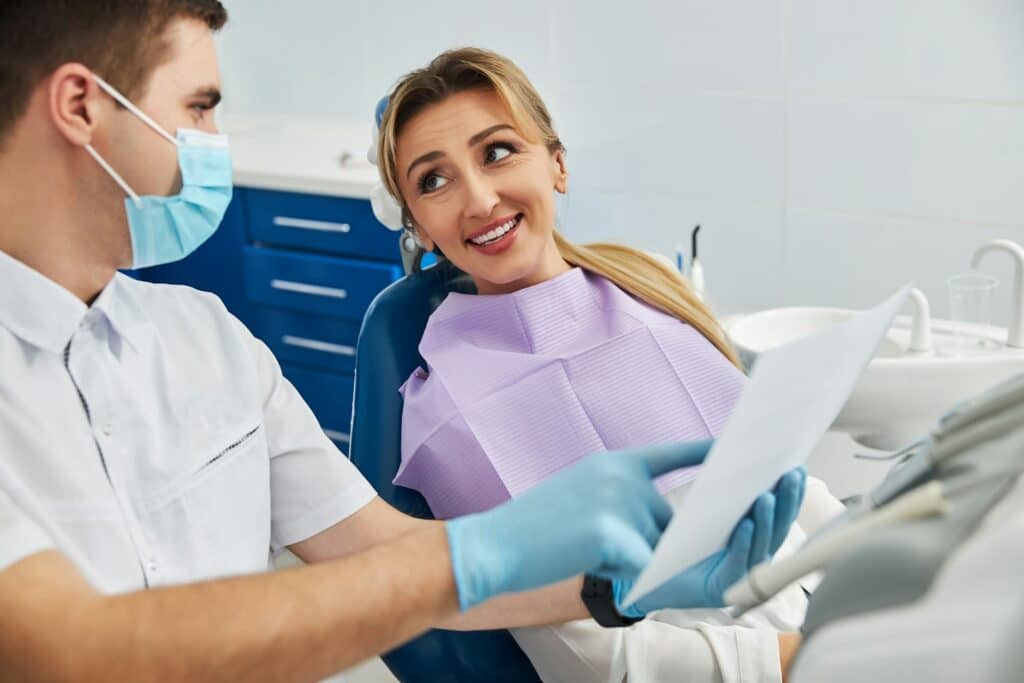
The Risks and Benefits of Teeth Whitening Processes

Teeth Whitening

Dreaming of a brighter smile? Teeth whitening might be just what you’re looking for. It’s one of the most popular cosmetic dentistry procedures today and for good reason. A dazzling set of teeth can boost your confidence, enhance your appearance, and leave a lasting impression. With so many options available, like whitening toothpaste, strips, and professional treatments, it’s no wonder more people are choosing to brighten their smile.

In Pickering, teeth whitening has become a common request at dental offices. People are aiming for that perfect smile for holidays, weddings, or just everyday life. Understanding how the process works and what to expect is crucial before proceeding with any treatment. It’s not just about the gleam; it’s about knowing the upsides and potential concerns to make the best choice for your dental health.

The Benefits of Teeth Whitening

dental fillings

Teeth whitening offers a range of benefits that go beyond cosmetic appeal. Here’s a closer look at why you might want to consider it:

– Improved Appearance: Whiter teeth can drastically change your look. Stains from coffee, tea, and certain foods accumulate over time, making teeth appear dull. Whitening treatments can erase these stains, enhancing your smile and making you look more youthful.

– Boosted Self-Confidence: A confident smile can work wonders for your self-esteem. Whether during a job interview or on a first date, having bright teeth can give you the extra boost you need to make a great impression.

– Enhanced Oral Hygiene Habits: Surprisingly, teeth whitening can inspire better oral hygiene. People who invest in whitening are often more conscious of their dental health, leading to improved brushing and flossing habits.

By understanding these benefits, you can decide whether teeth whitening aligns with your dental goals. It’s about more than aesthetics; it’s a journey towards feeling comfortable and confident in your own skin.

The Risks of Teeth Whitening

While teeth whitening can deliver striking results, there are certain risks involved that you should be aware of. It’s important to weigh these aspects before making a decision.

– Tooth Sensitivity: Many people experience tooth sensitivity after undergoing whitening treatments. This happens when the whitening agents reach the nerve endings in the teeth, causing sharp, temporary pain. Though it usually subsides after a while, it can be an uncomfortable experience for some.

– Gum Irritation: Whitening products can sometimes cause irritation to the gums. This is especially true if the product comes into direct contact with the gumline. Inflammation or discomfort often results from improper application or using overly strong products.

– Potential Inconsistent Results: Not everyone achieves perfectly even whitening. Variations in natural tooth colour and the presence of dental restorations like fillings can lead to uneven results. Some spots may lighten more than others, which might require additional treatments for uniformity.

Understanding these potential risks allows you to make a more informed choice about whether to proceed with whitening and ensures realistic expectations about the process.

Professional Teeth Whitening vs. DIY Kits

dental treatment

When it comes to brightening your teeth, you’ll find both professional treatments and DIY kits as options. Here’s what to consider:

– Safety of Professional Treatments: Professional whitening services are usually safer because they’re performed under expert supervision. A dental professional can tailor the treatment to your needs, reducing the chance of sensitivity and irritation.

– Comparison of Effectiveness: While DIY kits may seem convenient, professional treatments typically deliver quicker and more noticeable results. The whitening agents used in professional settings tend to be more potent, allowing for a deeper clean.

– Cost Considerations: DIY kits are often cheaper upfront, but they might require more frequent application to maintain results. In contrast, a professional service, while more expensive, can offer longer-lasting results, potentially saving time and effort in the long run.

Choosing between these options depends on personal preferences, budget, and the desired level of care.

How to Maintain Your Whitened Teeth

Once you’ve achieved the desired degree of whiteness, keeping your teeth bright and healthy involves some ongoing care. Here are some tips to help maintain your gleaming smile:

– Proper Oral Hygiene Practices: Brush and floss regularly. Using a whitening toothpaste can help preserve the brightness of your teeth while maintaining overall dental health.

– Foods and Drinks to Avoid: Try to limit beverages like coffee, tea, and red wine, as they can cause discolouration. Similarly, cutting down on foods with strong pigments, such as berries or certain sauces, can help keep your smile bright.

– Scheduling Regular Check-Ups: Regular dental visits are key to maintaining oral health and ensuring your teeth stay dazzling. Professional cleanings and guidance from your dentist can help remove stains and catch potential problems early.

Taking these steps will ensure that the effects of your whitening treatment last as long as possible.

Brighten Your Smile with Confidence

Teeth whitening can significantly transform your look and boost your confidence, but it’s crucial to understand both the benefits and risks. Whether you choose professional treatment or a DIY approach, knowing what to expect will help you get the best results. Remember, maintaining your white smile involves regular care and attention to your oral hygiene habits. By doing so, you can enjoy a radiant smile for years to come.

Considering teeth whitening to enhance your smile? Trust Pickering Dental Services to support you on this exciting venture. To explore effective, professional options that suit your lifestyle, check out our teeth whitening services and brighten your smile confidently.

Looking for professional help? Learn more about our teeth whitening services at Pickering Square Dental or call (905) 420-1777 to book an appointment.

Helpful Resources

For more information, visit the CDA on Tooth Whitening.

Frequently Asked Questions

How long does professional teeth whitening last?

Professional whitening results can last 1-3 years depending on your diet and oral hygiene. Avoiding coffee, tea, red wine, and tobacco helps maintain your results. Ask about our Whitening for Life program at Pickering Square Dental.

Is teeth whitening safe for my enamel?

Yes, professional whitening supervised by a dentist is safe for your enamel. Over-the-counter products can cause sensitivity if overused, which is why professional treatment at our Pickering office is recommended for the best and safest results.

How white will my teeth get?

Most patients see their teeth lighten by 3-8 shades. Results vary based on the type and severity of staining. Dr. Lean will assess your teeth and set realistic expectations during your whitening consultation.

Root Canal Therapy in Ajax: What You Should Know

root canal

Root canal therapy might sound a bit daunting at first, but it’s a common procedure that can really help in saving your teeth from more serious issues. Essentially, it’s about getting rid of infection from the root canal of a tooth and then sealing it up to prevent further problems. Think of it like removing rotten wood from a floorboard and replacing it to make it strong again. This treatment isn’t just about fixing what’s wrong now; it helps keep your overall smile healthy in the long run.

In Ajax, as in many places, people often hear the term “root canal” and immediately think of discomfort. However, the goal is quite the opposite. The procedure is designed to relieve the significant pain caused by infection inside the tooth. Whether you’re experiencing sharp toothaches or notice swelling in your gums, understanding what root canal therapy involves can ease your worries and set you on a path to better oral health.

Signs You Might Need Root Canal Therapy

woman smiling

It’s important to catch the signs early to avoid more severe dental issues. Here are some key indicators that might suggest it’s time to consider root canal treatment:

– Persistent Pain: If you’re dealing with consistent tooth pain that doesn’t go away, it’s a clear signal. This kind of pain can vary from a dull ache to sharp, intense discomfort.

– Sensitivity to Temperature: Feeling sudden sensitivity to hot or cold drinks and foods is another sign. When this sensitivity lingers, it could mean there’s a more serious problem inside the tooth.

– Swollen or Tender Gums: Swelling near the affected tooth indicates that something isn’t right. Your gums might feel tender to touch or appear redder than normal.

– Darkening of the Tooth: Sometimes, a tooth in need of a root canal may become discoloured. This can happen when the nerve inside the tooth is dying due to infection.

If you notice one or more of these signs, it’s wise to consult a dentist right away. They can assess the problem and help you understand whether root canal therapy is the right solution. By being proactive, you can ease discomfort and preserve the health of your teeth.

The Root Canal Procedure Explained

Understanding the root canal procedure can ease any anxiety you might have about the treatment. A root canal involves several important steps that work together to heal the infection and restore the tooth to good health. Here’s a basic breakdown of how it works: Learn more about Canadian Dental Care Plan.

1. Preparation: The dentist will first examine and take an X-ray of the affected tooth to assess the extent of the infection. Once they have a clear image, they will proceed by numbing the area with local anesthesia to ensure you’re comfortable during the process.

2. Removing the Infection: The dentist will carefully make an opening in the crown of your tooth. Through this tiny hole, the infected pulp—the tissue inside the tooth that contains nerves and blood vessels—is removed. This step is crucial in clearing out all traces of bacteria and decay.

3. Cleaning and Shaping: After removing the infected tissues, your dentist will clean, disinfect, and shape the inside of the root canals. This ensures that everything is sterile and ready for the next steps.

4. Filling and Sealing: Once clean, the empty space inside the tooth is filled with a special material called gutta-percha. This dense, rubber-like substance helps to seal the tooth and prevent future infections.

5. Restoring the Tooth: To protect and restore the natural strength of your tooth, you might need a crown or filling placed on top. This final step helps maintain the functionality of your tooth and completes the process.

Benefits of Root Canal Therapy

dental implant restoration

Choosing root canal therapy comes with a set of important benefits that contribute to your overall oral well-being. Here’s why this procedure is often seen as a go-to solution for addressing severe toothaches and infections:

– Tooth Preservation: Root canals save your natural tooth instead of resorting to extraction. Retaining your own tooth means it can still function as it naturally should, keeping your bite and smile intact.

– Pain Relief: Although the thought of a root canal might make you uneasy, the procedure primarily aims to relieve the severe pain associated with tooth infections. Once the infection is cleared, that nagging pain dissipates quickly.

– Improved Oral Health: By removing the source of infection, you lower the risk of the infection spreading to other parts of your mouth, protecting your other teeth and gums.

Having a root canal offers a long-term solution to address complex dental issues, giving you peace of mind knowing that your tooth is cared for without needing removal.

Aftercare Tips for Root Canal Therapy

After completing a root canal, it’s important to follow aftercare instructions to ensure a smooth recovery and to keep your tooth healthy in the future:

– Maintain Oral Hygiene: Continue brushing and flossing regularly to prevent plaque build-up and protect your teeth from future infections.

– Watch What You Eat: Avoid hard, sticky foods that might put undue stress on your treated tooth. Opt for softer foods until your crown or filling is fully settled.

– Attend Follow-up Appointments: Regular check-ups with your dentist will help monitor the health of your treated tooth. This ensures that the restoration remains strong and any potential issues are caught early.

Following these simple steps can significantly aid in your recovery and help maintain the positive outcomes of your root canal treatment.

Ensuring a Healthy Smile in Ajax with Root Canal Therapy

Having a healthy smile means staying proactive about your dental care, and root canal therapy plays a crucial role in maintaining the health and appearance of your teeth. Regular dental check-ups can help prevent the need for more extensive treatments and ensure any potential issues are caught early. With the guidance of your dentist, you can enjoy a pain-free smile and keep your teeth in top condition.

Recognizing the signs early, understanding the procedure, and following proper aftercare can make all the difference for your oral health. By choosing professional dental care, you can ensure that your smile remains bright and healthy for the long term.

Start your path to a healthier smile with root canal therapy in Ajax. At Pickering Dental Services, we’re ready to help you relieve discomfort and maintain your natural teeth. Reach out to us to learn more about how we can support your dental health needs.

Helpful Resources

For more information, visit the Canadian Dental Association Oral Health.

Schedule Your Appointment Today

Contact Pickering Square Dental to book your appointment with Dr. Marvin Lean. Call us at (905) 420-1777 or visit us at 1450 Kingston Rd, Unit #4, Pickering, ON.

Frequently Asked Questions

How often should I visit the dentist?

The Canadian Dental Association recommends visiting your dentist at least twice a year for regular check-ups and cleanings. Some patients may need more frequent visits depending on their oral health needs. Call Pickering Square Dental at (905) 420-1777 to schedule your next appointment.

Do you accept the Canadian Dental Care Plan (CDCP)?

Yes, Pickering Square Dental participates in the Canadian Dental Care Plan. Our team can help you understand your coverage and ensure you receive the dental care you need. Contact us for more details about CDCP eligibility and benefits.

What services does Pickering Square Dental offer?

We offer a full range of dental services including family dentistry, emergency dental care, sedation dentistry, dental implants, laser dentistry, teeth whitening, root canal therapy, dental extractions, periodontal care, and cosmetic dentistry. Dr. Lean and our team serve patients in Pickering, Ajax, Whitby, and Scarborough.

How to Handle a Dental Emergency in Ajax

dental emergencies

Dental emergencies can creep up on you when you least expect them, turning a typical day into a stressful situation. They may occur due to accidents, unexpected pain, or existing oral issues that suddenly worsen. Understanding how to manage these situations is crucial for maintaining good oral health and reducing discomfort. Recognizing the signs of a dental emergency and taking swift action can make a big difference in the outcome. Whether it’s a sudden severe toothache or a knocked-out tooth, knowing what to do in those moments can help keep you calm and more prepared.

Living in Ajax, you might find yourself needing to address a dental emergency at any given time. Being armed with the right information and knowing where to seek help will ensure you can handle these situations efficiently. In this article, we’ll explore different types of dental emergencies and discuss the importance of quick actions. Armed with practical tips, you’ll be ready to manage these unexpected events with more confidence and ease.

Recognizing a Dental Emergency

Sedation Dentistry

It’s essential to understand what constitutes a dental emergency so you can act appropriately when one occurs. Dental emergencies are situations where immediate attention is needed to alleviate pain, stop bleeding, or prevent further damage to oral structures. Here are some common types:

1. Knocked-Out Tooth: This is one of the most urgent dental emergencies. If a tooth has been completely knocked out, it’s possible to save it if you act quickly.

2. Severe Toothache: Persistent or severe pain that doesn’t go away with regular painkillers can indicate an infection or serious dental issue that requires a dentist’s involvement promptly.

3. Broken or Chipped Tooth: Although not always painful, breaks and chips can lead to more significant problems if not assessed by a dental professional.

4. Abscess: An abscess is a serious infection that usually occurs at the root of a tooth or between the tooth and gums. It can be very painful and should not be ignored, as it can lead to serious health complications.

Learning to tell the difference between a serious situation and a non-urgent one helps you decide whether to seek immediate medical attention. If you encounter swelling, bleeding that doesn’t stop, or any other unusual symptoms, it’s wise to contact a dentist without delay.

Immediate Steps to Take During a Dental Emergency

When you’re in the midst of a dental emergency, it’s crucial to know the first steps that can stabilize the situation until you reach a dentist. Here are some practical tips to remember:

– Keep Calm: It might sound simple, but staying calm can help you think more clearly and act quickly.

– Tooth Preservation: If a tooth gets knocked out, hold it by the crown (the part exposed in the mouth) and try to reinsert it gently into the socket. If this isn’t possible, place it in a container of milk or saliva until you get to the dentist.

– Control Bleeding: Apply gentle pressure to stop any bleeding with a clean cloth or sterile gauze.

– Pain Relief: Use a cold compress to reduce swelling and manage pain. Avoid using aspirin directly on the affected area as it can harm the gum tissue.

– Avoid Certain Actions: Do not eat, unless necessary, and refrain from using toothpicks or other objects that might irritate the area further.

Remember, these steps are just temporary measures. The ultimate goal is to get professional dental care as quickly as possible to resolve the issue safely and effectively.

Finding a Dentist in Ajax for Emergency Care

Dental Crowns

During a dental emergency, time is of the essence, so knowing where to get help in Ajax can make a big difference. Finding the right emergency dentist quickly ensures prompt treatment and relief. To start, keep a list of emergency dental clinics handy. You can prepare this list by researching local practices online or asking friends and family for recommendations. Include their contact information, locations, and operating hours to ensure quick access.

When you’re searching for a dentist under pressure, here are a few tips to keep in mind:

– Search Online: Use search engines to find “emergency dentist near me” to identify available options. Make sure to read reviews and particularly pay attention to patient feedback on emergency care.

– Stay Prepared: Store the contact details of a few local dentists in your phone or keep them written down somewhere easily accessible.

– Ask About Services: Once you reach out, inquire about the types of emergencies they handle, and if possible, their experience in dealing with your specific issue.

Having reliable contact information ready can prevent any panic when faced with a dental emergency. Know what to expect in terms of service availability, whether it’s an appointment or even walk-ins. This will ensure you’re prepared to address the issue effectively.

Preventing Future Dental Emergencies

Preventing emergencies in the future often comes down to diligent oral care and a few protective measures. Adopting a proactive approach will help keep your teeth healthy and resilient. Here are some top tips to help you avoid trouble:

– Good Oral Hygiene: Maintaining a daily routine of brushing twice and flossing correctly plays a crucial role. It helps prevent cavities and gum disease, which are common causes of emergencies like toothaches and abscesses.

– Regular Check-Ups: Visiting your dentist regularly for cleanings and check-ups can help catch minor problems before they become emergencies. Aim for at least two visits a year, or as recommended by your dental professional.

– Mouthguards and Protection: If you or your child is involved in sports or physical activities, use a mouthguard. It protects your teeth from breaks and chips, especially in contact sports.

Implementing these practices makes it less likely you’ll face an emergency. It’s all about taking the necessary steps now to avoid more significant issues later.

Ensuring Quick Dental Care in Ajax

Knowing the available emergency dental services in Ajax is vital. Community dental practices offer prompt care, ensuring you receive the necessary attention quickly.

Wrap-Up: Being Prepared for Dental Emergencies

Handling a dental emergency can feel overwhelming, but preparation makes it more manageable. Recognizing common emergencies, knowing immediate steps, and having the right contacts can provide peace of mind. Keeping emergencies at bay through proper dental care and routine check-ups in Ajax is just as important.

Ensuring you and your family are equipped to deal with dental emergencies helps maintain calmness in a chaotic situation. Quick action saves smiles and health, so always be ready and proactive about oral health. By staying informed and prepared, you can protect your dental well-being and enjoy peace of mind.

Facing a sudden dental emergency in Ajax? At Pickering Dental Services, we understand how urgent these situations can be. For reliable care, explore our dental emergency in Ajax services tailored to provide quick and effective solutions when you need them most. Our team is dedicated to helping you maintain oral health and peace of mind.

Looking for professional help? Learn more about our emergency dental care at Pickering Square Dental or call (905) 420-1777 to book an appointment.

Helpful Resources

For more information, visit the CDA Dental Emergency Guide.

Frequently Asked Questions

What counts as a dental emergency?

Severe tooth pain, a knocked-out tooth, a cracked or broken tooth, uncontrolled bleeding, dental abscess, and lost fillings or crowns all qualify as dental emergencies. Call Pickering Square Dental at (905) 420-1777 for same-day emergency care.

Can I go to the emergency room for a dental emergency?

While the ER can manage pain and infection, they typically cannot perform dental procedures. A dental office like Pickering Square Dental is better equipped to treat the underlying cause. We reserve same-day appointments for emergencies.

What should I do if a tooth is knocked out?

Pick up the tooth by the crown, gently rinse it, and try to place it back in the socket. If that is not possible, keep it in milk or saliva. Get to our Pickering office within 30 minutes for the best chance of saving the tooth.

The Importance of Regular Dental Check-Ups in Pickering

dental check-up

Visiting the dentist regularly might not be at the top of your to-do list, but it’s a habit that can significantly impact your health. A dental check-up isn’t just about maintaining your pearly whites; it’s a crucial part of keeping your entire body healthy. These appointments help catch problems early, preventing them from turning into bigger issues. Regular visits to your dentist have a positive effect, contributing to both your oral and overall well-being.

Many people underestimate the link between oral health and general health. Yet, a simple dental check-up can aid in detecting conditions that might otherwise go unnoticed. By staying consistent with dental appointments, patients benefit from expert guidance that helps maintain a healthy mouth, leading to improved general health too. Taking the time for these check-ups ensures you’re doing your part in maintaining a healthy lifestyle.

Importance of Regular Dental Check-Ups

sedation dentistry

When you think of dental check-ups, the first thing that might come to mind is a thorough cleaning, which is definitely a key feature. However, the importance of these visits goes beyond just a fresh smile. Here’s why making them a regular part of your routine benefits you in many ways:

– Early Detection: Dentists can catch a problem early on, whether it’s a cavity, gum disease, or something more severe. By identifying issues early, the intervention is often less invasive and more effective.

– Decay Prevention: Regular cleanings prevent plaque buildup, reducing the chance of cavities and preserving your teeth.

– Gum Health: Ignoring gum health can lead to periodontal disease, which is preventable with consistent care.

– Oral Hygiene Maintenance: Your dentist teaches and reinforces good hygiene practices, offering personalized advice.

– Professional Cleaning and X-Rays: Beyond brushing and flossing, professional cleaning ensures stubborn plaque is removed. X-rays reveal hidden issues such as impacted teeth or bone decay, which are hard to detect visually. Learn more about contact our Pickering dental office.

These check-ups are invaluable for maintaining a healthy set of teeth and gums. They save you from more intense procedures and costs down the line. In short, regular visits to your dental clinic set a foundation for long-term health that you don’t want to neglect.

What to Expect During a Dental Check-Up

Walking into your dentist’s office, you might wonder what exactly happens during these check-ups. Knowing what to expect can ease any nervousness you might feel. The process typically begins with a physical examination. Your dentist will carefully inspect your teeth and gums, checking for any signs of decay, gum disease, or other issues. This might include using a small mirror to look behind and between teeth.

Next, you’ll experience a deep clean and polish. This is where the real magic happens in a check-up. Dental hygienists use special tools to remove plaque and tartar that normal brushing might miss, especially from areas that are difficult to reach. They finish up by polishing your teeth, which helps to remove surface stains and leaves your smile extra shiny.

Sometimes, you might get dental X-rays. These are essential for spotting issues that aren’t visible during the physical exam, like infections or damage to the jawbone. X-rays offer a comprehensive view and help your dentist create a personalized treatment plan, if needed.

Finally, you’ll have a chat with your dentist. This consultation allows you to discuss any concerns, ask questions, and receive advice for maintaining oral hygiene between visits. Don’t hesitate to bring up any unusual symptoms or changes in your mouth.

Tips to Make the Most of Your Dental Visit

Sedation Dentistry

To get the best out of your dental visits, a little preparation goes a long way. Here are some simple tips that ensure your appointment is as effective and comfortable as possible:

1. List Your Concerns: Before your appointment, take a moment to think about any questions or issues you’ve been experiencing. Writing them down ensures you don’t forget anything in the moment.

2. Share Health Updates: Inform your dentist about any changes in your medical history since your last visit, including medications. Some conditions and treatments can affect your oral health, so it’s vital your dentist is in the loop.

3. Post-Visit Follow-Up: After your check-up, your dentist might offer some advice or next steps. Whether it’s a new flossing technique or specific toothpaste to try, following through can make a big difference in your oral health.

4. Routine Adherence: Don’t wait to schedule your next check-up. Set it up before you leave the dental office to ensure you remain on track with your oral care routine.

Encouraging Regular Check-Ups in Pickering

Setting a routine for dental visits is just as important as your home oral care habits. In Pickering, establishing regular check-ups helps form a partnership between you and your dentist, setting the stage for proactive rather than reactive health care. Consistency in dental appointments supports early detection and prevention, saving you from potentially uncomfortable and costly procedures.

Finding a reliable dentist in Pickering involves considering factors like location, office hours, and services offered. Recommendations from friends and family can be a helpful starting point. Visiting the office to get a feel for the environment and meeting the team might also aid in making your choice.

Having a dependable local dental practice is invaluable. It ensures you have a trusted place to turn to for any dental needs, whether it’s a routine check-up or something more urgent. A good relationship with your dentist can make a world of difference in how you approach your oral health.

Keep Your Smile Healthy with Regular Check-Ups

Regular dental check-ups should be a non-negotiable part of your health routine. They play a remarkable role in maintaining not just your smile, but your overall well-being. By giving attention to oral health, you contribute positively to your general wellness.

In Pickering, prioritizing dental health means committing to regular visits and embracing the advice of skilled professionals. The benefits of having a clean, healthy mouth extend beyond a great-looking smile; they touch on every aspect of your health, enhancing your quality of life. Remember, a little investment in these check-ups reaps lifelong returns in terms of a brilliant, healthy smile and a healthy body.

Prioritize your dental health with regular check-ups and ensure your well-being is never compromised. To support your oral health journey, explore Pickering Dental services provided by Pickering Dental Services. With a focus on family dentistry, we’re here to help keep your smile healthy and bright, offering a comprehensive range of care tailored to your needs.

Helpful Resources

For more information, visit the Canadian Dental Association Oral Health.

Schedule Your Appointment Today

Contact Pickering Square Dental to book your appointment with Dr. Marvin Lean. Call us at (905) 420-1777 or visit us at 1450 Kingston Rd, Unit #4, Pickering, ON.

Frequently Asked Questions

How often should I visit the dentist?

The Canadian Dental Association recommends visiting your dentist at least twice a year for regular check-ups and cleanings. Some patients may need more frequent visits depending on their oral health needs. Call Pickering Square Dental at (905) 420-1777 to schedule your next appointment.

Do you accept the Canadian Dental Care Plan (CDCP)?

Yes, Pickering Square Dental participates in the Canadian Dental Care Plan. Our team can help you understand your coverage and ensure you receive the dental care you need. Contact us for more details about CDCP eligibility and benefits.

What services does Pickering Square Dental offer?

We offer a full range of dental services including family dentistry, emergency dental care, sedation dentistry, dental implants, laser dentistry, teeth whitening, root canal therapy, dental extractions, periodontal care, and cosmetic dentistry. Dr. Lean and our team serve patients in Pickering, Ajax, Whitby, and Scarborough.

What to Expect During an Emergency Dental Care Visit

emergency dental care

Visiting the dentist can be unnerving, especially when it’s an emergency. Unfortunately, dental emergencies can happen when you least expect them, whether it’s a sharp toothache that comes out of nowhere or a chipped tooth from a playful afternoon. Knowing the importance of timely emergency dental care can ease fears and prevent further complications. When something unexpected happens with your teeth, quick action ensures better recovery.

Understanding what situations qualify as a dental emergency is crucial. Some cases, like a knocked-out tooth or severe pain, require immediate attention, while others might wait a bit. Recognizing these signs can help you decide when it’s necessary to visit a dental professional. This awareness not only alleviates pain quickly but also protects your overall oral health.

Recognizing a Dental Emergency

Kids teeth Health

Determining whether you have a dental emergency means knowing the signs and symptoms. Here are some indicators of a dental emergency:

– Severe, persistent toothache that doesn’t improve with pain relief

– A cracked or broken tooth causing sharp pain

– A knocked-out tooth

– Swelling, which may indicate an infection Learn more about contact our Pickering dental office.

– Bleeding that doesn’t stop after an injury

These issues are more than just annoyances — they can signal a bigger problem needing timely care. For instance, a knocked-out tooth, if treated right away, might be saved. On the other hand, an abscess or infection must be addressed quickly to avoid spreading.

Dental emergencies come in various forms, and each requires a different approach. For example, a sharp, sudden toothache might mean serious decay or an infection, while a lost filling or crown may not require immediate attention but should be addressed soon. Recognizing the kind of emergency guides you on when to seek help and what care you might need.

Staying composed and following the right course of action during a dental crisis makes a world of difference. Having a plan can transform a hectic situation into something more manageable, preserving your smile and peace of mind.

Initial Steps to Take During a Dental Emergency

Facing a dental emergency can be stressful, but taking the right initial steps can make all the difference. First, don’t panic. Staying calm helps you think clearly and decide what to do next. If a tooth gets knocked out, try to find it and pick it up by the crown, avoiding the root. Rinse it gently with water if it’s dirty, but don’t scrub it. If possible, place the tooth back in its socket, but don’t force it. If that’s not an option, store it in a cup of milk to keep it moist until you get professional help.

For a severe toothache, rinse your mouth with warm water and gently floss to ensure there’s nothing lodged between the teeth. Avoid using aspirin or placing it against the gums as it can burn the tissue. Controlling pain and preventing swelling with a cold compress against your cheek can provide some relief. It’s important to contact a dental professional quickly to address the problem effectively.

What to Expect During Your Visit

oral sedation

Arriving at the dental clinic, the first step usually involves an assessment by the dental team. They’ll examine the issue, possibly taking X-rays to understand the full extent of the problem. Whether it’s a crack, abscess, or something else, getting an accurate diagnosis is key to effective treatment.

Various treatments may be done depending on the emergency. These may range from a simple filling to secure a tooth to more complex procedures like a root canal or extraction, aiming to relieve pain and restore oral health. The dental team will explain the process to ensure you’re comfortable and aware of what’s happening. They’ll also focus on making sure you feel little to no pain during any procedure.

Aftercare and Follow-Up

Once the immediate issue is resolved, you’ll receive instructions for aftercare, such as keeping the area clean and what types of food to avoid while healing. Following these guidelines helps prevent further complications. Follow-up appointments might be recommended to ensure the problem is fully taken care of and healing properly.

Preventing future dental emergencies involves regular dental visits and maintaining good oral hygiene. Brush and floss regularly, wear a mouth guard in sports, and avoid using teeth to cut or open objects. These simple habits significantly reduce the risk of surprise dental issues.

Finding Trustworthy Emergency Dental Care

When selecting emergency dental care, look for qualities like reputation and experience. Check for clinics with flexible hours to accommodate sudden emergencies. Word-of-mouth recommendations and online reviews can also help identify reliable care providers in your area, such as Pickering.

Ensuring Your Family’s Oral Health

Ensuring your family’s oral health includes having dependable dental services available during emergencies. This proactive approach not only manages unexpected events but keeps your family protected, fostering healthy habits and preventing bigger issues down the line. Regular check-ups build a strong foundation for oral health, allowing immediate attention when emergencies do arise.

Maintaining oral health can be stressful, especially during unexpected emergencies. It’s reassuring to know there’s a solution nearby. For more details about how Pickering Dental Services can help when you face unexpected dental issues, explore our emergency dental care options in Pickering. Trust in our team’s expertise to provide the care you need when it matters most.

Helpful Resources

For more information, visit the CDA Dental Emergency Guide.

Schedule Your Appointment Today

Contact Pickering Square Dental to book your appointment with Dr. Marvin Lean. Call us at (905) 420-1777 or visit us at 1450 Kingston Rd, Unit #4, Pickering, ON.

Frequently Asked Questions

What counts as a dental emergency?

Severe tooth pain, a knocked-out tooth, a cracked or broken tooth, uncontrolled bleeding, dental abscess, and lost fillings or crowns all qualify as dental emergencies. Call Pickering Square Dental at (905) 420-1777 for same-day emergency care.

Can I go to the emergency room for a dental emergency?

While the ER can manage pain and infection, they typically cannot perform dental procedures. A dental office like Pickering Square Dental is better equipped to treat the underlying cause. We reserve same-day appointments for emergencies.

What should I do if a tooth is knocked out?

Pick up the tooth by the crown, gently rinse it, and try to place it back in the socket. If that is not possible, keep it in milk or saliva. Get to our Pickering office within 30 minutes for the best chance of saving the tooth.

Oral Sedation Dentistry: What You Need to Know

oral sedation

Facing a dental procedure can sometimes be a bit nerve-wracking. Whether you’re dealing with a routine cavity filling or something more complex, the anxiety can be overwhelming. That’s where oral sedation dentistry comes in. This approach to dental care is designed to make your visits more relaxed and comfortable. Think of it as taking the edge off to ensure a smoother, stress-free experience at the dentist. With this method, you can manage your dental fears while still receiving the care you need.

Oral sedation dentistry is especially helpful for those who face real apprehension about sitting in the dentist’s chair. It’s not just for people who are fearful, though. This type of sedation can be ideal for anyone undergoing longer or more complex dental procedures. The goal is to make your time at the dental office as effortless as possible, allowing you to focus on your oral health without stress. In this article, you’ll get a closer look at what oral sedation dentistry involves and why it might be the right choice for you.

What Is Oral Sedation Dentistry?

Dental Care

Oral sedation dentistry involves taking medication to help you relax during dental procedures. Unlike general anesthesia, which puts you to sleep, oral sedation allows you to stay awake but in a calm and relaxed state. You might feel drowsy, but overall you’ll be more at ease.

Here’s how it works:

– You take a sedative pill, usually about an hour before your appointment, so it has time to kick in.

– The medication most commonly used includes benzodiazepines, like Valium or Ativan, which are designed to reduce anxiety.

– During the procedure, you’ll feel relaxed and perhaps a little groggy, but you’ll still be aware of what’s happening around you.

One of the main advantages of oral sedation is that it provides a more peaceful experience without the need for needles or injections. It’s a simple process that helps remove the tension associated with dental appointments, making it easier for you to get the care you need.

Benefits of Oral Sedation Dentistry

There are several reasons why oral sedation dentistry might be the right choice for you:

1. Reduced Anxiety: The primary benefit is calming your nerves, making dental visits much more manageable.

2. Comfort During Procedures: It’s easier to sit through longer procedures when you’re relaxed, helping the dentist perform effectively without interruptions. Learn more about emergency dental care in Pickering.

3. Better Dental Care Compliance: Those who avoid the dentist due to fear are more likely to attend regular check-ups when the anxiety is lessened.

Oral sedation is beneficial for both the patient and the dentist. It helps you feel secure in the dental chair, allowing the procedure to proceed smoothly. For those with dental phobias, oral sedation can be a solution that changes your perception of dental care. The goal is to make your visits more pleasant, encouraging a positive attitude toward maintaining your oral health.

How to Prepare for Oral Sedation

Tooth Extraction

Preparing for a dental visit with oral sedation is simple but essential to ensure everything goes smoothly. Getting ready involves a few steps to keep in mind, making your experience as comfortable as possible.

First, the dentist might advise you to fast for a few hours before your appointment. This step helps in minimizing any potential nausea during the procedure. So, be sure to follow any specific guidelines given to you in advance. Next, make arrangements for someone to drive you to and from the appointment. Since sedation can leave you feeling a bit sleepy, having a friend or family member handle transportation is a safe choice.

Consider the following tips to ensure you’re fully prepared:

– Pre-Appointment Consultation: It’s always a good idea to talk through the procedure with your dentist beforehand. This includes discussing any medical conditions or concerns you might have.

– What to Wear: Go for something comfortable. Loose-fitting clothes can help you feel at ease throughout your visit.

– Things to Bring: Carry along any comfort items you might want post-procedure, like a pair of sunglasses to shield your eyes from light or a soothing playlist to listen to during the drive home.

What to Expect During and After the Procedure

Understanding what happens on the day of your dental appointment can help ease any lingering nerves. On the morning of the procedure, you’ll take your prescribed sedative pill as advised. The medication typically begins working swiftly, easing you into a relaxed state by the time you reach the dentist’s office.

During the procedure, you’ll settle into the dental chair while remaining alert but calm. It’s normal to feel slightly groggy, but you’ll still be aware of your surroundings and able to communicate with the dental team. This relaxed state makes the process more bearable and less intimidating, especially for patients with a heightened sense of anxiety.

After your procedure, it’s time for self-care:

– Immediate Aftercare: Rest is vital. Spend the rest of the day taking it easy to allow the sedation to wear off fully.

– Feelings and Sensations: It’s common to feel a bit drowsy or disoriented after your visit. This is completely normal and usually subsides by the next day.

– Full Recovery: Avoid operating machinery or making important decisions until your sedation effects completely wear off.

Ensuring Safe and Effective Oral Sedation Dentistry in Pickering

Choosing the right dental practice plays a significant role in the success of your sedation experience. When searching for a dental team, it’s important to look for professionals who are well-equipped and experienced with sedation practices. A dependable and skilled team will provide the highest care, ensuring your safety and comfort through the whole process.

Consider these pointers when selecting a dental service provider:

– Look for certifications and accreditations that attest to their competence in offering oral sedation.

– Check online reviews or ask around for personal recommendations to gauge the reputation of the practice.

– Make sure the clinic offers a clear and thorough consultation process, explaining all aspects of the sedation and procedure in detail.

Creating a Comfortable Dental Experience

Dental visits should be as stress-free as possible, and oral sedation dentistry offers a way to achieve just that. By understanding the benefits and processes involved, you gain confidence and reduce apprehension about dental care. It’s a practical approach that not only helps during intricate procedures but also encourages more regular check-ups without fear.

Taking the step to explore oral sedation can transform how you think about visiting the dentist. Whether battling anxiety or simply wanting a more relaxed experience, this method provides the comfort you need in the dental chair. Embrace the opportunity for a more pleasant and manageable dental visit tailored to fit your comfort levels and needs.

Experience a more relaxed and stress-free dental visit by exploring oral sedation dentistry. At Pickering Dental Services, we prioritize your comfort and aim to transform the way you view dental care. Discover how oral sedation can make your appointments smoother. Let us help you achieve a more comfortable and positive dental experience.

Helpful Resources

For more information, visit the CDA Guide to Sedation Dentistry.

Schedule Your Appointment Today

Contact Pickering Square Dental to book your appointment with Dr. Marvin Lean. Call us at (905) 420-1777 or visit us at 1450 Kingston Rd, Unit #4, Pickering, ON.

Frequently Asked Questions

Is sedation dentistry safe?

Yes, sedation dentistry is very safe when administered by a trained dental professional. Dr. Lean at Pickering Square Dental monitors your vital signs throughout the procedure to ensure your comfort and safety.

Will I be unconscious during sedation dentistry?

It depends on the level of sedation. Mild sedation keeps you relaxed but awake. Moderate sedation may make you drowsy, though you can still respond. Deep sedation is used for complex procedures. Dr. Lean will recommend the right level for your needs.

How long does sedation last?

Nitrous oxide (laughing gas) wears off within minutes. Oral sedation may take a few hours to fully wear off, so you will need someone to drive you home. Our Pickering team will give you specific aftercare instructions.

Why Choosing Family Dentists in Pickering Is Important for Your Kids’ Dental Health

Kids teeth Health

Going to the dentist isn’t always a favourite activity for kids, but finding the right family dentist can make a world of difference. Visiting a dental office that understands the unique needs of children and their parents can transform the dental experience into something positive and reassuring. Selecting family dentists in Pickering is a step towards making dental care easy and comfortable for your entire family. Such a choice not only contributes positively to your child’s oral health but also lays the groundwork for lifelong habits.

Children’s dental health is often a top concern for parents, keeping many up at night. Questions arise about when to start dental visits and how to ensure kids brush and floss properly. The ideal family dentist recognizes these worries and offers guidance tailored to children’s needs. When a child feels at ease with their dentist, it opens the door to better communication about oral hygiene and future visits without fear.

Why Family Dentists Are Ideal for Kids

Gum Problems

Family dentists are unique in their approach and training, making them perfectly suited to care for children. These dentists aren’t just trained to handle teeth—they understand the specific requirements and behaviours of younger patients. They are skilled at creating a welcoming atmosphere, one where a child can feel relaxed and even enjoy their visit.

Choosing a family dentist means more than cleaning and check-ups. It means stepping into a child-friendly environment that’s designed to make young ones feel comfortable. Bright colours, fun decorations, and a welcoming waiting area help set the stage for a positive experience. Dental tools and procedures are presented in an easy-to-understand way, making sure children aren’t frightened.

Here’s why family dentists excel in caring for children:

– Special Training: Family dentists often have training and experience in working with kids. They know how to communicate clearly and gently, which is crucial for dealing with dental anxieties. Learn more about sedation dentistry options.

– Friendly Atmosphere: The dental office is designed with kids in mind. It’s a space where toys and games are available, helping children feel more at ease.

– Patience and Understanding: Family dentists take the time to explain procedures in simple terms, helping children understand what’s happening. This reduces fear and builds trust.

Going to the dentist shouldn’t be something a child dreads. By choosing a family dentist, kids learn to associate dental care with positivity and fun, ensuring they stay proactive about their oral health as they grow.

Early Dental Health Education

A healthy smile starts with good habits, and teaching kids about dental hygiene as early as possible can make a big difference. Family dentists in Pickering are all about getting kids familiar with the basics, like brushing and flossing, in a fun and engaging way. They know that when you make it fun, kids are more likely to stick with it.

Dentists use simple explanations and sometimes even props to show kids how to brush their teeth correctly. They might use a giant toothbrush and model of teeth, turning what could be a dull lesson into something that’s much more like playtime. It’s all about keeping kids interested and excited about taking care of their teeth.

Parents aren’t left out, either. Dentists provide handy tips and advice, helping parents reinforce good habits at home. By creating a team effort between the dentist, child, and parents, everyone works together to keep those little teeth healthy.

Consistent Dental Care

Dental Extractions

Having regular check-ups with the same dentist offers a lot of comfort. It means that the dentist knows your child’s specific needs and can track their development. This consistency builds a bond of trust, making each visit smoother than the last.

Kids who see the same dentist regularly are likely to feel safer and more understood. They get used to the routine, and the dental chair becomes a familiar place. For parents, consistency means less guesswork about what to expect at each appointment.

When your child knows their dentist well, they’re less likely to be afraid. They develop trust, making room for open and honest conversations about any worries or questions they might have. This proactive relationship can lead to better oral health outcomes in the long run.

Comprehensive Dental Services in One Place

Families are busy, and having all your dental needs taken care of in one location is a game-changer. Family dentists offer a wide range of services, from routine cleanings to more specialized treatments, all under one roof. This means less running around and more convenience for your family’s schedule.

The real benefit is that no matter what stage of dental care your child needs, a trusted family dentist is there to provide continuous care. Families can rest easy knowing they’re in good hands, with professionals who can handle anything, from early childhood cleanings to orthodontic evaluations, as children grow. By simplifying care in this way, parents can focus on helping their children maintain good oral hygiene without unnecessary stress.

Choosing the right family dentist is more than picking someone good with teeth. It’s about creating a positive, lifelong relationship with dental health, making every visit feel like a step towards a happier, healthier smile.
Looking to ensure healthy smiles for your children? Explore the benefits of trusted family dentists in Pickering who provide personalized care and guidance for young patients. At Pickering Dental Services, we offer a friendly and welcoming environment to help make dental visits easy and stress-free. Get in touch with us to learn more about how we can support your family’s oral health needs.

Helpful Resources

For more information, visit the Health Canada Children’s Dental Health.

Schedule Your Appointment Today

Contact Pickering Square Dental to book your appointment with Dr. Marvin Lean. Call us at (905) 420-1777 or visit us at 1450 Kingston Rd, Unit #4, Pickering, ON.

Frequently Asked Questions

How often should I visit the dentist?

The Canadian Dental Association recommends visiting your dentist at least twice a year for regular check-ups and cleanings. Some patients may need more frequent visits depending on their oral health needs. Call Pickering Square Dental at (905) 420-1777 to schedule your next appointment.

Do you accept the Canadian Dental Care Plan (CDCP)?

Yes, Pickering Square Dental participates in the Canadian Dental Care Plan. Our team can help you understand your coverage and ensure you receive the dental care you need. Contact us for more details about CDCP eligibility and benefits.

What services does Pickering Square Dental offer?

We offer a full range of dental services including family dentistry, emergency dental care, sedation dentistry, dental implants, laser dentistry, teeth whitening, root canal therapy, dental extractions, periodontal care, and cosmetic dentistry. Dr. Lean and our team serve patients in Pickering, Ajax, Whitby, and Scarborough.

How Endodontics Treatment in Pickering Can Save Your Tooth

Endodontics

Taking care of our teeth is a lot like maintaining a car. Just as we change the oil and check the tires, regular dental care keeps our smiles running smoothly. But sometimes, the unexpected happens—a toothache creeps in or a small issue becomes a big deal. That’s where specialized dental care steps in, especially when dealing with problems inside the tooth. This is where endodontics treatment shines, offering solutions to save teeth that might otherwise be lost.

In Pickering, expert endodontic care provides a lifeline for those facing serious dental troubles. Instead of rushing to extract a problematic tooth, this treatment dives deep into the heart of the problem, often rescuing teeth from extraction. But what exactly is endodontics, and why might someone need it? Let’s explore these questions and understand how they might relate to you.

What is Endodontics Treatment?

Dental Care

Endodontics might sound complex, but it’s simply about focusing on the inside of your tooth. The word itself comes from Greek roots: “endo,” meaning inside, and “odont,” meaning tooth. This branch of dentistry zeroes in on the pulp, the soft tissue inside your tooth that houses nerves, blood vessels, and connective tissue.

Sometimes, due to decay or injury, this inner part can become infected or inflamed, often resulting in quite a bit of pain. Tooth decay, deep chips, or cracks are common culprits that can expose and affect the pulp. When you experience pain or sensitivity, often this type of deeper issue is the cause.

A root canal treatment is the most common endodontic procedure, renowned for saving countless teeth. The process involves a dentist gently removing the infected or damaged tissue, cleaning and shaping the inside of the tooth, and then sealing it. While the term “root canal” might send shivers down some spines, modern advancements have made it much more comfortable and efficient.

Benefits of Endodontics Treatment

Seeing the dentist isn’t just about keeping our teeth clean. Sometimes, it’s also about finding relief from pain. Endodontics offers a path toward a pain-free mouth by addressing the root cause—quite literally. Here are some reasons why this treatment is worth considering:

– Pain Relief: One of the most immediate benefits is relief from the discomfort caused by an inflamed or infected pulp. By dealing with the issue head-on, the pain often subsides quickly.

– Preserving Your Tooth: The alternative to a root canal is usually extraction, but keeping the natural tooth is always preferred when possible. Saving a tooth through endodontics helps maintain chewing function, normal biting force, and the natural appearance of your smile. Learn more about Canadian Dental Care Plan.

– Preventing Further Damage: When an issue inside a tooth goes untreated, it can lead to more serious problems, including infections that affect other teeth or the jawbone. Treating it early with endodontics can prevent such complications.

With endodontic treatment, not only can you say goodbye to toothache blues, but you also get to keep your natural smile intact. Up next, we’ll walk through what happens during an endodontic procedure, especially when done with care and expertise in Pickering.

The Endodontic Treatment Process at Pickering Dental Services

Periodontal Disease

When you first think about undergoing endodontic treatment, it’s normal to have a lot of questions. So, what does this procedure actually involve? It’s simpler than you might imagine, and knowing the process can help ease any concerns. First, the dentist will carefully examine your tooth and may take some X-rays. This helps in getting a clear picture of the problem and planning the treatment.

Once the diagnosis is confirmed, the procedure moves on to the next step: numbing the area around the affected tooth. Here’s a quick look at the typical steps involved:

1. Access and Clean: The dentist creates a small opening in the top of the tooth to access the pulp. Using special tools, they gently remove the infected or damaged tissue.

2. Shape and Disinfect: After the pulp is out, the inside of the tooth is cleaned and shaped. Disinfectants ensure that any lingering bacteria are taken care of.

3. Fill and Seal: The cleaned and shaped space inside the tooth is filled with a biocompatible material and then sealed to protect against future infections.

Throughout the process, modern techniques and instruments make it much more comfortable. Sedation options are also available to help nervous patients feel at ease during the procedure. Understanding these steps prepares you for what to expect and takes away the mystery that often surrounds dental treatment.

Post-Treatment Care and Recovery

After the procedure, caring for your teeth is key to a smooth recovery. While you might feel some tenderness around the treated tooth, simple measures can help ease discomfort and promote healing. Here are some tips to keep in mind:

– Pain Management: Using over-the-counter pain relief as needed can help manage any lingering discomfort. Applying a cold pack to the outside of your cheek near the treated area can reduce swelling.

– Stick to Soft Foods: For the first few days, softer foods that do not require much chewing will be easier to handle. Consider applesauce, yogurt, and soups.

– Oral Hygiene: Maintain excellent oral hygiene by brushing gently around the treated area and continuing your regular flossing routine. This helps prevent future issues.

After your treatment, attending follow-up appointments is important for ensuring everything is healing as it should. Your dentist will check the success of the treatment and provide you with additional instructions if needed.

Is Endodontics Treatment Right for You?

Deciding whether endodontics is the right choice comes down to a few important factors. If you’re experiencing persistent tooth pain, sensitivity, or swelling, it might be time to consider this option. Endodontic treatment offers several advantages, particularly for those looking to preserve their natural teeth and avoid further complications. By addressing the root cause of the problem, you can maintain better oral health and function.

Seeking a professional evaluation can help determine the best course of action tailored to your needs. A timely diagnosis can often prevent more costly and complex procedures down the line. Keeping your teeth healthy and intact is a priority worth investing in, and endodontics plays a significant role in that journey.
Are you dealing with tooth pain or discomfort and wondering if there’s a way to preserve your natural teeth? Consider the benefits of endodontics treatment in Pickering. At Pickering Dental Services, our experienced team is dedicated to providing expert care that addresses dental issues effectively, ensuring you maintain a healthy smile. For detailed insights and professional guidance, explore more about our services today.

Helpful Resources

For more information, visit the Canadian Dental Association Oral Health.

Schedule Your Appointment Today

Contact Pickering Square Dental to book your appointment with Dr. Marvin Lean. Call us at (905) 420-1777 or visit us at 1450 Kingston Rd, Unit #4, Pickering, ON.

Frequently Asked Questions

How often should I visit the dentist?

The Canadian Dental Association recommends visiting your dentist at least twice a year for regular check-ups and cleanings. Some patients may need more frequent visits depending on their oral health needs. Call Pickering Square Dental at (905) 420-1777 to schedule your next appointment.

Do you accept the Canadian Dental Care Plan (CDCP)?

Yes, Pickering Square Dental participates in the Canadian Dental Care Plan. Our team can help you understand your coverage and ensure you receive the dental care you need. Contact us for more details about CDCP eligibility and benefits.

What services does Pickering Square Dental offer?

We offer a full range of dental services including family dentistry, emergency dental care, sedation dentistry, dental implants, laser dentistry, teeth whitening, root canal therapy, dental extractions, periodontal care, and cosmetic dentistry. Dr. Lean and our team serve patients in Pickering, Ajax, Whitby, and Scarborough.

Dental Bridges: Restoring Your Smile and Functionality

Dental Bridges

Losing a tooth can impact more than your smile. It can also make chewing difficult and affect how you talk. Missing teeth can lead to other dental problems, which is why replacing them is important. Dental bridges offer a practical solution by filling the gap with artificial teeth, restoring not only appearance but also function.

Dental bridges are custom-made to fit comfortably and blend with the natural look of your teeth. They help keep your other teeth in place, maintain your face shape, and improve your ability to bite and chew. For many people, bridges provide a reliable way to get back their confidence and improve oral health.

Choosing to get a dental bridge is a decision that involves understanding the types and benefits. Knowing what happens during the procedure and how to care for your bridges can help you make the best choice for your dental health. This article will guide you through everything you need to know about dental bridges, ensuring you’re well-informed every step of the way.

What Are Dental Bridges?

Oral Surgeon

Dental bridges are devices used to fill gaps left by missing teeth. They consist of artificial teeth, known as pontics, held in place by dental crowns attached to the teeth next to the gap, called abutments. This creates a “bridge” that replaces the missing tooth or teeth.

Different types of dental bridges cater to varied dental needs:

– Traditional Bridges: These are the most common and involve creating a crown for the tooth on either side of the missing tooth, with a pontic in between. Traditional bridges are suitable when natural teeth are present on both sides of the gap.

– Cantilever Bridges: These are used when there is only one natural tooth next to the gap. Cantilever bridges are not as common but can be useful in specific dental situations.

– Maryland Bridges: These involve a metal or porcelain framework bonded to the back of nearby teeth. They are less invasive than traditional bridges, as they do not require crowns on adjacent teeth.

– Implant-Supported Bridges: These use dental implants to hold the bridge in place, offering a strong and stable solution when multiple teeth are missing. This type of bridge doesn’t rely on neighbouring teeth for support.

Each type has unique advantages, and choosing the right bridge depends on your dental structure, preferences, and specific needs. Discussing options with your dentist will help determine the best solution for a natural look and feel.

Benefits of Dental Bridges

Dental bridges offer numerous benefits that go beyond filling the gap of a missing tooth. They help restore both function and appearance, playing a crucial role in maintaining oral health. Learn more about family dentistry services in Pickering.

Here are some key advantages of dental bridges:

– Restores Function and Appearance: By filling in the gap, bridges help you regain a natural-looking smile. They also ensure that you can chew food properly without difficulty.

– Prevents Teeth Shifting: Missing teeth can cause surrounding teeth to shift out of position, leading to alignment issues. Bridges prevent teeth movement by keeping them in their proper place.

– Maintains Jaw Alignment: Unfilled gaps can lead to an imbalanced bite, causing discomfort or further dental problems. Bridges help maintain jaw alignment and prevent related complications.

– Improves Speech: Missing teeth can impact speech, leading to issues with pronunciation. Dental bridges help improve clarity and your ability to speak naturally.

By addressing issues related to missing teeth, dental bridges contribute to a healthier mouth and boost confidence. They provide a reliable solution for many people looking to maintain a complete and functional set of teeth.

The Dental Bridge Procedure

Dental Sedation

Getting a dental bridge involves several important steps to ensure a proper fit and lasting solution. First, your dentist will prepare the abutment teeth. This means reshaping these teeth by removing a portion of enamel to accommodate a crown. After preparing the teeth, the dentist takes an impression of your teeth. This model is sent to a dental lab where your bridge, pontic, and crowns are custom-made.

The next stage involves placing a temporary bridge to protect exposed teeth and gums while the permanent bridge is being made. On your next visit, the temporary bridge is replaced with the permanent one. The dentist will carefully check the bridge for proper fit and make adjustments as needed.

What can you expect during this process? Here’s an overview:

– Preparation: The process begins with an initial consultation and preparation of abutment teeth.

– Impressions: Accurate impressions ensure the bridge fits well.

– Temporary Bridge: A temporary bridge protects the area until the final bridge is ready.

– Fitting and Adjustment: On your final visit, the permanent bridge is fitted, adjusted, and then cemented.

The overall timeframe can vary, but typically involves two or three visits over a few weeks. It’s crucial to follow your dentist’s instructions during this process to ensure the longevity and effectiveness of your dental bridge.

Caring for Your Dental Bridges

Proper care for your dental bridge is essential to maintain its condition and your oral health. Daily cleaning keeps it free from plaque and food particles, which can lead to decay or gum issues.

Follow these key steps for bridge maintenance:

– Brush and Floss: Use a soft-bristled toothbrush and floss daily. Special flossing tools or interdental brushes can help clean under the bridge.

– Use Antibacterial Mouthwash: Rinsing with antibacterial mouthwash can help prevent infections and maintain gum health.

– Watch Your Diet: Avoid hard foods that could damage the bridge. Instead, incorporate a balanced diet to support oral health.

Regular dental check-ups are important. They allow your dentist to examine your bridge and surrounding teeth, ensuring there are no developing issues. If you notice anything unusual, like discomfort or change in bite, contact your dentist immediately.

Conclusion

Dental bridges play an important role in restoring oral functionality and aesthetics for those with missing teeth. They provide a reliable means to enhance not only your smile but your capacity to perform day-to-day activities like eating and speaking with ease. Understanding the procedure and benefits, as well as how to maintain your dental bridge, ensures you can enjoy these advantages for years to come.

At Pickering Dental Services, our team is dedicated to helping you achieve a complete and healthy smile with our personalized care approach. Reach out to us today to discuss if dental bridges are the right option for you. Our experts are here to help with any questions and to guide you through the process to ensure the best results.

Helpful Resources

For more information, visit the Canadian Dental Association Oral Health.

Schedule Your Appointment Today

Contact Pickering Square Dental to book your appointment with Dr. Marvin Lean. Call us at (905) 420-1777 or visit us at 1450 Kingston Rd, Unit #4, Pickering, ON.

Frequently Asked Questions

How often should I visit the dentist?

The Canadian Dental Association recommends visiting your dentist at least twice a year for regular check-ups and cleanings. Some patients may need more frequent visits depending on their oral health needs. Call Pickering Square Dental at (905) 420-1777 to schedule your next appointment.

Do you accept the Canadian Dental Care Plan (CDCP)?

Yes, Pickering Square Dental participates in the Canadian Dental Care Plan. Our team can help you understand your coverage and ensure you receive the dental care you need. Contact us for more details about CDCP eligibility and benefits.

What services does Pickering Square Dental offer?

We offer a full range of dental services including family dentistry, emergency dental care, sedation dentistry, dental implants, laser dentistry, teeth whitening, root canal therapy, dental extractions, periodontal care, and cosmetic dentistry. Dr. Lean and our team serve patients in Pickering, Ajax, Whitby, and Scarborough.

Easing Anxiety: Unveiling the Comprehensive Benefits of Sedation Dentistry

Sedation Dentistry

Going to the dentist makes many people anxious, especially when thinking about pain or discomfort. This fear can lead some to avoid necessary dental care, which might cause long-term oral health problems. Luckily, sedation dentistry can help ease these worries and create a more comfortable dental experience.

Sedation dentistry uses medication to help patients relax during dental procedures. It can range from mild sedation, where you’re awake but relaxed, to deep sedation, where you are close to sleeping. This approach makes visits less scary and more pleasant, allowing dentists to perform needed treatments while the patient feels at ease. Whether you fear the drill’s sound or the dentist’s chair, sedation dentistry might be the solution you’ve been looking for. It can turn a potentially stressful situation into a simple and manageable appointment, ensuring you get the care your teeth need.

Understanding Sedation Dentistry

Wisdom Teeth Removal

Sedation dentistry is a method used to help patients feel calm and relaxed during dental procedures. It involves administering medication to ease anxiety, making it easier for individuals to receive necessary dental care without stress. This approach is especially helpful for those who experience fear when visiting the dentist or have difficulty sitting still for treatments.

Several types of sedation are commonly used in dentistry:

– Nitrous Oxide (Laughing Gas): This is the mildest form of sedation. It is inhaled through a mask, helping patients feel relaxed but remain fully conscious. The effects wear off quickly, allowing you to drive yourself home after the appointment.

– Oral Sedation: This involves taking a pill before the procedure. The medication makes you drowsy, but you stay awake. The level of sedation varies depending on the dose, and it can be mild or moderate.

– IV Sedation: Administered through a vein, this form offers a deeper sedation level. You remain awake but often feel as though you slept through the procedure. Your dentist carefully monitors this method for safety.

– General Anaesthesia: Used for more complex procedures, it puts you into a deep sleep, where you feel no pain and have no memory of the treatment.

Each type of sedation has its benefits and applications. Discussing your fears and concerns with a professional can help determine the best option for your needs, making dental visits less daunting.

Benefits of Sedation Dentistry

One of the primary advantages of sedation dentistry is its ability to significantly reduce anxiety and fear associated with dental visits. Many people avoid the dentist due to past experiences or phobias. Sedation helps overcome these fears, allowing you to receive essential dental care without distress.

Here are some key benefits of sedation dentistry:

– Minimizes Pain Perception: Even the thought of dental tools can cause discomfort for some people. Sedation helps reduce this perception, making treatments more bearable.

– Reduces Gag Reflex: For those with a sensitive gag reflex, sedation can make dental procedures smoother and more comfortable.

– Helps Manage Restlessness: Patients who find it hard to sit still benefit from sedation, as it helps them relax throughout the procedure.

– Allows More Complex Procedures: Sedation enables dentists to perform more work in one visit, often completing multiple treatments that would otherwise require several appointments.

Sedation dentistry can enhance the overall dental experience by making appointments more comfortable. It removes barriers to treatment, ensuring that anxiety doesn’t interfere with maintaining good oral health. By opting for sedation, patients can focus on the benefits of their dental care, like healthier teeth and a brighter smile, rather than the steps needed to achieve it.

How Sedation Dentistry Works

Teeth Whitening

Understanding the process of sedation dentistry can ease your mind about how it helps during dental visits. This approach involves several steps to ensure you feel comfortable throughout your treatment. Each patient’s experience varies slightly based on their needs and the type of sedation used.

The process typically follows these steps:

– Consultation: The dentist assesses your medical history and dental needs to determine the best sedation type. They discuss any concerns you might have and explain how the sedation will work for your specific treatment.

– Administration: Depending on the sedation chosen, the dentist administers it through gas, oral medication, or an IV. They ensure you’re comfortable before starting the procedure.

– Monitoring: Throughout the treatment, the dental team closely monitors your vital signs and comfort level. This professional oversight ensures your safety and the effectiveness of the sedation.

– Post-Procedure: Once the treatment is complete, you rest until the sedation’s effects wear off. You may need someone to drive you home, especially if you’ve had deeper sedation levels.

Safety measures are vital in sedation dentistry. Dentists are trained to handle sedation and maintain equipment to ensure patient safety. This commitment to safety and professional oversight helps make sedation a reliable option for easing dental anxiety.

Who Can Benefit from Sedation Dentistry?

Sedation dentistry is ideal for various patients, particularly those with specific needs or conditions that make traditional dental visits challenging. It offers solutions for individuals who struggle with dental phobias, sensitive gag reflexes, or difficulties sitting still due to physical or cognitive conditions.

Here are some patients who may benefit from sedation:

– Anxious Patients: Those who experience severe anxiety or fear during dental visits can find relief through sedation, making it easier to undergo necessary treatments.

– Children and Special Needs Patients: Kids and individuals with special needs who find it hard to cooperate during procedures may also benefit from sedation, ensuring they receive essential dental care without distress.

– Patients with Low Pain Thresholds: For those who are particularly sensitive to pain, sedation provides a way to minimize discomfort and enhance their overall experience.

Considerations for choosing sedation options include your medical history, the procedure type, and personal comfort levels. A detailed discussion with your dentist can help tailor the sedation approach to meet your unique needs, ensuring safe and effective treatment.

Conclusion

Sedation dentistry has revolutionized the way patients approach dental care, providing a calm and stress-free experience. It’s a vital tool for anyone whose anxiety or other factors prevent them from receiving the necessary dental work. By reducing discomfort and fear, sedation dentistry helps maintain oral health and encourages regular dental visits, promoting a lifelong habit of self-care.

Pickering Dental Services is dedicated to providing a comfortable and pleasant dental experience. If you’ve been putting off dental care due to anxiety or other concerns, consider full sedation dentistry as a way to improve your dental visits. Our experienced team can help guide you through the process, ensuring that your time in the dental chair is as relaxing as possible.

Looking for professional help? Learn more about our sedation dentistry services at Pickering Square Dental or call (905) 420-1777 to book an appointment.

Helpful Resources

For more information, visit the CDA Guide to Sedation Dentistry.

Frequently Asked Questions

Is sedation dentistry safe?

Yes, sedation dentistry is very safe when administered by a trained dental professional. Dr. Lean at Pickering Square Dental monitors your vital signs throughout the procedure to ensure your comfort and safety.

Will I be unconscious during sedation dentistry?

It depends on the level of sedation. Mild sedation keeps you relaxed but awake. Moderate sedation may make you drowsy, though you can still respond. Deep sedation is used for complex procedures. Dr. Lean will recommend the right level for your needs.

How long does sedation last?

Nitrous oxide (laughing gas) wears off within minutes. Oral sedation may take a few hours to fully wear off, so you will need someone to drive you home. Our Pickering team will give you specific aftercare instructions.