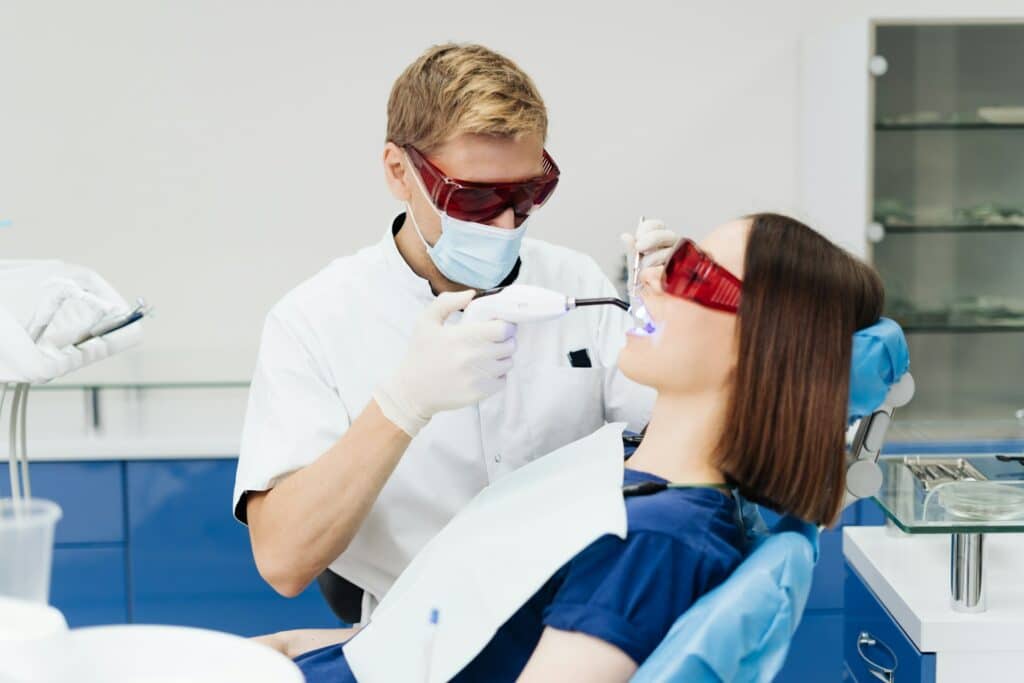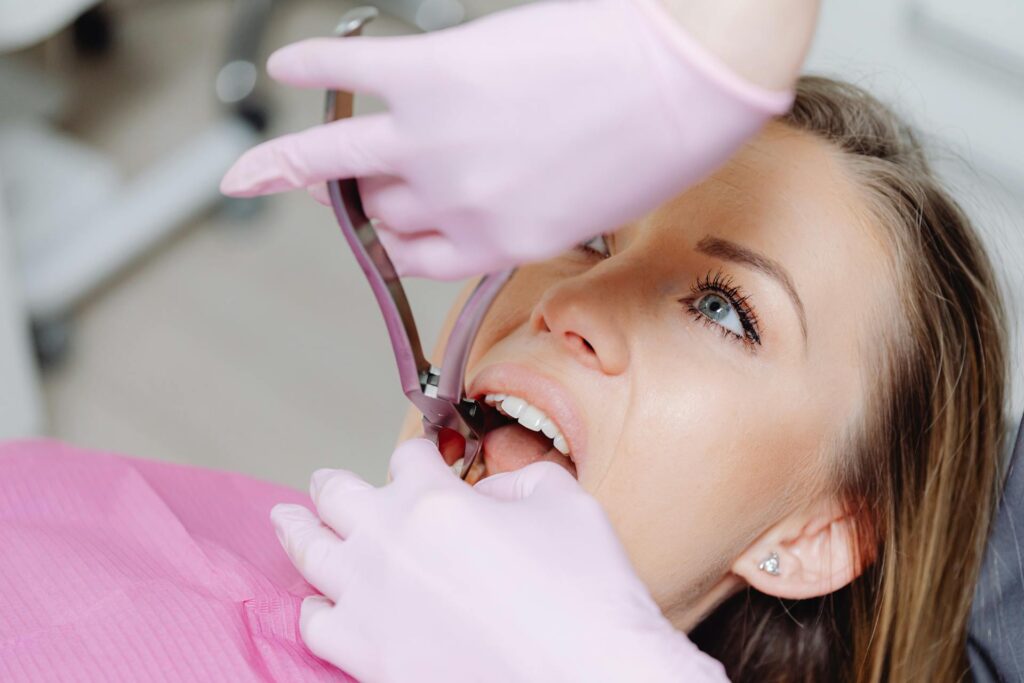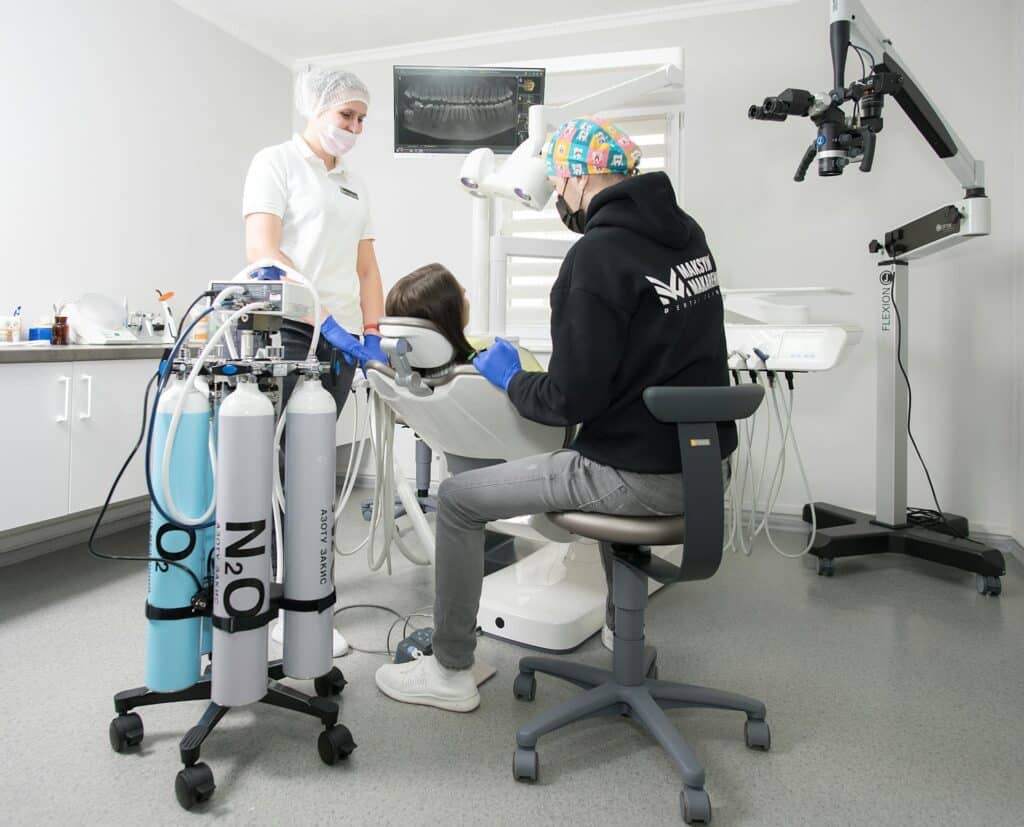
How to Manage a Dental Emergency in Ajax

dental emergency

Accidents happen when we least expect them, and dental emergencies are no exception. Whether it’s a sudden toothache or a chipped tooth from a fall, knowing how to handle these situations can make a big difference in managing pain and preventing further damage. This becomes even more important when considering the residents of Ajax, where local resources and guidance can provide timely support.

Imagine biting into a crunchy apple and suddenly feeling a sharp pain. That immediate sense of panic is not uncommon. Quick action in a dental emergency can greatly affect the outcome, so understanding how to respond effectively can help you tackle the situation with confidence. This guide focuses on helping Ajax residents navigate common dental emergencies calmly and efficiently.

Identifying a Dental Emergency

Dental Bridges

Dental emergencies come in different forms. Recognizing them ensures you take the right steps promptly. Here are a few common scenarios:

  1. Broken or Chipped Tooth: Teeth can break due to various reasons, like biting on something too hard or an unexpected fall. A broken tooth might leave a sharp edge, which can cut your cheek or tongue.
  2. Severe Toothache: A persistent toothache can indicate a cavity, infection, or even an abscess that’s hidden from view. Pain that disrupts sleep or doesn’t improve with home pain relief might be an emergency.
  3. Knocked-Out Tooth: Losing a tooth due to an accident may feel alarming. Quick action increases the chances of saving and reattaching the tooth.

To decide if a situation is an emergency, consider factors like pain intensity, bleeding, and whether any tooth fragments have been lost. Generally, if you feel something is wrong and it’s impacting your day-to-day activities, it might be time to seek professional help.

Immediate Steps to Take

Once you’ve identified an emergency, knowing what to do next is key. Different scenarios call for specific actions:

  • For a Chipped Tooth: Rinse your mouth with warm water to clean the area, and apply cold compresses to reduce swelling.
  • When Experiencing Severe Toothache: Rinse with warm salt water to cleanse your mouth, and use over-the-counter pain relief for comfort. Avoid placing aspirin directly on gums, as it can irritate.
  • If a Tooth Is Knocked Out: Find the tooth and hold it by the crown, not the root. Rinse gently if dirty, and if possible, place it back in the socket. If that’s not feasible, keep it moist in milk or a saline solution until you can see a dentist.

Staying calm is crucial. Panic can cloud your judgment. Focus on what you can control, like stopping any bleeding and protecting your mouth from further injury. Preparing for such emergencies, by having a first-aid kit with dental supplies, can also be helpful.

Through swift and careful handling, you can manage an emergency more effectively, setting the stage for recovery once you reach professional care.

When to Call a Dentist

Endodontics

After addressing immediate concerns yourself, it’s important to know when professional help is needed. Some signs make it clear that contacting a dentist right away is wise:

  • Persistent Severe Pain: If a severe toothache doesn’t improve after attempting the basic solutions, a dentist needs to examine the problem.
  • Uncontrollable Bleeding: Any bleeding in the mouth that doesn’t stop after a few minutes of pressure could need professional attention.
  • Signs of Infection: Swelling, fever, or any pus indicates infection, which could be serious.

When it’s time to contact a dentist, having the right information handy makes the process smoother. Ensure you can provide your personal details, describe the issue clearly, and mention any actions you’ve already taken. This helps the dental office understand your situation better and offer guidance tailored to your need.

Preventive Measures

Avoiding dental emergencies is better than dealing with them. Taking proactive steps can help protect your teeth and overall oral health:

  • Wear Mouthguards: Whether you’re into sports or just an occasional friendly game, wearing a mouthguard protects your teeth from sudden impact.
  • Avoid Hard Foods: Be cautious with foods that can chip your teeth, like hard candies or ice.
  • Regular Check-Ups: Routine dental visits often catch potential issues before they become larger problems. Regular cleanings and examinations keep your teeth healthy and less prone to accidents.

Keeping a dental emergency plan ready, like storing your dentist’s contact info and having a small dental first aid kit, makes you well-prepared.

Keeping Calm and Seeking Help

Staying composed during an emergency is more achievable when you know what to do, and you have resources at hand. Keeping your dentist’s contact information ready streamlines getting help when needed. Relying on a trusted local dental service provides peace of mind, knowing that professional aid is just a call away.

Realizing the benefits of having local, reliable dental care reinforces how manageable these situations can be. Whether you’re new to Ajax or have lived here for years, tapping into nearby resources ensures that any dental emergency can be addressed both swiftly and effectively. Remember, knowledge and preparedness are the best tools when it comes to taking care of your oral health and facing unexpected situations with confidence.

When dealing with a dental emergency in Ajax, knowing you have reliable support makes all the difference. It’s comforting to have competent care nearby, ready to assist when quick action is required. Turn to Pickering Dental Services for comprehensive solutions during such crises. To explore how we can be there for you, check the options we provide for a dental emergency in Ajax and ensure you’re prepared for any unexpected dental issues.

Looking for professional help? Learn more about our emergency dental care at Pickering Square Dental or call (905) 420-1777 to book an appointment.

Helpful Resources

For more information, visit the Canadian Dental Association Oral Health.

Frequently Asked Questions

How often should I visit the dentist?

The Canadian Dental Association recommends visiting your dentist at least twice a year for regular check-ups and cleanings. Some patients may need more frequent visits depending on their oral health needs. Call Pickering Square Dental at (905) 420-1777 to schedule your next appointment.

Do you accept the Canadian Dental Care Plan (CDCP)?

Yes, Pickering Square Dental participates in the Canadian Dental Care Plan. Our team can help you understand your coverage and ensure you receive the dental care you need. Contact us for more details about CDCP eligibility and benefits.

What services does Pickering Square Dental offer?

We offer a full range of dental services including family dentistry, emergency dental care, sedation dentistry, dental implants, laser dentistry, teeth whitening, root canal therapy, dental extractions, periodontal care, and cosmetic dentistry. Dr. Lean and our team serve patients in Pickering, Ajax, Whitby, and Scarborough.

Effective Teeth Whitening Solutions

teeth whitening

Teeth whitening has become a popular trend for those looking to brighten their smiles and boost confidence. Many people desire a radiant set of pearly whites either to enhance their overall appearance or to reverse the effects of staining from foods and drinks over time. Whether attending a special event or wanting to keep a youthful look, having whiter teeth is a wish shared by many.

In areas such as Ajax, Whitby, Pickering, and Scarborough, teeth whitening is a commonly sought-after service. Residents are keen to explore different methods, from professional dental treatments to convenient at-home options. Understanding available solutions can help individuals make informed choices about how they can achieve that perfect smile.

Professional Teeth Whitening at the Dentist

dental treatment

One of the most effective ways to whiten teeth is through professional treatment at a dental clinic. These treatments are tailored to provide quick and noticeable results. Here’s why visiting the dentist for teeth whitening could be a great choice:

  • In-Office Procedures: Dentists offer in-office whitening procedures that involve the application of a special gel or solution to the teeth, often activated by a light or laser. This method can significantly lighten teeth in just one visit.
  • Benefits of Professional Treatments: Unlike at-home kits, professional treatments are monitored by trained professionals, ensuring the whitening process is both safe and effective. Dentists use stronger solutions than over-the-counter products, leading to more dramatic results.
  • Expected Results and Safety Considerations: When done by a dental professional, these treatments are safe and can achieve impressive results in a short amount of time. It is important to consult with the dentist beforehand to ensure this method suits your teeth and gums, helping prevent any potential irritation.

Professional teeth whitening at the dentist might come with a higher price tag than at-home solutions, but the combination of expert application and enhanced effectiveness often makes it a worthwhile investment. People looking for rapid improvements without the hassle of multiple applications at home often find this option appealing.

At-Home Whitening Kits

If regular visits to the dentist don’t fit your schedule or budget, opting for an at-home whitening kit supplied by your dentist can bridge the gap between effectiveness and convenience:

  • Overview of Dentist-Supplied Kits: These kits are generally more effective than standard over-the-counter products. They often include custom-fitted trays and a professional-grade whitening gel, tailored specifically to your mouth.
  • Instructions for Use: Using these kits typically involves applying the gel to the trays and then wearing them for a specified period, as directed by your dentist. Following these instructions is key to achieving the best results while minimizing any discomfort.
  • Comparison to Over-the-Counter Products: While similar in application, dentist-supplied kits boast a stronger and more effective bleaching agent. This means that they can whiten the teeth more efficiently than many retail products.

At-home kits offer a convenient middle ground, combining some of the strengths of professional treatments with the convenience of home use. This makes them a popular choice for many people looking to gradually brighten their teeth without frequent dental visits.

Over-the-Counter Whitening Products

dental treatment

If visiting a dentist or using dentist-supplied kits isn’t on your agenda, there’s still a way to brighten up that smile. Over-the-counter whitening products are widely accessible and come in several forms, providing a handy way to improve your teeth’s appearance right at home.

  • Types of Available Products: You can choose from a variety of options including strips, gels, and trays. Whitening strips are thin and flexible, coated with a whitening gel, to be applied directly on the teeth. Whitening gels usually come in small bottles or pens and are brushed onto the teeth. Trays, often resemble mouthguards, are filled with a whitening solution and worn as directed.
  • Pros and Cons of OTC Products: These products are often the most affordable and convenient options, readily available at local stores. However, their effectiveness can vary, and it might take longer to see significant results. Additionally, they might not fit correctly in everyone’s mouth, potentially leading to uneven whitening or gum irritation.
  • Tips for Selecting Effective Products: When picking an OTC product, it’s helpful to read the labels and instructions to ensure safety and effectiveness. Look for products with positive reviews and those that offer clearer instructions. Always follow the guidelines provided to minimize any side effects.

Despite their easier access, it’s best to set realistic expectations with OTC products. They can be an excellent choice if you’re starting your teeth whitening journey or looking for maintenance between more intensive treatments.

Natural Whitening Methods

For those seeking a more organic approach, natural whitening methods are often discussed as gentle alternatives. These usually involve household items, but it’s wise to proceed with caution.

  • Common Home Remedies: Popular natural options include brushing with baking soda, rinsing with hydrogen peroxide, and oil pulling with coconut oil. These ingredients are believed to have whitening properties and act as mild abrasives to scrub away surface stains.
  • Safety of Natural Methods: While these natural approaches might seem appealing, they can sometimes cause more harm than good if used improperly. Overuse of abrasive materials can erode enamel over time, leading to sensitivity or damage.
  • Effectiveness of Natural Whitening: Results from natural methods are typically more subtle and can take longer to appear compared to professional treatments or commercial products. Consider this route if you’re interested in gradual changes and prefer using natural substances.

Choosing natural methods requires patience and the understanding that it might not deliver dramatic changes quickly. Yet, for those who prefer it, it’s seen as an option that aligns with a more natural lifestyle.

Achieve a Bright Smile

A brighter smile not only enhances your appearance but also boosts your confidence. Whether you opt for professional treatment, at-home kits, or over-the-counter products, there’s a whitening solution that can fit your needs and lifestyle. Don’t forget the importance of regular dental visits, as they play a vital role in maintaining oral health and ensuring that your whitening efforts are both safe and effective.

Exploring the options available, from time-saving professional treatments to budget-friendly at-home solutions, can empower you to make informed decisions about what’s best for your teeth. Embrace the journey towards a more radiant smile, considering all that the dental industry has to offer.

Exploring teeth whitening options can be overwhelming with numerous choices available today. Whether you’re looking for professional treatments or prefer convenient at-home methods, the quest for a brighter smile is achievable. To find out more about maintaining white teeth and the best suited whitening techniques for you in Pickering, visit Pickering Dental Services’ dedicated page on teeth whitening. Let us help guide your way to a radiant smile that boosts your confidence every day.

Looking for professional help? Learn more about our teeth whitening services at Pickering Square Dental or call (905) 420-1777 to book an appointment.

Helpful Resources

For more information, visit the Canadian Dental Association Oral Health.

Frequently Asked Questions

How often should I visit the dentist?

The Canadian Dental Association recommends visiting your dentist at least twice a year for regular check-ups and cleanings. Some patients may need more frequent visits depending on their oral health needs. Call Pickering Square Dental at (905) 420-1777 to schedule your next appointment.

Do you accept the Canadian Dental Care Plan (CDCP)?

Yes, Pickering Square Dental participates in the Canadian Dental Care Plan. Our team can help you understand your coverage and ensure you receive the dental care you need. Contact us for more details about CDCP eligibility and benefits.

What services does Pickering Square Dental offer?

We offer a full range of dental services including family dentistry, emergency dental care, sedation dentistry, dental implants, laser dentistry, teeth whitening, root canal therapy, dental extractions, periodontal care, and cosmetic dentistry. Dr. Lean and our team serve patients in Pickering, Ajax, Whitby, and Scarborough.

Oral Sedation Dentistry: When and Why to Consider It

oral sedation dentistry

Navigating through dental visits can be a source of anxiety for many people. This is where oral sedation dentistry comes into play. It’s gaining widespread attention in areas like Ajax, Whitby, Pickering, and Scarborough, offering a way to ease the dental process. By calming nervous feelings, oral sedation helps patients feel at ease during treatments, allowing for a more comfortable experience. No longer do patients need to dread their dental appointments but can approach them with less trepidation.

Oral sedation dentistry isn’t just about comfort; it’s about making dental care more accessible for everyone, especially those who have avoided the dentist out of fear. Individuals who experience mild to moderate anxiety during procedures can benefit enormously. Overcoming these apprehensions can lead to better oral health, as regular visits become less daunting. This relatively simple but effective solution helps make dental care a more favorable experience.

What Is Oral Sedation Dentistry?

Veneers

Oral sedation dentistry involves taking medication by mouth to help patients relax during dental procedures. Unlike other forms of sedation, like inhalation or intravenous, oral sedation requires only a pill. This approach is straightforward and easy for patients to manage, making it a popular choice.

Here’s how oral sedation is different from other methods:

  • Ease of Use: Taking a pill is generally more convenient than wearing a mask for laughing gas or getting an IV.
  • Non-Invasive: Since the medication is taken by mouth, it doesn’t involve needles or special equipment.
  • Controlled Dosage: The sedation can be adjusted to suit the individual’s needs, ensuring they’re comfortable throughout the procedure.

This kind of sedation might sound simple, but it requires a skilled professional to determine the right dosage and monitor its effects. Patients remain conscious, though deeply relaxed. This means they can still respond to instructions yet feel as though they’re in a dream-like state. This careful balance allows the dentist to perform procedures effectively while keeping discomfort at bay.

Benefits of Oral Sedation Dentistry

The advantages of oral sedation dentistry extend beyond just calming nerves. It makes long, complex procedures more manageable and leads to a quicker recovery. Here’s why many folks in Ajax, Whitby, Pickering, and Scarborough find this option appealing: Learn more about contact our Pickering dental office.

  • Reduced Anxiety: One of the most significant benefits is the alleviation of anxiety, helping those who dread visits feel calmer.
  • Enhanced Comfort: Patients often report little to no discomfort during procedures, allowing for a smoother experience.
  • Efficient Procedures: Sedation can enable dentists to perform multiple or complex procedures in one sitting, saving time for both the patient and the practitioner.
  • Improved Quality of Dental Care: By making visits less stressful, patients are more likely to keep up with regular dental appointments and maintain better oral health.

With these benefits, oral sedation dentistry significantly changes how people view their dental visits. Residents in the mentioned Ontario regions find that this approach suits their needs, enabling them to keep a healthy smile without undue stress. By understanding what oral sedation can offer, the path to routine dental care becomes much more inviting.

When to Consider Oral Sedation Dentistry

Dental Implants

Deciding on oral sedation dentistry depends on specific needs and situations. It becomes an especially helpful choice for those who experience significant dental anxiety. Some patients feel intense worry at the mere thought of a dentist’s chair, which can deter them from seeking out necessary care. For these individuals, oral sedation offers a chance to overcome fear and get the treatment they need.

There are several key scenarios where oral sedation emerges as a strong option:

  • Severe Anxiety: People with intense dental phobias find it nearly impossible to stay calm during treatments without aid. Sedation helps alleviate those feelings and makes visits bearable.
  • Complex Treatments: Procedures requiring long durations or multiple visits, like root canals or extensive reconstructions, can be daunting. Sedation simplifies the process, allowing dentists to work efficiently without patient discomfort.
  • Low Pain Threshold: For those sensitive to pain, even minor procedures can feel overwhelming. Sedating medication ensures a smooth experience without unexpected discomfort.

Choosing this path means prioritizing comfort and addressing personal needs, ensuring dental care doesn’t halt due to fear or pain.

What to Expect During an Oral Sedation Dental Visit

Knowing what happens during an oral sedation visit can ease apprehensions. First, there’s a consultation with the dentist, where concerns and medical history are discussed. This ensures the chosen sedation method fits well with the patient’s health profile and preferences.

Here’s a brief overview of what to expect:

  1. Initial Consultation: Discuss health history and procedure details. The dentist explains how the sedation process works.
  2. Preparations: Medication is typically taken about an hour before the procedure. Patients need someone to drive them to and from the appointment, as the sedation will impair their ability to drive.
  3. During the Procedure: While the patient remains conscious, they become very relaxed. They can still communicate, but anxiety and discomfort are significantly reduced.
  4. Post-Procedure Care: After the procedure, patients might feel a bit groggy. It’s recommended to rest and avoid major decisions for the rest of the day.

Understanding these steps helps set realistic expectations, ensuring a smoother experience. This clarity reassures patients that they are in safe hands.

Keeping Your Dental Health Optimal

After utilizing oral sedation, maintaining oral health is key to long-term benefits. Even as sedation addresses immediate needs, ongoing care makes sure dental health doesn’t fall by the wayside. Regular check-ups are crucial to prevent future issues and catch any problems early on.

A few tips to keep your dental health on track include:

  • Regular Check-Ups: Schedule consistent dental visits, at least twice a year, to ensure everything is as it should be.
  • Good Oral Hygiene: Brush twice daily and floss to keep teeth and gums strong.
  • Nutritious Diet: Eating a balanced diet supports overall oral health. Limit sugars and eat crunchy fruits and vegetables.

Taking these steps encourages healthier teeth and gums, creating a strong foundation for successful dental care.

Making Informed Decisions About Oral Sedation Dentistry

When approaching oral sedation dentistry, gathering information is essential. Knowing what fits personal needs sets the stage for success in dental care. Patients who understand their options find more comfort and reliability in their choices. Open communication with dental professionals leads to informed decisions, catering treatments to suit unique situations.

In the end, proper dental care results in a healthier, brighter smile. By considering oral sedation, patients take active steps towards facing their fears and achieving better oral health. Whether dealing with anxiety or preparing for more involved procedures, the choice of sedation can redefine how dental care is experienced.

Wondering if oral sedation dentistry could be the right choice for your dental care needs? Explore how it can ease your anxiety and enhance your dental experience at Pickering Dental Services. Connect with us to learn more about creating a stress-free environment for your next appointment.

Helpful Resources

For more information, visit the Canadian Dental Association Oral Health.

Schedule Your Appointment Today

Contact Pickering Square Dental to book your appointment with Dr. Marvin Lean. Call us at (905) 420-1777 or visit us at 1450 Kingston Rd, Unit #4, Pickering, ON.

Frequently Asked Questions

How often should I visit the dentist?

The Canadian Dental Association recommends visiting your dentist at least twice a year for regular check-ups and cleanings. Some patients may need more frequent visits depending on their oral health needs. Call Pickering Square Dental at (905) 420-1777 to schedule your next appointment.

Do you accept the Canadian Dental Care Plan (CDCP)?

Yes, Pickering Square Dental participates in the Canadian Dental Care Plan. Our team can help you understand your coverage and ensure you receive the dental care you need. Contact us for more details about CDCP eligibility and benefits.

What services does Pickering Square Dental offer?

We offer a full range of dental services including family dentistry, emergency dental care, sedation dentistry, dental implants, laser dentistry, teeth whitening, root canal therapy, dental extractions, periodontal care, and cosmetic dentistry. Dr. Lean and our team serve patients in Pickering, Ajax, Whitby, and Scarborough.

What Sets Sedation Dentistry Apart and Why Should You Consider It

sedation dentistry

Sedation dentistry has become a popular choice for many people in areas like Ajax, Whitby, Pickering, and Scarborough. Visiting the dentist doesn’t have to be a nerve-racking experience anymore, thanks to this innovative approach. For those who find themselves dreading dental procedures, sedation dentistry provides a much-needed solution. It’s about feeling at ease and comfortable during your dental treatment. With sedation dentistry, even the most anxious patients can handle their appointments with ease.

Whether you’ve had previous negative dental experiences or simply feel uneasy at the thought of a procedure, sedation dentistry offers a way to address these concerns. It helps transform the perception of dental visits from a stress-inducing event to a manageable part of your healthcare routine. By opting for sedation, many people have found they are more willing to maintain their oral health, ensuring that routine care doesn’t fall by the wayside due to fear.

What Makes Sedation Dentistry Different

veneers

Sedation dentistry differs from traditional approaches by focusing on relaxation and ease. It is designed specifically for those who might experience anxiety or discomfort during dental treatments. Here’s a closer look at what sets it apart:

  1. Oral Sedation: Involves taking a pill, which leaves patients conscious but deeply relaxed. It’s convenient and non-invasive, often used for its simplicity and effectiveness.
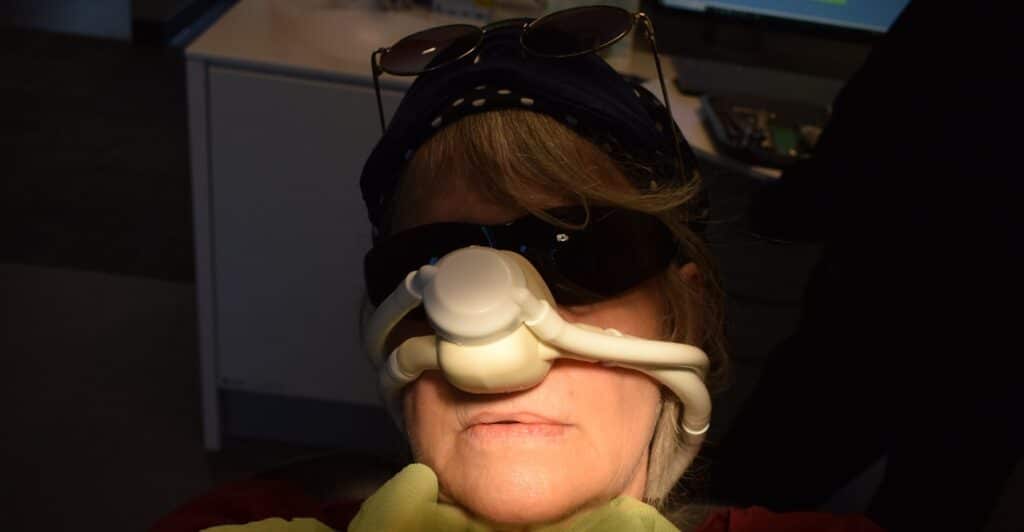
  2. Inhaled Sedation: Commonly known as laughing gas, this method is administered through a mask placed over the nose, helping patients remain calm and comfortable.
  3. IV Sedation: Delivered directly into the bloodstream through an IV, allowing for deeper sedation while still keeping the patient responsive.
  4. General Anesthesia: Used for extensive treatments, this method renders the patient completely unconscious, typically for more intensive procedures.

Each of these types is suited for different situations, so it is important to consult with a dental professional to determine the best fit for your needs. What makes sedation dentistry unique is its adaptability to individual comfort levels, ensuring that everyone can find an approach that works for them. This flexibility allows more people to access necessary dental care without the barriers posed by anxiety or fear.

Key Benefits of Sedation Dentistry

Sedation dentistry brings with it a variety of benefits that make dental visits more manageable for many people. One of the most significant advantages is the reduction of anxiety and stress that patients often feel when visiting the dentist. For those who dread the sound of drills or just being in the dental chair, sedation offers a path to calm and stress-free visits. It transforms what could be an apprehensive experience into one of peace and relaxation. Learn more about contact our Pickering dental office.

Another benefit is the enhanced comfort it provides during procedures. By being in a deeply relaxed state, patients often find that time passes quickly, making longer sessions feel much shorter. This comfort is vital for managing lengthy or complex procedures that might otherwise be intimidating. Additionally, sedation can be quite accommodating for people with certain physical challenges, such as a sensitive gag reflex or a low pain threshold, ensuring they can get the care they need without discomfort.

Moreover, sedation allows for multiple procedures to be performed in a single appointment. For those with busy schedules, this can be a game changer by reducing the number of visits needed. It makes it easier for patients to stay on top of their dental health without needing to disrupt their routines. This combination of comfort and efficiency makes sedation dentistry an appealing choice for anyone looking to improve their dental experience.

Situations Where You Might Consider Sedation Dentistry

implant dentistry

Sedation dentistry is especially beneficial in various situations. If you experience severe dental anxiety or have a phobia, sedation can be an excellent way to calm nerves, allowing you to take care of your oral health without stress. It’s also a suitable option for individuals who find themselves overwhelmed by the thought of undergoing dental work.

For complex or lengthy dental procedures, sedation offers a way to remain relaxed throughout the process. Whether it’s a routine cleaning that seems daunting or more involved work like extractions, sedation can ensure you feel comfortable throughout. Those who have had traumatic past experiences at the dentist may find sedation particularly reassuring, as it helps prevent those fears from resurfacing.

Additionally, individuals with heightened sensitivity to treatment or a strong gag reflex can benefit significantly from sedation dentistry. This approach ensures that involuntary reactions don’t interfere with the dentist’s ability to provide necessary care. By considering sedation, patients can alleviate these barriers and focus on achieving optimal oral health.

How to Prepare for a Sedation Dentistry Appointment

Preparing for a sedation dentistry appointment involves a few steps to ensure a smooth and safe procedure. Initially, you’ll need to consult with your dentist to discuss the specific type of sedation that will be most suitable for your needs. This conversation will help outline the process and address any questions you might have.

Before the appointment, follow any pre-procedure instructions given by your dentist. These might include dietary guidelines, such as avoiding food or drink before the procedure, and information about any medications you should take or avoid. Following these instructions will help the sedation process go smoothly and effectively.

Post-procedure care is just as important, and understanding what to expect afterward will make your recovery period more comfortable. You may need to arrange for someone to drive you home and to rest for the remainder of the day. By knowing what the day will entail, you can focus on the benefits of your treatment without added stress.

Ready for a Relaxing Dental Experience?

Sedation dentistry offers a unique and worthwhile approach to dental care. It opens the door to a more relaxed and comfortable experience for everyone, from those who feel anxious to those needing complex procedures. By minimizing stress and maximizing comfort, sedation dentistry makes it easier for patients to maintain their oral health without hesitation. If you’ve been putting off necessary treatments because of fear or discomfort, sedation dentistry provides an effective solution worth exploring.

If you’re ready to experience the difference and embrace a more comfortable way of handling dental care, consider exploring sedation dentistry at Pickering Dental Services. Discover how this approach can transform your dental visits into a much more relaxed experience. For more information, contact our team today.

Helpful Resources

For more information, visit the Canadian Dental Association Oral Health.

Schedule Your Appointment Today

Contact Pickering Square Dental to book your appointment with Dr. Marvin Lean. Call us at (905) 420-1777 or visit us at 1450 Kingston Rd, Unit #4, Pickering, ON.

Frequently Asked Questions

How often should I visit the dentist?

The Canadian Dental Association recommends visiting your dentist at least twice a year for regular check-ups and cleanings. Some patients may need more frequent visits depending on their oral health needs. Call Pickering Square Dental at (905) 420-1777 to schedule your next appointment.

Do you accept the Canadian Dental Care Plan (CDCP)?

Yes, Pickering Square Dental participates in the Canadian Dental Care Plan. Our team can help you understand your coverage and ensure you receive the dental care you need. Contact us for more details about CDCP eligibility and benefits.

What services does Pickering Square Dental offer?

We offer a full range of dental services including family dentistry, emergency dental care, sedation dentistry, dental implants, laser dentistry, teeth whitening, root canal therapy, dental extractions, periodontal care, and cosmetic dentistry. Dr. Lean and our team serve patients in Pickering, Ajax, Whitby, and Scarborough.

When You Need Emergency Dental in Ajax

Dental Care

Sometimes, a dental emergency catches you off guard, throwing your day into turmoil. Whether it’s sudden tooth pain or a chipped tooth, knowing what to do next can really make a difference. For those living in Ajax, it’s key to understand why acting quickly is so important when these situations arise. Addressing dental issues promptly not only helps alleviate pain but also boosts your overall oral health. Getting the right care as soon as possible can prevent serious complications.

Living in Ajax means being close to various top-notch dental services, ensuring you’re never too far from help when you need it. If you’ve ever wondered what counts as a dental emergency, you’re not alone. It’s not always clear-cut, which is why it’s good to have some guidance on this topic. Understanding what to classify as urgent can help you react effectively and get the care you need.

Common Dental Emergencies

man brushing teeth

Now, let’s look at some common dental emergencies you might encounter. Having this knowledge at your fingertips can prepare you for those unexpected moments.

1. Toothaches: Persistent pain in your tooth can be an indication of more severe issues, possibly an infected root or cavity. Ignoring this could lead to more intricate treatment needs down the line.

2. Broken or Chipped Teeth: Accidents happen, and when they involve your teeth, quick action is vital. If a tooth breaks or chips, it can expose sensitive inner layers to bacteria, aggravating potential decay.

3. Lost Fillings or Crowns: When a filling or crown falls out, it can leave the affected tooth vulnerable. This can quickly lead to discomfort or even infection, making it one of those things that needs immediate attention.

Addressing these situations without undue delay minimizes the risk of worsening the condition, ensuring you’re not dealing with something bigger under the surface. Emergencies are never fun, but being prepared means staying ahead of the game when issues arise.

How to Handle a Dental Emergency

Being caught in a dental emergency doesn’t mean you have to panic. Taking a few clear steps can help steer things in the right direction.

– Toothaches: First, rinse your mouth with warm water to cleanse it. Floss gently to remove any lodged food that might be causing discomfort. If swelling is present, apply a cold compress to the outside of your cheek.

– Knocked-Out Tooth: Retrieve the tooth by the crown, rinse it gently if it’s dirty, but don’t scrub it. Try to place it back into its socket, and if that’s not possible, keep it moist by storing it in milk until you see a dentist.

– Chipped or Broken Tooth: Rinse your mouth with warm water and save any pieces you can find. Apply gauze to the area if bleeding occurs, and apply a cold compress to reduce swelling and manage pain.

Remember, in these situations, getting to a dentist is essential. Dealing with emergencies promptly isn’t just about relieving pain faster; it’s about saving your teeth from permanent damage.

Choosing the Right Emergency Dental Service

dentists

Finding the right dental service in an emergency can make the whole situation a lot less stressful. Here’s what to bear in mind when searching for a dependable service in Ajax.

First, consider the clinic’s availability. Dental emergencies can happen at any time, so it’s helpful if the service offers flexible hours, including evenings and weekends. It’s also wise to check if they offer immediate appointments. Quick access to care lessens discomfort and helps prevent further complications.

When evaluating your options, experience and reputation are key. Look for clinics with skilled professionals who have ample experience handling emergencies. Real patient reviews can offer insight into the quality of care provided.

To make sure you’re choosing a service that meets your needs, think about these factors:

– Proximity to Your Location: Being close to your home can save valuable time during an emergency.

– Payment Options: Ensure they accept your insurance or offer payment plans if necessary.

– Range of Services: A clinic offering comprehensive services means they can handle a broad spectrum of dental issues, which is essential in emergencies.

What to Expect During an Emergency Dental Visit

Walking into a dentist’s office in an emergency can be nerve-wracking, but knowing what generally happens can ease your mind a bit. The process typically begins with an initial assessment to quickly determine the severity of the problem. This involves questions about your pain level and any events leading to the issue.

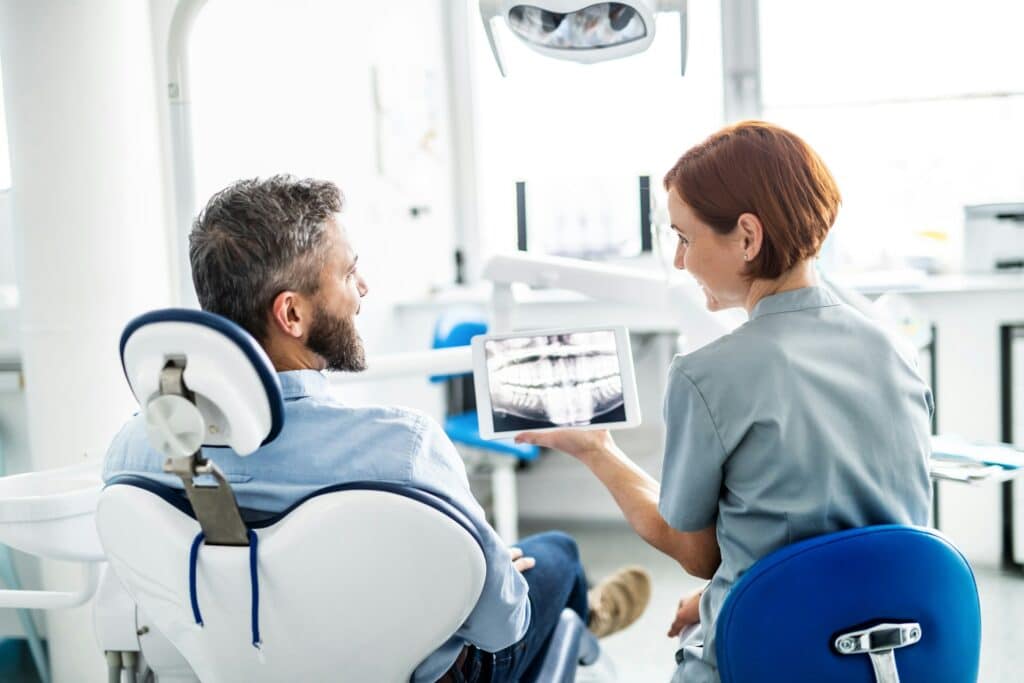
The dentist then conducts a thorough examination, which may include taking X-rays to gain a full picture of the problem. After identifying the issue, they will discuss their findings with you and outline potential treatment options. This ensures you know exactly what to expect and can opt for the best course of action.

Throughout your visit, staff should communicate clearly, explaining each step and answering any questions you might have. This makes for a more comfortable and reassuring experience. Emergency visits aren’t just about fixing immediate issues but also about setting up a plan to prevent future problems.

The Importance Of Follow-Up Care

Once the emergency is handled, you might think you’re in the clear, but follow-up care is just as critical. Scheduling an appointment after an emergency ensures your mouth continues to heal properly and stays healthy. Neglecting follow-up care might lead to recurring issues or new problems down the road, which could have been avoided with proper attention.

Here are some tips to maintain that healthy smile post-emergency:

– Stick to Hygiene: Keep up with regular brushing and flossing to prevent future issues.

– Mind Your Diet: Avoid hard or sticky foods that could compromise dental work.

– Regular Check-Ups: Set reminders for routine dentist appointments to catch potential problems early.

Feeling Confident About Emergency Dental Care

Facing a dental emergency can be daunting, but knowing what to expect and how to respond makes managing these situations far less intimidating. By being proactive and informed, you can protect your oral health and prevent minor issues from turning into major ones. Planning for the unexpected with the right choice in emergency services enhances your readiness for whatever comes. Staying routine with dental appointments—seeking help when necessary—keeps your smile bright and your teeth healthy.

If you’re in Ajax and need swift help, explore more about how Pickering Dental Services can assist you. Our expertise ensures you’re never without guidance in those urgent moments. Learn about emergency dental in Ajax and trust us to provide the care you need when it matters most.

Looking for professional help? Learn more about our emergency dental care at Pickering Square Dental or call (905) 420-1777 to book an appointment.

Helpful Resources

For more information, visit the Canadian Dental Association Oral Health.

Frequently Asked Questions

How often should I visit the dentist?

The Canadian Dental Association recommends visiting your dentist at least twice a year for regular check-ups and cleanings. Some patients may need more frequent visits depending on their oral health needs. Call Pickering Square Dental at (905) 420-1777 to schedule your next appointment.

Do you accept the Canadian Dental Care Plan (CDCP)?

Yes, Pickering Square Dental participates in the Canadian Dental Care Plan. Our team can help you understand your coverage and ensure you receive the dental care you need. Contact us for more details about CDCP eligibility and benefits.

What services does Pickering Square Dental offer?

We offer a full range of dental services including family dentistry, emergency dental care, sedation dentistry, dental implants, laser dentistry, teeth whitening, root canal therapy, dental extractions, periodontal care, and cosmetic dentistry. Dr. Lean and our team serve patients in Pickering, Ajax, Whitby, and Scarborough.

What to Do When You Need a Tooth Extraction in Pickering

Tooth Extraction

When it comes to oral health, sometimes taking care of your teeth requires more than just brushing and flossing. For many, this can mean a trip to the dentist for a tooth extraction. Though the thought of losing a tooth might sound daunting, it is often an important step in maintaining a healthy smile. Whether it’s due to severe decay, infection, or simply making room for other teeth, understanding the process can ease your mind and help you prepare for what comes next.

Tooth extractions are more common than you might think, and they’re usually performed to protect your overall dental health. The procedure is a routine one, aimed at preventing further complications that could arise from leaving a problematic tooth in place. By learning about the reasons for extractions and what the process involves, you can feel more confident and informed when facing this part of your dental journey.

Why You Might Need a Tooth Extraction

teeth whitening

Teeth are resilient, but sometimes they encounter issues that necessitate removal. Here are a few common reasons why you may find yourself needing a tooth extraction:

– Severe Decay: When a cavity becomes too large to repair with a filling or crown, extraction might be necessary to prevent infection or abscesses.

– Infection: If tooth decay or damage extends to the pulp—the soft tissue inside the tooth—bacteria can enter, leading to infection. In some cases, antibiotics or root canal therapy may not be enough, making extraction the best option.

– Crowding: Sometimes, our mouths don’t have enough space for all our teeth. In cases of overcrowding, removing a tooth can make room for others and improve alignment.

Understanding these reasons highlights how extractions can actually improve your oral health. By removing problematic teeth, you’re taking a proactive step to preserve the health of your other teeth and gums, and to prevent bigger issues from developing in the future. Sometimes, the best way to save your smile is by letting go of what no longer supports it. Learn more about sedation dentistry options.

What to Expect During a Tooth Extraction

Getting ready for a tooth extraction can bring up a lot of questions and concerns, and knowing what to anticipate can help ease any apprehension. The process starts with a quick examination where the dentist checks the condition of your tooth and surrounding area. They’ll then decide if it’s a simple extraction or if surgery is needed.

– Simple Extraction: This is usually for teeth that are visible in the mouth. The dentist numbs the area with a local anesthetic and uses tools to carefully loosen and remove the tooth.

– Surgical Extraction: This is a bit more involved and might be required for teeth that haven’t fully erupted or are broken at the gum line. It involves making a small incision in the gum, and in some cases, removing bone or cutting the tooth into pieces before extraction.

During the procedure, the goal is to ensure you’re pain-free and comfortable. Many dental practices offer sedation options, so you may feel relaxed or drowsy during the extraction and remember little about the process afterward. It’s common for people to prefer a bit of extra help in calming nerves, and sedation makes it a hassle-free experience.

Aftercare and Recovery Tips

teeth

Successful recovery after a tooth extraction involves taking several steps to promote healing and prevent complications. Immediately after the procedure, your dentist will provide crucial actions and instructions to help you get started.

1. Rest and Recovery: Allow yourself plenty of time to rest. Strenuous activities can increase bleeding and delay healing, so take it easy for at least 24 hours.

2. Pain and Swelling Management: Use an ice pack on your cheek for the first 24 hours to reduce swelling. Over-the-counter pain relief is often enough to manage any discomfort.

3. Eating and Drinking: Stick to soft foods and avoid hot, spicy, or crunchy items for a few days. Don’t use a straw, as sucking can dislodge the blood clot and cause a painful condition called dry socket.

4. Oral Hygiene: Keep your mouth clean but be gentle around the extraction site. Rinse with warm salt water a few times a day after the first 24 hours.

5. Avoid Harmful Habits: Smoking or using tobacco products can greatly slow the healing process and increase the risk of complications.

By following these guidelines, most people find their recovery smooth and manageable. It’s normal to feel hesitant before a procedure, but knowing how to care for yourself afterward plays a big part in maintaining your smile’s health.

Keeping Your Smile Healthy After Extraction

Once you’ve moved past the recovery stage, keeping your smile healthy takes some ongoing effort. Good oral hygiene practices can make a significant difference. Regular brushing and flossing, along with routine dental check-ups, will help prevent further issues.

If you’ve had a tooth removed, discussing replacement options like implants or bridges with your dentist is a good next step. These can help fill gaps and prevent your other teeth from shifting, which keeps your bite aligned and your smile looking its best.

Remember, understanding your dental needs and working with professionals who provide gentle, compassionate care leads to a brighter, healthier future for your teeth. Overall, staying informed and proactive about your oral health is key to enjoying a confident smile for years.

If you’re looking to ensure a smooth and confident experience, consider reaching out to Pickering Dental Services for your tooth extraction needs. They offer compassionate care and professional expertise to guide you through every step of the process. To find out more about what to expect and how they can assist with everything from simple to surgical procedures, explore more about Pickering dental extraction. Your oral health deserves the best attention and care.

Helpful Resources

For more information, visit the CDA on Tooth Extraction.

Schedule Your Appointment Today

Contact Pickering Square Dental to book your appointment with Dr. Marvin Lean. Call us at (905) 420-1777 or visit us at 1450 Kingston Rd, Unit #4, Pickering, ON.

Frequently Asked Questions

How often should I visit the dentist?

The Canadian Dental Association recommends visiting your dentist at least twice a year for regular check-ups and cleanings. Some patients may need more frequent visits depending on their oral health needs. Call Pickering Square Dental at (905) 420-1777 to schedule your next appointment.

Do you accept the Canadian Dental Care Plan (CDCP)?

Yes, Pickering Square Dental participates in the Canadian Dental Care Plan. Our team can help you understand your coverage and ensure you receive the dental care you need. Contact us for more details about CDCP eligibility and benefits.

What services does Pickering Square Dental offer?

We offer a full range of dental services including family dentistry, emergency dental care, sedation dentistry, dental implants, laser dentistry, teeth whitening, root canal therapy, dental extractions, periodontal care, and cosmetic dentistry. Dr. Lean and our team serve patients in Pickering, Ajax, Whitby, and Scarborough.

Emergency Dental Care in Pickering: What You Need to Know

Emergency Dental

Dental emergencies can happen at any time, often without warning. It’s important to know what qualifies as a dental emergency so you can act quickly. Imagine biting into a crunchy apple and suddenly feeling a sharp pain because a piece of your tooth has broken off. Or, perhaps you suddenly wake up in the middle of the night with a throbbing toothache that just won’t quit. These situations require prompt attention to ease the pain and prevent further complications.

Fast action in dealing with dental emergencies is crucial. In Pickering, finding prompt care means keeping your teeth and gums healthy, while preventing long-term damage. Not all dental issues require urgent care, so recognizing the signs that you need immediate attention can save time and discomfort.

Recognizing a Dental Emergency

Invisalign

Not every dental dilemma demands an emergency visit. It’s helpful to know the common types of emergencies so you can take the right steps. Here are some typical scenarios that generally need immediate attention:

1. Severe Toothache: This type of pain can often signal something more serious, like an infection, that needs professional care.

2. Broken or Cracked Teeth: When a tooth breaks, it can leave nerves exposed, leading to increased sensitivity or pain.

3. Knocked-Out Tooth: Whether through sports or an accidental bump, losing a tooth completely is a dental emergency.

Recognizing these situations early on is essential in deciding whether to make that emergency call. But how can you be sure it’s a true emergency? Signs such as swelling, bleeding that won’t stop, or sudden sensitivity to temperature and touch indicate it’s time to seek professional help. If you’re in doubt, it’s always safer to check in with your dentist to prevent any escalation.

Immediate Steps to Take in a Dental Emergency

Once you identify a dental emergency, acting swiftly is key. Here are some quick actions you can take to help minimize damage and manage pain until you see a dentist: Learn more about contact our Pickering dental office.

1. Rinse Your Mouth: Use warm water to clean the area gently. This helps remove debris and reduces the risk of infection.

2. Use Cold Compresses: If there’s swelling, apply a cold compress on the outside of your mouth or cheek for relief.

3. Manage Pain Sensibly: While over-the-counter pain relief can ease discomfort, it’s a temporary solution until you get professional treatment.

4. Handle Knocked-Out Teeth with Care: If a tooth is knocked out, try to place it back in its socket, or store it in milk while heading to the dentist. This can aid in preserving the tooth.

Every second counts during a dental emergency. These immediate steps won’t solve the problem but can help prevent it from getting worse before a professional steps in. With quick thinking and timely actions, you’ll be better prepared to face these unexpected dental challenges.

What to Expect During an Emergency Dental Visit

dental visit

When you’re dealing with a dental emergency, knowing what to expect during a visit can ease your mind. Dentists first focus on identifying the root cause of the problem. They might begin with a visual examination or use X-rays to get a clear picture of what’s happening inside your mouth. This quick assessment helps them decide on the best course of action.

During the visit, treatment will prioritize stabilizing your condition and relieving pain. If you have a broken tooth, for instance, the dentist may use a temporary filling or bond to protect the exposed area. In cases of infection, a professional might prescribe antibiotics to reduce inflammation and pain before a more permanent solution, like a root canal, can be considered. For a knocked-out tooth, time is of the essence—reimplanting it within the first hour increases the chances of successful recovery.

Understanding these steps can help make a stressful situation more manageable. Keep in mind; you’ll likely need a follow-up visit to ensure the problem has been fully resolved and to discuss long-term solutions to prevent recurrence.

Preventing Future Dental Emergencies

Preventing dental emergencies starts with good oral hygiene habits. Brushing twice a day with fluoride toothpaste and flossing regularly will keep your teeth and gums healthy. Regular dental check-ups also play a key role in catching potential issues before they become emergencies.

For those engaging in sports or high-risk activities, using a mouthguard is a simple yet effective protective measure. Mouthguards cushion any impact to your mouth, significantly lowering the risk of broken teeth or injuries to your lips, tongue, and jaw. Even outside of sports, avoiding habits like using your teeth to open packages can reduce the risk of unexpected damage.

Being mindful of these preventive steps can drastically lower the chances of needing emergency dental care. With a good routine and some added protection, you can keep your smile safe and healthy.

Ensuring Access to Emergency Dental Care in Pickering

It’s always wise to be prepared for emergencies, and dental care is no different. Having the contact details of a trusted dental clinic on hand ensures immediate assistance when you need it most. Time is a critical factor in dental emergencies, and knowing where to go can save valuable minutes.

Setting up an emergency dental plan is a proactive step that includes knowing your nearest clinic, the after-hours contact number, and even understanding any insurance coverages you might have. Such preparation can reduce anxiety, knowing that help is easily accessible whenever you face an unexpected dental situation.

Ready for Emergency Dental Care?

Being prepared for dental emergencies in Pickering involves understanding what challenges you might face and how to address them quickly. Knowing the types of emergencies, the immediate actions to take, and what to expect during a dental visit equips you to handle these situations calmly and efficiently.

Taking these proactive steps not only ensures your peace of mind but also helps maintain your oral health in the long term. By being ready and informed, you stay ahead, keeping your teeth and gums in their best condition.

For reliable and prompt assistance in handling any unexpected dental issues, explore your options for emergency dental care in Pickering. Turn to Pickering Dental Services for support, so you can ensure that your dental needs are met with care and professionalism when you need it the most.

Helpful Resources

For more information, visit the CDA Dental Emergency Guide.

Schedule Your Appointment Today

Contact Pickering Square Dental to book your appointment with Dr. Marvin Lean. Call us at (905) 420-1777 or visit us at 1450 Kingston Rd, Unit #4, Pickering, ON.

Frequently Asked Questions

What counts as a dental emergency?

Severe tooth pain, a knocked-out tooth, a cracked or broken tooth, uncontrolled bleeding, dental abscess, and lost fillings or crowns all qualify as dental emergencies. Call Pickering Square Dental at (905) 420-1777 for same-day emergency care.

Can I go to the emergency room for a dental emergency?

While the ER can manage pain and infection, they typically cannot perform dental procedures. A dental office like Pickering Square Dental is better equipped to treat the underlying cause. We reserve same-day appointments for emergencies.

What should I do if a tooth is knocked out?

Pick up the tooth by the crown, gently rinse it, and try to place it back in the socket. If that is not possible, keep it in milk or saliva. Get to our Pickering office within 30 minutes for the best chance of saving the tooth.

How Regular Check-Ups with Family Dentists in Pickering Prevent Problems

Family Dentists

Regular dental check-ups are a cornerstone of maintaining good oral health. These visits are as important as brushing and flossing. But why exactly is it beneficial to visit the dentist regularly? Going to family dentists in Pickering helps ensure your teeth and gums stay in top shape. During these appointments, the focus is not just on cleaning but also on finding potential issues before they become serious. Think of it as getting a tune-up for your teeth—a way to keep everything running smoothly.

Family dentists play a vital role in not only spotting early signs of problems but also in preventing them altogether. This proactive approach is essential because, with routine care, it’s easier to keep cavities and gum disease at bay. It’s like catching a small issue before it turns into something big and costly. By building a good relationship with family dentists, you’re investing in your dental health for the long haul.

The Role of Regular Check-Ups in Preventing Dental Issues

children's dentistry

Routine dental visits help detect potential problems early on, such as cavities, gum disease, and even early signs of oral cancer. When these issues are identified at a stage where they are easily manageable, the treatment becomes simpler and less invasive. Imagine catching a tiny cavity that could be fixed in one session, rather than letting it grow into a more significant issue requiring extensive work.

Here is what regular check-ups usually include:

– Examination: Your dentist takes a good look at each tooth, checks for cavities, and searches for early signs of gum disease.

– Cleaning: Removing plaque and tartar that brushes and floss can miss helps in maintaining oral health.

– X-rays: These are sometimes used to discover problems lurking under the surface, not visible during a visual examination.

– Consultation: Advice on best practices and tips specific to your oral health needs. Learn more about Canadian Dental Care Plan.

Consistent visits also involve preventive measures that go beyond just cleanings. Your dentist might suggest fluoride treatments or dental sealants, which can contribute to reducing the risk of cavities. Plus, they offer personalized advice on maintaining good oral hygiene at home, tailored to your specific needs. By adopting these practices, you can maintain a healthy smile and avoid the discomfort and expense of more complex treatments later.

Benefits of Visiting Family Dentists in Pickering

When it comes to dental care, finding a family dentist might be one of the best decisions for you and your loved ones. One significant benefit is the personalized care that family dentists provide. They not only understand your unique dental history but also take the time to tailor their advice to suit your needs. For instance, if a particular tooth keeps giving trouble, the dentist is already in the loop and can offer consistent advice on how to deal with it effectively.

Building a long-term relationship with a family dentist comes with perks. It allows for a level of comfort and trust that is hard to achieve with someone new. It’s like having a trusted advisor who knows the story of your teeth and is there to guide you through all the stages of life. Plus, knowing the dentist well can reduce anxiety for some patients, making visits less stressful and more predictable.

Visiting the same dentist also means convenience and continuity of care, especially for families. With the entire family under one roof, managing appointments becomes easier. You can schedule regular check-ups for children and adults, ensuring everyone is on the same track towards maintaining healthy smiles. The dentist can track progress over time, adjusting care plans as needed to ensure optimal oral health for each family member.

How Family Dentists Help with Long-Term Oral Health

dentistry maintenance

Family dentists are key players in maintaining long-term oral health. They’re committed to preventive care, offering treatments that shield your teeth from potential issues before they start. Whether it’s applying dental sealants to protect your teeth from decay or fluoride treatments that strengthen enamel, these preventive measures are crucial.

Furthermore, dentists are not just about fixing issues—they’re educators too. They provide you with the knowledge and tools needed to keep your teeth healthy at home. From demonstrating the proper brushing technique to suggesting the right type of toothbrush, their expertise is invaluable. During regular visits, they also track any changes in your dental condition, helping you adapt your care routine as needed. This proactive approach minimizes the risk of developing serious dental problems.

By integrating these preventive measures into everyday life, you create a strong foundation for oral health. It’s like having an insurance policy for your teeth, ensuring they’re cared for in every situation. Regular communication with your dentist ensures that any adjustments to your routine are timely and effective.

Tips for Making the Most of Your Dental Visits

To get the best out of your dental check-ups, here are a few simple but effective tips:

– Preparation: Arrive with a list of questions or concerns ready to discuss. This helps make the appointment more productive.

– Stay Open About Medical History: Keep your dentist informed about any changes in your health or medications. This info might be more relevant to your dental care than you realize.

– Note-Taking: After the visit, jot down any advice or recommendations from your dentist. Having this noted down can be helpful for keeping track or for future appointments.

– Ask Questions: Don’t shy away from asking anything you’re unsure about, whether it’s details about a procedure or advice on daily oral hygiene practices.

Ensuring Access to Dental Care in Pickering

Finding the right family dentist involves more than just looking for someone nearby. Consider factors like the office’s accessibility, their ability to cater to your schedule, and their approach to patient care. A good dentist should also be conveniently located, making visits easy to fit into your busy lifestyle.

It’s wise to visit the dental clinic and meet the team beforehand. This allows you to gauge the atmosphere and determine if it’s a good fit for your family. A friendly and welcoming environment can make all the difference, especially when trying to create positive dental experiences for children.

Regular appointments are a surefire way to maintain consistent dental care. Having a routine ensures that you don’t overlook check-ups, keeping your oral health on point. When you establish a good rhythm with your dental care, it’s simpler to avoid emergency visits down the road.

If you’re ready to keep your family’s teeth in top shape, connect with our expert team at Pickering Dental Services. Learn more about family dentists in Pickering and discover how regular check-ups can make a real difference in maintaining healthy smiles. Get in touch with us for more information and see how we can support your dental health journey.

Helpful Resources

For more information, visit the Canadian Dental Association Oral Health.

Schedule Your Appointment Today

Contact Pickering Square Dental to book your appointment with Dr. Marvin Lean. Call us at (905) 420-1777 or visit us at 1450 Kingston Rd, Unit #4, Pickering, ON.

Frequently Asked Questions

How often should I visit the dentist?

The Canadian Dental Association recommends visiting your dentist at least twice a year for regular check-ups and cleanings. Some patients may need more frequent visits depending on their oral health needs. Call Pickering Square Dental at (905) 420-1777 to schedule your next appointment.

Do you accept the Canadian Dental Care Plan (CDCP)?

Yes, Pickering Square Dental participates in the Canadian Dental Care Plan. Our team can help you understand your coverage and ensure you receive the dental care you need. Contact us for more details about CDCP eligibility and benefits.

What services does Pickering Square Dental offer?

We offer a full range of dental services including family dentistry, emergency dental care, sedation dentistry, dental implants, laser dentistry, teeth whitening, root canal therapy, dental extractions, periodontal care, and cosmetic dentistry. Dr. Lean and our team serve patients in Pickering, Ajax, Whitby, and Scarborough.

Understanding Tooth Coloured Dental Fillings

tooth-coloured fillings

Taking care of your dental health is as important as ever. Often, fillings play a key role in keeping our teeth healthy and functional. For a long time, people have turned to metal fillings as the go-to solution. They worked, but they didn’t always blend in well with your smile. Fast forward to today, and we have a more modern option: tooth-coloured dental fillings. These blend seamlessly with your teeth, promoting both health and a natural look.

You might wonder how these new fillings compare to traditional ones. Tooth-coloured fillings have steadily gained popularity, and it’s easy to see why. They keep your teeth healthy without compromising on appearance. Whether you’re in Pickering or beyond, these fillings are enhancing dental care by combining effectiveness with aesthetics.

What Are Tooth Coloured Dental Fillings?

sedation dentistry

Tooth-coloured dental fillings are a significant advancement in modern dentistry. Unlike traditional metal fillings made from amalgam, these are crafted from composite resin. This material is designed to mimic the natural shade of your teeth, providing a blend that’s hard to spot. You’re not just protecting your teeth; you’re doing it without altering your smile’s natural look.

Traditional metal fillings, while effective, can stand out and often require more of the tooth’s natural structure to be removed. On the other hand, tooth-coloured fillings offer a less invasive approach. They require minimal preparation and bond directly to the tooth, creating a tight seal that guards against further decay. This method not only maintains the tooth’s health but also keeps it looking good as new.

Imagine being at a café, flashing a winning smile with no worries about anyone noticing visible fillings. That’s the beauty of tooth-coloured options. They reflect light similarly to enamel, ensuring your smile looks consistent and natural. When it comes to preserving both function and form, these fillings offer a seamless solution.

Advantages of Tooth Coloured Dental Fillings

Choosing tooth-coloured dental fillings offers several benefits that can’t be overlooked. Here’s why many are opting for them:

– Aesthetic Appeal: They match your existing tooth colour, creating a polished, natural appearance. Learn more about root canal therapy.

– Health Focused: No metal means reduced potential for allergic reactions or sensitivities.

– Durability: These fillings bond strongly with the tooth, lasting a good while and withstanding the pressures of chewing.

– Versatility: Ideal for treating cavities and making repairs to minor chips and fractures.

Tooth-coloured fillings don’t just offer cosmetic benefits. They’re built for performance and strength, ensuring that your dental work not only blends in but also supports your everyday dental needs. Whether fixing a small cavity or repairing a chipped tooth, these fillings offer a reliable choice for maintaining oral health and aesthetics. So next time you consider dental work, think about the lasting appeal and functionality of tooth-coloured fillings.

The Filling Procedure

dental treatment

Deciding on tooth-coloured fillings involves a straightforward process that ensures your comfort and the best possible outcome. It all starts with a consultation. During this initial assessment, your dentist will chat with you about your needs and help you choose the right filling material. This step sets the stage for effective treatment and a result that matches your expectations.

Once you’ve decided on the material, it’s time to prepare the tooth. This involves cleaning out any decay and shaping the area for the new filling. This step is minimal and helps maintain the natural structure of your tooth. The aim is to ensure the filling adheres securely and feels natural when you bite down.

The application comes next. The dentist carefully places layers of composite resin into the cavity, each layer being hardened with a special light. This method ensures a strong bond and a natural finish. Finally, the filling is shaped to match the contour of your tooth and polished to perfection. This finishing touch ensures the filling blends seamlessly with your natural teeth.

Caring for Tooth Coloured Fillings

Keeping your tooth-coloured fillings in good shape is straightforward. Good oral hygiene habits make all the difference. Here are some tips to help you maintain your fillings:

– Daily Brushing and Flossing: Stick to brushing twice a day and flossing daily to keep plaque away and maintain gum health.

– Mindful Eating: Avoid excessive consumption of stain-causing foods and drinks like coffee and red wine. This will help minimize discolouration.

– Regular Dental Visits: Schedule routine check-ups to catch any potential issues early and ensure your fillings are holding up well.

These habits not only help keep your fillings looking great but also support your overall dental health.

Transform Your Smile

Choosing tooth-coloured fillings is a great step in maintaining both a healthy and a naturally bright smile. They offer a combination of health benefits and aesthetic advantages that fit seamlessly into daily life. They are not just about filling cavities; they are about enhancing your dental health and confidence.

Every smile is unique, and with the right care and choice, it can truly shine. Investing in your dental well-being means you’re not just fixing issues but also making a choice for a long-lasting smile that looks natural in every situation. From choosing the right filling to maintaining it with ease, the journey towards a healthy, radiant smile is within reach.

Discover how you can achieve and maintain your ideal smile by exploring the benefits of tooth-coloured fillings with Pickering Dental Services. If you’re looking to experience the best in dental care, consider reaching out to our Pickering Dental Clinic for professional advice and personalized treatment options tailored to your needs. Your journey to a healthier, more confident smile begins here.

Helpful Resources

For more information, visit the Canadian Dental Association Oral Health.

Schedule Your Appointment Today

Contact Pickering Square Dental to book your appointment with Dr. Marvin Lean. Call us at (905) 420-1777 or visit us at 1450 Kingston Rd, Unit #4, Pickering, ON.

Frequently Asked Questions

How often should I visit the dentist?

The Canadian Dental Association recommends visiting your dentist at least twice a year for regular check-ups and cleanings. Some patients may need more frequent visits depending on their oral health needs. Call Pickering Square Dental at (905) 420-1777 to schedule your next appointment.

Do you accept the Canadian Dental Care Plan (CDCP)?

Yes, Pickering Square Dental participates in the Canadian Dental Care Plan. Our team can help you understand your coverage and ensure you receive the dental care you need. Contact us for more details about CDCP eligibility and benefits.

What services does Pickering Square Dental offer?

We offer a full range of dental services including family dentistry, emergency dental care, sedation dentistry, dental implants, laser dentistry, teeth whitening, root canal therapy, dental extractions, periodontal care, and cosmetic dentistry. Dr. Lean and our team serve patients in Pickering, Ajax, Whitby, and Scarborough.

Exploring the Benefits of Veneers

veneers

Veneers have become a popular choice for anyone looking to enhance their smile and improve tooth function. These thin shells can transform your teeth’s appearance, bringing both cosmetic and practical benefits. Whether you’ve got stained, chipped, or uneven teeth, veneers can offer a significant improvement, giving you a reason to smile more confidently.

While aesthetics are often the main draw, veneers also play a role in protecting teeth and ensuring better dental health. This blend of beauty and function makes them a sought-after option for those seeking lasting results in dental care. Let’s explore what veneers are and their benefits, starting with their unique properties and treatment process.

What Are Veneers?

woman brushing teeth

Veneers are thin, custom-made shells crafted from materials such as porcelain or composite resin. These are designed to cover the front surface of your teeth. Think of veneers as a kind of makeover for your teeth, where your smile gets an upgrade in both form and function.

Porcelain and composite are the most common veneer materials, each with its own perks. Porcelain veneers are known for their durability and natural look, making them a favorite for those looking for something long-lasting. Composite veneers, on the other hand, can be applied quicker and are often more budget-friendly.

The process is quite straightforward, typically involving a few visits to the dentist. Here’s how it usually works:

– Assessment: Your dentist will evaluate your smile and discuss the best options to meet your needs and preferences.

– Preparation: A small amount of enamel is removed from the tooth surface to make room for the veneer.

– Fitting: The veneer is bonded to the tooth, and any necessary adjustments are made for a perfect fit.

Veneers aren’t the only option for dental restoration, but they hold unique advantages. Unlike crowns, veneers require less tooth removal. And compared to dental bonding, veneers usually offer more durability and a more natural appearance. This makes them a versatile choice for individuals wanting both functional and aesthetic improvements.

The Cosmetic Benefits of Veneers

Veneers can do wonders for your smile on the cosmetic front. One standout advantage is their ability to cover up stubborn, discoloured teeth. Stains from coffee, tea, or certain foods are no match for veneers, which offer a brilliant white finish that can make your smile pop.

Variations in tooth size and shape can also be addressed. Whether you have gaps, slightly crooked teeth, or irregular shapes, veneers offer an ideal solution. They create a visually appealing, uniform look. Imagine a perfectly aligned set of pearly whites that’s as natural-looking as it is dazzling. Veneers offer precise adjustments for a consistently natural appearance without altering the natural structure of your teeth too much.

The Functional Benefits of Veneers

woman brushing teeth

Beyond their visual perks, veneers provide substantial functional benefits. One compelling advantage is their ability to strengthen teeth. For those with chips or minor cracks, veneers act like a protective layer. They can effectively shield the tooth from further damage, ensuring longevity and resilience.

Veneers also help in improving your bite and overall dental functionality. An improved alignment not only boosts how your teeth look but also how they work together. A well-aligned bite can prevent other dental issues from arising, enhancing your comfort and ease during everyday activities like eating and speaking.

Here’s how veneers help with functionality:

– Strengthening: Adds an extra layer of protection to compromised teeth.

– Alignment: Improves bite for better functionality.

– Surface Protection: Shields teeth surfaces from potential damage.

The Veneer Application Process

Getting veneers involves careful planning and execution. It often starts with an initial consultation. During this meeting, goals are assessed, and a roadmap for your veneer journey is crafted. Whether it’s a subtle tweak or a complete smile makeover, your dentist will guide you through the choices.

Preparation comes next. This involves removing a tiny amount of enamel to make way for the veneer. While it might sound daunting, this step is pivotal in ensuring a secure and snug fit.

Once your veneers are ready, the fitting process begins. This is where your brand-new smile comes to life. The veneers are bonded to your teeth, and adjustments are made to ensure comfort and aesthetics.

The final step in the journey is follow-up care. A professional will provide guidance on maintaining the brilliance and health of your veneers. Keeping them stain-free and intact involves regular hygiene practices and occasional check-ins.

Achieve Your Perfect Smile

The benefits of veneers strike a balance between the cosmetic and functional needs of modern dental care. They offer a tailored solution for those seeking to enhance their smile, preserve dental health, and enjoy immediate results without invasive procedures. With the right care, veneers can last for many years, providing consistent beauty and strength.

Exploring veneers offers an opportunity for transformation. As you consider this option, keep in mind the overarching goal: a long-lasting, confident smile that feels and looks amazing. Taking the next step to learn more about veneers could be a smart choice if you’re aiming to revamp your smile effortlessly.

For those considering enhancing their smile through veneers, turning to a trusted dental expert can make all the difference. Pickering Dental Services is equipped to guide you through the process, ensuring your veneers provide both aesthetic appeal and functional support. Learn more about veneers at our clinic to discover how we can tailor this transformative dental solution to meet your needs.

Looking for professional help? Learn more about our cosmetic dentistry in Pickering at Pickering Square Dental or call (905) 420-1777 to book an appointment.

Helpful Resources

For more information, visit the Canadian Dental Association Oral Health.

Frequently Asked Questions

How often should I visit the dentist?

The Canadian Dental Association recommends visiting your dentist at least twice a year for regular check-ups and cleanings. Some patients may need more frequent visits depending on their oral health needs. Call Pickering Square Dental at (905) 420-1777 to schedule your next appointment.

Do you accept the Canadian Dental Care Plan (CDCP)?

Yes, Pickering Square Dental participates in the Canadian Dental Care Plan. Our team can help you understand your coverage and ensure you receive the dental care you need. Contact us for more details about CDCP eligibility and benefits.

What services does Pickering Square Dental offer?

We offer a full range of dental services including family dentistry, emergency dental care, sedation dentistry, dental implants, laser dentistry, teeth whitening, root canal therapy, dental extractions, periodontal care, and cosmetic dentistry. Dr. Lean and our team serve patients in Pickering, Ajax, Whitby, and Scarborough.