Getting Started with Implant Dentistry in Pickering

implant dentistry

Missing teeth can have a bigger effect on daily life than many people expect. From how you eat to how you smile in photos, it all adds up. Implant dentistry offers a steady way to replace missing teeth by giving something that feels and works more like the real thing.

As winter winds down and spring begins to show itself around Pickering, many of us look for ways to start fresh. This season often brings a sense of lightness or personal reset, which makes it a good time to look at your dental health. For those thinking about replacing missing teeth, implants might be worth considering. Understanding how they work and who they’re for can make the process a little easier to picture.

What Makes Dental Implants Different
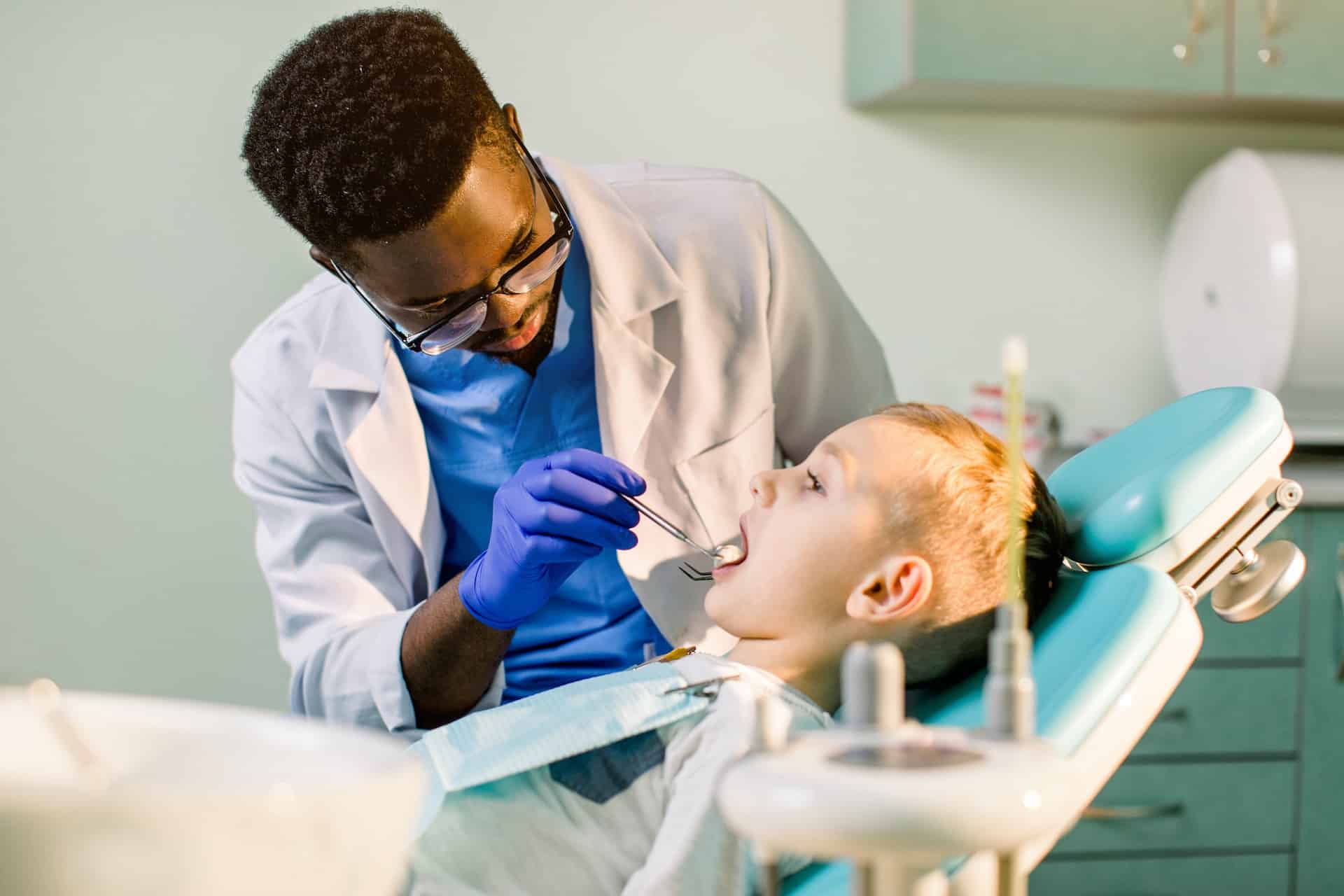
Pedodontics

When people think about replacing teeth, they often picture dentures or bridges. But implants work in a different way, both in how they’re made and where they’re placed. Instead of sitting on the gums or being held in place by nearby teeth, implants connect directly to the jaw.

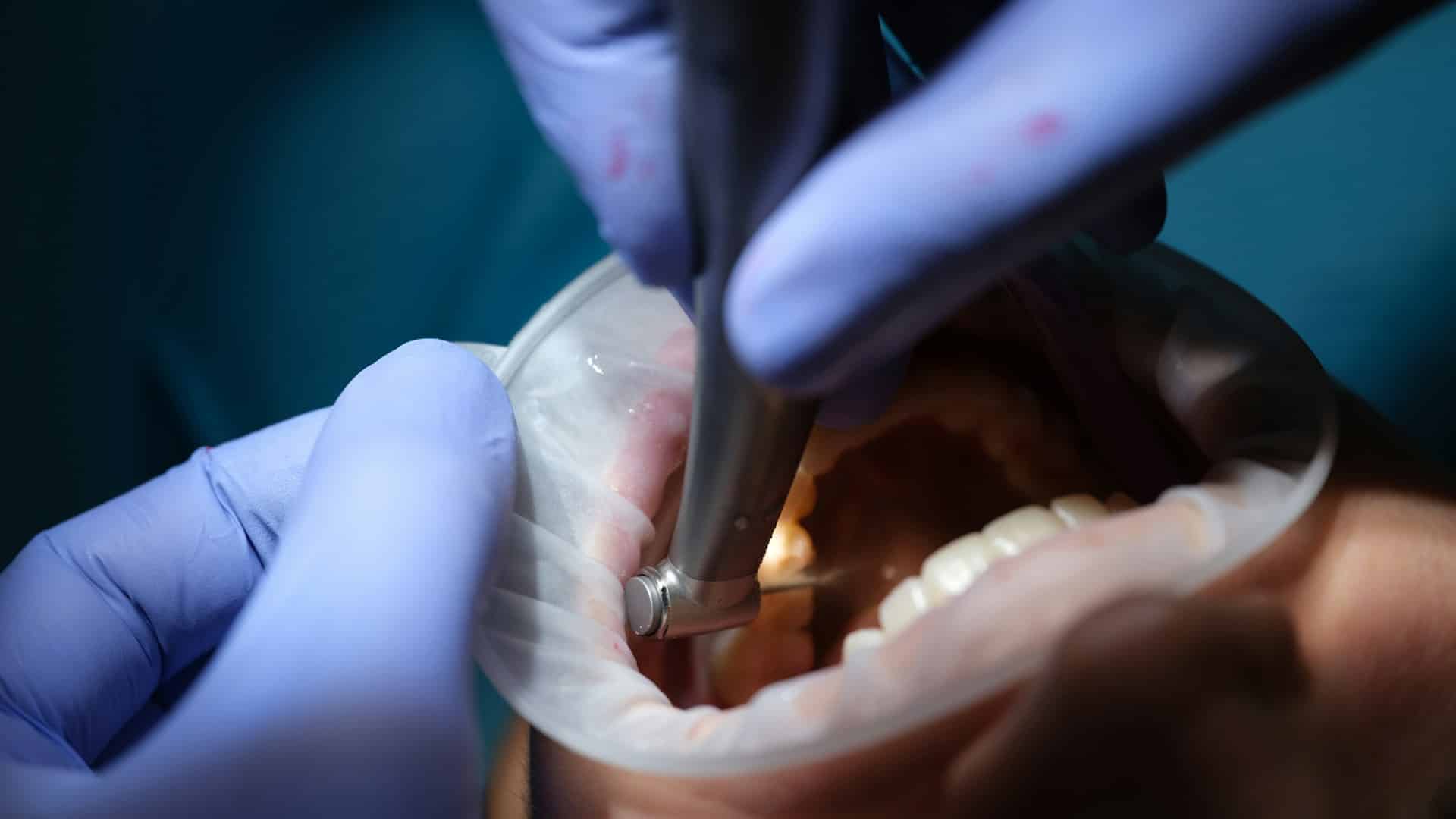
A small post is placed in the bone, where it acts like a fake root. This post holds a crown on top, which looks much like the rest of your teeth. Because the implant is set into the bone, it does not move. You do not take it out or worry about it slipping when you eat or talk.

Many people like that implants look and feel more like a regular tooth. The shape and colour are chosen to match the rest of your mouth, which helps the new tooth blend in. It becomes part of your smile in a way that feels natural instead of noticeable.

At Pickering Dental Services, our implant dentistry includes detailed implant placement and custom crowns, whether replacing one tooth or stabilizing a larger bridge or denture.

Who Might Be a Good Fit for an Implant

Not everyone is a match for implants, but many people are. A lot depends on the condition of your gums and whether your jaw has enough healthy bone to hold the post. Those who brush and floss daily, see their dentist regularly, and avoid tobacco tend to heal better and have more success with the healing part.

Past dental work, grinding your teeth, or gum disease might change the way your mouth responds to implant work. But that does not mean implants are off the table. Decisions are usually made one person at a time after looking at your teeth, medical history, and habits. Learn more about teeth whitening and aesthetics.

Some people think about implants right after a dental accident or a tooth extraction. Others have been using a denture or partial and are ready for something more secure. Even replacing one tooth can make a big difference in how you eat or how confident you feel when you smile.

What to Expect From the Process
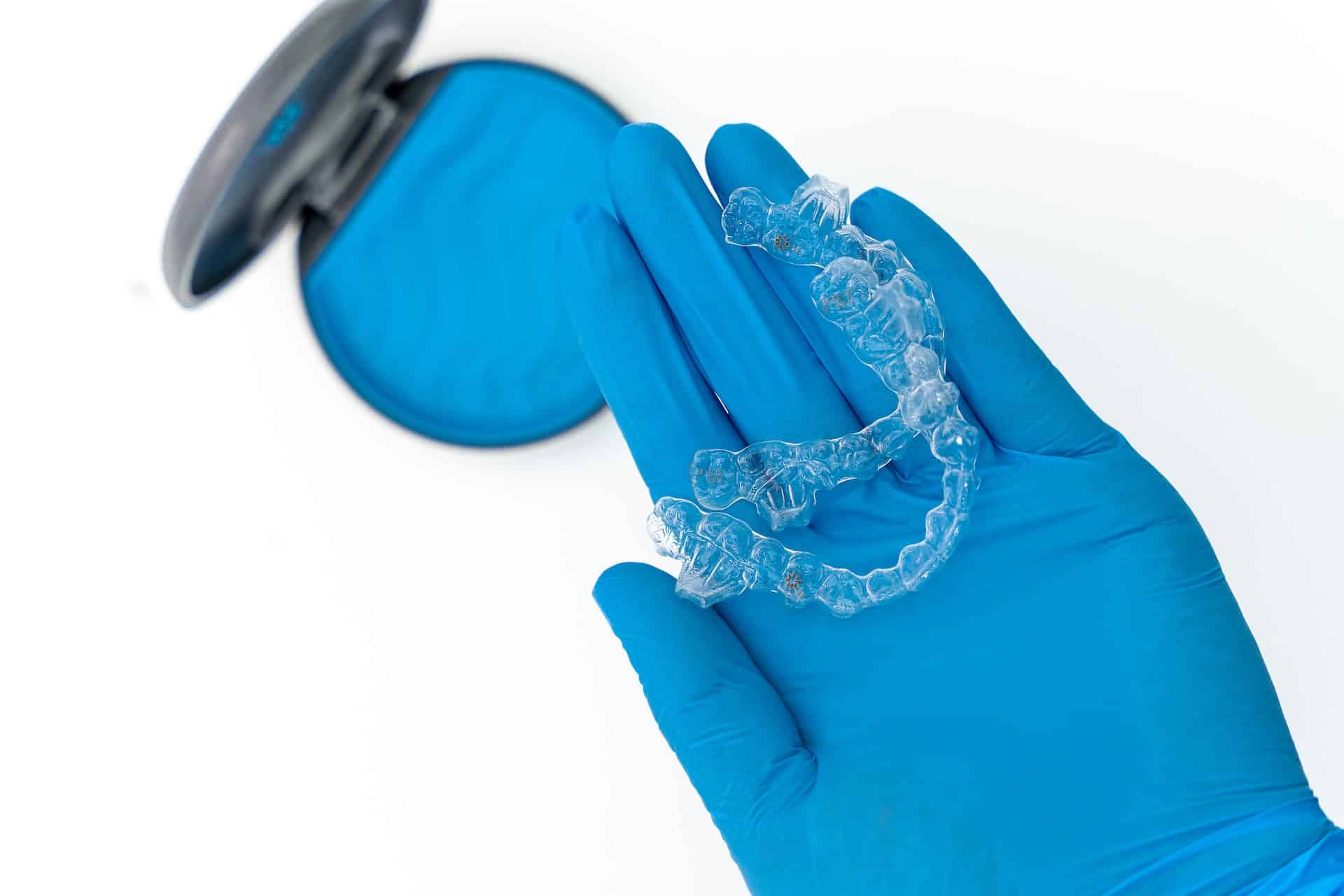
Invisalign

Implant dentistry does not happen in one visit. The steps are spaced out to give your mouth time to heal and adjust. While the full timeline can feel long compared to other dental treatments, each part is needed for things to settle properly.

1. First, we start with a full look at your mouth, which may involve x-rays or a scan. This helps us know what kind of space and bone is available.

2. If we move forward, the implant post is placed into the bone where the missing tooth was.

3. Then we wait. This healing time lets the bone close around the post to keep it steady.

4. A few months later, we add the crown that shows above the gumline. Until then, a temporary option may be used so the space does not feel empty.

Some people find comfort in knowing the steps will not all happen at once. It gives them a chance to recover slowly and let the new tooth become part of their mouth bit by bit.

Healing and Care After the Procedure

Healing from an implant is different for everyone. Most people feel a bit of soreness around the area at first, which usually fades within a week or two. During that time, eating soft foods, brushing gently, and skipping hard or sticky snacks can make a big difference in how easy recovery feels.

It’s a good idea to:

  • Avoid smoking or using tobacco as it can slow healing.
  • Use a soft toothbrush while the area settles.
  • Keep the area clean without poking or pulling at it.

Even after the crown is added, implants need care like any other tooth. Regular brushing and checkups are still important. Gum health matters too, since the gum around your implant needs to stay firm and healthy. Avoid chewing things like ice or pens and call us if something feels loose later on.

Why Timing Matters for Dental Work

Early spring is often easier when it comes to planning dental treatments. It sits between winter holidays and busy summer plans, giving people time and space to heal. Once summer arrives in Pickering, Ajax, or Whitby, people tend to leave town more often, so this stretch of time offers a quiet window.

There’s usually more flexibility for coming in during spring too. Appointments are easier to book and you’re more likely to find time that works with work or school schedules. For those hoping to feel more confident before spring events or summer trips, now is the right range to begin.

Spring feels like a time when small changes start to add up. From clearing out winter clothes to getting more fresh air, it’s a season for doing. That energy often flows into health habits too, making it a good match for starting dental work with a longer healing period.

Starting Fresh With More Confidence

Implant dentistry is not about perfection. It is about helping people feel steady again when they chew, talk, or smile. Each tooth plays a part in holding your daily comfort together. When a tooth is missing, everything feels a little off. Bringing it back with an implant helps restore that balance.

Spring in Pickering reminds a lot of us to check in with ourselves. Changing little things like how we eat or how we care for our teeth does not need to be big or stressful. Knowing what to expect makes the idea easier to take on. With a plan in place, big changes can feel smaller and more doable, just one step at a time.

Spring is a great time to address a missing tooth, and at Pickering Dental Services, we’re ready to help you get started with a plan that fits your needs. Our approach to implant dentistry is shaped by how you live, work, and heal, whether you’re in Pickering or nearby. We take the time to learn what matters most to you, so every step feels more manageable. Enjoy greater comfort when you smile, chew, or speak, contact Pickering Dental Services to set up your consultation today.

Helpful Resources

For more information, visit the Canadian Dental Association on Dental Implants.

Schedule Your Appointment Today

Contact Pickering Square Dental to book your appointment with Dr. Marvin Lean. Call us at (905) 420-1777 or visit us at 1450 Kingston Rd, Unit #4, Pickering, ON.

Frequently Asked Questions

How long do dental implants last?

With proper care and regular dental check-ups, dental implants can last 25 years or more. Many patients enjoy their implants for a lifetime. At Pickering Square Dental, Dr. Lean uses high-quality titanium implants designed for long-term durability.

Are dental implants painful?

Most patients report less discomfort than expected. The procedure is performed under local anaesthesia, and sedation options are available. Post-procedure soreness typically resolves within a few days with over-the-counter pain relief.

Am I a candidate for dental implants?

Most adults with good general health are candidates for dental implants. You need adequate jawbone density to support the implant. Dr. Lean will assess your bone health and overall suitability during a consultation at our Pickering office.

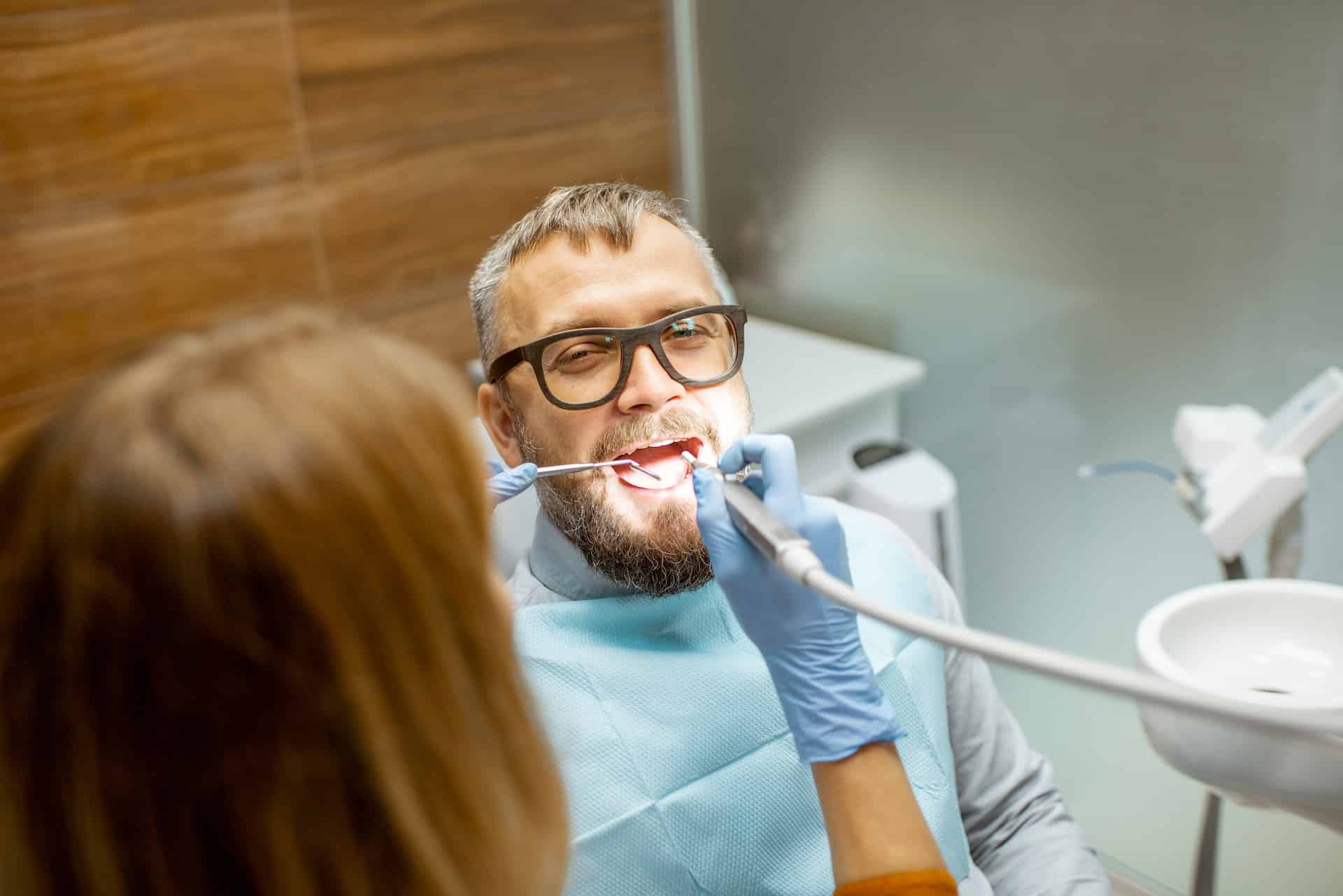
Do You Need Endodontics Treatment in Pickering for Ongoing Tooth Pain?

tooth pain

Living with tooth pain can make simple things feel harder than they should. Whether you’re trying to enjoy a warm drink or just relax at night, pain that doesn’t go away can take a toll. Early spring in Pickering, Ontario, brings some of its own dental challenges. Cooler mornings and damp weather can make teeth more sensitive, which sometimes turns a minor ache into something larger.

If the pain comes from deep inside the tooth and lasts more than a couple of days, it might not be as simple as surface sensitivity. There’s a good chance it could be related to a problem in the pulp, where the nerve of the tooth lives. That’s where something called endodontics treatment in Pickering often comes into the picture.

What Ongoing Tooth Pain Might Be Telling You

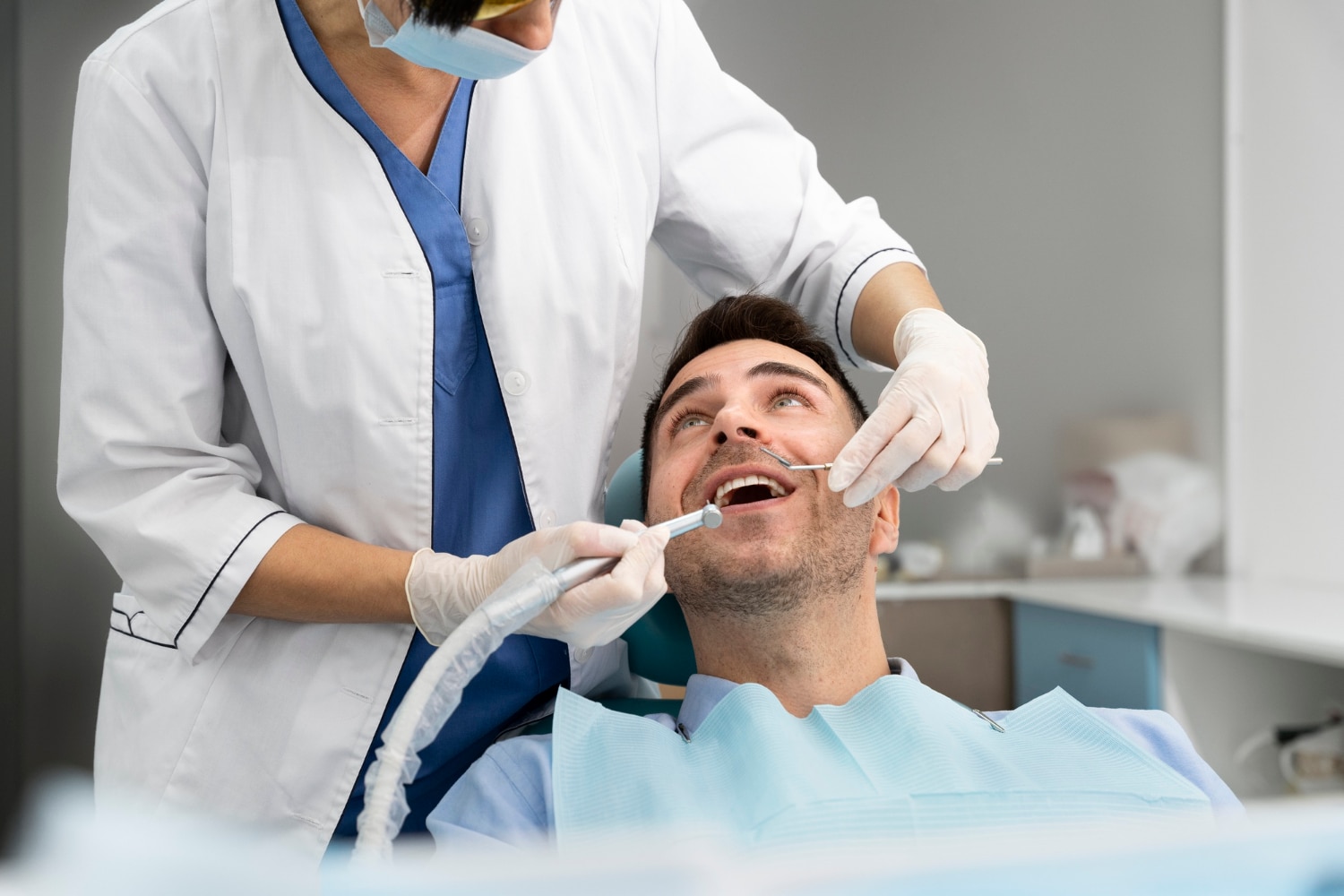
man at the dentist

Not all tooth pain is the same. Some types come and go, maybe after something really cold or very sweet. But others stay sharp, throb throughout the day, or even wake you up during the night.

Pain that doesn’t stop could be:

  • Caused by a cavity that’s gone deeper than the outer surface.
  • The result of a cracked or broken tooth that lets bacteria in.
  • A sign that the pulp inside the tooth is inflamed or infected.

Cold spring air can even make the pain worse. If a tooth already has some damage, those temperature changes can affect how it feels, especially when breathing in through your mouth or drinking something cool. The longer that pain stays, the more likely it is that the inner layers of the tooth need attention.

How Endodontics Treatment Handles Deep Pain

Endodontic care focuses on the inside of the tooth. It’s not about fixing what’s on the surface but solving problems at the core, where the nerves and blood supply are.

When the inside of the tooth becomes infected or inflamed, it doesn’t heal in the same way as other parts of the body. Endodontic treatment carefully removes the cause of the pain, giving the tooth a better chance at lasting long term.

Here’s how it usually works:

1. First, we look closely at the tooth and take a quick x-ray. Learn more about emergency dental care in Pickering.

2. Then, we remove the infected or damaged pulp from the inside.

3. After cleaning the space, it gets filled and sealed to protect it.

4. Finally, a crown or strong filling is used to help the tooth function normally again.

By treating what’s happening inside, we help keep the outside of the tooth stable and supported.

At Pickering Dental Services, we use safe local anaesthesia and gentle endodontic techniques to protect and restore your tooth.

What to Expect During a Typical Appointment

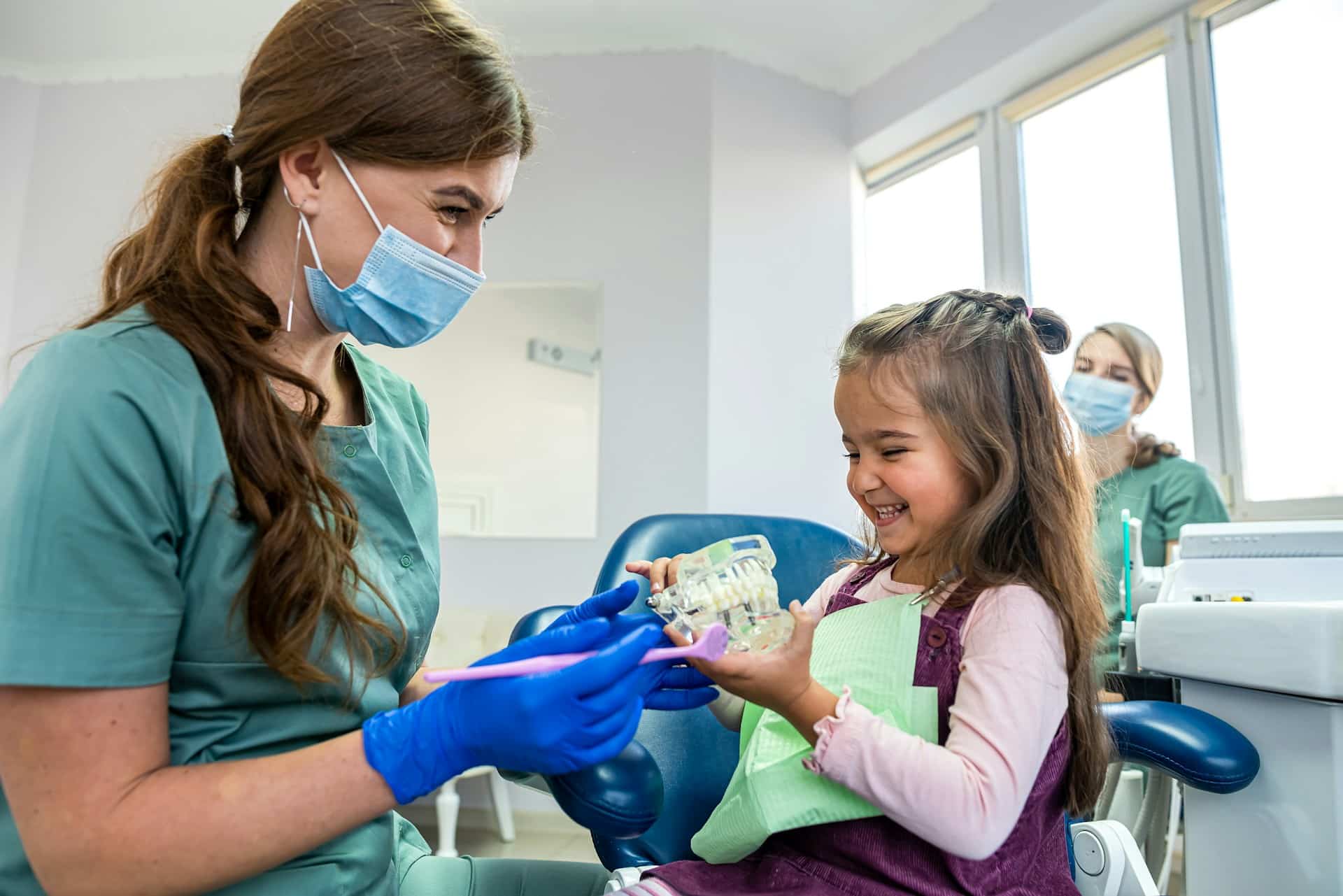
child with dentist

A first visit for this type of treatment usually starts with us asking questions about what you’ve been feeling. How long has it hurt? What makes it worse or better? Does it hurt when biting down, or only when drinking something cold?

We then examine the area, often using an x-ray to check the root and surrounding tissue. If endodontic treatment is the right path, we explain what needs to be done and how it will work.

During the appointment, freezing is used to keep the area comfortable. We move carefully, step by step, and let you know what’s happening along the way. Some treatments only need one visit. Sometimes a follow-up is needed if the tooth needs added time or support before sealing it for good.

Why Timing Matters More Than You Think

When tooth pain starts, it’s easy to wait and hope it goes away. Life is busy, and taking time out for a dental visit might not feel urgent. But when pain keeps coming back or gets worse, there’s usually more going on than meets the eye.

Waiting can allow the problem to spread. What starts as inflammation can turn into an infection, leading to swelling, bone loss, or deeper damage that makes it harder to treat. Earlier care often means a shorter visit and a smoother recovery.

Spring is a time when people start looking forward to small gatherings, weekend outings, and enjoying the change in weather. Having to cancel plans because of pain or sensitivity isn’t part of anyone’s ideal season. By acting early, there’s more freedom to enjoy those things again.

Know When It’s Time to Get Checked

There are a few clear signs that usually mean it’s time to take action now instead of later. Some of the most common ones include:

  • Throbbing or pulsing pain that doesn’t stop.
  • Pressure or tenderness when biting.
  • Swelling in the gums or face near the tooth.
  • Sensitivity that lingers long after eating or drinking.

These aren’t problems that pass on their own. While over-the-counter relief can help for a little while, it’s not a long-term solution. Choosing to get checked is the first step toward stopping the pain and protecting the health of the tooth.

Our bodies give us signs when something isn’t right. When it comes to tooth pain, those signs are worth listening to.

Keep the Pain From Taking Over Your Season

Chronic or deep tooth pain often has a cause that’s not visible from the outside. That’s why understanding what happens inside the tooth matters. When the pulp is damaged or infected, no amount of brushing or rinsing will fix the issue without professional care.

By acting at the right time, we give the tooth the best shot at healing. And while no one looks forward to dental work, most people feel clearer and more comfortable once they know what’s going on.

Springtime in Pickering is a welcome break from ice and snow. It’s a chance to feel lighter and enjoy the season without being distracted by pain. Taking care of your teeth now can help bring back those moments of comfort and get you back into your regular routine without hesitation.

Pain that lingers or keeps coming back could signal a problem that needs attention beneath the surface. At Pickering Dental Services, we treat issues inside the tooth before they become more difficult to manage, helping you stay comfortable and keep your tooth healthy. Early care truly makes all the difference. When you want to discuss endodontics treatment in Pickering, our team is here to guide you every step of the way. Call now to book your appointment.

Helpful Resources

For more information, visit the Canadian Dental Association Oral Health.

Schedule Your Appointment Today

Contact Pickering Square Dental to book your appointment with Dr. Marvin Lean. Call us at (905) 420-1777 or visit us at 1450 Kingston Rd, Unit #4, Pickering, ON.

Frequently Asked Questions

How often should I visit the dentist?

The Canadian Dental Association recommends visiting your dentist at least twice a year for regular check-ups and cleanings. Some patients may need more frequent visits depending on their oral health needs. Call Pickering Square Dental at (905) 420-1777 to schedule your next appointment.

Do you accept the Canadian Dental Care Plan (CDCP)?

Yes, Pickering Square Dental participates in the Canadian Dental Care Plan. Our team can help you understand your coverage and ensure you receive the dental care you need. Contact us for more details about CDCP eligibility and benefits.

What services does Pickering Square Dental offer?

We offer a full range of dental services including family dentistry, emergency dental care, sedation dentistry, dental implants, laser dentistry, teeth whitening, root canal therapy, dental extractions, periodontal care, and cosmetic dentistry. Dr. Lean and our team serve patients in Pickering, Ajax, Whitby, and Scarborough.

How Veneers Help with Uneven or Chipped Teeth

Veneers

Uneven or chipped teeth can make everyday things feel a little off. For some, it’s the way their smile looks in photos. For others, it’s how their teeth feel when they speak or eat. As we move into late winter, with warmer days starting to show up around Pickering, thoughts often turn to fresh starts, especially the kind that help us feel more like ourselves.

Veneers are a common way to improve the look of front teeth. They’re thin covers made to fit right over the front surfaces, helping smooth out chips, cracks, and uneven shapes. For people bothered by how their teeth look or feel, veneers can offer a simpler way to make lasting improvements without a lot of major changes to their natural teeth.

What Causes Teeth to Chip or Look Uneven

restorative dentistry

There are plenty of small things that can affect the way teeth look over time. Sometimes it happens all at once. Sometimes, it sneaks up slowly.

  • Nail-biting, biting on hard snacks, and chewing ice can wear away or break edges.
  • Grinding teeth at night is another common cause, especially if it isn’t noticed right away.
  • Bumps to the face from sports or slips can crack or chip a tooth.
  • Old fillings or dental work that doesn’t match well anymore can make teeth look uneven.
  • Some people are born with uneven edges or natural ridges that look or feel different.

Small chips or imperfections might not hurt, but they can still make someone feel unsure about their smile. This is usually what brings the idea of veneers into the conversation.

How Veneers Improve the Look of Damaged Teeth

One of the main reasons people think about veneers is to make their teeth look smoother and more balanced. Veneers are shaped to blend in with your other teeth and can be matched in colour and size.

  • Veneers cover chips, cracks, or rough textures that show on the front side of your teeth.
  • They help even out the length of teeth that may have worn down or chipped over time.
  • Small gaps or uneven spacing can look less noticeable under veneers.
  • Unlike options that may require removing full teeth, veneers work with most of the tooth still intact.

The goal is to keep what’s strong and healthy, while improving the parts that don’t feel or look right. For many, that’s a big part of why veneers feel approachable.

Sometimes, when teeth are chipped, the edges become rough or jagged. This can make chewing or even speaking feel uncomfortable. Veneers help create a smooth surface, making day-to-day activities a bit easier and more pleasant. People often find that smoothing out even minor chips or uneven edges can make a noticeable difference in their ability to eat certain foods and feel comfortable chatting with friends or family.

For those who are concerned with aesthetics, veneers can be customized in a range of shades and finishes so they match the look of existing teeth. This way, your new smile still feels like your own. A dentist will usually show you a few options and offer advice on picking the best fit for your needs. Learn more about family dentistry services in Pickering.

Daily Comfort and Lasting Changes

dental implant

The look of your smile matters, but so does comfort. When teeth are more even, daily things like chewing, speaking, and brushing become a bit easier.

  • Veneers stay on your teeth, they aren’t something you take out.
  • You don’t have to adjust them during the day, which can make eating feel more natural.
  • With fewer sharp edges or gaps, food is less likely to get stuck in awkward spots.
  • Better alignment across your front teeth can help balance out your bite in small ways.

The consistency of veneers means you don’t need to do anything special during the day to manage them. For people who’ve lived with uneven teeth for a while, that predictability can feel like a meaningful change.

There’s also a practical side to veneers. Brushing and flossing are often easier when teeth are straighter and have a uniform edge. This can mean you spend less time fussing with tricky spots where plaque likes to hide. Over time, this can contribute to a healthier mouth and fewer worries about daily oral care.

Additionally, for people who speak in public or who work closely with others, feeling good about your smile can boost confidence. It isn’t just about appearance, an even set of teeth can make it more comfortable to pronounce certain words or sounds, which in turn leads to more comfort during meetings, presentations, or casual chats.

When the Time Feels Right for a Smile Update

Late winter isn’t just for shovelling the last bits of snow. It’s often when people start making quiet plans, for spring cleaning, home projects, or small habits they’d like to improve. It can also be a natural time to think about changes that help you feel more solid and settled before warm-weather events start picking up.

  • Getting veneers now gives you time to adjust before spring or summer plans.
  • It’s easier to keep a steady home routine before weekends start to fill up again.
  • Taking the last weeks of winter to ease into something new can offer a more relaxed pace.

If someone’s looking for a fresh start that feels personal, having a smoother smile by early spring can support a whole range of moments, from social events in Scarborough to outdoor get-togethers in Ajax.

Feeling ready for a small upgrade often lines up with changes in season, but there’s no perfect time to start. Some people prefer handling cosmetic improvements ahead of family gatherings, school graduations, or community events where plenty of photos will be taken. Others choose a quieter period during late winter or early spring so they can adjust to their new smile before life picks up speed. Either way, there’s value in thinking ahead and allowing enough time to feel settled with your new look.

What to Know Before Getting Started

Thinking about veneers often leads to a few big questions. It helps to remember that the process doesn’t need to feel rushed or overwhelming.

  • Talk about what you’d like to improve and whether your teeth are a good match for this kind of fix.
  • Ask how veneers fit into your routine, especially if you have travel or events coming up.
  • Understand the steps from first meeting to follow-up care, which can vary a bit from person to person.

Not everyone with a chipped or uneven tooth needs veneers, but for many, they can be a fit. It depends on what you’re hoping to change and if your teeth are strong enough to support the process.

Your dental team will likely talk you through the assessment, planning, and fitting stages. They may recommend a clean-up or other light dental work before the veneer is placed so the final look blends in naturally. After getting veneers, you might be given a few simple care tips to keep everything looking and feeling its best.

It’s good to ask about timing, expected results, and any small steps that will help during the transition. This can include advice on foods to avoid while your smile settles in, or how often to check in for follow-up appointments to ensure everything is secure.

A Smoother Smile, One Step at a Time

Taking care of your teeth doesn’t always mean doing something huge. Sometimes, small fixes like smoothing out an uneven spot or covering a chip can bring more comfort, ease, or confidence than expected.

With spring just around the corner in places like Whitby or Pickering, it’s a natural time to make simple changes that help you feel more ready, whether it’s for photos, family dinners, or your day-to-day self. Making your smile feel more like your own is one of those things that doesn’t need to wait until later.

If you’ve been thinking about updating your smile, remember that the right timing is the one that feels best for your routine, schedule, and sense of comfort. Even the smallest enhancement with veneers can make a difference in how you carry yourself every day. Each step you take, whether big or small, can help bring out the brightest and most confident version of yourself.

At Pickering Dental Services, we understand how much your smile can influence your everyday confidence, especially when chipped or uneven teeth are a concern. With spring around the corner, subtle changes could make a big difference. Many people notice that small improvements with veneers bring greater comfort in photos and conversation. We’re here to discuss your options and help you choose what’s right for you. Give us a call to schedule your visit today.

Helpful Resources

For more information, visit the Canadian Dental Association Oral Health.

Schedule Your Appointment Today

Contact Pickering Square Dental to book your appointment with Dr. Marvin Lean. Call us at (905) 420-1777 or visit us at 1450 Kingston Rd, Unit #4, Pickering, ON.

Frequently Asked Questions

How often should I visit the dentist?

The Canadian Dental Association recommends visiting your dentist at least twice a year for regular check-ups and cleanings. Some patients may need more frequent visits depending on their oral health needs. Call Pickering Square Dental at (905) 420-1777 to schedule your next appointment.

Do you accept the Canadian Dental Care Plan (CDCP)?

Yes, Pickering Square Dental participates in the Canadian Dental Care Plan. Our team can help you understand your coverage and ensure you receive the dental care you need. Contact us for more details about CDCP eligibility and benefits.

What services does Pickering Square Dental offer?

We offer a full range of dental services including family dentistry, emergency dental care, sedation dentistry, dental implants, laser dentistry, teeth whitening, root canal therapy, dental extractions, periodontal care, and cosmetic dentistry. Dr. Lean and our team serve patients in Pickering, Ajax, Whitby, and Scarborough.

When Dental Implants in Ajax Make the Best Sense

Dental Implants

When teeth are missing or can’t be saved, many people start asking what’s next. There isn’t always a simple answer, but there are moments when dental implants in Ajax are the best fit. Some make the decision for comfort, others for appearance or convenience. What tends to matter most is feeling like yourself again.

While we’re nearing the end of winter in Ajax, the shift toward spring can bring a sense of reordering things. For some, that means clearing out the garage. For others, it means making dental care a real priority. This time of year often leaves us thinking more about daily routine, health, and comfort. If your teeth haven’t been part of that conversation yet, there might be a good reason to start now.

When Teeth are Missing or Unstable

Oral Health

Missing or loose teeth don’t always hurt, but they can get in the way of daily comfort. You might notice chewing becomes awkward or talking doesn’t feel quite right. Smiling can feel forced when you’re trying to cover a gap. Beyond that, open spaces in your mouth can lead to movement in other teeth, changing how your bite works over time.

  • Teeth can shift if one goes missing, creating pressure in places it never was before
  • Gaps can make cleaning harder and lead to more wear and tear on other teeth
  • A missing tooth might change the way the lips rest or affect how you eat certain foods

Some people try to adjust by chewing on one side or avoiding certain items, but that only works for so long. When you’re looking for a solution that feels solid and doesn’t slide around, implants are often what people look into. They stay where they’re placed. That alone can make mealtime, and everyday life, feel more natural again.

When Dentures or Bridges Aren’t Comfortable

Dentures and bridges can help, but they aren’t always comfortable. Some dentures move around slightly, which makes talking or eating harder than it should be. Others trap food under them, which can cause irritation. People often worry about them coming loose at the wrong moment.

  • Dentures that slip or rattle can affect speech and everyday confidence
  • Food can build up underneath, which may lead to sore spots
  • Constant care or adhesives can be tiring for those with busy routines

Implants don’t come in and out with each meal or overnight. Since they’re fixed in place, they can help you avoid different kinds of daily discomfort. For those who find bridges too tight or dentures too loose, being able to brush and floss around something that feels stable can feel like a relief. And for people who tend to eat on the go, or eat with others often, avoiding denture worries can lift stress from their day. Learn more about teeth whitening and aesthetics.

At Pickering Dental Services, our implant dentistry solutions help many patients leave behind loose or uncomfortable dentures for a more permanent, comfortable option.

When Bone Health and Timing Line Up

children's dentistry

Your jaw plays a bigger role in oral care than many realize. When a tooth has been missing for a while, the bone underneath can shrink. If that goes on too long, placing an implant might not be simple later. That’s why timing matters. Some people don’t know their jaw is ready now and put off moving forward until later, when things get more complicated.

  • A healthy jaw supports the implant like a root, and the sooner it’s placed, the better the support
  • Early spring is often quieter than summer, making now a better time to recover
  • People tend to stick with schedules more easily before outdoor events and travel pick up

The end of winter can actually work in your favour when it comes to planning dental care. There’s often more time at home. Routines haven’t sped up yet. That combination makes it easier to rest after treatment, go to follow-up appointments, and build quiet into your week.

Our office provides thorough jaw bone assessments and planning to determine the best implant approach for your unique situation.

When You Want a Long-Term Option

There are some people who don’t want to worry about redoing their dental work in five years. They’d rather do something once and keep it simple after that. Implants offer that kind of stability. Since they’re placed in the bone, they stay fixed, like real teeth. For people who value convenience and don’t want to think about taking something out daily, this option makes more sense.

  • Implants don’t come out at night or require special soaking or storage
  • Maintenance is more like natural teeth: brush, floss, and keep regular checkups
  • Supporting your bite evenly can take pressure off other teeth over time

When you’re tired of adjusting or replacing dental appliances, it helps to know there’s an option that fits quietly into your life. People who want to carry on with meals, work, and everyday conversations without making room for constant upkeep often find themselves happier with a fixed solution.

When Confidence and Eating Matter

The way people feel about eating and smiling tends to change when they lose a tooth. Some slide into the habit of covering their mouth when they laugh. Others start ordering different meals because chewing gets harder. These small changes can add up. When your comfort dips, it can affect how you feel around others too.

  • Replacing missing teeth with something stable brings back ease
  • Smiling openly and eating without worry supports everyday confidence
  • With spring events or family gatherings coming up, it helps to feel like yourself again

Whether it’s Easter dinner, a milestone birthday, or just a dinner out in Ajax, having steady teeth can take distractions away. For people used to worrying about things slipping or clicking, the chance to talk and laugh without second thoughts can be a big relief.

A Practical Choice That Fits Real Life

Sometimes the best choice is the one that simplifies your life. Implants aren’t for every case, but there are times when they do make more sense. You don’t have to change your day around them, worry about forgetting them, or adjust how you eat. That feeling of normal can be worth a lot.

Now that spring is almost here, there’s more space to think about habits that need attention. Whether you’re finishing something you’ve been meaning to handle, or just trying to feel a bit more like yourself this season, permanent tooth replacement can be one more way to do that. If your smile or confidence has taken a back seat for long enough, this may be a good time to look closer.

Thinking about replacing a missing tooth with something stable that fits seamlessly into daily life? Our team at Pickering Dental Services is here to discuss your options and help restore your comfort and confidence. For many, exploring dental implants in Ajax is the next step toward teeth that look and feel natural, making eating easier and daily routines more enjoyable. Connect with us today to schedule a time that works for you.

Helpful Resources

For more information, visit the Canadian Dental Association on Dental Implants.

Schedule Your Appointment Today

Contact Pickering Square Dental to book your appointment with Dr. Marvin Lean. Call us at (905) 420-1777 or visit us at 1450 Kingston Rd, Unit #4, Pickering, ON.

Frequently Asked Questions

How long do dental implants last?

With proper care and regular dental check-ups, dental implants can last 25 years or more. Many patients enjoy their implants for a lifetime. At Pickering Square Dental, Dr. Lean uses high-quality titanium implants designed for long-term durability.

Are dental implants painful?

Most patients report less discomfort than expected. The procedure is performed under local anaesthesia, and sedation options are available. Post-procedure soreness typically resolves within a few days with over-the-counter pain relief.

Am I a candidate for dental implants?

Most adults with good general health are candidates for dental implants. You need adequate jawbone density to support the implant. Dr. Lean will assess your bone health and overall suitability during a consultation at our Pickering office.