
Root Canal Therapy in Pickering
Pickering root canal therapy treats infected, injured, or dead pulp inside a tooth so the tooth can be cleaned, sealed, and restored. Deep decay, a crack, trauma, or a failing restoration can allow bacteria to reach the pulp.

Some teeth show few obvious signs, so an examination is the way to know.
Call (905) 420-1777 if you have swelling or significant tooth pain.

How can root canal therapy save a tooth?
When the tooth can be retained, root canal treatment is intended to remove the affected pulp while preserving the outer tooth. The affected tissue is removed from inside the crown and roots, the canal system is cleaned and sealed, and a restoration rebuilds what is missing above it.
Symptoms alone don't identify the correct treatment. A cracked tooth, gum problem, sinus pressure, or another tooth can sometimes produce similar discomfort, so the source needs to be located before treatment begins. Ask what alternatives apply, what restoration will follow, and what signs would change the recommendation.
How the treatment is carried out
How is the need for a root canal confirmed?
Diagnosis can include the history of the tooth, tests for temperature or biting response, examination of the gums and nearby teeth, and appropriate X-rays. Tell us when the discomfort started, what makes it better or worse, and whether there has been decay, a crack, trauma, or a restoration on that tooth.
Because a gum problem, sinus pressure, or a neighbouring tooth can mimic pulp pain, the source is located first. The dentist then explains whether root canal treatment or a filling, another treatment, monitoring, or referral is the reasonable next step.
What happens during root canal treatment?
After diagnosis and appropriate X-rays, the area is numbed and the tooth is isolated. The dentist creates an opening, removes the affected pulp, cleans and shapes the canal system, then fills and seals it. A temporary or permanent filling closes the opening.
Treatment can take one or two appointments, and complex anatomy may require referral to an endodontist. If you would like to discuss comfort during a longer appointment, ask about the sedation options available at the office.
Why does the tooth still need a restoration?
Root canal treatment addresses the tissue inside the tooth; it doesn't rebuild missing tooth structure. A filling or crown may be recommended afterward depending on how much tooth remains and the forces placed on it. Until the final restoration is complete, follow the chewing and care instructions provided.
If the tooth can't be predictably restored
Not every tooth can be kept. When a tooth can't be predictably restored, extraction and replacement options may need to be discussed instead, and the dentist will explain why that assessment was reached before anything is decided.
What affects the cost of a root canal?
After an exam, we can explain your treatment plan and help you understand dental-benefit estimates and what you'll pay. The Canadian Dental Care Plan (CDCP) lists root canal treatment among its covered services, and re-treating an earlier root canal requires CDCP preauthorization. Depending on family income, a co-payment may apply, and you may pay more if a fee is higher than what the CDCP reimburses. Service Canada decides CDCP eligibility; see the CDCP coverage page for details.
Frequently asked questions about root canal therapy
Clinical team: Dr. Marvin Lean. Last updated: July 27, 2026.
This page is general information about root canal therapy and is not a diagnosis, treatment plan, or medical advice. The number of visits, instructions, and restoration that follow are decided for your own tooth after an examination. Contact the office about symptoms or questions specific to your care.
How many appointments does a root canal need?
Root canal treatment may be completed in one or two appointments, but the number depends on the tooth, infection, canal anatomy, and whether a specialist is involved. A separate visit may also be needed for the final filling or crown.
What should I expect after root canal therapy?
Some tenderness can occur for a short period after treatment. Follow the medication and chewing instructions you receive, keep the area clean, and contact the office if pain or swelling is severe, worsening, or doesn't settle as expected.
Does a root canal remove the entire tooth?
No. The affected pulp is removed from inside the crown and roots, while the outer tooth remains. The goal is to retain and restore the natural tooth when that is a sound treatment option.
Can a root canal tooth get another cavity?
Yes. Root canal treatment doesn't prevent decay, gum disease, cracks, or damage to the restoration. Daily cleaning and regular examinations remain important after treatment.
Related care
Call (905) 420-1777 about tooth pain or swelling, or contact the office to request an assessment.
Pickering root canal therapy treats infected, injured, or dead pulp inside a tooth so the tooth can be cleaned, sealed, and restored. Deep decay, a crack, trauma, or a failing restoration can allow bacteria to reach the pulp.
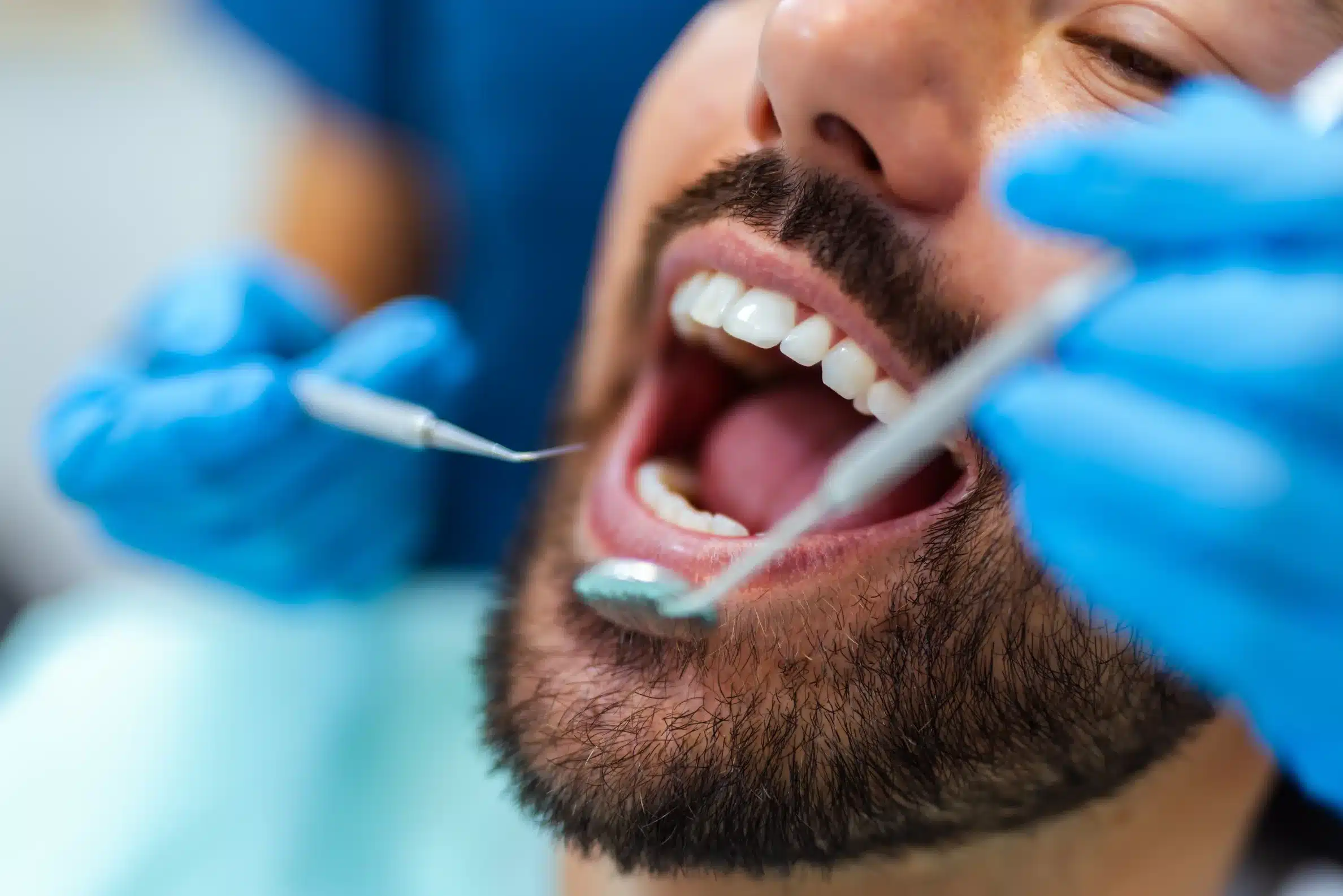
Some teeth show few obvious signs, so an examination is the way to know.
How can root canal therapy save a tooth?
When the tooth can be retained, root canal treatment is intended to remove the affected pulp while preserving the outer tooth. The affected tissue is removed from inside the crown and roots, the canal system is cleaned and sealed, and a restoration rebuilds what is missing above it.
Symptoms alone don't identify the correct treatment. A cracked tooth, gum problem, sinus pressure, or another tooth can sometimes produce similar discomfort, so the source needs to be located before treatment begins. Ask what alternatives apply, what restoration will follow, and what signs would change the recommendation.
How the treatment is carried out
How is the need for a root canal confirmed?
Diagnosis can include the history of the tooth, tests for temperature or biting response, examination of the gums and nearby teeth, and appropriate X-rays. Tell us when the discomfort started, what makes it better or worse, and whether there has been decay, a crack, trauma, or a restoration on that tooth.
Because a gum problem, sinus pressure, or a neighbouring tooth can mimic pulp pain, the source is located first. The dentist then explains whether root canal treatment or a filling, another treatment, monitoring, or referral is the reasonable next step.
What happens during root canal treatment?
After diagnosis and appropriate X-rays, the area is numbed and the tooth is isolated. The dentist creates an opening, removes the affected pulp, cleans and shapes the canal system, then fills and seals it. A temporary or permanent filling closes the opening.
Treatment can take one or two appointments, and complex anatomy may require referral to an endodontist. If you would like to discuss comfort during a longer appointment, ask about the sedation options available at the office.
Why does the tooth still need a restoration?
Root canal treatment addresses the tissue inside the tooth; it doesn't rebuild missing tooth structure. A filling or crown may be recommended afterward depending on how much tooth remains and the forces placed on it. Until the final restoration is complete, follow the chewing and care instructions provided.
If the tooth can't be predictably restored
Not every tooth can be kept. When a tooth can't be predictably restored, extraction and replacement options may need to be discussed instead, and the dentist will explain why that assessment was reached before anything is decided.
What affects the cost of a root canal?
After an exam, we can explain your treatment plan and help you understand dental-benefit estimates and what you'll pay. The Canadian Dental Care Plan (CDCP) lists root canal treatment among its covered services, and re-treating an earlier root canal requires CDCP preauthorization. Depending on family income, a co-payment may apply, and you may pay more if a fee is higher than what the CDCP reimburses. Service Canada decides CDCP eligibility; see the CDCP coverage page for details.
Frequently asked questions about root canal therapy
Clinical team: Dr. Marvin Lean. Last updated: July 27, 2026.
This page is general information about root canal therapy and is not a diagnosis, treatment plan, or medical advice. The number of visits, instructions, and restoration that follow are decided for your own tooth after an examination. Contact the office about symptoms or questions specific to your care.
How many appointments does a root canal need?
Root canal treatment may be completed in one or two appointments, but the number depends on the tooth, infection, canal anatomy, and whether a specialist is involved. A separate visit may also be needed for the final filling or crown.
What should I expect after root canal therapy?
Some tenderness can occur for a short period after treatment. Follow the medication and chewing instructions you receive, keep the area clean, and contact the office if pain or swelling is severe, worsening, or doesn't settle as expected.
Does a root canal remove the entire tooth?
No. The affected pulp is removed from inside the crown and roots, while the outer tooth remains. The goal is to retain and restore the natural tooth when that is a sound treatment option.
Can a root canal tooth get another cavity?
Yes. Root canal treatment doesn't prevent decay, gum disease, cracks, or damage to the restoration. Daily cleaning and regular examinations remain important after treatment.
Related care
Call (905) 420-1777 about tooth pain or swelling, or contact the office to request an assessment.
