If you’re scheduled for a Pickering dental extraction or think you might need one, you’re probably wondering what to expect. That’s completely normal. Dental extractions can sound a bit intimidating, especially if it’s your first. It helps to understand what will happen and how the steps work from start to finish. That way, things feel more certain and less stressful going in.
Since January can bring cold, icy weather to Pickering and nearby areas like Ajax, Whitby, and Scarborough, it’s a good time to plan ahead with your winter routine in mind. Whether you’re preparing for healing or just getting to and from your appointment, knowing how the process works can make it easier during this season.
Reasons a Tooth Might Need to Be Removed

There are a few common reasons we might need to take out a tooth. Some issues can be spotted during regular checkups, while others come up because of pain or discomfort.
• Severe tooth decay that has damaged a tooth beyond repair
• Injury from an accident or fall where the tooth can’t be saved
• Overcrowding that makes it hard for other teeth to stay in place
• Wisdom teeth coming in at the wrong angle or causing pressure
Wisdom tooth removal is something we often see in teens and young adults, but older patients can need it too. If these teeth don’t have enough room to grow or come in only partway, they can lead to infections, gum pain, or movement around nearby teeth. Leaving a damaged or infected tooth untreated might give bacteria a chance to spread, which can affect other teeth or areas of the mouth. When we take care of these problems early, it helps keep the rest of your mouth healthier.
At Pickering Dental Services, we provide both simple and surgical dental extractions, covering everything from broken teeth to impacted wisdom teeth.
Before the Appointment: What to Expect
Getting ready for a dental extraction starts with a full exam. We’ll have a good look at your mouth to check the problem tooth and see how it’s affecting the surrounding area. In most cases, we’ll use an X-ray to see the tooth’s roots and position. This helps us plan the best way to remove it safely.
Once we’ve confirmed that a tooth needs to come out, we’ll walk through the next steps with you. That usually includes:
• Talking about whether numbing or sedation is best for you
• Letting you know if you need to fast before the procedure
• Giving tips on what supplies to have at home after your visit (like gauze or cold packs)
• Discussing your usual medications or any health conditions that might affect the process
We want you to feel ready well before the day of your appointment. Patients coming in during winter may also want to dress warmly and plan for safe travel, especially if sedatives will be used.
We offer sedation dentistry to help with anxiety or complex removals, so that your comfort is always a priority.
During the Dental Extraction Procedure
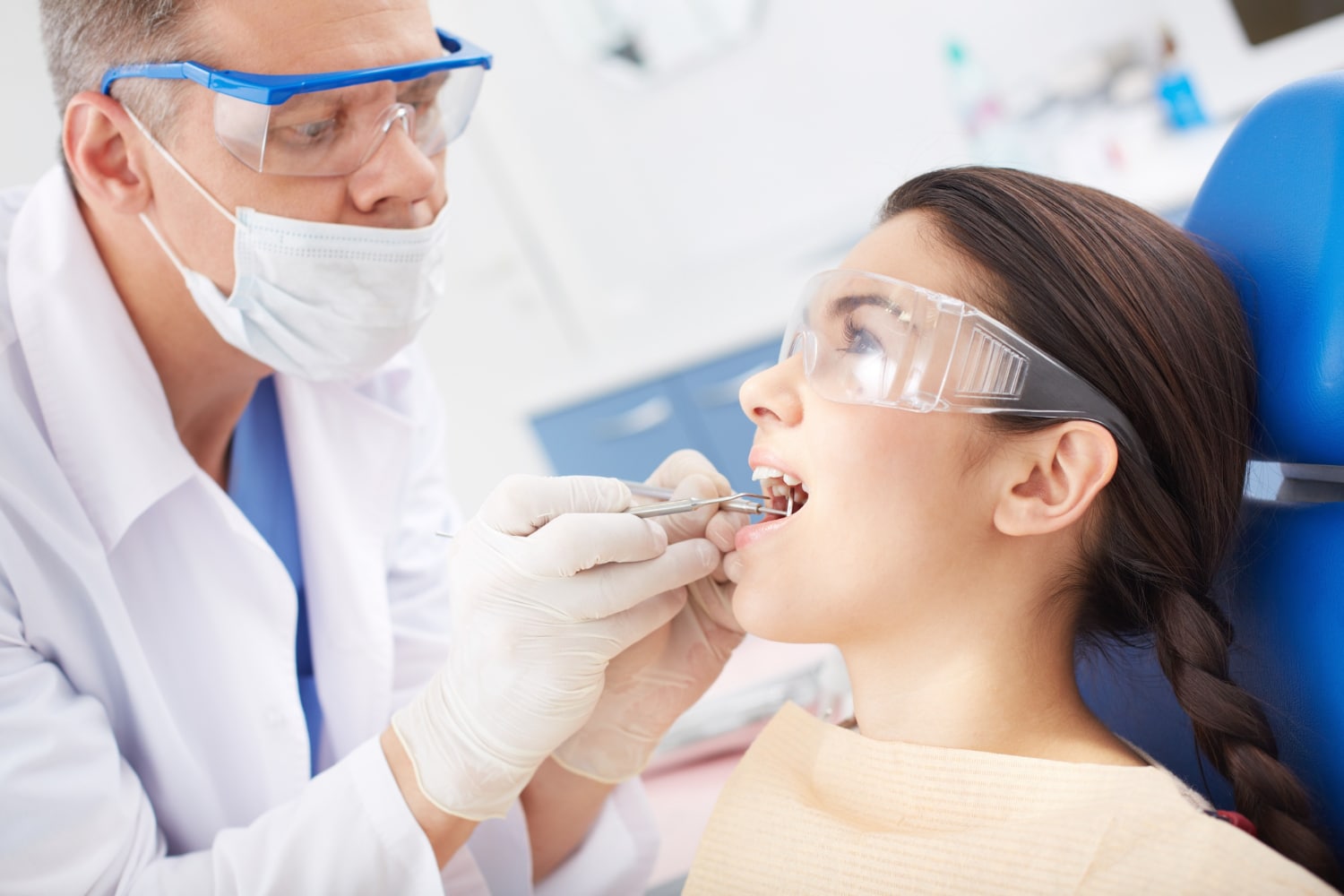
On the day of your Pickering dental extraction, things will begin with numbing the area around the tooth. We use local anaesthetic to help with comfort. If you’re feeling especially anxious or your case is more complex, we may also offer sedation.
What happens during the procedure depends on the type of extraction you need:
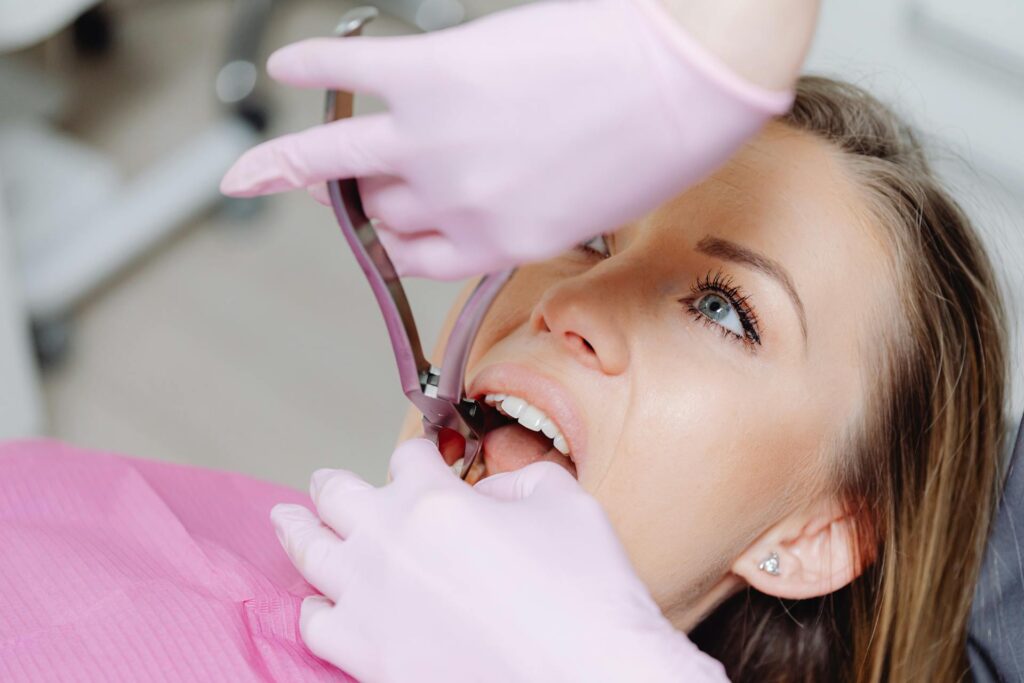
• A simple extraction is used when the tooth is fully above the gumline. We loosen the tooth and carefully remove it.
• A surgical extraction is used when a tooth hasn’t fully come in (like some wisdom teeth). In this case, a small opening in the gum may help us reach and remove the tooth.
We take our time to make sure the process is handled gently and safely. You won’t feel pain, though you might feel some pressure or movement. The whole procedure doesn’t usually take long, and you’ll be able to rest in the chair afterward until you’re ready to go home.
Right After the Extraction: Care and Recovery Tips
Once your tooth is out and the numbing starts to wear off, you may feel some soreness or swelling in the area. That’s totally expected. We’ll place gauze to help stop the bleeding and support clotting.
Here’s what to expect during the first day or two of healing:
• Use clean gauze as directed to manage bleeding
• Rest with your head upright, especially during the first few hours
• Avoid hot drinks or chewing near the area to help prevent discomfort
• Continue with gentle brushing, but avoid the site itself
• Limit outdoor activity in cold air, which can irritate the mouth during recovery
Since January weather in Ontario can be harsh, things like heavy snow shovelling or long outdoor walks might not be ideal for the day after your visit. Instead, try to keep warm, take it easy, and follow the care instructions we’ve shared.
We’ll usually give you a printed guide or talk you through any medication needs or foods that are easiest to eat while healing. Staying hydrated and getting enough rest will help with recovery too. For any extraction, including wisdom teeth, we give you clear aftercare instructions for the smoothest healing possible.
Preparing for a Smooth Recovery
No one looks forward to dental extractions, but they don’t have to be a source of stress. Knowing what happens during each step can make the experience feel more manageable. We’re here to help walk you through everything with clear instructions and support.
With January in full swing and winter routines back in place, now’s a good time to prepare for care that fits your needs and your schedule. A bit of planning can make your Pickering dental extraction go more smoothly and help you focus on resting and healing when the time comes.
Navigating your dental care options is easier with support you can trust. We understand that adjusting to winter weather and daily routines can play a huge role in how smoothly your recovery goes. Whether you’re preparing for your first procedure or have been delaying treatment, we’ll provide care that’s clear and straightforward every step of the way. For experience you can rely on during your Pickering dental extraction, reach out to Pickering Dental Services today.
Helpful Resources
For more information, visit the CDA on Tooth Extraction.
Schedule Your Appointment Today
Contact Pickering Square Dental to book your appointment with Dr. Marvin Lean. Call us at (905) 420-1777 or visit us at 1450 Kingston Rd, Unit #4, Pickering, ON.
Frequently Asked Questions
How often should I visit the dentist?
The Canadian Dental Association recommends visiting your dentist at least twice a year for regular check-ups and cleanings. Some patients may need more frequent visits depending on their oral health needs. Call Pickering Square Dental at (905) 420-1777 to schedule your next appointment.
Do you accept the Canadian Dental Care Plan (CDCP)?
Yes, Pickering Square Dental participates in the Canadian Dental Care Plan. Our team can help you understand your coverage and ensure you receive the dental care you need. Contact us for more details about CDCP eligibility and benefits.
What services does Pickering Square Dental offer?
We offer a full range of dental services including family dentistry, emergency dental care, sedation dentistry, dental implants, laser dentistry, teeth whitening, root canal therapy, dental extractions, periodontal care, and cosmetic dentistry. Dr. Lean and our team serve patients in Pickering, Ajax, Whitby, and Scarborough.

About Dr. Marvin Lean, DDS
Dr. Marvin Lean, DDS, is the owner and lead dentist at Pickering Square Dental. With decades of experience in family and laser dentistry, Dr. Lean provides care focused on clear communication and patient comfort. He is a member of the Ontario Dental Association (ODA) and the Canadian Dental Association (CDA). Dr. Lean and his team provide comprehensive dental care including sedation dentistry, dental implants, emergency dental care, and the Canadian Dental Care Plan (CDCP) to patients in Pickering, Ajax, Whitby, Scarborough, Oshawa, and Markham. Dr. Lean spent the last 20 years as the Dentist for the Toronto Maple Leafs.