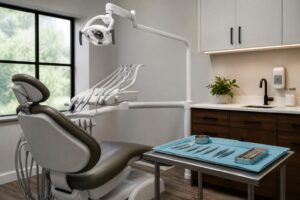

Dental visits might not be anyone’s favourite activity, but they play a big part in keeping your smile healthy. Sometimes, your dentist might mention the need for a dental extraction. This means removing a tooth that is causing trouble or may lead to future problems. It sounds a bit intimidating, but understanding why an extraction is needed can help you feel at ease and better prepared for what comes next.
Knowing when a tooth might need to come out is important for maintaining healthy teeth and gums. Ignoring issues might lead to bigger problems over time. Whether it’s due to severe decay, crowding, or infection, getting an extraction at the right time can prevent more pain down the road. Let’s explore common signs indicating that it might be time to discuss this option.
Common Signs You Need a Dental Extraction

1. Persistent Severe Tooth Pain
If you’ve got a tooth that won’t stop aching, it’s likely trying to tell you something. Constant pain, especially when biting down or chewing, could hint at damage or infection deep within the tooth or gum. Ignoring it might lead to more serious infections or even spread to other teeth.
2. Swelling and Infection in the Gums
Have you noticed any swelling around your gums? This might be a sign that an infection is present. Gums might appear red or more sensitive, a clear signal that things aren’t quite right and an extraction might be the necessary path to relief and healing.
3. Loose or Shifting Teeth
Teeth should stay put, but sometimes they start to shift or feel loose. If this happens, it might point to underlying issues like gum disease. Addressing this with your dentist early on can save the rest of your teeth from being affected.
4. Overcrowded Teeth Needing Space
Ever felt like your teeth are jostling for room? Overcrowded teeth can lead to improper alignment and make it tricky to clean effectively. If space becomes a problem, extracting a tooth might give the rest of them the breathing room they need for a healthier fit and alignment.
Recognizing these signs early and discussing options with your dentist can make a big difference. The right decision can lead not only to immediate relief but also to long-term comfort and confidence in your smile.
Types of Dental Extractions
Understanding the types of dental extractions can help relieve some anxiety about the process. There are two main categories: simple extractions and surgical extractions. Learn more about sedation dentistry options.
– Simple Extractions: These are performed on teeth that are visible in the mouth. Dentists often recommend this type when the tooth is affected by severe decay or damage. During a simple extraction, the dentist loosens the tooth with a special instrument, then removes it with forceps.
– Surgical Extractions: These are necessary for teeth that are not easily accessible, such as impacted teeth, or teeth that have broken off at the gum line. Surgical extractions might involve making a small incision in the gum to access the tooth. The procedure is more complex than a simple extraction but is handled carefully by professionals to ensure minimal discomfort.
Knowing which type of extraction you’ll require allows you to prepare better and discuss the specifics with your dentist.
The Dental Extraction Process
The process of having a tooth extracted consists of several steps. Each step is important to ensure a smooth and comfortable experience.
1. Initial Consultation and Diagnosis: It all starts with a visit to your dentist. They’ll examine the tooth, take X-rays if needed, and determine the best course of action. This is your chance to ask questions and share any concerns.
2. Steps During a Simple Extraction: For straightforward extractions, your dentist will numb the area with a local anaesthetic. Once you’re comfortable, they’ll use forceps to gently remove the tooth. The process is usually quick, and you might feel some pressure but no pain.
3. Understanding Surgical Extractions in Detail: Surgical extractions require a bit more preparation. After numbing the area, your dentist might make an incision in the gum to reach the affected tooth. They might have to remove some surrounding bone or break the tooth into pieces for easier removal. Again, you’ll feel only pressure, not pain, due to the anaesthetic.
Having a clear idea of what to expect during a dental extraction can help reduce stress. Knowing the steps involved can prepare you mentally and physically for the procedure.
Post-Extraction Care Tips

Taking care of your mouth after an extraction is key to a quick recovery. Here are some tips to keep in mind:
– Managing Pain and Swelling: Using a cold compress on the outside of your mouth near the extraction site can help reduce swelling. Over-the-counter pain medication may be recommended to manage any discomfort.
– Foods to Eat and Avoid: Opt for soft foods for the first few days. Soup, yogurt, and smoothies are good choices. Steer clear of foods that are chewy, hard, or spicy, as they can irritate the extraction site or dislodge a blood clot.
– Importance of Follow-Up Visits: Don’t skip the follow-up appointments. They allow your dentist to ensure everything is healing properly and address any concerns you might have.
Taking these steps supports a smooth healing process and helps you get back to normal activities sooner. Just be sure to follow all advice from your dental professional for the best results.
Smile Brighter with Pickering Dental Extraction Services
Taking action quickly when you notice signs of trouble with your teeth is important. Not only does it address immediate discomfort, but also prevents bigger issues down the line. Regular check-ups and prompt treatment are key to maintaining oral health. Professional care ensures that extraction is performed safely and efficiently, helping you achieve a healthier smile. The peace of mind and the comfort of knowing your dental needs are being met are worth prioritizing.
Taking care of your dental health is important to preserve a bright and comfortable smile. When signs of potential issues arise, addressing them promptly with professional help can save you discomfort. If you’re noticing any of the warning signs we discussed, consider exploring more about Pickering dental extraction services offered by Pickering Dental Services. Our professional team is here to help ensure your teeth and gums remain in fantastic health.
Helpful Resources
For more information, visit the CDA on Tooth Extraction.
Schedule Your Appointment Today
Contact Pickering Square Dental to book your appointment with Dr. Marvin Lean. Call us at (905) 420-1777 or visit us at 1450 Kingston Rd, Unit #4, Pickering, ON.
Frequently Asked Questions
How often should I visit the dentist?
The Canadian Dental Association recommends visiting your dentist at least twice a year for regular check-ups and cleanings. Some patients may need more frequent visits depending on their oral health needs. Call Pickering Square Dental at (905) 420-1777 to schedule your next appointment.
Do you accept the Canadian Dental Care Plan (CDCP)?
Yes, Pickering Square Dental participates in the Canadian Dental Care Plan. Our team can help you understand your coverage and ensure you receive the dental care you need. Contact us for more details about CDCP eligibility and benefits.
What services does Pickering Square Dental offer?
We offer a full range of dental services including family dentistry, emergency dental care, sedation dentistry, dental implants, laser dentistry, teeth whitening, root canal therapy, dental extractions, periodontal care, and cosmetic dentistry. Dr. Lean and our team serve patients in Pickering, Ajax, Whitby, and Scarborough.

About Dr. Marvin Lean, DDS
Dr. Marvin Lean, DDS, is the owner and lead dentist at Pickering Square Dental. With decades of experience in family and laser dentistry, Dr. Lean provides care focused on clear communication and patient comfort. He is a member of the Ontario Dental Association (ODA) and the Canadian Dental Association (CDA). Dr. Lean and his team provide comprehensive dental care including sedation dentistry, dental implants, emergency dental care, and the Canadian Dental Care Plan (CDCP) to patients in Pickering, Ajax, Whitby, Scarborough, Oshawa, and Markham. Dr. Lean spent the last 20 years as the Dentist for the Toronto Maple Leafs.