
How Full Sedation Dentistry Ensures a Pain-Free Experience
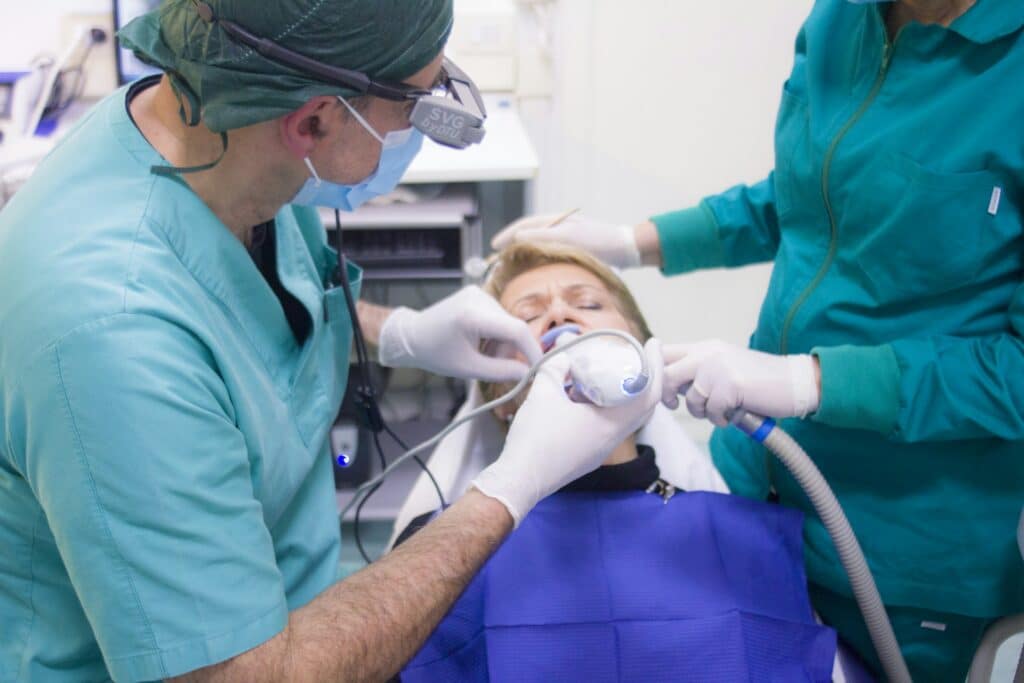
Sedation Dentistry

Have you ever felt nervous before going to the dentist? You’re not alone. Many people feel anxious about dental visits, but full sedation dentistry is here to change that. It’s a technique that helps make dental procedures as comfortable and pain-free as possible. Whether you need a routine cleaning or something more complex, having the assurance of a relaxed experience can make all the difference.

Our lives get busy, and often dental care takes a back seat when anxiety steps in. Full sedation dentistry offers a way to keep dental health a priority without the stress and discomfort. It’s about redefining how we experience dental treatments, making them something to look forward to rather than dread.

Understanding Full Sedation Dentistry

sedation dentistry

Full sedation dentistry is a method used by dental professionals to ensure that patients are completely relaxed and free of pain during various procedures. This type of sedation is deeper than just taking the edge off with a mild sedative. Here’s how it breaks down:

– Definition: Full sedation involves using medication to put patients in a deeply relaxed state. Unlike light sedation, this method often leaves patients with little to no memory of the dental procedure.

– Types of Sedation: There are several kinds of sedation used in dentistry. Nitrous oxide, also known as laughing gas, helps patients relax while staying fully awake. Oral sedation involves taking a pill that makes you drowsy, but you won’t be completely unconscious. The strongest form, general anesthesia, is reserved for more intensive treatments, where patients are put to sleep entirely.

– How it Works: The process typically begins with a thorough consultation to determine the patient’s needs. During the visit, medications are administered orally or through an intravenous line, depending on what’s best. The dentist monitors vital signs to ensure safety throughout the procedure. Patients often wake up feeling refreshed and wondering where the time went.

Understanding full sedation is the first step in making dental care a worry-free part of your health routine. This approach to dentistry promises peace of mind, allowing treatments to be completed without any stress or discomfort. Learn more about emergency dental care in Pickering.

Benefits of Full Sedation Dentistry

Full sedation dentistry offers several advantages that make dental visits easier for patients. First and foremost, it provides a pain-free experience. Many people avoid the dentist due to fear of discomfort, but full sedation ensures you won’t feel a thing during your treatment.

Another significant benefit is the reduction of anxiety and fear. Dental anxiety is common, leading many to postpone important treatments. With sedation, the stress and apprehension fade away, replacing them with calmness and tranquility. This allows patients to receive the care they need without any unnecessary worry or fear.

Sedation allows dentists to work more efficiently by performing multiple procedures in one visit. Since the patient is relaxed and not stressed, the dentist can focus on what needs to be done, making the process quicker and more efficient. This means fewer appointments are needed, saving time and effort for both patient and provider.

Who Can Benefit from Full Sedation Dentistry?

Sedation Dentistry

Full sedation dentistry isn’t just for those who are particularly anxious or fearful about dental visits. It’s beneficial for a wide range of individuals, ensuring comfort and effective care for many.

– Patients with Severe Dental Anxiety: For those who dread each trip to the dentist, sedation offers a safe space where worries melt away. It makes even the thought of dental care much more approachable.

– Individuals with a Low Pain Threshold: Some people are more sensitive to pain, making even routine procedures uncomfortable. Sedation helps manage this sensitivity, providing a completely comfortable experience.

– Patients Requiring Extensive Dental Work: For those who need multiple or lengthy procedures, dealing with it all in one go under sedation is ideal. It means not having to endure several visits and instead having a restful treatment journey.

What to Expect During Your Sedation Dentistry Visit

Understanding what happens during a sedation dentistry visit can ease any lingering fears or questions. Here’s what you’ll typically encounter:

– Before the Procedure: Initially, there’s a consultation where the dentist learns about your needs and medical history. You’ll receive guidance on how to prepare, such as any necessary fasting.

– During the Procedure: On the day of your appointment, sedation will be administered to help you relax according to what was discussed earlier. Once sedation sets in, treatment begins with the dental team monitoring your comfort and safety throughout.

– After the Procedure: Recovery typically involves resting while the sedation wears off. It’s normal to feel a bit groggy, so having someone to drive you home is advised. The dentist will provide advice on how to look after yourself post-procedure.

With full sedation dentistry, dental care becomes a much more relaxed and stress-free experience. This approach removes barriers that keep people from the dental chair, allowing for essential care without the unease and tension many fear. It’s a simple, reassuring way to maintain oral health in a manner that respects individual comfort and needs.

Discover how full sedation dentistry can transform your dental experience into a relaxed, stress-free visit. At Pickering Dental Services, we understand the importance of comfort during your procedures. Whether you face dental anxiety, have a low pain threshold, or need extensive treatment, this method can help. Learn more about how full sedation dentistry can make your next visit smoother and more comfortable.

Helpful Resources

For more information, visit the CDA Guide to Sedation Dentistry.

Schedule Your Appointment Today

Contact Pickering Square Dental to book your appointment with Dr. Marvin Lean. Call us at (905) 420-1777 or visit us at 1450 Kingston Rd, Unit #4, Pickering, ON.

Frequently Asked Questions

Is sedation dentistry safe?

Yes, sedation dentistry is very safe when administered by a trained dental professional. Dr. Lean at Pickering Square Dental monitors your vital signs throughout the procedure to ensure your comfort and safety.

Will I be unconscious during sedation dentistry?

It depends on the level of sedation. Mild sedation keeps you relaxed but awake. Moderate sedation may make you drowsy, though you can still respond. Deep sedation is used for complex procedures. Dr. Lean will recommend the right level for your needs.

How long does sedation last?

Nitrous oxide (laughing gas) wears off within minutes. Oral sedation may take a few hours to fully wear off, so you will need someone to drive you home. Our Pickering team will give you specific aftercare instructions.

Why Quick Response to Emergency Dental in Ajax Matters
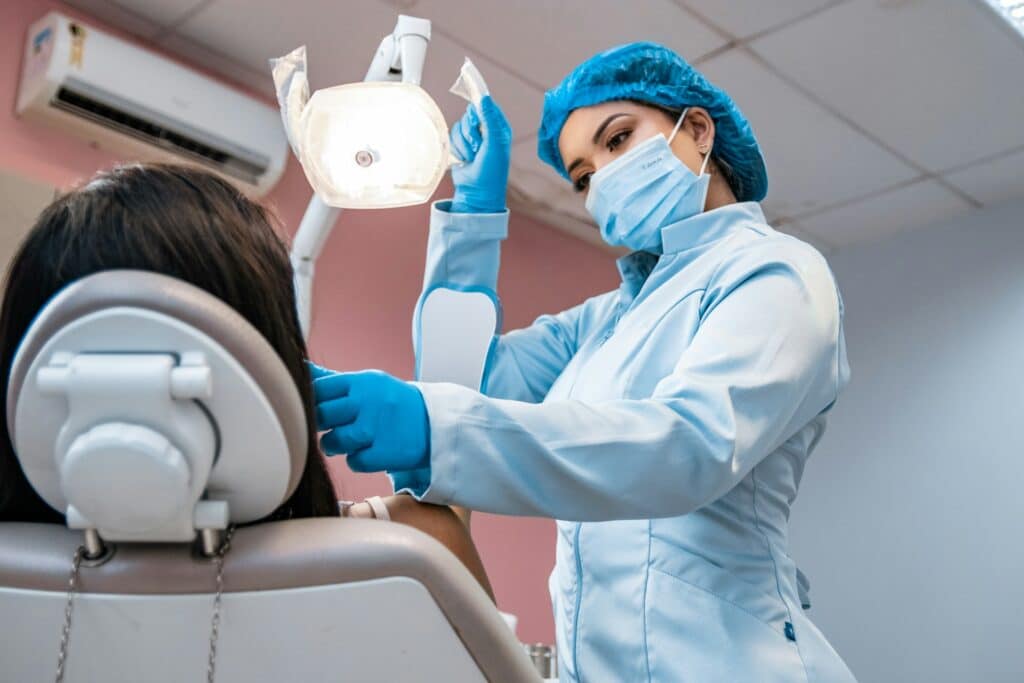
Dental Emergencies

When it comes to dental emergencies, quick action is key to ensuring the best possible outcome. A sudden toothache or a broken tooth can be alarming, but knowing how to handle these situations can significantly impact your oral health. Dental emergencies can strike without warning, leaving you in pain and distress. This makes understanding the importance of a swift response all the more crucial for preserving your smile and health.

Living with the uncertainty of knowing when a dental emergency might occur is daunting. From a toothache that keeps you up all night to a tooth getting knocked out during a friendly game, these emergencies require urgent attention. The sooner you act, the better your chances of preventing more serious complications down the road. Having a trusted dental provider in Ajax can make all the difference, ensuring you get the care you need when time is of the essence.

Common Dental Emergencies

dental implant

Dental mishaps can take many forms. Recognizing them quickly can help you react appropriately and minimize damage. Here’s a look at some common dental emergencies and the steps you can take:

– Toothaches:

– Rinse your mouth with warm water.

– Check for food or debris between your teeth and remove it with floss.

– If swelling is present, apply a cold compress to the outside of your cheek.

– Chipped or Broken Teeth:

– Save any pieces of the tooth you find.

– Rinse your mouth and the broken parts with warm water.

– Apply gauze to any area bleeding until it stops.

– Use a cold compress to reduce swelling on the face.

– Knocked-Out Tooth:

– Hold the tooth by the crown (the top), not the root.

– Rinse it with water if it’s dirty, but don’t scrub it.

– Try placing the tooth back in its socket. If that’s not possible, keep it in a glass of milk or water with a pinch of salt.

These emergencies require a prompt reaction to prevent complications. Acting swiftly with initial first aid steps can minimize pain and potential damage until you see a professional. Understanding your dental emergencies and knowing how to respond quickly can make all the difference. Taking preemptive steps when faced with these situations will provide relief and reduce the chance of needing more intensive dental procedures later on.

Why Quick Response Matters

Quick action during a dental emergency can be a game-changer. Immediate treatment helps minimize pain and stops further damage before it becomes severe. For instance, if a tooth gets knocked out, rushing to get professional help within the first hour can significantly increase the chances of saving that tooth. On the flip side, delaying treatment can lead to more extensive procedures down the line, which no one really wants.

When issues like infections or abscesses occur, prompt care can prevent them from spreading. Left untreated, these problems might evolve into serious health risks, involving other parts of the body. Additionally, appointing immediate care can often mean simpler treatments, sparing both discomfort and cost. Being proactive in such situations benefits your well-being and your pocket.

What to Do in a Dental Emergency

Dental Crowns

Handling a dental emergency smoothly can feel overwhelming, but knowing the steps can lower the stress. Here’s how to stay calm and effective:

1. Stay Calm:

– Keeping a clear head helps you make better decisions and follow steps accurately.

2. Assess the Situation:

– Determine if there is bleeding, swelling, or dislodged teeth.

– Rinse any blood or debris gently with warm water.

3. Immediate Action:

– Use gauze to stop any bleeding.

– Cold compresses can reduce swelling while easing pain.

4. Contact a Dentist:

– Get professional help quickly.

– If available, provide clear information about the emergency type.

Remembering these actions during an emergency can reassure and prepare you to manage the situation till professional help becomes available. Having a set plan can make all the difference in preserving your dental health.

Choosing Pickering Dental Services in Ajax

Selecting the right dental provider means everything when emergencies arise. Immediate response and thorough care in such situations can ease your stress and lead to better outcomes. The availability of skilled services that prioritize emergencies can assure you that help is within reach, whenever you might need it. Knowing a trusted source is just one call away offers peace of mind for both you and your family.

While most of us focus on prevention, it’s also beneficial to have reliable contact information on hand for emergencies. Having an emergency plan, including contact numbers, simplifies accessing the care one needs quickly and efficiently. This preparation ultimately ensures that, when the unexpected happens, you’re never handling it alone.

Ensure Dental Health and Avoid Future Emergencies

Being prepared is about more than just reacting; it’s about preventing emergencies from occurring in the first place. Good dental hygiene practices are your first line of defense. Regular brushing, flossing, and avoiding food that might damage your teeth will help maintain strong and healthy teeth.

Regular check-ups and professional cleanings are important, too. They help identify problems before they become emergencies, giving you a chance to address them early on. Staying informed about proper dental care and keeping up with scheduling regular visits makes a big difference. By prioritizing oral health, you reduce the chances of future issues and enhance not just your smile but your overall wellness.

In a dental emergency, having swift access to reliable care is crucial. If you find yourself facing a dental emergency in Ajax, the experienced team at Pickering Dental Services is ready to assist you with expert care and compassion. Our dedicated professionals prioritize your urgent needs, providing efficient and effective treatment to protect your smile and alleviate discomfort. Trust Pickering Dental Services to be your ally in emergencies, ensuring peace of mind and top-notch care.

Looking for professional help? Learn more about our emergency dental care at Pickering Square Dental or call (905) 420-1777 to book an appointment.

Helpful Resources

For more information, visit the CDA Dental Emergency Guide.

Frequently Asked Questions

What counts as a dental emergency?

Severe tooth pain, a knocked-out tooth, a cracked or broken tooth, uncontrolled bleeding, dental abscess, and lost fillings or crowns all qualify as dental emergencies. Call Pickering Square Dental at (905) 420-1777 for same-day emergency care.

Can I go to the emergency room for a dental emergency?

While the ER can manage pain and infection, they typically cannot perform dental procedures. A dental office like Pickering Square Dental is better equipped to treat the underlying cause. We reserve same-day appointments for emergencies.

What should I do if a tooth is knocked out?

Pick up the tooth by the crown, gently rinse it, and try to place it back in the socket. If that is not possible, keep it in milk or saliva. Get to our Pickering office within 30 minutes for the best chance of saving the tooth.