
Oral Sedation Dentistry: Making Dental Visits Comfortable
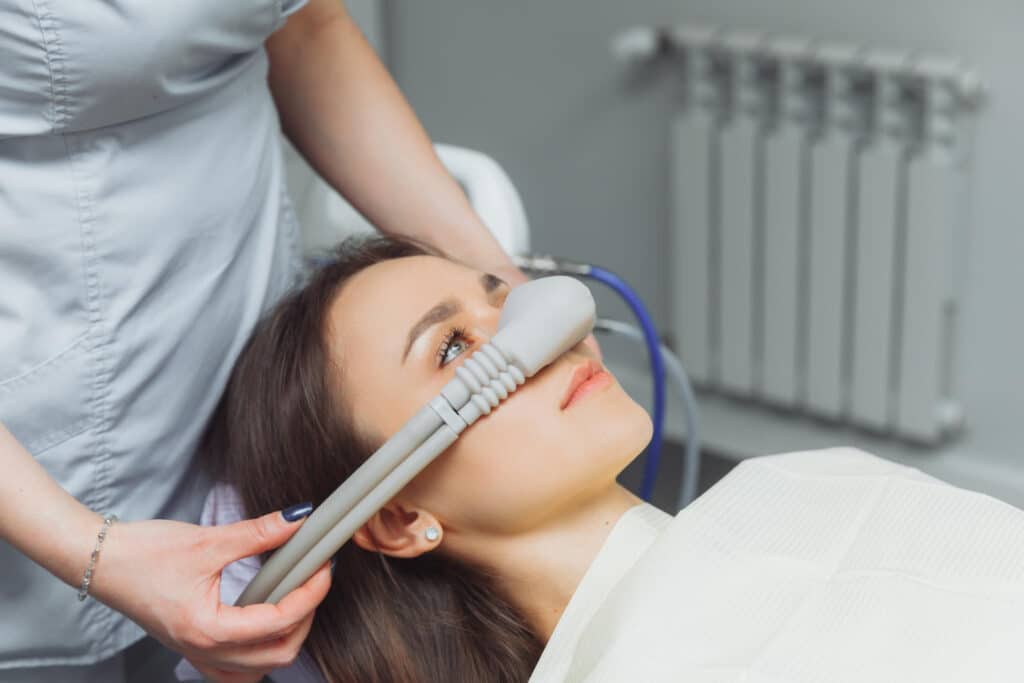
Sedation Dentistry

Visiting the dentist can sometimes bring about feelings of anxiety and nerves. This is especially true for those who have had less-than-pleasant experiences in the past. But imagine if those visits could be much more relaxed, so that you could feel at ease throughout? 

That’s where oral sedation dentistry comes into play. It is ideal for those looking to transform their dental visits into more comfortable experiences. With oral sedation, the stress and discomfort often associated with dental procedures can be significantly lessened, making it a preferred choice for many individuals.

Oral sedation dentistry is particularly important for making sure everyone has access to dental care without fear holding them back. It represents a shift towards patient-centered care, ensuring that comfort is a priority during treatments. 

Whether you’re undergoing a lengthy procedure or even a routine check-up, knowing that you can opt to be more relaxed during your visit can make all the difference. Let’s explore what oral sedation dentistry is all about and why it’s becoming a go-to for many seeking pleasant dental visits.

What Is Oral Sedation Dentistry?

Dental Emergency

Oral sedation dentistry involves the use of medications to help patients relax during dental procedures. It’s not about putting someone completely to sleep but rather about creating a calming effect that makes the experience smoother. Here is how it works:

– The Basics: Oral sedation typically involves taking a pill before your appointment. As the treatment time approaches, the medication begins to take effect, easing your nerves without inducing deep sleep. You remain awake and can communicate with the dentist, but your sense of anxiety eases significantly.

– Medications Used: Commonly used sedatives include diazepam or triazolam. These are well-known for their effectiveness and safety. Your dentist will choose the right one for you based on your needs. Learn more about emergency dental care in Pickering.

– Safety First: Oral sedation is considered safe when administered by a trained professional. Dentists assess health history beforehand to determine the appropriate dosage and ensure no underlying health conditions could interfere.

Understanding how oral sedation works can open the door to stress-free dental appointments. It combines the knowledge of safe medication practices with a focus on relaxation, allowing patients to receive the dental care they need without the usual worries. This approach is designed to improve not just the experience but also the outcomes, as it enables more efficient work without the interruption of anxiety-driven delays.

Benefits of Oral Sedation Dentistry

Oral sedation dentistry offers numerous benefits that can make dental visits much more pleasant. One of the major perks is its ability to significantly reduce anxiety and fear. Many people feel nervous at the dentist, but with oral sedation, those nerves can melt away. This calming effect makes it easier for patients to sit through procedures comfortably, without the stress that usually accompanies a visit to the dentist.

Pain management during procedures is another advantage. Sitting in the dentist’s chair can sometimes be uncomfortable due to sensitivities, but oral sedation makes this much more manageable. It allows for a more relaxed experience, making the time spent getting treated both stress-free and comfortable. Additionally, since patients are more relaxed, multiple procedures can often be completed in a single visit. This means fewer trips to the dentist, saving time and energy.

The overall dental experience is enhanced through oral sedation. With stress levels greatly reduced, both the dentist and the patient can focus more on achieving the best results. This approach also makes it easier to accomplish more complex dental work, improving not just the comfort but the long-term outcomes for patients.

Who Can Benefit from Oral Sedation Dentistry?

Family Dentists

Oral sedation is particularly beneficial for various types of patients. For those who have dental phobia or anxiety, sedation can transform their experience, making visits far less daunting. People with low pain tolerance may also find this option ideal, as it allows them to undergo treatments without discomfort.

Individuals with a strong gag reflex frequently find it challenging to undergo dental procedures. Oral sedation helps by calming reflexes, ensuring a smoother experience. It’s also a great choice for those requiring extensive dental work. By staying relaxed, patients can handle longer sessions, allowing dentists to achieve more substantial progress in one go.

What to Expect During Your Visit

Before heading to your appointment, there are a few things to keep in mind. Patients should plan ahead by following pre-visit instructions provided by their dental office. These guidelines ensure safety and effectiveness, preparing you for a seamless experience.

The oral sedation process begins with taking the prescribed medication. As it kicks in, you’ll start feeling more at ease, all set for the procedure. Throughout the appointment, your dentist and their team will monitor how you’re doing to make sure everything goes smoothly. After the dental work is complete, there are simple post-visit care tips to follow. These will help with recovery and ensure you feel your best afterwards.

Stay Relaxed and Confident with Oral Sedation Dentistry

Choosing oral sedation can transform how you view trips to the dentist, turning them into experiences free from stress and anxiety. By knowing what to expect, understanding who benefits most, and being aware of its advantages, dental visits can become a thing of ease and comfort. 

Plus, with a focus on enhanced treatment experiences and patient well-being, returning for regular check-ups or necessary treatments becomes a positive choice. All these aspects come together to support long-term dental health in a way that’s supportive and reassuring.

Discover the comfort and ease that oral sedation dentistry can bring to your next dental visit. At Pickering Dental Services, we prioritize your comfort and well-being, transforming potentially stressful appointments into serene experiences. 

Embrace a new level of relaxation and eliminate your dental anxiety by contacting us today to explore how our approach can make all the difference in your dental care journey. Take the first step towards a stress-free appointment now.

Helpful Resources

For more information, visit the CDA Guide to Sedation Dentistry.

Schedule Your Appointment Today

Contact Pickering Square Dental to book your appointment with Dr. Marvin Lean. Call us at (905) 420-1777 or visit us at 1450 Kingston Rd, Unit #4, Pickering, ON.

Frequently Asked Questions

Is sedation dentistry safe?

Yes, sedation dentistry is very safe when administered by a trained dental professional. Dr. Lean at Pickering Square Dental monitors your vital signs throughout the procedure to ensure your comfort and safety.

Will I be unconscious during sedation dentistry?

It depends on the level of sedation. Mild sedation keeps you relaxed but awake. Moderate sedation may make you drowsy, though you can still respond. Deep sedation is used for complex procedures. Dr. Lean will recommend the right level for your needs.

How long does sedation last?

Nitrous oxide (laughing gas) wears off within minutes. Oral sedation may take a few hours to fully wear off, so you will need someone to drive you home. Our Pickering team will give you specific aftercare instructions.

Emergency Dental Care in Pickering: Your Quick Response Guide
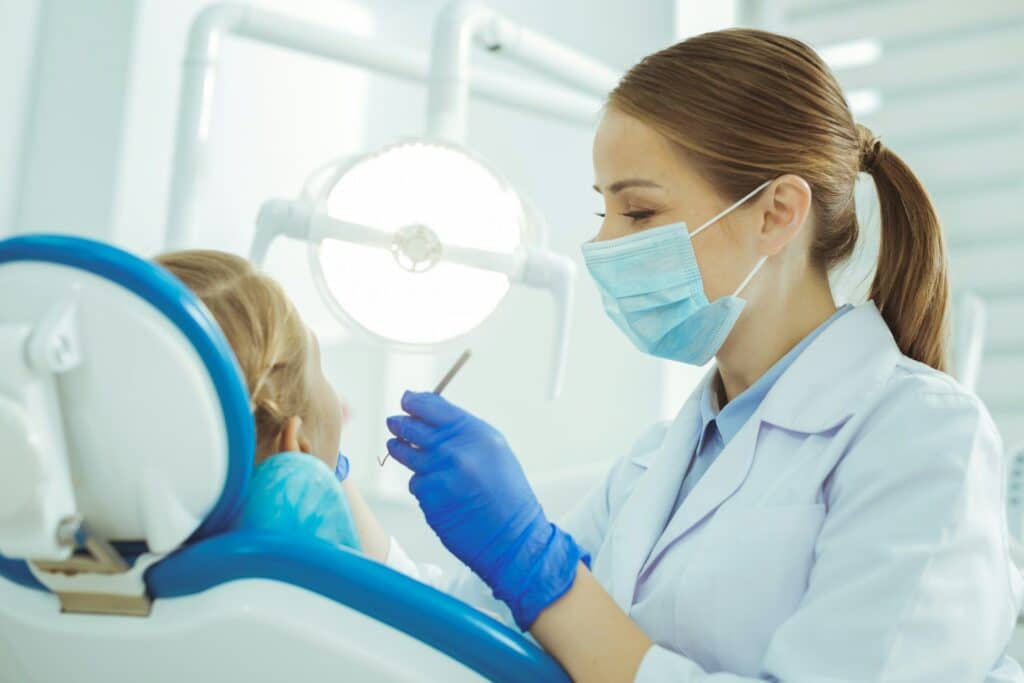
Emergency Dental

Picture this: you’re enjoying a meal with friends or perhaps leisurely strolling through Pickering when an unexpected dental emergency arises. Understanding how to handle such situations promptly can save not just your teeth but also spare you unnecessary discomfort. This guide will walk you through the essentials of handling dental emergencies effectively, focusing on common scenarios and what to do when they happen.

Dental emergencies can happen at any time, often causing a mix of pain and panic. Knowing how to tackle these situations beforehand can make all the difference. Whether it’s a sudden toothache, a chipped tooth, or something more severe, having a plan ensures you’re not caught off guard. Let’s delve into what constitutes a dental emergency and how you can act quickly to manage the situation.

Identifying Dental Emergencies

Oral Surgeon

Dental emergencies can vary from mild discomfort to serious issues, but how do you know when it’s genuinely an emergency? Here are some common dental emergencies to watch for:

1. Severe Toothache: A toothache is fairly common, but when the pain is intense and persistent, it signals a more significant issue. Watch out for pain that interrupts your sleep or doesn’t go away with over-the-counter pain relievers.

2. Chipped or Broken Teeth: Accidents happen, and when they do, teeth can get chipped or broken. Depending on the severity, a broken tooth can become painful and potentially lead to an infection if not treated promptly.

3. Knocked-Out Tooth: This is one of the more dramatic dental emergencies. If a tooth is knocked out completely, handling it with care and seeing a dentist immediately can often save it.

4. Lost Fillings or Crowns: Fillings and crowns protect vulnerable parts of your teeth. If one falls out, it exposes your tooth to damage and increases the risk of further complications.

5. Abscesses: An abscess is a serious infection that often presents as a painful swelling on the gums. This can lead to more severe health issues if not treated immediately. Learn more about contact our Pickering dental office.

Symptoms to look out for include sharp, throbbing pain, swelling in the mouth or face, a foul taste in the mouth, or extreme sensitivity to temperature. Remember, when it comes to dental health, erring on the side of caution is always better.

Immediate Steps to Take During a Dental Emergency

Knowing what to do when faced with a dental emergency can significantly influence the outcome. Here are the steps to follow for the scenarios mentioned:

– Severe Toothache: Rinse your mouth with warm water and gently floss to remove any lodged food. Avoid putting aspirin directly on the aching tooth or gums.

– Chipped or Broken Tooth: Save any pieces of the tooth if possible. Rinse your mouth with warm water and apply a cold compress to reduce swelling.

– Knocked-Out Tooth: Retrieve the tooth by the crown and rinse it if dirty, but don’t scrub it or remove any attached tissue. Try to put the tooth back in its place if possible, but if not, store it in milk or a tooth preservation product until you reach the dentist.

– Lost Fillings or Crowns: For a lost filling, stick a piece of sugarless gum into the cavity. With a lost crown, try slipping it back over the tooth, using a dental adhesive or toothpaste to hold it temporarily.

– Abscess: These can be quite serious. Rinse your mouth with mild salt water several times a day and contact a dentist immediately.

Acting swiftly and knowing these basic steps can help you manage dental emergencies while waiting for professional care.

Preventive Measures to Avoid Dental Emergencies

Dental Implants

While it’s important to know what to do during a dental emergency, prevention is always better. By taking certain steps, you can reduce the likelihood of finding yourself in a painful situation. Here are some preventative measures to keep in mind:

– Maintain Good Oral Hygiene: Brush your teeth twice daily and floss regularly. Good oral hygiene helps prevent tooth decay and gum disease, which can sometimes lead to emergency scenarios.

– Regular Dental Check-Ups: Visiting your dentist regularly can help catch potential problems before they become emergencies. Routine check-ups and cleanings are a good way to ensure your teeth remain healthy and strong.

– Wear Protective Gear: If you play contact sports or engage in activities where your face might take a hit, wearing a mouthguard can protect your teeth from getting knocked out or broken. It’s a simple step that can save you a world of trouble.

– Be Mindful of What You’re Eating: Hard candies, ice, and other tough foods can damage your teeth, especially if they’re already weak. Chew foods carefully and avoid using your teeth to open packages or cut things.

Why Choose Pickering Dental Services for Emergency Care

When a dental emergency strikes, professional intervention is essential for a proper resolution. Many people might feel the urge to handle things themselves, but it’s usually not a good idea. Professionals have the right tools and knowledge to handle emergencies safely and effectively. They can offer immediate relief and ensure your dental health doesn’t deteriorate further.

Emergency dental professionals can quickly assess the situation, providing the necessary treatment to prevent long-term damage. They can also offer advice on how best to manage pain and avoid complications. With their expertise, you can rest assured that you’re in good hands, knowing that prompt action is being taken to protect your smile.

Stay Prepared and Protect Your Smile

Being ready for unexpected dental emergencies is invaluable. Keeping a dental emergency kit with essentials like gauze, a small container for your knocked-out teeth, and over-the-counter pain medication can be handy. Make sure you have the contact information of your local dentist saved and easily accessible.

By understanding potential emergencies and taking preventive measures, you can protect your teeth more effectively. A little preparedness goes a long way. Remember, fast and proper care can make a difference between saving a tooth and losing one, so it’s always wise to seek professional help without delay. Take care of your teeth, and they will take care of you.

When a dental emergency strikes, having a plan can make all the difference. Pickering Dental Services is here to ensure you receive swift and professional care during these urgent times. With our expertise in emergency dental care in Pickering, you can handle unexpected dental issues with ease and confidence. Trust us to help protect your smile when it matters most.

Helpful Resources

For more information, visit the CDA Dental Emergency Guide.

Schedule Your Appointment Today

Contact Pickering Square Dental to book your appointment with Dr. Marvin Lean. Call us at (905) 420-1777 or visit us at 1450 Kingston Rd, Unit #4, Pickering, ON.

Frequently Asked Questions

What counts as a dental emergency?

Severe tooth pain, a knocked-out tooth, a cracked or broken tooth, uncontrolled bleeding, dental abscess, and lost fillings or crowns all qualify as dental emergencies. Call Pickering Square Dental at (905) 420-1777 for same-day emergency care.

Can I go to the emergency room for a dental emergency?

While the ER can manage pain and infection, they typically cannot perform dental procedures. A dental office like Pickering Square Dental is better equipped to treat the underlying cause. We reserve same-day appointments for emergencies.

What should I do if a tooth is knocked out?

Pick up the tooth by the crown, gently rinse it, and try to place it back in the socket. If that is not possible, keep it in milk or saliva. Get to our Pickering office within 30 minutes for the best chance of saving the tooth.