
Everything You Need to Know About Dental Crowns and Bridges
Dental-Bridges

Having a healthy and beautiful smile is important for everyone. Dental crowns and bridges are common solutions for restoring damaged or missing teeth. They help improve both the function and appearance of your teeth. Understanding what these dental treatments are, the materials used, and how the procedures work can help you make informed decisions about your oral health.

Dental crowns are caps that cover a damaged tooth, making it stronger and improving its shape and appearance. They are often used when a tooth has a large filling and not much natural tooth left, or after a root canal. Bridges, on the other hand, are used to replace one or more missing teeth. They are anchored to the surrounding teeth or implants, filling in the gap and restoring your smile.

At Pickering Dental Services, we believe that knowing more about your treatment options can help ease any worries you might have. With that in mind, let’s explore what dental crowns and bridges are, the different materials they can be made from, the steps involved in getting them, and how to care for them to ensure they last a long time. 

What Are Dental Crowns and Bridges?

Oral Surgeons

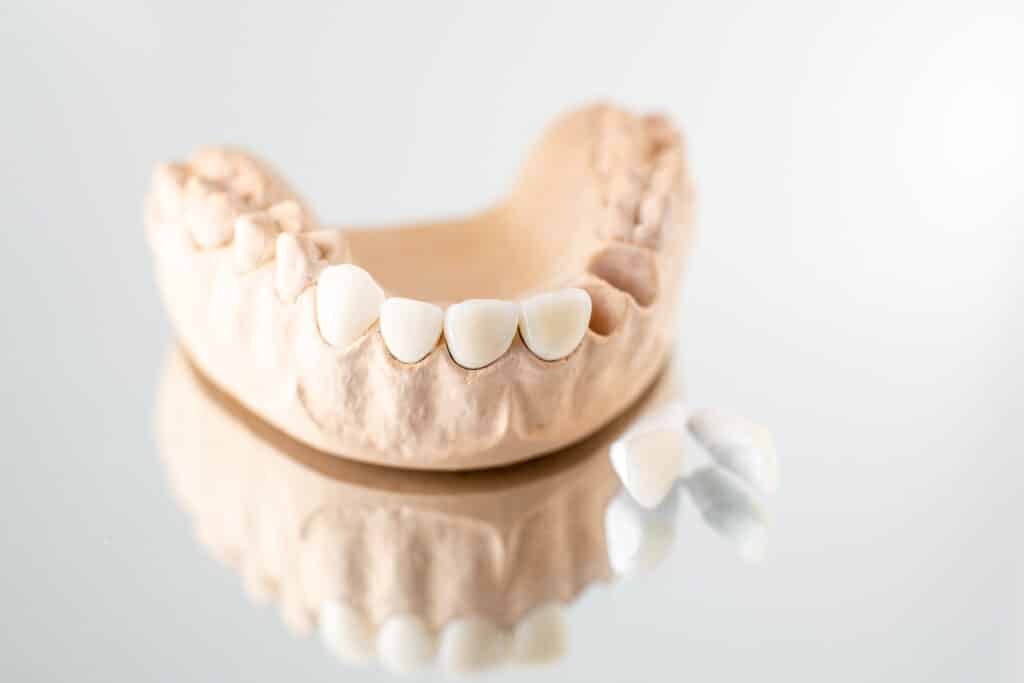
Dental crowns and bridges are two types of dental restorations that help repair damaged or missing teeth. A dental crown, also known as a cap, is placed over a damaged tooth to restore its shape, size, strength, and appearance. 

Crowns are typically used for teeth that are cracked, worn down, or have large fillings. By covering the tooth, they provide protection and support, helping the tooth function like a normal, healthy tooth.

A dental bridge, on the other hand, is used to replace missing teeth. It consists of two or more crowns for the teeth on either side of the gap, known as abutment teeth, and a false tooth (or teeth) in between. 

The false tooth, called a pontic, can be made from various materials such as gold, alloys, porcelain, or a combination of these materials. Bridges are anchored to the surrounding teeth or dental implants to ensure they stay in place, providing both functional and aesthetic benefits.

Materials Used for Dental Crowns and Bridges

Dental crowns and bridges can be made from several different materials, each offering its unique advantages. Here are some of the most common materials used: Learn more about family dentistry services in Pickering.

1. Porcelain:

Porcelain crowns and bridges are popular because they closely mimic the natural look and feel of teeth. They can be colour-matched to the surrounding teeth, making them an ideal choice for front teeth. However, while they are aesthetically pleasing, they may not be as strong as other materials.

2. Metal:

Metal crowns and bridges, made from gold or alloys, are known for their durability and strength. They are less likely to chip or break, making them a good choice for molars where the chewing force is higher. However, their metallic colour makes them less suitable for visible front teeth.

3. Porcelain-Fused-to-Metal (PFM):

PFM crowns and bridges combine the strength of metal with the natural appearance of porcelain. The metal structure provides excellent support, while the porcelain overlay gives a tooth-like appearance. This makes PFM a versatile and commonly used material in many dental restorations.

4. Zirconia:

Zirconia crowns and bridges are known for their strength, durability, and natural look. Zirconia is a high-quality ceramic material that can withstand substantial wear and tear while maintaining a pleasing appearance. It is a popular choice for both front and back teeth due to its combination of aesthetics and functionality.

Choosing the right material for your dental crowns and bridges depends on your individual needs, including the location of the tooth, aesthetic preferences, and budget. Discussing these options with your dentist will help you make the best decision for your oral health.

The Procedure for Getting Crowns and Bridges

Family Dentist

The process of getting dental crowns and bridges usually involves two visits to the dentist. The first visit includes preparation and taking impressions, while the second visit focuses on fitting and placing the crowns or bridges.

First Visit: Preparation and Impressions

During your first visit, we will examine your teeth to ensure that a crown or bridge is the right solution for your dental issue. For a crown, the dentist will shape your tooth by removing a small amount of the surface to make room for the crown. If you’re getting a bridge, the dentist will prepare the abutment teeth by removing a portion of them to fit the crowns that will support the bridge.

After shaping your teeth, we will take impressions using a mould or digital scanner to create a precise model of your mouth. This model helps in crafting custom crowns or bridges that fit perfectly. A temporary crown or bridge will be placed to protect your teeth until the permanent one is ready.

Second Visit: Fitting and Placement

On your second visit, the dentist will remove the temporary crown or bridge and check the fit and colour of the permanent one. Adjustments may be made to ensure it fits comfortably and looks natural. Once everything is perfect, the permanent crown or bridge is cemented into place. We will check your bite to make sure it is aligned properly.

Caring for Your Dental Crowns and Bridges

Taking care of your dental crowns and bridges is essential for ensuring they last a long time. With proper maintenance, they can stay in good condition and function well for many years. Here are some tips to help you care for your crowns and bridges:

1. Good Oral Hygiene

Brush your teeth at least twice a day using a fluoride toothpaste. Make sure to clean all surfaces of your teeth and focus on the area where the crown or bridge meets your gums. Floss daily to remove food particles and plaque between your teeth and around the crown or bridge.

2. Regular Dental Check-ups

Visit us regularly for check-ups and cleanings. During these visits, we will check the condition of your crowns and bridges to ensure they are still in good shape. Professional cleanings can remove any built-up plaque or tartar that regular brushing and flossing might miss.

3. Avoid Hard Foods

While crowns and bridges are durable, they can still be damaged by hard or sticky foods. Avoid chewing on ice, hard candies, or other hard objects that can crack or loosen your dental work. Also, be cautious with sticky foods that can pull at the crown or bridge.

4. Protect Against Teeth Grinding

If you grind your teeth at night, consider wearing a mouthguard to protect your crowns and bridges. Grinding can cause significant wear and tear on your dental restorations, and a mouthguard provides an extra layer of protection.

Enhance Your Oral Health: Understanding Dental Restorations

Dental crowns and bridges are effective solutions for restoring damaged or missing teeth. By understanding the procedures involved and the materials used, you can make informed decisions about your dental care. Proper maintenance and regular check-ups are essential for ensuring that your crowns and bridges last a long time and continue to function well.

At Pickering Dental Services, we are dedicated to providing top-quality dental care to help you maintain a healthy, beautiful smile. Whether you need a dental crown, bridge, or other dental services, we are here to assist you. If you have any questions or would like to schedule an appointment, contact our team of the best dentists in Pickering today. Let us help you achieve the best possible oral health and a confident smile!

Helpful Resources

For more information, visit the Canadian Dental Association Oral Health.

Schedule Your Appointment Today

Contact Pickering Square Dental to book your appointment with Dr. Marvin Lean. Call us at (905) 420-1777 or visit us at 1450 Kingston Rd, Unit #4, Pickering, ON.

Frequently Asked Questions

How often should I visit the dentist?

The Canadian Dental Association recommends visiting your dentist at least twice a year for regular check-ups and cleanings. Some patients may need more frequent visits depending on their oral health needs. Call Pickering Square Dental at (905) 420-1777 to schedule your next appointment.

Do you accept the Canadian Dental Care Plan (CDCP)?

Yes, Pickering Square Dental participates in the Canadian Dental Care Plan. Our team can help you understand your coverage and ensure you receive the dental care you need. Contact us for more details about CDCP eligibility and benefits.

What services does Pickering Square Dental offer?

We offer a full range of dental services including family dentistry, emergency dental care, sedation dentistry, dental implants, laser dentistry, teeth whitening, root canal therapy, dental extractions, periodontal care, and cosmetic dentistry. Dr. Lean and our team serve patients in Pickering, Ajax, Whitby, and Scarborough.

How Can Help Kids Feel Comfortable at the Dentist
Kids-Feel-Comfortable-at-the-Dentist

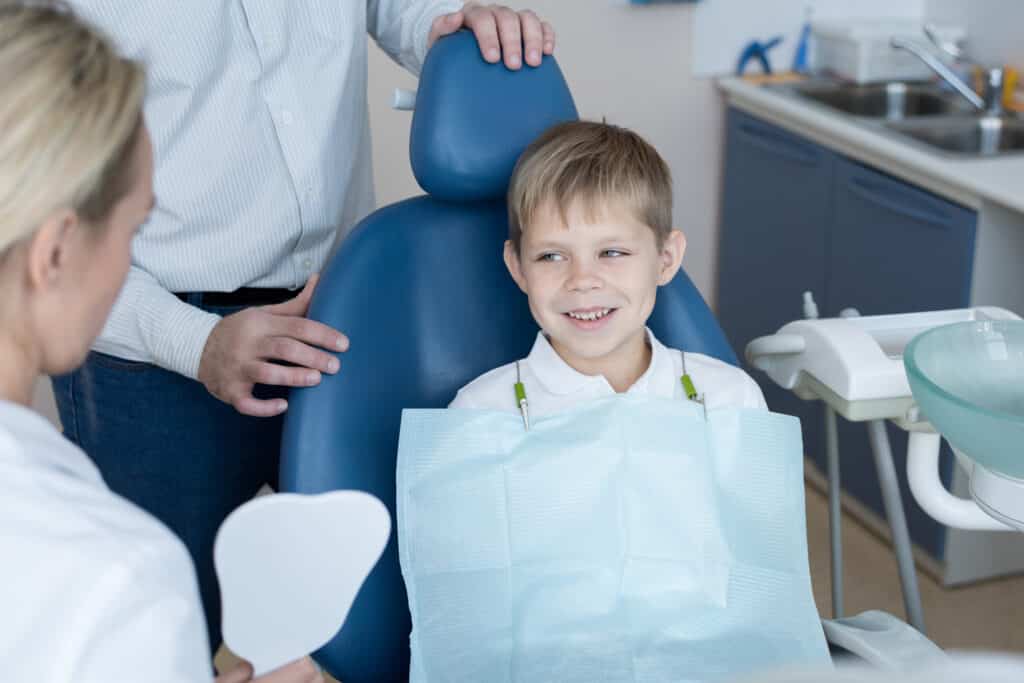
Taking your child to the dentist can be a challenging experience, especially if they feel scared or anxious. Dental anxiety is common among children and can prevent them from getting the care they need. Many kids feel nervous about visiting the dentist because they don’t know what to expect, or they may be afraid of potential pain and discomfort.

To help address these fears and make dental visits more comfortable for kids, we offer sedation dentistry. Sedation can help calm a child’s nerves, making it easier for them to relax during their appointment. This approach ensures that your child receives necessary dental treatments and helps create a positive experience that can reduce anxiety in the future.

So, let’s explore how sedation can help kids feel comfortable at the dentist. We will discuss the different types of sedation used, the benefits of sedation for children, and how to prepare your child for a sedation dentistry appointment. By understanding these aspects, you can help your child feel more at ease and ensure they maintain good oral health with less stress and anxiety.

Understanding Dental Anxiety in Children

Emergency Dental

Dental anxiety is quite common among children, especially if they haven’t had many dental visits before. This anxiety can stem from various sources. Some kids may fear the unknown, while others might be scared of potential pain or discomfort. The sounds, sights, and smells of a dental office can also contribute to their nervousness.

It’s important to recognise the signs of dental anxiety in children. These signs may include crying, fidgeting, and refusal to sit in the dental chair. Some children might even experience physical symptoms like stomachaches or headaches before a dental visit. Understanding these signs can help us better manage their anxiety and make their dental experience more positive.

To help ease this anxiety, we take extra steps to make our office a child-friendly environment. We explain procedures in simple terms and allow children to ask questions. Creating a friendly and welcoming atmosphere can go a long way in reducing fear and making dental visits less stressful for kids.

Types of Sedation Used in Pediatric Dentistry

There are different types of sedation that can be used to help children feel more comfortable during dental procedures. The type of sedation used depends on the child’s level of anxiety and the complexity of the dental treatment. Learn more about Canadian Dental Care Plan.

1. Nitrous Oxide (Laughing Gas):

Nitrous oxide is a mild sedative that helps children relax. It is administered through a small mask placed over the nose. Children breathe in the gas, which helps them feel calm and sometimes a bit giggly. This type of sedation wears off quickly, allowing children to return to their normal activities soon after the procedure.

2. Oral Sedation:

For children with moderate anxiety or those undergoing longer procedures, oral sedation may be used. This involves giving the child a liquid medication to drink before the appointment. The medication makes the child sleepy but still conscious and able to follow instructions. The effects take a bit longer to wear off, so rest is needed after the visit.

3. IV Sedation:

Intravenous (IV) sedation is used for children who need more profound relaxation or have severe anxiety. The sedative is administered through a vein, and it works quickly to make the child deeply relaxed. An anesthesiologist usually monitors the child throughout the procedure to ensure safety.

4. General Anaesthesia:

In some cases, general anaesthesia is necessary. This type of sedation puts the child into a deep sleep, so they are completely unaware of the procedure. It is often used for very young children or those with special needs who cannot tolerate other forms of sedation.

By matching the type of sedation to each child’s needs, we can ensure a more comfortable and stress-free dental experience.

Benefits of Sedation for Kids at the Dentist

Dental Care

Sedation offers several benefits for children during dental visits. It helps to reduce anxiety and fear, making the experience more pleasant for both the child and the dentist. When children are calm and relaxed, procedures can be performed more efficiently and effectively.

One significant benefit of sedation is that it allows the child to remain still, which is important for the accuracy of dental work. For more complex procedures or longer treatments, sedation ensures that the child is comfortable and cooperative. This helps to avoid any sudden movements that could interfere with the procedure.

Sedation also helps in managing pain, which is a major concern for many children. By minimising pain and discomfort, sedation makes dental visits less traumatic. As a result, children are more likely to have a positive attitude towards future dental visits, helping them maintain good oral health habits as they grow older.

Preparing Your Child for a Sedation Dentistry Appointment

Preparing your child for a sedation dentistry appointment is crucial for ensuring everything goes smoothly. Start by explaining the procedure in simple, reassuring terms. Let your child know that the sedation will help them feel relaxed and comfortable.

Before the appointment, follow any instructions we provide. This may include dietary restrictions, like not eating or drinking for a certain period of time before the procedure. Make sure your child wears comfortable clothing and brings a favourite toy or blanket for added comfort.

During the appointment, be there to support your child. Your presence can provide the reassurance they need to feel safe. After the procedure, follow any aftercare instructions carefully, such as monitoring your child as the sedation wears off and ensuring they get plenty of rest.

Stress-Free Dental Visits: The Importance of Pediatric Sedation

Sedation dentistry in Pickering can be a game-changer for children who experience anxiety and fear during dental visits. By understanding dental anxiety and the types of sedation available, you can help your child have a more comfortable and positive dental experience. 

The benefits of sedation are significant, making it easier for children to receive necessary dental care without unnecessary stress. Preparation plays a key role in ensuring that the sedation process is smooth and effective.

At Pickering Dental Services, our goal is to provide compassionate and caring dental care for your entire family. If you’re interested in learning more about how sedation can help your child feel comfortable at the dentist, don’t hesitate to reach out to us. 

Helpful Resources

For more information, visit the Canadian Dental Association Oral Health.

Schedule Your Appointment Today

Contact Pickering Square Dental to book your appointment with Dr. Marvin Lean. Call us at (905) 420-1777 or visit us at 1450 Kingston Rd, Unit #4, Pickering, ON.

Frequently Asked Questions

How often should I visit the dentist?

The Canadian Dental Association recommends visiting your dentist at least twice a year for regular check-ups and cleanings. Some patients may need more frequent visits depending on their oral health needs. Call Pickering Square Dental at (905) 420-1777 to schedule your next appointment.

Do you accept the Canadian Dental Care Plan (CDCP)?

Yes, Pickering Square Dental participates in the Canadian Dental Care Plan. Our team can help you understand your coverage and ensure you receive the dental care you need. Contact us for more details about CDCP eligibility and benefits.

What services does Pickering Square Dental offer?

We offer a full range of dental services including family dentistry, emergency dental care, sedation dentistry, dental implants, laser dentistry, teeth whitening, root canal therapy, dental extractions, periodontal care, and cosmetic dentistry. Dr. Lean and our team serve patients in Pickering, Ajax, Whitby, and Scarborough.