
Speaking is a complex process that uses a combination of body parts, such as the tongue, lips, teeth, and vocal tract, to create sounds. If one of these structures does not function properly, it can affect how someone speaks, for example, causing them to slur their words or have a lisp. Generally, when we talk, the tongue touches the teeth or the roof of the mouth to help form sounds. While not all sounds require teeth, many do.
To understand how important teeth are for speaking, try saying a phrase without using your upper and lower teeth or your lips and tongue. For example, try saying, “the time is now,” without letting your teeth touch or using your lips and tongue. It’s hard, right? Unfortunately, not everyone is gifted with the necessities to speak properly, and some of us lose them over time. We’re talking about teeth.
How Missing Teeth Can Cause Speech Problems

Missing teeth can cause serious speech problems. People with missing teeth may find it difficult to pronounce certain words, or the words may be hard for others to understand. Additionally, people with missing teeth may experience a lisp or other speech impediment.
The main reason missing teeth can cause speech problems is because of the way the mouth and tongue move when speaking. The teeth help form sounds by providing a surface for the tongue to press against. Without the teeth, the tongue may not be able to form certain sounds properly, resulting in slurred words or difficulty pronouncing certain words. Learn more about teeth whitening and aesthetics.
Another reason missing teeth can lead to speech difficulties is how the mouth is shaped. If a person has a missing tooth, the shape of the mouth will be different than someone with a full set of teeth. This can affect the way the air passes through the mouth when speaking, leading to difficulty in forming certain sounds.
Finally, missing teeth can cause speech problems due to the psychological impact they can have. People who are missing teeth may feel self-conscious or embarrassed, leading to a lack of confidence and difficulty speaking in public.
How Dental Implants Can Help Solve Speech Problems
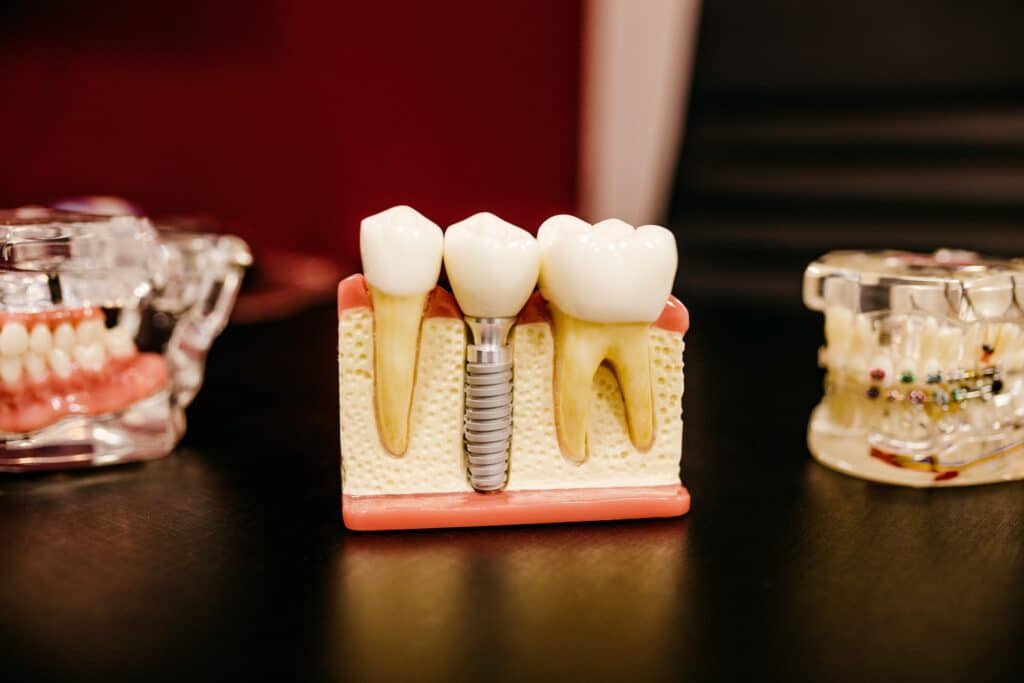
Dental implants are a popular solution for replacing missing teeth. They are designed to look and feel like natural teeth and can last for many years when cared for properly. But did you know that dental implants can also help to solve speech problems?
It’s true! The implant acts like a tooth root and is surgically placed into the jawbone. When the implant heals, it is securely attached to the bone and can support a false tooth or bridge. This helps to restore the normal position of the tongue, which can improve your speech.
In addition to restoring your speech, dental implants can also help to improve your overall oral health. This is because the implant helps to keep the jawbone healthy and strong. When teeth are missing, the jawbone can start to deteriorate, and this can cause further problems such as shifting teeth, gum disease, and even face shape changes. By restoring the jawbone with an implant, you can help to maintain the strength and health of your mouth.
Conclusion

If you are missing teeth and are experiencing speech problems, dental implants can be a great solution. They can help to restore your natural speech and improve your oral health. So, if you want to find out if dental implants are right for you, talk to your dentist today!
Pickering Dental Services offers the best preventative dental care for everyone, giving a lifetime’s worth of beautiful smiles. If you are looking for dental implants in Ajax, book an appointment with us today.
Helpful Resources
For more information, visit the Canadian Dental Association on Dental Implants.
Schedule Your Appointment Today
Contact Pickering Square Dental to book your appointment with Dr. Marvin Lean. Call us at (905) 420-1777 or visit us at 1450 Kingston Rd, Unit #4, Pickering, ON.
Frequently Asked Questions
How long do dental implants last?
With proper care and regular dental check-ups, dental implants can last 25 years or more. Many patients enjoy their implants for a lifetime. At Pickering Square Dental, Dr. Lean uses high-quality titanium implants designed for long-term durability.
Are dental implants painful?
Most patients report less discomfort than expected. The procedure is performed under local anaesthesia, and sedation options are available. Post-procedure soreness typically resolves within a few days with over-the-counter pain relief.
Am I a candidate for dental implants?
Most adults with good general health are candidates for dental implants. You need adequate jawbone density to support the implant. Dr. Lean will assess your bone health and overall suitability during a consultation at our Pickering office.