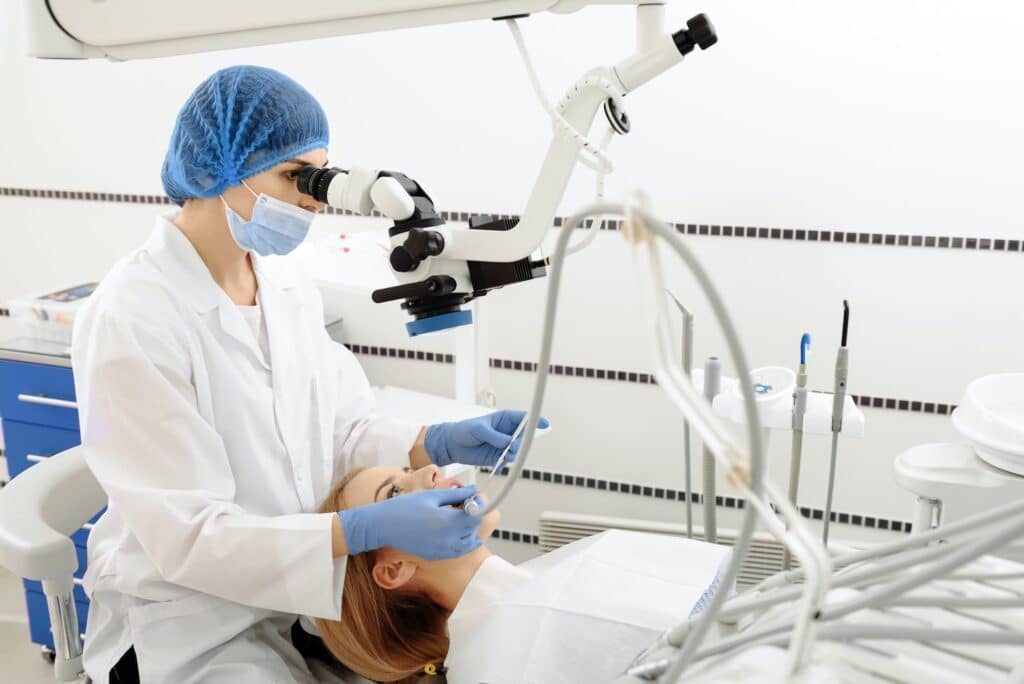
What Pickering Dental Extraction Means for Healing Time

Dental Extraction

Not everyone heals at the same speed after a dental procedure. When it comes to a Pickering dental extraction, the healing process can depend on a few different things. Knowing what usually happens after a tooth is removed and what might slow things down makes recovery a little more manageable.

February around Ajax, Whitby, Pickering, and Scarborough often means cold mornings, dry air, and a slower routine. These weather changes affect the body in small ways, and that includes how it feels as it heals. Whether you’re headed back to work, school, or just trying to stay warm, being prepared helps the healing go more smoothly.

Healing after dental work is a unique experience for each person, shaped by both your body and how you care for yourself. Some people might feel fine after a few days, while others need a bit more time. Recognizing these differences can relieve worry and help you feel more in control. For many, the winter months mean a greater focus on personal comfort and extra self-care, creating ideal conditions for letting your mouth recover.

What Happens After a Tooth is Removed

smiling

Once a tooth is taken out, your body starts healing right away. It’s a quiet process, but a lot is happening behind the scenes.

• Within the first 24 hours, a blood clot forms in the empty socket.

• Mild swelling, aching, or a little bleeding is common during this early stage.

• The clot protects the bone and soft tissue underneath and shouldn’t be disturbed.

The first day after extraction is the most critical for forming this protective clot. Resting with your head up, using gentle cold compresses on your cheek, and avoiding any activity that disturbs your mouth gives your body the best chance to recover smoothly. It is best to avoid talking too much, eating hard foods, or spitting, since even simple things can upset the healing tissue.

The days that follow bring slow but steady changes. New tissue begins forming to close the gap. It’s a good time to rest and let your body focus on recovery. Avoiding busy activities or pressure on the area helps the mouth do its job without interruption.

Keeping your mouth clean with gentle rinsing after the first 24 hours will support tissue growth, and avoiding foods that could get stuck in the socket (like popcorn or seeds) lowers the chance of irritation. As the week passes, you might notice tenderness easing and the surface of the extraction site becoming pink and healthier looking.

Things That Can Affect Healing Time

Not all healing time is the same. Some people bounce back quickly, while others take a little longer. A few key things can shape how fast that healing happens.

• Age and general health both play a role. Younger bodies may heal faster, but even older adults can recover well with the right care.

• The kind of tooth removed matters. Molars can leave a larger space. Learn more about sedation dentistry options.

• Following post-care steps closely helps avoid problems and keeps things on track.

Clear communication with your dental team and paying close attention to changes from day to day helps you adapt as you go. For example, some medicines or ongoing health issues might make the process slower, but being careful with self-care makes a big difference.

Winter weather in Pickering could also factor in. People tend to move less during colder days, which might reduce swelling. But less movement paired with dry indoor air or missed hydration can slow tissue repair. Staying steady with everyday care makes a real impact.

At Pickering Dental Services, our dental extraction services include a complete discussion of care instructions and suitable sedation options to help each patient heal as comfortably as possible.

Along with the factors above, remember to tell your dentist about any medical conditions, such as diabetes or circulatory problems, as these may change the way your mouth repairs itself. Cold season and general winter discomfort may result in less energy or an increased urge to rest indoors, which, if used to focus on healing, can be beneficial. If ignored, though, it may leave you less likely to drink enough water or keep up with gentle oral care. Planning for these things increases your chances for a steady recovery.

Common Problems That Can Slow Things Down

smiling

It’s not uncommon for healing to take a detour when the site is bothered too much or isn’t cared for the right way. The area where the tooth used to be needs to stay clean, but gentle.

One issue that may come up is a dry socket. This happens when the blood clot is lost early, and the bone becomes exposed. It can bring sharp pain and delay healing.

Here are some ways recovery can get knocked off track:

• Poking or touching the site with fingers or a toothbrush.

• Skipping salt water rinses or using strong mouthwash too soon.

• Smoking, drinking through straws, or chewing near the socket.

Repeated habits like chewing on the side of the mouth where the extraction happened or brushing too hard can break the clot that is protecting the socket. Even little slips, like using a straw or forgetting not to spit after rinsing, can make the healing process start over or cause extra pain.

Even small habits, if repeated, can cause trouble. Watching out for them in those first few days helps reduce chances of setbacks.

We provide both standard and surgical dental extractions and supply recovery instructions for every patient, including tips for minimizing the chance of issues like dry socket or infection.

If you notice stronger pain after the third day, or see white bone in the gap, call your dental office right away. While mild discomfort is part of the healing process, new or stronger pain should be checked as it may need a simple solution or extra support.

Simple Ways to Support a Good Recovery

Healing well often comes down to what you do during the quiet moments.

• Stick to soft foods like soups, yogurt, or scrambled eggs.

• Drink plenty of water even if you’re not feeling thirsty.

• Avoid lifting heavy things, including bags or weights at the gym.

Choose meals that are easy to eat and do not irritate the site. Warm, smooth soups can be soothing on cold days and offer the nutrients needed for healing. Yogurt, mashed potatoes, and oatmeal are good choices. It’s better to eat small amounts often, especially if you aren’t feeling very hungry after the procedure.

With winter still hanging on, stay warm on days when you have to go outside. A quick trip in the cold without proper layers could lead to discomfort or extra tiredness. Keep a blanket nearby if you’re resting on the couch or waking early for an appointment.

Sleep matters too. Even just an extra hour here and there gives the body more time to rebuild. If you’re feeling stressed, take short breaks. Less tension can help ease soreness and make rest easier.

Light activity is fine, but pushing too hard can increase swelling or bleeding. If it’s hard to sleep due to mild pain, a cool compress on the cheek may help. Staying ahead with gentle routines, like slow salt water rinses after meals (starting the next day), helps keep the area clean and moving in the right direction.

Share your feelings with friends or family, especially if you feel anxious or a bit down after the extraction. This support can improve your mood and help you stay committed to your care. Recovery is as much about your mind as your mouth.

Keep track of any instructions you are given by your dental team, and check in by phone if you feel unsure. Knowing what’s normal and when to ask a question removes worry and makes the healing process feel safer and more predictable.

A Smoother Path Toward Feeling Better

Recovering from a Pickering dental extraction doesn’t always look the same for everyone. The more people understand about the steps involved, the easier the process becomes. A little patience and a basic care routine go a long way.

Late winter might feel like a drag, but it’s also a chance to slow down and heal properly. If you pace yourself, check in with your mouth each day, and ask for help when needed, most people notice steady improvement. With the right habits and a little awareness, most people find recovery manageable and fewer surprises along the way.

Staying focused on comfort and balance, and remembering that winter is a fine time to heal, means letting your mouth recover without pressure to rush. You can give yourself the best chance for a smooth experience and return to your old self with confidence and care.

Recovering after tooth removal is easier with support, and at Pickering Dental Services, we guide you through each step so you feel confident and cared for. Whether you’re adjusting to changes in your daily routine or looking for advice about your recovery, our team is here to help ensure a smooth experience after a Pickering dental extraction. Reach out today to book your appointment or ask any questions you may have about your recovery process.

Helpful Resources

For more information, visit the CDA on Tooth Extraction.

Schedule Your Appointment Today

Contact Pickering Square Dental to book your appointment with Dr. Marvin Lean. Call us at (905) 420-1777 or visit us at 1450 Kingston Rd, Unit #4, Pickering, ON.

Frequently Asked Questions

How often should I visit the dentist?

The Canadian Dental Association recommends visiting your dentist at least twice a year for regular check-ups and cleanings. Some patients may need more frequent visits depending on their oral health needs. Call Pickering Square Dental at (905) 420-1777 to schedule your next appointment.

Do you accept the Canadian Dental Care Plan (CDCP)?

Yes, Pickering Square Dental participates in the Canadian Dental Care Plan. Our team can help you understand your coverage and ensure you receive the dental care you need. Contact us for more details about CDCP eligibility and benefits.

What services does Pickering Square Dental offer?

We offer a full range of dental services including family dentistry, emergency dental care, sedation dentistry, dental implants, laser dentistry, teeth whitening, root canal therapy, dental extractions, periodontal care, and cosmetic dentistry. Dr. Lean and our team serve patients in Pickering, Ajax, Whitby, and Scarborough.

What Happens During a Dental Extraction in Pickering

Dental Extraction

If you’re scheduled for a Pickering dental extraction or think you might need one, you’re probably wondering what to expect. That’s completely normal. Dental extractions can sound a bit intimidating, especially if it’s your first. It helps to understand what will happen and how the steps work from start to finish. That way, things feel more certain and less stressful going in.

Since January can bring cold, icy weather to Pickering and nearby areas like Ajax, Whitby, and Scarborough, it’s a good time to plan ahead with your winter routine in mind. Whether you’re preparing for healing or just getting to and from your appointment, knowing how the process works can make it easier during this season.

Reasons a Tooth Might Need to Be Removed

Teeth Whitening

There are a few common reasons we might need to take out a tooth. Some issues can be spotted during regular checkups, while others come up because of pain or discomfort.

• Severe tooth decay that has damaged a tooth beyond repair

• Injury from an accident or fall where the tooth can’t be saved

• Overcrowding that makes it hard for other teeth to stay in place

• Wisdom teeth coming in at the wrong angle or causing pressure

Wisdom tooth removal is something we often see in teens and young adults, but older patients can need it too. If these teeth don’t have enough room to grow or come in only partway, they can lead to infections, gum pain, or movement around nearby teeth. Leaving a damaged or infected tooth untreated might give bacteria a chance to spread, which can affect other teeth or areas of the mouth. When we take care of these problems early, it helps keep the rest of your mouth healthier.

At Pickering Dental Services, we provide both simple and surgical dental extractions, covering everything from broken teeth to impacted wisdom teeth.

Before the Appointment: What to Expect

Getting ready for a dental extraction starts with a full exam. We’ll have a good look at your mouth to check the problem tooth and see how it’s affecting the surrounding area. In most cases, we’ll use an X-ray to see the tooth’s roots and position. This helps us plan the best way to remove it safely.

Once we’ve confirmed that a tooth needs to come out, we’ll walk through the next steps with you. That usually includes:

• Talking about whether numbing or sedation is best for you

• Letting you know if you need to fast before the procedure

• Giving tips on what supplies to have at home after your visit (like gauze or cold packs)

• Discussing your usual medications or any health conditions that might affect the process

We want you to feel ready well before the day of your appointment. Patients coming in during winter may also want to dress warmly and plan for safe travel, especially if sedatives will be used.

We offer sedation dentistry to help with anxiety or complex removals, so that your comfort is always a priority.

During the Dental Extraction Procedure

tooth extraction

On the day of your Pickering dental extraction, things will begin with numbing the area around the tooth. We use local anaesthetic to help with comfort. If you’re feeling especially anxious or your case is more complex, we may also offer sedation.

What happens during the procedure depends on the type of extraction you need:

• A simple extraction is used when the tooth is fully above the gumline. We loosen the tooth and carefully remove it.

• A surgical extraction is used when a tooth hasn’t fully come in (like some wisdom teeth). In this case, a small opening in the gum may help us reach and remove the tooth.

We take our time to make sure the process is handled gently and safely. You won’t feel pain, though you might feel some pressure or movement. The whole procedure doesn’t usually take long, and you’ll be able to rest in the chair afterward until you’re ready to go home.

Right After the Extraction: Care and Recovery Tips

Once your tooth is out and the numbing starts to wear off, you may feel some soreness or swelling in the area. That’s totally expected. We’ll place gauze to help stop the bleeding and support clotting.

Here’s what to expect during the first day or two of healing:

• Use clean gauze as directed to manage bleeding

• Rest with your head upright, especially during the first few hours

• Avoid hot drinks or chewing near the area to help prevent discomfort

• Continue with gentle brushing, but avoid the site itself

• Limit outdoor activity in cold air, which can irritate the mouth during recovery

Since January weather in Ontario can be harsh, things like heavy snow shovelling or long outdoor walks might not be ideal for the day after your visit. Instead, try to keep warm, take it easy, and follow the care instructions we’ve shared.

We’ll usually give you a printed guide or talk you through any medication needs or foods that are easiest to eat while healing. Staying hydrated and getting enough rest will help with recovery too. For any extraction, including wisdom teeth, we give you clear aftercare instructions for the smoothest healing possible.

Preparing for a Smooth Recovery

No one looks forward to dental extractions, but they don’t have to be a source of stress. Knowing what happens during each step can make the experience feel more manageable. We’re here to help walk you through everything with clear instructions and support.

With January in full swing and winter routines back in place, now’s a good time to prepare for care that fits your needs and your schedule. A bit of planning can make your Pickering dental extraction go more smoothly and help you focus on resting and healing when the time comes.

Navigating your dental care options is easier with support you can trust. We understand that adjusting to winter weather and daily routines can play a huge role in how smoothly your recovery goes. Whether you’re preparing for your first procedure or have been delaying treatment, we’ll provide care that’s clear and straightforward every step of the way. For experience you can rely on during your Pickering dental extraction, reach out to Pickering Dental Services today.

Helpful Resources

For more information, visit the CDA on Tooth Extraction.

Schedule Your Appointment Today

Contact Pickering Square Dental to book your appointment with Dr. Marvin Lean. Call us at (905) 420-1777 or visit us at 1450 Kingston Rd, Unit #4, Pickering, ON.

Frequently Asked Questions

How often should I visit the dentist?

The Canadian Dental Association recommends visiting your dentist at least twice a year for regular check-ups and cleanings. Some patients may need more frequent visits depending on their oral health needs. Call Pickering Square Dental at (905) 420-1777 to schedule your next appointment.

Do you accept the Canadian Dental Care Plan (CDCP)?

Yes, Pickering Square Dental participates in the Canadian Dental Care Plan. Our team can help you understand your coverage and ensure you receive the dental care you need. Contact us for more details about CDCP eligibility and benefits.

What services does Pickering Square Dental offer?

We offer a full range of dental services including family dentistry, emergency dental care, sedation dentistry, dental implants, laser dentistry, teeth whitening, root canal therapy, dental extractions, periodontal care, and cosmetic dentistry. Dr. Lean and our team serve patients in Pickering, Ajax, Whitby, and Scarborough.

When Dental Extraction in Pickering Becomes Necessary

Dental Extractions

Keeping your teeth and gums in top shape is vital to overall health and well-being. Sometimes, though, dental extractions become a necessary part of maintaining that health. Extractions can sound a bit intimidating, but they are often straightforward procedures that help resolve issues before they develop into serious problems. Getting rid of a problematic tooth might be the best option when it threatens the comfort and function of your mouth.

Many people might feel a bit anxious about undergoing a dental extraction. It’s natural to worry about the unknown, but knowing more about the process can help ease your concerns. Dental professionals are equipped with the expertise and tools to ensure the procedure is as smooth and painless as possible. By understanding why extractions are needed and what the procedure involves, you can approach the situation with confidence.

Common Reasons for Dental Extractions

dental treatment

There are several reasons why a dentist might recommend an extraction. Here’s a look at some common scenarios:

– Severe Decay: When a tooth is too damaged by decay, it might be beyond repair. In such cases, extraction prevents the decay from spreading to other teeth.

– Infection: A tooth infection can severely affect your gums and other teeth. Removing the infected tooth can be a crucial step in preventing further oral health issues.

– Overcrowding: Sometimes, teeth don’t have enough space to align properly. Extracting one or more teeth can help relieve overcrowding, which is often necessary before orthodontic treatments.

– Impacted Teeth: This is a common issue with wisdom teeth, which can become stuck beneath the gums. Impacted teeth can cause pain, discomfort, and potential damage to adjacent teeth.

By addressing these issues through extractions, dentists can help preserve the overall structure and health of your mouth. Each of these situations has its own challenges, but in skilled hands, a dental extraction addresses these problems safely and effectively. This preventive measure often saves you from more extensive dental work in the future. Learn more about sedation dentistry options.

The Process of Dental Extraction

Once it’s decided that a tooth needs removing, the dentist will guide you through what’s involved in the extraction. There are generally two types: simple and surgical. A simple extraction deals with a visible tooth, often involving a straightforward pulling process using specialized tools. For teeth not easily accessible, such as those broken off at the gum line or impacted, a surgical extraction is necessary. This method might require an incision in the gum to access the tooth.

Here’s what you can expect during a dental extraction:

1. Numbing: The dentist applies a local anaesthetic to the area around the tooth to prevent any pain.

2. The Extraction: Using appropriate instruments, the dentist loosens and removes the tooth.

3. Post-Removal Care: Once the tooth is out, a gauze pad is placed on the extraction site to stop bleeding and help a blood clot form. This blood clot is part of the natural healing process.

Getting familiar with these steps can help ease any anxiety you might feel about the procedure. A friendly chat with your dentist can demystify the experience and ensure you know what to expect before, during, and after the process.

Aftercare Tips Following a Dental Extraction

cosmetic dentistry

Taking care of yourself after an extraction is really important for ensuring a smooth recovery. Here are a few tips to help manage your aftercare effectively:

– Pain Management: You might experience some discomfort once the numbness wears off. Over-the-counter pain relievers can often help alleviate any soreness.

– Swelling Control: Applying a cold compress to the outside of your cheek near the extraction site can help reduce swelling and provide some comfort.

– Dietary Adjustments: It’s best to stick with soft foods for a few days. Things like yogurt, applesauce, and soup are both gentle and nourishing, making them easy choices while your mouth heals.

– Proper Hygiene: Keep the area clean, but be gentle. While brushing and flossing, avoid the extraction site directly to prevent dislodging the forming blood clot.

Each patient’s needs vary, so it’s important to follow specific instructions given by your dentist. Following these tips not only helps prevent complications but also sets the stage for a healthy recovery.

Why Choose Pickering for Dental Extractions

In considering a place for your dental care, knowing that the experts there prioritize comfort and quality can make all the difference. Dental services in Pickering are trusted for their professional approach and dedication to ensuring patients feel relaxed and informed throughout their procedures.

The focus on providing the best care ensures that you aren’t just a number but part of a community of care. This level of attentiveness can make a significant difference in your overall experience, from the initial consultation to post-procedure follow-ups.

Keeping Your Smile Healthy in Pickering

Maintaining your dental health is a lifelong journey, and regular check-ups play a key role in keeping your smile in great condition. By scheduling visits and staying proactive with your care, you can prevent many common dental issues.

Beyond the dentist’s chair, adopting healthy dental habits will benefit your overall wellness. Brushing twice daily, flossing regularly, and ensuring a balanced diet all contribute to strong teeth and gums. Remember, the best way to handle dental problems is to prevent them from arising.

If you’re considering a Pickering dental extraction, trust Pickering Dental Services to guide you through the process with care and expertise. With a focus on ensuring comfort and quality, our team is dedicated to helping you maintain your oral health while making every visit a positive experience. Learn more about our services and how we can support your dental needs by reaching out to us today.

Helpful Resources

For more information, visit the CDA on Tooth Extraction.

Schedule Your Appointment Today

Contact Pickering Square Dental to book your appointment with Dr. Marvin Lean. Call us at (905) 420-1777 or visit us at 1450 Kingston Rd, Unit #4, Pickering, ON.

Frequently Asked Questions

How often should I visit the dentist?

The Canadian Dental Association recommends visiting your dentist at least twice a year for regular check-ups and cleanings. Some patients may need more frequent visits depending on their oral health needs. Call Pickering Square Dental at (905) 420-1777 to schedule your next appointment.

Do you accept the Canadian Dental Care Plan (CDCP)?

Yes, Pickering Square Dental participates in the Canadian Dental Care Plan. Our team can help you understand your coverage and ensure you receive the dental care you need. Contact us for more details about CDCP eligibility and benefits.

What services does Pickering Square Dental offer?

We offer a full range of dental services including family dentistry, emergency dental care, sedation dentistry, dental implants, laser dentistry, teeth whitening, root canal therapy, dental extractions, periodontal care, and cosmetic dentistry. Dr. Lean and our team serve patients in Pickering, Ajax, Whitby, and Scarborough.

Everything You Need to Know About Dental Extraction in Pickering

Dental Extractions

Having a tooth pulled might not be anyone’s idea of fun, but sometimes it’s the right choice for your dental health. Dental extraction is a procedure where a tooth is removed from its socket in the bone. Whether it’s due to damage, decay, or overcrowding, knowing what’s involved can help ease any anxieties you might have. By understanding the process, you’re better prepared, making the experience smoother and less daunting.

In Pickering, dental extractions are a common solution to various oral issues. From understanding why it might be necessary to the steps involved, having a clear picture helps. It’s important to approach this with the right expectations and preparation. We’ll go through what you might need to know before, during, and after a dental extraction, so you can feel more at ease with the whole procedure.

Why You Might Need a Dental Extraction

dental veneers

There are several reasons why a dental extraction may be the best solution for maintaining good oral health. Here are the main scenarios where an extraction is recommended:

– Severe Tooth Decay: When decay reaches the tooth’s pulp or nerve, sometimes the only way to prevent the spread of infection is by removing the affected tooth.

– Impacted Teeth: Commonly seen with wisdom teeth, impacted teeth can’t break through the gum line properly. This can cause pain and misalignment, necessitating removal.

– Overcrowding: In preparation for orthodontic treatments, extracting a tooth can make space for proper alignment.

– Gum Disease: Advanced gum disease can weaken the tissues and bone supporting a tooth, making extraction necessary. Learn more about sedation dentistry options.

Dentists will conduct a thorough examination, often making use of X-rays, to determine if extraction is warranted. They consider the overall health of the teeth and gums and ensure that an extraction is the best course of action among other options. This careful diagnosis helps ensure that you’re only undergoing the procedure if absolutely necessary, aligning with your long-term dental health goals.

The Dental Extraction Process

Understanding what happens during a dental extraction can help make the experience less intimidating. Before the procedure, your dentist will usually provide instructions on how to prepare, which might include avoiding food and drink for a certain period if sedation is involved. It’s also a good idea to discuss any concerns or questions you might have with your dentist, ensuring you’re mentally prepared for the day.

The procedure typically begins with numbing the area around the tooth using local anaesthesia. This helps to ensure there’s minimal discomfort during the extraction. Once the area is numb, the dentist will carefully loosen the tooth using an instrument called an elevator. After that, they’ll remove the tooth with forceps. The whole process is usually quick, but it can vary depending on the complexity of the extraction.

Immediately after the extraction, you may feel some pressure but not pain. It’s normal to expect some bleeding, and you’ll likely be asked to bite down on a piece of gauze to help the clot form. The dentist will offer aftercare instructions that you should follow carefully, as this plays a key role in the healing process.

Post-Extraction Care and Recovery

dental treatment

Taking care of the extraction site carefully will make a huge difference in your recovery. Once you’re home, keeping the area clean is a top priority, but don’t brush directly over the extraction site. Stick to a soft diet for a few days, like soups and mashed potatoes, to avoid disturbing the area.

Here are some simple tips for aiding recovery:

– Use ice packs on the outside of your cheek to reduce swelling.

– Avoid rinsing or spitting forcefully for the first 24 hours.

– Take any medication prescribed by your dentist to manage pain.

– Elevate your head when sleeping to prevent bleeding.

Watch for signs of complications, which could include excessive swelling or prolonged pain, and contact your dentist if these occur. Following these guidelines will help ensure that your recovery is smooth and you’re back to normal as soon as possible.

Choosing a Dental Clinic for Extraction in Pickering

Picking the right dental clinic is as important as the procedure itself. It’s crucial to choose a clinic with a good reputation and qualified professionals who make you feel comfortable from the moment you walk in. Consider factors like the clinic’s experience with extractions and how they handle patient care.

Local expertise can really make a difference in the experience you have. Clinics with a focus on personalized care often provide a more comfortable environment, and understanding local patient needs can enhance the level of care you receive. Choose a place where you feel heard and understood, and the thought of any future dental work won’t be so intimidating.

Choosing the right dental team makes a big difference when facing an extraction in Pickering. For those needing expert care, Pickering Dental Services offers the professionalism and reassurance you want. Discover more about how to make your experience with a Pickering dental extraction as smooth as possible. We’re here to help you stay on top of your dental health with confidence.

Helpful Resources

For more information, visit the CDA on Tooth Extraction.

Schedule Your Appointment Today

Contact Pickering Square Dental to book your appointment with Dr. Marvin Lean. Call us at (905) 420-1777 or visit us at 1450 Kingston Rd, Unit #4, Pickering, ON.

Frequently Asked Questions

How often should I visit the dentist?

The Canadian Dental Association recommends visiting your dentist at least twice a year for regular check-ups and cleanings. Some patients may need more frequent visits depending on their oral health needs. Call Pickering Square Dental at (905) 420-1777 to schedule your next appointment.

Do you accept the Canadian Dental Care Plan (CDCP)?

Yes, Pickering Square Dental participates in the Canadian Dental Care Plan. Our team can help you understand your coverage and ensure you receive the dental care you need. Contact us for more details about CDCP eligibility and benefits.

What services does Pickering Square Dental offer?

We offer a full range of dental services including family dentistry, emergency dental care, sedation dentistry, dental implants, laser dentistry, teeth whitening, root canal therapy, dental extractions, periodontal care, and cosmetic dentistry. Dr. Lean and our team serve patients in Pickering, Ajax, Whitby, and Scarborough.

What to Do When You Need a Tooth Extraction in Pickering

Tooth Extraction

When it comes to oral health, sometimes taking care of your teeth requires more than just brushing and flossing. For many, this can mean a trip to the dentist for a tooth extraction. Though the thought of losing a tooth might sound daunting, it is often an important step in maintaining a healthy smile. Whether it’s due to severe decay, infection, or simply making room for other teeth, understanding the process can ease your mind and help you prepare for what comes next.

Tooth extractions are more common than you might think, and they’re usually performed to protect your overall dental health. The procedure is a routine one, aimed at preventing further complications that could arise from leaving a problematic tooth in place. By learning about the reasons for extractions and what the process involves, you can feel more confident and informed when facing this part of your dental journey.

Why You Might Need a Tooth Extraction

teeth whitening

Teeth are resilient, but sometimes they encounter issues that necessitate removal. Here are a few common reasons why you may find yourself needing a tooth extraction:

– Severe Decay: When a cavity becomes too large to repair with a filling or crown, extraction might be necessary to prevent infection or abscesses.

– Infection: If tooth decay or damage extends to the pulp—the soft tissue inside the tooth—bacteria can enter, leading to infection. In some cases, antibiotics or root canal therapy may not be enough, making extraction the best option.

– Crowding: Sometimes, our mouths don’t have enough space for all our teeth. In cases of overcrowding, removing a tooth can make room for others and improve alignment.

Understanding these reasons highlights how extractions can actually improve your oral health. By removing problematic teeth, you’re taking a proactive step to preserve the health of your other teeth and gums, and to prevent bigger issues from developing in the future. Sometimes, the best way to save your smile is by letting go of what no longer supports it. Learn more about sedation dentistry options.

What to Expect During a Tooth Extraction

Getting ready for a tooth extraction can bring up a lot of questions and concerns, and knowing what to anticipate can help ease any apprehension. The process starts with a quick examination where the dentist checks the condition of your tooth and surrounding area. They’ll then decide if it’s a simple extraction or if surgery is needed.

– Simple Extraction: This is usually for teeth that are visible in the mouth. The dentist numbs the area with a local anesthetic and uses tools to carefully loosen and remove the tooth.

– Surgical Extraction: This is a bit more involved and might be required for teeth that haven’t fully erupted or are broken at the gum line. It involves making a small incision in the gum, and in some cases, removing bone or cutting the tooth into pieces before extraction.

During the procedure, the goal is to ensure you’re pain-free and comfortable. Many dental practices offer sedation options, so you may feel relaxed or drowsy during the extraction and remember little about the process afterward. It’s common for people to prefer a bit of extra help in calming nerves, and sedation makes it a hassle-free experience.

Aftercare and Recovery Tips

teeth

Successful recovery after a tooth extraction involves taking several steps to promote healing and prevent complications. Immediately after the procedure, your dentist will provide crucial actions and instructions to help you get started.

1. Rest and Recovery: Allow yourself plenty of time to rest. Strenuous activities can increase bleeding and delay healing, so take it easy for at least 24 hours.

2. Pain and Swelling Management: Use an ice pack on your cheek for the first 24 hours to reduce swelling. Over-the-counter pain relief is often enough to manage any discomfort.

3. Eating and Drinking: Stick to soft foods and avoid hot, spicy, or crunchy items for a few days. Don’t use a straw, as sucking can dislodge the blood clot and cause a painful condition called dry socket.

4. Oral Hygiene: Keep your mouth clean but be gentle around the extraction site. Rinse with warm salt water a few times a day after the first 24 hours.

5. Avoid Harmful Habits: Smoking or using tobacco products can greatly slow the healing process and increase the risk of complications.

By following these guidelines, most people find their recovery smooth and manageable. It’s normal to feel hesitant before a procedure, but knowing how to care for yourself afterward plays a big part in maintaining your smile’s health.

Keeping Your Smile Healthy After Extraction

Once you’ve moved past the recovery stage, keeping your smile healthy takes some ongoing effort. Good oral hygiene practices can make a significant difference. Regular brushing and flossing, along with routine dental check-ups, will help prevent further issues.

If you’ve had a tooth removed, discussing replacement options like implants or bridges with your dentist is a good next step. These can help fill gaps and prevent your other teeth from shifting, which keeps your bite aligned and your smile looking its best.

Remember, understanding your dental needs and working with professionals who provide gentle, compassionate care leads to a brighter, healthier future for your teeth. Overall, staying informed and proactive about your oral health is key to enjoying a confident smile for years.

If you’re looking to ensure a smooth and confident experience, consider reaching out to Pickering Dental Services for your tooth extraction needs. They offer compassionate care and professional expertise to guide you through every step of the process. To find out more about what to expect and how they can assist with everything from simple to surgical procedures, explore more about Pickering dental extraction. Your oral health deserves the best attention and care.

Helpful Resources

For more information, visit the CDA on Tooth Extraction.

Schedule Your Appointment Today

Contact Pickering Square Dental to book your appointment with Dr. Marvin Lean. Call us at (905) 420-1777 or visit us at 1450 Kingston Rd, Unit #4, Pickering, ON.

Frequently Asked Questions

How often should I visit the dentist?

The Canadian Dental Association recommends visiting your dentist at least twice a year for regular check-ups and cleanings. Some patients may need more frequent visits depending on their oral health needs. Call Pickering Square Dental at (905) 420-1777 to schedule your next appointment.

Do you accept the Canadian Dental Care Plan (CDCP)?

Yes, Pickering Square Dental participates in the Canadian Dental Care Plan. Our team can help you understand your coverage and ensure you receive the dental care you need. Contact us for more details about CDCP eligibility and benefits.

What services does Pickering Square Dental offer?

We offer a full range of dental services including family dentistry, emergency dental care, sedation dentistry, dental implants, laser dentistry, teeth whitening, root canal therapy, dental extractions, periodontal care, and cosmetic dentistry. Dr. Lean and our team serve patients in Pickering, Ajax, Whitby, and Scarborough.

How to Know When You Need a Dental Extraction

tooth extraction

Dental visits might not be anyone’s favourite activity, but they play a big part in keeping your smile healthy. Sometimes, your dentist might mention the need for a dental extraction. This means removing a tooth that is causing trouble or may lead to future problems. It sounds a bit intimidating, but understanding why an extraction is needed can help you feel at ease and better prepared for what comes next.

Knowing when a tooth might need to come out is important for maintaining healthy teeth and gums. Ignoring issues might lead to bigger problems over time. Whether it’s due to severe decay, crowding, or infection, getting an extraction at the right time can prevent more pain down the road. Let’s explore common signs indicating that it might be time to discuss this option.

Common Signs You Need a Dental Extraction

dental veneer

1. Persistent Severe Tooth Pain

If you’ve got a tooth that won’t stop aching, it’s likely trying to tell you something. Constant pain, especially when biting down or chewing, could hint at damage or infection deep within the tooth or gum. Ignoring it might lead to more serious infections or even spread to other teeth.

2. Swelling and Infection in the Gums

Have you noticed any swelling around your gums? This might be a sign that an infection is present. Gums might appear red or more sensitive, a clear signal that things aren’t quite right and an extraction might be the necessary path to relief and healing.

3. Loose or Shifting Teeth

Teeth should stay put, but sometimes they start to shift or feel loose. If this happens, it might point to underlying issues like gum disease. Addressing this with your dentist early on can save the rest of your teeth from being affected.

4. Overcrowded Teeth Needing Space

Ever felt like your teeth are jostling for room? Overcrowded teeth can lead to improper alignment and make it tricky to clean effectively. If space becomes a problem, extracting a tooth might give the rest of them the breathing room they need for a healthier fit and alignment.

Recognizing these signs early and discussing options with your dentist can make a big difference. The right decision can lead not only to immediate relief but also to long-term comfort and confidence in your smile.

Types of Dental Extractions

Understanding the types of dental extractions can help relieve some anxiety about the process. There are two main categories: simple extractions and surgical extractions. Learn more about sedation dentistry options.

– Simple Extractions: These are performed on teeth that are visible in the mouth. Dentists often recommend this type when the tooth is affected by severe decay or damage. During a simple extraction, the dentist loosens the tooth with a special instrument, then removes it with forceps.

– Surgical Extractions: These are necessary for teeth that are not easily accessible, such as impacted teeth, or teeth that have broken off at the gum line. Surgical extractions might involve making a small incision in the gum to access the tooth. The procedure is more complex than a simple extraction but is handled carefully by professionals to ensure minimal discomfort.

Knowing which type of extraction you’ll require allows you to prepare better and discuss the specifics with your dentist.

The Dental Extraction Process

The process of having a tooth extracted consists of several steps. Each step is important to ensure a smooth and comfortable experience.

1. Initial Consultation and Diagnosis: It all starts with a visit to your dentist. They’ll examine the tooth, take X-rays if needed, and determine the best course of action. This is your chance to ask questions and share any concerns.

2. Steps During a Simple Extraction: For straightforward extractions, your dentist will numb the area with a local anaesthetic. Once you’re comfortable, they’ll use forceps to gently remove the tooth. The process is usually quick, and you might feel some pressure but no pain.

3. Understanding Surgical Extractions in Detail: Surgical extractions require a bit more preparation. After numbing the area, your dentist might make an incision in the gum to reach the affected tooth. They might have to remove some surrounding bone or break the tooth into pieces for easier removal. Again, you’ll feel only pressure, not pain, due to the anaesthetic.

Having a clear idea of what to expect during a dental extraction can help reduce stress. Knowing the steps involved can prepare you mentally and physically for the procedure.

Post-Extraction Care Tips

dental bonding

Taking care of your mouth after an extraction is key to a quick recovery. Here are some tips to keep in mind:

– Managing Pain and Swelling: Using a cold compress on the outside of your mouth near the extraction site can help reduce swelling. Over-the-counter pain medication may be recommended to manage any discomfort.

– Foods to Eat and Avoid: Opt for soft foods for the first few days. Soup, yogurt, and smoothies are good choices. Steer clear of foods that are chewy, hard, or spicy, as they can irritate the extraction site or dislodge a blood clot.

– Importance of Follow-Up Visits: Don’t skip the follow-up appointments. They allow your dentist to ensure everything is healing properly and address any concerns you might have.

Taking these steps supports a smooth healing process and helps you get back to normal activities sooner. Just be sure to follow all advice from your dental professional for the best results.

Smile Brighter with Pickering Dental Extraction Services

Taking action quickly when you notice signs of trouble with your teeth is important. Not only does it address immediate discomfort, but also prevents bigger issues down the line. Regular check-ups and prompt treatment are key to maintaining oral health. Professional care ensures that extraction is performed safely and efficiently, helping you achieve a healthier smile. The peace of mind and the comfort of knowing your dental needs are being met are worth prioritizing.

Taking care of your dental health is important to preserve a bright and comfortable smile. When signs of potential issues arise, addressing them promptly with professional help can save you discomfort. If you’re noticing any of the warning signs we discussed, consider exploring more about Pickering dental extraction services offered by Pickering Dental Services. Our professional team is here to help ensure your teeth and gums remain in fantastic health.

Helpful Resources

For more information, visit the CDA on Tooth Extraction.

Schedule Your Appointment Today

Contact Pickering Square Dental to book your appointment with Dr. Marvin Lean. Call us at (905) 420-1777 or visit us at 1450 Kingston Rd, Unit #4, Pickering, ON.

Frequently Asked Questions

How often should I visit the dentist?

The Canadian Dental Association recommends visiting your dentist at least twice a year for regular check-ups and cleanings. Some patients may need more frequent visits depending on their oral health needs. Call Pickering Square Dental at (905) 420-1777 to schedule your next appointment.

Do you accept the Canadian Dental Care Plan (CDCP)?

Yes, Pickering Square Dental participates in the Canadian Dental Care Plan. Our team can help you understand your coverage and ensure you receive the dental care you need. Contact us for more details about CDCP eligibility and benefits.

What services does Pickering Square Dental offer?

We offer a full range of dental services including family dentistry, emergency dental care, sedation dentistry, dental implants, laser dentistry, teeth whitening, root canal therapy, dental extractions, periodontal care, and cosmetic dentistry. Dr. Lean and our team serve patients in Pickering, Ajax, Whitby, and Scarborough.

Preparing for Wisdom Tooth Extraction: Managing Anxiety

man talking to dentist

If you are a young adult, the thought of getting your wisdom teeth extracted may be on your mind. Wisdom teeth, the last set of molars to erupt in the back of the mouth, can cause discomfort, pain, and even infection. While this procedure is common, it can be anxiety-inducing for some people. 

The good news is that there are several ways to manage anxiety and prepare for wisdom tooth extraction. In this article, we will discuss what to expect during the procedure and provide tips on how to reduce anxiety to make the process less stressful.

What to Expect During Wisdom Tooth Extraction

sedation dentistry

Before the extraction procedure, the dentist or oral surgeon will administer local anesthesia to numb the area around the tooth. In some cases, general anesthesia may be used to put the patient to sleep. 

Once the anesthesia takes effect, the dentist will begin the extraction process. The dentist will use a special instrument to loosen the tooth and then remove it using forceps.

After the tooth is removed, the dentist will place gauze over the extraction site to help stop the bleeding. The patient will be given instructions on how to care for the extraction site and what to do if there is any bleeding or discomfort. The patient may also be prescribed pain medication or antibiotics to prevent infection.

How to Manage Anxiety During Wisdom Tooth Extraction

Many people experience anxiety before getting a tooth extracted, but there are several ways to manage it. Here are some tips to help reduce anxiety during wisdom tooth extraction: Learn more about sedation dentistry options.

1. Talk to Your Dentist or Oral Surgeon

It’s important to communicate with your dentist or oral surgeon about your fears and concerns. They can explain the procedure in detail and answer any questions you may have. Knowing what to expect can help reduce anxiety.

2. Use Relaxation Techniques

Deep breathing, visualization, and meditation are all effective relaxation techniques that can help calm the mind and reduce anxiety. You can practice these techniques before the procedure and during the procedure to help you stay calm.

3. Listen to Music

Listening to music can be a great distraction during the procedure. Choose calming music that you enjoy, and bring a pair of headphones to listen to during the extraction.

4. Consider Sedation Options 

If your anxiety is severe, your dentist or oral surgeon may offer sedation options, such as nitrous oxide (laughing gas) or oral sedation. These options can help you relax and feel more comfortable during the procedure.

5. Use Positive Self-Talk

The way you talk to yourself can have a big impact on your anxiety levels. Instead of focusing on negative thoughts, try using positive self-talk to reassure yourself that everything will be okay. 

You can repeat phrases such as “I am safe and in good hands” or “I can handle this.” By reframing your thoughts in a positive way, you can help reduce anxiety and feel more confident during the procedure.

6. Bring a Support Person

Having a friend or family member with you during the procedure can provide emotional support and help reduce anxiety.

Conclusion

sedation dentistry

Wisdom tooth extraction is a common procedure that many people go through. While it can be a bit scary, proper preparation and management of anxiety can make the process less stressful. 

Talking to your dentist or oral surgeon, using relaxation techniques, listening to music, considering sedation options, using positive self-talk, and bringing a support person are all effective ways to manage anxiety during wisdom tooth extraction. 

By following these tips, you can feel more confident and comfortable during the procedure and have a smoother recovery. 

If you are experiencing pain or discomfort due to your wisdom teeth, it may be time to consider a wisdom tooth extraction. At Pickering Dental Services, our skilled dentists are experts in preventative dental care and will assess your oral health to determine if dental extraction in Pickering is necessary. Schedule an appointment with us today!

Helpful Resources

For more information, visit the CDA on Tooth Extraction.

Schedule Your Appointment Today

Contact Pickering Square Dental to book your appointment with Dr. Marvin Lean. Call us at (905) 420-1777 or visit us at 1450 Kingston Rd, Unit #4, Pickering, ON.

Frequently Asked Questions

How often should I visit the dentist?

The Canadian Dental Association recommends visiting your dentist at least twice a year for regular check-ups and cleanings. Some patients may need more frequent visits depending on their oral health needs. Call Pickering Square Dental at (905) 420-1777 to schedule your next appointment.

Do you accept the Canadian Dental Care Plan (CDCP)?

Yes, Pickering Square Dental participates in the Canadian Dental Care Plan. Our team can help you understand your coverage and ensure you receive the dental care you need. Contact us for more details about CDCP eligibility and benefits.

What services does Pickering Square Dental offer?

We offer a full range of dental services including family dentistry, emergency dental care, sedation dentistry, dental implants, laser dentistry, teeth whitening, root canal therapy, dental extractions, periodontal care, and cosmetic dentistry. Dr. Lean and our team serve patients in Pickering, Ajax, Whitby, and Scarborough.

Reasons Why You May Need to Have a Tooth Extracted

tooth extraction

Dental extraction, commonly known as tooth removal, is a procedure a dental professional performs to remove a tooth from its socket in the jawbone. Although dentists aim to preserve your natural teeth as much as possible, there are situations when a dental extraction becomes necessary. In this blog, we will discuss why you may need a tooth removed and what you can expect before the procedure.

Reasons for a Dental Extraction

Tooth Coloured Fillings — Pickering, ON

1. Severe Tooth Decay

Tooth decay is one of the most common reasons for dental extractions. When tooth decay is extensive and reaches the tooth pulp (the innermost part of the tooth containing nerves and blood vessels), it can result in severe pain and infection. If the infection cannot be resolved through root canal therapy, the tooth may need to be extracted to prevent further complications.

2. Gum Disease

Periodontal disease, or gum disease, is an infection that affects the structures supporting the teeth, including the gums, periodontal ligament, and jawbone. Advanced gum disease, also known as periodontitis, can cause tooth loosening due to the destruction of the supporting structures. In such cases, a dental extraction may be necessary to prevent further damage to the surrounding teeth and tissues.

3. Impacted Teeth

Impacted teeth are teeth that have not fully erupted through the gum line, often due to a lack of space in the jaw or an abnormal eruption path. The most common impacted teeth are the third molars, also known as wisdom teeth. Impacted teeth can cause pain, swelling, and infection and damage the surrounding teeth and bone. Dental extraction is recommended to alleviate symptoms and prevent complications in these cases. Learn more about sedation dentistry options.

4. Orthodontic Treatment

In some cases, dental extractions may be necessary for orthodontic treatment plans. Orthodontic treatment aims to correct misaligned teeth and bite issues, and sometimes, removing one or more teeth can create the necessary space for the remaining teeth to be properly aligned. This is especially common in cases of severe crowding.

5. Fractured Teeth

Accidents, sports injuries, or even biting down on hard foods can cause a tooth to fracture. Depending on the severity of the fracture, your dentist may recommend a dental extraction. Extraction may be the best option to prevent infection and promote healing if the fracture extends below the gum line or compromises the tooth structure.

6. Dental Abscess

A dental abscess is a pocket of pus that forms due to a bacterial infection in the tooth or surrounding tissues. An abscess can lead to severe pain, swelling, and even life-threatening complications if left untreated. In some cases, if the infection cannot be managed through other means, such as root canal therapy or antibiotics, a dental extraction may be necessary to prevent the spread of the infection.

Before The  Procedure

Before the dental extraction, your dentist will review your medical history and may take X-rays to assess the tooth and plan the extraction. Local anesthesia is generally used to numb the area around the tooth and ensure your comfort during the procedure. For more complex extractions, such as impacted wisdom teeth, you may be referred to an oral surgeon who can perform the procedure under sedation or general anesthesia.

Conclusion

sedation dentistry

Though dental extractions are often considered a last resort, they are sometimes necessary to preserve your oral health and prevent complications. Understanding the reasons for dental extractions and following your dentist’s advice can ensure a smoother healing process and maintain a healthy smile. Consult your dentist if you have concerns about an existing tooth or are experiencing dental pain, as early intervention can often prevent tooth extraction.

Are you in need of a tooth extraction in Pickering? Look no further than Pickering Dental Services! Our skilled dentists are experts in preventative dental care, so you can trust us to provide the best possible care for you and your family’s dental health. Schedule an appointment today!

Helpful Resources

For more information, visit the CDA on Tooth Extraction.

Schedule Your Appointment Today

Contact Pickering Square Dental to book your appointment with Dr. Marvin Lean. Call us at (905) 420-1777 or visit us at 1450 Kingston Rd, Unit #4, Pickering, ON.

Frequently Asked Questions

How often should I visit the dentist?

The Canadian Dental Association recommends visiting your dentist at least twice a year for regular check-ups and cleanings. Some patients may need more frequent visits depending on their oral health needs. Call Pickering Square Dental at (905) 420-1777 to schedule your next appointment.

Do you accept the Canadian Dental Care Plan (CDCP)?

Yes, Pickering Square Dental participates in the Canadian Dental Care Plan. Our team can help you understand your coverage and ensure you receive the dental care you need. Contact us for more details about CDCP eligibility and benefits.

What services does Pickering Square Dental offer?

We offer a full range of dental services including family dentistry, emergency dental care, sedation dentistry, dental implants, laser dentistry, teeth whitening, root canal therapy, dental extractions, periodontal care, and cosmetic dentistry. Dr. Lean and our team serve patients in Pickering, Ajax, Whitby, and Scarborough.

Never Delay Your Dental Extraction for These 6 Reasons

patient at the dentist

A dental extraction is a common procedure for removing a tooth from its socket. While many try to avoid this procedure, delaying it may have serious consequences. Here are six crucial reasons you should never delay pulling out a tooth.

Decay

smiling

Tooth decay happens when bacteria inside the mouth produce acid that erodes the tooth enamel. If left untreated, tooth decay can worsen and cause severe damage to the tooth, leading to the need for extraction. By delaying your dental extraction, you give the decay more time to progress, which can lead to a more complex extraction procedure and longer recovery time.

Gum Disease

This gum infection may lead to tooth loss if left untreated. If your tooth is affected by gum disease, your dentist may recommend extraction to prevent the infection from spreading to neighbouring teeth. Delaying dental extraction can increase the risk of gum disease spreading throughout your mouth, leading to more extensive oral health issues.

Impacted Teeth

man and woman brushing teeth

Impacted teeth occur when a tooth cannot emerge fully from the gums. This can happen with wisdom teeth, which often don’t have enough room to grow properly. If an impacted tooth is left untreated, it can cause infection, damage to neighbouring teeth, and pain. Delaying your dental extraction increases the risk of complications and may require a more complex extraction procedure. Learn more about sedation dentistry options.

Overcrowding

Overcrowding occurs when too many teeth are in the mouth, causing misalignment and other dental problems. Your dentist may recommend removing a tooth to alleviate overcrowding and improve the alignment of your teeth. By delaying your dental extraction, you may experience additional discomfort and pain due to overcrowding, and your dental problems may worsen.

Orthodontic Treatment

If you’re undergoing orthodontic treatment, your dentist may recommend removing a tooth to create space for the remaining teeth to shift into the correct position. Delaying your dental extraction can cause delays in your orthodontic treatment and may even require you to start the process over again.

Oral Cancer

Oral cancer is a serious disease that could be life-threatening if not detected and treated at the onset. If your dentist detects signs of oral cancer during your dental exam, they may recommend extraction of the affected tooth to prevent cancer from spreading. Delaying your dental extraction can increase the risk of cancer spreading and may require more invasive treatment options.

As We Close

Delaying your dental extraction can lead to serious consequences for your oral health. Following your dentist’s recommendations and scheduling your extraction as soon as possible is important to prevent further complications. If you’re experiencing pain, discomfort, or other dental problems, don’t hesitate to contact your dentist to schedule an appointment. You can maintain a healthy smile and prevent future dental problems with proper care and treatment.

Book Your Appointment at Pickering Square Dental

Our dental extractions in Pickering are generally safe and problem free. Give us a call at 905-420-1777 to schedule your session! Please note that we request dental x-rays before your visit so our dentist can accurately assess your situation.

We welcome new patients due to expansion and are happy to accommodate more individuals and families. If you are looking for a dentist in Pickering, we encourage you to visit us at Pickering Dental Services and meet our staff. You can also schedule an appointment with the number above or tour our facility.

Helpful Resources

For more information, visit the CDA on Tooth Extraction.

Frequently Asked Questions

How often should I visit the dentist?

The Canadian Dental Association recommends visiting your dentist at least twice a year for regular check-ups and cleanings. Some patients may need more frequent visits depending on their oral health needs. Call Pickering Square Dental at (905) 420-1777 to schedule your next appointment.

Do you accept the Canadian Dental Care Plan (CDCP)?

Yes, Pickering Square Dental participates in the Canadian Dental Care Plan. Our team can help you understand your coverage and ensure you receive the dental care you need. Contact us for more details about CDCP eligibility and benefits.

What services does Pickering Square Dental offer?

We offer a full range of dental services including family dentistry, emergency dental care, sedation dentistry, dental implants, laser dentistry, teeth whitening, root canal therapy, dental extractions, periodontal care, and cosmetic dentistry. Dr. Lean and our team serve patients in Pickering, Ajax, Whitby, and Scarborough.

5 Signs Your Child May Need a Dental Extraction: A Guide

Dental Extraction

One of the most common dental procedures children may undergo is dental extraction. A dental extraction is the removal of a tooth from the mouth. It can be a simple or a complex procedure, depending on the condition of the tooth and the child’s age.

In this article, we will discuss five signs your child may need a dental extraction and what you can do as a parent to help your child through the process.

1. Severe Tooth Decay

Dental Implants

Severe tooth decay is one of the most common reasons for dental extractions in children. If your child has a cavity that has gone untreated for a long time, it can lead to the decay of the tooth’s pulp, which can cause infection and pain. In some cases, a filling may not be enough to save the tooth, and extraction may be necessary.

Below are signs of severe tooth decay that may warrant an appointment with your child’s dentist: Learn more about sedation dentistry options.

  • Pain or sensitivity when eating or drinking
  • Visible holes or pits in the teeth
  • Discoloration of the teeth
  • Bad breath

2. Crowding of Teeth

Overcrowding occurs when there is not enough space in the mouth for all teeth to grow properly. This can cause the teeth to become misaligned, leading to problems with chewing and speaking. If your child’s teeth are overcrowded, their dentist may recommend a dental extraction to create space in the mouth for the remaining teeth to grow properly. 

Signs of overcrowding include:

  • Crooked or overlapping teeth
  • Crowding of the front teeth
  • Difficulty biting or chewing
  • Speech difficulties

3. Wisdom Teeth

Tooth Coloured Fillings

Wisdom teeth, also known as third molars, typically begin to emerge in the late teenage years or early twenties. While some people can keep their wisdom teeth, others may need to have them extracted. Your child may need their wisdom teeth extracted if they experience the following:

  • Pain or discomfort in the back of the mouth
  • Swelling or redness in the gums
  • Difficulty opening the mouth
  • Headaches or earaches

4. Trauma to the Tooth

If your child has experienced trauma to the tooth, such as a fall or a sports injury, it may need to be extracted. Trauma can cause the tooth to become loose, cracked, or broken, which can lead to infection and pain. It is crucial to set an appointment with a dentist to check your child’s teeth. Here are some signs of trauma to the tooth:

  • Pain or sensitivity when biting or chewing
  • Loose or wobbly teeth
  • Swelling or redness in the gums
  • Bleeding from the gums

5. Baby Teeth That Haven’t Fallen Out

Most children begin to lose their baby teeth around 6 or 7 years old, but in some cases, baby teeth may not fall out on their own. If a baby tooth does not fall out, it can prevent the permanent tooth from growing properly. Below are signs your child may need a dental extraction:

  • A permanent tooth growing in behind the baby tooth
  • Crowding or misalignment of the permanent teeth
  • Pain or discomfort in the gums or teeth

Conclusion

As a parent, it is important to know the signs that your child may need a dental extraction. If you notice any of the signs listed above, it is important to schedule an appointment with your child’s dentist as soon as possible. While dental extractions can be a scary and uncomfortable experience for children, they are often necessary to maintain dental health and prevent further complications.

Pickering Dental Services offers safe dental extraction in Pickering. If you think your child needs an extraction, schedule an appointment with us today.

Helpful Resources

For more information, visit the CDA on Tooth Extraction.

Schedule Your Appointment Today

Contact Pickering Square Dental to book your appointment with Dr. Marvin Lean. Call us at (905) 420-1777 or visit us at 1450 Kingston Rd, Unit #4, Pickering, ON.

Frequently Asked Questions

How often should I visit the dentist?

The Canadian Dental Association recommends visiting your dentist at least twice a year for regular check-ups and cleanings. Some patients may need more frequent visits depending on their oral health needs. Call Pickering Square Dental at (905) 420-1777 to schedule your next appointment.

Do you accept the Canadian Dental Care Plan (CDCP)?

Yes, Pickering Square Dental participates in the Canadian Dental Care Plan. Our team can help you understand your coverage and ensure you receive the dental care you need. Contact us for more details about CDCP eligibility and benefits.

What services does Pickering Square Dental offer?

We offer a full range of dental services including family dentistry, emergency dental care, sedation dentistry, dental implants, laser dentistry, teeth whitening, root canal therapy, dental extractions, periodontal care, and cosmetic dentistry. Dr. Lean and our team serve patients in Pickering, Ajax, Whitby, and Scarborough.