
The Uses and Risks of the 4 Main Types of Dental Sedation

dentist

Dental sedation is used to help patients relax during dental procedures. There are different types of dental sedation, and the type used depends on the procedure being performed and the patient’s level of anxiety. 

The four main types of dental sedation are inhalation sedation, oral sedation, intravenous sedation, and general anesthesia.

This article will discuss these four main types of dental sedation.

1. Inhalation Sedation

teeth whitening

Inhalation sedation, also known as laughing gas, is the most common type of dental sedation. This type of sedation uses a mixture of nitrous oxide and oxygen.

It is administered through a small mask that is placed over the nose. The gas is inhaled, and it quickly relaxes the patient. The patient remains awake and can respond to questions but may not remember the procedure.

The main benefit of nitrous oxide is that it wears off quickly, so patients are able to drive themselves home after their appointment. Learn more about contact our Pickering dental office.

2. Oral Sedation

Oral sedation is another option for dental sedation. The pill medication is taken by mouth, and it takes about 20-30 minutes to take effect. The pill will help to relax the patient and make them drowsy.

Oral conscious sedation does not put patients to sleep, but it does make them less aware of their surroundings. 

This type of sedation is ideal for patients who have mild to moderate anxiety about dental procedures. The main benefit of oral conscious sedation is that it is very easy to administer.

3. Intravenous Sedation

Tooth Preservation

Intravenous (IV) sedation is used for more complex procedures. The medication is injected into the vein and takes effect very quickly. IV sedation puts patients into a deep sleep, completely unaware of their surroundings. 

This type of sedation is ideal for patients who have severe anxiety about dental procedures. The main benefit of IV sedation is that it allows patients to have complex dental procedures done in one appointment.

4. General Anesthesia

General anesthesia is used for very complex procedures or for patients with high anxiety levels. The patient is completely asleep during the procedure and will not be able to respond to questions.

This type of anesthesia can be very dangerous if not done correctly, so it is important to have a qualified anesthesiologist present.

The Risks of Sedation

Each type of sedation has its own risks. Nitrous oxide can cause nausea and vomiting. Oral conscious sedation can cause you to choke on your vomit. IV sedation can cause you to stop breathing. General anesthesia can cause you to have a heart attack or stroke.

Before you decide to have any type of sedation, make sure you understand the risks and benefits. Talk to your dentist about which type of sedation is right for you.

Conclusion

There are four main types of dental sedation: oral sedation, nitrous oxide sedation, intravenous sedation, and general anesthesia. Each type has its own risks and benefits, so it is important to talk to your dentist about which type is right for you. 

Generally, the more invasive the sedation, the greater the risks. However, all four types of sedation can be safe and effective when used properly.

If you’re looking for the best family dentists in Ajax, look no further than Pickering Dental Services. Our experienced team of dental professionals provides a wide range of services, from routine cleanings and checkups to more complex procedures. We use the latest technology and techniques to ensure you receive the highest quality of care possible. 

We understand that visiting the dentist can be a nerve-wracking experience. That’s why we go out of our way to make you feel comfortable and relaxed. Contact us today to schedule a consultation!

Helpful Resources

For more information, visit the Canadian Dental Association Oral Health.

Schedule Your Appointment Today

Contact Pickering Square Dental to book your appointment with Dr. Marvin Lean. Call us at (905) 420-1777 or visit us at 1450 Kingston Rd, Unit #4, Pickering, ON.

Frequently Asked Questions

How often should I visit the dentist?

The Canadian Dental Association recommends visiting your dentist at least twice a year for regular check-ups and cleanings. Some patients may need more frequent visits depending on their oral health needs. Call Pickering Square Dental at (905) 420-1777 to schedule your next appointment.

Do you accept the Canadian Dental Care Plan (CDCP)?

Yes, Pickering Square Dental participates in the Canadian Dental Care Plan. Our team can help you understand your coverage and ensure you receive the dental care you need. Contact us for more details about CDCP eligibility and benefits.

What services does Pickering Square Dental offer?

We offer a full range of dental services including family dentistry, emergency dental care, sedation dentistry, dental implants, laser dentistry, teeth whitening, root canal therapy, dental extractions, periodontal care, and cosmetic dentistry. Dr. Lean and our team serve patients in Pickering, Ajax, Whitby, and Scarborough.

Everything To Know to Ensure You Heal from Tooth Extraction Effectively
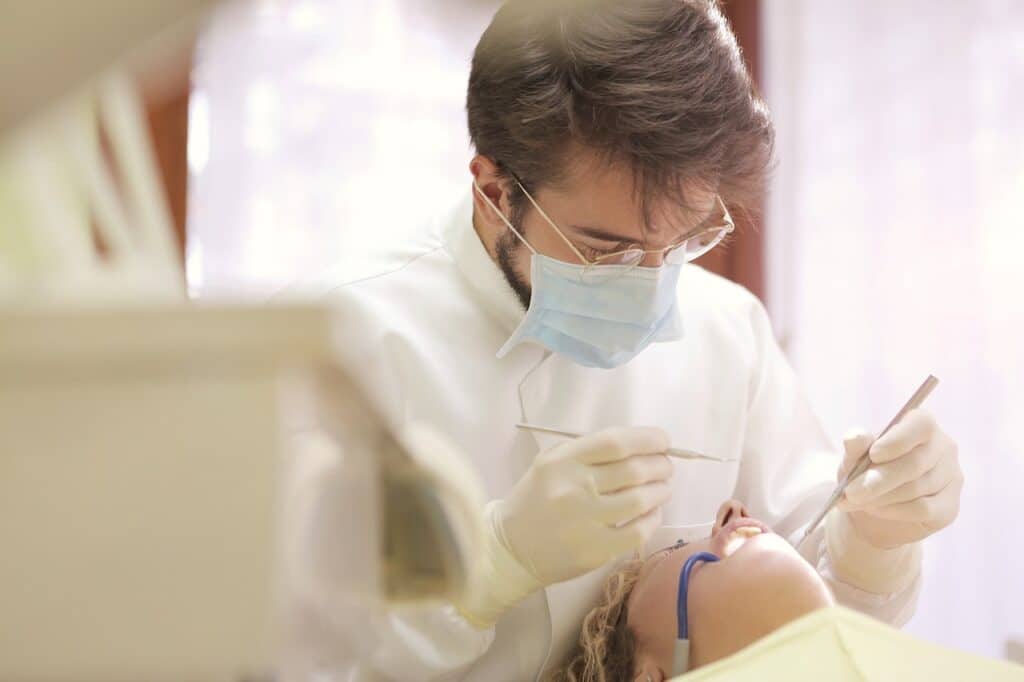
dentist

After tooth extraction, it is important to take care of your mouth properly to ensure proper healing. Here are some tips on how to care for your mouth after tooth extraction:

Brush Your Teeth and Gum Regularly

dentists

Brushing your teeth and gum regularly to remove food particles and bacteria from your mouth is important. Use a soft-bristled toothbrush and toothpaste to avoid irritating your gums.

Rinse Your Mouth Regularly

Rinse your mouth with warm water or salt water several times a day to help keep your mouth clean and free of bacteria.

Avoid Straws and Smoking

sedation

Avoid drinking from a straw and smoking cigarettes, as they can irritate your gums and delay healing.

Take Pain Medication

If you are experiencing pain, take pain medication as prescribed by your dentist.

Do Not Chew on That Side

It is important to avoid chewing on the side of your mouth where you have had surgery. Chewing on that side can cause the blood clot to come out, which can cause a lot of pain and bleeding.

What to Avoid Eating After an Extraction

For the first 24 hours after your extraction, you should avoid hard, crunchy, chewy, or sticky foods. Eating hard foods can dislodge blood clot, which can cause a lot of pain and bleeding. Eating chewy and sticky foods can stick to the empty socket and cause a lot of pain. You should eat soft foods that are easy to chew and swallow.

The Signs That You are Healing Properly Following Tooth Extraction

The signs that you are healing properly following tooth extraction include:

  • The pain from the extraction has decreased or gone away completely
  • There is no redness, swelling, or bruising around the extraction site
  • There is no pus or drainage from the extraction site
  • The socket is healed and there is no pain when you press on it
  • You are able to bite down on objects and chew normally

If you experience any of the following signs of healing improperly, please seek medical attention:

  • The pain from the extraction has increased or is still present
  • There is redness, swelling, or bruising around the extraction site
  • Pus or drainage from the extraction site
  • The socket is not healed and there is still pain when you press on it.

The Risks Associated With Tooth Extraction

There are some risks associated with tooth extraction. These include:

  • A dry socket, which is when the bone is exposed after the extraction
  • Damage to your teeth or gums
  • Damage to your sinuses
  • Infection
  • Nerve damage

What Happens After a Tooth Extraction?

After the procedure, your dentist will put a gauze pad over the extraction site. You will be told to bite on the gauze to stop the bleeding. It is normal for some bleeding to occur for the first 24 hours. If you have pain, your dentist can prescribe pain medication for you.

Your dentist will also provide you with some aftercare instructions. These may include:

  • Not smoking
  • Not drinking from a straw
  • Not drinking alcohol
  • Not eating hard, crunchy, or chewy foods
  • Not brushing near the extraction site
  • Rinsing your mouth with saltwater
  • Keeping your head elevated

The Bottomline

Following these simple tips will help you minimize the risk of infection after tooth extraction. However, if you experience any signs of infection, such as redness, swelling, or fever, be sure to consult your dentist immediately.

If you need dental extraction in Pickering, we’re here for you. Pickering Dental Services know how to provide the best in preventative dental care for you. Get in touch with us. 

Looking for professional help? Learn more about our dental extraction in Pickering at Pickering Square Dental or call (905) 420-1777 to book an appointment.

Helpful Resources

For more information, visit the Canadian Dental Association Oral Health.

Frequently Asked Questions

How often should I visit the dentist?

The Canadian Dental Association recommends visiting your dentist at least twice a year for regular check-ups and cleanings. Some patients may need more frequent visits depending on their oral health needs. Call Pickering Square Dental at (905) 420-1777 to schedule your next appointment.

Do you accept the Canadian Dental Care Plan (CDCP)?

Yes, Pickering Square Dental participates in the Canadian Dental Care Plan. Our team can help you understand your coverage and ensure you receive the dental care you need. Contact us for more details about CDCP eligibility and benefits.

What services does Pickering Square Dental offer?

We offer a full range of dental services including family dentistry, emergency dental care, sedation dentistry, dental implants, laser dentistry, teeth whitening, root canal therapy, dental extractions, periodontal care, and cosmetic dentistry. Dr. Lean and our team serve patients in Pickering, Ajax, Whitby, and Scarborough.

What You Must Know About the Uses and Risks of Laughing Gas
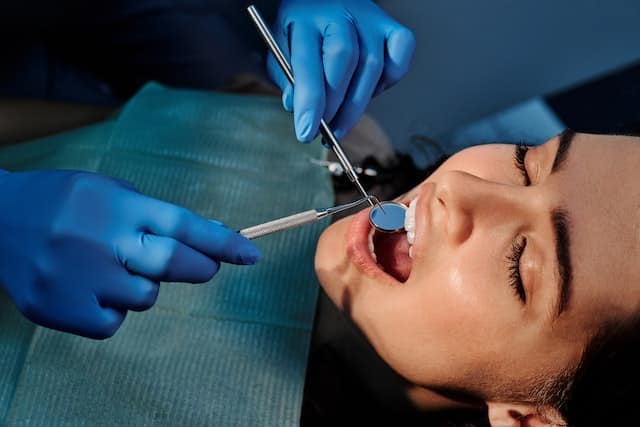
dentist laughing gas

Nitrous oxide is a gas used to help people relax before medical or dental procedures. It is non-flammable and colorless and is sometimes called laughing gas or happy gas.

Nitrous oxide is a gas that healthcare providers use to perform anesthesia. It is the weakest form of anesthesia, but it is still quite versatile because it works quickly and has limited side effects. It can be used during dental procedures, surgeries, and labor.

The Effects of the Laughing Gas

smiling

If you’re receiving nitrous oxide for anesthesia or sedation, you will inhale it from a mask. The mask looks similar to ones that deliver oxygen or nebulized medications. It is a gas that quickly makes you feel lightheaded and happy. 

Nitrous oxide is typically given in a 70 percent concentration, which means that of every 100 mL of gas, 70 mL is nitrous oxide. It is used in various medical procedures to provide pain relief. 

The amount of nitrous oxide used varies depending on the desired effect. At lower doses, it will only cause lightheadedness. However, at higher doses, nitrous oxide will make the patient sleepy and relieve pain. For example, if a patient inhales 30 percent N2O, it will have the same pain-relieving effect as taking 10 to 15 mg of morphine. Learn more about contact our Pickering dental office.

This means that at higher doses, nitrous oxide provides greater pain relief but can also cause loss of consciousness. Therefore, in some situations where a high level of pain relief is required, the maximum dose that can be given is 50 percent. Another medication will be necessary if this is not enough to control the pain.

Once your surgery is complete, your team may give you pure oxygen through a mask for a few minutes to help remove any remaining nitrous oxide from your body. They will then remove the mask from your face. You will notice the effects of the gas wearing off within one to two minutes and will feel back to normal.

The Uses of the Laughing Gas

Unlike other anesthetics that are used to put people fully to sleep, laughing gas is intended to only help people relax. The nitrous oxide flows through a mask and you breathe it in.

Laughing gas is given to children through a nasal hood, which covers their noses but not their mouths. The gas has a familiar scent to help them get used to having the mask or nasal hood on.

The laughing gas will start to make you feel lightheaded and giddy within a few minutes. You will be able to hear what is going on around you, but you may not be able to respond to questions or follow instructions. Once the gas kicks in, you may feel:

  • Dizzy
  • Lightheaded
  • Euphoric
  • Out of control

Nitrous oxide can cause people to feel happy and giggly. Some people may also see things that aren’t really there. You may feel like your arms and legs are heavy, and you may also experience a tingling sensation in your limbs.

The Effects of the Laughing Gas

man and woman brushing teeth

If you use nitrous oxide, be sure to follow your doctor’s instructions and take care to avoid any potential side effects. Nitrous oxide is generally considered safe when used occasionally. However, if you need to have multiple procedures that require nitrous oxide, your doctor may recommend you take a B12 supplement to help prevent anemia.

When inhaled, nitrous oxide produces a short-lived, pleasurable feeling of euphoria and lightheadedness. It is often used as a recreational drug, typically by inhalation from a balloon or cylinder.

Conclusion

Laughing gas has been used for centuries for its medical and recreational purposes. Its medical uses include anesthesia and pain relief. Its recreational uses include laughing gas parties and nitrous oxide-fueled cars. Laughing gas is also used in some industries, such as food processing and welding.

If you are looking for Pickering dental services, choose Pickering Dental Services. Our dentists know how to provide the best in preventative dental care so you and your family can enjoy a lifetime of healthy smiles. Schedule your appointment. 

Helpful Resources

For more information, visit the Canadian Dental Association Oral Health.

Schedule Your Appointment Today

Contact Pickering Square Dental to book your appointment with Dr. Marvin Lean. Call us at (905) 420-1777 or visit us at 1450 Kingston Rd, Unit #4, Pickering, ON.

Frequently Asked Questions

How often should I visit the dentist?

The Canadian Dental Association recommends visiting your dentist at least twice a year for regular check-ups and cleanings. Some patients may need more frequent visits depending on their oral health needs. Call Pickering Square Dental at (905) 420-1777 to schedule your next appointment.

Do you accept the Canadian Dental Care Plan (CDCP)?

Yes, Pickering Square Dental participates in the Canadian Dental Care Plan. Our team can help you understand your coverage and ensure you receive the dental care you need. Contact us for more details about CDCP eligibility and benefits.

What services does Pickering Square Dental offer?

We offer a full range of dental services including family dentistry, emergency dental care, sedation dentistry, dental implants, laser dentistry, teeth whitening, root canal therapy, dental extractions, periodontal care, and cosmetic dentistry. Dr. Lean and our team serve patients in Pickering, Ajax, Whitby, and Scarborough.