
What to Do When You Chip or Break a Tooth

Dental Emergency

Broken Tooth Emergency Pickering: Act Fast to Save Your Smile

A chipped or broken tooth can happen when you least expect it — biting into a hard piece of food, catching an elbow during a basketball game, or even grinding your teeth while you sleep. When it happens, knowing what to do in those critical first minutes can make the difference between saving the tooth and losing it permanently. If you are dealing with a broken tooth emergency Pickering residents face all too often, staying calm and following the right steps will protect your smile until you can reach a dentist. At Pickering Square Dental, we offer same-day emergency dental care to get you out of pain and on the path to recovery as quickly as possible.

This guide walks you through exactly what to do when you chip or break a tooth, the types of dental fractures, treatment options available, and when you should seek urgent care versus when it can wait a day or two.

Emergency Dental Care

Immediate Steps After Chipping or Breaking a Tooth

The moments right after a dental injury matter. Follow these steps to protect the damaged tooth and manage pain until you can see your dentist:

Step 1: Find and save any broken pieces. If you can locate the fragment of tooth that broke off, pick it up by the crown (the white part), not the root. Rinse it gently with water — do not scrub it — and place it in a small container of milk or saliva. Your dentist may be able to bond the piece back onto your tooth in some cases.

Step 2: Rinse your mouth gently. Use warm water to clean the area around the broken tooth. Swish carefully — do not use force, as this can aggravate the injury and increase bleeding.

Step 3: Control any bleeding. Apply a piece of clean gauze to the damaged area and bite down gently with steady pressure. Hold for 10 to 15 minutes or until the bleeding slows. If bleeding is heavy and does not stop after 20 minutes of continuous pressure, visit your nearest emergency room.

Step 4: Reduce swelling and pain. Apply a cold compress or ice pack wrapped in a cloth to your cheek near the injury. Keep it on for 10 minutes, then off for 10 minutes. Take an over-the-counter pain reliever such as ibuprofen (Advil) or acetaminophen (Tylenol) as directed on the packaging. Avoid aspirin, which can thin your blood and increase bleeding.

Step 5: Protect sharp edges. If the broken tooth has a sharp or jagged edge that is cutting your tongue, cheek, or lip, cover it temporarily with dental wax, sugar-free gum, or a small piece of paraffin wax. This prevents soft tissue injuries while you wait to see your dentist.

Step 6: Avoid certain foods and habits. Do not chew on the side of the broken tooth. Stick to soft foods and avoid very hot or cold beverages, as the exposed tooth structure may be sensitive to temperature changes.

Types of Tooth Fractures and How Serious They Are

Not all broken teeth are the same. The severity of the fracture determines the urgency of treatment and the type of repair your dentist will recommend:

  • Minor chip (craze lines or enamel chip): A small piece of the outer enamel breaks off. The tooth may look slightly rough or uneven, but there is usually no pain. This is the least serious type of fracture and can often wait a few days for repair.
  • Moderate crack or fracture: The break extends beyond the enamel into the dentin — the layer beneath. You may experience sensitivity to hot, cold, or sweet foods and mild to moderate pain when chewing. This type of break should be treated within 24 to 48 hours to prevent further damage or infection.
  • Severe fracture with nerve exposure: The break is deep enough to expose the pulp — the inner chamber containing nerves and blood vessels. You will likely experience significant pain, and the tooth may bleed from the centre. This is a dental emergency and requires immediate treatment, often a root canal followed by a crown.
  • Split tooth: The tooth is cracked vertically into two distinct segments. Depending on the extent of the split, the tooth may or may not be salvageable. Early treatment gives you the best chance of saving it.
  • Vertical root fracture: A crack that begins at the root and extends upward. These fractures are often painless initially but can lead to infection. They are usually discovered through X-rays and may require extraction.

Dental Emergencies

Treatment Options for a Chipped or Broken Tooth

The right treatment depends on the type and severity of the fracture. Here are the most common options your dentist may recommend:

Dental bonding: For minor chips, your dentist applies a tooth-coloured composite resin to the damaged area, shapes it to match your natural tooth, and hardens it with a special light. Bonding is quick, affordable, and can usually be completed in a single visit.

Dental veneer: If a front tooth has a larger chip or crack, a porcelain veneer — a thin shell custom-made to cover the front surface of the tooth — can restore its appearance. Veneers are durable, stain-resistant, and look completely natural.

Dental crown: For more extensive damage where a significant portion of the tooth structure is lost, a crown covers and protects the entire visible portion of the tooth. Modern crowns are made from porcelain or ceramic and are colour-matched to blend with your surrounding teeth.

Root canal therapy: When the break exposes the nerve, a root canal is necessary to remove the damaged pulp, clean and seal the inner chamber, and prevent infection. After a root canal, a crown is typically placed over the tooth for protection and strength.

Dental extraction and replacement: In cases where the tooth is too severely damaged to repair — such as a vertical root fracture or a split that extends below the gumline — extraction may be the only option. The missing tooth can then be replaced with a dental implant, bridge, or partial denture to restore function and appearance.

When Is a Broken Tooth an Emergency?

It can be difficult to judge how urgent your situation is. Here is a practical guide to help you decide:

Seek immediate emergency care if:

  • The tooth is knocked completely out of its socket (act within 30 minutes for the best chance of reimplantation).
  • There is heavy, uncontrollable bleeding.
  • You experience severe pain that over-the-counter medication cannot manage.
  • The fracture is accompanied by a jaw injury or facial trauma.
  • You notice exposed pink or red tissue inside the tooth (nerve exposure).

Schedule an appointment within 24 to 48 hours if:

  • You have a moderate crack with sensitivity or mild pain.
  • A large piece of tooth has broken off but there is no nerve exposure.
  • The broken edge is sharp and irritating your tongue or cheek.

Can wait a few days (but still needs treatment) if:

  • You have a small cosmetic chip with no pain or sensitivity.
  • The tooth feels rough but functions normally.

When in doubt, call your dentist. At Pickering Square Dental, our team can assess your situation over the phone and advise whether you need to come in right away.

Emergency Dental Care

Preventing Chipped and Broken Teeth

While accidents happen, you can reduce your risk of dental fractures with a few smart habits:

  • Wear a mouthguard during contact sports and recreational activities.
  • Do not chew on hard objects like ice, popcorn kernels, hard candy, or pen caps.
  • Address teeth grinding (bruxism) with a custom night guard from your dentist.
  • Maintain regular dental checkups to catch weakened teeth, old fillings, or early cracks before they lead to a break.
  • Eat a calcium-rich diet to support strong tooth enamel — dairy products, leafy greens, and fortified foods are all good choices.

According to the Canadian Dental Association, regular dental visits every six months are one of the most effective ways to prevent dental emergencies and catch problems early.

Frequently Asked Questions About Broken Teeth

Can a chipped tooth heal on its own?

No. Unlike bone, tooth enamel does not regenerate or heal itself. Even a small chip will remain and may worsen over time as chewing forces stress the weakened area. It is always best to have a chipped tooth evaluated and repaired by a dentist, even if it does not hurt.

How much does it cost to fix a broken tooth in Ontario?

Costs vary depending on the type of repair needed. Dental bonding typically ranges from $150 to $400 per tooth, while a dental crown may cost $800 to $1,500. Root canal therapy with a crown can range from $1,500 to $3,000. Many dental insurance plans cover a portion of these treatments. Our team can provide a detailed estimate and help you understand your insurance coverage.

Should I go to the emergency room or the dentist for a broken tooth?

In most cases, your dentist is the better choice. Emergency rooms can manage bleeding and prescribe pain medication, but they generally do not perform dental repairs. However, if your broken tooth is accompanied by a jaw fracture, severe facial trauma, or uncontrollable bleeding, go to the ER first, then follow up with your dentist for the dental repair.

Can I superglue a broken tooth back together?

Absolutely not. Superglue and other household adhesives contain chemicals that are toxic and can damage your gums, tongue, and the tooth itself. Never attempt to glue a tooth fragment back in place. Store the piece in milk and bring it to your dentist, who can bond it professionally using safe dental materials.

Get Emergency Dental Care in Pickering Today

A broken tooth does not wait for a convenient time, and neither should you. For any broken tooth emergency Pickering Square Dental is here to help — same-day appointments are available for urgent cases. We serve patients from Pickering, Ajax, Scarborough, Whitby, Oshawa, and Markham with prompt, compassionate emergency dental care. Call us right away at (905) 420-1777 — our team will work to get you seen as quickly as possible.

When Is Wisdom Teeth Removal Necessary?
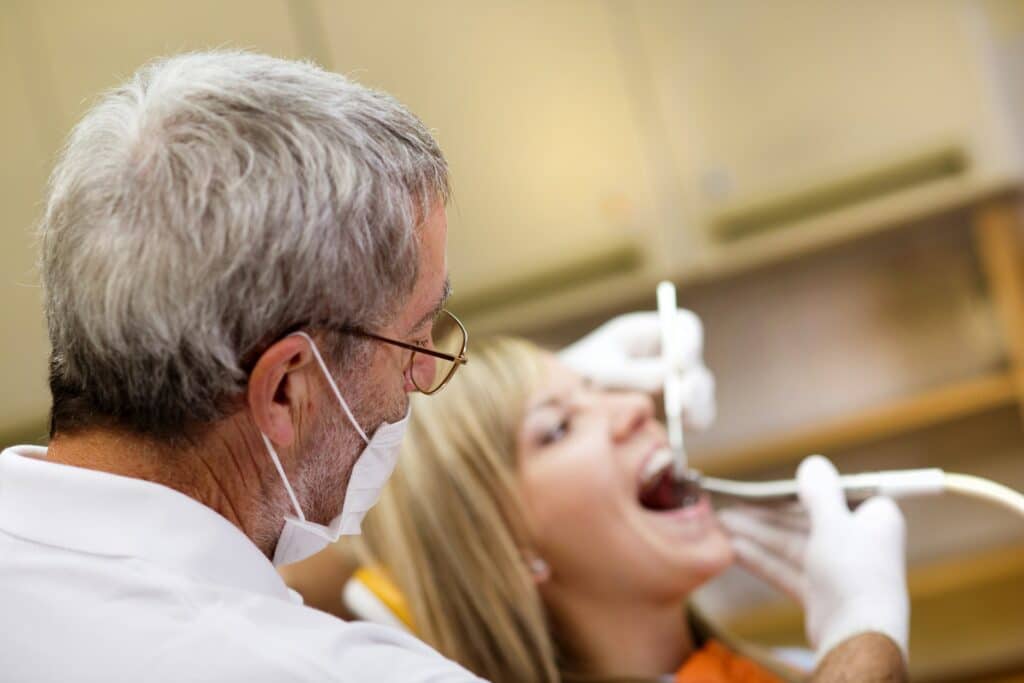
Wisdom Teeth Surgery

Wisdom Teeth Removal Scarborough: Do They Always Need to Come Out?

Wisdom teeth — the third set of molars that typically emerge between the ages of 17 and 25 — are one of the most commonly discussed topics in dentistry. Many people assume that wisdom teeth removal Scarborough dentists recommend is always necessary, but that is not always the case. Some wisdom teeth grow in properly, align well with the rest of your teeth, and cause no problems at all. When this happens, there is no clinical reason to remove them.

However, for a significant number of people, wisdom teeth do cause trouble. They may come in at an angle, get trapped beneath the gums, crowd neighbouring teeth, or develop infections. At Pickering Square Dental, we carefully evaluate each patient’s wisdom teeth using digital X-rays and clinical examination to determine whether extraction is truly necessary or whether monitoring is the better approach.

Wisdom Teeth

When Wisdom Teeth Removal Is Necessary

While not every wisdom tooth needs to come out, there are several clear situations where extraction is the recommended course of action:

Impaction: This is the most common reason for wisdom teeth removal. An impacted wisdom tooth is one that does not have enough room to emerge normally. It may be fully trapped beneath the gumline (full bony impaction), partially emerged (partial impaction), or growing sideways into the neighbouring molar. Impacted teeth can cause pain, swelling, and infection, and they increase the risk of cysts or tumours forming around the tooth root.

Pericoronitis (gum infection): When a wisdom tooth is partially erupted, a flap of gum tissue often covers part of the crown. Food and bacteria get trapped beneath this flap, leading to a painful infection called pericoronitis. Symptoms include swollen, red gums behind the last molar, a bad taste in the mouth, difficulty swallowing, and sometimes fever. Recurrent pericoronitis is a strong indication for extraction.

Crowding and shifting: Emerging wisdom teeth can push against your second molars, causing them to shift. This can undo years of orthodontic work and lead to misalignment. While the degree of crowding wisdom teeth cause is debated in dental research, your dentist can assess your specific situation with X-rays.

Tooth decay: Wisdom teeth sit far back in the mouth, making them difficult to clean properly with a toothbrush and floss. This makes them particularly vulnerable to cavities. If a wisdom tooth develops significant decay, extraction is often more practical than restoration, especially if the tooth is partially impacted or poorly positioned.

Cysts and tumours: In rare cases, a sac of fluid (cyst) can form around an impacted wisdom tooth. Over time, this cyst can enlarge and damage the jawbone, neighbouring teeth, and nerves. Early removal of the impacted tooth prevents these complications.

Damage to adjacent teeth: A wisdom tooth growing at an angle can press against the second molar, causing resorption (breakdown) of the neighbouring tooth’s root. This can compromise the health of an otherwise perfectly sound tooth.

Warning Signs That Your Wisdom Teeth May Be Causing Problems

Many wisdom tooth problems develop gradually, and some people do not notice symptoms until the issue has become serious. Watch for these warning signs:

  • Pain or tenderness at the back of your jaw, especially behind your last molar.
  • Swollen, red, or bleeding gums around the wisdom tooth area.
  • Difficulty opening your mouth fully or stiffness in your jaw.
  • A persistent bad taste in your mouth or bad breath that does not improve with brushing.
  • Swelling in the cheek or jaw on one side of your face.
  • Headaches or earaches that seem to originate from the back of your jaw.
  • Difficulty chewing or pain when biting down on the affected side.

If you experience any of these symptoms, schedule an appointment promptly. Early evaluation can prevent more serious complications like spreading infection or damage to adjacent teeth. The Ontario Dental Association recommends regular dental checkups that include monitoring wisdom tooth development, especially for patients in their late teens and early twenties.

Dental Extraction

The Wisdom Teeth Extraction Procedure

Understanding what happens during the procedure can help ease any anxiety you may feel. Here is what to expect:

Consultation and imaging: Your dentist will take panoramic X-rays or a cone beam CT (CBCT) scan to see the exact position of your wisdom teeth, the shape of their roots, and their relationship to surrounding structures like nerves and sinuses. This information guides the extraction plan.

Anaesthesia options: Depending on the complexity of the extraction and your comfort level, your dentist may recommend local anaesthesia (freezing the area), nitrous oxide (laughing gas) for mild relaxation, oral sedation for moderate anxiety, or IV sedation for deeper relaxation. Dr. Marvin Lean and the team at Pickering Square Dental discuss all options with you to find the best fit.

The extraction: For a fully erupted wisdom tooth, the procedure is similar to any other tooth extraction — the dentist loosens the tooth with an elevator instrument and removes it with forceps. For impacted teeth, a small incision is made in the gum tissue, and in some cases, a small amount of bone around the tooth is removed. The tooth may be divided into sections for easier removal. The entire process typically takes 20 to 45 minutes per tooth.

Closure: After the tooth is removed, the extraction site is cleaned, and dissolvable stitches may be placed to close the gum tissue. Gauze is placed over the site to control bleeding and help a blood clot form.

Recovery After Wisdom Teeth Removal

Recovery from wisdom teeth extraction typically takes one to two weeks, with the first three to four days being the most uncomfortable. Here is a general timeline and care tips:

Day 1 (day of surgery): Bite on gauze for 30 to 45 minutes to stop bleeding. Apply ice packs to your cheeks — 10 minutes on, 10 minutes off — to minimize swelling. Rest with your head elevated. Take prescribed pain medication before the anaesthesia wears off. Eat only soft, cool foods like yogourt, applesauce, or smoothies (do not use a straw — the suction can dislodge the blood clot and cause a painful condition called dry socket).

Days 2 to 3: Swelling typically peaks on the second or third day. Continue with ice packs and anti-inflammatory medication. Gently rinse with warm salt water (half a teaspoon of salt in a cup of warm water) after meals to keep the extraction sites clean. Avoid vigorous rinsing or spitting.

Days 4 to 7: Swelling and bruising begin to subside. You can gradually introduce softer solid foods like pasta, scrambled eggs, and mashed potatoes. Continue salt water rinses and gentle brushing, avoiding the extraction sites directly.

Days 7 to 14: Most patients feel significantly better by the end of the first week. Stitches dissolve on their own (if dissolvable ones were used). You can usually return to your normal diet and activities, though the extraction sites may take several weeks to fully heal beneath the surface.

Dental Extractions

Frequently Asked Questions About Wisdom Teeth Removal

At what age should wisdom teeth be evaluated?

Most dentists recommend evaluating wisdom teeth between the ages of 16 and 19. At this stage, the teeth are still developing, roots are not fully formed, and the bone is less dense — all of which make extraction easier and recovery faster if removal is needed. However, wisdom teeth can be removed at any age if problems develop.

Is it painful to have wisdom teeth removed?

The procedure itself is not painful because anaesthesia numbs the area completely. If you opt for sedation, you may not even remember the procedure. After surgery, some discomfort and swelling are normal for the first few days, but these are manageable with prescription or over-the-counter pain medication. Most patients report that the recovery is more uncomfortable than the actual extraction.

What is dry socket and how do I prevent it?

Dry socket (alveolar osteitis) occurs when the blood clot at the extraction site is dislodged or dissolves too early, exposing the underlying bone and nerves. It causes intense, throbbing pain that typically starts two to four days after extraction. To prevent dry socket, avoid using straws, smoking, spitting forcefully, or rinsing vigorously for at least 72 hours after surgery. If you suspect dry socket, contact your dentist immediately — the condition is treatable with medicated dressings.

Can I keep my wisdom teeth if they are not causing pain?

Possibly, yes. If your wisdom teeth are fully erupted, properly aligned, healthy, and cleanable, your dentist may recommend keeping them and monitoring them at regular checkups. However, the absence of pain does not always mean the absence of a problem — impacted teeth can silently cause damage to adjacent teeth or develop cysts without obvious symptoms. Regular X-rays help your dentist catch these hidden issues.

How many wisdom teeth can be removed at once?

All four wisdom teeth can be removed in a single appointment if necessary. In fact, many patients prefer to have all problematic wisdom teeth removed at once to avoid multiple surgeries and recovery periods. Your dentist will discuss the best approach based on your specific situation and comfort level.

Book Your Wisdom Teeth Consultation

If you are experiencing jaw pain, swollen gums, or other symptoms that may be related to your wisdom teeth, do not wait for the problem to get worse. For wisdom teeth removal Scarborough patients trust, Pickering Square Dental is your nearby choice — we serve Scarborough, Pickering, Ajax, Whitby, Oshawa, and Markham with thorough evaluations and gentle extractions. Call us at (905) 420-1777 to schedule your consultation and find out whether removal is right for you.