
Early Signs of Gum Disease and When to See a Dentist in Ajax

Bleeding When Brushing

Understanding Gum Disease: Gingivitis vs. Periodontitis

Recognising the early gum disease signs in Ajax and the surrounding Durham Region can save your teeth, your health, and thousands of dollars in future treatment. Gum disease—also called periodontal disease—is one of the most common oral health conditions in Canada, yet many people don’t realise they have it until significant damage has already occurred.

Gum disease progresses through two main stages:

Gingivitis is the earliest and mildest form. Bacteria in plaque build up along the gumline, causing inflammation. At this stage, the damage is reversible because the bone and connective tissue that hold your teeth in place have not yet been affected. With proper professional cleaning and improved home care, gingivitis can be completely resolved.

Periodontitis develops when gingivitis goes untreated. The inner layer of gum tissue pulls away from the teeth, forming pockets that trap food and bacteria. The body’s immune response, combined with bacterial toxins, begins breaking down the bone and connective tissue. Teeth may loosen, shift, or eventually need extraction. According to the Canadian Dental Association, periodontitis is a leading cause of tooth loss in Canadian adults.

Periodontal Disease

Seven Gum Disease Signs Ajax Residents Should Watch For

The challenge with gum disease is that it often develops painlessly. Many patients don’t experience noticeable discomfort until the condition has advanced. Watch for these warning signs:

1. Bleeding Gums

Healthy gums should not bleed when you brush or floss. If you notice pink on your toothbrush or blood when you spit, this is one of the earliest and most telling signs of gingivitis. Many people dismiss occasional bleeding as normal—it’s not.

2. Red, Swollen, or Tender Gums

Healthy gum tissue is firm and pale pink. If your gums appear dark red, puffy, or feel tender to the touch, inflammation is present. This swelling is your body’s response to bacterial infection along the gumline.

3. Persistent Bad Breath

Chronic bad breath (halitosis) that doesn’t improve with brushing, flossing, or mouthwash can indicate bacteria trapped in deep gum pockets. The odour comes from volatile sulphur compounds produced by these bacteria as they break down food particles and tissue.

4. Receding Gumline

If your teeth appear longer than they used to, or you can see exposed root surfaces, your gums are receding. Gum recession exposes the softer root surface of teeth, making them more vulnerable to decay and sensitivity.

5. Tooth Sensitivity

New or worsening sensitivity to hot, cold, or sweet foods and drinks may result from receding gums exposing tooth roots. While sensitivity has many causes, it’s worth having your dentist check for underlying periodontal issues.

6. Loose or Shifting Teeth

Adult teeth should not feel loose or change position. If you notice movement, gaps developing between teeth, or a change in how your bite fits together, bone loss from periodontitis may be the cause. This is an advanced warning sign that requires immediate attention.

7. Pus Between Teeth and Gums

Any discharge of pus from the gums is a clear sign of active infection. This typically indicates advanced periodontal disease and needs prompt professional treatment.

Risk Factors That Increase Your Chances

Some people are more susceptible to gum disease than others. Understanding your personal risk factors helps you take proactive steps:

  • Smoking and tobacco use. Smokers are significantly more likely to develop gum disease than non-smokers. Tobacco reduces blood flow to the gums, impairs healing, and makes treatment less effective.
  • Diabetes. People with diabetes have a higher risk of infections, including periodontal disease. Poorly controlled blood sugar levels make gum disease worse and harder to manage.
  • Genetics. Research shows that up to 30% of the population may be genetically predisposed to gum disease, even with excellent oral hygiene habits.
  • Hormonal changes. Pregnancy, puberty, menopause, and monthly menstruation can make gums more sensitive and vulnerable to gingivitis.
  • Medications. Certain drugs—including some blood pressure medications, antidepressants, and anti-seizure drugs—can reduce saliva flow or cause gum overgrowth, increasing disease risk.
  • Poor oral hygiene. Inconsistent brushing and flossing allows plaque to accumulate and harden into tartar (calculus), which can only be removed by a dental professional.
  • Stress. Chronic stress weakens the immune system, making it harder for your body to fight the bacteria that cause gum infections.

Gum Problems

When Should You See a Dentist?

If you’re experiencing any of the warning signs listed above, don’t wait for your next scheduled cleaning. Early intervention is the single most important factor in successfully treating gum disease. You should seek professional care promptly if you notice:

  • Gums that bleed regularly during brushing or flossing
  • Persistent bad breath that doesn’t respond to improved home care
  • Visible gum recession or teeth that appear longer
  • Any loose teeth or changes in your bite
  • Pain, swelling, or pus around the gums

For Ajax residents, Pickering Square Dental is conveniently located just minutes away on Kingston Road. Our Ajax dental patients benefit from the same thorough periodontal assessments and advanced treatment options available to all our patients across the Durham Region.

How Pickering Square Dental Treats Gum Disease

Treatment depends on the stage and severity of your condition. At Pickering Square Dental, Dr. Marvin Lean, Dr. Irit Shoval, and Dr. David Lee offer a comprehensive range of periodontal treatments:

  • Professional cleaning and scaling. For early gingivitis, a thorough professional cleaning removes plaque and tartar buildup above and below the gumline. This is often sufficient to reverse the condition when combined with improved home care.
  • Scaling and root planing (deep cleaning). For moderate gum disease, this non-surgical treatment cleans bacteria from deep periodontal pockets and smooths the root surfaces to help gums reattach to the teeth.
  • Laser periodontal therapy. For moderate to advanced cases, our dental laser technology removes diseased tissue and bacteria with minimal bleeding, faster healing, and no stitches. This is a preferred option for patients who want to avoid traditional gum surgery.
  • Ongoing periodontal maintenance. After active treatment, patients with a history of gum disease require more frequent cleanings—typically every three to four months—to prevent recurrence.

The Ontario Dental Association recommends regular dental check-ups as the most effective way to catch gum disease early, when treatment is simplest and most successful.

dental check-up

Frequently Asked Questions About Gum Disease

Can gum disease be cured?

Gingivitis, the early stage, is fully reversible with professional treatment and good oral hygiene. Periodontitis cannot be cured, but it can be effectively managed and controlled with ongoing professional care. The key is catching it early before irreversible bone loss occurs.

Is gum disease contagious?

The bacteria that cause gum disease can be transmitted through saliva—for example, through sharing utensils or kissing. However, simply being exposed to these bacteria doesn’t guarantee you’ll develop gum disease. Your personal risk factors, immune response, and oral hygiene habits all play a role.

Does gum disease affect overall health?

Yes. Research has linked periodontal disease to an increased risk of heart disease, stroke, diabetes complications, respiratory infections, and adverse pregnancy outcomes. Treating gum disease isn’t just about saving your teeth—it’s about protecting your whole-body health.

How can I prevent gum disease at home?

Brush twice daily with a soft-bristled toothbrush, floss at least once a day, use an antimicrobial mouthwash, avoid tobacco products, eat a balanced diet, and visit your dentist regularly for professional cleanings and examinations.

Protect Your Gums—Book Your Assessment Today

Gum disease is common, but it doesn’t have to be inevitable. With early detection and the right treatment, you can keep your gums healthy and your teeth strong for life. Pickering Square Dental serves patients from Ajax, Pickering, Whitby, Scarborough, Oshawa, and Markham with comprehensive periodontal care in a comfortable, modern environment.

Call us today at (905) 420-1777 to book your gum health assessment. We’re located at 1450 Kingston Rd, Unit #4, Pickering, ON—just a short drive from Ajax. Don’t wait for symptoms to worsen. Knowing the gum disease signs Ajax families should watch for is the first step toward protecting your smile. Early action makes all the difference.

Root Canal Recovery: What to Expect in the First Week
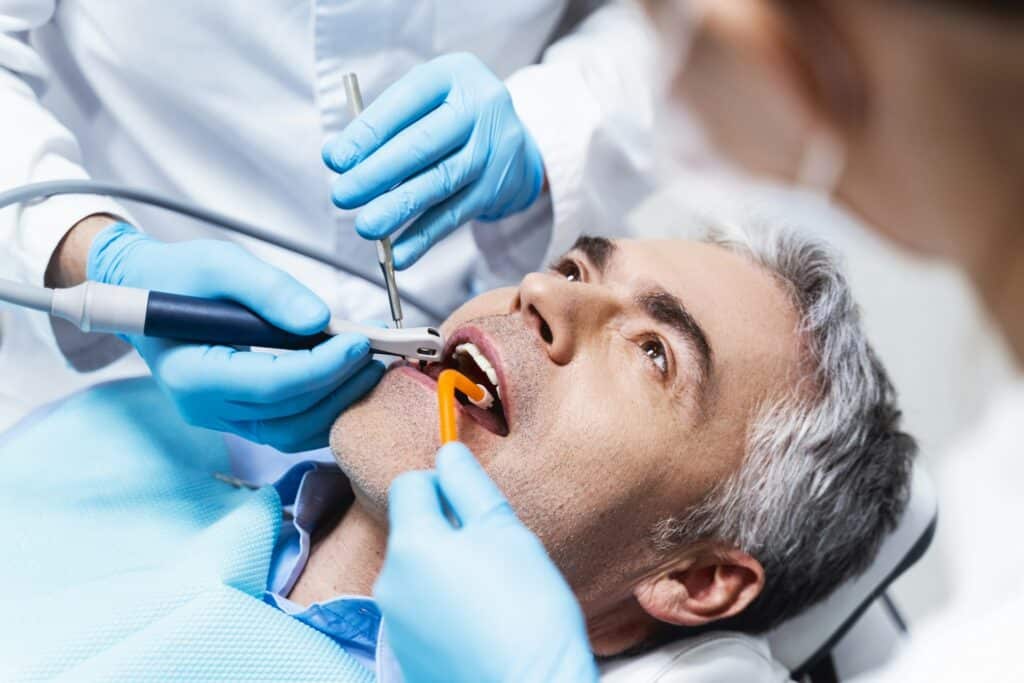
Root Canal

Why Root Canal Recovery Is Easier Than You Think

If you’ve just had a root canal—or you’re about to—knowing the right root canal recovery tips can make the experience far smoother than you expect. Modern root canal therapy bears little resemblance to its outdated reputation. Advanced techniques, better anaesthetics, and precision instruments mean the procedure itself is typically no more uncomfortable than getting a filling. And the recovery? For most patients, it’s straightforward and manageable.

At Pickering Square Dental, Dr. Marvin Lean, Dr. Irit Shoval, and Dr. David Lee perform root canals regularly and guide patients through every step of recovery. This day-by-day timeline will help you know exactly what to expect during your first week of healing.

Root Canal Therapy

Day-by-Day Recovery Timeline

Every patient heals at their own pace, but here’s a general guide to what most people experience during the first week after root canal treatment:

Day 1–2: Immediately After Treatment

Numbness. The local anaesthesia typically wears off within two to four hours after the procedure. Until it does, be careful not to bite your cheek, lip, or tongue. Avoid eating until sensation returns fully.

Mild soreness. Once the anaesthesia fades, you’ll likely notice some tenderness around the treated tooth and in the jaw area. This is completely normal—your body is beginning its healing response. The discomfort is usually mild to moderate and responds well to over-the-counter pain relievers.

Slight swelling. Minor swelling in the gum tissue around the treated tooth is common during the first 24–48 hours. Applying a cold compress (wrapped in a cloth) to the outside of your cheek for 15–20 minutes at a time can help reduce swelling and provide comfort.

What to do: Rest for the remainder of the day. Take ibuprofen (Advil) or acetaminophen (Tylenol) as directed. Sleep with your head slightly elevated to reduce swelling. Avoid chewing on the treated side.

Day 3–4: Discomfort Decreases

By the third day, most patients notice a significant improvement. The initial tenderness begins to fade, and the treated area feels less sensitive to pressure. You may still experience some soreness when biting down directly on the tooth, but it should be noticeably less than days one and two.

What to do: Continue taking pain relievers if needed, though many patients reduce or stop them by day three. Begin gently reintroducing foods on the treated side if comfortable. Continue excellent oral hygiene on all other teeth, being gentle around the treatment area.

Day 5–7: Mostly Back to Normal

By the end of the first week, most patients feel largely back to normal. Any residual tenderness is usually minimal—a slight awareness rather than actual pain. You should be able to eat, drink, brush, and floss normally.

What to do: Resume all normal activities and eating habits. If you received a temporary filling or crown, be mindful of very hard or sticky foods until your permanent restoration is placed. Keep your follow-up appointment with your dentist.

Root Canal Recovery Tips for Pain Management

Effective pain management is the foundation of a comfortable recovery. Here are proven strategies:

  • Over-the-counter pain relievers. Ibuprofen (400–600 mg every 6–8 hours) is the most commonly recommended option because it reduces both pain and inflammation. Acetaminophen is a good alternative for patients who cannot take ibuprofen. Your dentist may suggest alternating between the two for maximum relief.
  • Cold compress. Apply an ice pack wrapped in a towel to the outside of your cheek for 15–20 minutes on, 15–20 minutes off, during the first 24–48 hours. This reduces swelling and provides numbing relief.
  • Saltwater rinse. After the first 24 hours, gently rinsing with warm salt water (half a teaspoon of salt in a cup of warm water) two to three times a day can soothe the area and reduce bacteria.
  • Head elevation. Sleeping with your head propped up on an extra pillow for the first night or two can reduce blood flow to the area and minimise throbbing.
  • Avoid aspirin. Aspirin can thin the blood and increase bleeding. Stick to ibuprofen or acetaminophen unless your physician has instructed otherwise.

If your dentist prescribes any medication, take the full course as directed. For patients who experience dental anxiety, Pickering Square Dental offers sedation dentistry options that can make both the procedure and recovery period less stressful.

Root Canal

Foods to Eat and Avoid

What you eat during recovery matters. The right foods promote healing; the wrong ones can cause pain or damage the temporary restoration.

Good choices for the first few days:

  • Yogourt and smoothies
  • Scrambled eggs
  • Mashed potatoes
  • Soup (lukewarm, not hot)
  • Oatmeal and soft cereals
  • Pasta and soft-cooked rice
  • Applesauce and soft fruits (bananas, avocado)
  • Protein shakes

Foods to avoid for the first week:

  • Hard, crunchy foods (nuts, popcorn, raw carrots, hard candy)
  • Sticky foods (caramel, taffy, chewing gum)
  • Very hot foods and beverages
  • Extremely cold items if the tooth is sensitive
  • Spicy foods that may irritate the treatment area
  • Alcohol (can interfere with healing and interact with pain medications)

Chew on the opposite side of your mouth for at least the first three to four days. Once your permanent crown or filling is placed, you can return to your normal diet without restrictions.

When to Call Your Dentist

While complications after root canal therapy are uncommon, it’s important to know what signs warrant a call to your dental office. Contact Pickering Square Dental promptly if you experience any of the following:

  • Severe pain that worsens after the first 48 hours or doesn’t respond to over-the-counter pain relievers
  • Visible swelling that increases after the first two days or spreads to your face, neck, or under your eye
  • Fever (temperature above 38°C / 100.4°F)
  • An uneven bite—if the treated tooth feels significantly higher than the others when you close your mouth
  • The temporary filling or crown comes loose or falls out
  • An allergic reaction to any prescribed medication (rash, hives, difficulty breathing)
  • Pus or discharge from the treatment area
  • The original symptoms return—throbbing pain, sensitivity to heat, or a persistent ache

These signs may indicate an infection or other complication that needs professional attention. The Canadian Dental Association notes that root canal treatment has a success rate exceeding 95%, but prompt follow-up care is essential if anything feels off.

root canal

Frequently Asked Questions About Root Canal Recovery

How long does it take to fully recover from a root canal?

Most patients feel back to normal within three to seven days. The initial tenderness peaks in the first 24–48 hours and steadily improves from there. Complete tissue healing around the tooth root takes several weeks to a few months, but this happens beneath the surface and shouldn’t cause noticeable discomfort.

Can I go to work or school the next day?

Yes, most patients return to work or school the day after a root canal without any issues. The procedure itself doesn’t require significant downtime. If your job involves heavy physical labour, you may want to take it easy for the first day or two.

Is it normal for the tooth to feel different after a root canal?

Yes. Because the nerve has been removed from inside the tooth, it may feel slightly different from your other teeth—particularly in terms of pressure sensitivity. This is normal and typically resolves within a few weeks as the surrounding tissues heal. The tooth will no longer respond to hot or cold stimuli.

Do I still need a crown after a root canal?

In most cases, yes. A root canal removes the living tissue inside the tooth, which can make it more brittle over time. A crown protects the tooth from fracture and restores its full strength and function. Your dentist will discuss the best restoration option for your specific situation.

What happens if I delay getting the permanent crown?

The temporary filling placed after a root canal is not designed for long-term use. Delaying the permanent crown increases the risk of the tooth fracturing, the temporary filling leaking, or bacteria re-entering the treated canal. We recommend scheduling your crown appointment within two to four weeks of the root canal.

Comfortable Root Canal Treatment in Pickering

A root canal doesn’t have to be something you dread—and recovery doesn’t have to be difficult. At Pickering Square Dental, we combine modern technology with a gentle, patient-focused approach to make every step as comfortable as possible. Dr. Marvin Lean and our team serve patients across Pickering, Ajax, Whitby, Scarborough, Oshawa, and Markham with expert root canal recovery tips and compassionate care.

If you’re experiencing tooth pain or have questions about root canal treatment, call Pickering Square Dental at (905) 420-1777 today. We’re located at 1450 Kingston Rd, Unit #4, Pickering, ON, and we’re here to help you through every stage of treatment and recovery.