
What Is Laser Gum Treatment in Pickering?
Laser gum treatment in Pickering is changing the way dentists approach gum disease. Instead of relying on traditional scalpel-and-suture surgery, laser dentistry uses concentrated beams of light energy to remove diseased tissue, eliminate bacteria, and stimulate the body’s natural healing process. At Pickering Square Dental, Dr. Marvin Lean uses advanced dental laser technology to treat periodontal disease with greater precision and less discomfort than conventional methods.
If you’ve been told you have gum disease—or you’ve noticed bleeding, swelling, or receding gums—laser gum treatment may be the minimally invasive solution you’ve been looking for. Patients across Pickering, Ajax, Whitby, and Scarborough are choosing this modern approach for its faster recovery and gentler experience.

How Does Laser Periodontal Therapy Work?
Laser periodontal therapy, often referred to as LANAP (Laser-Assisted New Attachment Procedure), follows a carefully structured process. Here’s what happens during a typical treatment session:
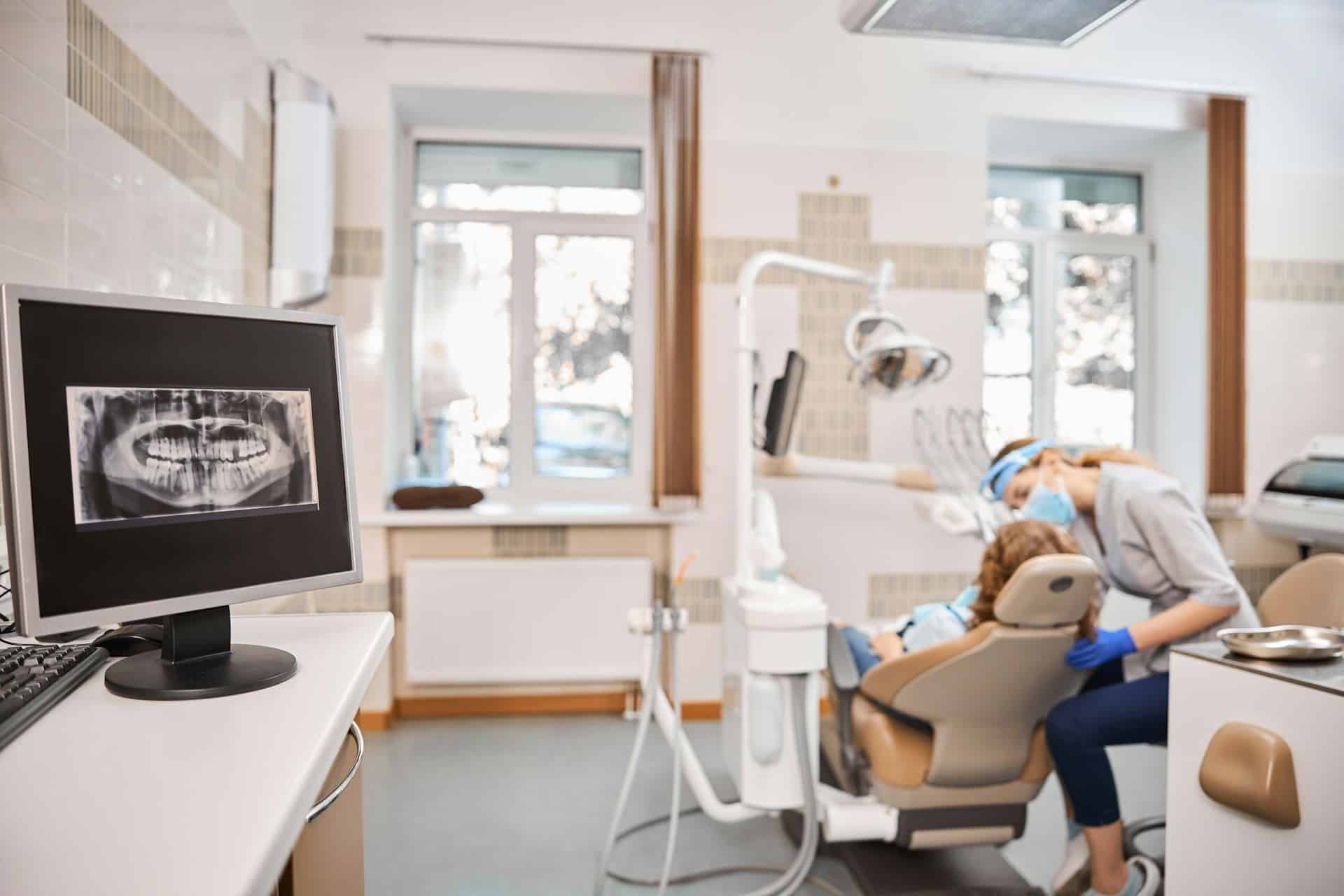
- Assessment and preparation. Dr. Lean examines your gums, measures pocket depths, and takes digital X-rays to map the extent of disease. A local anaesthetic is applied to keep you comfortable throughout the procedure.
- Laser treatment of the pocket. A thin fibre-optic laser tip—about the width of three human hairs—is inserted between the tooth and gum tissue. The laser energy targets and vaporises diseased tissue while leaving healthy tissue intact.
- Scaling and root planing. Once the infected tissue is removed, ultrasonic scalers clean tartar and calculus from the root surfaces below the gumline.
- Blood clot formation. The laser is used a second time at a different wavelength to create a stable blood clot that seals the pocket. This clot acts as a natural bandage, protecting the area and encouraging reattachment of gum tissue to the tooth root.
- Bite adjustment. If needed, Dr. Lean adjusts your bite to reduce excessive forces on the treated teeth, which supports healing.
The entire procedure typically takes one to two hours per quadrant, depending on severity. Most patients require two to four sessions to treat the full mouth.
Benefits of Laser Gum Treatment Over Traditional Surgery
Traditional gum surgery involves cutting the gums with a scalpel, folding back the tissue, and suturing it closed after treatment. While effective, this approach comes with significant downsides. Laser gum treatment eliminates many of those drawbacks.
- Minimal bleeding. The laser cauterises blood vessels as it works, dramatically reducing bleeding during and after the procedure.
- No stitches required. Because the laser creates a natural fibrin clot to seal the treatment area, sutures are unnecessary in most cases.
- Faster healing. Most patients return to normal activities within 24 hours. Traditional surgery often requires a week or more of recovery.
- Less post-operative pain. Patients consistently report less discomfort compared to conventional periodontal surgery. Many manage with over-the-counter pain relievers alone.
- Preservation of healthy tissue. The laser selectively targets diseased cells without damaging the surrounding healthy gum tissue, which promotes better long-term outcomes.
- Reduced gum recession. Because less tissue is removed, patients retain more of their natural gumline.
- Lower infection risk. The laser sterilises the treatment area, killing bacteria on contact and reducing the chance of post-procedure infection.
According to the Canadian Dental Association, early intervention for gum disease significantly improves outcomes—and laser therapy makes that intervention far more comfortable for patients.

Who Is a Candidate for Laser Gum Treatment?
Laser gum treatment is suitable for most adults with moderate to advanced periodontal disease. You may be a good candidate if you:
- Have been diagnosed with periodontitis (gum pockets deeper than 4 mm)
- Experience chronic bleeding, swollen, or tender gums
- Have noticed your gums pulling away from your teeth
- Want to avoid the discomfort and recovery time of traditional gum surgery
- Have health conditions that make traditional surgery riskier (such as diabetes or blood-clotting disorders)
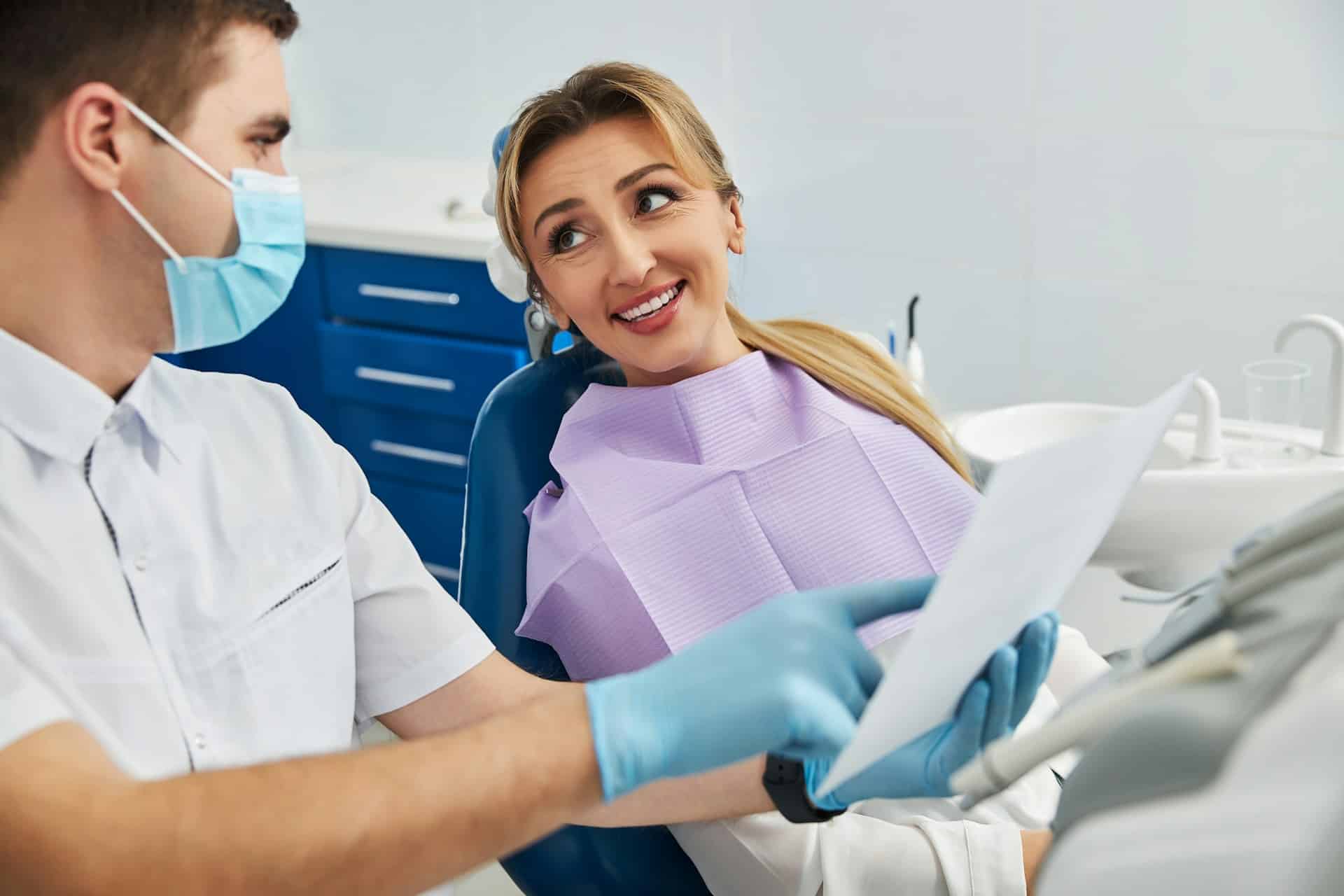
During your consultation, Dr. Lean will evaluate your oral health, review your medical history, and determine whether laser therapy is the right approach for your specific condition. In some cases, a combination of treatments may be recommended for the best results.
What to Expect During and After the Procedure
Knowing what to expect helps many patients feel more at ease. Here’s a practical timeline:
During the procedure: You’ll be comfortably numbed with local anaesthesia. You may feel slight pressure but no sharp pain. The laser makes a soft pulsing sound. Most patients find the experience far less stressful than they anticipated.
Immediately after: Your gums may feel slightly tender, similar to a mild sunburn. Some minor swelling is normal. You can drive yourself home and return to desk work the same day.
First 24–48 hours: Stick to soft foods like yogourt, scrambled eggs, soup, and smoothies. Avoid hot, spicy, or crunchy foods. Do not brush or floss the treated areas—your dental team will provide a special rinse.
First week: Gradually reintroduce normal foods as comfort allows. Follow all post-operative instructions carefully. Most patients report feeling completely normal within five to seven days.
Follow-up visits: Dr. Lean will schedule follow-up appointments to monitor healing, measure pocket depths, and ensure the gum tissue is reattaching properly.
Frequently Asked Questions About Laser Gum Treatment
Is laser gum treatment painful?
Most patients experience little to no pain during the procedure thanks to local anaesthesia. After treatment, discomfort is typically mild and manageable with over-the-counter pain relievers like ibuprofen. Many patients describe the experience as significantly more comfortable than traditional gum surgery.
How long does laser gum treatment take?
Each session typically lasts one to two hours, depending on the number of teeth and the severity of gum disease being treated. Most patients complete their full treatment in two to four visits spaced a week or two apart.
Does insurance cover laser gum treatment?
Many dental insurance plans cover periodontal treatment, including laser therapy, under their surgical or periodontal benefits. Our team at Pickering Square Dental will verify your coverage and submit claims on your behalf. We also direct bill to most major insurance providers.
Can laser gum treatment reverse gum disease?
Laser therapy can effectively treat gum disease and promote reattachment of gum tissue to tooth roots. While it cannot reverse bone loss that has already occurred, it can halt the progression of the disease and, in many cases, stimulate some bone regeneration. Early treatment produces the best results, according to the Ontario Dental Association.
How soon can I eat after laser gum treatment?
You can eat soft, lukewarm foods once the anaesthesia wears off, usually within two to three hours. Avoid hard, crunchy, spicy, or very hot foods for at least a week to protect the healing tissue.
Take the Next Step Toward Healthier Gums
Gum disease doesn’t go away on its own—but with laser gum treatment at Pickering Square Dental, treating it has never been more comfortable. Dr. Marvin Lean and our experienced dental team serve patients throughout Pickering, Ajax, Whitby, Scarborough, and the surrounding Durham Region communities. If you’re experiencing signs of gum disease or want to learn whether laser gum treatment in Pickering is right for you, we’re here to help.
Call Pickering Square Dental today at (905) 420-1777 to book your consultation. We’re located at 1450 Kingston Rd, Unit #4, Pickering, ON, and we welcome new patients from across the region.